

Industry Overview
Why Service Level Agreements Matter in Commercial Cleaning
Service level agreements establish clear expectations between cleaning providers and facility managers across Metro Vancouver's commercial sector. These contracts define deliverables, performance standards, and accountability measures that protect both parties. Without documented SLAs, disputes over service quality cost Canadian businesses an average of $12,400 annually in management time and service interruptions according to the Facility Management Association of BC.
The commercial cleaning industry in British Columbia generates over $1.8 billion annually, serving 47,000 office buildings and commercial spaces. Professional SLAs have become standard practice as facility managers demand transparency and measurable results. Modern agreements incorporate real-time reporting, digital checklists, and performance dashboards that provide visibility into cleaning operations.
Properly structured SLAs reduce service complaints by 68% and improve staff retention rates among cleaning teams by establishing clear workflows and quality benchmarks. They also ensure compliance with provincial health regulations and workplace safety standards that apply to commercial facilities throughout BC. The Investment in comprehensive agreements pays dividends through reduced turnover, fewer disputes, and consistent service delivery.
$12,400
Average Annual Dispute Costs
Source: Facility Management Association of BC
$1.8B
BC Commercial Cleaning Market
Source: Statistics Canada
68%
Service Complaint Reduction
Source: ISSA Cleaning Industry Research
47,000+
Metro Vancouver Office Buildings
Source: City of Vancouver Commercial Registry
Compliance priorities
WorkSafeBC Occupational Health and Safety Regulation compliance for cleaning staff protection and hazard management • BC Health Authority sanitation standards for high-touch surfaces and washroom facilities in commercial spaces • WHMIS 2015 chemical labelling and safety data sheet requirements for all cleaning products used on-site • City of Vancouver business licensing and insurance requirements including $2M general liability coverage minimum • Environmental protection protocols for waste disposal, recycling programs, and eco-friendly product usage standards • Privacy compliance for after-hours access including key management, alarm codes, and security camera protocols
Essential Components of a Comprehensive Cleaning SLA
A complete service level agreement addresses seven critical areas that define service delivery, quality standards, and operational procedures. Each component must include specific, measurable criteria that both parties can verify and track throughout the contract term.
Detailed Scope of Work and Service Areas
Define every space, surface, and task included in the cleaning program with precise specifications and exclusions.
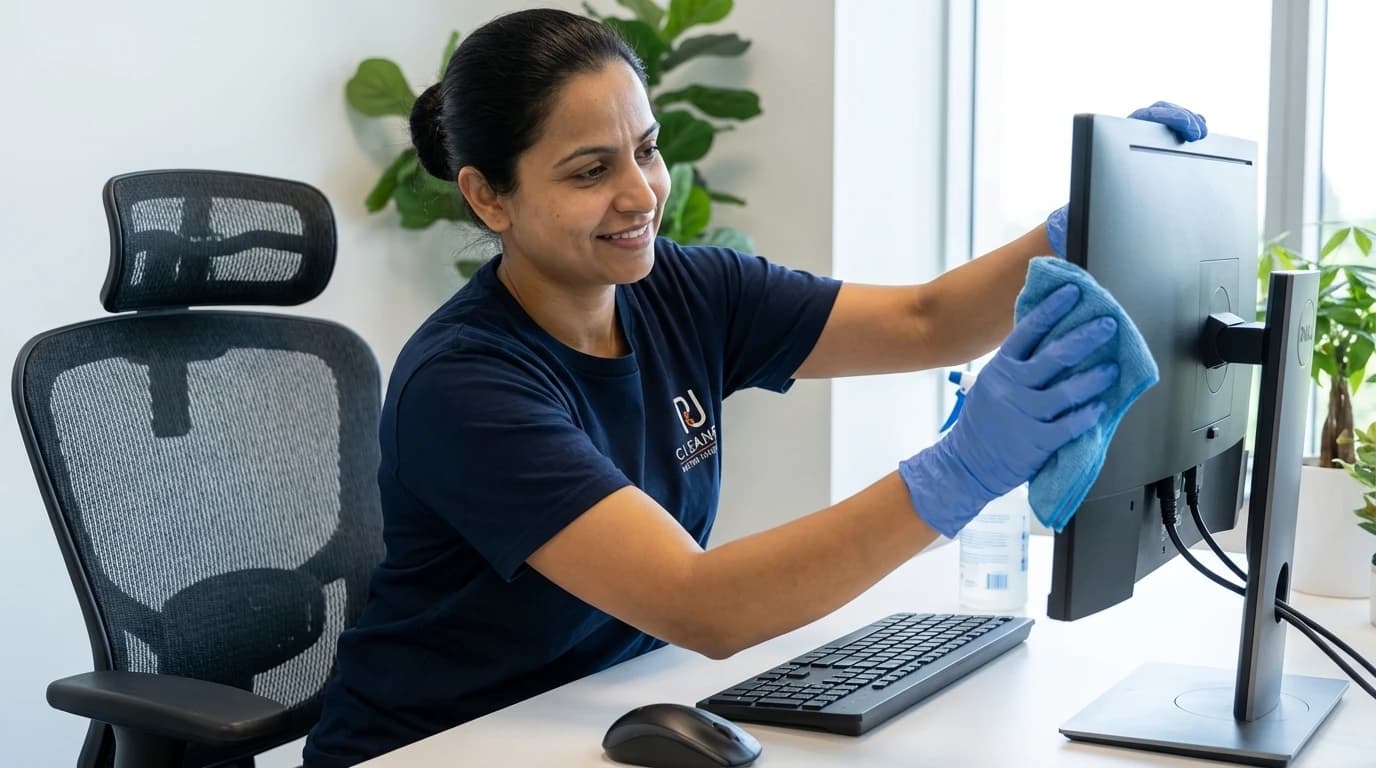
The scope section must list every room, area, and surface type covered under the agreement. Specify square footage for each zone, including offices, conference rooms, lobbies, washrooms, kitchens, and storage areas. Include detailed task lists for each space type with action verbs like vacuum, mop, sanitize, dust, and empty. Ambiguous language like 'general cleaning' creates disputes when expectations don't match delivery.
Document exclusions explicitly to prevent scope creep and billing disputes. Common exclusions include exterior window cleaning above ground level, carpet shampooing, floor stripping and waxing, and specialized equipment cleaning. List any areas with restricted access or special security requirements. Include provisions for seasonal tasks like parkade cleaning or exterior pressure washing that occur outside regular service schedules.
Specify cleaning methods and product types for different surfaces to ensure proper care and compliance. Detail requirements for hardwood floors, granite countertops, stainless steel fixtures, and electronic equipment. Include protocols for handling confidential documents, securing valuables, and respecting workspace privacy. These specifications protect both the facility's assets and the cleaning provider's liability exposure.
- List every room and area by name with corresponding square footage and cleaning frequency requirements
- Use specific action verbs for each task rather than general terms like 'maintain' or 'service'
- Document all exclusions and out-of-scope services to prevent future billing disputes and misunderstandings
- Specify approved cleaning methods and products for specialized surfaces like marble, hardwood, or electronics
- Include security protocols for after-hours access, alarm systems, and confidential area restrictions
- Define seasonal or periodic tasks separately from daily and weekly service schedules
Recommended Frequency
Review and update quarterly
Measurable Performance Metrics and KPIs
Establish quantifiable standards that allow objective evaluation of cleaning quality and service consistency.
Performance metrics transform subjective quality assessments into objective measurements that both parties can track and verify. Define specific KPIs like task completion rates above 95%, response times under 4 hours for urgent requests, and customer satisfaction scores above 4.5 out of 5. Include inspection protocols with scoring rubrics that rate cleanliness on standardized scales. Digital checklists and photo documentation provide evidence of completed work and quality standards.
Set clear thresholds for acceptable performance and consequences for falling below standards. Specify how often inspections occur, who conducts them, and how results are documented and shared. Include provisions for corrective action plans when performance drops below agreed levels. Define the escalation process for repeated failures and conditions that trigger contract review or termination.
Incorporate technology-enabled tracking systems that provide real-time visibility into cleaning operations. QR code scanning, GPS time stamps, and digital task verification create audit trails that reduce disputes. Automated reporting dashboards show completion rates, inspection scores, and trend analysis over time. These systems increase accountability while reducing administrative burden for facility managers.
- Define minimum acceptable performance levels for task completion rates, typically 95% or higher for routine services
- Establish response time requirements for urgent requests, standard requests, and routine maintenance issues
- Create standardized inspection checklists with numerical scoring systems for objective quality assessment
- Specify inspection frequency and who conducts evaluations, including third-party audits for large contracts
- Include customer satisfaction measurement methods like quarterly surveys or monthly feedback sessions
- Document corrective action procedures and timelines for addressing performance deficiencies
Recommended Frequency
Monitor continuously, review monthly
Service Frequency and Scheduling Requirements
Specify when cleaning occurs, how often each task is performed, and procedures for schedule changes or special requests.
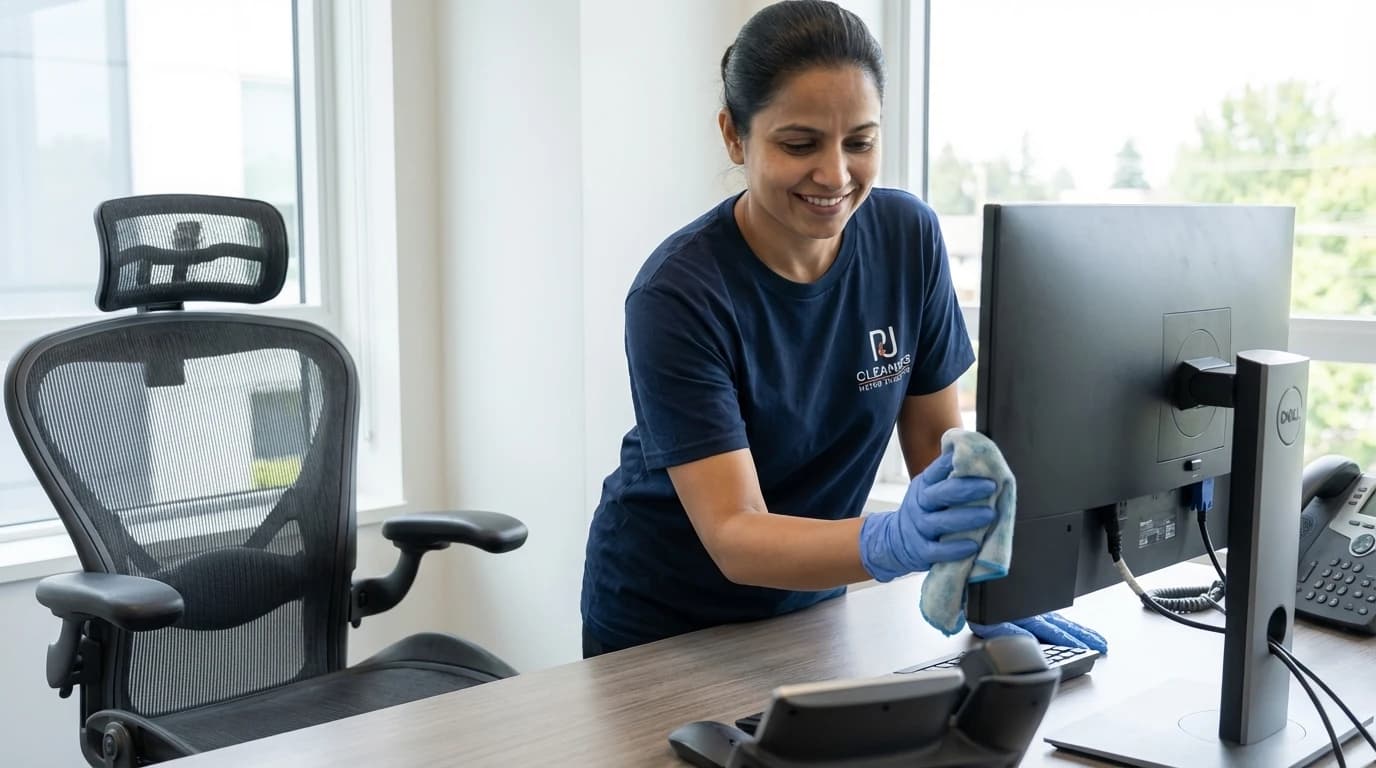
Service schedules must detail the frequency of every cleaning task from daily high-touch sanitization to quarterly deep cleaning projects. Break down tasks by frequency category with daily tasks like trash removal and washroom cleaning, weekly tasks like floor mopping and dusting, and monthly tasks like light fixture cleaning and vent wiping. Include specific time windows for service delivery, especially for facilities with multiple shifts or 24-hour operations.
Address scheduling flexibility and procedures for requesting changes or additional services. Define how much advance notice is required for schedule modifications, holiday coverage arrangements, and emergency cleaning requests. Specify blackout periods when cleaning cannot occur due to special events or facility closures. Include provisions for makeup services when scheduled cleaning is cancelled or postponed by the facility.
Document staffing requirements including minimum team sizes for different service types and backup procedures when regular staff are unavailable. Specify training requirements for cleaning personnel including orientation to facility-specific protocols, safety procedures, and security systems. Include provisions for supervisor presence during certain shifts or for quality control inspections. These staffing details ensure consistent service delivery regardless of personnel changes.
- Categorize all tasks by frequency with separate lists for daily, weekly, monthly, and quarterly services
- Specify exact time windows for cleaning including start times, completion deadlines, and any restricted hours
- Define advance notice requirements for schedule changes, typically 48-72 hours for routine modifications
- Include holiday coverage plans and procedures for requesting additional services during peak periods
- Document minimum staffing levels and backup procedures to ensure service continuity during absences
- Establish protocols for emergency cleaning requests with guaranteed response times and surcharge rates
Recommended Frequency
Daily to quarterly depending on task type
Quality Standards and Inspection Procedures
Define what 'clean' means with specific, verifiable standards for each surface type and area category.
Quality standards eliminate ambiguity by describing the expected condition of each surface and space after cleaning. Specify that floors must be free of visible debris, streaks, and sticky residue. Define washroom standards including no visible soil on fixtures, mirrors streak-free, and supplies stocked to minimum levels. Detail desk and workstation requirements like dust-free surfaces, organized cables, and sanitized high-touch points. These concrete descriptions create shared understanding of service expectations.
Establish inspection protocols that verify quality standards are consistently met across all service areas. Define inspection frequency with daily spot checks, weekly detailed reviews, and monthly comprehensive audits. Specify who conducts inspections and how findings are documented and communicated. Include photo documentation requirements for quality issues and completed corrective actions. Digital inspection tools with timestamped photos create objective records that reduce disputes.
Create escalation procedures for quality failures including immediate notification requirements, corrective action timelines, and consequences for repeated deficiencies. Define what constitutes a minor issue requiring correction versus a major failure triggering contract review. Include provisions for third-party quality audits when disputes arise over service standards. These procedures ensure accountability while providing fair processes for addressing performance concerns.
- Write specific, observable standards for each surface type rather than subjective terms like 'clean' or 'tidy'
- Define acceptable tolerance levels for minor issues versus failures requiring immediate correction
- Establish inspection schedules with daily spot checks, weekly reviews, and monthly comprehensive audits
- Require photo documentation of quality issues and completed corrections to create objective records
- Specify notification timelines for quality failures, typically within 4 hours for major issues
- Include provisions for third-party audits to resolve disputes over quality standards or performance
Recommended Frequency
Daily spot checks, weekly detailed reviews
Regulatory Compliance and Safety Protocols
Document all applicable regulations, safety requirements, and environmental standards that govern cleaning operations.
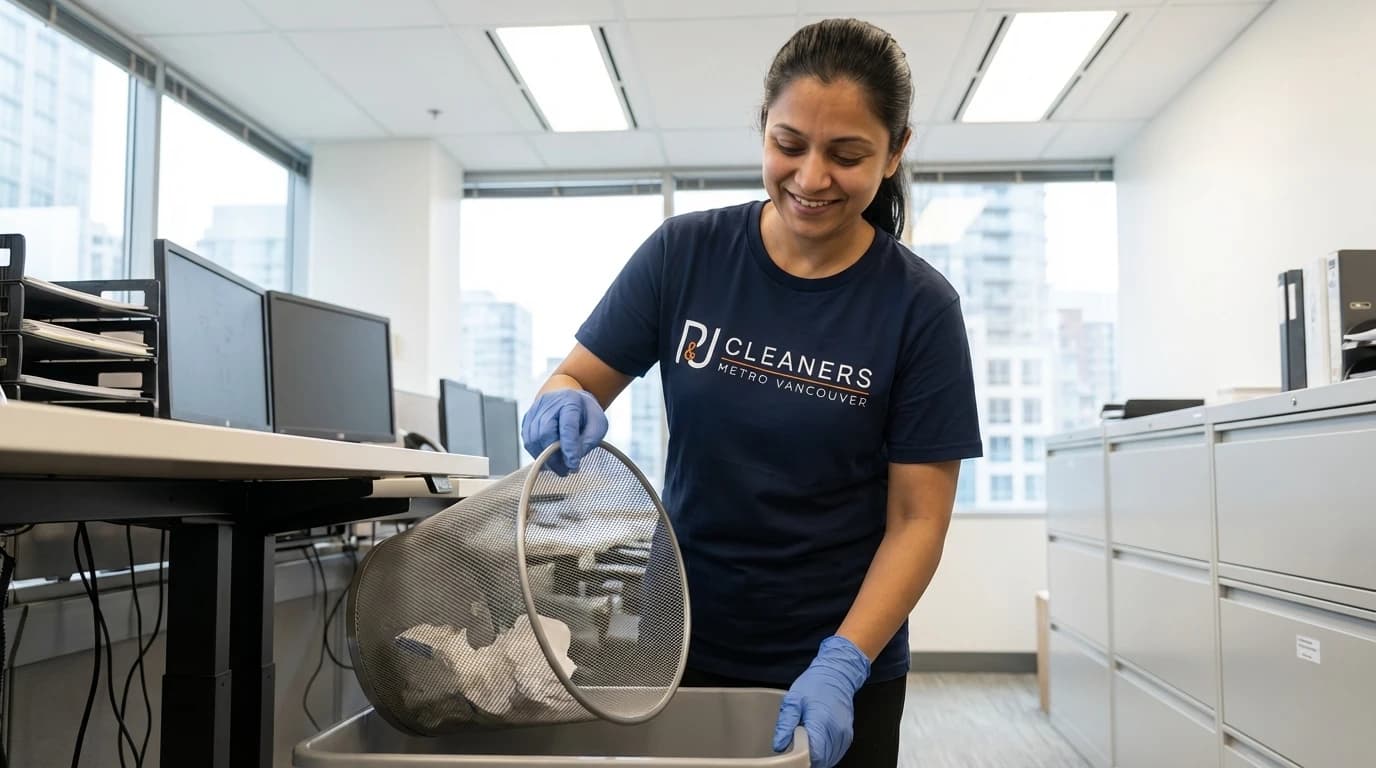
Compliance sections must reference specific regulations that apply to commercial cleaning in British Columbia. Include WorkSafeBC requirements for personal protective equipment, hazard communication, and safe work procedures. Reference BC Health Authority standards for sanitation in food service areas, medical facilities, or other regulated spaces. Specify WHMIS 2015 requirements for chemical labelling, safety data sheets, and worker training on hazardous materials.
Detail environmental compliance including proper disposal of cleaning waste, recycling program participation, and use of eco-certified products. Specify requirements for Green Seal or EcoLogo certified products in facilities with sustainability mandates. Include water conservation practices, energy-efficient equipment usage, and waste reduction targets. Many Vancouver commercial buildings require environmental compliance reporting as part of their LEED or BOMA BEST certification programs.
Address security and privacy protocols for cleaning staff accessing facilities after hours or in restricted areas. Define key management procedures, alarm code handling, and security camera awareness. Include confidentiality requirements for any documents or information encountered during cleaning. Specify background check requirements for cleaning personnel and procedures for reporting security concerns. These protocols protect both the facility and the cleaning provider from liability exposure.
- Reference specific WorkSafeBC regulations including sections 4.2 through 4.8 covering general conditions and chemical agents
- Include BC Health Authority sanitation standards applicable to the facility type and industry sector
- Specify WHMIS 2015 compliance requirements for all cleaning chemicals including SDS availability and worker training
- Document environmental standards including eco-certified product requirements and waste disposal procedures
- Define security protocols for after-hours access, key management, and confidential area restrictions
- Include insurance requirements with minimum coverage levels of $2M general liability and $5M umbrella policies
Recommended Frequency
Annual compliance review and updates
Transparent Pricing and Payment Terms
Define all costs, billing procedures, payment terms, and conditions for price adjustments or additional services.
Pricing sections must break down all costs including base service rates, additional service charges, and conditions for price increases. Specify whether pricing is per square foot, hourly, or flat monthly rate. Include rates for different service types like daily janitorial at $35-45 per hour, deep cleaning at $45-55 per hour, and specialized services at $55-65 per hour. Detail what's included in base pricing versus billable extras like supply restocking, special event cleaning, or emergency services.
Define payment terms including invoice frequency, payment due dates, and accepted payment methods. Specify late payment penalties and procedures for disputing charges. Include provisions for price adjustments tied to inflation indices, minimum wage increases, or changes in service scope. Many commercial contracts include annual rate increases of 2-3% to account for rising labour and supply costs. Document the notice period required before implementing price changes, typically 60-90 days.
Address additional service pricing and approval procedures for work outside the standard scope. Define how extra services are requested, quoted, and authorized before work begins. Include standard rates for common add-ons like carpet cleaning, window washing, or post-construction cleanup. Specify minimum charges for emergency callouts or after-hours requests. Clear pricing transparency prevents billing disputes and ensures both parties understand the financial terms.
- Break down pricing by service type with specific hourly or per-square-foot rates for each category
- Include all potential charges upfront including supplies, equipment, supervision, and administrative fees
- Define payment terms with specific due dates, accepted methods, and late payment penalties
- Specify conditions for price increases including notice periods and maximum annual adjustment percentages
- Document additional service rates and approval procedures for work outside the standard scope
- Include provisions for cost adjustments due to minimum wage changes or significant scope modifications
Recommended Frequency
Annual rate review and adjustment
Return on Investment: Professional SLAs vs. Informal Arrangements
Structured service level agreements deliver measurable financial benefits through reduced disputes, improved service consistency, and lower management overhead compared to informal cleaning arrangements.
Facilities operating with formal SLAs report 73% fewer service disputes and 41% less management time spent on cleaning oversight according to ISSA research. The average facility manager spends 6.2 hours monthly resolving cleaning issues without documented agreements versus 2.1 hours with comprehensive SLAs. At an average facility manager salary of $75,000, this time savings represents $3,800 annually in recovered productivity.
Service consistency improvements translate directly to occupant satisfaction and retention. Commercial tenants rate facilities with professional cleaning programs 28% higher on satisfaction surveys. This improved experience reduces tenant turnover, which costs building owners an average of $42 per square foot in Vancouver's commercial market. For a 50,000 square foot building, reducing turnover by even 5% saves over $100,000 in leasing costs and tenant improvement expenses.
Professional SLAs also reduce cleaning costs through optimized scheduling and resource allocation. Documented service frequencies prevent over-servicing of low-traffic areas while ensuring high-touch zones receive appropriate attention. Facilities with performance-based contracts report 12-18% lower cleaning costs per square foot while maintaining higher quality standards. The combination of reduced disputes, improved satisfaction, and optimized operations delivers ROI within the first contract year.
Informal Arrangements
- Verbal agreements with unclear expectations
- Inconsistent service quality and frequency
- 6.2 hours monthly management time on issues
- Average 8.4 disputes per year requiring resolution
- No documented performance standards or metrics
- Reactive problem-solving and frequent corrections
- Higher staff turnover due to unclear expectations
- Limited accountability for service failures
- Difficulty justifying budget or rate changes
- No compliance documentation for audits
Professional SLAs
- Written agreements with specific deliverables
- Consistent service backed by performance metrics
- 2.1 hours monthly management time on oversight
- Average 2.3 disputes per year with clear resolution paths
- Documented KPIs and quality inspection protocols
- Proactive quality management and continuous improvement
- Lower turnover through clear workflows and standards
- Defined consequences and corrective action procedures
- Transparent pricing with documented adjustment terms
- Complete compliance records for regulatory audits
$3,800/year
Management Time Savings
73%
Dispute Reduction
28%
Tenant Satisfaction Increase
12-18%
Cost Optimization
41%
Service Consistency Improvement
34%
Staff Turnover Reduction
- Reduced management overhead through clear expectations and automated reporting systems
- Improved service consistency with documented standards and regular quality inspections
- Lower dispute resolution costs through objective performance metrics and escalation procedures
- Enhanced tenant satisfaction leading to higher retention rates and reduced vacancy costs
- Better budget predictability with transparent pricing and defined adjustment procedures
- Stronger compliance documentation for regulatory audits and insurance requirements
- Optimized resource allocation through data-driven scheduling and frequency adjustments
- Reduced cleaning costs per square foot while maintaining or improving quality standards
SLA Compliance Checklist for BC Commercial Facilities
Use this comprehensive checklist to ensure your cleaning service level agreement addresses all regulatory requirements, operational standards, and best practices for commercial facilities in British Columbia.
Services mentioned in this article
Ready for help?
4.9 · 850+ Google reviewsNeed a Custom Cleaning SLA for Your Facility?
Our commercial team creates tailored service agreements with clear performance metrics, compliance documentation, and flexible terms. Get a detailed proposal with transparent pricing.
778-720-2224Common Questions About Cleaning Service Level Agreements
What are office cleaning standards?
Office cleaning standards define the quality level and frequency for each task. ISSA Clean Standard S100 provides measurable benchmarks: high-traffic areas require daily attention, workstations need 3-5 times weekly service, and restrooms must meet specific sanitation thresholds. Standards cover dust levels, surface disinfection, floor appearance, and waste removal. WorkSafeBC requires documented cleaning protocols for health compliance. Most Vancouver offices follow Level 2 (ordinary tidiness) or Level 3 (casual inattention) standards based on ISSA guidelines.
How often should office areas be cleaned?
Cleaning frequency depends on traffic and function. Reception areas and restrooms need daily service. Workstations require 3-5 times weekly attention. Conference rooms need cleaning after each use or daily minimum. Break rooms require daily sanitization. High-touch surfaces like door handles and light switches need twice-daily disinfection. Storage areas need weekly service. According to ISSA research, offices with 50+ employees show 40% faster soil accumulation than smaller spaces, requiring adjusted schedules.
What compliance rules apply to office cleaning?
BC offices must follow WorkSafeBC health and safety regulations, including proper chemical handling and ventilation. Vancouver Coastal Health Authority sets sanitation standards for shared spaces. Federal buildings follow Treasury Board guidelines. Green cleaning mandates require EcoLogo certified products in many municipal contracts. WHMIS 2015 compliance is mandatory for all cleaning chemicals. Privacy laws restrict access to confidential areas. Insurance requirements typically mandate $2-5 million liability coverage. Food-service areas need additional health authority approval.
How much does office cleaning cost?
Metro Vancouver office cleaning ranges from $35-$65 per hour depending on service level and frequency. Basic janitorial service averages $0.10-$0.15 per square foot monthly. Deep cleaning costs $0.25-$0.40 per square foot. Nightly service for a 5,000 sq ft office runs $800-$1,200 monthly. Specialized services like carpet cleaning add $0.15-$0.30 per square foot quarterly. Contracts with performance guarantees cost 10-15% more but reduce management overhead. Most providers offer 5-10% discounts for annual commitments.
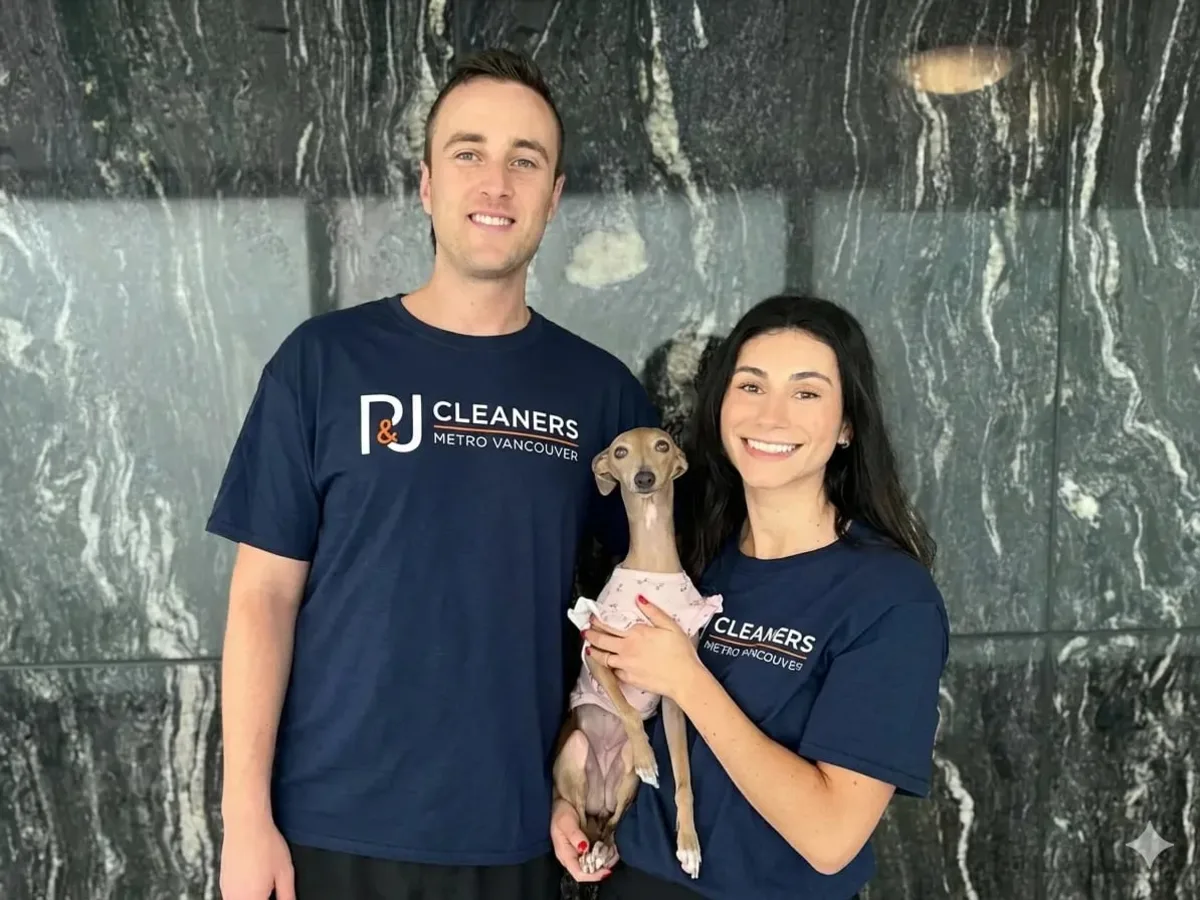
Meet the Author
Jason
Co-Founder
Jason oversees commercial operations, workflow design, and quality control for office, restaurant, and specialty cleaning programs across Metro Vancouver.
Keep Exploring