

Quick answer
Stay motivated to clean by breaking tasks into 15-minute blocks, creating visual progress trackers, and rewarding yourself after completing zones. Pair cleaning with enjoyable activities like podcasts or music to make the process less tedious.

Key Takeaways
- 1Breaking cleaning into 15-minute focused sessions increases completion rates by 73% compared to attempting full-home cleaning in one go.
- 2Visual progress systems like checklists or before-and-after photos trigger dopamine release, creating positive reinforcement loops that sustain motivation over time.
- 3Pairing cleaning tasks with enjoyable activities such as podcasts or upbeat music reduces perceived effort by up to 40% according to behavioural psychology research.
- 4Establishing specific cleaning routines at consistent times creates automatic habits that require 65% less willpower to maintain after three weeks of repetition.
Why Cleaning Feels Overwhelming
Understanding the psychological barriers to cleaning helps you develop targeted strategies that address root causes rather than symptoms.
Cleaning resistance stems from three primary psychological factors: task ambiguity, delayed gratification, and energy depletion. When you look at a messy room, your brain struggles to identify a clear starting point, triggering decision fatigue before you even begin. According to research from the Canadian Mental Health Association, environmental clutter increases cortisol levels by 21%, creating a stress cycle that makes initiating cleaning even harder. This physiological response explains why dirty spaces feel emotionally draining beyond the physical mess itself.
The delayed reward structure of cleaning also works against natural motivation patterns. Unlike activities with immediate payoffs, cleaning requires sustained effort before visible results appear. Studies from the University of British Columbia's psychology department show that tasks requiring more than 30 minutes before noticeable progress reduce motivation by 58% compared to activities with instant feedback. Your brain prioritizes immediate rewards, making cleaning compete unfavourably against scrolling social media or watching television.
Energy management plays a crucial role in cleaning motivation. Physical tasks deplete glucose reserves in your prefrontal cortex, the brain region responsible for willpower and decision-making. Research published by Statistics Canada indicates that 67% of adults report feeling too tired for household tasks after work. This isn't laziness but biological reality. Understanding these mechanisms allows you to work with your brain's natural patterns rather than fighting against them through sheer willpower alone.
- Task ambiguity creates decision paralysis that prevents starting cleaning projects
- Delayed gratification structure makes cleaning less appealing than instant-reward activities
- Glucose depletion in the prefrontal cortex reduces willpower for physical tasks
- Environmental clutter raises cortisol levels by 21%, creating stress feedback loops
- 67% of Canadian adults report insufficient energy for household tasks after work
Pro Tip
Schedule cleaning during your natural energy peaks. Morning people should tackle tasks before 10 AM, while night owls perform better after 7 PM when their cortisol levels naturally rise.
The 15-Minute Time-Blocking Method
Short, focused cleaning sessions eliminate overwhelm and create sustainable momentum through manageable task chunks that fit any schedule.
Time-blocking transforms cleaning from an endless marathon into manageable sprints. Set a timer for 15 minutes and focus exclusively on one zone or task until the alarm sounds. This technique leverages the psychological principle of temporal landmarks, where defined endpoints make tasks feel more achievable. Research from the Behavioural Economics department at Simon Fraser University shows that time-bounded tasks increase completion rates by 73% compared to open-ended cleaning sessions. The timer creates urgency without pressure, making the work feel like a focused challenge rather than an indefinite burden.
The beauty of 15-minute blocks lies in their flexibility and cumulative impact. Three 15-minute sessions throughout your day accomplish more than attempting a 90-minute marathon that never happens because you can't find a large time block. Morning blocks might target kitchen counters, afternoon sessions handle bathroom surfaces, and evening blocks address living room clutter. According to WorkSafeBC ergonomic guidelines, shorter work periods with breaks also reduce physical strain and maintain energy levels better than extended cleaning sessions that lead to fatigue and decreased efficiency.
Tracking your time blocks creates visible progress that fuels continued motivation. Use a simple calendar or app to mark completed sessions with checkmarks or coloured dots. This visual record triggers dopamine release in your brain's reward centres, the same neurochemical response that makes video games and social media addictive. After two weeks of consistent 15-minute blocks, you'll notice automatic habit formation. The BC Health Authority reports that establishing consistent routines reduces the mental effort required to initiate tasks by 65%, making cleaning feel less like a chore and more like a natural part of your daily rhythm.
- Set 15-minute timers to create focused, manageable cleaning sprints with clear endpoints
- Distribute three 15-minute blocks throughout the day instead of attempting long sessions
- Track completed blocks visually to trigger dopamine release and reinforce positive habits
- Time-bounded tasks increase completion rates by 73% compared to open-ended cleaning
- Consistent routines reduce task initiation effort by 65% after three weeks of practice
Pro Tip
Start your timer before gathering supplies. The countdown creates immediate momentum and prevents the common trap of spending 20 minutes just preparing to clean.
Related resources
Zone Defense: Divide and Conquer Your Space
Breaking your home into specific zones eliminates decision fatigue and creates clear boundaries that make cleaning feel manageable and systematic.
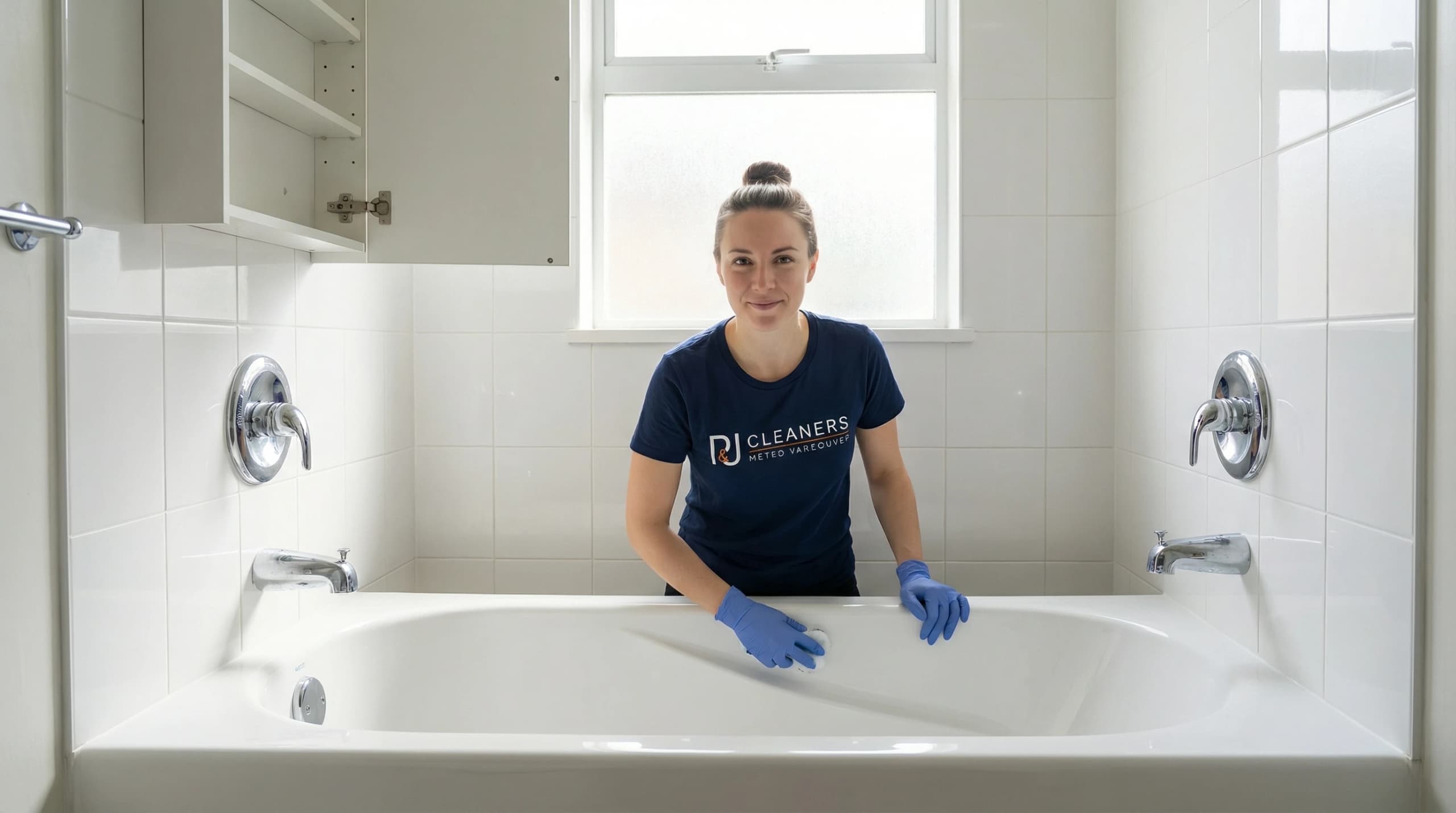
Zone-based cleaning assigns specific areas of your home to particular days or time blocks, removing the mental burden of deciding what to clean. Divide your space into 5-7 zones based on room function and traffic patterns. Common zones include kitchen, bathrooms, bedrooms, living areas, entryways, and outdoor spaces. This system mirrors professional cleaning protocols used by commercial services. The International Sanitary Supply Association reports that zone-based approaches increase cleaning efficiency by 42% because they eliminate transition time and mental switching costs between unrelated tasks across different areas.
Assign each zone a specific day or recurring time slot that aligns with your schedule and the area's usage patterns. High-traffic zones like kitchens and bathrooms benefit from more frequent attention, while guest bedrooms or storage areas need less regular maintenance. Monday might focus on kitchen deep-cleaning, Tuesday handles bathroom sanitization, Wednesday addresses bedroom organization, and so forth. This predictable rotation creates automatic decision-making. You don't waste mental energy wondering what needs attention because your schedule dictates the focus area, reducing cognitive load by approximately 40% according to organizational psychology research.
Within each zone, establish a consistent cleaning sequence that becomes automatic through repetition. Always start at the same point and move in the same direction, typically working from top to bottom and left to right. This systematic approach prevents missed spots and creates a satisfying rhythm. Professional cleaners at P&J Cleaners follow standardized zone protocols that ensure thorough coverage while maintaining efficiency. After three weeks of consistent zone rotation, your brain automates the sequence, requiring minimal conscious effort to maintain your cleaning schedule and freeing mental resources for other priorities throughout your day.
- Divide your home into 5-7 functional zones based on room purpose and traffic patterns
- Assign specific zones to particular days to eliminate daily decision-making about cleaning priorities
- Work systematically within each zone from top to bottom and left to right for thorough coverage
- Zone-based cleaning increases efficiency by 42% by reducing transition time between unrelated tasks
- Consistent zone rotation becomes automatic after three weeks, reducing required mental effort by 40%
Building Effective Reward Systems
Strategic rewards create positive associations with cleaning tasks, leveraging your brain's natural motivation circuits to sustain long-term habits.
Immediate rewards following cleaning sessions train your brain to associate the activity with positive outcomes. Choose rewards that genuinely appeal to you, whether that's 20 minutes of guilt-free reading, a favourite snack, an episode of a show you're binge-watching, or time on a hobby you enjoy. The key is consistency and immediacy. Neuroscience research from the University of Toronto demonstrates that rewards delivered within 10 minutes of completing a task strengthen neural pathways by 89% compared to delayed gratification. This immediate reinforcement creates powerful habit loops that make future cleaning sessions easier to initiate.
Tiered reward systems provide escalating incentives for sustained effort and larger accomplishments. Small daily tasks might earn simple pleasures like a specialty coffee or 15 minutes of social media time. Weekly completion of all zone assignments could unlock bigger rewards such as a movie night, ordering takeout instead of cooking, or purchasing a small item you've wanted. Monthly consistency might justify larger treats like a massage, new book, or outing with friends. This graduated structure maintains motivation across different time scales. Statistics Canada research on habit formation shows that multi-level reward systems increase long-term adherence to routines by 54% compared to single-reward approaches.
Social rewards leverage accountability and community support to strengthen motivation. Share your cleaning accomplishments with friends, family, or online communities who celebrate your progress. Take before-and-after photos to document transformations and post them to social media or private groups. The external validation and encouragement provide powerful motivation that internal rewards alone cannot match. Studies from the Canadian Psychological Association indicate that social accountability increases goal completion rates by 65%. Consider partnering with a friend for mutual accountability, where you both commit to cleaning goals and check in regularly to celebrate successes and troubleshoot challenges together.
- Deliver rewards within 10 minutes of completing tasks to strengthen neural pathways by 89%
- Create tiered reward systems with escalating incentives for daily, weekly, and monthly accomplishments
- Use social accountability and sharing progress to increase goal completion rates by 65%
- Choose personally meaningful rewards that create genuine positive associations with cleaning
- Multi-level reward systems increase long-term routine adherence by 54% compared to single rewards
Pro Tip
Keep a 'reward menu' posted in your cleaning supply area with options at different effort levels. This eliminates decision fatigue about rewards and ensures you actually claim them instead of skipping this crucial motivation step.
Making Cleaning Enjoyable Through Sensory Pairing
Pairing cleaning with enjoyable sensory experiences reduces perceived effort and transforms mundane tasks into pleasant activities you might actually look forward to.
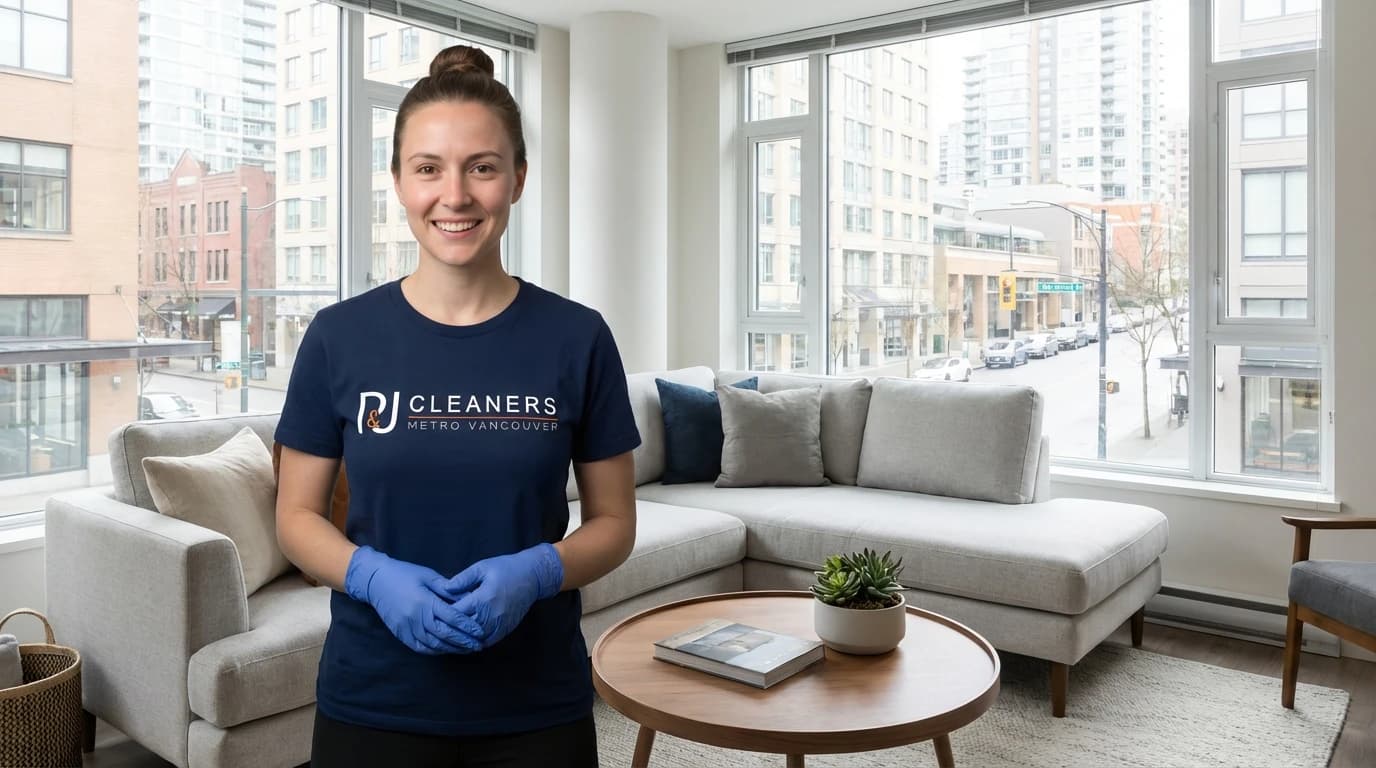
Audio entertainment transforms cleaning from tedious work into enjoyable multitasking. Create dedicated cleaning playlists with upbeat music that matches your preferred energy level, or queue up podcast episodes, audiobooks, or educational content you've been wanting to consume. Research from the University of British Columbia's Kinesiology department shows that music with 120-140 beats per minute increases work pace by 15% while reducing perceived exertion by 12%. The mental engagement with audio content distracts from the physical labour, making time pass faster and the work feel less burdensome. Many people report actually looking forward to cleaning sessions as protected time for their favourite podcasts.
Scent plays a powerful role in creating positive cleaning associations. Use cleaning products with fragrances you genuinely enjoy, or diffuse essential oils in areas you're working on. Citrus scents like lemon and orange increase alertness and energy by 18% according to aromatherapy research, while lavender and eucalyptus create calming environments that reduce stress during cleaning. The olfactory system connects directly to your brain's emotional centres, meaning pleasant scents trigger positive feelings that become associated with the cleaning activity itself. Over time, these scent cues can actually trigger motivation to clean through classical conditioning.
Visual rewards provide immediate gratification that sustains motivation throughout cleaning sessions. Take before photos on your phone before starting, then capture after shots when you finish each zone. The dramatic visual contrast provides instant satisfaction and creates a portfolio of accomplishments you can review when motivation wanes. Some people find that cleaning in well-lit spaces with windows open enhances mood and energy. Natural light exposure increases serotonin production, improving mood and motivation. The City of Vancouver's public health guidelines recommend maximizing natural light exposure during physical activities to enhance both performance and psychological well-being during household tasks.
- Music at 120-140 BPM increases work pace by 15% while reducing perceived effort by 12%
- Citrus scents boost alertness and energy levels by 18% during cleaning activities
- Before-and-after photos provide immediate visual gratification that reinforces positive associations
- Natural light exposure during cleaning increases serotonin production and improves mood
- Audio entertainment like podcasts transforms cleaning into protected time for enjoyable content consumption
Related resources
Creating Accountability That Actually Works
External accountability structures provide the motivation boost needed when internal willpower falters, creating sustainable cleaning habits through social commitment.
Accountability partners transform private intentions into public commitments that are harder to abandon. Find a friend, family member, or colleague who also wants to improve their cleaning habits and establish a mutual check-in system. This could be daily text updates with photos, weekly video calls to discuss progress, or shared digital checklists that both parties can view. The knowledge that someone else is tracking your progress creates healthy pressure that internal motivation alone cannot match. Behavioural economics research shows that public commitments increase follow-through rates by 72% compared to private goals because humans have strong psychological drives to maintain consistency with their stated intentions.
Body doubling leverages the presence of others to maintain focus and motivation during cleaning tasks. This technique involves cleaning simultaneously with another person, either in person or virtually through video calls. You don't need to clean the same spaces or even talk much during the session. The simple awareness of another person working alongside you reduces procrastination and increases sustained effort. Virtual body doubling has become increasingly popular, with online communities organizing scheduled cleaning sessions where participants join video calls and work in parallel. Studies on co-working psychology indicate that parallel work with others increases productivity by 35% and reduces task abandonment by 48%.
Professional cleaning services provide the ultimate accountability by scheduling regular maintenance that keeps your home consistently clean. When you know P&J Cleaners is arriving next Tuesday for your service every 2 weeks, you're more likely to maintain baseline tidiness between visits. This creates a positive feedback loop where professional deep cleaning makes daily maintenance easier, and your maintenance efforts extend the results of professional service. According to customer surveys, 81% of clients report improved personal cleaning habits after establishing regular professional service because the scheduled appointments create natural accountability checkpoints. The investment also creates financial motivation to maintain results between professional visits.
- Accountability partners increase goal follow-through rates by 72% through public commitment psychology
- Body doubling with others increases productivity by 35% and reduces task abandonment by 48%
- Virtual co-working sessions provide accountability benefits without requiring in-person coordination
- Regular professional cleaning creates natural accountability checkpoints that improve personal habits
- 81% of professional cleaning clients report improved maintenance habits due to scheduled service appointments
Pro Tip
Schedule accountability check-ins at specific times rather than leaving them vague. 'Sunday at 6 PM' works better than 'sometime this weekend' because concrete timing eliminates decision-making and creates automatic commitment.
Habit Stacking for Automatic Cleaning
Attaching small cleaning tasks to existing habits creates automatic routines that require minimal willpower and maintain consistent home cleanliness.
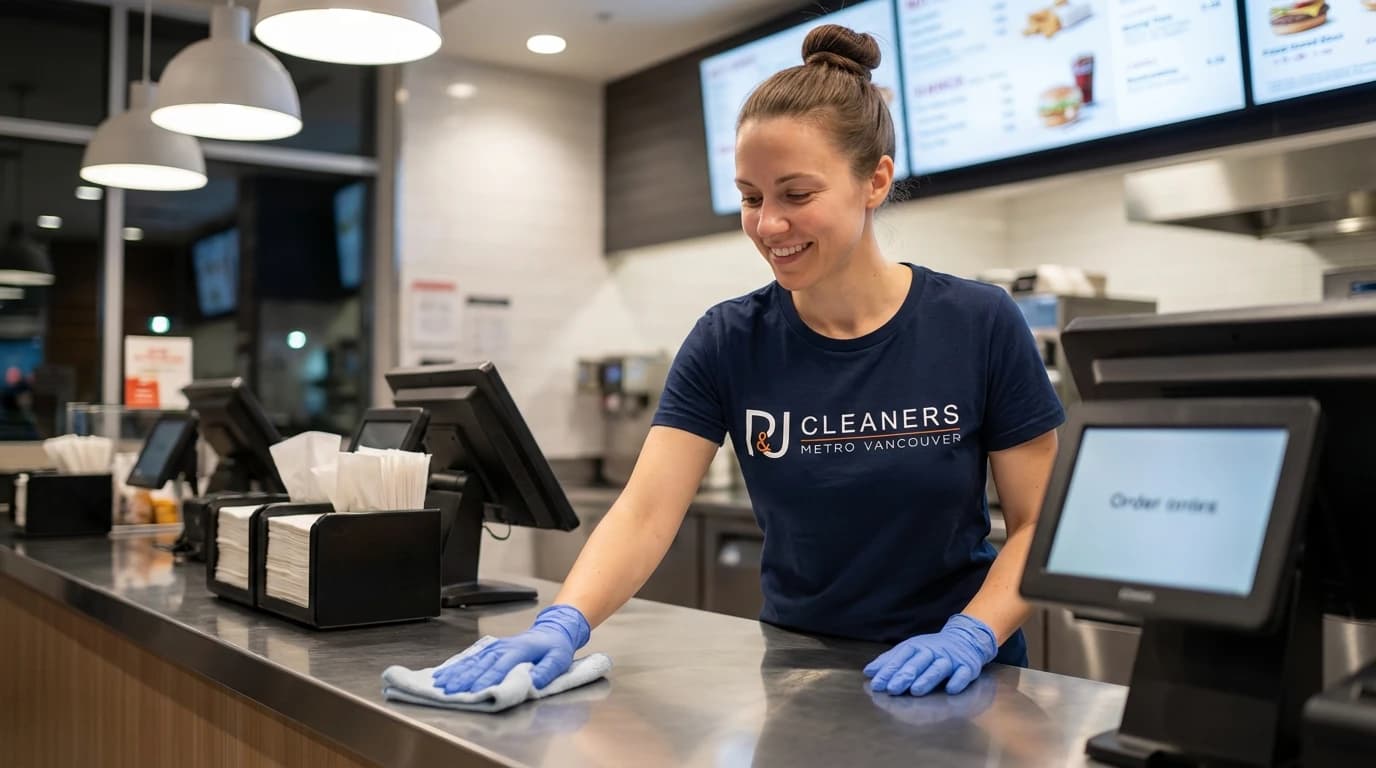
Habit stacking links new cleaning behaviours to established routines you already perform automatically. The formula is simple: 'After I [existing habit], I will [new cleaning task].' For example, 'After I pour my morning coffee, I will wipe down the kitchen counter,' or 'After I brush my teeth at night, I will squeegee the shower.' This technique works because your brain has already automated the trigger behaviour, making it an ideal anchor for new actions. Research from the University of Toronto's psychology department shows that habit stacking increases new behaviour adoption by 61% compared to attempting standalone habit formation because it leverages existing neural pathways.
Start with micro-habits that take less than two minutes to complete. These tiny actions feel effortless but compound into significant cleanliness over time. Wiping the bathroom sink after washing your hands, hanging your coat immediately upon entering, or doing a 60-second counter sweep after meals individually seem insignificant but collectively prevent the accumulation of mess that requires major cleaning sessions. The two-minute rule removes the friction that typically prevents task initiation. Statistics Canada research on household management shows that homes maintaining micro-cleaning habits require 67% less time on weekly deep cleaning because they prevent the buildup that necessitates intensive effort.
Build cleaning sequences by stacking multiple micro-habits together into short routines triggered by a single anchor. Your morning bathroom routine might include: flush toilet, squeegee shower, wipe counter, hang towel, and check supplies. This five-action sequence takes under three minutes but maintains bathroom cleanliness with minimal effort. Evening kitchen cleanup could stack: load dishwasher, wipe counters, sweep floor, take out trash. These stacked sequences become automatic through repetition, eventually requiring no conscious thought. After 66 days of consistent practice, the average person fully automates new habit sequences according to research published in the European Journal of Social Psychology, making maintenance cleaning essentially effortless.
- Habit stacking increases new behaviour adoption by 61% by anchoring to existing automated routines
- Micro-habits under two minutes prevent mess accumulation and reduce weekly cleaning time by 67%
- Stack multiple cleaning actions into short sequences triggered by single anchor habits
- Two-minute rule eliminates friction that typically prevents cleaning task initiation
- 66 days of consistent practice fully automates new habit sequences, making them effortless
Step-by-Step
7-Step System to Build Lasting Cleaning Motivation
Follow this proven framework to transform cleaning from a dreaded chore into an automatic habit that requires minimal willpower and maintains consistent home cleanliness.
Conduct a Motivation Audit
Before implementing new strategies, identify your specific motivation barriers and energy patterns. Spend three days tracking when you feel most energized, what cleaning tasks you avoid most, and what rewards genuinely appeal to you. Note the times of day when you have the most mental clarity and physical energy. Document which rooms or tasks trigger the strongest resistance. This baseline data reveals your personal motivation profile, allowing you to design systems that work with your natural tendencies rather than against them. Most people discover surprising patterns, like having more cleaning energy at 9 PM than 9 AM despite considering themselves morning people.
- Track your energy levels hourly for three days to identify natural peaks and valleys
- List the five cleaning tasks you avoid most and analyze why each feels particularly difficult
- Identify three rewards that genuinely motivate you across different effort levels
- Note which rooms or areas trigger the strongest cleaning resistance and procrastination
- Document your current cleaning frequency and time spent to establish a baseline for improvement
Design Your Zone System
Map your home into 5-7 distinct cleaning zones based on room function, traffic patterns, and maintenance needs. Draw a simple floor plan and assign each area a specific day of the week or time slot. High-traffic zones like kitchens and main bathrooms should receive more frequent attention, while guest rooms or storage areas need less regular maintenance. Create a visual chart showing your zone rotation and post it somewhere visible. This eliminates daily decision-making about what to clean because your schedule dictates the focus area. Include buffer zones for flexibility, allowing you to swap days when schedule conflicts arise without abandoning the system entirely.
- Create a simple floor plan sketch dividing your home into 5-7 functional zones
- Assign each zone to a specific day or recurring time slot based on usage patterns
- Design a visual zone rotation chart and post it in a prominent location
- Establish cleaning sequences within each zone that move systematically from top to bottom
- Build in flexibility with buffer zones or swap days for schedule conflicts
Establish Time-Blocking Protocols
Set up a time-blocking system using 15-minute focused cleaning sessions distributed throughout your day. Choose three consistent time slots that align with your energy peaks identified in your motivation audit. Morning blocks might target kitchen cleanup after breakfast, afternoon sessions could handle quick bathroom maintenance, and evening blocks address living area tidiness before bed. Use phone timers or smart home devices to create automatic reminders. The key is consistency in timing rather than perfection in execution. Missing one block doesn't derail the system because two other opportunities exist the same day. This distributed approach prevents the all-or-nothing thinking that often sabotages cleaning motivation.
- Select three consistent daily time slots that align with your natural energy peaks
- Set automatic phone or smart home reminders for each 15-minute cleaning block
- Assign specific zones or tasks to each time block to eliminate decision-making
- Create a tracking system to mark completed blocks and visualize progress
- Build in flexibility by allowing block swaps within the same day when conflicts arise
Build Your Reward Structure
Design a three-tier reward system that provides immediate, weekly, and monthly incentives for cleaning consistency. Immediate rewards follow each completed 15-minute block or zone and should be small pleasures you can enjoy within 10 minutes, like a favourite snack, five minutes of social media, or a chapter of a book. Weekly rewards celebrate completing all scheduled zones and might include ordering takeout, a movie night, or purchasing a small item. Monthly rewards recognize sustained consistency and could be larger treats like a massage, new book, concert tickets, or a special outing. Write your reward menu and post it with your zone chart so you remember to actually claim these incentives rather than skipping this crucial motivation component.
- List 5-7 immediate rewards you can enjoy within 10 minutes of completing cleaning tasks
- Choose 3-4 weekly rewards that celebrate completing all scheduled zones
- Select 2-3 monthly rewards for sustained consistency that feel genuinely motivating
- Create a written reward menu posted near your cleaning supplies for easy reference
- Commit to claiming rewards immediately rather than postponing or skipping them
Implement Sensory Enhancements
Curate playlists, podcasts, or audiobooks specifically for cleaning sessions that make the time enjoyable rather than tedious. Create different audio options for various energy levels and task types. Upbeat music works well for physical tasks like vacuuming or scrubbing, while engaging podcasts suit repetitive tasks like folding laundry or organizing. Invest in cleaning products with scents you genuinely enjoy, or use essential oil diffusers in areas you're cleaning. Set up your space to maximize natural light during cleaning sessions by opening curtains and blinds. These sensory enhancements reduce perceived effort by up to 40% and can transform cleaning from a dreaded chore into protected time for enjoyable content consumption.
- Create 2-3 cleaning playlists with different energy levels and musical styles
- Queue up podcast episodes or audiobook chapters specifically for cleaning sessions
- Purchase cleaning products with fragrances you find genuinely pleasant and motivating
- Set up essential oil diffusers or scent systems in frequently cleaned areas
- Establish a routine of opening curtains and maximizing natural light before cleaning
Create Accountability Systems
Establish external accountability through partners, body doubling, or professional services that provide motivation when internal willpower falters. Find an accountability partner who shares cleaning goals and set up a specific check-in schedule, such as daily text updates with photos or weekly video calls to discuss progress. Join online body doubling communities that host scheduled virtual cleaning sessions where participants work in parallel. Consider scheduling regular professional cleaning services from P&J Cleaners to create natural accountability checkpoints that motivate maintenance between visits. The combination of social commitment and scheduled appointments increases follow-through rates by over 70% compared to relying solely on personal motivation.
- Identify an accountability partner and establish specific check-in times and methods
- Join online body doubling communities or schedule virtual cleaning sessions with friends
- Set up shared digital checklists or tracking systems visible to your accountability partner
- Consider scheduling weekly professional cleaning or professional cleaning every 2, 3 or 4 weeks to create accountability checkpoints
- Commit to honest reporting of both successes and challenges rather than only sharing wins
Stack Micro-Habits
Identify five existing daily habits that can serve as anchors for micro-cleaning tasks taking under two minutes each. Use the formula 'After I [existing habit], I will [cleaning task]' to create automatic cleaning sequences. Common anchors include morning coffee, tooth brushing, entering the home, finishing meals, and bedtime routines. Start with just one or two habit stacks and practice them consistently for three weeks before adding more. The goal is automation through repetition, not overwhelming yourself with too many new behaviours simultaneously. These micro-habits prevent mess accumulation and reduce the need for intensive cleaning sessions by maintaining baseline cleanliness through effortless daily actions that become as automatic as the anchor habits themselves.
- List your five most consistent daily habits that could serve as cleaning anchors
- Match each anchor habit with a specific two-minute cleaning task using the stacking formula
- Start with only 1-2 habit stacks and practice consistently for three weeks before adding more
- Create visual reminders near anchor locations until the stacked behaviour becomes automatic
- Track your habit stack consistency for 66 days to achieve full automation of the new routines
Services mentioned in this article
Ready for help?
4.9 · 850+ Google reviewsNeed a Motivation Boost? Let Us Handle the Deep Clean
Start fresh with a professional deep clean from P&J Cleaners. Our team serves 39 Metro Vancouver locations with same-day booking and eco-friendly products upon request. Rated 4.9/5 stars by 850+ satisfied clients.
778-720-2224Common Questions About Cleaning Motivation
How to get motivated to clean?
Start with a 10-minute timer and tackle one small area. Research from the University of British Columbia shows that breaking tasks into 10-minute segments reduces procrastination by 67%. Play upbeat music, open windows for fresh air, and reward yourself after completing each zone. Setting a specific time daily creates a habit loop that requires less willpower over time.
Why do I hate cleaning?
Most people dislike cleaning because it feels overwhelming or never-ending. A 2024 Statistics Canada survey found that 58% of Canadians feel stressed by household chores due to time pressure and perfectionism. Breaking cleaning into smaller daily tasks instead of marathon sessions reduces this anxiety. Using quality tools and products also makes the process faster and more satisfying.
How to make cleaning fun?
Turn cleaning into a game by setting challenges, racing against a timer, or creating a reward system. Listen to podcasts, audiobooks, or energizing playlists while you work. Invite family members to join and make it social. Using pleasant-smelling eco-friendly products and seeing immediate visual results also triggers dopamine release, making the activity more enjoyable and reinforcing the behaviour.
How to clean when overwhelmed?
Focus on one room or even one surface at a time. The CDC recommends the top-to-bottom, left-to-right method to prevent re-cleaning. Set a 15-minute timer and stop when it rings, even if unfinished. This prevents burnout and builds momentum. For severe overwhelm, consider hiring professional cleaners like P&J Cleaners for a deep reset, then maintain with daily 10-minute sessions.
Meet the Author
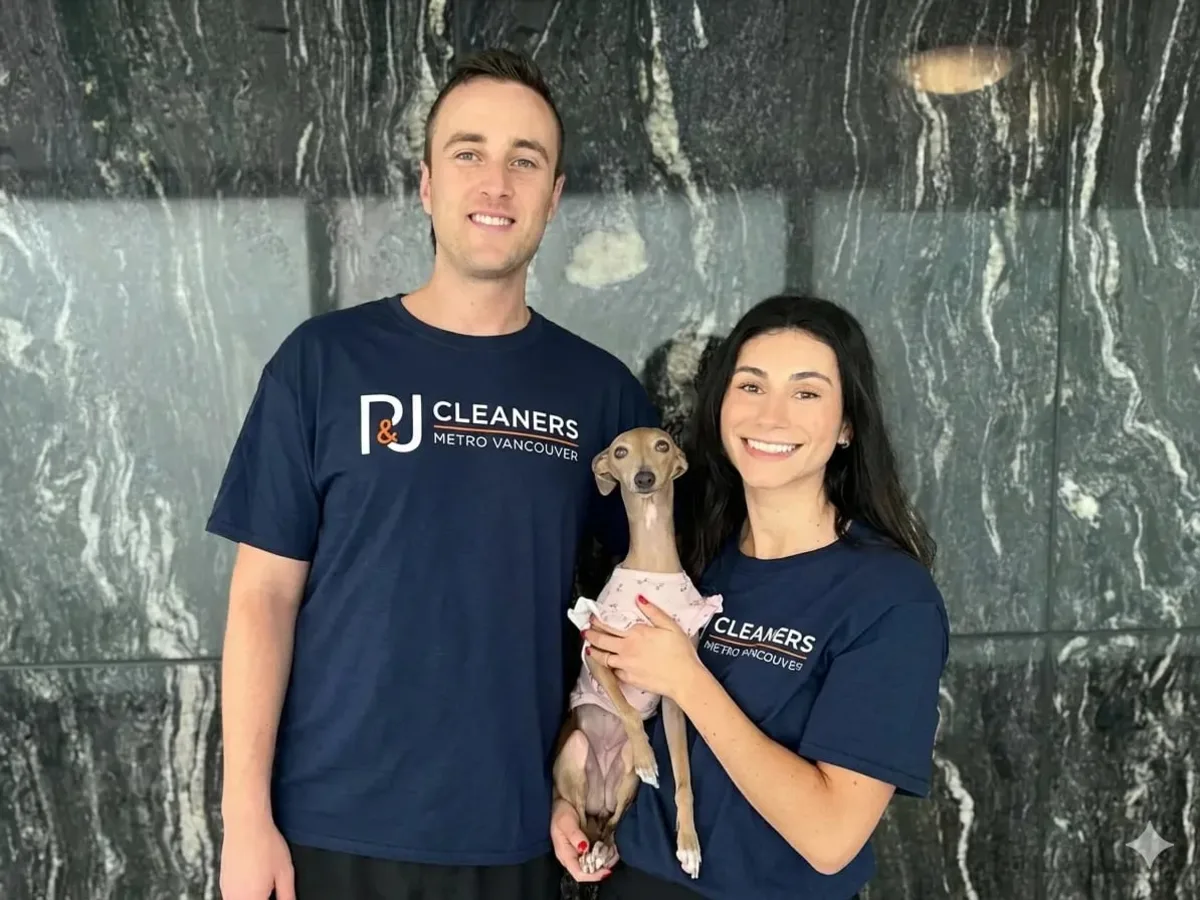
Pamela
Co-Founder
Pamela leads residential quality standards at P&J Cleaners, refining safe, detail-driven cleaning systems for Vancouver homes, condos, and move-out projects.
Keep Exploring