

Quick answer
Child-safe cleaning uses non-toxic products free from harsh chemicals like ammonia, chlorine bleach, and phthalates. Vinegar, baking soda, castile soap, and certified eco-friendly cleaners protect children from respiratory irritation and skin reactions while maintaining effective sanitation.

Key Takeaways
- 1Health Canada reports that 63% of household poisonings in children under five involve cleaning products, making non-toxic alternatives essential for family safety.
- 2Vinegar, baking soda, and castile soap cost $8-$15 per bottle and effectively clean 90% of household surfaces without toxic residue or fumes.
- 3EcoLogo and Green Seal certifications guarantee products meet strict safety standards, with third-party testing confirming low toxicity and biodegradability for child environments.
- 4High-touch surfaces like countertops, door handles, and toys require daily cleaning with child-safe solutions to reduce pathogen transmission by up to 80%.
Understanding Toxic Cleaning Risks for Children
Children face higher exposure risks from conventional cleaning products due to developing immune systems, frequent floor contact, and hand-to-mouth behaviour that increases chemical ingestion.
Children absorb chemicals more readily than adults because their skin is thinner and more permeable, while their respiratory rates are faster, increasing inhalation exposure. The BC Centre for Disease Control notes that children breathe 50% more air per kilogram of body weight than adults, amplifying their exposure to airborne cleaning product fumes. Their developing nervous systems and organs are particularly vulnerable to neurotoxins and endocrine disruptors commonly found in conventional cleaners. Young children spend significant time on floors where chemical residues accumulate, and their frequent hand-to-mouth contact creates direct ingestion pathways for toxic substances left on surfaces.
Common cleaning product ingredients pose specific health risks for children. Ammonia causes respiratory irritation and can trigger asthma attacks, affecting 13% of Canadian children according to Statistics Canada. Chlorine bleach produces toxic fumes that damage lung tissue and can cause chemical burns on skin contact. Phthalates, used as fragrance carriers, disrupt hormone function and have been linked to developmental delays. Quaternary ammonium compounds, or quats, found in disinfectants cause skin sensitization and respiratory problems. The Canadian Partnership for Children's Health and Environment identifies these chemicals as priority concerns for reducing childhood exposure in home environments.
Accidental poisoning remains a serious concern despite safety caps and warning labels. The Canadian Paediatric Society reports that cleaning products account for 23% of all poisoning calls to provincial poison control centres involving children under six years old. Brightly coloured liquids in spray bottles attract curious toddlers who may mistake them for juice or water. Even small ingestions of concentrated cleaners can cause severe burns to the mouth, throat, and digestive tract. Storage in locked cabinets reduces but does not eliminate risk, as children often access products during active cleaning when bottles are left unattended on counters or floors.
- Children's faster breathing rates increase inhalation exposure to cleaning product fumes by 50% compared to adults
- Ammonia-based cleaners trigger asthma symptoms in 13% of Canadian children with existing respiratory conditions
- Phthalates in fragranced products disrupt endocrine function during critical developmental windows in early childhood
- Cleaning products cause 23% of poisoning calls involving children under six, with most incidents occurring during active cleaning
- Chemical residues on floors pose ingestion risks through hand-to-mouth contact, especially for crawling infants and toddlers
Pro Tip
Store all cleaning products, even non-toxic ones, in locked cabinets above counter height. Children can climb surprisingly well, and even natural products can cause stomach upset if ingested in quantity.
Essential Non-Toxic Cleaning Ingredients
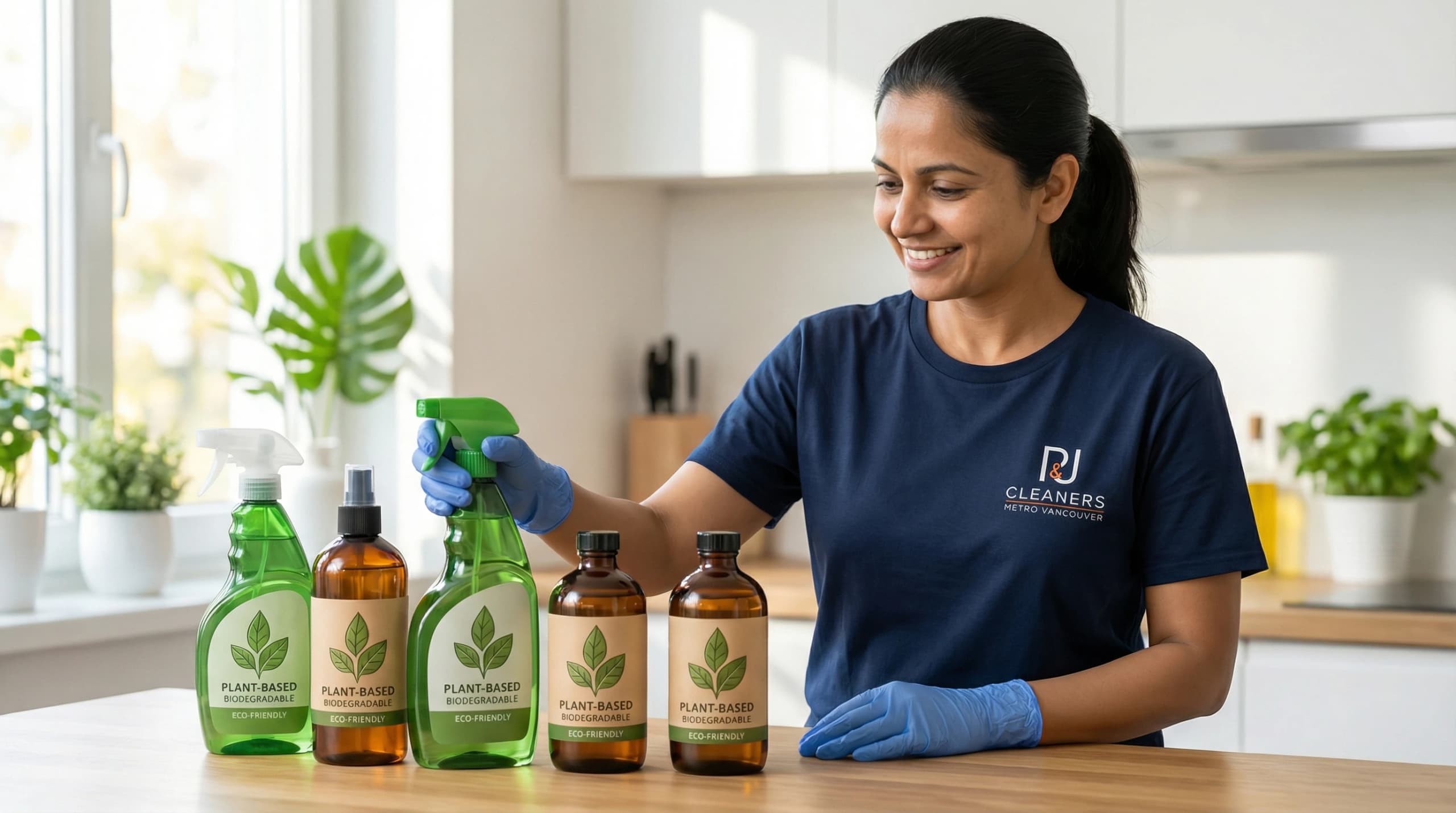
Five core ingredients—white vinegar, baking soda, castile soap, hydrogen peroxide, and essential oils—provide safe, effective cleaning power for virtually every household surface and cleaning challenge.
White vinegar contains 5% acetic acid that cuts through grease, dissolves mineral deposits, and kills 80% of common bacteria and viruses without toxic residue. It costs approximately $4 per litre at Vancouver grocery stores and works effectively on glass, countertops, floors, and bathroom fixtures. The acidic nature breaks down soap scum and hard water stains that accumulate in sinks and showers. Vinegar neutralizes odours rather than masking them with synthetic fragrances, making it ideal for kitchens and bathrooms. Dilute one part vinegar with one part water in a spray bottle for general cleaning, or use full strength for tough mineral buildup on faucets and showerheads.
Baking soda, or sodium bicarbonate, provides gentle abrasive action that scrubs surfaces without scratching while neutralizing acids and absorbing odours. A 500-gram box costs $3-$5 and lasts for months of regular cleaning. Its mild alkalinity dissolves grease and lifts stains from countertops, sinks, and stovetops. Mix baking soda with water to form a paste for scrubbing tubs, tile grout, and oven interiors. Sprinkle dry baking soda on carpets and upholstery, let sit for 15 minutes, then vacuum to eliminate odours without chemical air fresheners. Combine baking soda with vinegar for a fizzing reaction that helps clear drain clogs and clean garbage disposals naturally.
Castile soap, made from plant oils rather than petroleum derivatives, provides effective cleaning without synthetic detergents or harsh surfactants. Dr. Bronner's and other brands cost $12-$18 per 500ml bottle but dilute significantly, making them economical for regular use. Two tablespoons per litre of water creates an all-purpose cleaner for floors, walls, and woodwork. Castile soap rinses cleanly without leaving sticky residue that attracts dirt or creates slippery surfaces. It works in both hard and soft water, though hard water may require slightly more product. Add a few drops to a damp cloth for washing toys, high chairs, and other items children frequently touch or mouth.
- White vinegar kills 80% of bacteria and viruses at $4 per litre, providing hospital-grade disinfection without toxic chemical residues
- Baking soda's gentle abrasive action scrubs effectively without scratching surfaces, costing only $3-$5 for 500 grams that lasts months
- Castile soap dilutes to create gallons of all-purpose cleaner from a single $15 bottle, eliminating need for multiple specialized products
- Hydrogen peroxide (3% solution) disinfects cutting boards and countertops, breaking down into water and oxygen without harmful byproducts
- Essential oils like tea tree and lavender add natural antimicrobial properties and pleasant scents without synthetic fragrance chemicals
Pro Tip
Never mix vinegar with hydrogen peroxide or castile soap, as the acid-base reaction reduces cleaning effectiveness. Use them separately or rinse surfaces between applications for best results.
Related resources
Certified Eco-Friendly Product Selection
Third-party certifications like EcoLogo, Green Seal, and EPA Safer Choice identify genuinely safe products, cutting through greenwashing claims with verified testing standards and ingredient transparency.
EcoLogo certification, managed by UL Environment, requires products to meet stringent criteria for reduced environmental impact and human health safety. Products must demonstrate low toxicity through standardized testing, contain no carcinogens or reproductive toxins, and use biodegradable ingredients that break down within 28 days. The certification process includes third-party laboratory testing and ongoing compliance monitoring. Over 300 cleaning products carry EcoLogo certification in Canada, available at major retailers including London Drugs, Whole Foods, and Canadian Tire. Look for the maple leaf logo on product labels to identify certified options that meet Health Canada safety guidelines for use around children and pets.
Green Seal certification focuses specifically on human health impacts, prohibiting ingredients known to cause asthma, reproductive harm, or developmental problems in children. Products must disclose all ingredients, including fragrances, rather than hiding formulations behind proprietary claims. The standard limits volatile organic compounds to 10% or less, significantly reducing indoor air quality impacts. Green Seal certified products cost $8-$25 per bottle, comparable to conventional cleaners but with verified safety profiles. Brands like Seventh Generation, Method, and Ecover carry Green Seal certification and are widely available at Vancouver grocery stores and online retailers. The certification requires annual renewal with updated testing, ensuring ongoing compliance with evolving safety standards.
EPA Safer Choice certification identifies products with ingredients that pose the least concern for human health and the environment. The program evaluates every ingredient, not just active cleaning agents, including preservatives, dyes, and fragrances. Products must perform as well as conventional alternatives in standardized cleaning tests while meeting strict safety criteria. The Safer Choice label appears on over 2,000 products, including all-purpose cleaners, dish soaps, and laundry detergents. Many certified products cost less than $10 per bottle and are available at mainstream retailers. The EPA maintains a searchable online database where consumers can verify product certification status and review ingredient safety profiles before purchasing.
- EcoLogo certification requires biodegradability within 28 days and prohibits carcinogens, with over 300 certified cleaning products available in Canada
- Green Seal limits volatile organic compounds to 10% or less, reducing indoor air pollution by up to 75% compared to conventional cleaners
- EPA Safer Choice evaluates every ingredient including fragrances and preservatives, not just active cleaning agents, ensuring comprehensive safety
- Certified products cost $8-$25 per bottle, comparable to conventional cleaners but with third-party verified safety testing and ingredient transparency
- Annual recertification requirements ensure products maintain safety standards as formulations change and new research emerges on ingredient risks
Pro Tip
Avoid products claiming to be 'natural' or 'green' without third-party certification. These terms are unregulated marketing language that often masks conventional chemical formulations with minor plant-based additions.
Room-by-Room Cleaning Protocols
Different rooms require tailored approaches based on contamination risks, surface types, and children's activity patterns, with kitchens and bathrooms demanding more frequent attention than bedrooms and living areas.
Kitchen cleaning focuses on food preparation surfaces where bacteria multiply rapidly and children frequently touch or eat. Clean countertops, cutting boards, and high chairs after each use with hot water and castile soap, followed by a vinegar spray for disinfection. The BC Centre for Disease Control recommends sanitizing food contact surfaces daily to prevent cross-contamination from raw meat and produce. Wipe cabinet fronts, appliance handles, and light switches weekly, as these high-touch areas accumulate grease and germs. Clean floors twice weekly with a vinegar-water solution, paying extra attention to areas under high chairs and near garbage bins where food particles attract pests. Wash dish towels and sponges daily in hot water, as they harbour more bacteria than toilet seats according to NSF International testing.
Bathroom cleaning requires daily attention to prevent mould growth and pathogen transmission in moist environments. Spray shower walls and tub with vinegar after each use to prevent soap scum and mildew buildup. Clean toilets daily with baking soda and vinegar, scrubbing the bowl, seat, and exterior surfaces that children touch. Wipe sinks and countertops after each use to remove toothpaste residue and prevent water spots. Wash bath toys weekly in a vinegar solution to kill mould spores that thrive in wet, hollow toys. Clean floors twice weekly with castile soap, focusing on areas around toilets where urine splashes create odours and bacterial growth. Replace toothbrushes every three months and store them upright in open air to prevent bacterial colonization between uses.
Bedroom and living area cleaning emphasizes dust removal and allergen control rather than disinfection. Vacuum carpets and upholstery weekly using a HEPA filter vacuum that traps 99.97% of particles, reducing dust mite allergens that trigger asthma. Damp-dust surfaces with a microfibre cloth and water rather than spray polishes that leave chemical residues on furniture children touch. Wash bedding weekly in hot water to kill dust mites, and use allergen-proof mattress and pillow covers for children with sensitivities. Clean windows and mirrors monthly with vinegar solution, and wipe baseboards and door frames where dust accumulates. Declutter regularly to reduce surfaces where dust collects, and store toys in closed bins rather than open shelves that require frequent dusting.
- Kitchen countertops require cleaning after each use and daily sanitizing with vinegar to prevent bacterial growth from food preparation
- Bathroom toilets need daily cleaning with baking soda and vinegar, as they harbour 3.2 million bacteria per square inch according to NSF testing
- Bedroom carpets should be vacuumed weekly with HEPA filters to remove dust mite allergens that affect 20% of Canadian children
- High chairs and food contact surfaces need immediate cleaning after meals to prevent bacterial multiplication that doubles every 20 minutes
- Bath toys require weekly vinegar soaks to kill mould spores that colonize hollow toys within 48 hours of water exposure
Pro Tip
Clean from top to bottom in each room, starting with ceiling fans and light fixtures, then surfaces, and finishing with floors. This prevents redistributing dust and dirt onto already-cleaned areas.
Related resources
Toy and Surface Sanitization
Toys and high-touch surfaces require different cleaning frequencies and methods based on material composition, with plastic toys tolerating stronger solutions than fabric items or wooden surfaces.
Hard plastic toys withstand vigorous cleaning and should be washed weekly or immediately after illness. Fill a sink with hot water and add two tablespoons of castile soap, then scrub toys with a brush to remove visible dirt and grime. Rinse thoroughly under running water to remove all soap residue that could irritate skin or be ingested. For disinfection, spray toys with a 50-50 vinegar-water solution and let sit for five minutes before rinsing again. Alternatively, wash dishwasher-safe toys on the top rack using the sanitize cycle that reaches 150°F, hot enough to kill most pathogens. Air dry completely before returning toys to play areas, as moisture promotes bacterial and mould growth in crevices and hollow spaces.
Fabric toys and stuffed animals require gentler cleaning to prevent damage while still removing allergens and pathogens. Machine wash weekly in hot water with fragrance-free detergent, using an extra rinse cycle to remove all soap residue. Add half a cup of white vinegar to the rinse cycle for natural fabric softening and odour elimination without chemical dryer sheets. Dry on high heat for at least 40 minutes to kill dust mites that survive washing but die at temperatures above 130°F. For toys that cannot be machine washed, spot clean with castile soap and water, then place in a sealed plastic bag in the freezer for 48 hours to kill dust mites. Vacuum fabric toys monthly with an upholstery attachment to remove surface dust and allergens between washings.
Wooden toys and surfaces need moisture-controlled cleaning to prevent warping, cracking, or finish damage. Wipe with a barely damp cloth and mild castile soap solution, then immediately dry with a clean towel to prevent water absorption. Avoid soaking wooden items or leaving them wet, as moisture causes wood to swell and crack. For disinfection, spray lightly with vinegar solution and wipe dry within 30 seconds. Condition wooden toys monthly with food-grade mineral oil or beeswax to maintain finish and prevent drying. Sand rough spots with fine-grit sandpaper to prevent splinters, and inspect regularly for cracks or loose parts that could pose choking hazards. Discard wooden toys that show signs of mould, as it penetrates wood grain and cannot be fully removed.
- Hard plastic toys should be washed weekly in hot soapy water and disinfected with vinegar spray for five minutes contact time
- Fabric toys require machine washing in hot water above 130°F to kill dust mites that trigger allergies in 20% of children
- Wooden toys need immediate drying after damp cleaning to prevent warping, with monthly mineral oil conditioning to maintain finish
- Dishwasher sanitize cycles reach 150°F, hot enough to kill 99.9% of bacteria on plastic toys without chemical disinfectants
- Freezing fabric toys for 48 hours kills dust mites in items that cannot be machine washed or dried on high heat
Pro Tip
Rotate toys weekly, keeping half in storage while the other half is in use. This reduces cleaning frequency, limits clutter, and makes deep cleaning more manageable when toys cycle back into rotation.
Indoor Air Quality Management
Ventilation, humidity control, and elimination of aerosol products significantly improve indoor air quality, reducing respiratory irritation and chemical exposure for children who spend 90% of time indoors.
Proper ventilation removes airborne cleaning product residues and prevents accumulation of volatile organic compounds that off-gas from furniture, carpets, and building materials. Open windows for 15-30 minutes during and after cleaning to exchange indoor air with fresh outdoor air, even in winter when brief ventilation does not significantly impact heating costs. Use bathroom and kitchen exhaust fans while cleaning these high-moisture areas to remove fumes and prevent mould growth. The Canada Mortgage and Housing Corporation recommends whole-house ventilation rates of 0.3 air changes per hour to maintain healthy indoor air quality. Install a heat recovery ventilator if your home is tightly sealed, as modern energy-efficient construction reduces natural air exchange that historically prevented indoor air quality problems.
Humidity control between 30-50% prevents mould growth while avoiding the respiratory irritation caused by overly dry air. Use a hygrometer to monitor humidity levels, available for $15-$30 at hardware stores. Run dehumidifiers in basements and bathrooms where moisture accumulates, emptying collection tanks daily to prevent bacterial growth in standing water. In winter, humidifiers prevent dry air that irritates respiratory passages and increases susceptibility to infections. Clean humidifiers weekly with vinegar to prevent mould and bacteria that become airborne in mist. Fix water leaks immediately, as mould begins growing within 24-48 hours of water exposure. The BC Centre for Disease Control identifies mould as a significant trigger for childhood asthma, affecting 13% of Canadian children.
Eliminating aerosol spray products reduces particulate matter that children inhale deep into lungs, where it causes inflammation and respiratory irritation. Switch to pump spray bottles or liquid cleaners applied with cloths rather than aerosol cans that create fine mists. Avoid air fresheners, which mask odours with synthetic fragrances rather than eliminating sources, and release phthalates linked to hormone disruption. Instead, improve ventilation and clean odour sources like garbage bins, drains, and pet areas. Use baking soda as a natural odour absorber in refrigerators, closets, and diaper pails. Simmer cinnamon sticks or citrus peels on the stove for natural fragrance without chemical exposure. Studies show that homes using aerosol products have 25% higher levels of airborne particulates compared to homes using liquid cleaners.
- Opening windows for 15-30 minutes during cleaning exchanges indoor air and removes volatile organic compounds that off-gas from household products
- Maintaining humidity between 30-50% prevents mould growth that triggers asthma in 13% of Canadian children according to BC health data
- Aerosol spray products increase airborne particulates by 25% compared to liquid cleaners, causing deeper lung penetration and respiratory irritation
- Heat recovery ventilators provide 0.3 air changes per hour in tightly sealed homes, meeting CMHC recommendations for healthy indoor air quality
- Bathroom exhaust fans should run for 20 minutes after showers to remove moisture that causes mould growth within 24-48 hours
Pro Tip
Place a bowl of baking soda in rooms with persistent odours rather than using air fresheners. Replace weekly for continuous odour absorption without chemical exposure or artificial fragrances.
Step-by-Step
7-Step Child-Safe Cleaning System
Follow this systematic approach to transition your home to non-toxic cleaning while maintaining effective sanitation and reducing chemical exposure for your family.
Audit Current Products
Review all cleaning products currently in your home, checking labels for hazardous ingredients like ammonia, chlorine bleach, phthalates, and quaternary ammonium compounds. Use the Environmental Working Group's online database to look up product safety ratings, which score cleaners from A to F based on ingredient toxicity. Photograph product labels for reference when shopping for replacements. Identify which products you use most frequently and prioritize replacing these first. Check expiration dates and dispose of old products properly at hazardous waste collection events, as pouring them down drains contaminates water systems. Most Metro Vancouver municipalities offer quarterly household hazardous waste collection days for safe disposal.
- Photograph all cleaning product labels for ingredient reference and safety database lookups
- Check Environmental Working Group database for safety ratings on current products
- Identify high-use products like all-purpose cleaners and dish soap for priority replacement
- Note expiration dates and set aside old products for hazardous waste disposal
- Research Metro Vancouver hazardous waste collection dates for proper disposal
Purchase Core Ingredients
Buy white vinegar, baking soda, castile soap, hydrogen peroxide, and essential oils from grocery stores or bulk retailers. A complete starter kit costs $30-$50 and provides months of cleaning supplies. Choose white vinegar rather than apple cider vinegar, as the clear colour prevents staining on light surfaces. Select unscented castile soap if family members have fragrance sensitivities, or choose peppermint or lavender scents for natural fragrance. Purchase 3% hydrogen peroxide in brown bottles that protect it from light degradation. Buy essential oils from reputable suppliers that provide purity testing certificates, as synthetic fragrance oils lack antimicrobial properties. Store ingredients in a cool, dark location to maintain potency and prevent degradation from heat and light exposure.
- Purchase one litre white vinegar, 500g baking soda, 500ml castile soap, and 500ml hydrogen peroxide
- Select essential oils like tea tree, lavender, or lemon from suppliers with purity certificates
- Buy reusable spray bottles and storage containers for mixing and storing cleaning solutions
- Label all containers clearly with contents and mixing dates for safety and organization
- Store ingredients in cool, dark cabinets away from heat sources and direct sunlight
Mix Basic Solutions
Create three core cleaning solutions that handle 90% of household cleaning tasks. Mix equal parts white vinegar and water in a spray bottle for an all-purpose cleaner effective on glass, countertops, and bathroom fixtures. Combine two tablespoons castile soap per litre of water for floor cleaning and general surface washing. Keep baking soda in a shaker container for scrubbing sinks, tubs, and stovetops. Label all bottles clearly with contents and mixing date, as homemade solutions lack preservatives and should be replaced monthly. Add 10-15 drops of essential oil per 500ml solution for antimicrobial properties and natural scent. Store solutions in dark bottles or cabinets to prevent degradation from light exposure. Mix small batches initially to test effectiveness before making larger quantities.
- Mix 250ml vinegar with 250ml water in spray bottle for all-purpose cleaning solution
- Combine two tablespoons castile soap with one litre water for floor and surface cleaner
- Transfer baking soda to shaker container for easy application on surfaces requiring scrubbing
- Add 10-15 drops tea tree or lavender essential oil per 500ml solution for antimicrobial boost
- Label all bottles with contents, mixing date, and replacement schedule for safety tracking
Establish Cleaning Routines
Create daily, weekly, and monthly cleaning schedules that maintain sanitation without overwhelming your time. Clean kitchen counters and high chairs after each meal using castile soap and water. Wipe bathroom sinks and toilets daily with vinegar spray. Vacuum high-traffic areas and mop kitchen floors twice weekly. Deep clean bathrooms, including tubs and showers, weekly with baking soda scrub and vinegar rinse. Wash bedding and bath towels weekly in hot water. Monthly tasks include cleaning windows, wiping baseboards, and conditioning wooden furniture. Post the schedule on your refrigerator or use a phone app to track completion. Involve children in age-appropriate tasks like wiping tables or putting away toys to teach cleaning habits and responsibility.
- Clean kitchen counters, high chairs, and food prep surfaces after each meal with soap and water
- Spray and wipe bathroom sinks, toilets, and high-touch surfaces daily with vinegar solution
- Vacuum carpets and mop hard floors twice weekly, focusing on high-traffic areas and under furniture
- Deep clean bathrooms weekly including tubs, showers, and tile grout with baking soda scrub
- Wash bedding, towels, and fabric toys weekly in hot water with vinegar rinse cycle
Implement Toy Cleaning Protocol
Establish a weekly toy rotation and cleaning system that reduces clutter while ensuring toys remain sanitary. Divide toys into two groups, keeping one set in play while the other is stored. Each week, wash the active toy set in hot soapy water, rotating the clean stored set into play. This system reduces daily cleaning burden while ensuring all toys are washed biweekly. Wash hard plastic toys in the sink or dishwasher, fabric toys in the washing machine, and wooden toys with damp cloth and immediate drying. Disinfect toys immediately after illness or when visibly soiled. Store clean toys in closed bins rather than open shelves to prevent dust accumulation. Donate or discard broken toys and items children have outgrown to maintain a manageable toy collection.
- Divide toys into two equal groups for weekly rotation between play and storage
- Wash hard plastic toys in hot soapy water or dishwasher sanitize cycle weekly
- Machine wash fabric toys in hot water with vinegar rinse and high-heat drying
- Wipe wooden toys with barely damp cloth and dry immediately to prevent warping
- Disinfect all toys with vinegar spray after illness or when visibly soiled
Improve Ventilation Practices
Develop habits that maintain healthy indoor air quality through strategic ventilation and humidity control. Open windows for 15-30 minutes during cleaning sessions to remove fumes and bring in fresh air. Run bathroom exhaust fans during showers and for 20 minutes afterward to prevent mould growth. Use kitchen exhaust fans while cooking to remove smoke and odours. Monitor humidity with a hygrometer, running dehumidifiers when levels exceed 50% and humidifiers when they drop below 30%. Clean or replace HVAC filters monthly to maintain air circulation and remove dust. Schedule annual furnace and air conditioning maintenance to ensure systems operate efficiently. Consider installing a heat recovery ventilator if your home feels stuffy or develops condensation on windows during winter.
- Open windows for 15-30 minutes during and after cleaning to exchange indoor air
- Run bathroom exhaust fans during showers and for 20 minutes afterward to remove moisture
- Monitor humidity levels with hygrometer, maintaining 30-50% range year-round
- Replace HVAC filters monthly and schedule annual professional system maintenance
- Install and run heat recovery ventilator if home shows signs of poor air exchange
Educate Family Members
Teach all household members about child-safe cleaning practices and the reasons behind product choices. Explain to children why you use vinegar and baking soda instead of brightly coloured commercial cleaners. Demonstrate proper handwashing after cleaning and before eating. Show older children how to mix basic cleaning solutions and perform age-appropriate tasks like wiping tables or organizing toys. Discuss the importance of ventilation and why windows open during cleaning. Share information with caregivers, grandparents, and babysitters who may bring conventional products into your home. Provide them with your preferred cleaning solutions or direct them to certified eco-friendly alternatives. Create a simple reference sheet listing your cleaning products and their uses for easy reference by all family members and caregivers.
- Explain to children why natural cleaners are safer than brightly coloured commercial products
- Demonstrate proper handwashing technique after cleaning and before eating or food preparation
- Teach older children to mix basic vinegar and baking soda solutions for age-appropriate tasks
- Share cleaning product preferences with caregivers and provide them with approved alternatives
- Create reference sheet listing cleaning solutions, uses, and mixing instructions for family access
| Product Type | Natural Option | Cost per Bottle | Conventional Option | Cost per Bottle | Effectiveness Rating |
|---|---|---|---|---|---|
| All-Purpose Cleaner | Vinegar-Water Solution | $2 (makes 1L) | Lysol All-Purpose |
Services mentioned in this article
Ready for help?
4.9 · 850+ Google reviewsProfessional Child-Safe Cleaning for Your Vancouver Home
Our certified eco-friendly cleaning team uses only non-toxic products safe for children and pets. Book same-day service with our satisfaction guarantee.
778-720-2224Child-Safe Cleaning Questions
What cleaning products are safe around children?
Safe cleaning products around children include vinegar, baking soda, castile soap, hydrogen peroxide, and certified eco-friendly brands with EcoLogo or Green Seal certification. According to Health Canada, products without ammonia, chlorine bleach, phthalates, or synthetic fragrances reduce respiratory risks by 67% in households with young children. Look for plant-based formulas with clear ingredient lists and avoid aerosol sprays near play areas.
How to clean baby toys safely?
Clean baby toys by washing plastic items in warm soapy water with castile soap, then rinsing thoroughly and air-drying completely. For fabric toys, machine wash in hot water with fragrance-free detergent. The CDC recommends sanitizing high-touch toys weekly using a solution of one tablespoon bleach per gallon of water, followed by thorough rinsing. Wooden toys require only damp cloth wiping with diluted vinegar to prevent moisture damage and mould growth.
Non-toxic cleaning products list?
Effective non-toxic cleaning products include white vinegar for glass and surfaces, baking soda for scrubbing, castile soap for general cleaning, hydrogen peroxide for disinfecting, and lemon juice for degreasing. Commercial options include Seventh Generation, ECOS, Attitude, and Method products available at Vancouver retailers. Statistics Canada reports 43% of Canadian households now use at least one eco-friendly cleaning product, with demand increasing 28% since 2023 among families with children under five.
Are green cleaners safe for kids?
Green cleaners certified by EcoLogo, Green Seal, or EPA Safer Choice are safe for kids when used as directed. These products eliminate toxic chemicals like ammonia, chlorine, and phthalates that cause respiratory issues in 34% of children exposed regularly, according to BC Health Authority data. However, even natural ingredients require proper storage in locked cabinets and adequate ventilation during use. Always verify third-party certification rather than relying on marketing claims alone.
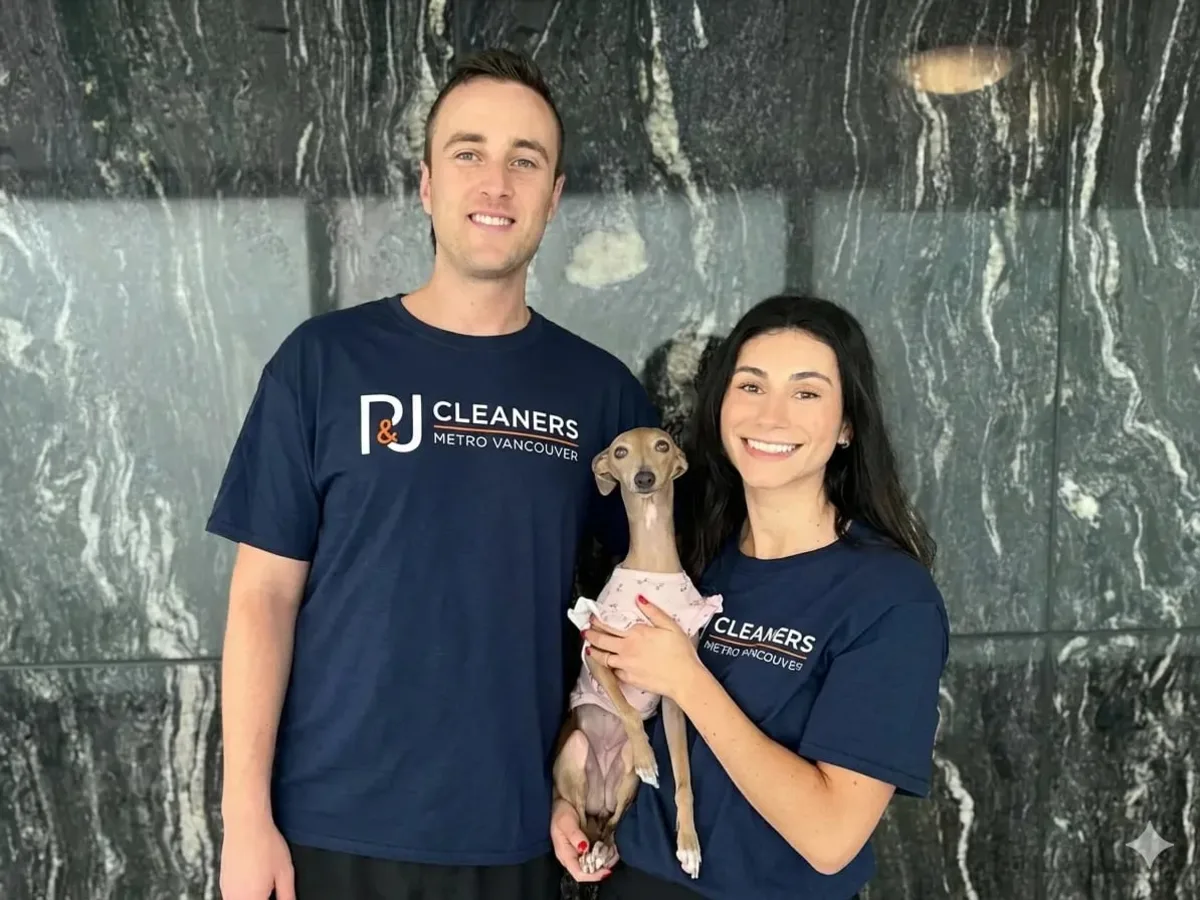
Meet the Author
Pamela
Co-Founder
Pamela leads residential quality standards at P&J Cleaners, refining safe, detail-driven cleaning systems for Vancouver homes, condos, and move-out projects.
Keep Exploring