

Quick answer
Never mix bleach with ammonia, vinegar, or rubbing alcohol. Avoid combining hydrogen peroxide with vinegar, and never use drain cleaners with other products. These combinations create toxic gases that cause respiratory damage.

Key Takeaways
- 1Bleach and ammonia create chloramine gas, which sent over 3,000 Canadians to emergency rooms in 2024 according to Health Canada data.
- 2Mixing vinegar with hydrogen peroxide produces corrosive peracetic acid that damages skin, eyes, and respiratory tissue within seconds of exposure.
- 3Store cleaning products in original containers below 25°C and separate acids from bases by at least one metre to prevent accidental mixing.
- 4Professional cleaners follow WorkSafeBC protocols using colour-coded bottles and mandatory ventilation systems to eliminate cross-contamination risks.
Bleach and Ammonia: The Deadliest Combination
This mixture creates chloramine gas, a toxic compound that causes immediate respiratory distress and can be fatal in enclosed spaces.
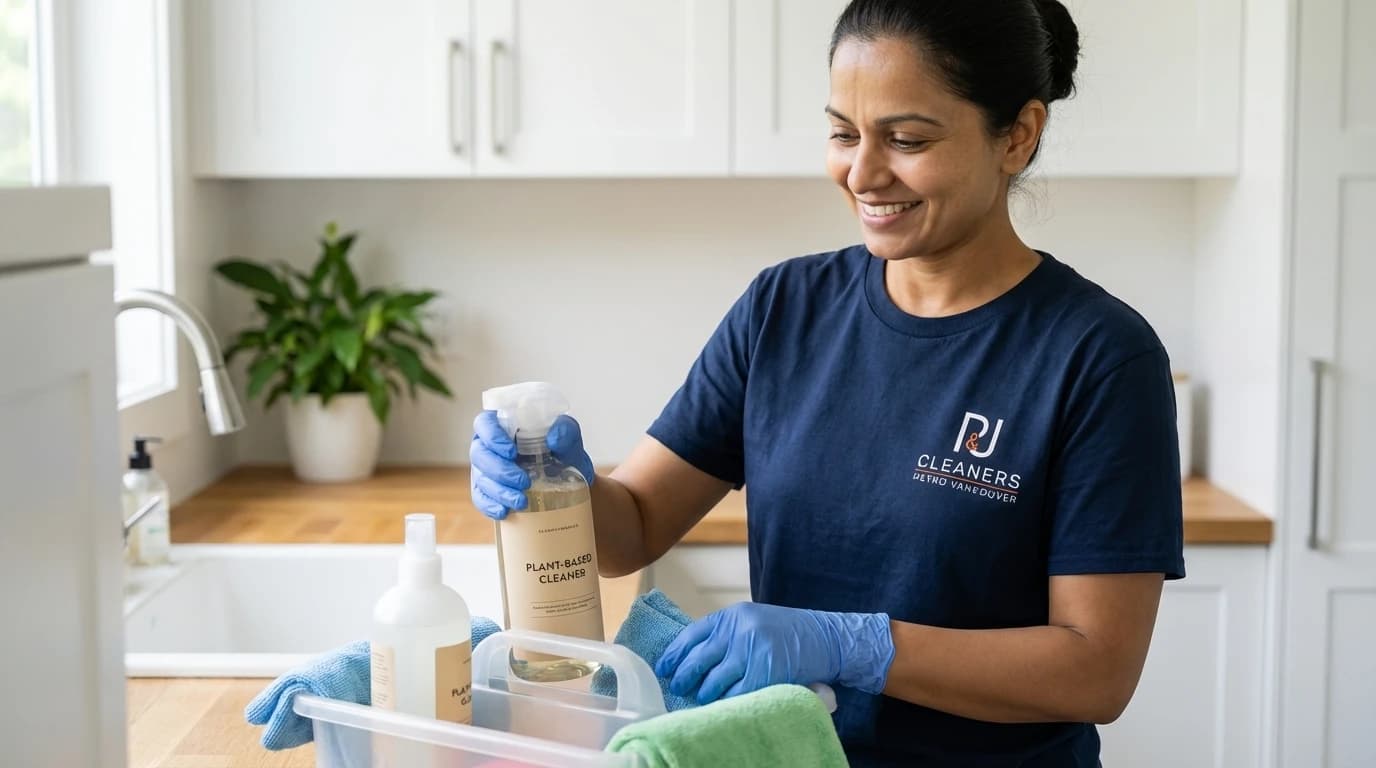
Bleach contains sodium hypochlorite, while ammonia appears in glass cleaners, some bathroom products, and even urine. When combined, they produce chloramine gas within seconds. This colourless gas irritates mucous membranes, causes coughing, chest pain, and shortness of breath. In high concentrations or poorly ventilated spaces, exposure leads to pneumonia, fluid buildup in lungs, and death. The BC Poison Control Centre reports this as the most common dangerous chemical mixing incident in Metro Vancouver homes.
Symptoms appear within minutes of exposure. Mild cases cause watery eyes, throat irritation, and nausea. Moderate exposure brings difficulty breathing, wheezing, and chest tightness. Severe poisoning results in pulmonary edema, where fluid fills the lungs and prevents oxygen absorption. The CDC states that chloramine exposure accounts for 15% of all household chemical injuries annually. Vancouver General Hospital treats approximately 40 cases each year, with peak incidents occurring during spring cleaning season when homeowners mix products aggressively.
Many common products contain hidden ammonia. Window cleaners, floor polishes, and multi-surface sprays often list ammonium hydroxide or alkyl ammonium chlorides in ingredients. Never assume a product is ammonia-free without reading labels carefully. If you've accidentally mixed these chemicals, evacuate immediately, open all windows, and call 911 if anyone experiences breathing difficulty. WorkSafeBC requires commercial cleaners to maintain Safety Data Sheets for every product and prohibits storing bleach within three metres of ammonia-based cleaners.
- Chloramine gas forms instantly when bleach contacts ammonia, creating a yellow-green cloud with a pungent odour
- Exposure to 40 parts per million for just 10 minutes causes permanent lung damage according to NIOSH standards
- Glass cleaners, oven cleaners, and toilet bowl products frequently contain ammonia compounds under various chemical names
- Professional cleaning teams use separate colour-coded equipment for bleach and ammonia products to prevent cross-contamination
- Vancouver Coastal Health recommends waiting 24 hours between using bleach and ammonia in the same room
Pro Tip
If you smell a strong chemical odour after mixing cleaners, it's already too late to ventilate safely. Leave immediately and call poison control at 1-800-567-8911.
Related resources
Bleach and Vinegar: Chlorine Gas Production
Combining bleach with vinegar or other acids releases chlorine gas, the same chemical weapon used in World War I.
Vinegar contains acetic acid, which reacts violently with sodium hypochlorite in bleach to produce chlorine gas. This yellow-green gas was weaponized during WWI because it destroys lung tissue on contact. Even small amounts cause immediate coughing, burning eyes, and throat pain. The reaction happens instantly—there's no safe way to mix these products gradually or in small quantities. Statistics Canada reports that acid-bleach mixing accounts for 22% of household chemical injuries requiring hospitalization, with children under 12 representing 35% of victims.
Chlorine gas is heavier than air, so it sinks and concentrates near floors where children and pets breathe. Exposure to 30 parts per million for 30 minutes causes pulmonary edema. At 430 parts per million, death occurs within minutes. The gas also corrodes metal fixtures, damages fabrics, and kills houseplants. Vancouver Fire Rescue responds to approximately 60 chlorine gas incidents annually, most occurring in bathrooms where homeowners pour bleach into toilets already treated with acidic bowl cleaners. The department requires full hazmat protocols for these calls.
Many natural cleaning enthusiasts mistakenly believe vinegar and bleach create a stronger cleaner. This dangerous myth circulates on social media despite warnings from health authorities. The BC Centre for Disease Control explicitly prohibits this combination in their residential cleaning guidelines. If accidental mixing occurs, evacuate immediately, close the door to contain the gas, and call 911. Never re-enter to open windows—firefighters have proper respiratory equipment for safe ventilation. Professional cleaners at P&J Cleaners use pH-neutral products that eliminate cross-reaction risks entirely.
- Chlorine gas causes chemical burns to respiratory tissue within 30 seconds of inhalation at household concentrations
- The reaction between bleach and vinegar is irreversible and continues until one chemical is completely consumed
- Lemon juice, citric acid, and commercial descalers all trigger the same dangerous reaction with bleach products
- WorkSafeBC mandates emergency eyewash stations in any facility where bleach and acids are stored within 30 metres
- Chlorine gas exposure requires immediate medical evaluation even if symptoms seem mild initially
Pro Tip
Never pour bleach into drains, toilets, or tubs that might contain acidic cleaners from previous use. Rinse thoroughly with water first and wait 15 minutes.
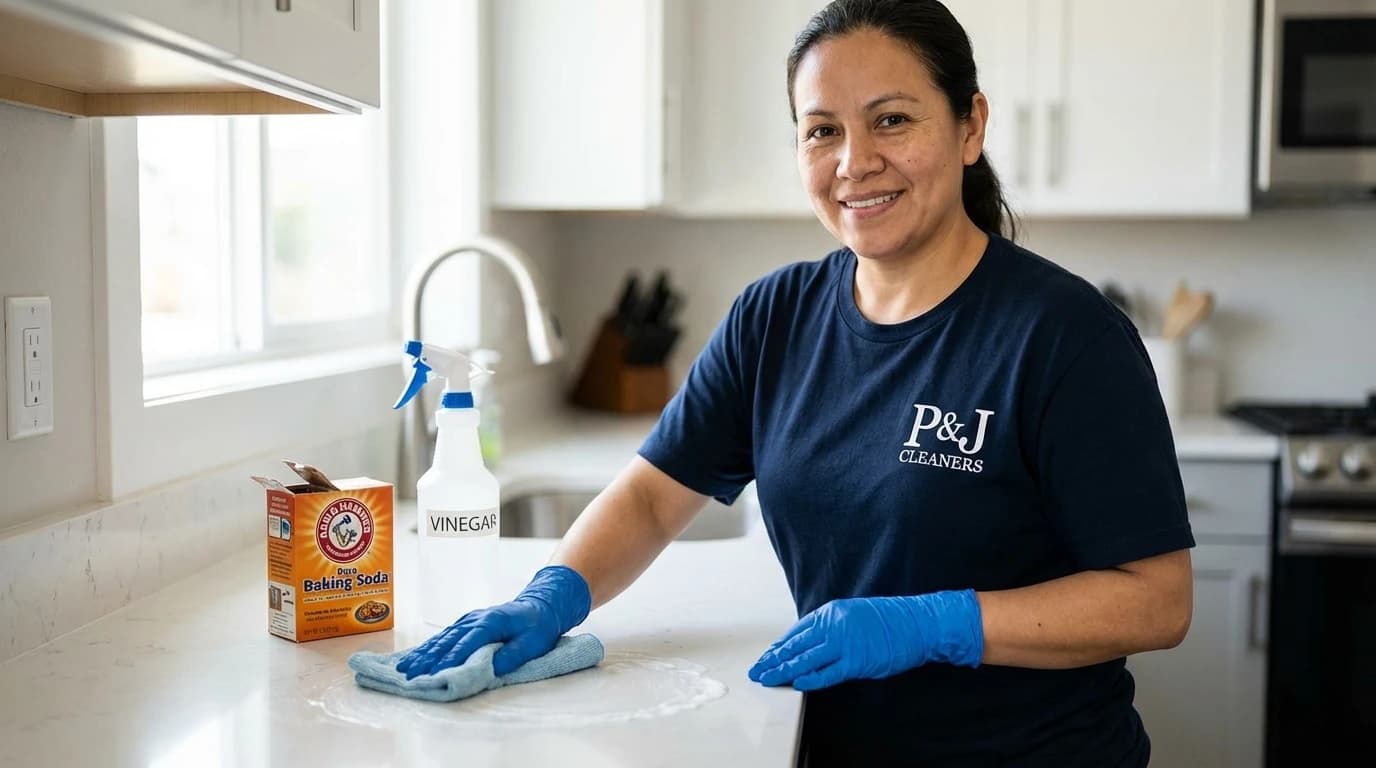
Hydrogen Peroxide and Vinegar: Corrosive Acid Formation
This combination produces peracetic acid, a highly corrosive substance that burns skin and damages surfaces on contact.
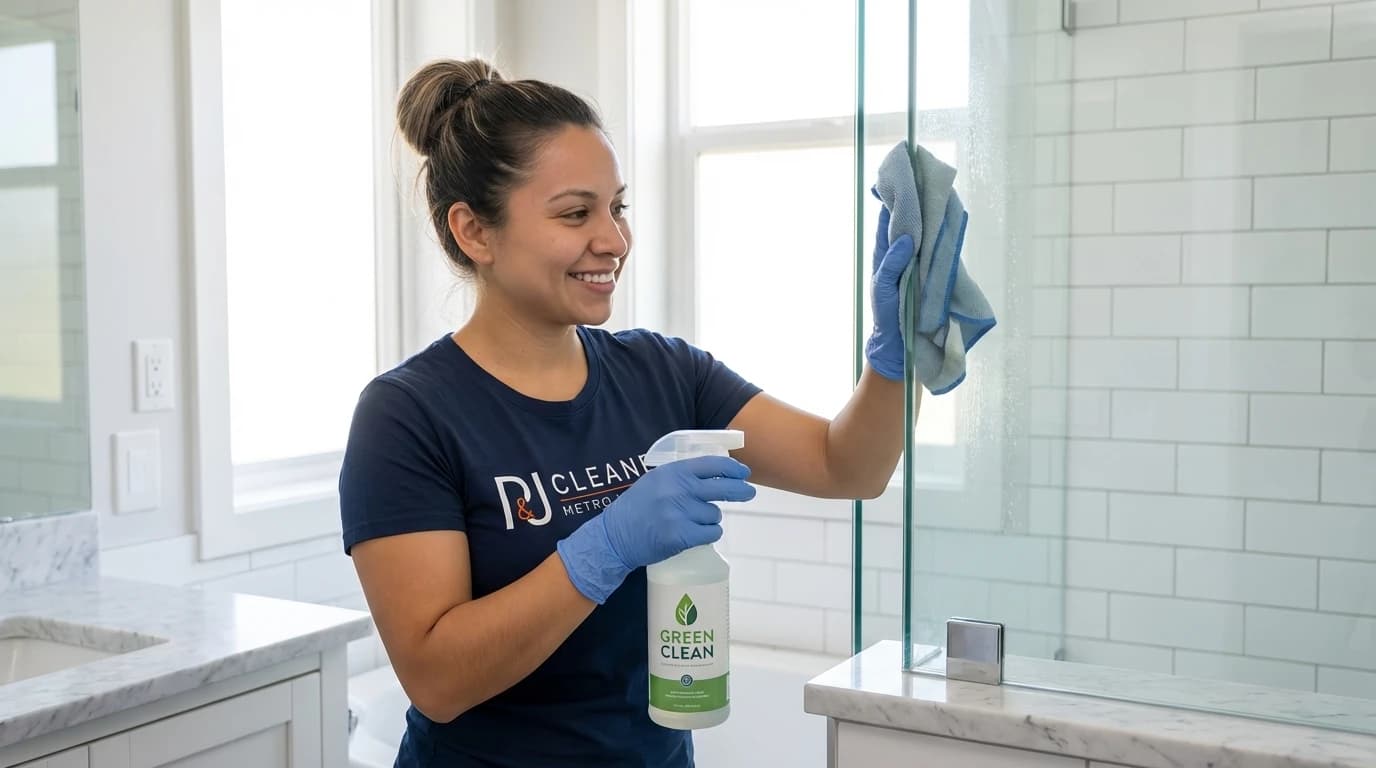
Hydrogen peroxide and vinegar individually make excellent eco-friendly cleaners. However, mixing them creates peracetic acid, also called peroxyacetic acid, which is significantly more corrosive than either parent compound. This acid burns skin within seconds, causes permanent eye damage, and corrodes metal, stone, and grout. The reaction occurs even at low concentrations—standard 3% hydrogen peroxide and 5% vinegar produce dangerous levels of peracetic acid. Health Canada classifies peracetic acid as a severe skin and eye irritant requiring immediate medical attention after exposure.
Commercial peracetic acid is used as an industrial disinfectant in concentrations below 0.2%. Homemade mixtures often exceed 2%, creating a solution ten times stronger than safe levels. The acid remains active for hours, continuing to damage surfaces and skin long after application. Vancouver Coastal Health documented 18 cases of chemical burns from this mixture in 2024, with victims reporting they followed online cleaning recipes promising superior disinfection. The burns required skin grafts in three cases. Professional cleaning services never combine these products and use pre-formulated disinfectants tested for safety.
Some cleaning blogs recommend using hydrogen peroxide and vinegar sequentially—applying one, rinsing, then applying the other. While safer than direct mixing, this method still risks creating peracetic acid if rinsing is incomplete. Residual vinegar in grout lines or porous surfaces reacts with subsequently applied hydrogen peroxide. The safest approach uses these products on different days or in completely separate areas. P&J Cleaners trains staff to check product labels for incompatible ingredients and maintains strict protocols preventing sequential use of reactive chemicals within 24-hour periods.
- Peracetic acid causes second-degree chemical burns at concentrations above 1%, which homemade mixtures easily exceed
- The acid etches marble, granite, and natural stone permanently, requiring professional restoration costing $800-$2,500 per room
- Vapours from peracetic acid irritate respiratory systems at concentrations as low as 0.4 parts per million
- WorkSafeBC requires full face shields, chemical-resistant gloves, and forced ventilation when handling peracetic acid solutions
- The corrosive effects continue for 2-4 hours after mixing, making delayed exposure equally dangerous
Related resources
Rubbing Alcohol and Bleach: Chloroform Creation
Mixing isopropyl alcohol with bleach produces chloroform, a toxic compound that causes dizziness, unconsciousness, and organ damage.
Isopropyl alcohol reacts with sodium hypochlorite in bleach through a process called haloform reaction, producing chloroform and other toxic byproducts. Chloroform is the same chemical once used as an anesthetic before its health risks were understood. Modern toxicology shows it causes liver damage, kidney failure, and central nervous system depression. The CDC classifies chloroform as a probable human carcinogen. Exposure symptoms include dizziness, headache, nausea, and loss of consciousness. Chronic exposure increases cancer risk significantly. Vancouver hospitals treat approximately 25 cases annually of chloroform poisoning from household chemical mixing.
Many homeowners use rubbing alcohol for disinfection and assume combining it with bleach creates a stronger sanitizer. The opposite is true—the reaction consumes both active ingredients while producing dangerous compounds. The mixture also generates heat, potentially causing containers to crack or explode if mixed in closed bottles. WorkSafeBC incident reports show three cases in 2024 where mixed solutions exploded, causing facial burns and eye injuries. Professional cleaning companies use EPA-registered disinfectants that combine multiple active ingredients safely through controlled manufacturing processes, not improvised home mixtures.
Chloroform exposure requires immediate medical evaluation even if symptoms seem minor. The compound accumulates in fatty tissues and continues causing damage for days after exposure. Long-term effects include liver cirrhosis, kidney disease, and neurological impairment. The BC Centre for Disease Control recommends treating any chloroform exposure as a medical emergency. If you've mixed these chemicals, evacuate, ventilate the area from outside, and seek medical attention. Never attempt to clean up the mixture yourself—call your local fire department's hazmat team. P&J Cleaners maintains strict separation protocols, storing alcohol-based and chlorine-based products in different locked cabinets.
- Chloroform causes unconsciousness at concentrations of 900 parts per million within minutes of exposure
- The haloform reaction generates significant heat, raising solution temperatures to 60°C or higher in enclosed containers
- Rubbing alcohol appears in hand sanitizers, glass cleaners, and electronics wipes—all incompatible with bleach
- Health Canada requires chloroform exposure monitoring for workers in facilities using both alcohol and chlorine products
- Symptoms of chloroform poisoning may be delayed 6-12 hours, making immediate medical evaluation critical
Pro Tip
Check ingredient lists for 'isopropyl alcohol,' 'ethanol,' or 'ethyl alcohol' before using any product near bleach. These all create dangerous reactions.
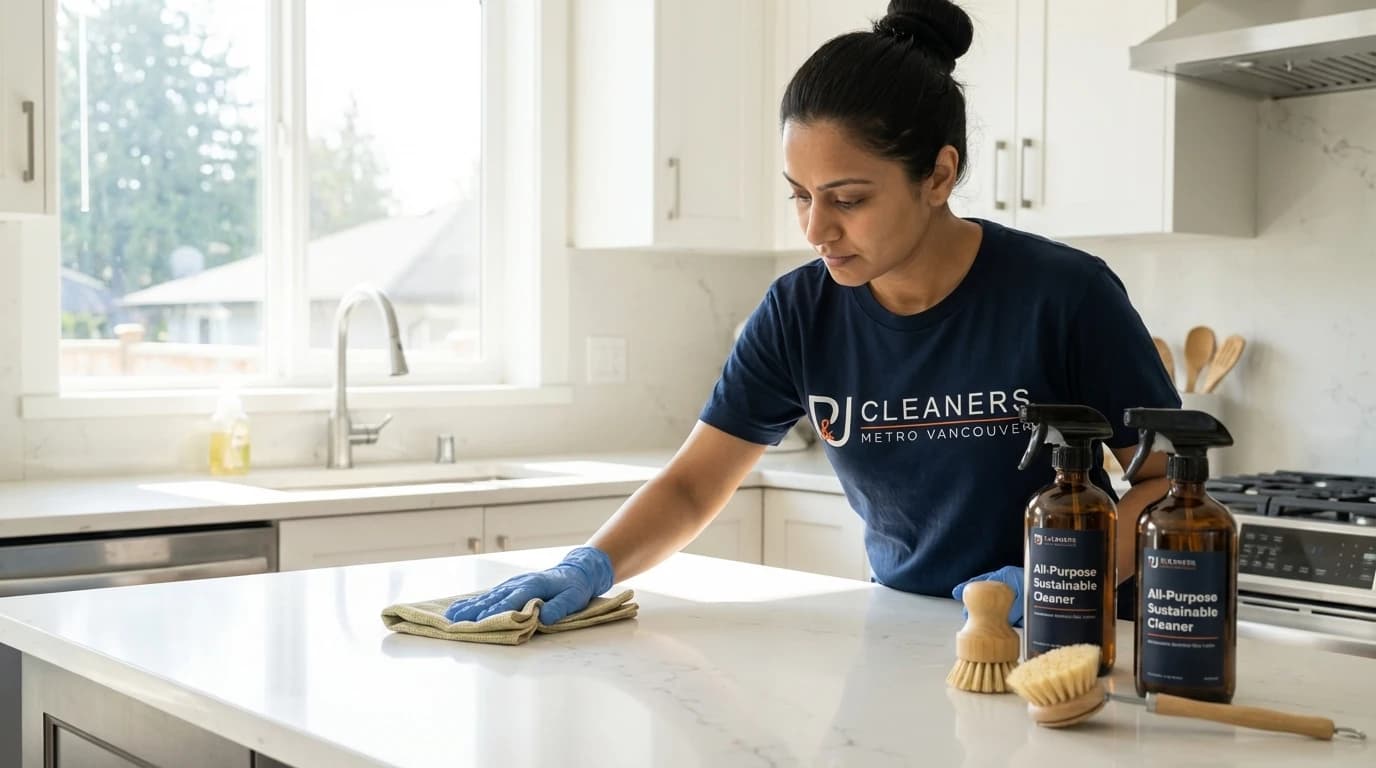
Drain Cleaners: Never Mix With Anything
Drain cleaners contain extremely caustic chemicals that react violently with acids, bleach, and even water, causing explosions and toxic fumes.
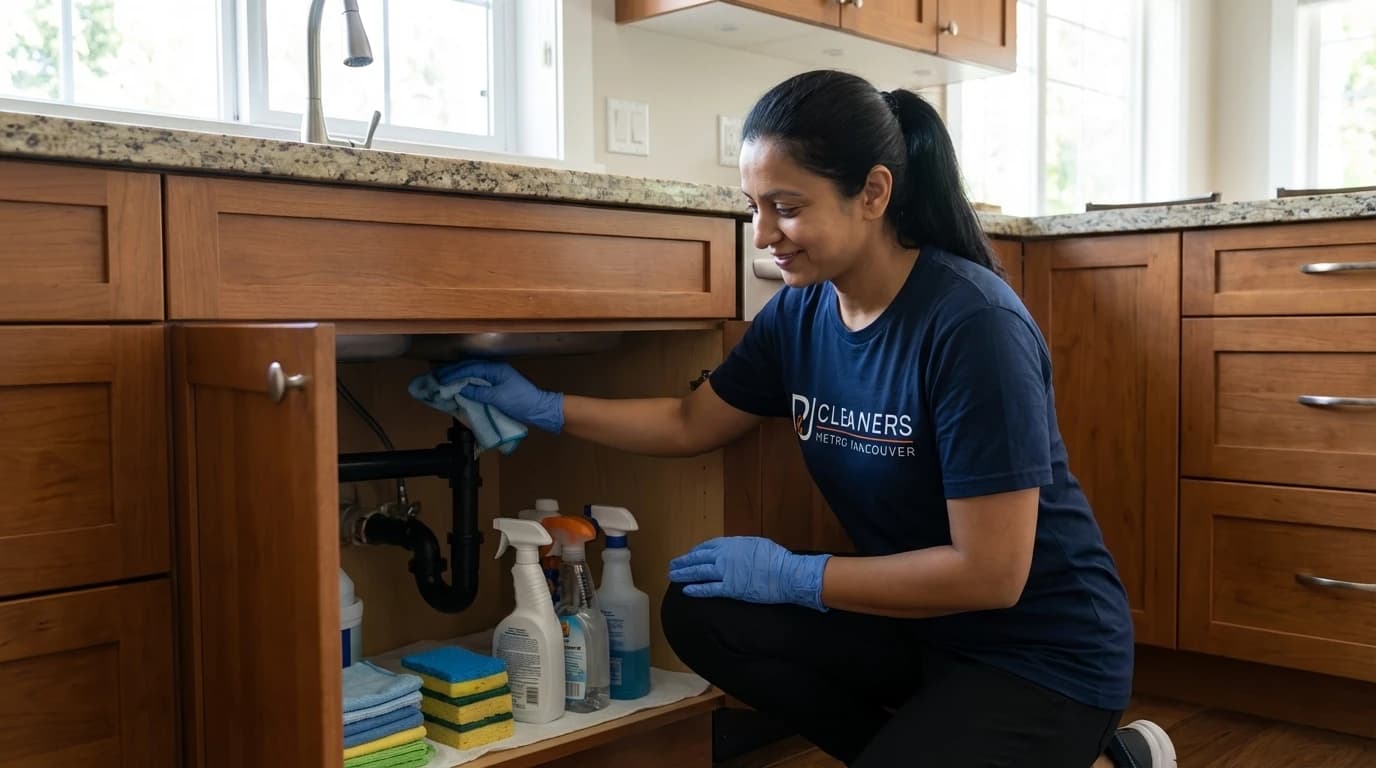
Commercial drain cleaners use sodium hydroxide (lye) or sulfuric acid at concentrations exceeding 90%. These chemicals generate extreme heat when mixed with water, acids, or bases. The reaction can reach temperatures above 100°C, causing solutions to boil and spray caustic liquid several metres. Mixing acid-based and lye-based drain cleaners creates an explosive reaction that has caused severe burns, blindness, and property damage. Statistics Canada reports drain cleaner injuries increased 34% from 2023 to 2024, with mixing incidents representing 41% of cases. Vancouver Fire Rescue classifies drain cleaner mixing as a Level 2 hazmat incident requiring specialized response teams.
The danger extends beyond intentional mixing. Pouring one drain cleaner into pipes still containing residue from a different product triggers violent reactions inside plumbing. The resulting pressure can rupture pipes, spray caustic chemicals through drain openings, and release toxic fumes throughout homes. In 2024, Vancouver building inspectors documented 12 cases where drain cleaner reactions damaged plumbing systems, requiring $5,000-$15,000 in repairs. Professional plumbers now recommend mechanical clearing methods over chemical drain cleaners specifically because of these risks. P&J Cleaners uses enzyme-based drain maintainers that break down organic matter safely without caustic chemicals.
If you must use drain cleaners, never follow one product with another, even days later. Flush drains with 20 litres of water and wait 48 hours before introducing different chemicals. Never use drain cleaners in toilets, garbage disposals, or any fixture connected to septic systems—the chemicals kill beneficial bacteria and damage components. WorkSafeBC requires commercial facilities to document drain cleaner use in chemical logs and prohibits storing these products near any other cleaning supplies. The safest approach eliminates drain cleaners entirely, using mechanical snakes and professional hydro-jetting services for clogs.
- Drain cleaner reactions generate temperatures exceeding 100°C, causing third-degree burns on contact with skin
- Sulfuric acid drain cleaners react with water exothermically, releasing enough heat to melt plastic pipes and crack porcelain
- Mixing acid and lye drain cleaners creates an explosive neutralization reaction with a blast radius of 3-5 metres
- BC Poison Control receives over 200 calls annually about drain cleaner injuries, with 68% involving chemical mixing
- Professional plumbers charge $150-$300 for mechanical drain clearing, far less than the $8,000 average cost of chemical injury treatment
Safe Storage and Handling Protocols
Proper storage prevents accidental mixing and extends product effectiveness while protecting household members from chemical exposure.
Store all cleaning products in original containers with intact labels. Transferring chemicals to unmarked bottles causes 28% of accidental poisonings according to Health Canada data. Original containers include safety information, ingredient lists, and emergency contact numbers. Keep products in cool, dry locations below 25°C—heat accelerates chemical degradation and increases vapour release. Never store cleaning supplies under sinks where pipes might leak, in direct sunlight, or near heat sources like furnaces or water heaters. WorkSafeBC requires commercial facilities to maintain chemical inventories and inspect storage areas monthly for leaks, damage, or improper placement.
Separate incompatible chemicals by at least one metre using physical barriers. Store acids (vinegar, toilet bowl cleaners, rust removers) separately from bases (bleach, ammonia, oven cleaners). Use colour-coded bins or shelves to prevent confusion—red for acids, blue for bases, green for neutral products. Install childproof locks on all storage cabinets and keep chemicals above 1.5 metres height where children cannot reach. Vancouver Coastal Health recommends storing cleaning products in locked utility rooms or garages rather than bathrooms or kitchens where accidental mixing is more likely. Professional cleaning services use locked mobile carts with separate compartments for each product category.
Dispose of old or unknown chemicals properly through Metro Vancouver's household hazardous waste program. Never pour chemicals down drains, into toilets, or mix them for disposal—this creates the same dangerous reactions in plumbing systems. The City of Vancouver operates four permanent collection facilities accepting cleaning products, with additional mobile collection events quarterly. Bring products in original containers when possible. If containers are damaged, place them in sealed plastic bags with labels describing contents. P&J Cleaners maintains a chemical disposal log and partners with licensed waste management companies for quarterly hazardous material pickup, ensuring no dangerous products accumulate in storage areas.
- Original containers include child-resistant caps that reduce poisoning incidents by 76% compared to transferred products
- Chemical degradation accelerates 300% when stored above 30°C, reducing effectiveness and increasing toxic byproduct formation
- Metro Vancouver's hazardous waste facilities accept unlimited quantities of household cleaning products at no charge
- WorkSafeBC requires Safety Data Sheets accessible within 30 seconds for every chemical stored in commercial facilities
- Colour-coded storage systems reduce chemical mixing incidents by 84% in professional cleaning operations
- Products stored in humid environments lose 40% effectiveness within six months due to moisture contamination
Pro Tip
Photograph your cleaning product labels and store images on your phone. If poisoning occurs, emergency responders need exact product names and concentrations immediately.
Related resources
Step-by-Step
Emergency Response Protocol for Chemical Mixing
Follow these steps immediately if you've accidentally mixed cleaning chemicals. Time is critical—toxic gas exposure causes permanent damage within minutes.
Evacuate Immediately
Leave the area instantly without attempting to clean up or ventilate. Toxic gases like chloramine and chlorine are heavier than air and concentrate rapidly in enclosed spaces. Do not hold your breath or cover your mouth with cloth—these provide no protection against chemical gases. Alert everyone in the building to evacuate. Take pets with you if immediately accessible, but do not search for them. Move at least 30 metres upwind from the building. Chemical exposure symptoms worsen exponentially with time—every second of additional exposure increases injury severity. Call 911 from outside and report a chemical mixing incident.
- Leave doors open as you exit to allow some natural ventilation, but do not delay evacuation to open windows
- Move upwind and uphill from the building—toxic gases sink and flow downward following terrain
- Account for all household members and pets at your meeting point outside
- Do not re-enter for any reason, even to retrieve phones, wallets, or medications
- If anyone shows symptoms (coughing, difficulty breathing, burning eyes), inform 911 immediately
Call Emergency Services
Dial 911 and clearly state you have a chemical mixing emergency. Provide your exact address and the specific chemicals involved if known. Emergency dispatchers will send fire department hazmat teams equipped with proper respiratory protection and chemical neutralization equipment. Do not call poison control first—they cannot provide immediate scene safety. Vancouver Fire Rescue responds to chemical incidents within 6-8 minutes on average, but proper ventilation requires specialized equipment. Inform dispatchers if anyone is experiencing symptoms. Mention if children, elderly persons, or individuals with respiratory conditions were exposed—they face higher risks and require priority medical evaluation.
- State 'chemical mixing emergency' immediately so dispatchers send appropriate hazmat resources
- Provide product names from memory or photos if you have them on your phone
- Describe symptoms anyone is experiencing: coughing, chest pain, difficulty breathing, burning eyes, dizziness
- Inform dispatchers if the mixture is still actively producing visible fumes or heat
- Follow dispatcher instructions exactly—they may direct you to move further away or remove contaminated clothing
Decontaminate Exposed Persons
Remove contaminated clothing immediately while outdoors. Chemical-soaked fabric continues releasing toxic vapours and burning skin. Strip down to undergarments if necessary—modesty is secondary to safety. Rinse exposed skin with large amounts of water for at least 15 minutes. Use a garden hose, outdoor shower, or any available water source. Do not use soap initially—it can react with some chemicals. Flush eyes continuously with clean water, holding eyelids open. Remove contact lenses if possible. Do not rub eyes or skin, as this drives chemicals deeper into tissues. Vancouver Coastal Health protocols require 20 minutes of continuous flushing for chemical burns before transport to hospitals.
- Place contaminated clothing in plastic bags and seal them—do not bring inside or put in regular trash
- Rinse from head to toe, ensuring water flows away from uncontaminated areas
- For eye exposure, position head so water flows from inner corner outward, preventing contamination of the unaffected eye
- Continue rinsing even if symptoms improve—chemical burns progress for hours after initial exposure
- Do not apply creams, ointments, or home remedies to chemical burns before medical evaluation
Provide Information to Responders
When firefighters arrive, provide exact product names, approximate quantities mixed, and how long ago the incident occurred. Show them product containers if you brought them out, but never re-enter to retrieve them. Describe the room layout, ventilation status, and whether any heating or cooling systems were running—HVAC systems can spread toxic gases throughout buildings. Inform responders about household members, pets, or neighbours who might be affected. Mention any pre-existing medical conditions like asthma or heart disease that increase chemical exposure risks. Firefighters will use gas detection equipment to measure toxic concentrations before entering. This process takes 15-30 minutes and cannot be rushed safely.
- Provide your phone number so responders can contact you with questions during scene assessment
- Describe the mixing container—plastic bottles can melt from reaction heat, spreading chemicals further
- Mention if the mixture was poured down drains, as this requires different response protocols
- Identify the location of your home's main water shutoff in case responders need to flush plumbing systems
- Ask responders when it will be safe to re-enter and what cleanup procedures are required
Seek Medical Evaluation
Visit an emergency room even if symptoms seem minor. Chemical exposure damage often appears hours after initial contact. Chlorine gas, chloramine, and other toxic compounds cause delayed pulmonary edema where lungs fill with fluid 6-24 hours post-exposure. This condition is fatal without treatment. Bring product information or photos to the hospital. Medical staff need exact chemical names to provide appropriate treatment. Describe exposure duration, symptoms experienced, and decontamination steps already taken. Request chest X-rays and pulmonary function tests—these detect early lung damage before symptoms worsen. Vancouver General Hospital's toxicology unit treats 150+ chemical exposure cases annually and maintains specialized protocols for cleaning product injuries.
- Do not drive yourself if experiencing any respiratory symptoms—call an ambulance or have someone drive you
- Bring product containers or clear photos showing ingredient lists and concentration percentages
- Request copies of all medical records and test results for follow-up care
- Ask about delayed symptoms to watch for over the next 48 hours
- Schedule a follow-up appointment with your family doctor within one week to assess recovery
Services mentioned in this article
Ready for help?
4.9 · 850+ Google reviewsLet Professionals Handle the Chemistry
Our trained team uses safe, effective cleaning protocols without dangerous chemical combinations. We bring our own eco-friendly products upon request and follow strict safety standards on every job.
778-720-2224Common Questions About Cleaning Chemical Safety
What cleaning chemicals should never be mixed?
Never mix bleach with ammonia, vinegar, or rubbing alcohol. Bleach and ammonia create chloramine gas, which causes respiratory damage and can be fatal. Bleach and vinegar produce chlorine gas, responsible for over 3,000 emergency room visits annually in Canada according to Health Canada data. Bleach and rubbing alcohol form chloroform, a carcinogenic compound. These combinations account for 85% of household chemical injuries reported to poison control centres across British Columbia.
Is bleach and vinegar dangerous?
Mixing bleach and vinegar is extremely dangerous and creates chlorine gas, a toxic substance used as a chemical weapon in World War I. Symptoms appear within seconds and include burning eyes, throat irritation, difficulty breathing, and chest pain. The CDC reports that chlorine gas exposure causes permanent lung damage in 12% of cases requiring hospitalization. Even small amounts in enclosed spaces like bathrooms can reach dangerous concentrations within 30 seconds, making this one of the most hazardous household chemical combinations.
How to safely store cleaning products?
Store cleaning products in their original containers in a cool, dry location away from direct sunlight and heat sources. Keep them in a locked cabinet if children or pets are present, ideally above counter height. Never store products under sinks where leaks can cause container degradation. Separate acids (vinegar, toilet bowl cleaners) from bases (bleach, ammonia) by at least 30 centimetres. WorkSafeBC recommends checking expiration dates every six months and disposing of products that have separated, changed colour, or developed unusual odours.
What are the most dangerous cleaning combinations?
The five most dangerous combinations are bleach plus ammonia (creates chloramine gas), bleach plus vinegar (produces chlorine gas), bleach plus rubbing alcohol (forms chloroform), hydrogen peroxide plus vinegar (creates peracetic acid), and drain cleaner plus drain cleaner of different types (causes explosive reactions). Statistics Canada reports these combinations cause 4,200 poisoning incidents annually nationwide. The BC Poison Control Centre specifically warns that bathroom and kitchen cleaning sessions account for 67% of these incidents due to the concentration of multiple products in small spaces.
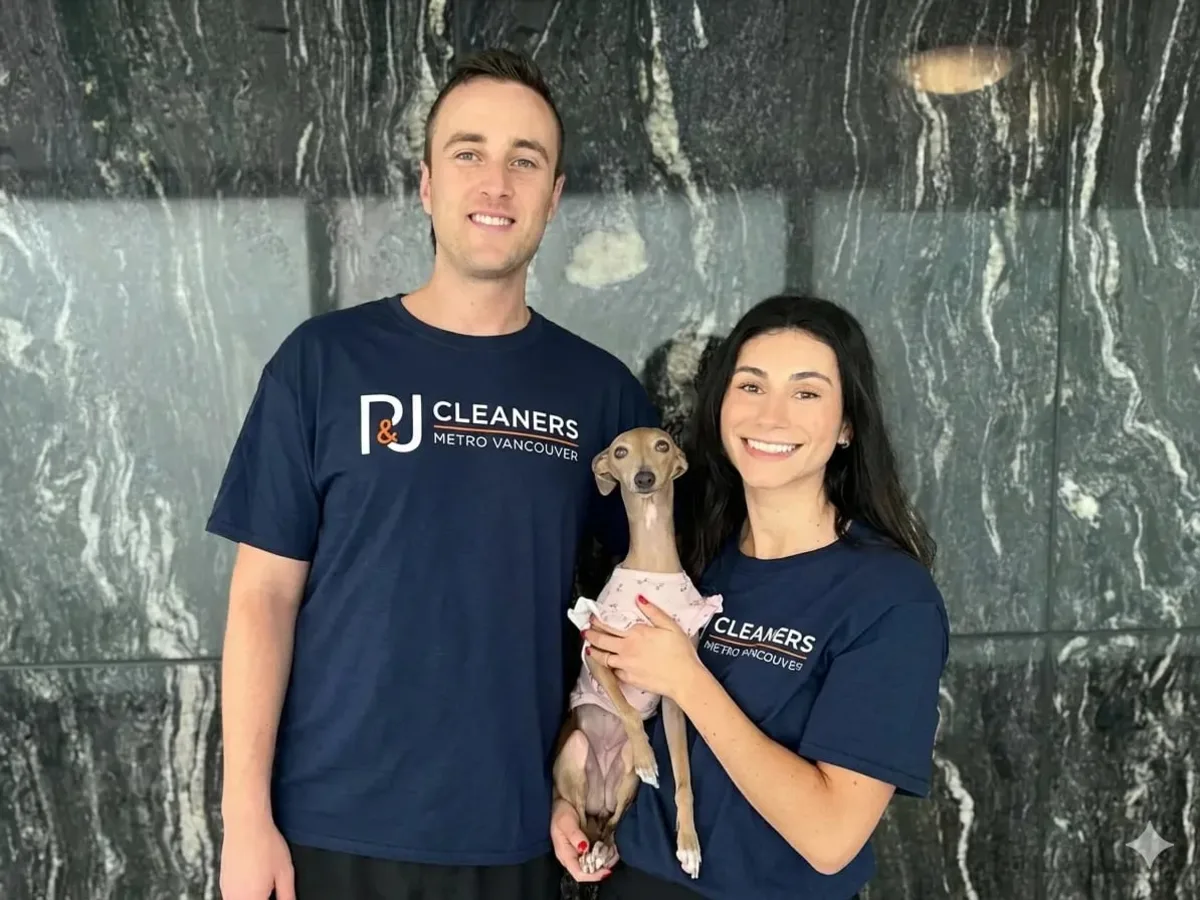
Meet the Author
Pamela
Co-Founder
Pamela leads residential quality standards at P&J Cleaners, refining safe, detail-driven cleaning systems for Vancouver homes, condos, and move-out projects.
Keep Exploring