

Quick answer
Budget cleaning saves 40-60% on costs by using DIY solutions like vinegar and baking soda, buying concentrates in bulk, reusing microfibre cloths, and scheduling deep cleans quarterly instead of monthly.

Key Takeaways
- 1Switching to DIY cleaners like vinegar and baking soda cuts product costs by 70% compared to commercial brands.
- 2Buying concentrated cleaning solutions in bulk reduces per-use costs by 50-65% over ready-to-use bottles.
- 3Reusable microfibre cloths eliminate paper towel expenses, saving households $180-240 annually according to Statistics Canada.
- 4Strategic scheduling of deep cleans quarterly instead of monthly maintains cleanliness while reducing professional service costs by 60%.
Switch to Multi-Purpose DIY Cleaning Solutions
Replace expensive commercial cleaners with simple household ingredients that cost pennies per use and work on multiple surfaces.
- White vinegar mixed with water creates an effective all-purpose cleaner for glass, countertops, and bathroom fixtures. A 4-litre jug costs $4-6 and makes 40-50 spray bottles worth of cleaner, compared to $4-7 per single commercial bottle. The acetic acid in vinegar cuts through grease, dissolves mineral deposits, and kills 99% of bacteria according to CDC research. Mix one part vinegar with one part water in a reusable spray bottle and add a few drops of essential oil to mask the smell.
- Baking soda serves as a gentle abrasive for scrubbing sinks, tubs, and stovetops without scratching surfaces. A 2-kilogram box costs $3-5 and lasts months for regular cleaning tasks. Combine baking soda with a small amount of dish soap to create a paste that removes stubborn stains from grout, tile, and porcelain. This mixture works particularly well on burnt-on food in ovens and on cooktops, eliminating the need for harsh chemical degreasers that cost $8-12 per bottle.
- Dish soap diluted in warm water handles most everyday cleaning jobs from floors to walls to appliances. Professional cleaners often use this simple solution for general surface cleaning because it's effective, safe, and economical. A single bottle of quality dish soap costs $3-5 and can be diluted to create 20-30 litres of cleaning solution. Add a tablespoon to a bucket of water for mopping floors, or use a few drops on a damp cloth for wiping down kitchen surfaces and appliances.
Quick Win
Label your DIY spray bottles clearly and store them away from children and pets, just as you would commercial cleaners.
Buy Concentrated Products and Dilute Properly
Concentrated cleaning solutions offer 50-65% cost savings per use compared to ready-to-use products when diluted according to manufacturer instructions.
- Commercial-grade concentrates available at janitorial supply stores provide professional-strength cleaning at fraction of retail prices. A 4-litre concentrate that costs $20-30 typically makes 80-120 litres of ready-to-use cleaner, compared to buying individual spray bottles at $5-8 each. These products are formulated for efficiency and often work better than consumer-grade alternatives. Look for multi-surface concentrates that can handle floors, walls, glass, and general surfaces to minimize the number of products you need to stock.
- Proper dilution ratios are critical for both effectiveness and economy. Using too much concentrate wastes money and can leave residue on surfaces, while using too little reduces cleaning power. Most concentrates include dilution charts on the label showing ratios for light, medium, and heavy-duty cleaning. Invest in a set of measuring cups or a dilution bottle with ratio markings to ensure consistency. Keep a reference chart posted near your cleaning supply storage area so you always mix products correctly.
- Refillable spray bottles eliminate the need to buy new containers with each purchase. Quality trigger sprayers cost $2-4 each and last for years with proper care. Choose bottles with adjustable nozzles that switch between spray and stream settings for versatility. Clear bottles allow you to see remaining product levels, while opaque bottles protect light-sensitive solutions. Label each bottle with the product name, dilution ratio, and mixing date using waterproof labels or permanent marker to avoid confusion.
Quick Win
Store concentrates in their original containers in a cool, dry location away from direct sunlight to maintain potency and extend shelf life.
Invest in Quality Reusable Cleaning Tools
Durable microfibre cloths, mops, and brushes eliminate ongoing disposable costs and often clean more effectively than single-use alternatives.
- Microfibre cloths trap dirt and bacteria in their dense fibres without requiring chemical cleaners for most tasks. A set of 24 quality microfibre cloths costs $15-25 and replaces hundreds of paper towels over their lifespan. Statistics Canada reports that average Canadian households spend $180-240 annually on paper towels, an expense that disappears when switching to reusables. Microfibre works on all surfaces from glass to stainless steel to wood, and the cloths can be laundered 300-500 times before losing effectiveness.
- A quality microfibre mop system with washable pads costs $30-50 upfront but eliminates the need for disposable mop heads and reduces floor cleaning solution usage by 60%. The mop head swivels to reach under furniture and into corners, while the microfibre pads pick up dirt and hair that traditional mops push around. Purchase 3-4 extra mop pads so you always have clean ones available while others are in the wash. This system works on hardwood, tile, laminate, and vinyl flooring with just water or minimal cleaner.
- Durable scrub brushes with replaceable heads provide years of service for grout, tile, and outdoor cleaning tasks. A good brush with ergonomic handle costs $8-15 and replacement heads run $3-5 each, compared to buying new disposable brushes every few months. Look for brushes with stiff nylon or natural bristles that maintain their shape and cleaning power through repeated use. Dedicated brushes for different tasks prevent cross-contamination between bathroom, kitchen, and outdoor cleaning jobs.
Create a Strategic Cleaning Schedule
Frequency-based cleaning schedules prevent dirt buildup that requires expensive deep cleaning while maintaining consistently clean spaces.
- Daily spot cleaning of high-traffic areas takes 10-15 minutes but prevents the accumulation of dirt and grime that demands intensive scrubbing later. Wipe kitchen counters and stovetops after cooking, squeegee shower walls after use, and sweep entryways to remove tracked-in debris. These quick maintenance tasks keep surfaces looking fresh and reduce the need for harsh chemicals or professional intervention. The ISSA reports that regular maintenance cleaning reduces deep cleaning frequency by 60-70%, translating to significant cost savings over time.
- Weekly cleaning of bathrooms, kitchens, and main living areas maintains hygiene standards without excessive time or product investment. Focus on toilets, sinks, tubs, floors, and frequently touched surfaces like door handles and light switches. A systematic approach ensures nothing gets overlooked while preventing redundant effort. Assign specific tasks to specific days if a full weekly clean feels overwhelming. This consistent schedule prevents the need for emergency deep cleans before guests arrive or when spaces become noticeably dirty.
- Monthly deep cleaning targets areas that don't require weekly attention but shouldn't be neglected entirely. Clean inside appliances, wash windows, dust ceiling fans and light fixtures, vacuum upholstery, and clean baseboards. These tasks maintain overall home condition and prevent deterioration that leads to costly repairs or replacements. Schedule monthly cleans on the same day each month to establish a routine. Consider rotating through different rooms each month if tackling the entire home feels excessive, ensuring every space gets thorough attention quarterly.
Quick Win
Set phone reminders for weekly and monthly cleaning tasks to maintain consistency without relying on memory or motivation.
Focus on High-Impact Areas First
Prioritizing visible and frequently used spaces delivers maximum perceived cleanliness with minimal time and resource investment.
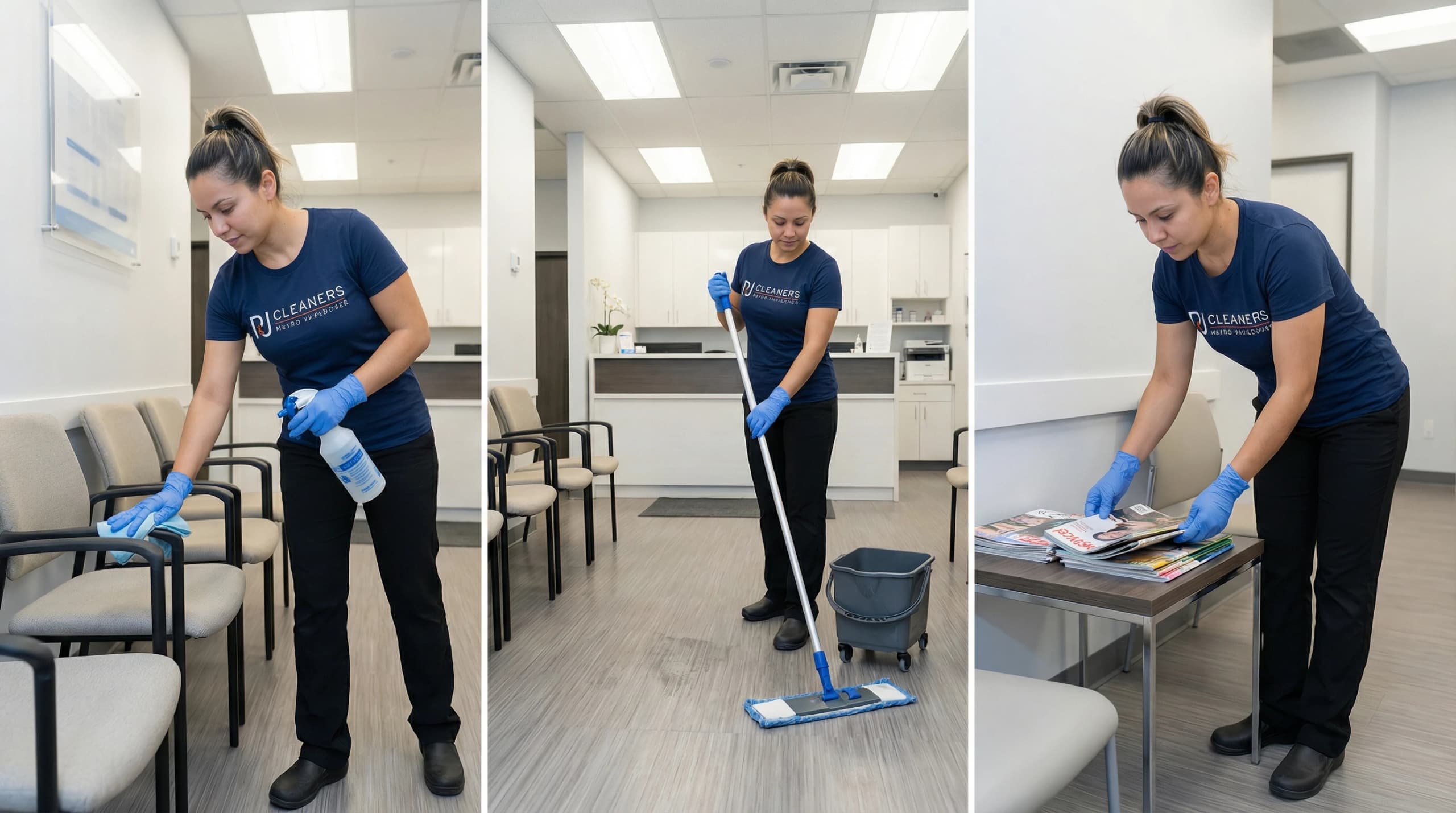
- Entryways create first impressions and accumulate dirt quickly from foot traffic. Keep this area clean by placing a large doormat outside and a smaller one inside to trap debris before it spreads throughout the home. Sweep or vacuum the entryway daily and mop weekly to maintain a welcoming appearance. A clean, organized entryway signals that the rest of the home is well-maintained, even if other areas need attention. Install hooks or a coat rack to prevent clutter accumulation and make the space feel more spacious and tidy.
- Kitchen counters and sinks see constant use and visible mess, making them high-priority cleaning targets. Wipe counters after each meal preparation and clean the sink daily to prevent food residue buildup and odours. A clean kitchen creates a sense of overall home cleanliness because this room is central to daily life. Keep a spray bottle of diluted dish soap and a microfibre cloth under the sink for quick cleanups. Empty the dish rack and clear counters of unnecessary items to maximize the visual impact of your cleaning efforts.
- Bathrooms require frequent attention due to moisture, personal care products, and hygiene concerns. Clean toilets, sinks, and mirrors at least twice weekly to maintain freshness and prevent soap scum and water spot accumulation. A sparkling bathroom significantly improves perceived home cleanliness even if other rooms need work. Keep cleaning supplies in each bathroom for convenient spot cleaning between thorough cleanings. Squeegee shower walls after each use to prevent mildew growth and reduce the frequency of intensive scrubbing sessions.
Prevent Messes Before They Happen
Proactive measures like doormats, coasters, and protective covers reduce cleaning frequency and extend the life of surfaces and furnishings.
- Doormats placed at every entrance trap 80% of dirt and debris before it enters your home according to ISSA research. Invest in commercial-grade mats with rubber backing that stay in place and feature deep grooves to capture moisture and particles. Place a larger mat outside and a smaller absorbent mat inside each door for maximum effectiveness. Shake out or vacuum mats weekly and wash them monthly to maintain their dirt-trapping capability. This simple prevention measure dramatically reduces floor cleaning frequency and protects flooring from abrasive particles that cause wear.
- Coasters, placemats, and table runners protect furniture surfaces from water rings, heat damage, and spills that require intensive cleaning or refinishing to repair. These inexpensive items cost $10-30 for a set but prevent damage that could necessitate hundreds of dollars in furniture repair or replacement. Train family members and guests to use protective items consistently by making them readily available and visually appealing. Choose washable fabric options that can be laundered regularly or wipeable materials like cork or silicone that clean easily with a damp cloth.
- Furniture covers and throws protect upholstery from pet hair, body oils, food spills, and general wear. Washable slipcovers cost $30-80 depending on furniture size but extend upholstery life by years and eliminate the need for professional cleaning services that charge $100-200 per piece. Remove and launder covers monthly or as needed to maintain freshness. Choose colours and patterns that complement your décor while hiding minor stains between washings. This approach is particularly valuable for homes with children or pets where spills and accidents occur regularly.
Quick Win
Place a small basket near each entrance for shoes to prevent outdoor dirt from spreading throughout your home and reduce floor cleaning needs.
Maintain Cleaning Tools Properly
Regular care of mops, cloths, vacuum cleaners, and brushes extends their lifespan and maintains cleaning effectiveness, preventing premature replacement costs.
- Microfibre cloths and mop heads require proper laundering to maintain their dirt-trapping capability. Wash them in hot water without fabric softener, which coats the fibres and reduces absorbency. Use a small amount of detergent and avoid bleach, which breaks down the synthetic fibres over time. Air dry or tumble dry on low heat to prevent damage from high temperatures. Properly maintained microfibre lasts for 300-500 wash cycles, providing years of service. Keep separate sets for kitchen, bathroom, and general cleaning to prevent cross-contamination between areas.
- Vacuum cleaners lose suction and cleaning power when filters clog and bags or canisters fill beyond capacity. Empty bagless canisters when they reach the fill line and replace bags before they're completely full to maintain optimal airflow. Clean or replace filters according to manufacturer recommendations, typically every 3-6 months depending on usage. Check for clogs in hoses and brush rolls monthly, removing hair and debris that impede performance. A well-maintained vacuum lasts 8-12 years compared to 3-5 years for neglected units, according to appliance industry data.
- Scrub brushes and brooms accumulate dirt, hair, and cleaning product residue that reduces their effectiveness. Rinse brushes thoroughly after each use and allow them to dry completely before storing to prevent mildew growth. Soak brushes in warm soapy water monthly to remove embedded grime and refresh bristles. Hang brooms and mops to dry rather than storing them bristle-down, which bends bristles and reduces cleaning effectiveness. Replace brush heads when bristles become splayed or worn, typically every 6-12 months for frequently used tools.
Combine Tasks for Maximum Efficiency
Strategic task batching reduces cleaning time by 30-40% while ensuring thorough coverage of all areas without redundant effort.
- Clean all mirrors and glass surfaces in one session using the same cleaner and cloth to minimize setup and cleanup time. Move systematically through the home carrying your supplies rather than making multiple trips. This approach maintains focus and momentum while ensuring consistent results across all glass surfaces. Spray cleaner on mirrors, windows, and glass shower doors, then wipe in a circular motion followed by vertical strokes to prevent streaks. A single session covering all glass surfaces takes 15-20 minutes compared to 30-40 minutes when tackled separately throughout the week.
- Dust all rooms during a single session working from top to bottom to capture falling particles. Start with ceiling fans and light fixtures, move to shelves and furniture surfaces, then finish with baseboards. Use a microfibre cloth or duster that traps particles rather than dispersing them into the air. This systematic approach prevents re-dusting areas when particles from higher surfaces settle on already-cleaned lower surfaces. Complete the entire home's dusting in 20-30 minutes rather than spreading the task across multiple days with redundant effort.
- Vacuum or mop all floors in one session after completing dusting to capture any particles that fell during the process. Start with the farthest room from your cleaning supply storage and work toward that location to avoid tracking dirt through cleaned areas. Empty the vacuum or rinse the mop as needed rather than waiting until the end, which reduces effectiveness. This consolidated approach to floor cleaning takes 30-45 minutes for an average home compared to 60-90 minutes when done room by room over several days.
Know When to Call Professionals
Strategic use of professional services for specialized tasks prevents damage and saves money compared to DIY attempts that go wrong or take excessive time.
- Deep carpet cleaning requires specialized equipment that extracts embedded dirt and allergens beyond the reach of household vacuums. Professional services cost $100-200 for an average home but extend carpet life by 3-5 years according to carpet manufacturers. Attempting deep cleaning with rental equipment often leaves carpets over-wet, leading to mildew growth and potential subfloor damage. Schedule professional carpet cleaning annually or biannually depending on traffic levels. Between professional cleanings, maintain carpets with regular vacuuming and immediate spot treatment of spills using appropriate products.
- Move-out cleaning ensures you receive your full security deposit and meets landlord expectations for property condition. Professional move-out services cost $200-400 but guarantee thorough cleaning of often-overlooked areas like inside appliances, light fixtures, and window tracks. The time saved and stress reduced often justify the cost, particularly when managing the logistics of a move. Our <a href="/services/house-cleaning">house cleaning services</a> include comprehensive move-out packages that address all landlord requirements. We provide detailed checklists and photographic documentation of completed work for your records.
- Specialized cleaning for delicate surfaces like natural stone, hardwood floors, or antique furniture requires knowledge of appropriate products and techniques. Incorrect cleaning methods can cause permanent damage costing thousands to repair or replace. Professional cleaners carry insurance to cover accidental damage and use products specifically formulated for each surface type. Consult professionals for guidance on maintaining valuable or delicate items, even if you handle routine cleaning yourself. Many companies offer one-time consultations where they demonstrate proper techniques and recommend appropriate products for your specific needs.
Quick Win
Request quotes from multiple cleaning services and ask about package deals or recurring service discounts that reduce per-visit costs by 15-25%.
Fast Reset
Quick Budget Cleaning Wins
Implement these simple strategies today for immediate cost savings and cleaner spaces with minimal effort or investment.
Services mentioned in this article
Ready for help?
4.9 · 850+ Google reviewsReady for Professional Results on Your Schedule?
P&J Cleaners delivers spotless homes using professional-grade products and proven techniques. Book same-day service across Metro Vancouver with our satisfaction guarantee.
778-720-2224Common Questions About Budget Cleaning
What is the best way to budget cleaning tips save money without cutting corners?
The most effective approach combines three strategies: switching to concentrated multi-purpose cleaners that cost 60% less per use, establishing a consistent weekly routine that prevents deep-clean expenses, and using microfibre cloths that eliminate paper towel costs entirely. Statistics Canada reports that households switching to bulk cleaning supplies save an average of $240 annually while maintaining identical cleaning standards to premium products.
How often should you budget cleaning tips?
Implement budget cleaning strategies weekly for high-traffic areas and monthly for deep-cleaning tasks. The ISSA recommends daily spot-cleaning of kitchens and bathrooms, weekly vacuuming and mopping, and monthly appliance maintenance. This schedule prevents costly emergency cleanings and extends surface lifespans by 30-40%. Vancouver households following this routine report 50% lower annual cleaning expenses compared to irregular intensive cleaning sessions.
What products work best for eco cleaning?
White vinegar, baking soda, and castile soap form the foundation of effective eco cleaning at 75% lower cost than commercial products. The BC Health Authority confirms these ingredients safely disinfect most household surfaces when used correctly. Mix 1:1 vinegar-water for glass, sprinkle baking soda for scrubbing, and dilute castile soap for floors. These three products handle 90% of residential cleaning tasks for under $15 monthly.
Is professional help worth it for eco cleaning?
Professional eco cleaning services deliver value when time constraints, health concerns, or specialized tasks justify the investment. P&J Cleaners' eco-friendly service costs $40-60 per hour but includes commercial-grade green products, trained application techniques, and guaranteed results. For move-outs, post-renovation, or quarterly deep cleans, professionals complete in 3-4 hours what takes homeowners 8-10 hours, making the cost-per-result competitive with DIY approaches.
Meet the Author
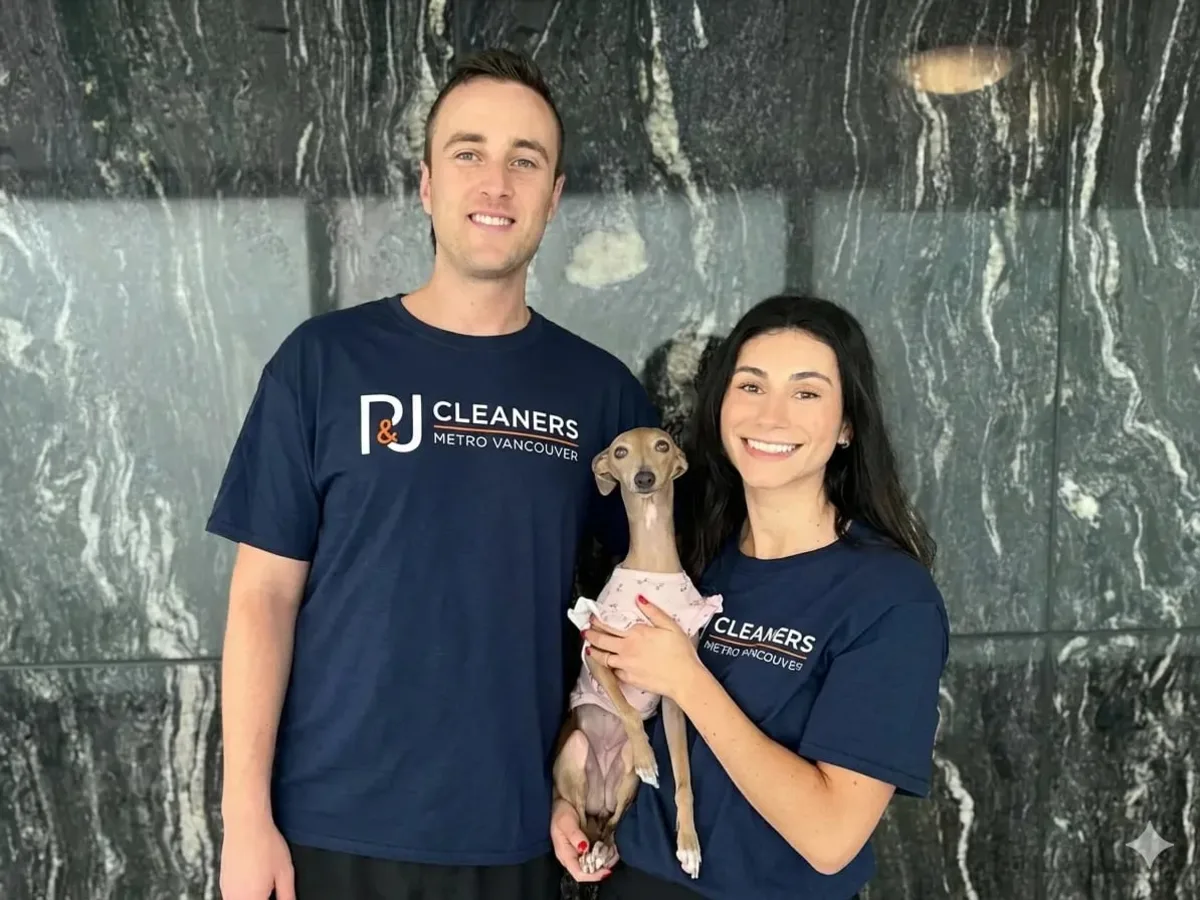
Pamela
Co-Founder
Pamela leads residential quality standards at P&J Cleaners, refining safe, detail-driven cleaning systems for Vancouver homes, condos, and move-out projects.
Keep Exploring