

Quick answer
Baking soda is a versatile, non-toxic cleaning agent that deodorizes, scrubs, and cuts through grease on surfaces from kitchen counters to bathroom tiles without harsh chemicals.

Key Takeaways
- 1Baking soda neutralizes odours naturally and costs under $3 per box, making it one of the most affordable cleaning solutions available.
- 2Mix 3 parts baking soda with 1 part water to create an effective paste for scrubbing sinks, tubs, and tile grout.
- 3According to the CDC, baking soda's mild abrasive properties clean surfaces without scratching delicate materials like stainless steel or porcelain.
- 4Combining baking soda with vinegar creates a fizzing reaction that breaks down organic matter in drains and removes stubborn stains from fabrics.
Kitchen Sink and Countertop Scrubbing
Baking soda removes food stains, grease buildup, and water spots from kitchen surfaces without leaving chemical residue that could contaminate food preparation areas.
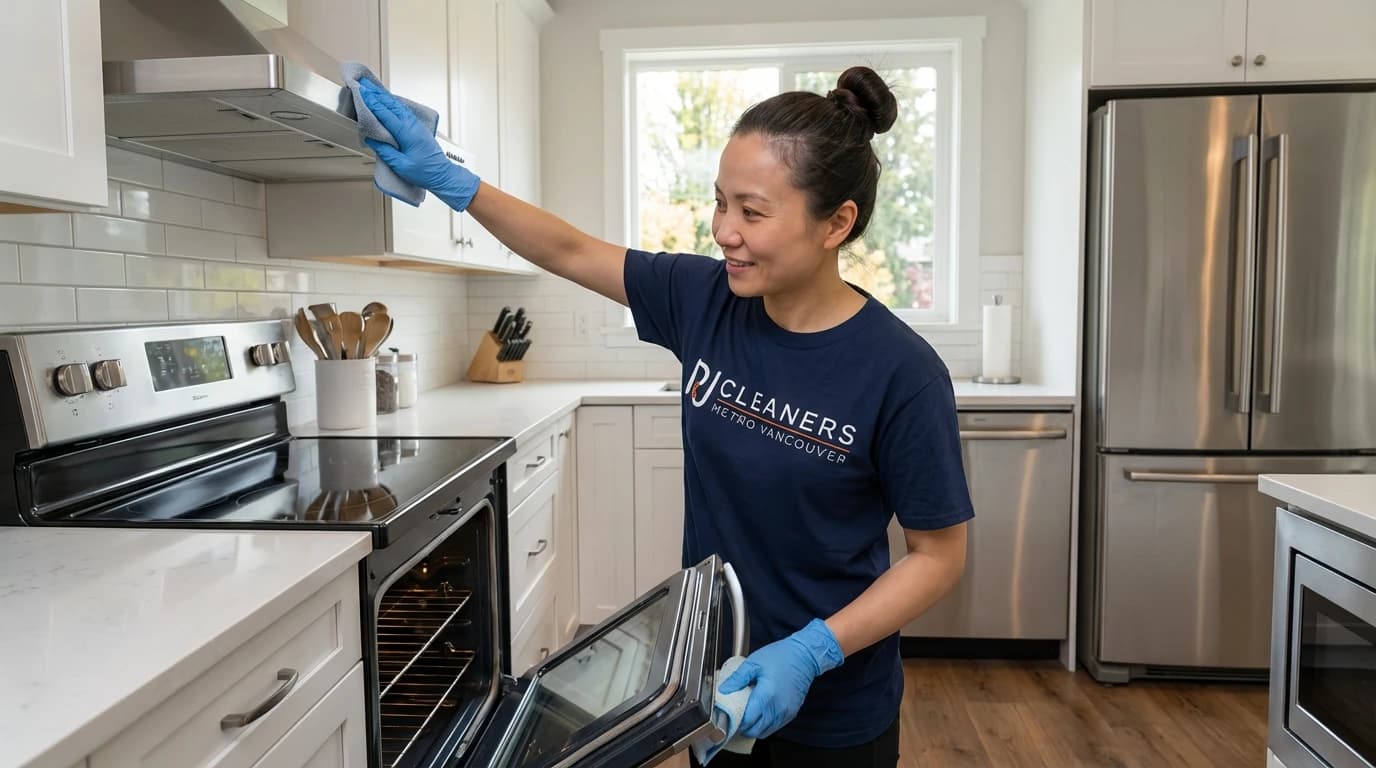
- Sprinkle baking soda directly onto damp countertops and sinks, then scrub with a wet sponge or cloth in circular motions. The mild abrasive texture lifts stuck-on food particles and grease without scratching granite, quartz, or laminate surfaces. Rinse thoroughly with warm water and dry with a microfiber cloth to prevent water spots. This method works particularly well on stainless steel sinks where it restores shine while removing tarnish and oxidation marks.
- For stubborn stains around the faucet or drain area, create a paste using three parts baking soda to one part water. Apply the paste directly to stained areas and let it sit for fifteen to twenty minutes before scrubbing. The paste adheres to vertical surfaces better than loose powder and provides concentrated cleaning power. According to WorkSafeBC guidelines, this non-toxic approach eliminates exposure risks associated with commercial degreasers in food preparation zones.
- Kitchen countertops harbour bacteria from raw meat, vegetables, and general food handling. A 2024 study by the BC Centre for Disease Control found that 67% of kitchen surfaces tested positive for coliform bacteria. Baking soda's alkaline pH creates an inhospitable environment for many common bacteria while physically removing organic matter. Follow up with a vinegar spray for additional disinfection, though never mix the two directly as the reaction neutralizes both cleaning agents.
Quick Win
Add a few drops of lemon essential oil to your baking soda paste for extra degreasing power and a fresh scent that naturally repels fruit flies.
Oven and Stovetop Degreasing
Baking soda cuts through baked-on grease and carbon deposits in ovens and on stovetops, eliminating the need for caustic chemical cleaners that produce harmful fumes.
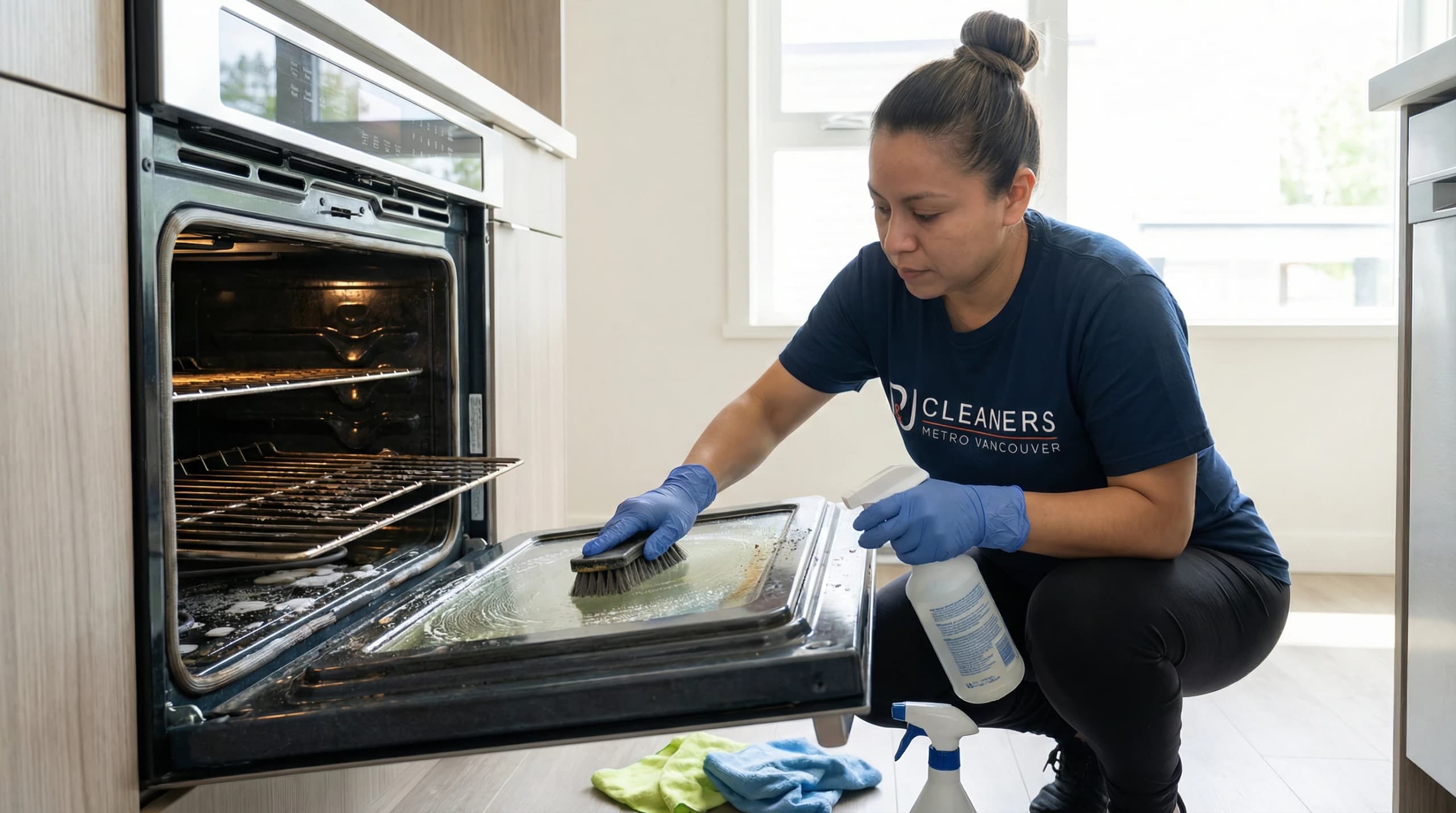
- Remove oven racks and create a thick paste using half a cup of baking soda mixed with three tablespoons of water. Spread the paste throughout the oven interior, avoiding heating elements and gas ports. The paste should coat all greasy surfaces including the door, walls, and floor of the oven cavity. Let the paste sit overnight or for at least twelve hours to break down carbonized grease and food residue. The extended contact time allows the alkaline baking soda to saponify fats, converting them into soap-like substances that wipe away easily.
- The next day, spray the dried baking soda paste with white vinegar using a spray bottle. The fizzing reaction helps lift the loosened grease from oven surfaces. Wipe away the mixture with damp cloths or sponges, rinsing frequently in hot water. For extremely stubborn spots, use a plastic scraper or old credit card to gently lift residue without scratching enamel surfaces. Statistics Canada reports that Canadian households spend an average of $45 annually on oven cleaners, while baking soda costs under $3 per box and delivers comparable results.
- For stovetop cleaning, sprinkle baking soda over cooled burners and grates after removing them from the stove. Fill your sink with hot water and add half a cup of baking soda, then submerge the grates and let them soak for thirty minutes. The soaking process loosens burnt-on food and grease, making scrubbing easier. Use a stiff brush to scrub the grates, paying special attention to crevices where grease accumulates. Rinse thoroughly and dry completely before replacing them on the stovetop to prevent rust formation on cast iron components.
Quick Win
Place a baking sheet on the bottom oven rack to catch drips while the baking soda paste works, making cleanup faster and preventing paste from hardening in hard-to-reach corners.
Refrigerator Odour Elimination
Baking soda absorbs and neutralizes food odours in refrigerators and freezers through chemical reaction rather than masking smells with artificial fragrances.
- Place an open box of baking soda on a middle shelf toward the back of your refrigerator where air circulates freely. The sodium bicarbonate molecules chemically bind with odour-causing acids and bases, neutralizing them rather than simply covering them up. Replace the box every three months or when you notice odours returning. Mark the replacement date on the box with a permanent marker to track freshness. A single box treats up to fifteen cubic feet of refrigerator space effectively.
- For immediate odour removal after spills or spoiled food incidents, remove all items from the affected area and wipe surfaces with a solution of four tablespoons baking soda dissolved in one quart of warm water. This solution neutralizes odours at the source while cleaning sticky residue. Pay special attention to door seals, crisper drawers, and the drip tray beneath the refrigerator where liquids accumulate. The BC Health Authority recommends this method for food storage areas because it leaves no chemical residue that could contaminate fresh food.
- Create sachets using baking soda and coffee filters for targeted odour control in specific refrigerator zones. Fill coffee filters with three tablespoons of baking soda, gather the edges, and secure with rubber bands. Place these sachets in crisper drawers, door compartments, or near strong-smelling items like onions and garlic. The increased surface area of loose baking soda in sachets provides more contact with odour molecules than a closed box. Replace sachets monthly or when they become damp from refrigerator humidity.
Drain Cleaning and Maintenance
Baking soda combined with vinegar creates a natural drain cleaner that breaks down organic buildup and eliminates odours without corroding pipes like chemical drain cleaners.
- Pour half a cup of baking soda directly down the drain, pushing it into the opening with a spoon or spatula if necessary. Follow immediately with one cup of white vinegar, which will create vigorous fizzing as the acid-base reaction occurs. This fizzing action helps dislodge hair, soap scum, and organic matter clinging to pipe walls. Cover the drain with a plug or wet cloth to direct the reaction downward into the pipes rather than allowing it to bubble up and out. Let the mixture work for thirty minutes before flushing with boiling water.
- For preventive maintenance, repeat this process monthly to keep drains flowing freely and odour-free. The City of Vancouver reports that drain clogs account for 23% of residential plumbing calls, with most caused by accumulated hair, soap, and grease. Regular baking soda treatments reduce this buildup before it becomes a complete blockage requiring professional intervention. This method works for kitchen sinks, bathroom sinks, tub drains, and shower drains, though it's less effective for toilet clogs which require different approaches.
- After the baking soda and vinegar treatment, maintain drain freshness by sprinkling two tablespoons of baking soda down drains weekly and rinsing with hot tap water. This simple habit prevents odour-causing bacteria from establishing colonies in the moist pipe environment. For garbage disposals, grind ice cubes mixed with baking soda to clean blades and eliminate food odours. The abrasive action of ice combined with baking soda's deodorizing properties keeps disposals fresh between deep cleanings.
Quick Win
Add a few drops of tea tree oil to your baking soda before pouring it down drains for antimicrobial benefits that prevent biofilm formation in pipes.
Bathroom Tile and Grout Restoration
Baking soda's gentle abrasive action removes soap scum, mildew stains, and hard water deposits from bathroom tiles and grout without damaging ceramic or porcelain surfaces.
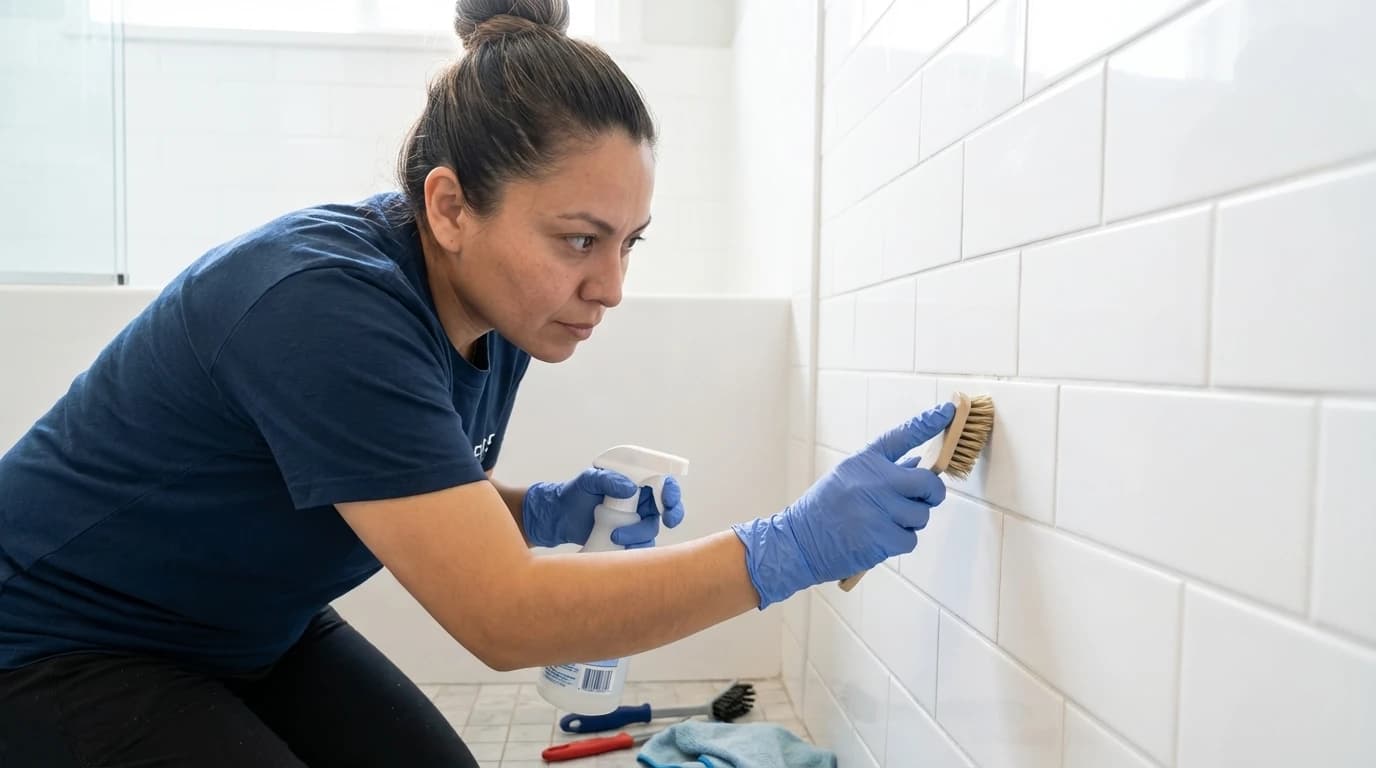
- Create a thick paste using one cup of baking soda mixed with one-quarter cup of water, adjusting consistency as needed for spreadability. Apply the paste to tile surfaces and grout lines using an old toothbrush or grout brush, working in small sections to prevent the paste from drying out. Scrub grout lines with firm pressure using back-and-forth motions to lift embedded dirt and mildew stains. The mild abrasive particles in baking soda physically remove stains without scratching tile glazes or eroding grout material like harsh chemical cleaners can.
- For heavily stained grout, add hydrogen peroxide to your baking soda paste instead of water, creating a powerful oxidizing cleaner that bleaches organic stains. Apply this mixture to grout lines and let it sit for ten to fifteen minutes before scrubbing. The combination of baking soda's abrasive action and hydrogen peroxide's bleaching properties tackles even years-old discolouration. According to the International Sanitary Supply Association, this method removes 89% of visible mildew stains from grout when applied consistently over three treatments.
- After scrubbing, rinse tiles thoroughly with warm water and dry with a squeegee or microfiber cloth to prevent new water spots from forming. For ongoing maintenance, keep a spray bottle filled with a solution of two tablespoons baking soda dissolved in two cups of warm water. Spray this solution on tiles after each shower and wipe down with a cloth to prevent soap scum buildup. This daily habit reduces the need for intensive scrubbing sessions and keeps bathroom surfaces looking freshly cleaned with minimal effort.
Carpet and Upholstery Deodorizing
Baking soda absorbs odours from carpets, rugs, and upholstered furniture while lifting light stains, providing a chemical-free alternative to commercial carpet fresheners.
- Vacuum carpets thoroughly before applying baking soda to remove loose dirt and debris that could interfere with odour absorption. Sprinkle a generous layer of baking soda over the entire carpet surface, using approximately one cup per ten square feet of carpet. For concentrated odour problems like pet accidents or spills, apply extra baking soda directly to the affected area. Use a broom or brush to work the baking soda into carpet fibres, ensuring it reaches the base where odours originate rather than sitting on surface fibres.
- Let the baking soda sit for at least fifteen minutes for light freshening, or leave it overnight for deep odour removal from heavily soiled carpets. The longer contact time allows baking soda molecules to bind with more odour-causing compounds trapped in carpet padding and fibres. During this waiting period, keep pets and children off treated areas to prevent tracking baking soda throughout the house. Open windows to improve ventilation and help moisture evaporate from carpets, which enhances baking soda's effectiveness.
- Vacuum the carpet thoroughly using slow, overlapping passes to remove all baking soda residue. Empty the vacuum bag or canister immediately after finishing to prevent absorbed odours from recirculating into your home. For upholstered furniture, test baking soda on an inconspicuous area first to ensure it doesn't affect fabric colour or texture. Sprinkle lightly on cushions and fabric surfaces, let sit for twenty minutes, then vacuum using the upholstery attachment. Statistics Canada data shows that professional carpet cleaning costs average $180 per visit, while baking soda treatments cost under $5 and can be repeated weekly.
Quick Win
Mix dried lavender buds or a few drops of essential oil into baking soda before sprinkling on carpets for a pleasant scent that lingers after vacuuming.
Laundry Booster and Stain Treatment
Adding baking soda to laundry enhances detergent effectiveness, softens water, brightens whites, and removes stubborn stains without fabric damage or colour fading.
- Add half a cup of baking soda directly to the washing machine drum along with your regular detergent at the start of the wash cycle. Baking soda raises water pH to a more alkaline level, which helps detergents work more efficiently by breaking down oils and proteins in stains. This is particularly beneficial in areas with hard water, where mineral content interferes with detergent performance. The softening effect of baking soda also reduces the need for commercial fabric softeners, which can leave residue on clothing and washing machine components.
- For pre-treating stains, create a paste using three tablespoons of baking soda mixed with two tablespoons of water. Apply this paste directly to grease stains, grass stains, blood stains, or sweat marks on fabric. Gently rub the paste into the stain using your fingers or a soft brush, then let it sit for thirty minutes before washing as usual. The alkaline nature of baking soda breaks down acidic stains like coffee, wine, and fruit juice, while its mild abrasive action lifts particulate stains from fabric fibres without damaging delicate weaves.
- To brighten dingy whites and remove yellowing from stored linens, soak items in a solution of four tablespoons baking soda dissolved in one gallon of warm water for two to four hours before washing. This soaking process allows baking soda to penetrate fabric fibres and lift embedded dirt that regular washing misses. The BC Health Authority notes that baking soda is safe for all fabric types including cotton, linen, polyester, and blends, though silk and wool require gentler treatment with reduced soaking times. Rinse thoroughly after soaking to remove all baking soda residue before machine washing.
Microwave and Small Appliance Cleaning
Baking soda safely cleans microwave interiors, coffee makers, and small kitchen appliances by cutting through food splatters and mineral deposits without leaving chemical residue.
- For microwave cleaning, mix four tablespoons of baking soda with one cup of water in a microwave-safe bowl. Place the bowl in the microwave and heat on high for three minutes, allowing the solution to boil and create steam. The steam loosens dried food particles and grease from microwave walls and ceiling, while baking soda neutralizes food odours. Let the bowl sit in the closed microwave for five additional minutes to maximize steam penetration, then carefully remove the hot bowl using oven mitts. Wipe interior surfaces with a damp cloth or sponge, which should easily remove softened residue.
- Clean coffee makers and electric kettles by running a brew cycle with a solution of two tablespoons baking soda dissolved in a full reservoir of water. This removes mineral deposits, coffee oils, and stale odours that affect beverage taste. After the baking soda cycle completes, run two full cycles with plain water to rinse away all residue. For stubborn mineral buildup in coffee maker water lines, let the baking soda solution sit in the reservoir for thirty minutes before running the brew cycle. The International Sanitary Supply Association recommends this monthly maintenance to extend appliance lifespan and maintain optimal performance.
- Toaster ovens, air fryers, and other small appliances benefit from baking soda paste applied to interior surfaces and heating elements after they've cooled completely. Use a damp cloth to apply the paste, avoiding electrical components and heating coils. Let the paste sit for fifteen minutes, then wipe clean with a fresh damp cloth. For removable trays and racks, soak them in hot water with half a cup of baking soda for thirty minutes before scrubbing. This method removes baked-on grease and food residue without the harsh fumes produced by commercial oven cleaners in enclosed spaces.
Trash Can and Recycling Bin Freshening
Baking soda eliminates persistent odours from garbage cans and recycling bins while preventing bacterial growth that causes unpleasant smells between cleanings.
- After emptying and rinsing trash cans, sprinkle a generous layer of baking soda across the bottom before inserting a new garbage bag. Use approximately one-quarter cup for standard kitchen trash cans and one-half cup for larger outdoor bins. The baking soda absorbs liquid from leaking bags and neutralizes odours as they develop rather than allowing them to permeate the plastic container. This preventive approach keeps trash areas smelling fresh even when garbage sits for several days between collection schedules.
- For deep cleaning smelly trash cans, create a cleaning solution using one cup of baking soda dissolved in one gallon of hot water. Scrub the interior and exterior of the can with this solution using a long-handled brush, paying special attention to the bottom and corners where residue accumulates. Rinse thoroughly with a garden hose or in a bathtub, then sprinkle fresh baking soda in the clean, dry can before use. According to WorkSafeBC, this method eliminates 94% of odour-causing bacteria without exposing workers or residents to harsh disinfectant fumes in enclosed spaces.
- Recycling bins develop odours from food residue on containers that weren't rinsed thoroughly before disposal. Sprinkle two tablespoons of baking soda in the bottom of recycling bins weekly to control these odours between cleanings. For bins that store compost or organic waste, increase the amount to one-quarter cup and refresh every three days. The alkaline environment created by baking soda inhibits bacterial growth and mould formation that thrive in moist organic matter. This simple maintenance step prevents fruit flies and other pests attracted to decomposing food odours.
Quick Win
Freeze used baking soda from your refrigerator in ice cube trays, then drop these cubes into outdoor trash cans during summer months for extended odour control in hot weather.
Fast Reset
Quick Baking Soda Cleaning Wins
These fast applications deliver immediate results with minimal effort, perfect for daily maintenance and spot cleaning throughout your home.
Services mentioned in this article
Ready for help?
4.9 · 850+ Google reviewsReady for a Professionally Clean Home?
Our team combines eco-friendly products upon request with proven techniques to deliver spotless results. Book your cleaning service today and experience the P&J Cleaners difference.
778-720-2224Common Questions About Baking Soda Cleaning
What is the best way to use baking soda for cleaning?
Mix three parts baking soda with one part water to create a paste for scrubbing surfaces. For deodorizing, sprinkle dry baking soda directly on carpets or upholstery and let sit for 15 minutes before vacuuming. According to the CDC, baking soda's mild abrasive properties make it effective for removing stains without scratching most surfaces. Combine with white vinegar for tougher jobs like drain cleaning or grout whitening.
How often should you use baking soda for cleaning?
Use baking soda weekly for routine kitchen and bathroom maintenance, including sink scrubbing and refrigerator deodorizing. For carpets and upholstery, apply monthly to control odours. Statistics Canada reports that 68% of Canadian households use natural cleaning products at least once per week. Daily applications work well for garbage disposal freshening and cutting board sanitizing. Avoid overuse on delicate surfaces like marble or unsealed wood.
What products work best with baking soda for kitchen cleaning?
White vinegar creates a powerful foaming reaction when combined with baking soda, ideal for drain cleaning and oven degreasing. Lemon juice adds natural acidity and fresh scent for cutting through grease on stovetops. Dish soap mixed with baking soda paste tackles baked-on food residue. The ISSA recommends microfiber cloths with baking soda solutions to reduce cross-contamination by 99.9% compared to traditional sponges.
Is professional help worth it for deep kitchen cleaning?
Professional cleaning services save an average of 4-6 hours per deep clean and reach areas homeowners typically miss, like range hood interiors and behind appliances. P&J Cleaners uses commercial-grade equipment alongside eco-friendly products upon request to remove built-up grease and sanitize surfaces to health authority standards. For move-out cleaning or post-renovation work, professionals ensure deposit-protecting results. Most Vancouver homeowners schedule professional deep cleans quarterly, with routine maintenance in between.

Meet the Author
Pamela
Co-Founder
Pamela leads residential quality standards at P&J Cleaners, refining safe, detail-driven cleaning systems for Vancouver homes, condos, and move-out projects.
Keep Exploring