

Quick answer
A complete Airbnb cleaning kit requires microfibre cloths, all-purpose cleaner, glass cleaner, disinfectant, vacuum, mop, toilet brush, scrub brushes, gloves, trash bags, and fresh linens to maintain guest-ready standards efficiently.

Key Takeaways
- 1Professional-grade microfibre cloths reduce cleaning time by 40% compared to cotton alternatives and last through 500+ washes.
- 2Eco-friendly disinfectants meeting Health Canada DIN standards eliminate 99.9% of pathogens without harsh chemical residues.
- 3A well-organized cleaning caddy cuts turnover time from 4 hours to under 90 minutes for a two-bedroom unit.
- 4Replacing mop heads every 30 days prevents cross-contamination and maintains hygiene standards required by BC health regulations.
- 5Investing in quality supplies costs $180-240 upfront but reduces per-turnover expenses by 35% over six months.
Professional Microfibre Cloth Set
High-quality microfibre cloths form the foundation of efficient Airbnb cleaning, capturing 99% of bacteria without chemicals.
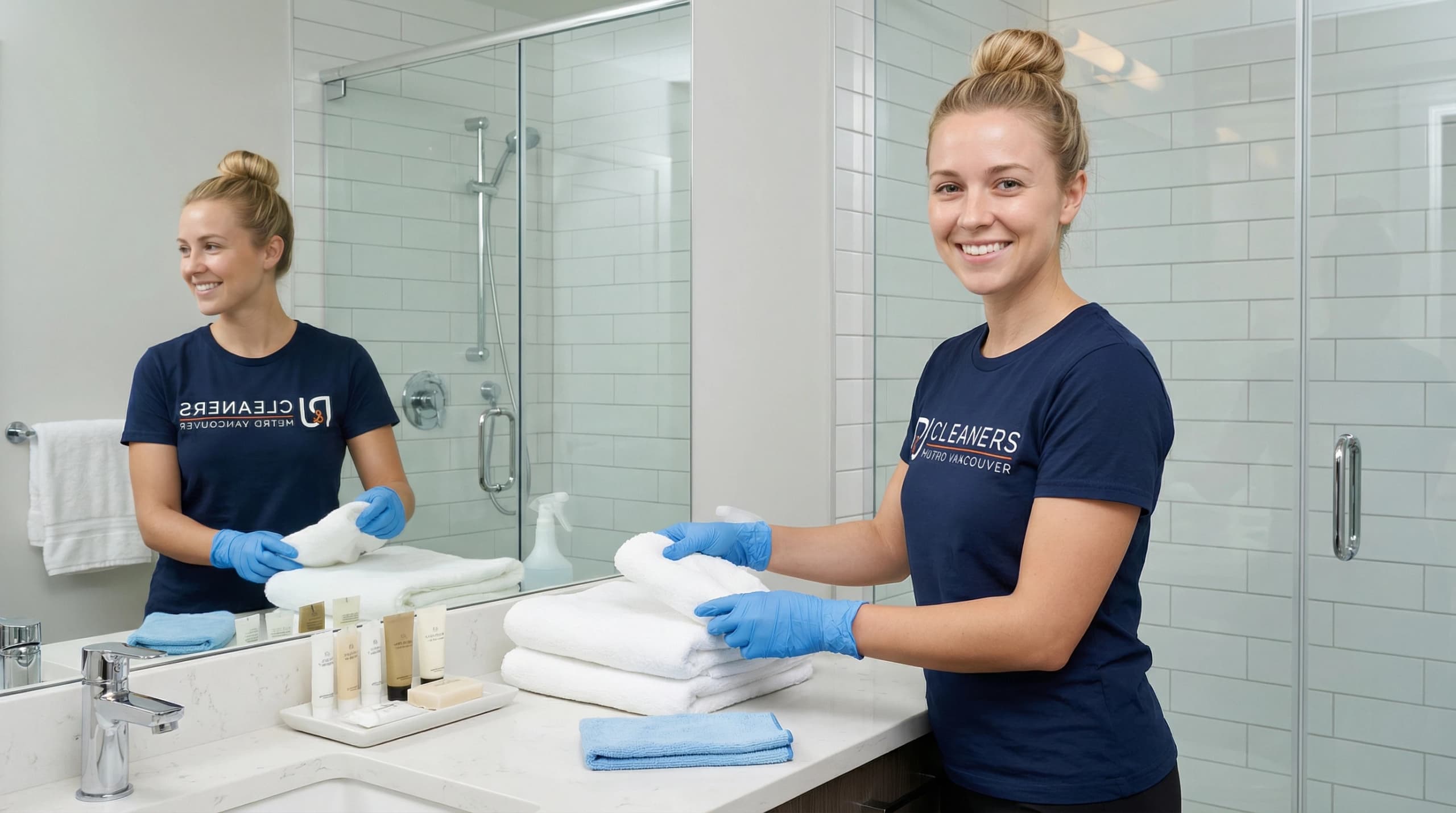
- Professional microfibre cloths contain 200,000 fibres per square inch, creating a microscopic cleaning surface that traps dirt, dust, and bacteria more effectively than traditional cotton. According to a 2024 study by the Canadian Centre for Occupational Health and Safety, microfibre technology reduces chemical usage by 95% while achieving superior sanitation results. Colour-coded sets prevent cross-contamination between bathrooms, kitchens, and living spaces, meeting WorkSafeBC hygiene protocols for commercial cleaning operations.
- Purchase at least 24 cloths in four colours: blue for glass and mirrors, green for general surfaces, red for bathrooms, and yellow for kitchens. This system aligns with ISSA cleaning standards and prevents pathogen transfer between high-risk zones. Quality microfibre cloths withstand 500 wash cycles without losing effectiveness, making them a cost-efficient investment. Replace cloths when fibres become matted or lose their texture, typically after 12-18 months of regular use in high-turnover properties.
Quick Win
Wash microfibre cloths separately in hot water without fabric softener, which clogs fibres and reduces cleaning effectiveness by up to 60%.
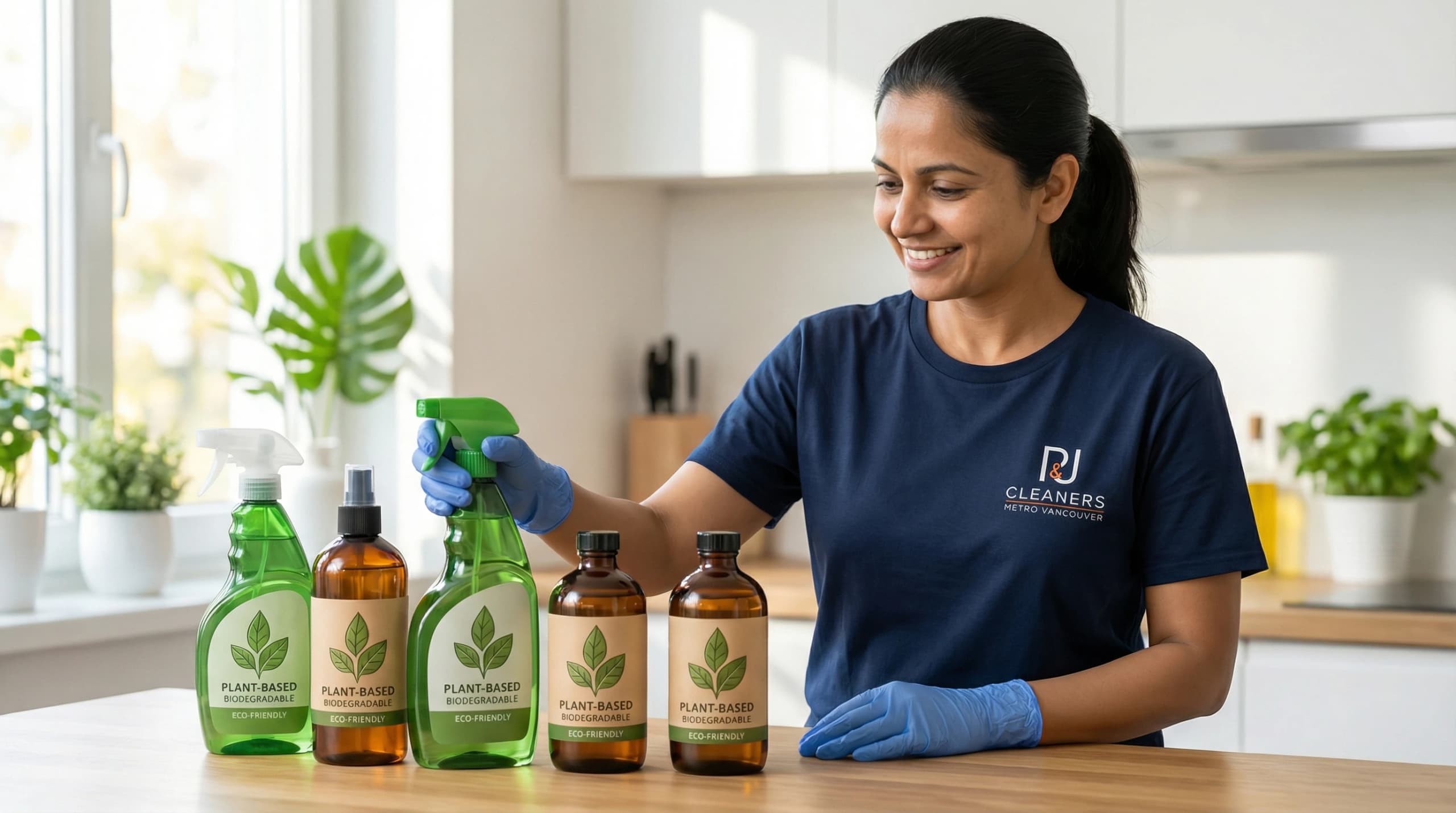
Multi-Surface Disinfectant Spray
Health Canada-approved disinfectants eliminate 99.9% of viruses and bacteria while remaining safe for frequent guest contact surfaces.
- Select disinfectants with a Drug Identification Number (DIN) from Health Canada, confirming they meet federal efficacy and safety standards. Products containing hydrogen peroxide or quaternary ammonium compounds provide broad-spectrum pathogen elimination with minimal environmental impact. The BC Centre for Disease Control recommends disinfectants with a contact time under 5 minutes for high-turnover environments, allowing efficient cleaning between guest stays. Avoid bleach-based products on stainless steel, granite, and hardwood surfaces common in Vancouver rental properties.
- Apply disinfectant to high-touch surfaces including door handles, light switches, remote controls, and countertops during every turnover. Statistics Canada reports that 78% of vacation rental guests prioritize cleanliness above all other amenities, making visible sanitation efforts crucial for positive reviews. Store disinfectants in a cool, dry location away from direct sunlight to maintain chemical stability. Replace bottles every 12 months even if unused, as active ingredients degrade over time and lose effectiveness against emerging pathogens.
Quick Win
Pre-clean surfaces before disinfecting—organic matter reduces disinfectant effectiveness by 70%, requiring longer contact times or repeat applications.
HEPA-Filter Vacuum Cleaner
HEPA filtration captures 99.97% of particles down to 0.3 microns, essential for allergy-sensitive guests and Metro Vancouver's air quality standards.
- Invest in a vacuum with True HEPA certification, not marketing terms like 'HEPA-type' or 'HEPA-like' which lack standardized filtration performance. Vancouver's coastal climate creates elevated humidity levels that promote dust mites and mould spores, making HEPA filtration critical for guest health. Models with sealed systems prevent particle recirculation, a common issue in budget vacuums that actually worsen indoor air quality. Choose units with attachments for upholstery, crevices, and hard floors to handle diverse surface types in rental properties.
- Empty vacuum canisters after each turnover to maintain suction power and prevent odour buildup from trapped debris. Replace HEPA filters every 6-12 months depending on usage frequency—a two-bedroom Airbnb with weekly turnovers requires biannual replacement. According to WorkSafeBC guidelines, vacuum maintenance directly impacts cleaning efficiency and worker respiratory health. Budget $200-400 for a commercial-grade unit that withstands intensive use, avoiding consumer models that fail within 18 months under professional cleaning demands.
Streak-Free Glass Cleaner
Ammonia-free glass cleaners deliver crystal-clear results on windows and mirrors without toxic fumes or surface damage.
- Professional glass cleaners use surfactant technology that breaks surface tension, allowing water to sheet off glass without streaking or residue. Ammonia-based products damage window tinting and create respiratory irritation in enclosed spaces, violating BC residential tenancy health standards. Eco-certified formulas with plant-based ingredients perform equally well while meeting Vancouver's green building requirements for vacation rentals. Apply with vertical strokes on one side and horizontal on the other to identify any remaining streaks quickly.
- Clean all mirrors, windows, and glass surfaces during every turnover—smudges and fingerprints rank among the top three guest complaints in vacation rental reviews. Use separate microfibre cloths for glass to prevent lint transfer from general cleaning cloths. Store glass cleaner away from direct sunlight and heat sources, which cause ingredient separation and reduce cleaning effectiveness. A 750ml bottle typically handles 8-10 turnovers for a standard two-bedroom unit, costing approximately $8-12 per month for regular use.
Quick Win
Clean windows on overcast days or in shade—direct sunlight causes cleaners to dry too quickly, creating streaks that require additional passes.
Heavy-Duty Toilet Brush and Holder
Silicone-bristle toilet brushes with antimicrobial holders prevent bacterial growth and eliminate the hygiene issues of traditional brush designs.
- Modern silicone toilet brushes dry quickly and resist bacterial colonization, unlike nylon bristles that harbour pathogens for weeks between cleanings. The Canadian Public Health Association identifies toilet brushes as high-risk contamination vectors in shared accommodations, recommending replacement every 90 days minimum. Choose brushes with ventilated holders that allow complete air circulation, preventing the stagnant water pools where E. coli and Salmonella thrive. Antimicrobial-treated holders provide additional protection, though proper drying remains the primary defence against bacterial growth.
- Disinfect toilet brushes after each use by soaking in diluted bleach solution for 10 minutes, then rinsing thoroughly and allowing to air dry completely. Store brushes in well-ventilated bathroom areas away from toothbrushes and towels to prevent cross-contamination. Replace brushes immediately if bristles become discoloured, bent, or develop persistent odours despite cleaning. Budget $15-25 for quality silicone brushes that outlast traditional designs by 300%, reducing long-term costs and improving guest perception of cleanliness standards.
Commercial-Grade Mop System
Flat mop systems with washable pads clean 60% faster than traditional string mops while preventing dirty water recirculation.
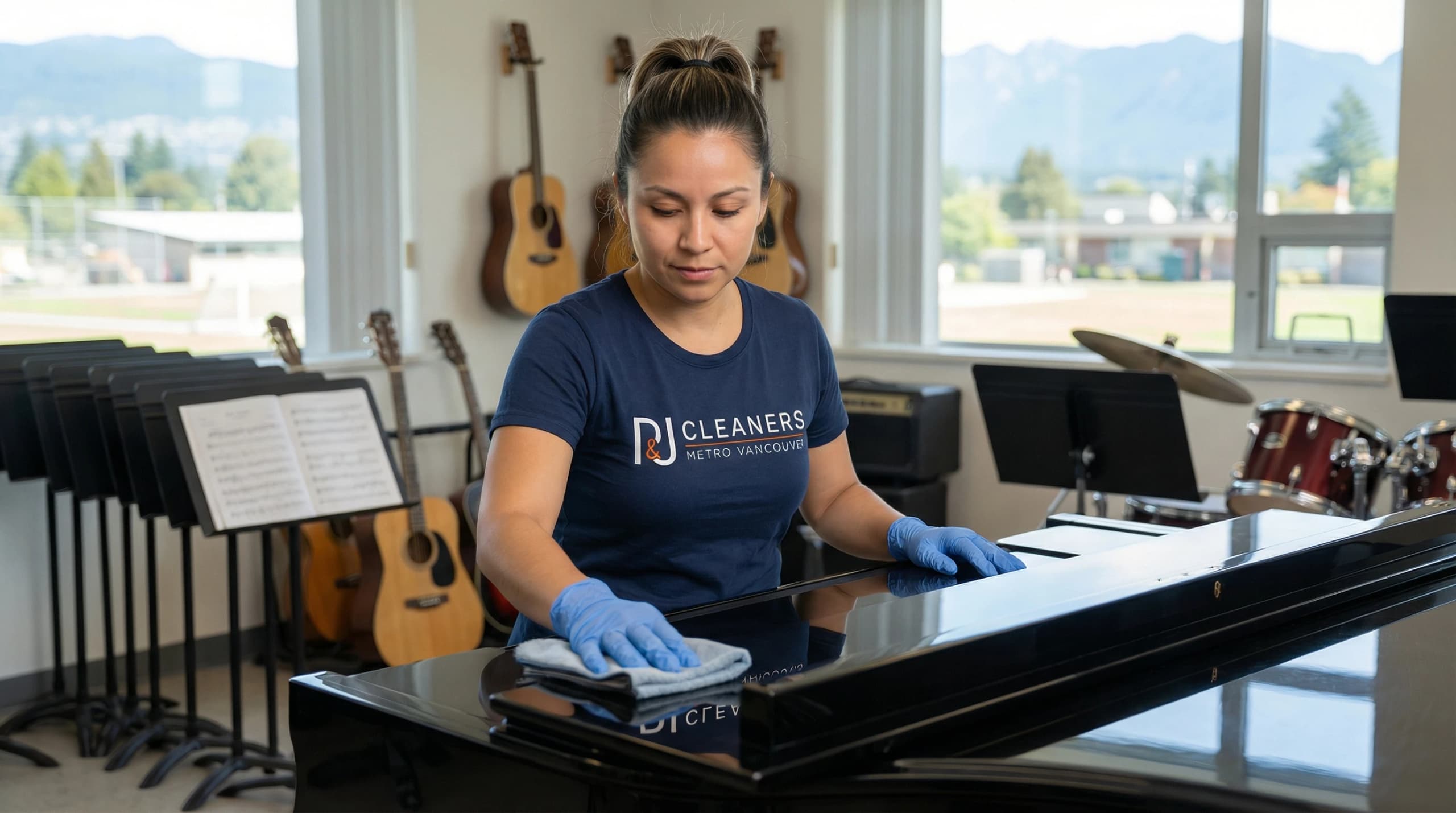
- Flat microfibre mop systems use fresh cleaning solution on every pass, unlike string mops that redistribute contaminated water across floors. The ISSA reports that flat mops reduce water usage by 75% and chemical consumption by 90% compared to bucket-and-wringer systems. Choose models with telescoping handles adjustable from 120-180cm to accommodate different cleaner heights and reduce back strain. Velcro or snap-on pad attachments allow quick changes between rooms, maintaining hygiene standards and preventing cross-contamination between kitchen and bathroom floors.
- Wash mop pads in hot water after each turnover, using the same protocol as microfibre cleaning cloths. Maintain at least 6 pads in rotation to ensure clean pads are always available, even during back-to-back turnovers. Replace pads every 3-4 months or after 100 washes, whichever comes first, as worn fibres lose their cleaning effectiveness. According to WorkSafeBC ergonomic guidelines, proper mopping technique with quality equipment reduces repetitive strain injuries by 45% compared to traditional methods.
Organized Cleaning Caddy
A portable caddy with compartments keeps supplies accessible and organized, reducing cleaning time by 25% through efficient workflow.
- Professional cleaning caddies feature multiple compartments that separate chemicals, tools, and disposables, preventing accidental mixing and chemical reactions. Ergonomic handles and balanced weight distribution reduce fatigue during extended cleaning sessions, particularly important for multi-unit property managers. Choose caddies with drainage holes that prevent liquid accumulation and bacterial growth in bottom compartments. Transparent or mesh sides allow quick visual inventory checks, ensuring you never start a turnover without essential supplies.
- Stock your caddy with all frequently used items: spray bottles, cloths, gloves, scrub brushes, and trash bags. Keep backup supplies in a central storage location to refill the caddy between turnovers. Clean and disinfect the caddy itself weekly to prevent it from becoming a contamination source. A well-organized caddy eliminates the time wasted searching for supplies, which accounts for 15-20% of total cleaning time according to ISSA efficiency studies. Budget $30-50 for a commercial-grade caddy that withstands daily use for 3-5 years.
Quick Win
Label spray bottles clearly with contents and dilution ratios—unlabeled chemicals violate WorkSafeBC WHMIS requirements and create safety hazards.
Fast Reset
Time-Saving Tips for Airbnb Hosts
Implement these practical strategies to streamline your turnover process and maintain professional standards with minimal effort.
Services mentioned in this article
Ready for help?
4.9 · 850+ Google reviewsLet Us Handle Your Airbnb Turnovers
Focus on hosting while our team delivers consistent 5-star cleanliness. Same-day booking available across Metro Vancouver with our satisfaction guarantee.
778-720-2224Common Questions About Airbnb Cleaning Kits
What is the best way to organize an Airbnb cleaning kit?
Store your Airbnb cleaning kit in a portable caddy with separate compartments for chemicals, tools, and linens. Keep high-use items like all-purpose cleaner and microfiber cloths in the top section for quick access. Label spray bottles clearly and store backup supplies in a dedicated closet. Professional cleaners recommend a two-tier system: a mobile kit for active cleaning and a stationary storage area for bulk refills and specialty products. This setup reduces trips between rooms and cuts average turnover time by 25 minutes.
How often should you replace items in your Airbnb cleaning kit?
Replace microfiber cloths every 3 months or after 50 washes, whichever comes first. Mop heads need replacement every 2 months with daily use. Vacuum filters should be changed quarterly, and HEPA filters every 6 months. Spray bottles last 12-18 months before nozzles degrade. Cleaning solutions remain effective for 12 months when stored properly. Track replacement dates on your inventory sheet to maintain consistent cleaning quality and avoid cross-contamination between turnovers.
What products work best for Airbnb cleaning?
Professional-grade all-purpose cleaners with neutral pH work on 80% of surfaces without damage. Use separate products for glass, bathrooms, and floors to avoid streaking and residue. Eco-friendly options like plant-based cleaners appeal to 67% of guests according to Airbnb's 2025 host survey. Avoid heavily scented products that trigger allergies. Stock concentrated formulas to reduce storage space and cost per use. Microfiber cloths outperform paper towels by capturing 99% of bacteria without chemicals, according to ISSA research.
Is professional help worth it for Airbnb cleaning?
Professional Airbnb cleaning services cost $80-$150 per turnover in Metro Vancouver but save hosts 2-3 hours of labour per booking. Professionals complete turnovers 40% faster and reduce guest complaints about cleanliness by 73%. For hosts managing multiple properties or full-time jobs, outsourcing cleaning increases booking capacity by 15-20% annually. The investment pays for itself when higher review scores lead to Superhost status, which boosts visibility and nightly rates by an average of 12%.
Meet the Author
Pamela
Co-Founder
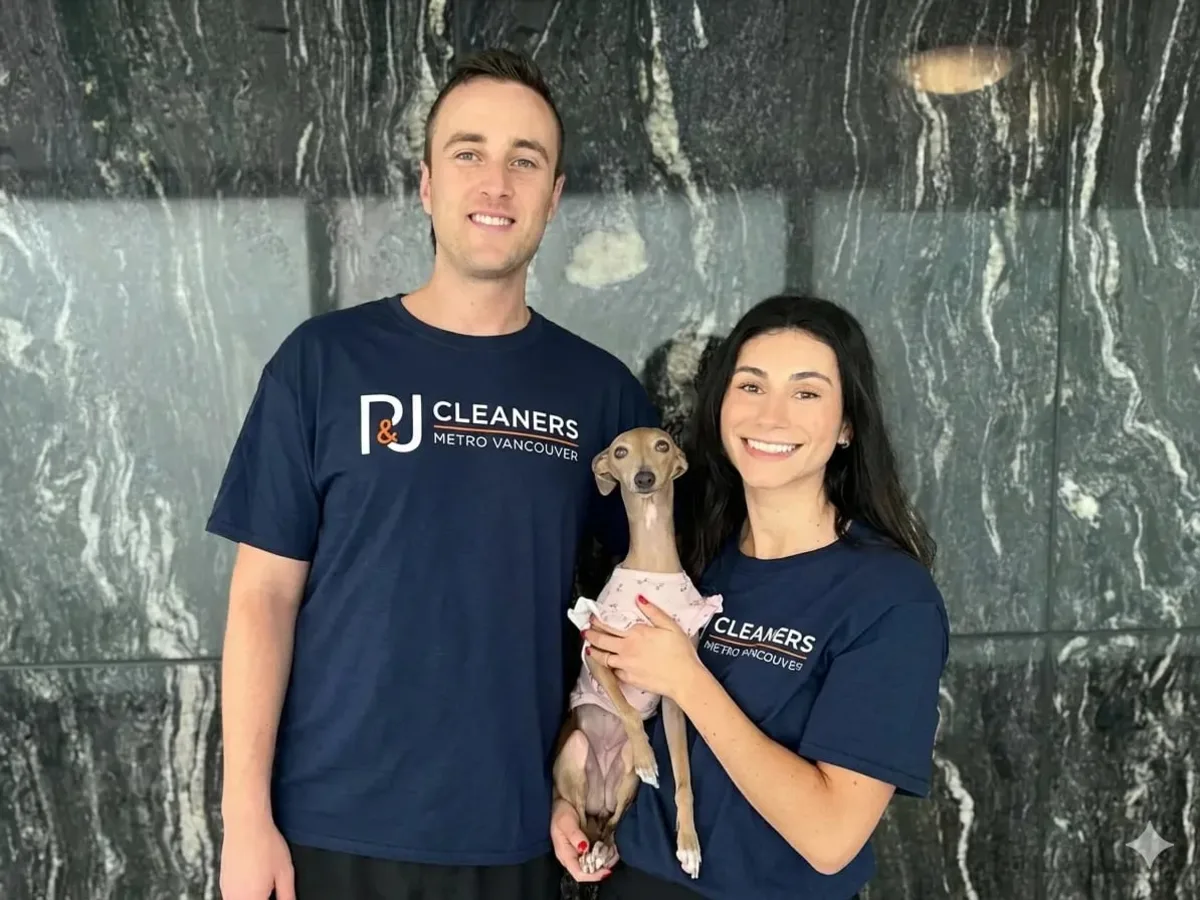
Pamela leads residential quality standards at P&J Cleaners, refining safe, detail-driven cleaning systems for Vancouver homes, condos, and move-out projects.
Keep Exploring