

Industry Overview
Vancouver Wedding Venue Cleaning Standards
Metro Vancouver hosts over 12,000 weddings annually between April and October, with venues ranging from historic heritage buildings to modern waterfront spaces and outdoor garden settings. Each location type presents unique cleaning challenges that require specialized protocols, equipment, and timing to maintain both aesthetic appeal and health compliance. Wedding venue operators face increasing pressure to demonstrate sanitization practices while preserving the elegant atmosphere guests expect during celebrations.
Fraser Health Authority regulations mandate specific cleaning frequencies and documentation for venues serving food and beverages, with particular emphasis on kitchen areas, serving stations, and guest washroom facilities. Venues must maintain detailed cleaning logs, use approved sanitizers on food-contact surfaces, and ensure staff follow proper cross-contamination prevention protocols. Non-compliance can result in operational restrictions, fines ranging from $500 to $5,000, or temporary closure orders that devastate booking schedules during peak wedding season.
Professional cleaning services for wedding venues have evolved beyond basic janitorial work to encompass specialized treatments for delicate surfaces, rapid turnover protocols for back-to-back events, and eco-friendly product selections that align with couples' sustainability values. Vancouver venues increasingly partner with certified cleaning companies that understand the balance between thorough sanitization and preserving the romantic ambiance essential to wedding celebrations. This partnership approach reduces liability risks while allowing venue staff to focus on event coordination rather than cleaning logistics.
12,000+
Annual Metro Vancouver Weddings
Source: Statistics Canada
85% capacity
Peak Season Venue Bookings
Source: BC Wedding Industry Report
120-180 guests
Average Guest Count
Source: Vancouver Wedding Venues Association
Quarterly minimum
Health Inspection Frequency
Source: Fraser Health Authority
8-12% of venue revenue
Cleaning Labour Cost Percentage
Source: ISSA Commercial Cleaning Benchmarks
Compliance priorities
Maintain sanitization logs documenting cleaning times, products used, and staff signatures for all food preparation and serving areas as required by Fraser Health Authority. • Use only Health Canada-approved sanitizers with proper contact times on food-contact surfaces, cutting boards, serving utensils, and beverage dispensing equipment. • Implement colour-coded cleaning cloth systems to prevent cross-contamination between washroom areas, food zones, and general venue spaces. • Ensure all cleaning staff complete FoodSafe Level 1 certification and understand proper chemical dilution ratios, personal protective equipment requirements, and emergency spill procedures. • Conduct quarterly deep cleaning inspections covering ventilation systems, grease trap maintenance, carpet sanitation, and upholstery treatments with documented results. • Maintain Material Safety Data Sheets for all cleaning chemicals on-site and ensure proper storage in locked areas away from food preparation zones and guest access points.
Zone-Based Wedding Venue Cleaning Protocols
Effective wedding venue cleaning requires a systematic zone-based approach that addresses each area's unique requirements, traffic patterns, and health regulations. This methodology ensures consistent results while optimizing labour efficiency during tight turnover windows between events.
Ceremony Spaces and Aisles
Ceremony areas demand pristine presentation with attention to flooring, seating arrangements, and decorative elements that create the first impression for wedding guests.
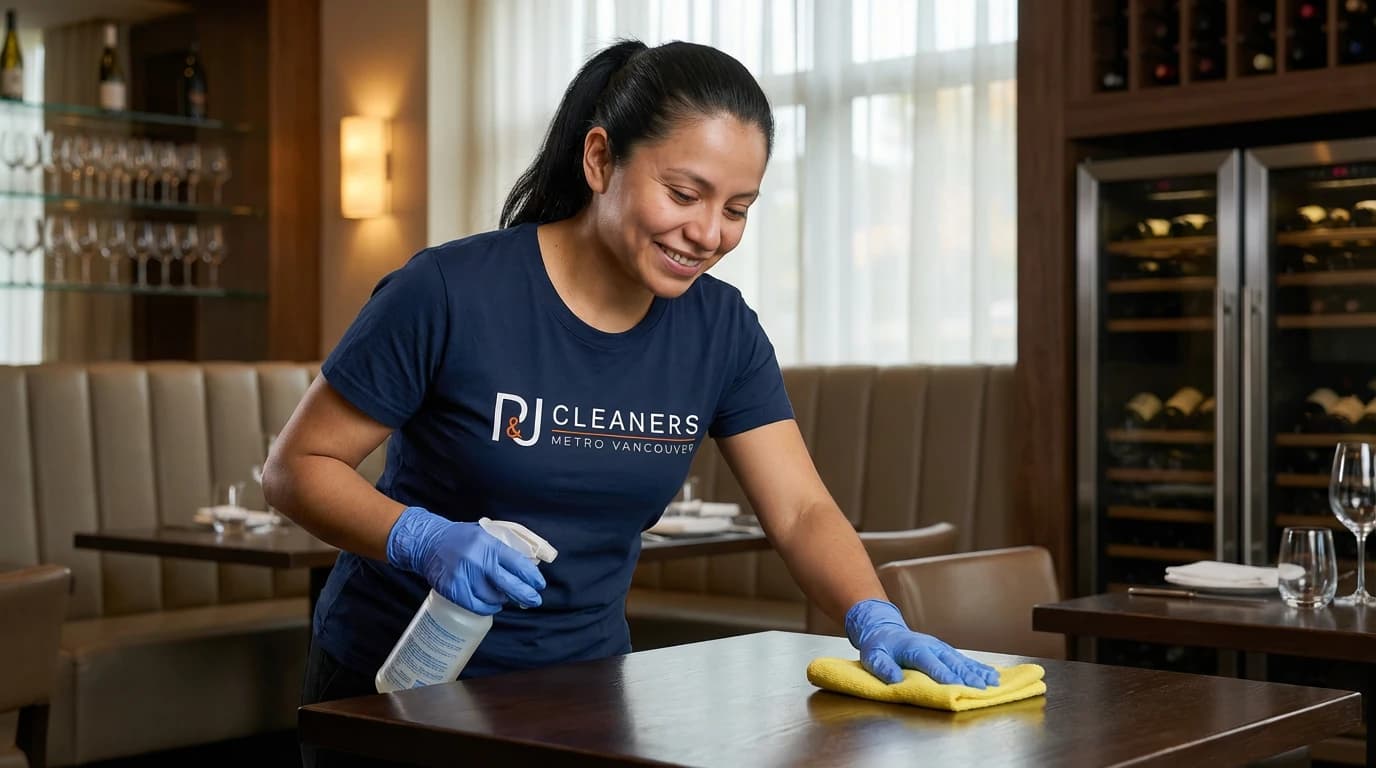
Ceremony space preparation begins with thorough vacuuming or sweeping of all flooring surfaces, including carpeted aisles, hardwood platforms, and outdoor pathways where applicable. Staff should inspect for debris, confetti remnants from previous events, or tracked-in dirt that compromises the clean aesthetic couples expect. Window cleaning receives priority attention since natural light photography during ceremonies highlights every streak or smudge on glass surfaces. Professional cleaners use microfibre cloths and streak-free solutions to ensure windows remain invisible in wedding photos.
Seating arrangements require individual chair inspection and wiping, with particular attention to armrests, seat backs, and any fabric components that accumulate dust or stains. Wooden chairs need furniture polish application to restore lustre, while resin chairs require damp-wiping to remove fingerprints and outdoor residue. Altar areas, archways, and decorative installations need dusting and spot-cleaning without disturbing floral arrangements or lighting setups. Cleaners coordinate timing with decorators to avoid conflicts while ensuring all surfaces meet presentation standards before guest arrival.
- Vacuum or sweep ceremony aisles 2-3 hours before guest arrival to allow settling time for any disturbed dust particles.
- Clean windows and glass doors using streak-free solutions during morning hours when lighting conditions reveal imperfections most clearly.
- Wipe down all chairs individually, checking for stability issues or damage that requires immediate attention before seating guests.
- Dust altar areas, archways, and decorative elements using microfibre tools that won't snag on floral arrangements or fabric draping.
- Inspect outdoor ceremony spaces for leaves, branches, or weather-related debris, with contingency plans for rain or wind conditions.
- Coordinate with event coordinators to establish cleaning completion deadlines that accommodate final decoration touches and sound checks.
Recommended Frequency
2-3 hours pre-ceremony
Reception and Dining Areas
Reception spaces require meticulous table setting preparation, floor maintenance, and ongoing attention throughout events to maintain elegant dining conditions.
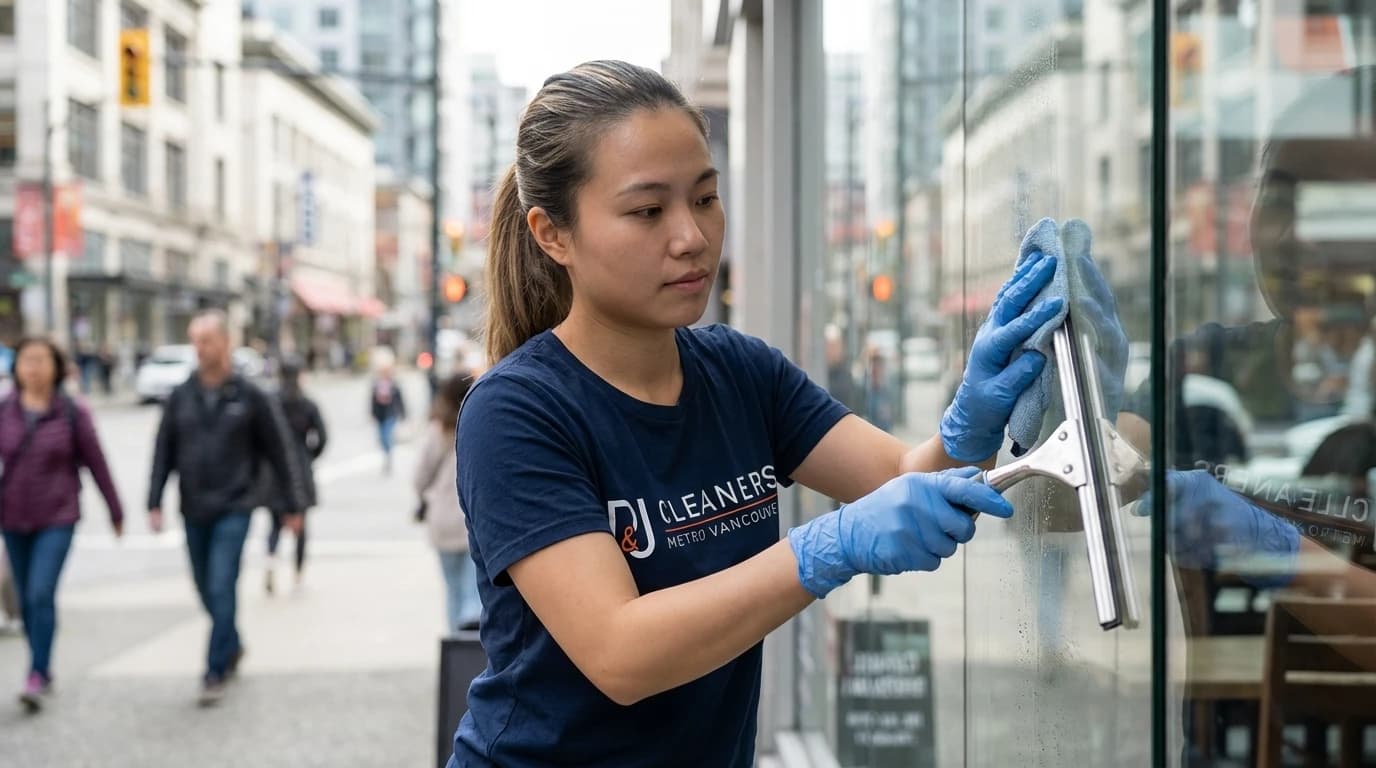
Reception area cleaning focuses on creating an immaculate dining environment where guests spend the majority of their celebration time. Table surfaces receive thorough wiping with food-safe sanitizers, followed by inspection for sticky residue, water spots, or scratches that might snag linens. Floor cleaning varies by surface type, with hardwood requiring dust mopping and spot treatment for scuffs, while carpeted areas need vacuuming with particular attention to high-traffic zones near entrances and dance floors. Lighting fixtures, chandeliers, and decorative elements need dusting to prevent particles from falling onto dining tables during the event.
Ongoing maintenance during receptions includes discreet monitoring of dining areas for spills, dropped napkins, or overturned items that require immediate attention. Professional cleaning staff position themselves strategically to respond quickly without disrupting guest experience or photographic moments. Beverage stations and bar areas need continuous wiping to remove condensation rings, spilled drinks, and general clutter that accumulates throughout evening celebrations. This proactive approach prevents minor issues from becoming visible problems that detract from the venue's professional image and guest comfort.
- Sanitize all table surfaces using food-safe products approved by Fraser Health Authority, ensuring proper contact time before linen placement.
- Vacuum or dust mop floors immediately before table setup to prevent debris from being trapped under furniture during the event.
- Clean and polish all glassware, flatware, and serving pieces, checking for water spots or lipstick marks that survived dishwashing.
- Dust chandeliers, light fixtures, and ceiling fans at least 24 hours before events to allow particles to settle before final floor cleaning.
- Position cleaning staff discreetly during receptions with clear communication protocols for addressing spills or maintenance needs without disrupting celebrations.
- Maintain beverage station cleanliness throughout events, wiping surfaces every 30-45 minutes and removing empty bottles or glasses promptly.
Recommended Frequency
Pre-event deep clean, continuous monitoring during reception
Kitchen and Catering Preparation Zones
Commercial kitchen areas demand strict adherence to health regulations with documented sanitization protocols for all food-contact surfaces and equipment.
Kitchen cleaning for wedding venues follows Fraser Health Authority guidelines requiring specific sanitization frequencies and documentation practices. All food preparation surfaces, cutting boards, and utensils must be cleaned and sanitized between different food types to prevent cross-contamination. Stainless steel equipment receives particular attention, with degreasing solutions applied to remove cooking residue, followed by sanitizer application and air-drying to meet health inspection standards. Floor cleaning in kitchen areas requires non-slip treatments and frequent mopping to address spills, grease accumulation, and general traffic wear throughout event preparation and service periods.
Catering staff work areas, plating stations, and serving line setups need systematic cleaning protocols that balance efficiency with thoroughness during tight event timelines. Professional cleaners coordinate with catering teams to establish cleaning windows that don't disrupt food preparation while ensuring all surfaces meet health standards before service begins. Waste management receives continuous attention, with regular removal of food scraps, packaging materials, and general refuse to prevent odours, pest attraction, or overflow situations. Grease trap maintenance and ventilation system cleaning occur on scheduled intervals to prevent fire hazards and maintain air quality throughout kitchen operations.
- Sanitize all food-contact surfaces using approved products with minimum 60-second contact time, documenting each application in cleaning logs.
- Implement colour-coded cutting board and cloth systems to prevent cross-contamination between raw proteins, vegetables, and ready-to-eat foods.
- Degrease stainless steel equipment, range hoods, and cooking surfaces using commercial-grade solutions that cut through baked-on residue effectively.
- Mop kitchen floors with non-slip treatments every 2-3 hours during active food preparation, addressing spills immediately to prevent slip hazards.
- Empty waste receptacles when 75% full to prevent overflow situations, using sealed bags and immediate exterior disposal to control odours.
- Schedule quarterly deep cleaning for grease traps, ventilation filters, and refrigeration coils to maintain equipment efficiency and fire safety compliance.
Recommended Frequency
Continuous during food service, deep cleaning post-event
Guest Washroom Facilities
Washroom maintenance requires frequent monitoring and restocking throughout events to ensure guest comfort and meet health standards for high-traffic facilities.
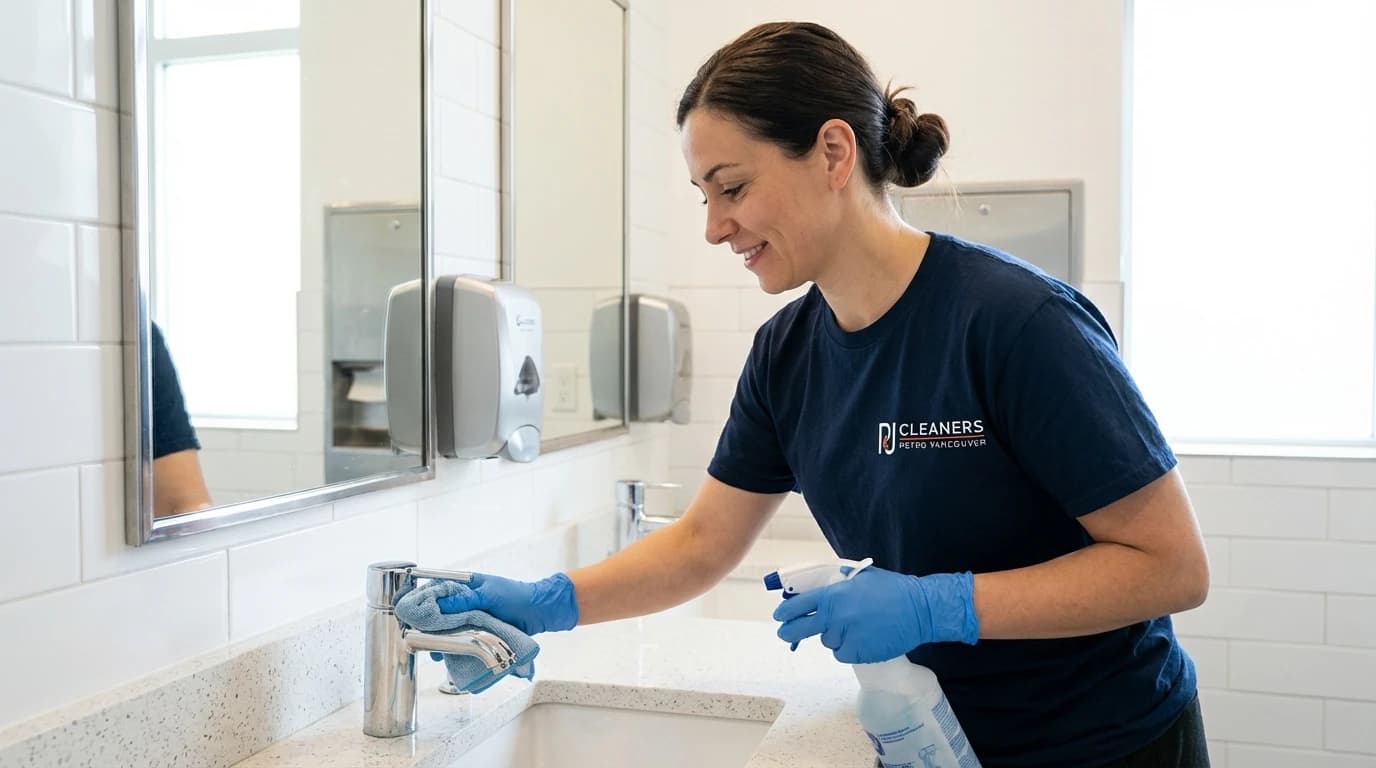
Wedding venue washrooms experience intense usage during receptions, requiring proactive monitoring and maintenance protocols that exceed standard commercial cleaning frequencies. Professional staff conduct checks every 30-45 minutes during peak periods, addressing paper product restocking, surface sanitization, and general tidiness issues before guests encounter problems. Toilet and urinal cleaning uses hospital-grade disinfectants with appropriate contact times to eliminate bacteria and odours. Sink areas, countertops, and mirror surfaces receive continuous attention to remove water splashes, soap residue, and cosmetic marks that accumulate rapidly during events.
Floor maintenance in washroom facilities presents unique challenges due to water exposure, high foot traffic, and the need for slip-resistant surfaces. Cleaners use appropriate mopping techniques with quick-drying solutions that minimize wet floor hazards while maintaining sanitary conditions. Waste receptacles require frequent emptying to prevent overflow situations that create unsightly conditions and potential health concerns. Air quality management includes checking ventilation systems, using appropriate air fresheners, and addressing any plumbing issues that generate unpleasant odours. This comprehensive approach ensures washroom facilities remain comfortable and hygienic throughout extended wedding celebrations.
- Conduct washroom checks every 30-45 minutes during events, documenting inspection times and maintenance actions in facility logs.
- Sanitize all toilet seats, handles, and surrounding surfaces using hospital-grade disinfectants with minimum 60-second contact time between applications.
- Restock paper products, hand soap, and amenities proactively when supplies reach 25% capacity to prevent guest inconvenience.
- Clean mirrors and countertops continuously, removing water spots, soap residue, and cosmetic marks using streak-free cleaning solutions.
- Mop floors with quick-drying, slip-resistant solutions, placing wet floor signs during cleaning and removing them once surfaces are completely dry.
- Empty waste receptacles when 60% full during high-traffic periods, replacing liners and checking for any plumbing issues requiring immediate attention.
Recommended Frequency
Every 30-45 minutes during events
Outdoor Ceremony and Reception Spaces
Outdoor wedding venues require weather-responsive cleaning protocols addressing natural debris, pathway maintenance, and environmental factors unique to Vancouver's climate.
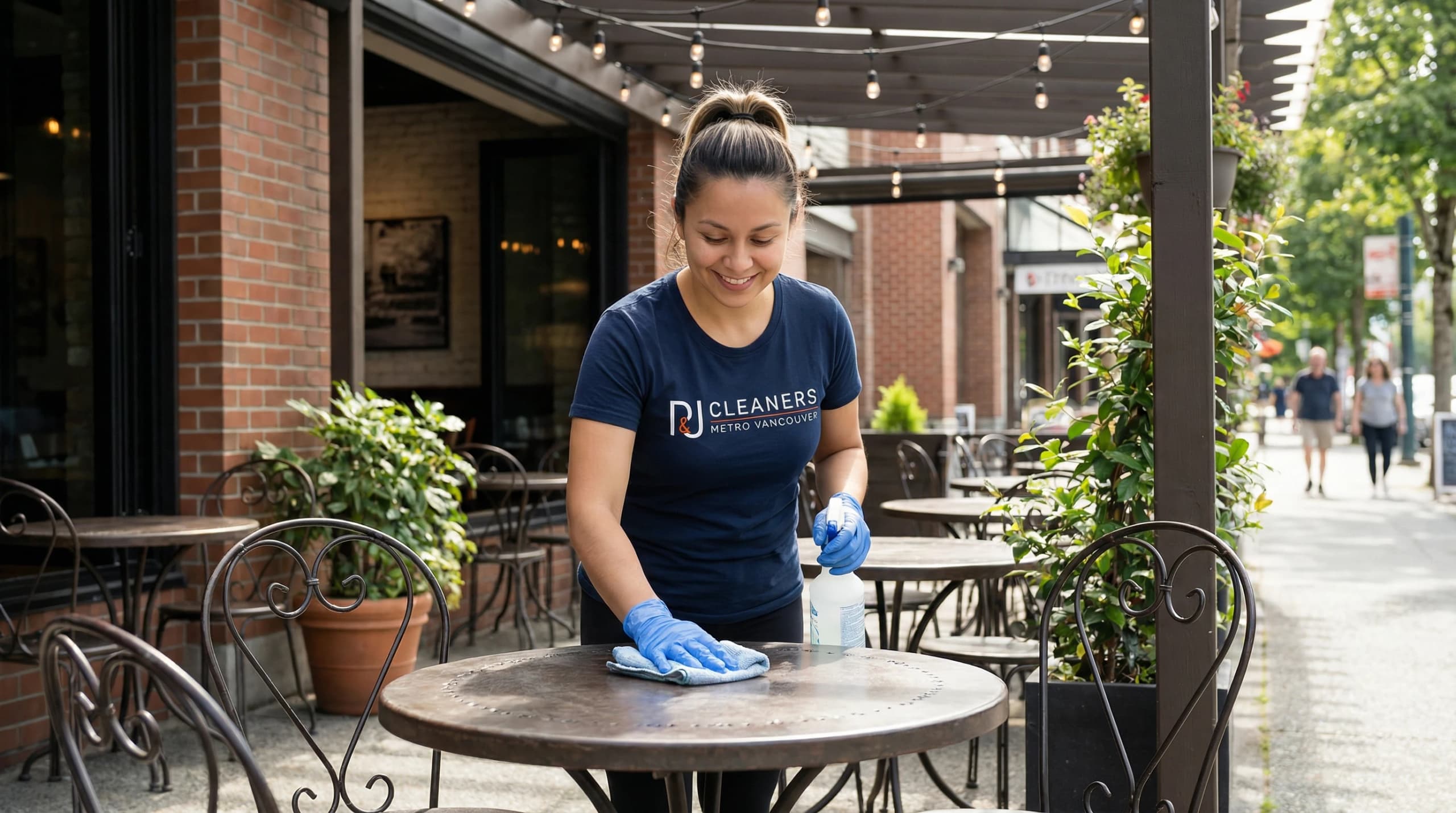
Outdoor wedding spaces in Metro Vancouver face unique cleaning challenges related to seasonal weather patterns, natural debris accumulation, and environmental exposure throughout the April-October wedding season. Pathway cleaning receives priority attention, with sweeping or pressure washing to remove leaves, moss, dirt, and organic matter that creates slip hazards or detracts from aesthetic presentation. Garden areas, lawn spaces, and landscaped zones need inspection for weeds, dead foliage, or pest activity that might disturb outdoor ceremonies. Furniture cleaning for outdoor settings addresses weather-related staining, pollen accumulation, and general wear from sun exposure and moisture.
Weather contingency planning forms an essential component of outdoor venue cleaning protocols, with rapid response capabilities for unexpected rain, wind, or temperature changes. Professional cleaning teams maintain equipment for quick water removal, including squeegees, wet vacuums, and absorbent materials that address puddles or moisture on seating areas. Tent structures, canopy installations, and temporary shelters require inspection for water pooling, structural stability, and interior cleanliness before guest arrival. Lighting installations, sound equipment, and decorative elements need protection from weather exposure while maintaining accessibility for technical staff and event coordinators throughout setup and celebration periods.
- Sweep or pressure wash outdoor pathways 24-48 hours before events, allowing adequate drying time and follow-up inspection for weather-related changes.
- Inspect garden areas and lawn spaces for weeds, debris, or pest activity, coordinating with landscaping teams for any necessary treatments.
- Clean outdoor furniture using appropriate solutions for material types, addressing weather staining, pollen accumulation, and moisture-related issues.
- Maintain weather response equipment including squeegees, wet vacuums, and absorbent materials for rapid moisture management during unexpected rain.
- Check tent structures and canopy installations for water pooling, structural integrity, and interior cleanliness before guest arrival.
- Coordinate with technical staff to protect lighting, sound equipment, and decorative elements from weather exposure while maintaining event functionality.
Recommended Frequency
24-48 hours pre-event, weather-responsive during celebrations
Post-Event Restoration and Reset
Comprehensive post-wedding cleaning restores venues to pristine condition while preparing spaces for subsequent bookings within compressed timelines.
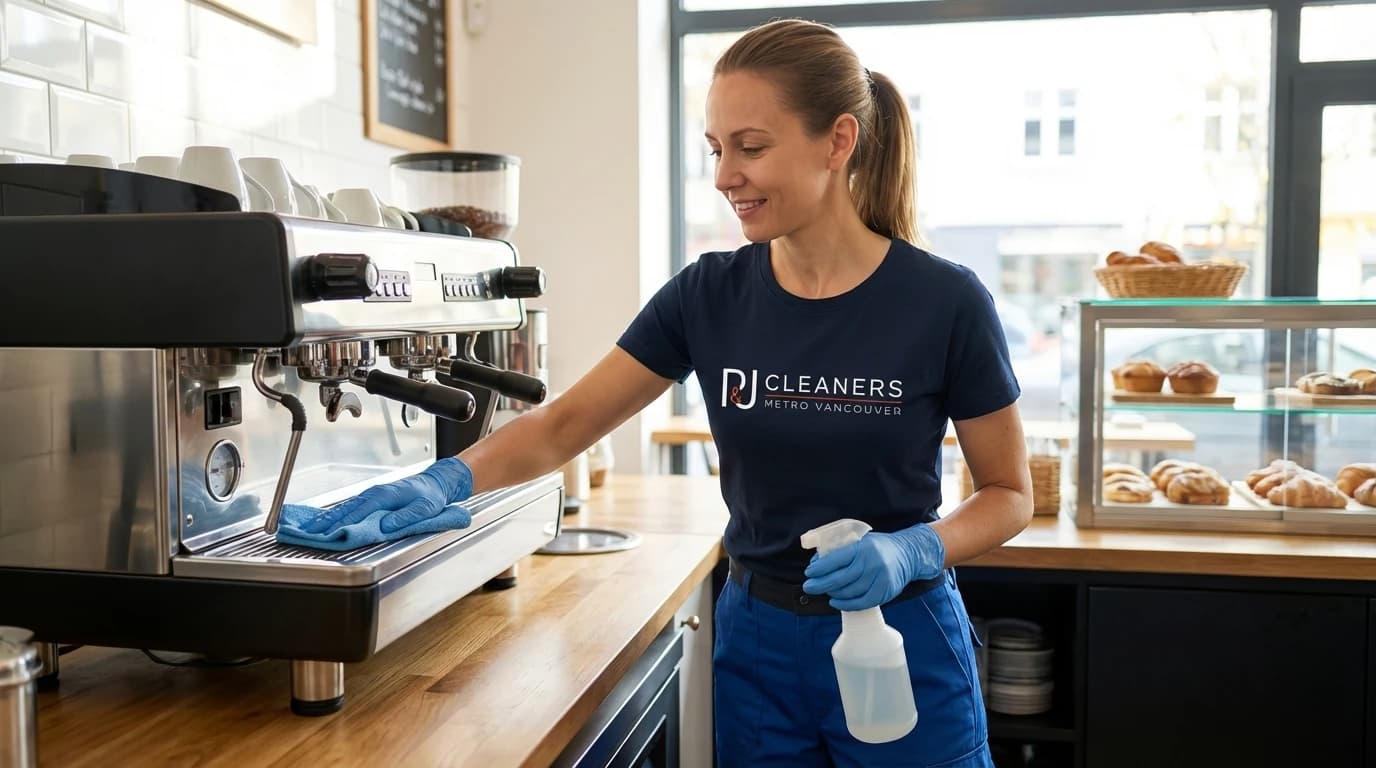
Post-event restoration represents the most labour-intensive phase of wedding venue cleaning, requiring systematic approaches that address every surface, fixture, and space affected during celebrations. Initial walkthrough assessments identify priority areas including spill cleanup, decorative element removal coordination, and furniture reset requirements. Floor cleaning varies by surface type and event impact, with carpet extraction for beverage spills and food stains, hardwood refinishing for scuff marks and heel damage, and tile mopping for general traffic wear. Professional teams work efficiently to complete restoration within 4-6 hours for standard 150-200 guest weddings, enabling next-day bookings during peak season.
Kitchen and catering area restoration follows strict protocols including equipment degreasing, refrigeration unit cleaning, and waste disposal management. All food preparation surfaces receive final sanitization with documented cleaning logs that satisfy health inspection requirements. Linen processing, glassware washing, and serving equipment cleaning occur systematically with quality checks to ensure items return to inventory in pristine condition. Final venue inspection covers lighting functionality, climate control settings, security system activation, and general readiness for the next event. This comprehensive approach maintains venue reputation while maximizing booking capacity throughout Vancouver's competitive wedding season.
- Conduct systematic walkthrough assessments immediately after guest departure, documenting damage, missing items, or areas requiring specialized attention.
- Extract carpet stains using hot water extraction methods with appropriate cleaning solutions for beverage spills, food residue, and general traffic wear.
- Refinish hardwood floors addressing scuff marks, heel damage, and general wear using appropriate products that restore lustre without extended drying times.
- Complete kitchen restoration including equipment degreasing, surface sanitization, and documented cleaning logs meeting Fraser Health Authority requirements.
- Process all linens, glassware, and serving equipment systematically with quality checks ensuring items return to inventory in pristine, ready-to-use condition.
- Perform final venue inspection covering lighting, climate control, security systems, and general readiness before closing facility for next event preparation.
Recommended Frequency
Immediately post-event, 4-6 hour completion target
Wedding Venue Cleaning Investment Analysis
Professional cleaning services represent a strategic investment that protects venue reputation, ensures health compliance, and maximizes booking capacity during Vancouver's competitive wedding season.
Wedding venue operators face critical decisions regarding cleaning service investments, balancing cost considerations against quality standards, liability protection, and operational efficiency. Professional cleaning partnerships typically cost 8-12% of venue revenue but deliver measurable returns through enhanced guest satisfaction, reduced damage claims, and improved health inspection outcomes. Metro Vancouver venues charging $3,000-$8,000 per wedding booking allocate $240-$960 for comprehensive cleaning services covering pre-event preparation, during-event maintenance, and post-celebration restoration. This investment protects significantly larger revenue streams while reducing owner liability and staff workload.
Cost comparison analysis reveals substantial differences between in-house cleaning approaches and professional service partnerships. Venues managing cleaning internally face equipment purchases, supply inventory costs, training expenses, and labour scheduling challenges that often exceed professional service rates when calculated comprehensively. Professional cleaning companies provide specialized equipment, trained staff, liability insurance coverage, and systematic protocols that deliver consistent results across multiple events. The hidden costs of inadequate cleaning include health inspection failures, negative online reviews, damage to venue finishes, and lost bookings from reputation concerns that far exceed professional service investments.
Return on investment metrics for professional wedding venue cleaning extend beyond immediate cost savings to encompass long-term business sustainability factors. Venues maintaining pristine conditions command premium pricing, generate positive word-of-mouth referrals, and achieve higher booking rates during competitive peak season periods. Health compliance documentation provided by professional services protects against regulatory penalties, insurance claims, and legal liability that could devastate venue operations. The ability to accommodate back-to-back weekend bookings through efficient turnover cleaning directly increases annual revenue capacity, with some venues reporting 15-20% booking increases after implementing professional cleaning partnerships.
In-House Cleaning Approach
- Equipment purchases: $3,000-$5,000 initial investment for commercial vacuums, carpet extractors, and specialized tools
- Supply inventory: $200-$400 monthly for cleaning chemicals, paper products, and consumable materials
- Staff wages: $18-$25 per hour plus benefits, training time, and scheduling complexity for 2-4 cleaning staff
- Training costs: $500-$1,000 annually for FoodSafe certification, chemical safety, and protocol development
- Liability insurance: Additional coverage requirements for cleaning-related incidents and worker compensation claims
- Equipment maintenance: Ongoing repair costs, replacement parts, and periodic upgrades for aging cleaning equipment
- Inconsistent results: Variable quality depending on staff availability, training retention, and supervision effectiveness
- Limited scalability: Difficulty accommodating multiple same-day events or unexpected cleaning emergencies during peak season
Professional Cleaning Partnership
- Service rates: $45-$75 per hour for trained staff with specialized equipment and systematic protocols
- Full wedding packages: $800-$2,400 depending on guest count, venue size, and service scope requirements
- No equipment investment: Professional companies provide all necessary tools, supplies, and specialized cleaning equipment
- Trained staff included: FoodSafe certified cleaners with experience in wedding venue protocols and health compliance
- Liability coverage: Professional insurance protects venue owners from cleaning-related incidents and damage claims
- Consistent quality: Systematic protocols and quality control measures ensure reliable results across all events
- Flexible scheduling: Ability to scale services for multiple events, accommodate last-minute bookings, and handle emergency situations
- Documentation provided: Cleaning logs, sanitization records, and compliance documentation for health inspections and insurance requirements
15-20% with professional cleaning
Booking Rate Increase
4.8/5.0 average with systematic protocols
Guest Satisfaction Scores
98% with documented cleaning logs
Health Inspection Pass Rate
60% fewer incidents with professional care
Damage Claim Reduction
12-15 hours per event for venue coordinators
Staff Time Savings
0.4-0.6 star increase mentioning cleanliness
Online Review Improvement
- Enhanced venue reputation through consistently pristine conditions that generate positive reviews and word-of-mouth referrals from satisfied couples and guests.
- Reduced liability exposure with professional insurance coverage, documented cleaning protocols, and trained staff following health authority guidelines.
- Increased booking capacity through efficient turnover cleaning enabling back-to-back weekend events during peak wedding season without quality compromise.
- Improved health inspection outcomes with systematic sanitization protocols, documented cleaning logs, and compliance with Fraser Health Authority requirements.
- Extended venue lifespan through proper maintenance of flooring, furniture, fixtures, and finishes that prevents premature wear and costly replacement needs.
- Staff productivity gains allowing venue coordinators to focus on event management, client relationships, and business development rather than cleaning logistics.
- Competitive pricing advantage enabling premium rate justification through demonstrable cleanliness standards that differentiate from budget venue alternatives.
- Scalability flexibility accommodating seasonal demand fluctuations, unexpected booking surges, and emergency cleaning situations without permanent staff expansion.
Wedding Venue Health and Safety Compliance Checklist
Comprehensive compliance checklist ensuring wedding venues meet Fraser Health Authority requirements, WorkSafeBC safety standards, and industry best practices for guest protection and operational excellence.
Services mentioned in this article
Ready for help?
4.9 · 850+ Google reviewsProfessional Wedding Venue Cleaning
Book experienced event cleaning teams for your Vancouver wedding venue. Same-day availability, health compliance protocols, and a satisfaction guarantee.
778-720-2224Wedding Venue Cleaning Questions
What are restaurant cleaning standards?
Restaurant cleaning standards in BC require daily sanitation of food contact surfaces, weekly deep cleaning of equipment, and monthly comprehensive facility cleaning. Vancouver Coastal Health mandates specific protocols including sanitizer concentration testing at 200 ppm for quaternary ammonium compounds, temperature logs for dishwashing at minimum 82°C rinse cycle, and documented cleaning schedules. Food premises must maintain cleaning logs accessible during health inspections, with high-touch surfaces sanitized every two hours during service.
How often should restaurant areas be cleaned?
Dining areas require cleaning after each seating with full sanitation every four hours during service. Kitchens need continuous cleaning during prep and service, with deep cleaning nightly. Restrooms require checks every 30 minutes during events with full sanitation hourly. According to ISSA standards, high-traffic event venues should implement a 15-minute touch-point rotation for door handles, railings, and payment terminals. Floor mopping occurs every two hours in dining zones and immediately after spills in kitchen areas.
What compliance rules apply to restaurant cleaning?
BC Food Premises Regulation requires documented cleaning procedures, staff training records, and chemical safety data sheets on-site. WorkSafeBC mandates proper ventilation during chemical use and personal protective equipment for cleaning staff. Vancouver business licences require annual health inspections where cleaning protocols are verified. Venues must use Health Canada approved sanitizers, maintain separate cleaning tools for kitchen versus restroom areas, and follow proper dilution ratios. Non-compliance results in violation notices or temporary closure orders.
How much does restaurant cleaning cost?
Professional restaurant cleaning in Vancouver ranges from $45-$75 per hour depending on venue size and service scope. Wedding venue deep cleaning averages $800-$1,500 for spaces under 5,000 square feet, with post-event cleaning at $400-$900. Monthly maintenance contracts reduce per-visit costs by 20-30 percent. Kitchen-only deep cleaning runs $600-$1,200 quarterly. Emergency same-day cleaning carries 50 percent premium rates. Most commercial cleaners require three-hour minimums for event venue bookings.
Meet the Author
Jason
Co-Founder
Jason oversees commercial operations, workflow design, and quality control for office, restaurant, and specialty cleaning programs across Metro Vancouver.
Keep Exploring