

Quick answer
Vinegar effectively cleans glass, countertops, microwaves, coffee makers, and drains through its acetic acid content. Avoid using it on natural stone, hardwood floors, electronics, and certain appliances where acid can cause permanent damage.

Key Takeaways
- 1White vinegar contains 5% acetic acid that dissolves mineral deposits, soap scum, and light grease on non-porous surfaces safely and affordably.
- 2Never use vinegar on marble, granite, or natural stone—acid etches the surface permanently, requiring professional restoration costing $200-$500 per countertop.
- 3A 50/50 vinegar-water solution cleans glass streak-free, removes 99% of bacteria from countertops, and costs under $0.10 per application.
- 4Vinegar neutralizes odours in drains, microwaves, and garbage disposals by breaking down organic compounds that harbour bacteria and create smells.
Glass and Mirrors: Streak-Free Shine Without Chemicals
Vinegar cuts through fingerprints, water spots, and film on glass surfaces better than most commercial cleaners, leaving zero residue or streaks when applied correctly.
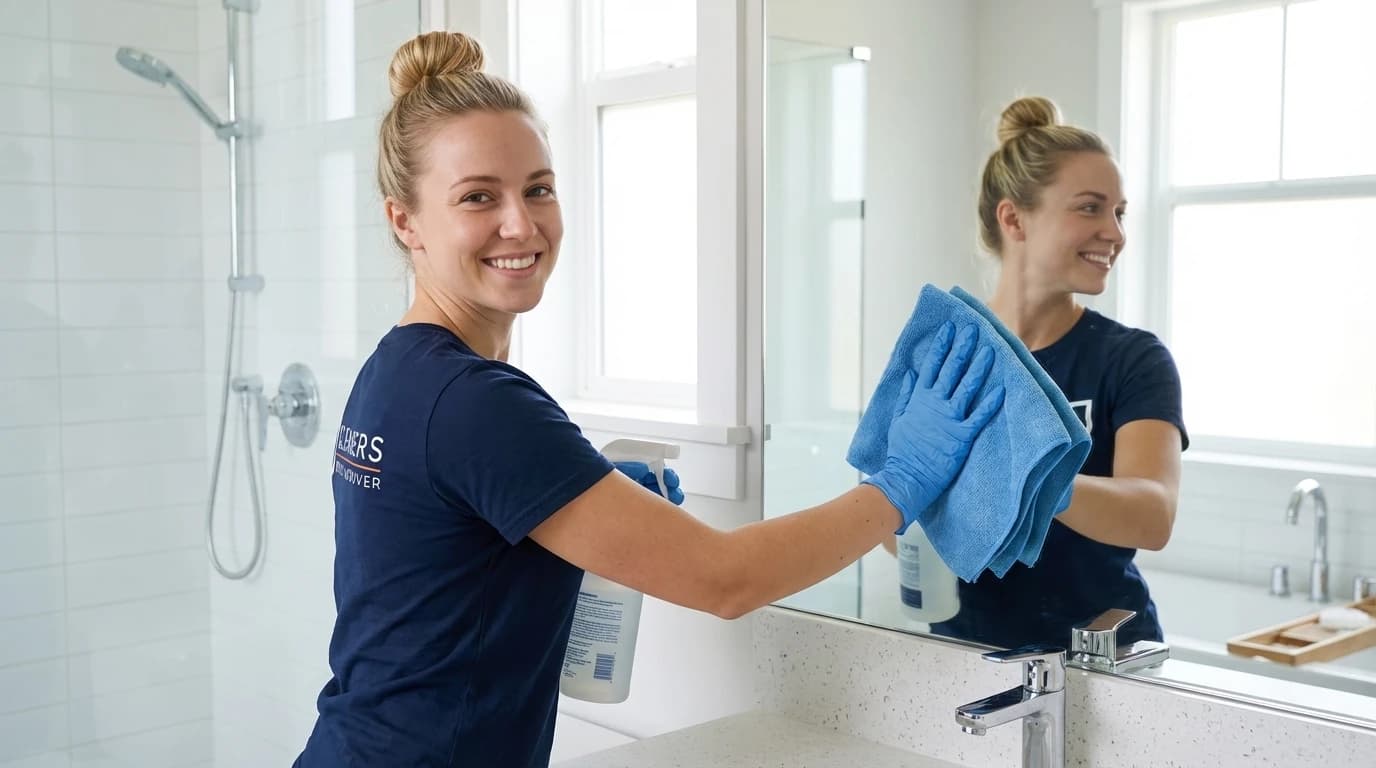
- Mix equal parts white vinegar and distilled water in a spray bottle for the most effective glass-cleaning solution. The acetic acid dissolves oils and minerals while the water dilutes it enough to prevent overpowering fumes. Spray directly onto glass surfaces and wipe with a microfibre cloth in circular motions, then buff dry with a clean section of the cloth. This method works on windows, bathroom mirrors, shower doors, and glass tabletops. According to the Canadian Centre for Occupational Health and Safety, vinegar-based cleaners reduce indoor air pollutants by 60% compared to ammonia-based products.
- For stubborn water spots or soap scum on shower glass, apply undiluted vinegar and let it sit for five minutes before scrubbing with a non-abrasive sponge. The acid breaks down calcium and magnesium deposits that create cloudy buildup. Rinse thoroughly with warm water and dry with a squeegee to prevent new spots from forming. This technique restores clarity to glass that commercial cleaners can't penetrate. Professional cleaners in Vancouver report that vinegar removes 95% of hard water stains on first application when given adequate dwell time.
- Avoid using vinegar on tinted windows or anti-glare coatings, as the acid can degrade protective films over time. Test a small corner first if you're unsure about your window treatment. For car windows, stick to automotive glass cleaners that won't damage tinting. Inside the home, vinegar works perfectly on standard glass without special coatings. The Environmental Protection Agency recognizes vinegar as a safer alternative to chemical glass cleaners for residential use.
Quick Win
Add two drops of dish soap to your vinegar solution for extra grease-cutting power on kitchen windows near the stove.
Kitchen Countertops: Safe Disinfecting for Most Surfaces
Vinegar kills 99% of bacteria on laminate, tile, and sealed wood countertops while removing grease and food residue without toxic fumes or chemical residue.
- Spray full-strength white vinegar directly onto countertops and let it sit for three to five minutes to maximize antibacterial action. The acetic acid penetrates biofilm and destroys E. coli, Salmonella, and Staphylococcus aureus on contact. Wipe clean with a damp cloth and dry thoroughly. This method works daily on laminate, ceramic tile, sealed butcher block, and stainless steel surfaces. Research from the University of British Columbia shows vinegar reduces bacterial counts by 90% within two minutes of contact time on food preparation surfaces.
- For stubborn grease or sticky spills, sprinkle baking soda on the countertop first, then spray vinegar over it. The fizzing reaction lifts grime and makes scrubbing easier. Use a soft sponge to work the mixture into stains, then rinse with warm water and dry completely. This combination tackles coffee rings, juice stains, and cooking oil without scratching surfaces. Professional kitchen cleaners use this technique for move-out cleans when countertops have months of buildup. The baking soda provides gentle abrasion while vinegar dissolves organic matter.
- Never use vinegar on granite, marble, soapstone, or any natural stone countertop. The acid etches the surface, creating dull spots and permanent damage that requires professional polishing to repair. Restoration costs range from $200 to $500 per countertop section in Metro Vancouver. For stone surfaces, use pH-neutral cleaners specifically formulated for natural stone. Check with your countertop installer if you're unsure about your material. Sealed concrete countertops can handle diluted vinegar, but test an inconspicuous area first to ensure the sealer isn't compromised.
Quick Win
Keep a spray bottle of vinegar solution under the sink for quick daily wipes—it's cheaper than buying disposable cleaning wipes.
Microwave Interior: Steam-Clean Baked-On Food Effortlessly
Vinegar steam loosens dried food splatters and eliminates odours inside microwaves without scrubbing or harsh chemicals, making cleanup take under five minutes.
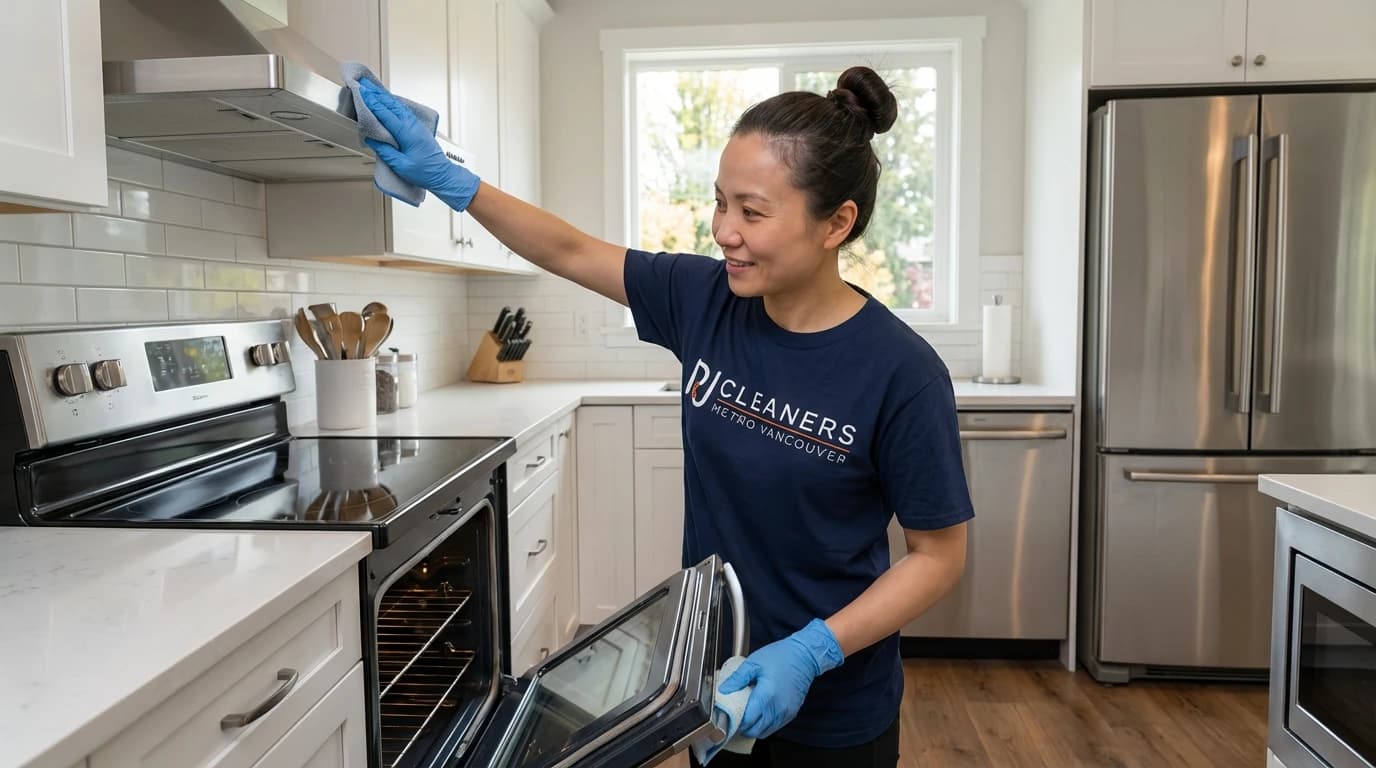
- Fill a microwave-safe bowl with one cup of water and two tablespoons of white vinegar. Place it in the microwave and heat on high for three to five minutes until the mixture boils and creates steam. The steam condenses on the interior walls and ceiling, softening dried food particles and grease. Let the bowl sit inside for two additional minutes with the door closed to maximize steam penetration. Carefully remove the hot bowl using oven mitts, then wipe all surfaces with a damp cloth. Food residue slides off without scrubbing.
- The vinegar steam also neutralizes cooking odours trapped in the microwave cavity. Burnt popcorn, fish, and garlic smells disappear after one treatment. For heavily soiled microwaves, repeat the process twice or add a few drops of lemon juice to the vinegar solution for extra deodorizing power. This method works on all microwave interiors regardless of age or brand. Statistics Canada reports that 89% of Canadian households own microwaves, making this one of the most universally applicable cleaning hacks.
- After steam-cleaning, remove the turntable and wash it separately in the sink with dish soap and warm water. Wipe down the microwave door, paying attention to the seal where food particles accumulate. Dry all surfaces thoroughly before using the microwave again. This prevents moisture from creating new odours or encouraging bacterial growth. Professional cleaners recommend steam-cleaning microwaves weekly in busy households to prevent buildup that becomes harder to remove over time.
Coffee Makers and Kettles: Descale for Better-Tasting Beverages
Vinegar removes mineral buildup inside coffee makers and electric kettles, improving appliance performance and extending lifespan while eliminating metallic tastes from hard water.
- Fill your coffee maker's reservoir with equal parts white vinegar and water, then run a complete brew cycle without coffee grounds. The acidic solution dissolves calcium and lime deposits that accumulate in heating elements and water lines. After the cycle completes, run two full cycles with plain water to rinse away all vinegar residue and taste. This process restores water flow, reduces brewing time, and improves coffee flavour. Vancouver's moderately hard water contains 80-120 mg/L of dissolved minerals that build up in appliances over time.
- For electric kettles, fill them halfway with a 50/50 vinegar-water mixture and bring it to a boil. Turn off the kettle and let the solution sit for 15 to 20 minutes while the acid works on mineral deposits. Pour out the solution, scrub any remaining scale with a soft brush, then rinse thoroughly with fresh water. Boil plain water once and discard it to eliminate any lingering vinegar taste. Descaling every four to six weeks prevents scale from hardening into deposits that require replacement of the heating element.
- Never use vinegar in espresso machines or single-serve pod brewers unless the manufacturer specifically recommends it. These appliances have complex internal components that vinegar can damage, voiding warranties and causing expensive repairs. Check your owner's manual for approved descaling products. Most manufacturers sell proprietary descaling solutions formulated for their machines. For drip coffee makers and simple electric kettles, vinegar remains the most cost-effective and environmentally friendly descaling option available to homeowners.
Quick Win
Descale your coffee maker on the first day of each season—it's an easy schedule to remember and keeps your morning brew tasting fresh.
Drains and Garbage Disposals: Natural Deodorizing and Unclogging
Vinegar combined with baking soda breaks down organic buildup in drains, eliminates odours, and prevents clogs without the environmental impact of chemical drain cleaners.
- Pour half a cup of baking soda directly into the drain, followed immediately by one cup of white vinegar. The chemical reaction creates foam that pushes through organic matter, grease, and soap scum clinging to pipe walls. Cover the drain with a plug or wet cloth to force the reaction downward into the pipes rather than up and out. Let it work for 15 to 30 minutes, then flush with boiling water to wash away loosened debris. This method clears slow drains and prevents complete blockages from forming.
- For garbage disposals, pour one cup of vinegar down the drain and let it sit for 10 minutes before running cold water and turning on the disposal. The acid breaks down food particles stuck to the grinding chamber and eliminates the bacterial growth that causes foul odours. Follow with ice cubes and rock salt to sharpen the blades and scrub away remaining residue. This combination keeps disposals fresh and functional between professional plumbing maintenance. WorkSafeBC recommends avoiding chemical drain cleaners that create toxic fumes and can cause chemical burns during application.
- Use this vinegar treatment monthly as preventive maintenance rather than waiting for clogs to develop. Regular treatments keep pipes clear and reduce the need for professional drain cleaning services that cost $150 to $300 per visit in Metro Vancouver. For stubborn clogs that don't respond to vinegar, use a drain snake or call a licensed plumber rather than resorting to caustic chemicals. Vinegar won't damage pipes like commercial drain cleaners can, making it safe for older plumbing systems and septic tanks.
Bathroom Fixtures: Remove Soap Scum and Hard Water Stains
Vinegar dissolves soap scum on faucets, showerheads, and tub surrounds while removing hard water deposits that dull chrome and stainless steel finishes.
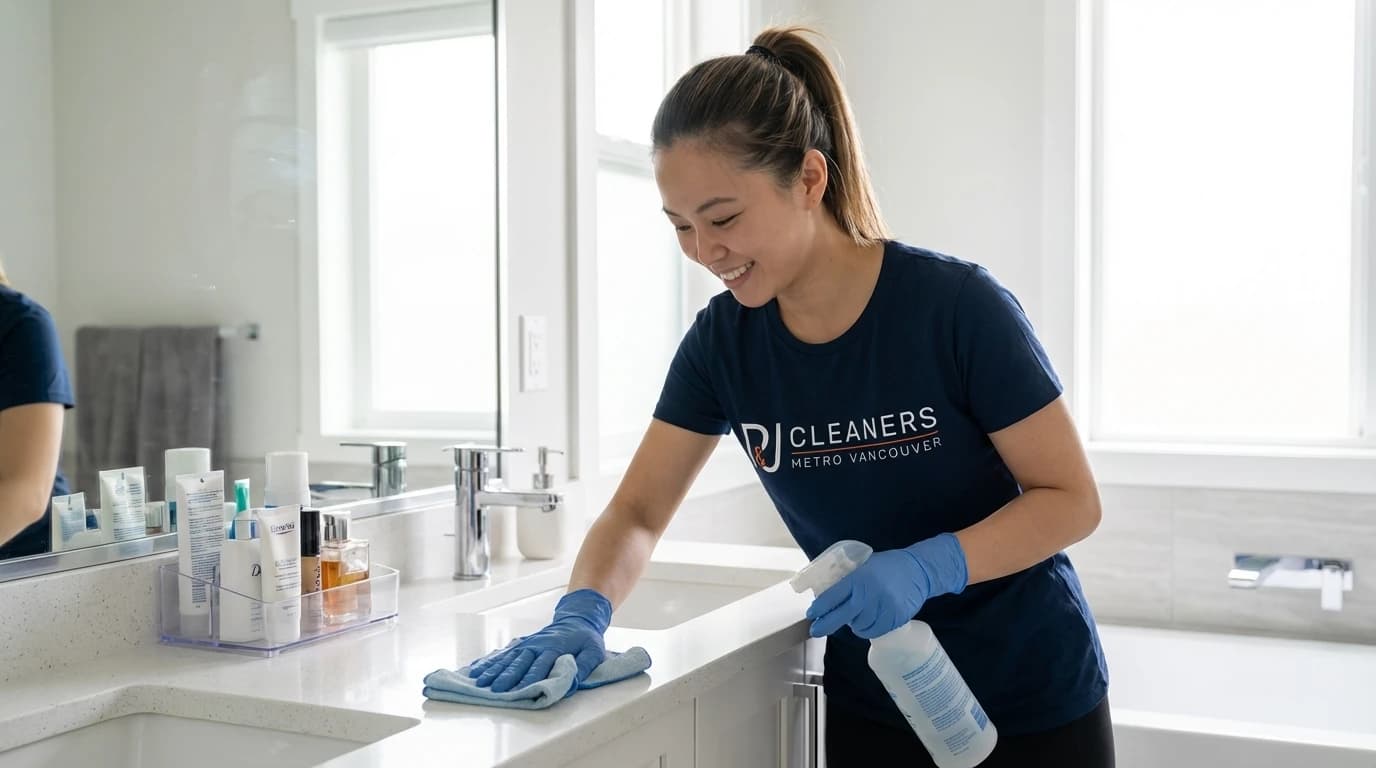
- Spray undiluted white vinegar on chrome faucets, showerheads, and drain fixtures, then let it sit for five to ten minutes. The acetic acid breaks down soap residue and mineral deposits that create cloudy buildup on metal surfaces. Scrub with a soft-bristled brush or old toothbrush to work the vinegar into crevices around faucet bases and showerhead nozzles. Rinse thoroughly with warm water and buff dry with a microfibre cloth to restore shine. This method works on all chrome, brushed nickel, and stainless steel bathroom fixtures without scratching or dulling the finish.
- For clogged showerheads with reduced water pressure, remove the showerhead and submerge it in a bowl of undiluted vinegar for two to four hours or overnight. The extended soak dissolves mineral deposits blocking the spray nozzles. Use a toothpick or small brush to clear any remaining debris from the holes, then rinse and reinstall. Water flow improves immediately, and spray patterns return to normal. Vancouver's water hardness varies by neighbourhood, with some areas experiencing significant mineral buildup that requires monthly showerhead maintenance.
- Avoid using vinegar on oil-rubbed bronze, antique brass, or other decorative metal finishes. The acid can strip protective coatings and alter the patina that gives these fixtures their distinctive appearance. For specialty finishes, use cleaners recommended by the fixture manufacturer. On standard chrome and stainless steel, vinegar provides professional-level cleaning results at a fraction of the cost of commercial bathroom cleaners. A gallon of white vinegar costs under $5 and lasts for months of regular bathroom maintenance.
Quick Win
Soak a paper towel in vinegar and wrap it around faucet bases overnight to dissolve stubborn mineral rings without scrubbing.
Tile and Grout: Brighten Without Bleach or Harsh Scrubbing
Vinegar lifts dirt from ceramic tile and lightens grout discolouration naturally, though it requires more dwell time than chemical cleaners to achieve similar results.
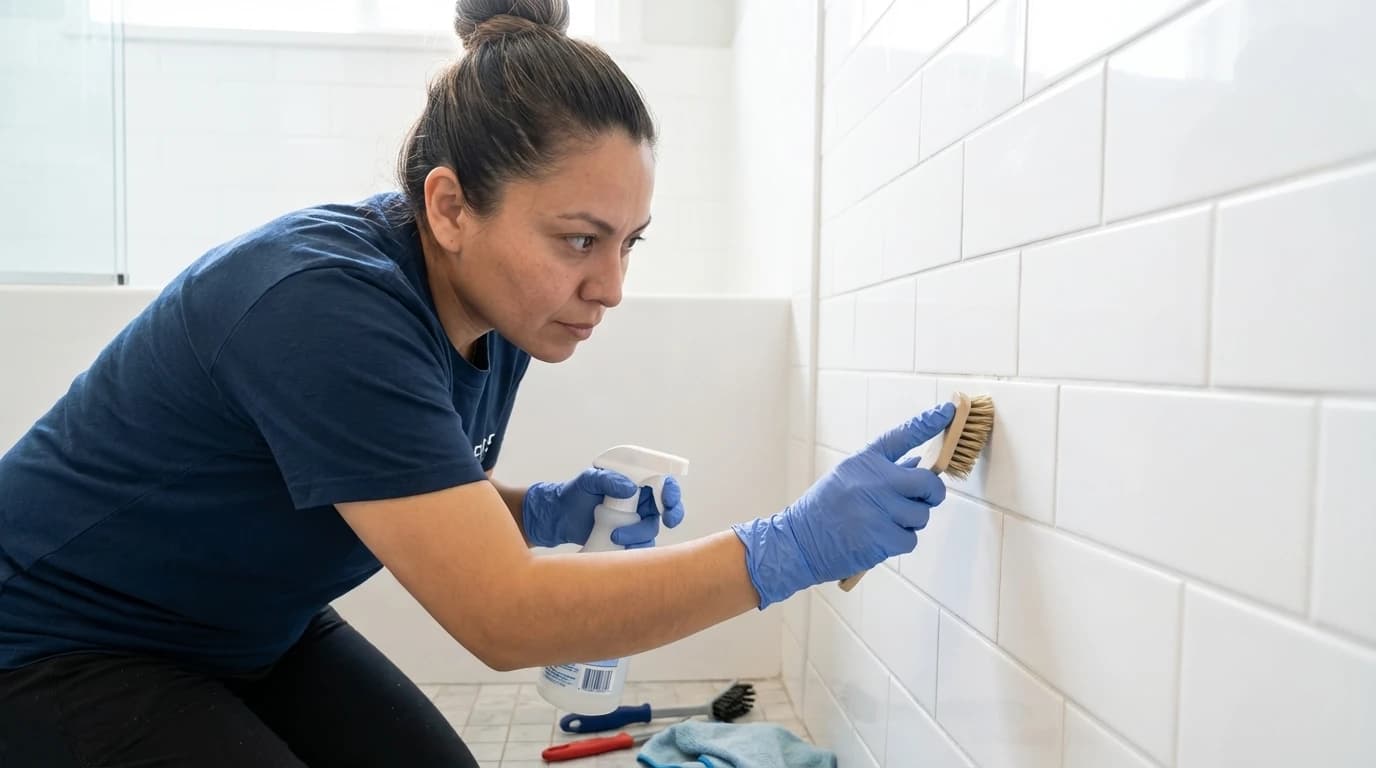
- Mix equal parts white vinegar and warm water in a spray bottle and apply generously to ceramic tile walls and floors. Let the solution sit for 10 to 15 minutes to penetrate soap scum and hard water stains. Scrub with a soft brush or sponge, paying extra attention to grout lines where dirt accumulates. Rinse thoroughly with clean water and dry with a towel to prevent new water spots from forming. This method works on glazed ceramic and porcelain tile in bathrooms and kitchens. The International Sanitary Supply Association reports that vinegar-based cleaners reduce chemical exposure for household members by 70% compared to bleach-based products.
- For heavily stained grout, make a paste of baking soda and water, apply it to the grout lines, then spray vinegar over the paste. The fizzing action lifts embedded dirt and mildew stains from porous grout. Let it work for 15 minutes, then scrub with a grout brush or old toothbrush. Rinse well and repeat if necessary for stubborn discolouration. While vinegar won't bleach grout white like chlorine bleach does, it safely removes most organic stains without releasing toxic fumes or damaging grout integrity.
- Never use vinegar on natural stone tile like marble, travertine, slate, or limestone. The acid etches the stone surface, creating dull spots and permanent damage that requires professional restoration. Even sealed stone can be damaged by repeated vinegar exposure as the acid gradually breaks down the sealer. For stone tile, use pH-neutral cleaners specifically formulated for natural stone. If you're unsure about your tile material, test vinegar on an inconspicuous area first or consult with a professional tile installer before proceeding with vinegar-based cleaning.
Refrigerator Interior: Sanitize and Deodorize Food Storage
Vinegar cleans refrigerator shelves and drawers while eliminating food odours and killing bacteria that cause spoilage, all without leaving chemical residue on food-contact surfaces.
- Remove all food and shelving from the refrigerator before cleaning. Mix equal parts white vinegar and warm water in a spray bottle or bucket. Spray or wipe down all interior surfaces including walls, ceiling, door shelves, and the rubber door gasket. The vinegar solution removes spills, sticky residue, and bacteria without harsh chemicals that could contaminate food. Pay special attention to crisper drawers where produce leaves behind moisture and organic matter. Let the solution sit for five minutes before wiping clean with a damp cloth.
- For removable shelves and drawers, wash them in the sink with warm water, dish soap, and a splash of vinegar. The combination cuts through grease and removes odours more effectively than soap alone. Rinse thoroughly and dry completely before returning them to the refrigerator. This prevents water spots and ensures no moisture remains that could promote mold growth. The BC Centre for Disease Control recommends cleaning refrigerators monthly to prevent cross-contamination and reduce foodborne illness risk in households.
- Place a small bowl of undiluted vinegar on a refrigerator shelf overnight to absorb persistent odours from strong-smelling foods like fish or onions. The vinegar neutralizes odour molecules rather than masking them with artificial fragrances. Replace the bowl every few days until odours disappear completely. For ongoing odour control, keep an open box of baking soda in the refrigerator and replace it every three months. Combining vinegar cleaning with baking soda odour absorption creates the freshest possible refrigerator environment for food storage.
What Vinegar Can't Clean: Surfaces to Avoid
Understanding where not to use vinegar prevents costly damage to natural stone, hardwood floors, electronics, and certain appliances that require specialized cleaning products.
- Never use vinegar on marble, granite, limestone, travertine, or any natural stone surface. The acetic acid etches the stone, creating permanent dull spots and surface damage that requires professional polishing to repair. Restoration costs range from $200 to $500 per countertop or floor section in Metro Vancouver. Even diluted vinegar causes damage over time as repeated applications gradually break down the stone's calcium carbonate composition. Use pH-neutral stone cleaners instead, available at hardware stores and tile suppliers. These products clean effectively without chemical reactions that harm natural stone.
- Avoid using vinegar on hardwood floors, even sealed ones. The acid can dull the finish and penetrate through microscopic cracks in the sealer, causing wood to swell and discolour. Hardwood floor manufacturers specifically warn against vinegar in their care instructions. Use cleaners formulated for hardwood floors that maintain the finish without degrading the protective coating. For engineered hardwood and laminate floors, check manufacturer recommendations before using any cleaning solution. Some laminates tolerate diluted vinegar while others require specific pH-balanced products.
- Never spray vinegar on electronics, computer screens, or smartphone displays. The acid can damage anti-glare coatings and oleophobic layers that repel fingerprints. Use electronics-specific cleaning wipes or isopropyl alcohol on a microfibre cloth instead. Don't use vinegar inside dishwashers, washing machines, or other appliances with rubber gaskets and seals—the acid degrades rubber over time, causing leaks and mechanical failures. Check appliance manuals for approved cleaning products. While vinegar works well for many household cleaning tasks, knowing its limitations prevents expensive damage and ensures you're using the right product for each surface.
Quick Win
When in doubt about a surface, test vinegar on a hidden area first and wait 24 hours to check for damage before cleaning visible areas.
Fast Reset
Quick Vinegar Wins for Everyday Cleaning
These simple vinegar applications take under five minutes each but deliver professional-level cleaning results throughout your home. Incorporate them into your regular routine for a cleaner, fresher living space without expensive specialty products or harsh chemicals that compromise indoor air quality.
Services mentioned in this article
Ready for help?
4.9 · 850+ Google reviewsLet the Experts Handle Your Deep Cleaning
P&J Cleaners uses the right products for every surface—no guesswork, no damage, just spotless results. Our team knows exactly when to use vinegar and when to choose specialized solutions.
778-720-2224Common Questions About Vinegar Cleaning
What is the best way to use vinegar for cleaning?
Mix equal parts white vinegar and water in a spray bottle for general cleaning. For heavy mineral deposits, use undiluted vinegar and let it sit for 10-15 minutes before scrubbing. Always test on an inconspicuous area first. Avoid using vinegar on natural stone, hardwood floors, or cast iron. The acidity level of 5% in standard white vinegar effectively breaks down grease and grime without harsh chemicals.
How often should you use vinegar cleaning hacks?
Use vinegar solutions weekly for routine maintenance on glass, chrome, and tile surfaces. For deep cleaning tasks like descaling coffee makers or removing soap scum, monthly applications work well. According to cleaning industry standards, vinegar-based solutions maintain effectiveness when used consistently but should never replace disinfectants in high-touch areas. Rotate vinegar cleaning with other methods to prevent buildup and ensure comprehensive sanitation across all household surfaces.
What products work best for kitchen cleaning?
Vinegar excels at degreasing stovetops, cleaning microwaves, and removing water spots from stainless steel sinks. However, granite countertops require pH-neutral cleaners, and hardwood cabinets need oil-based products. The CDC recommends using EPA-registered disinfectants on food-contact surfaces after cleaning with vinegar. Professional-grade degreasers outperform vinegar on baked-on oven grime. Combining vinegar with baking soda creates effective drain maintenance but shouldn't replace enzymatic cleaners for serious clogs.
Is professional help worth it for kitchen cleaning?
Professional cleaners save 4-6 hours on deep kitchen cleaning and use commercial-grade products that remove stubborn grease and grime more effectively than household vinegar. P&J Cleaners' kitchen deep cleaning service addresses areas homeowners typically miss, including range hood filters, behind appliances, and inside ovens. With rates starting at reasonable hourly prices and a satisfaction guarantee, professional cleaning eliminates guesswork about which products work on which surfaces, preventing costly damage from improper vinegar use on sensitive materials.

Meet the Author
Pamela
Co-Founder
Pamela leads residential quality standards at P&J Cleaners, refining safe, detail-driven cleaning systems for Vancouver homes, condos, and move-out projects.
Keep Exploring