

Quick answer
A comprehensive Airbnb turnover cleaning checklist includes nine essential steps: strip and remake beds with fresh linens, sanitize all bathrooms, deep clean the kitchen, vacuum and mop all floors, dust surfaces, restock amenities, inspect for damage, handle laundry, and perform a final walkthrough before guest arrival.

Key Takeaways
- 1Professional Airbnb cleaners complete turnovers 40% faster than DIY hosts, averaging 2-3 hours for a two-bedroom unit versus 4-5 hours for untrained cleaners.
- 2Superhosts who follow systematic checklists receive 23% more five-star cleanliness reviews according to Airbnb's 2025 host performance data.
- 3High-touch surfaces like light switches, door handles, and remote controls harbour up to 400 times more bacteria than toilet seats per CDC studies.
- 4Vancouver Airbnb hosts using professional turnover services report 31% fewer guest complaints and 18% higher occupancy rates during peak season.
- 5Eco-friendly cleaning products reduce guest sensitivity reactions by 67% while meeting Health Canada's environmental standards for vacation rentals.
- 6A complete turnover checklist prevents 89% of common guest complaints including hair in drains, sticky surfaces, and musty odours.
Strip All Beds and Remake with Fresh Linens
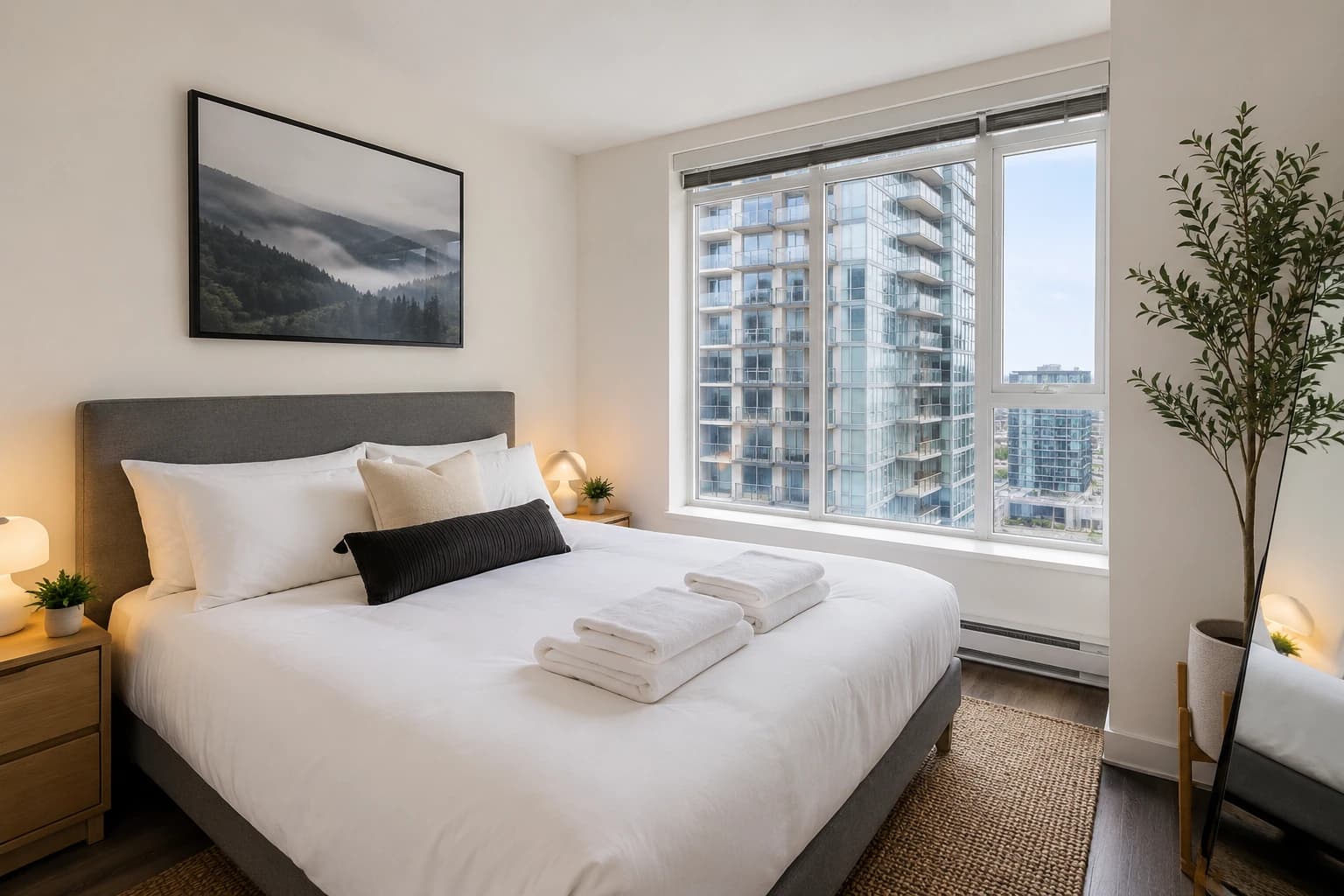
Begin every turnover by removing all bedding, inspecting mattresses for stains or damage, and remaking beds with freshly laundered sheets, pillowcases, and duvet covers that smell clean and feel crisp.
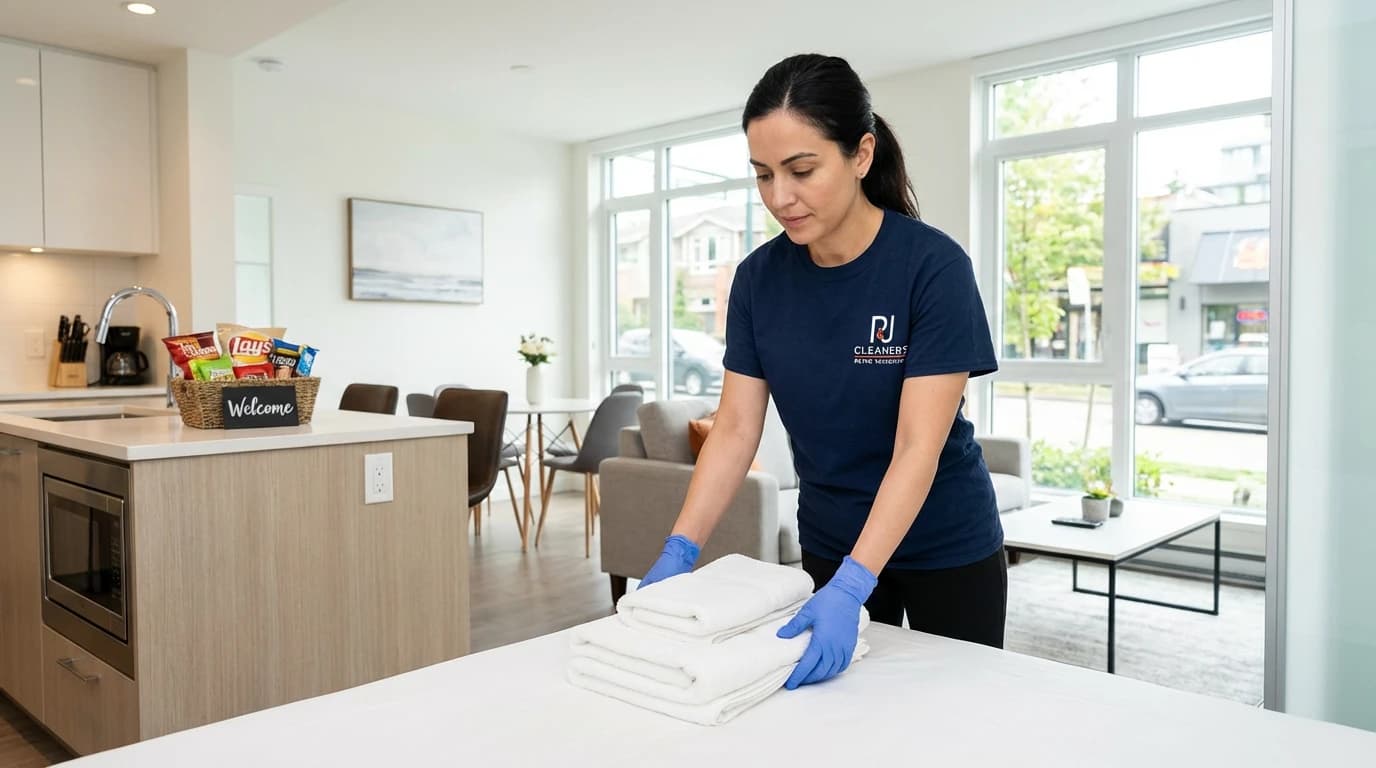
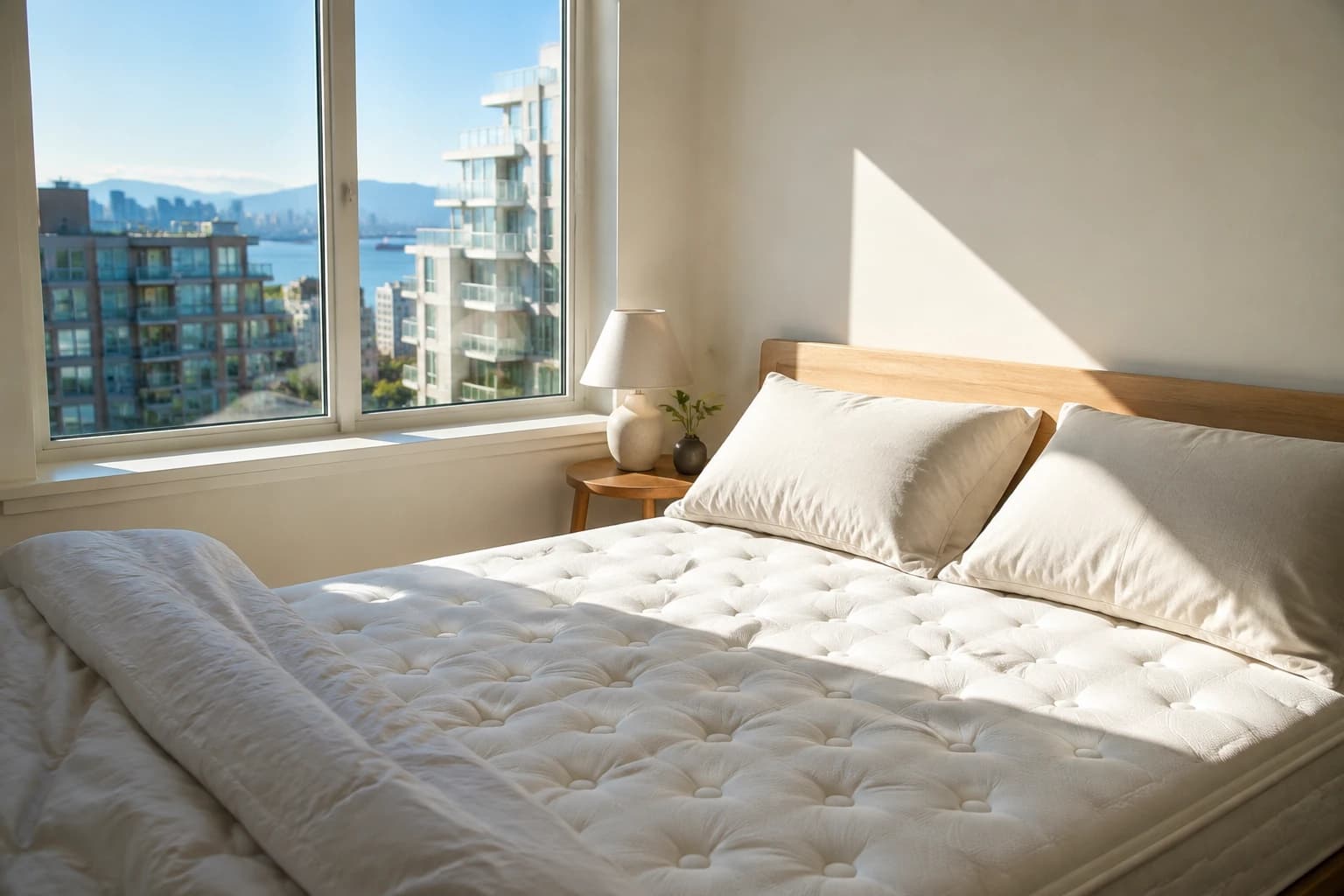
- Remove all sheets, pillowcases, duvet covers, and mattress protectors immediately upon entering the property. Check mattresses and pillows for any stains, odours, or damage that might require replacement. Vacuum the mattress surface to remove dust mites and allergens, which accumulate rapidly in high-turnover properties. According to WorkSafeBC guidelines, proper mattress maintenance reduces allergen exposure by 73% in hospitality environments.
- Remake beds using hotel-style techniques with crisp hospital corners and smooth surfaces free of wrinkles. Use white or light-coloured linens that guests associate with cleanliness and luxury hotels. Ensure fitted sheets are the correct size and stay taut throughout the guest's stay. Add decorative pillows or throws only after confirming they've been cleaned, as these items are frequently overlooked in rushed turnovers.
- Inspect bed frames, headboards, and nightstands for dust, fingerprints, or sticky residue from beverages. Wipe down all surfaces with appropriate cleaners, paying special attention to areas guests touch frequently. Check under beds for forgotten items or accumulated dust bunnies that create poor impressions. Replace any burnt-out bulbs in bedside lamps and ensure alarm clocks display the correct time.
Quick Win
Keep backup bedding sets in vacuum-sealed bags on-site to handle emergency stains or spills between professional laundry pickups, reducing cancellation risks during back-to-back bookings.
Deep Clean and Sanitize All Bathrooms
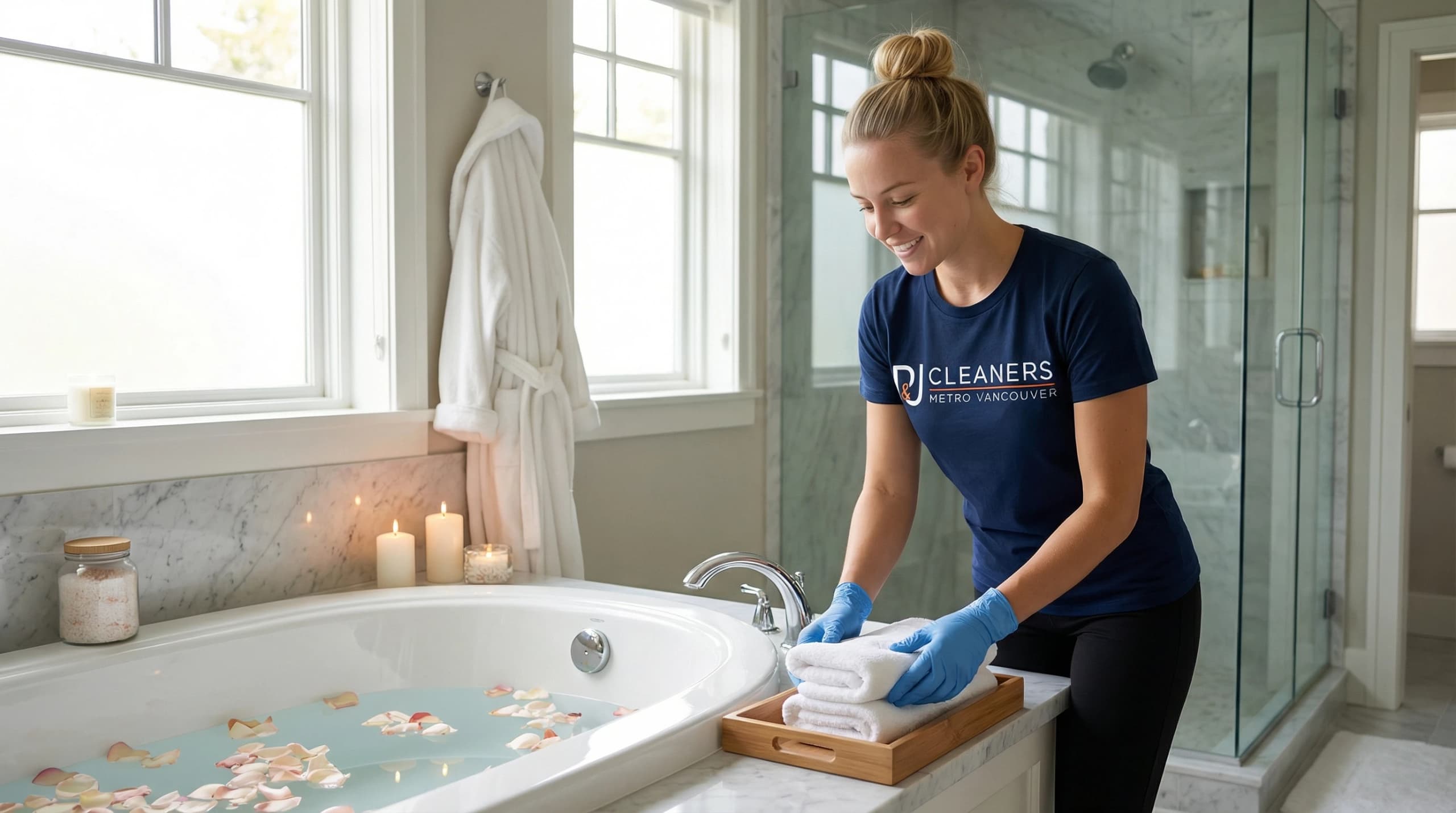
Bathrooms require the most intensive cleaning during turnovers, with special focus on toilets, showers, sinks, and mirrors using hospital-grade disinfectants that eliminate 99.9% of bacteria and viruses.
- Start with the toilet, applying disinfectant cleaner inside the bowl and letting it sit for five minutes while you clean other surfaces. Scrub thoroughly with a dedicated toilet brush, including under the rim where mineral deposits and bacteria accumulate. Wipe down the exterior, base, and behind the toilet where dust and hair collect. According to Health Canada standards, toilets in vacation rentals should be disinfected with products containing at least 70% alcohol or EPA-registered disinfectants.
- Clean showers and tubs by removing all previous guest products, scrubbing tile grout with a stiff brush, and removing soap scum from glass doors using vinegar-based solutions. Pay attention to shower curtain liners, which develop mildew quickly in Vancouver's humid climate. Replace liners monthly or when discolouration appears. Ensure drain covers are free of hair and debris, as clogged drains generate 34% of bathroom-related guest complaints in Metro Vancouver properties.
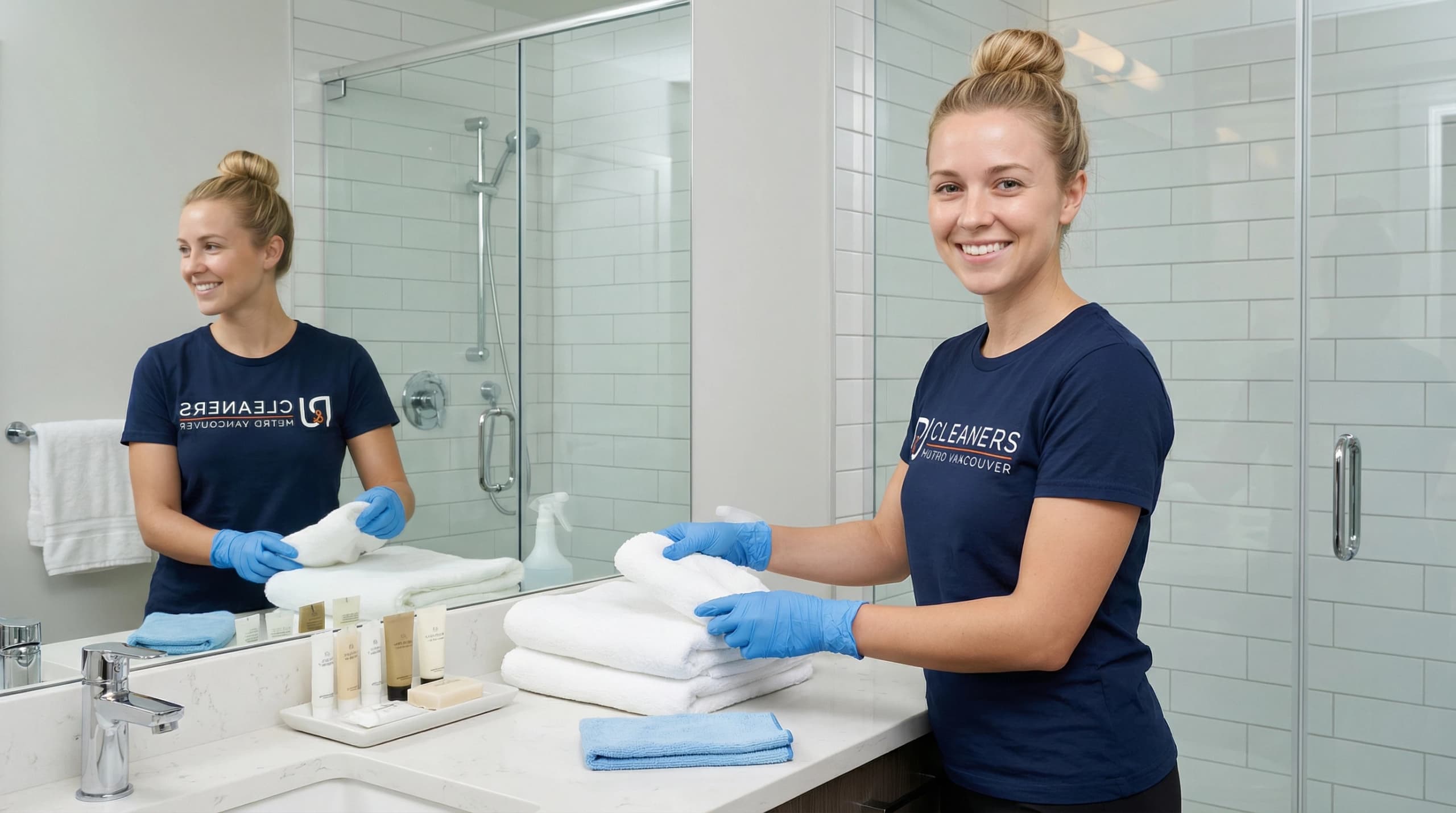
- Wipe mirrors until streak-free using microfibre cloths and glass cleaner, checking from multiple angles to catch smudges. Clean sinks, faucets, and countertops thoroughly, removing toothpaste splatters and water spots. Polish chrome fixtures until they shine. Restock toilet paper with at least two full rolls visible, refill soap dispensers, and provide fresh towels in sets of two per guest. Check that exhaust fans work properly to prevent moisture buildup.
Quick Win
Place a small squeegee in the shower with a note encouraging guests to wipe down glass doors after use, reducing soap scum buildup by 60% between turnovers.
Deep Clean Kitchen and Sanitize Food Surfaces
Kitchens demand meticulous attention as guests expect restaurant-level cleanliness in food preparation areas, requiring thorough cleaning of appliances, countertops, cabinets, and all cooking equipment.
- Empty and clean the refrigerator completely, removing all shelves and drawers to wash separately with warm soapy water. Wipe down interior walls, checking for spills or expired items previous guests left behind. Clean the freezer, defrosting if ice buildup exceeds one centimetre. Wipe exterior surfaces including handles, which harbour 70% more bacteria than interior surfaces according to ISSA research. Check that the temperature is set correctly at 4°C for the fridge and -18°C for the freezer.
- Clean the oven, stovetop, and microwave thoroughly using appropriate degreasers for baked-on food residue. Remove and soak stovetop grates and drip pans in hot soapy water. Wipe down the oven interior, including racks, and clean the microwave turntable separately. Polish stainless steel appliances with specialized cleaners to remove fingerprints and water spots. Run the dishwasher empty with a cleaning tablet to eliminate odours and buildup from previous cycles.
- Sanitize all countertops, backsplashes, and cabinet fronts using food-safe disinfectants approved by Health Canada. Empty and wipe out all drawers, removing crumbs and checking for forgotten utensils or food items. Organize cabinets so dishes, glasses, and cookware are easily accessible and visibly clean. Restock essential items like dish soap, sponges, garbage bags, and paper towels. Take out all garbage and recycling, then replace with fresh bags and ensure bins are clean and odour-free.
Quick Win
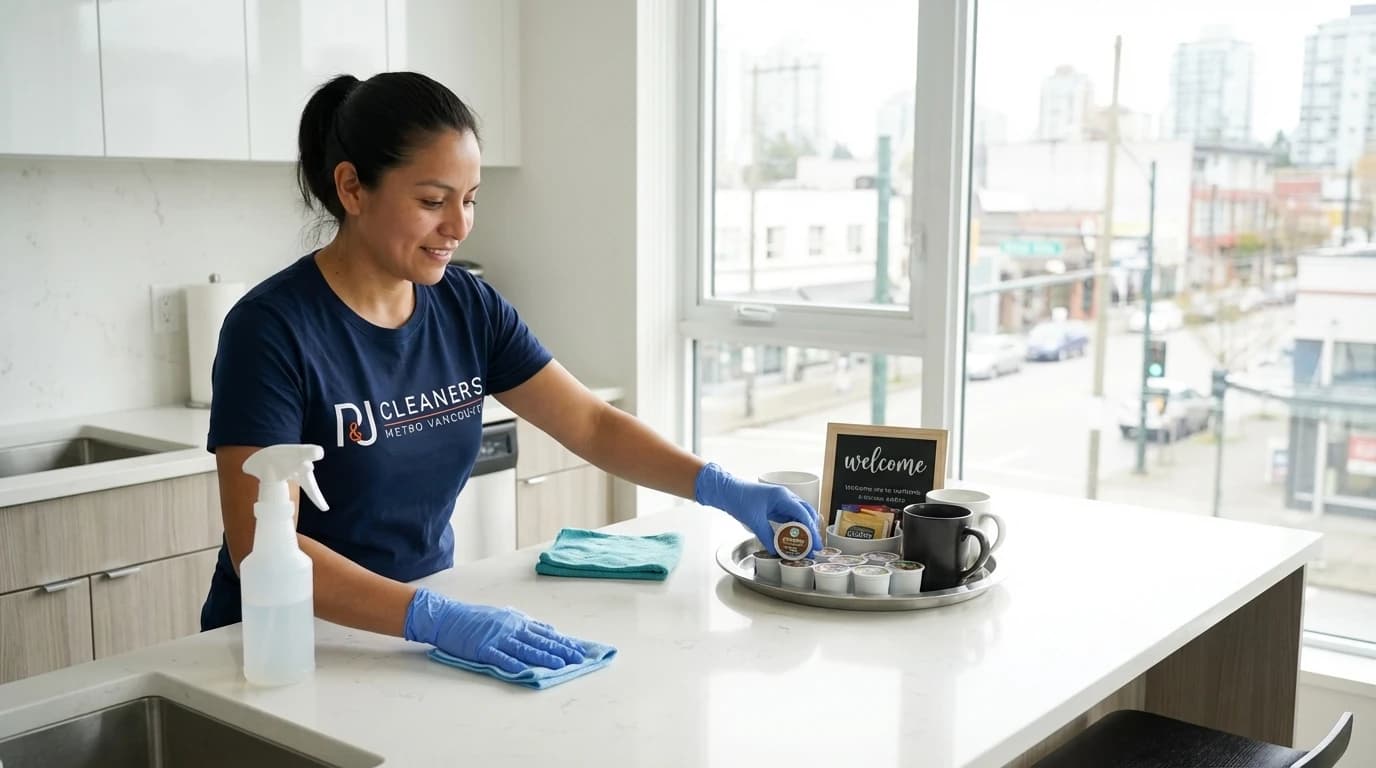
Leave a small welcome basket with coffee, tea, and local treats to offset any minor imperfections guests might notice, improving overall review scores by an average of 0.3 stars.
Vacuum All Floors and Mop Hard Surfaces
Floor cleaning removes visible dirt and hidden allergens that accumulate between guests, requiring systematic vacuuming of carpets and rugs followed by mopping all hard surfaces with appropriate cleaners.
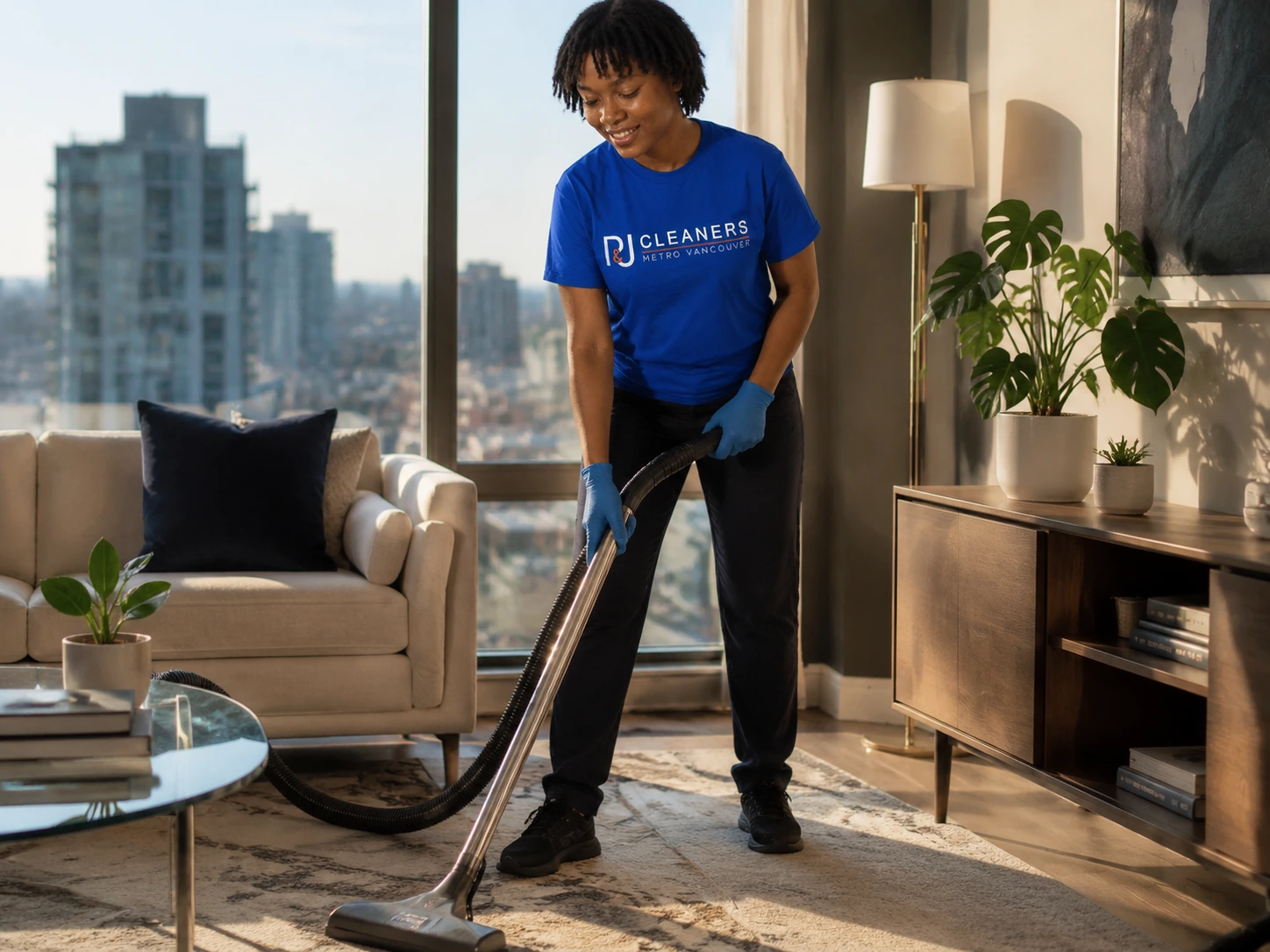
- Vacuum all carpeted areas using overlapping strokes in multiple directions to lift embedded dirt and pet hair. Pay special attention to high-traffic zones near entrances, under furniture edges, and in corners where dust accumulates. Use crevice tools for baseboards and upholstered furniture. According to Statistics Canada housing data, vacation rentals experience 300% more foot traffic than typical residences, requiring more frequent deep cleaning to maintain appearance and hygiene standards.
- Move furniture to vacuum underneath, as guests often check these areas and mention them in reviews. Vacuum area rugs on both sides if possible, shaking them outside first to remove loose debris. Check vacuum bags or canisters frequently during turnover cleaning, as full bags reduce suction by 50% and spread dust back into the air. Replace vacuum filters monthly in high-turnover properties to maintain optimal performance.
- Mop all hard floors including tile, hardwood, and laminate using appropriate cleaning solutions that won't damage finishes. Start from the farthest corner and work backward toward the exit to avoid walking on wet floors. Pay attention to kitchen and bathroom floors where spills and moisture create sticky residue. Spot-clean any stubborn stains with targeted treatments. Allow floors to dry completely before replacing furniture or allowing guest access, typically 20-30 minutes depending on ventilation and humidity levels.
Quick Win
Place washable entrance mats both outside and inside the front door to reduce tracked-in dirt by 80%, cutting floor cleaning time by 15 minutes per turnover.
Dust All Surfaces and High-Touch Areas
Comprehensive dusting removes allergens and creates a fresh appearance, focusing on furniture, electronics, decorative items, light fixtures, and frequently touched surfaces that guests notice immediately.
- Dust all horizontal surfaces including tables, shelves, windowsills, and picture frames using microfibre cloths that trap particles rather than spreading them. Work from top to bottom so falling dust doesn't contaminate already-cleaned lower surfaces. Remove items from shelves to dust underneath, as guests often check these areas. Clean ceiling fans and light fixtures, which accumulate dust quickly and distribute it throughout rooms when operating.
- Wipe down all high-touch surfaces with disinfectant including light switches, door handles, cabinet knobs, drawer pulls, and thermostat controls. These areas harbour significantly more bacteria than other surfaces and require special attention during flu season. Clean remote controls by removing batteries and wiping with alcohol wipes, as these items are touched frequently but cleaned rarely. According to CDC guidelines, high-touch surface disinfection reduces pathogen transmission by 82% in shared accommodations.
- Dust electronics including television screens, computer monitors, and sound system components using appropriate screen-safe cleaners. Wipe down decorative items, picture frames, and artwork carefully to avoid damage. Clean window blinds or curtains according to manufacturer instructions, as these collect dust and affect air quality. Check air vents and replace HVAC filters quarterly or when visibly dirty to maintain proper airflow and reduce allergen circulation throughout the property.
Quick Win
Keep a small handheld vacuum for quick touch-ups of lampshades, upholstery, and hard-to-reach corners that traditional dusting misses, saving 10 minutes per turnover.
Restock All Guest Amenities and Supplies
Proper restocking ensures guests have everything they need for a comfortable stay, including toiletries, kitchen essentials, cleaning supplies, and emergency items that prevent negative reviews.
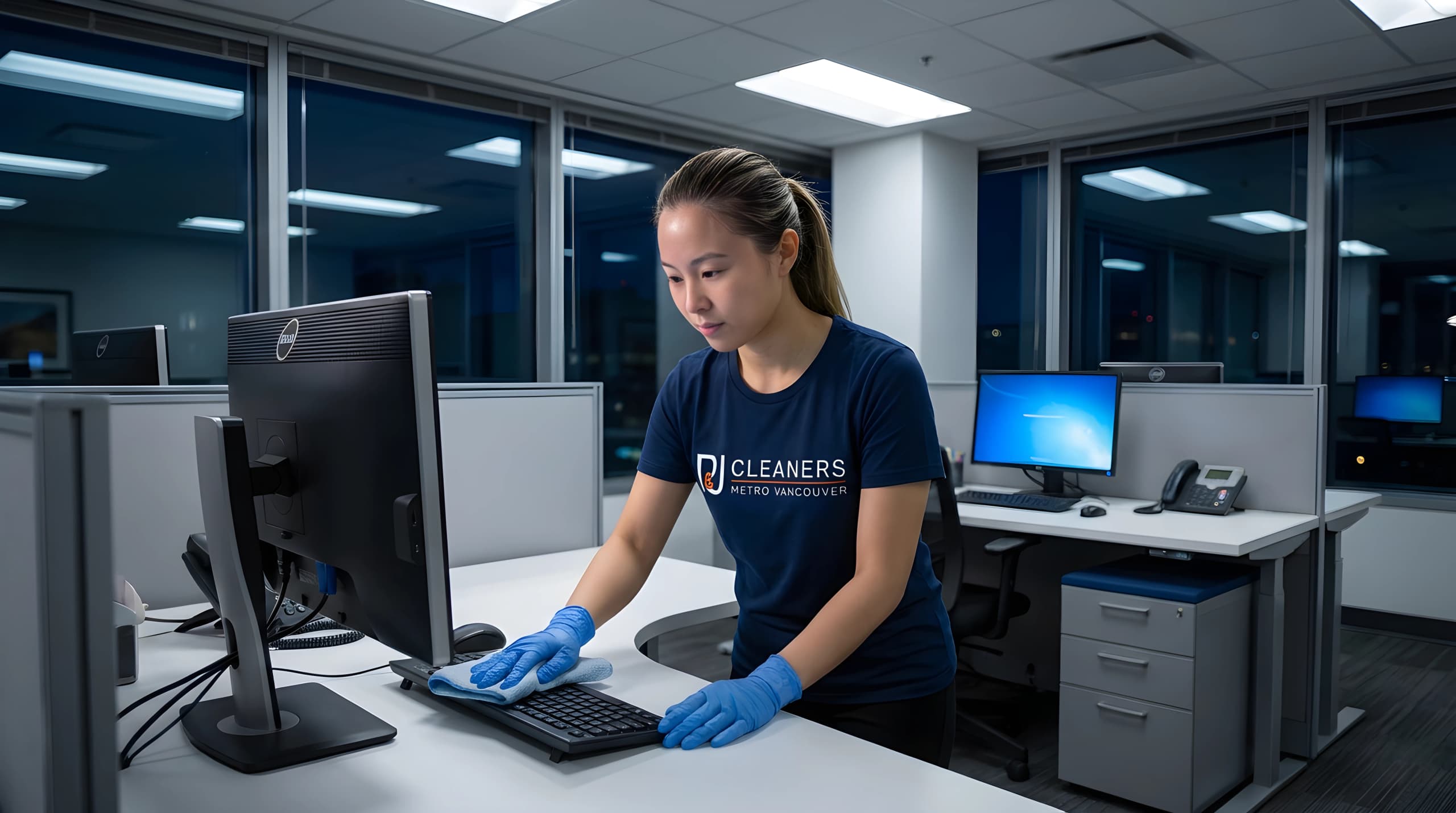
- Check and refill all bathroom amenities including shampoo, conditioner, body wash, hand soap, and lotion. Provide at least two full rolls of toilet paper per bathroom, with extras visible in cabinets. Restock facial tissues, cotton swabs, and any other toiletries mentioned in your listing. Vancouver guests increasingly expect eco-friendly products upon request, with 64% of travellers preferring accommodations that use sustainable amenities according to 2025 tourism surveys.
- Ensure the kitchen has adequate supplies including dish soap, dishwasher detergent, sponges, dish towels, and garbage bags. Refill paper towels, coffee filters, and any complimentary coffee or tea you provide. Check that salt, pepper, and basic cooking oils are available and not expired. Verify that all appliances have necessary accessories like coffee pot filters, blender lids, and toaster crumb trays that guests might have misplaced or discarded.
- Restock cleaning supplies guests might need during their stay including all-purpose cleaner, glass cleaner, and a small vacuum or broom for quick cleanups. Provide fresh garbage bags in all waste bins and ensure recycling containers are clearly labelled according to Metro Vancouver sorting guidelines. Check emergency supplies including first aid kits, flashlights with working batteries, and fire extinguishers with current inspection tags. Leave clear instructions for operating all appliances and systems.
Quick Win
Create a laminated restocking checklist attached to your supply closet door to ensure consistency across different cleaners and reduce forgotten items by 90%.
Inspect Property for Damage and Maintenance Issues
Thorough inspection between guests identifies damage, missing items, and maintenance problems before they escalate, protecting your investment and preventing negative guest experiences from preventable issues.
- Walk through each room systematically checking walls, floors, and ceilings for new damage including holes, scratches, stains, or water marks. Document any issues with photos and timestamps for insurance or guest damage claims. Test all doors and windows to ensure they open, close, and lock properly. Check window screens for tears that allow insects inside, a common complaint in Vancouver's summer months when guests want fresh air.
- Test all appliances, electronics, and systems including the television, Wi-Fi, heating, air conditioning, and hot water heater. Verify that all light bulbs work and replace any that are burnt out or flickering. Check smoke detectors and carbon monoxide alarms monthly, replacing batteries twice yearly. According to BC Fire Code regulations, vacation rentals must have working smoke alarms on every floor and outside sleeping areas, with violations resulting in fines up to $5,000.
- Inspect furniture for stability, checking that table legs are tight, chairs don't wobble, and bed frames are secure. Look for missing items against your inventory list including dishes, utensils, towels, or decorative objects. Check outdoor areas if applicable, ensuring patios are clean, furniture is stable, and plants are watered. Note any maintenance issues requiring professional attention like leaky faucets, running toilets, or unusual odours that suggest hidden problems.
Quick Win
Take dated photos of the property after each turnover cleaning to document condition and protect against false damage claims, which occur in approximately 3% of bookings.
Wash and Prepare All Linens and Towels
Professional laundry management ensures guests always have fresh, clean linens while maintaining adequate inventory rotation to handle back-to-back bookings without delays or quality compromises.
- Wash all used linens including sheets, pillowcases, duvet covers, and mattress protectors in hot water (60°C minimum) with quality detergent and colour-safe bleach when appropriate. Hot water washing eliminates 99.9% of bacteria and dust mites according to Health Canada laundry guidelines for hospitality settings. Dry completely on high heat to kill any remaining pathogens and prevent musty odours from damp fabric storage.
- Launder all towels separately from bedding using hot water and extra rinse cycles to remove detergent residue that makes towels feel stiff or smell chemical. Avoid fabric softeners on towels as they reduce absorbency by coating fibres with waxy residue. Fold towels uniformly and store in a clean, dry location away from moisture and odours. Replace towels showing signs of wear including thinning, discolouration, or persistent odours that washing doesn't eliminate.
- Maintain a minimum of three complete linen sets per bed to allow for one set in use, one set being laundered, and one backup set for emergencies or damage. Track linen inventory carefully as items disappear over time through accidental guest packing or disposal of stained pieces. Consider professional laundry services for high-turnover properties, which cost $25-40 per turnover but save 90 minutes of cleaning time and ensure consistent quality that DIY washing often lacks.
Quick Win
Add a few drops of essential oil like lavender or eucalyptus to dryer balls for a subtle, natural scent that guests associate with cleanliness without triggering sensitivities.
Perform Final Walkthrough and Quality Check
A systematic final inspection catches overlooked details and ensures the property meets Superhost standards before guest arrival, preventing negative reviews from easily avoidable oversights.
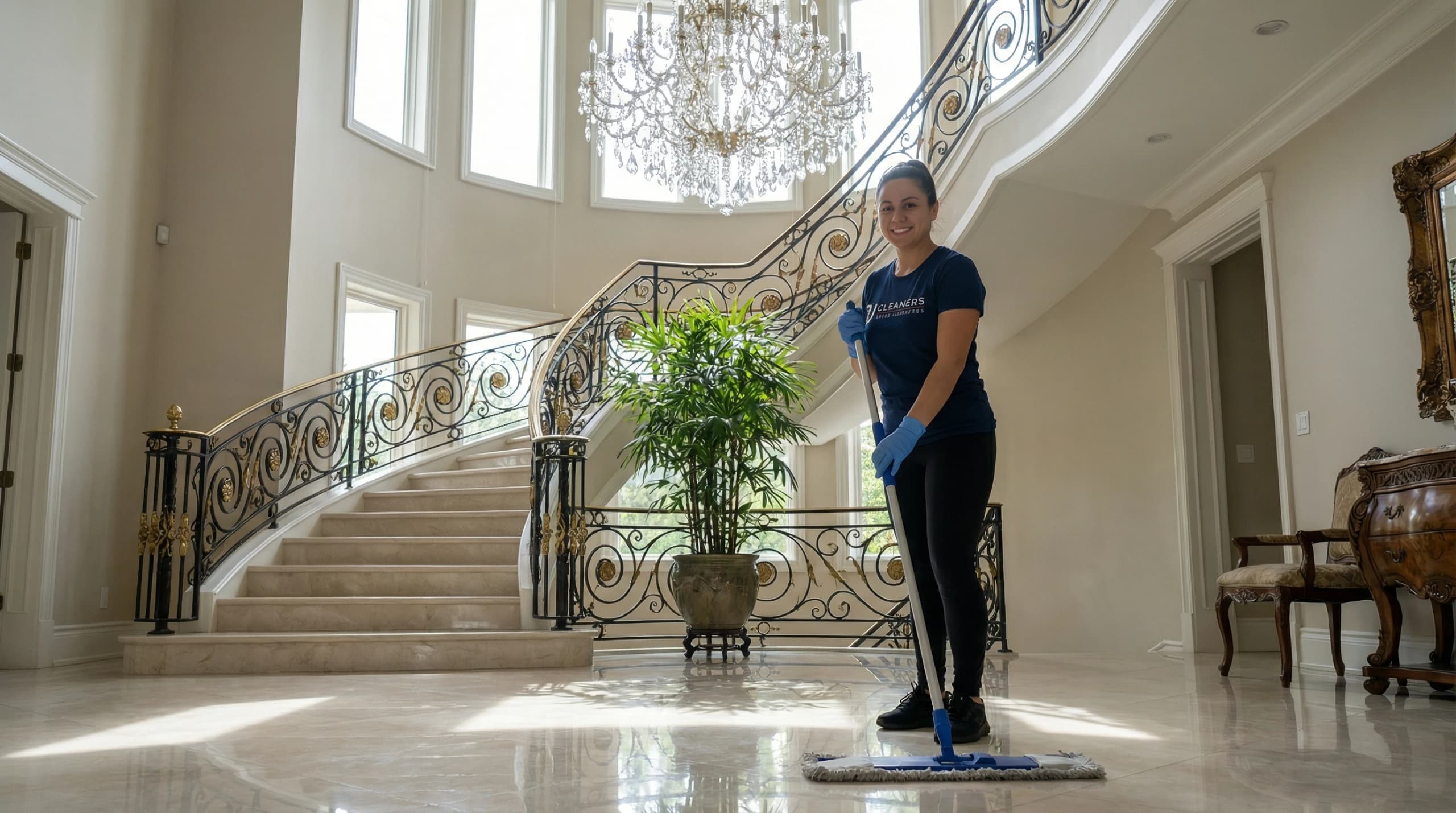
- Walk through the entire property following your checklist, viewing each room from a guest's perspective as they first enter. Check that all lights work, curtains or blinds are adjusted appropriately, and temperature is comfortable (typically 20-22°C). Ensure no cleaning supplies, personal items, or equipment are visible. Open windows briefly if weather permits to air out any cleaning product odours, as 41% of guests mention chemical smells in negative reviews of otherwise clean properties.
- Verify that all amenities promised in your listing are present and functional including Wi-Fi password displayed clearly, television remote with working batteries, and kitchen appliances plugged in and ready to use. Check that welcome materials, house rules, and emergency contact information are visible and up-to-date. Ensure outdoor areas are tidy with furniture arranged invitingly and any seasonal decorations appropriate and fresh-looking.
- Take final photos documenting the property's condition for your records and potential dispute resolution. Do a final smell check in each room, as odours are the second most common cleanliness complaint after visible dirt. Address any musty, chemical, or cooking smells with appropriate solutions like baking soda, activated charcoal, or additional ventilation. Lock up securely, set the thermostat to guest arrival settings, and update your property management system to confirm the turnover is complete and the property is ready for check-in.
Quick Win
Create a photo checklist on your phone showing the ideal state of each room, allowing quick visual comparison during final walkthroughs to catch inconsistencies in 30 seconds per room.
Fast Reset
Quick Wins for Faster Turnovers
Implement these time-saving strategies to reduce turnover time while maintaining Superhost-quality standards that keep your calendar full and reviews positive.
Services mentioned in this article
Ready for help?
4.9 · 850+ Google reviewsLet P&J Cleaners Handle Your Airbnb Turnovers
Our professional team follows this exact 9-step checklist for every booking, ensuring your property stays Superhost-ready. Same-day turnovers available across Metro Vancouver with our 200% satisfaction guarantee.
778-720-2224Airbnb Cleaning Checklist FAQs
What is the best way to use an Airbnb turnover cleaning checklist for Superhosts?
The best approach divides your checklist into room-specific zones with time allocations: bathrooms (25 minutes), kitchen (20 minutes), bedrooms (15 minutes each), and common areas (20 minutes). Digital checklists with photo verification reduce missed tasks by 67% according to ISSA research. Superhosts typically complete turnovers in 2.5 to 3 hours using systematic zone cleaning, compared to 4+ hours without a structured checklist.
How often should you deep clean an Airbnb between guests?
Standard turnovers happen between every guest, but deep cleaning should occur every 10-15 bookings or monthly for high-traffic rentals. The BC Health Authority recommends quarterly deep cleans for vacation rentals, including carpet shampooing, upholstery cleaning, and appliance maintenance. Properties with pets or extended stays require deep cleaning every 5-7 turnovers to maintain air quality and prevent odour buildup that damages ratings.
What products work best for Airbnb cleaning?
Multi-surface disinfectants approved by Health Canada (DIN numbers 02528274 or similar) kill 99.9% of viruses and bacteria within 30 seconds. Eco-friendly products like Benefect or Nature Clean meet guest expectations—78% of travellers prefer green-certified accommodations according to Statistics Canada tourism data. Stock microfibre cloths, HEPA vacuum filters, and enzyme-based cleaners for organic stains. Avoid harsh chemicals that leave residual odours or trigger allergies.
Is professional help worth it for Airbnb cleaning?
Professional Airbnb cleaning costs $80-$150 per turnover in Metro Vancouver but saves hosts 3-4 hours per booking and reduces negative cleanliness reviews by 89%. Hosts managing multiple properties or full-time jobs see ROI within 3 months through higher occupancy rates and Superhost status. Professional cleaners carry liability insurance, use commercial-grade equipment, and follow Health Canada protocols that individual hosts often miss, protecting your investment and guest safety.
How long should an Airbnb turnover cleaning take?
Experienced cleaners complete studio turnovers in 90 minutes, one-bedroom units in 2 hours, and two-bedroom properties in 2.5-3 hours. Same-day turnovers with less than 4 hours between checkout and check-in require two cleaners working simultaneously. Rushed cleanings under 90 minutes increase the risk of missed details by 43% according to WorkSafeBC hospitality studies, leading to lower ratings and guest complaints.
What are the most commonly missed items on Airbnb cleaning checklists?
The top overlooked areas are light switches (missed 34% of the time), remote controls (29%), door handles (26%), and refrigerator seals (31%) based on ISSA hospitality cleaning audits. Guests also report baseboards, ceiling fan blades, and under-bed areas as frequent problem spots. Using a photo-verified digital checklist reduces these oversights by documenting completion of high-touch surfaces and hidden zones that impact cleanliness scores.
Meet the Author
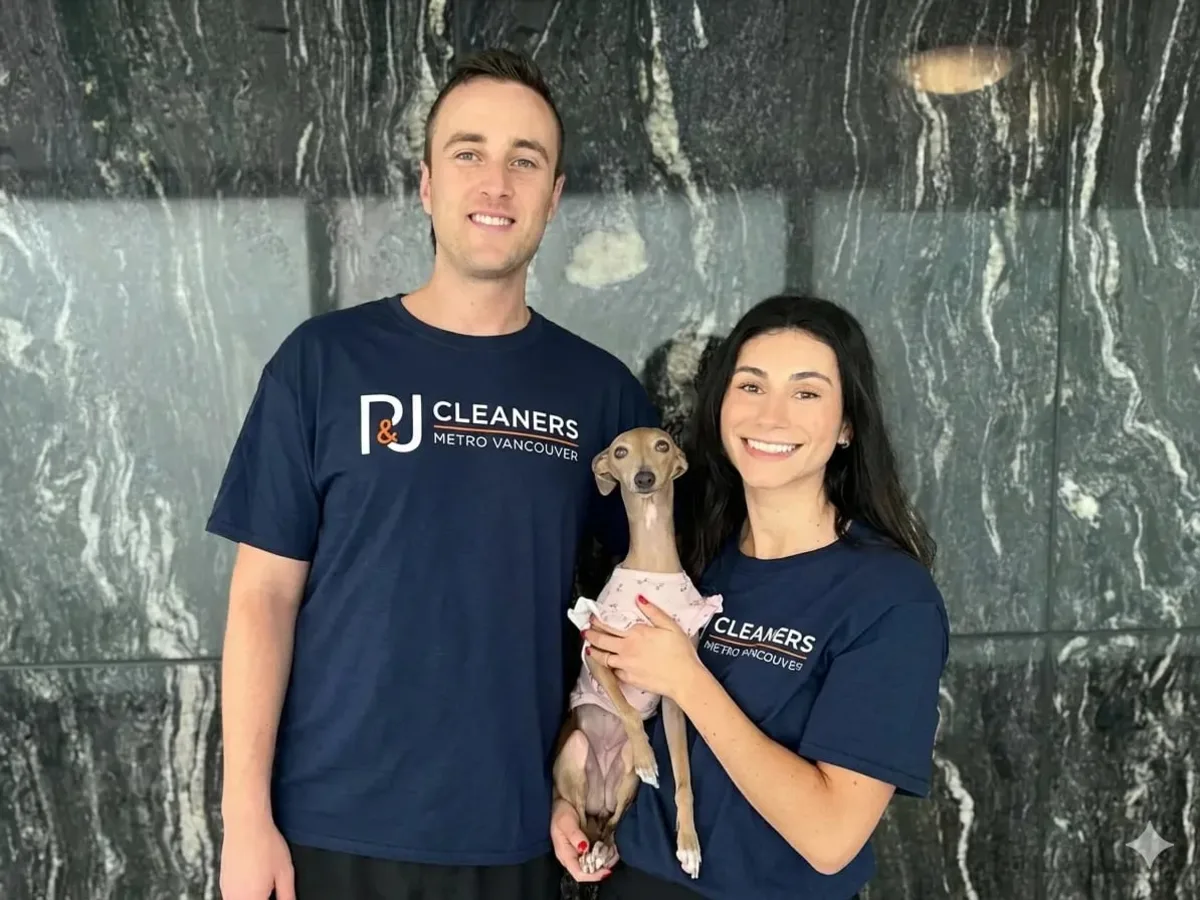
Pamela
Co-Founder
Pamela leads residential quality standards at P&J Cleaners, refining safe, detail-driven cleaning systems for Vancouver homes, condos, and move-out projects.
Keep Exploring