

Industry Overview
Understanding Strata Cleaning Standards in British Columbia
Strata common area cleaning standards in British Columbia are governed by the Strata Property Act, WorkSafeBC regulations, and BC Health Authority guidelines. These standards protect property values, ensure resident safety, and maintain insurance compliance. Professional cleaning programs reduce liability exposure while creating welcoming environments that attract quality tenants. Metro Vancouver strata properties face unique challenges including coastal humidity, high foot traffic, and diverse building materials requiring specialized maintenance approaches.
The BC Strata Property Act requires councils to maintain common property in a state of good repair, which includes regular cleaning and sanitation. This legal obligation extends beyond aesthetic concerns to encompass health and safety requirements. Properties failing to meet minimum standards face potential liability claims, insurance complications, and decreased property values. Professional cleaning services provide documented compliance while reducing the administrative burden on volunteer strata councils.
Modern strata cleaning standards emphasize infection control, environmental sustainability, and preventive maintenance. The COVID-19 pandemic elevated hygiene expectations, with residents now demanding hospital-grade disinfection protocols for shared spaces. Green cleaning products meeting EcoLogo certification standards are increasingly required to protect indoor air quality and reduce environmental impact. These evolving standards require professional expertise to implement effectively while managing costs.
73%
Resident Satisfaction Increase
Source: BC Property Management Association
$800-$2,400
Average Monthly Cleaning Cost
Source: Metro Vancouver Strata Survey 2025
80%
Pathogen Reduction
Source: BC Health Authority
45%
Insurance Claims Reduction
Source: Insurance Bureau of Canada
+12%
Property Value Impact
Source: Real Estate Board of Greater Vancouver
Compliance priorities
Daily disinfection of high-touch surfaces including elevator buttons, door handles, mailbox areas, and intercom panels using Health Canada approved products • Weekly deep cleaning of lobby floors, hallways, and stairwells with slip-resistant treatments meeting WorkSafeBC coefficient of friction standards • Monthly carpet extraction or hard floor refinishing to maintain appearance standards and prevent premature replacement costs • Quarterly window washing of common area glass surfaces to maintain natural light transmission and building aesthetics • Documented cleaning logs with timestamps, product usage, and staff signatures for insurance and liability protection • Annual deep cleaning of parkade areas, storage rooms, and mechanical spaces to prevent pest infestations and equipment damage
Zone-Specific Cleaning Standards for Strata Properties
Effective strata cleaning programs divide buildings into distinct zones, each requiring specialized protocols, frequencies, and quality standards. This systematic approach ensures consistent results while optimizing labour costs and product usage.
Lobby and Entrance Area Standards
Lobbies create first impressions and experience the highest foot traffic, requiring daily attention to maintain professional appearance and hygiene standards.
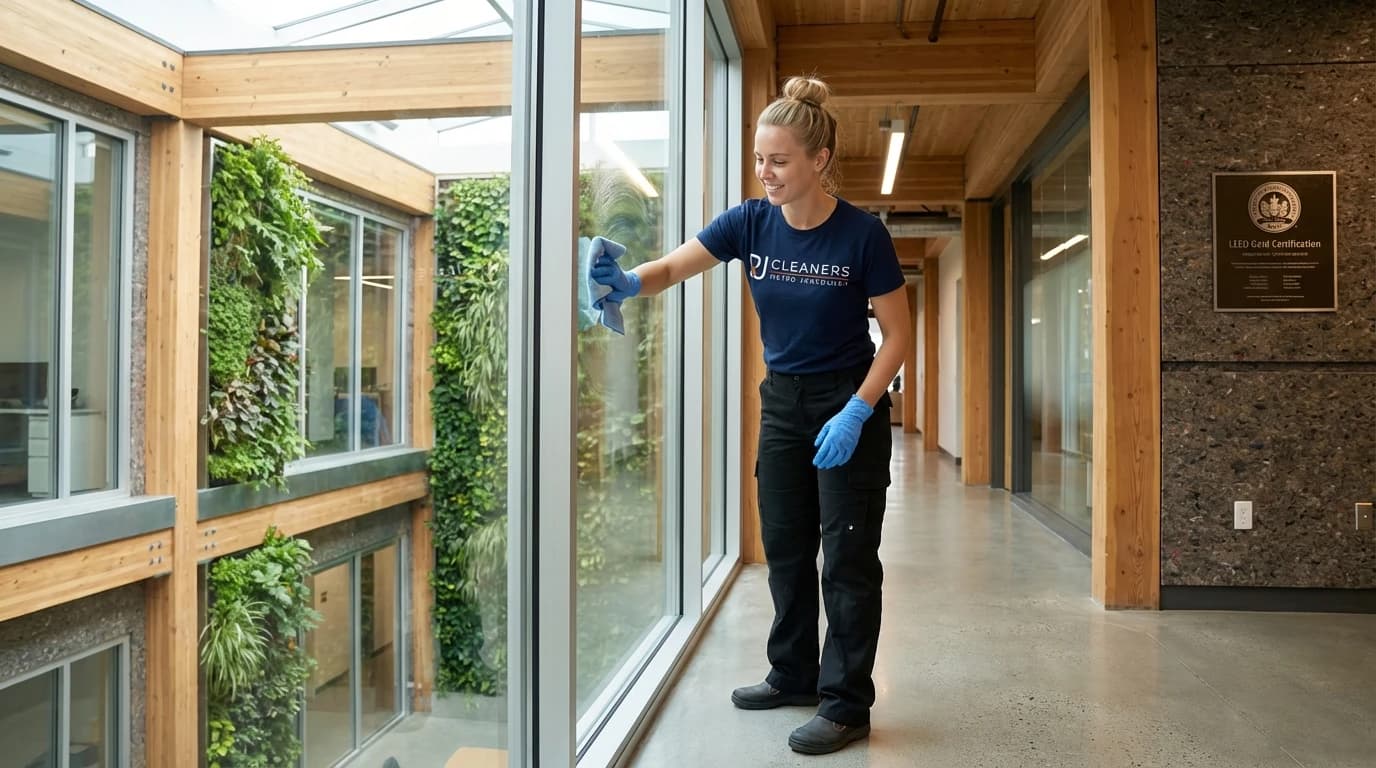
Lobby cleaning begins with entrance mat maintenance, which captures 80% of incoming dirt when properly sized and serviced. Mats should extend at least 12 feet into the building and receive daily vacuuming with weekly extraction cleaning. Glass entrance doors require daily cleaning to remove fingerprints, smudges, and weather residue. Professional cleaners use streak-free solutions and microfibre cloths to maintain clarity without leaving chemical residue that attracts dirt.
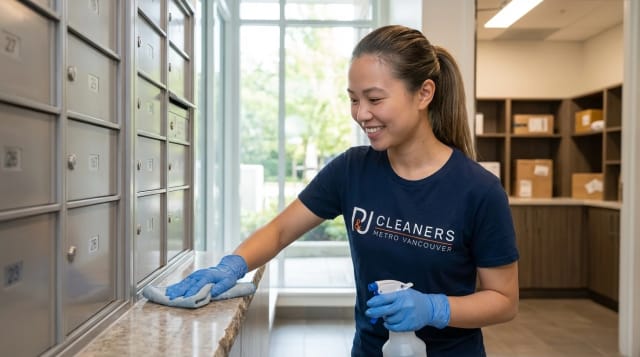
Reception desks, mailbox areas, and directory boards are high-touch surfaces requiring twice-daily disinfection during peak seasons. Electrostatic sprayers provide superior coverage compared to manual wiping, reducing pathogen transmission by up to 80% according to BC Health Authority studies. Lobby furniture including chairs, tables, and decorative elements should be dusted daily and deep cleaned monthly to prevent allergen accumulation.
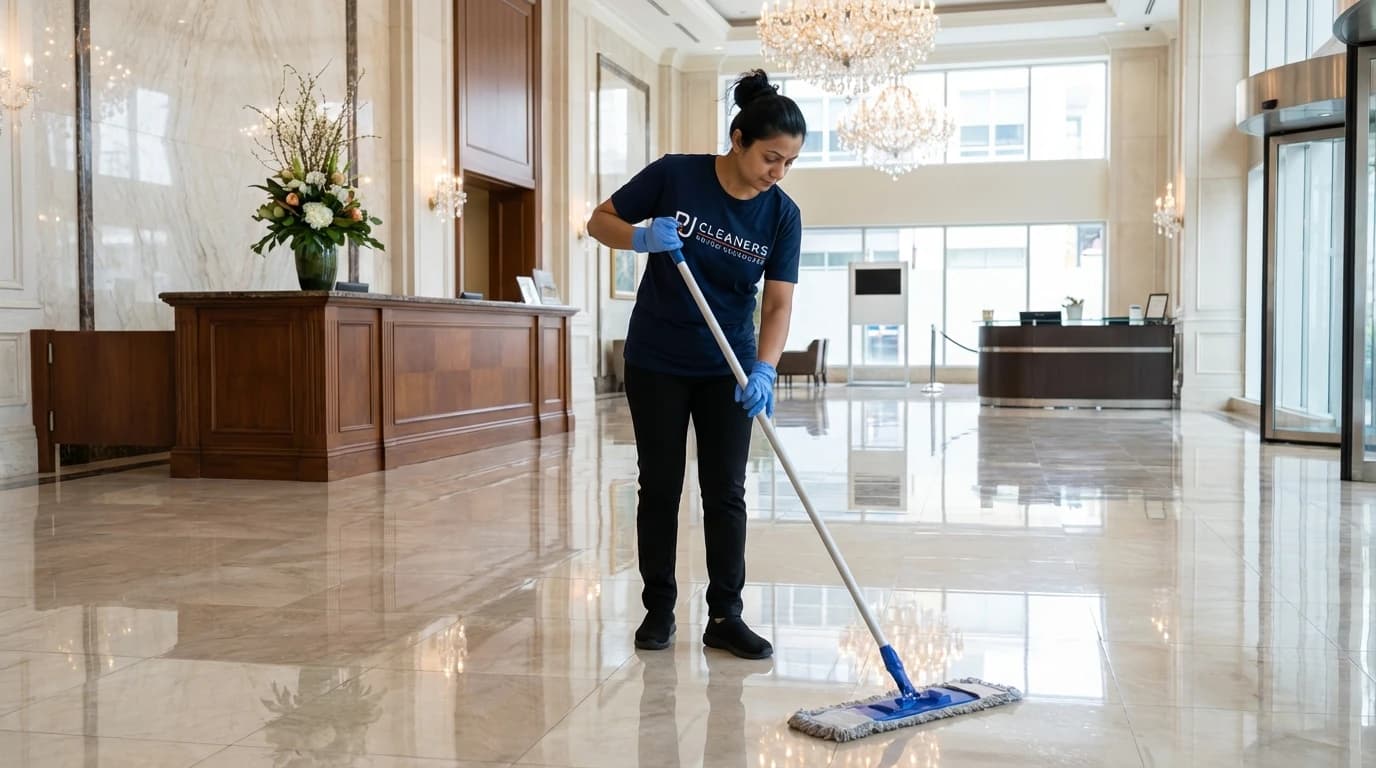
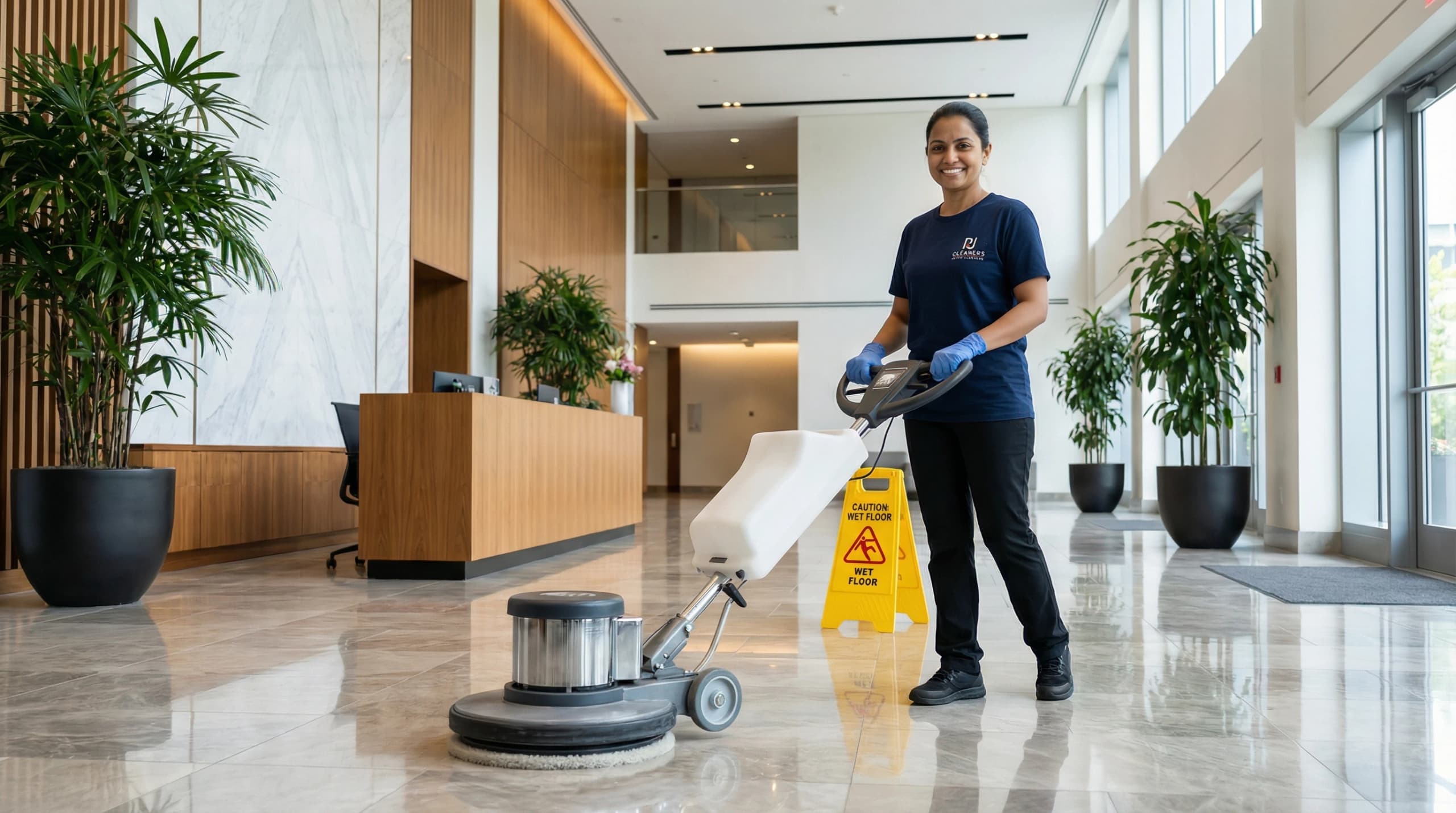
Floor maintenance varies by material but typically requires daily dust mopping, weekly damp mopping, and monthly machine scrubbing with appropriate cleaning solutions. Marble and natural stone floors need pH-neutral cleaners to prevent etching, while vinyl composition tile benefits from periodic stripping and recoating. Professional cleaning companies maintain detailed floor care logs documenting products used, square footage cleaned, and any damage observations for strata council review.
- Vacuum entrance mats daily and extract clean weekly to maintain dirt-trapping effectiveness
- Clean glass doors and windows twice daily during high-traffic periods using streak-free solutions
- Disinfect high-touch surfaces including door handles, elevator buttons, and mailbox areas every 4-6 hours
- Dust and polish reception furniture, directory boards, and decorative elements daily
- Machine scrub lobby floors weekly with appropriate pH-balanced solutions for floor type
- Inspect and spot-clean upholstered furniture daily, with quarterly deep extraction cleaning
Recommended Frequency
Daily with twice-daily high-touch disinfection
Elevator Cab and Corridor Standards
Elevators are confined spaces with constant use, requiring specialized cleaning protocols to maintain hygiene and prevent odour accumulation.
Elevator cabs require daily cleaning with particular attention to button panels, handrails, and wall surfaces. Stainless steel interiors need specialized cleaners that remove fingerprints without leaving streaks or damaging protective coatings. Button panels should be disinfected every 4-6 hours during peak usage periods using hospital-grade disinfectants with appropriate dwell times. Many strata properties now install antimicrobial film on high-touch surfaces, reducing pathogen survival by 99.9% between cleaning cycles.
Floor maintenance in elevator cabs presents unique challenges due to limited space and constant traffic. Daily vacuuming removes debris that can scratch finishes, while weekly damp mopping with quick-drying solutions prevents slip hazards. Carpet tiles in elevator cabs should be extracted quarterly and replaced as needed to maintain appearance standards. Mirror and glass surfaces require daily cleaning to remove smudges and maintain the professional appearance residents expect.
Elevator corridors connecting cabs to building floors need daily attention including vacuuming, spot cleaning, and high-touch disinfection. These transition zones accumulate dirt from shoes and experience heavy door traffic requiring frequent hinge and track cleaning. Professional cleaners inspect elevator door mechanisms during routine cleaning, reporting any operational issues to building management before they become safety hazards or costly repairs.
- Disinfect elevator buttons, handrails, and door surfaces every 4-6 hours during peak periods
- Clean stainless steel surfaces daily using specialized products that prevent streaking and damage
- Vacuum elevator floors daily and damp mop weekly with quick-drying, slip-resistant solutions
- Polish mirrors and glass surfaces daily to maintain clarity and professional appearance
- Extract clean carpet tiles quarterly and replace damaged tiles to maintain uniform appearance
- Inspect and clean door tracks, hinges, and mechanisms weekly to prevent operational issues
Recommended Frequency
Daily with multiple high-touch disinfection cycles
Hallway and Stairwell Maintenance Standards
Hallways and stairwells require consistent maintenance to prevent dirt accumulation, ensure safety, and maintain property value throughout the building.
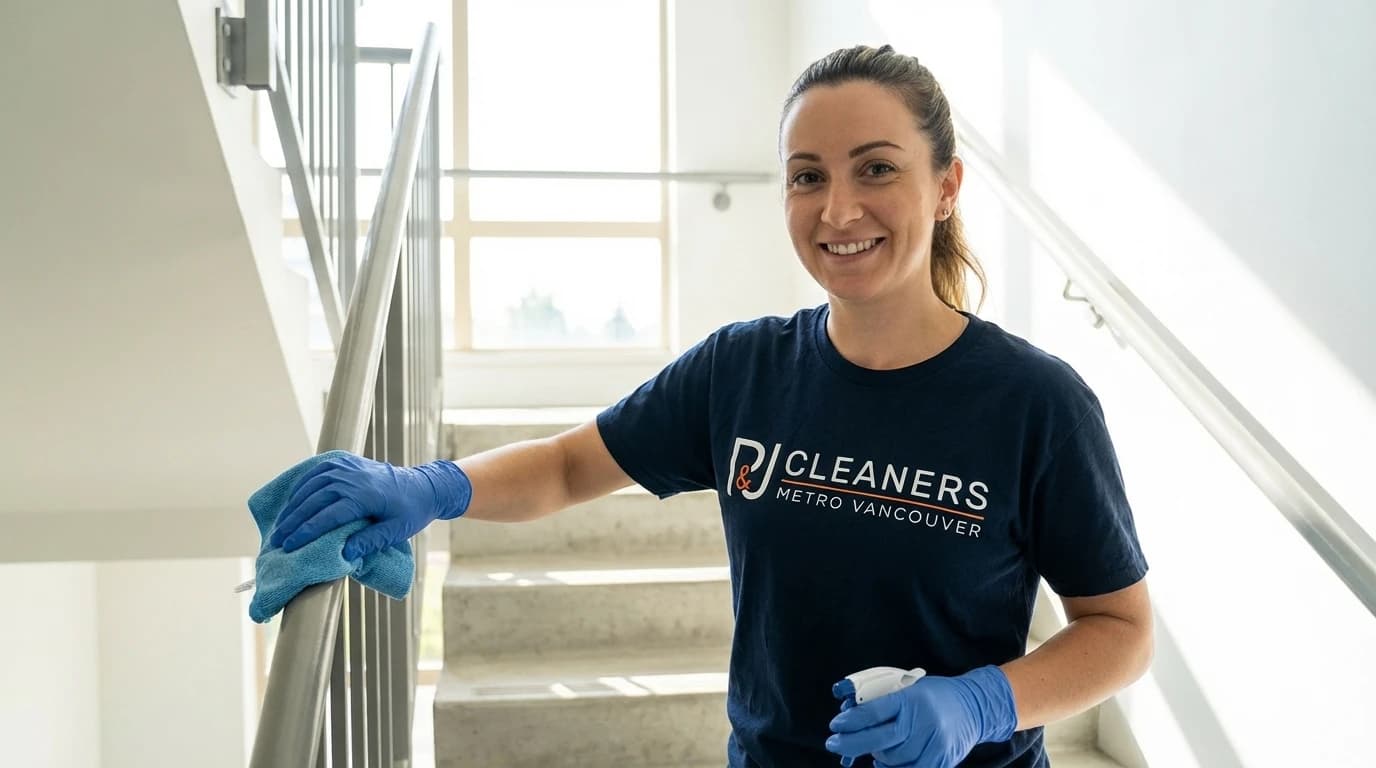
Hallway cleaning begins with daily vacuuming or dust mopping to remove tracked-in dirt before it becomes embedded in flooring. Carpeted hallways benefit from weekly vacuuming with commercial equipment featuring HEPA filtration to capture allergens and improve indoor air quality. Hard surface hallways require weekly damp mopping with pH-appropriate cleaners that don't leave slippery residue. Baseboards, door frames, and wall surfaces should be spot-cleaned weekly and deep cleaned monthly to remove scuff marks and fingerprints.
Stairwell maintenance presents unique safety challenges requiring specialized protocols and equipment. Handrails must be disinfected daily as they're touched by every person using the stairs, making them high-risk pathogen transmission points. Stair treads need weekly cleaning with slip-resistant treatments meeting WorkSafeBC coefficient of friction standards of 0.6 or higher. Professional cleaners use appropriate safety equipment including harnesses when cleaning stairwells exceeding two stories, following WorkSafeBC fall protection regulations.
Lighting fixtures, emergency exit signs, and fire safety equipment in hallways require monthly cleaning to maintain visibility and functionality. Dust accumulation on light fixtures reduces illumination by up to 30%, creating safety hazards and increasing energy costs. Professional cleaners document the condition of safety equipment during routine cleaning, alerting strata councils to burnt-out bulbs, damaged exit signs, or obstructed fire extinguishers requiring immediate attention.
- Vacuum or dust mop hallway floors daily to prevent dirt embedding and premature wear
- Disinfect stairwell handrails daily using hospital-grade products with appropriate contact time
- Damp mop hard surface floors weekly with slip-resistant treatments meeting WorkSafeBC standards
- Spot-clean walls, baseboards, and door frames weekly to remove scuffs and fingerprints
- Clean lighting fixtures and emergency signage monthly to maintain visibility and safety compliance
- Extract clean carpeted hallways quarterly to remove embedded soil and restore appearance
Recommended Frequency
Daily vacuuming with weekly deep cleaning
Amenity Space and Common Room Standards
Amenity spaces including fitness centres, party rooms, and lounges require specialized cleaning protocols based on usage patterns and health regulations.
Fitness centre cleaning follows strict hygiene protocols due to sweat, bacteria, and shared equipment contact. All exercise equipment requires disinfection after each use, with professional cleaners performing deep cleaning daily including machine disassembly to clean hidden surfaces. Floors in fitness areas need daily mopping with antimicrobial solutions, while mirrors, windows, and glass partitions require daily cleaning to maintain visibility. Locker rooms and shower facilities demand hospital-grade disinfection protocols with particular attention to drain maintenance and mould prevention.
Party rooms and common lounges experience variable usage requiring flexible cleaning schedules. Post-event cleaning should occur within 24 hours and include furniture rearrangement, floor cleaning, kitchen sanitization, and garbage removal. Professional cleaners inspect furniture for damage, report maintenance issues, and ensure rooms are guest-ready for the next booking. Kitchen facilities in common rooms require commercial kitchen cleaning standards including hood cleaning, appliance sanitization, and food safety compliance.
Outdoor amenity spaces including rooftop patios, courtyards, and BBQ areas need seasonal maintenance programs. Spring and fall deep cleaning removes winter debris and prepares spaces for peak usage. Weekly maintenance during summer months includes furniture cleaning, floor sweeping, and planter maintenance. BBQ grills require professional degreasing quarterly to prevent fire hazards and maintain functionality. Professional cleaners coordinate with landscaping services to ensure comprehensive outdoor space maintenance.
- Disinfect fitness equipment after each use and perform daily deep cleaning of all surfaces
- Clean party rooms within 24 hours of events including furniture, floors, and kitchen sanitization
- Maintain locker rooms and showers with daily hospital-grade disinfection and mould prevention
- Inspect and clean outdoor furniture weekly during peak season, storing properly in winter
- Deep clean BBQ grills quarterly with professional degreasing to prevent fire hazards
- Coordinate with landscaping services for comprehensive outdoor amenity space maintenance
Recommended Frequency
Daily for fitness areas, event-based for party rooms, weekly for outdoor spaces
Parkade and Storage Area Standards
Underground parkades and storage areas require specialized cleaning to prevent pest infestations, maintain air quality, and ensure resident safety.
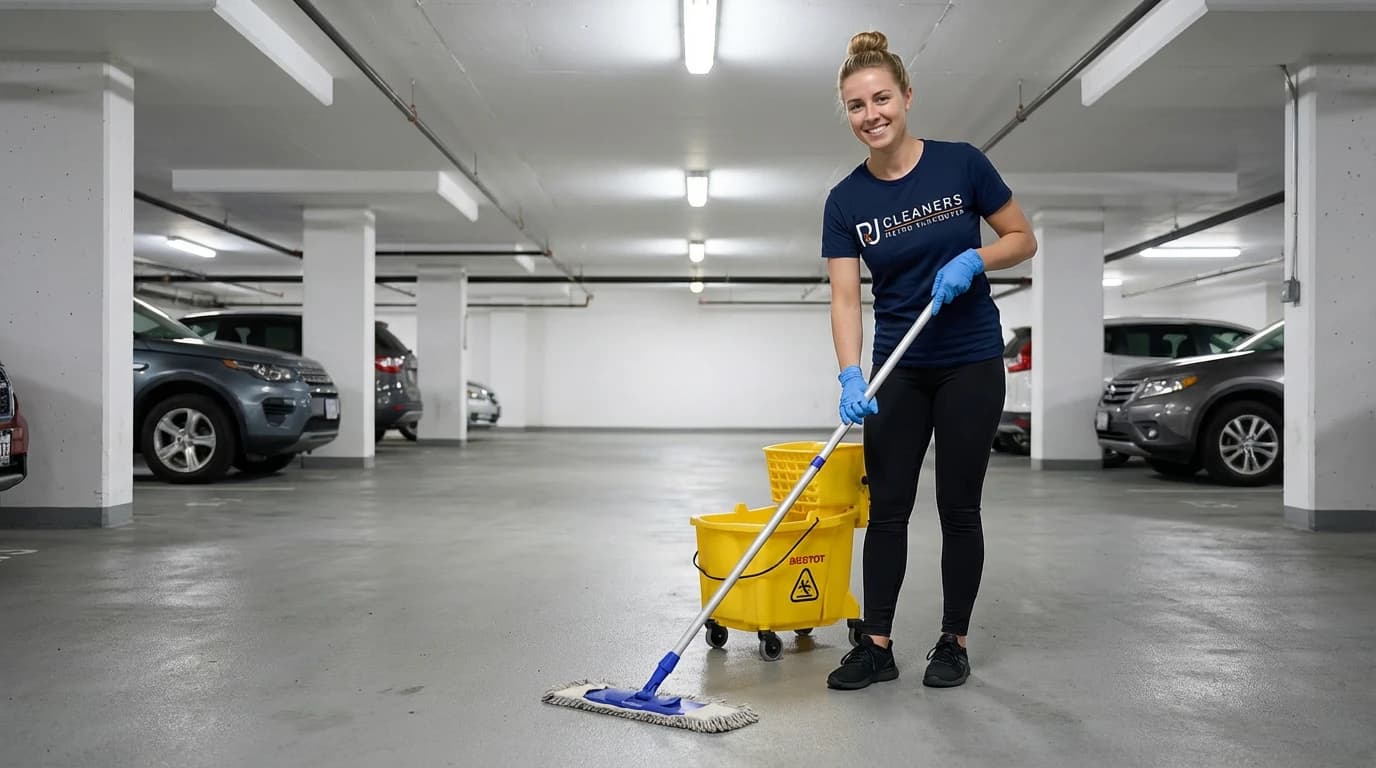
Parkade cleaning focuses on safety, pest prevention, and environmental compliance. Monthly sweeping removes debris that clogs drains and creates slip hazards, while quarterly power washing eliminates oil stains and prevents concrete deterioration. Professional cleaners use environmentally approved degreasers that meet Metro Vancouver stormwater regulations, preventing contamination of municipal systems. Proper drainage maintenance prevents water accumulation that damages vehicles and creates mould growth in enclosed spaces.
Storage locker areas require quarterly cleaning to prevent pest infestations and maintain fire safety compliance. Sweeping removes debris that attracts rodents, while inspection identifies damaged lockers requiring repair. Professional cleaners report fire code violations including blocked exits, improperly stored flammable materials, and malfunctioning lighting to strata councils. Many insurance policies require documented storage area inspections, making professional cleaning services essential for maintaining coverage.
Mechanical rooms, electrical rooms, and utility spaces need semi-annual cleaning to prevent equipment damage and maintain warranty compliance. Dust accumulation on HVAC equipment reduces efficiency by up to 25% and voids manufacturer warranties. Professional cleaners use specialized equipment including HEPA vacuums and compressed air systems to clean sensitive equipment without causing damage. Coordination with building engineers ensures cleaning occurs during appropriate maintenance windows without disrupting building operations.
- Sweep parkade floors monthly and power wash quarterly using environmentally approved products
- Clean storage locker areas quarterly, inspecting for pest activity and fire code violations
- Maintain drainage systems to prevent water accumulation and concrete deterioration
- Clean mechanical and electrical rooms semi-annually using HEPA vacuums and specialized equipment
- Document all cleaning activities with photos and timestamps for insurance compliance
- Coordinate with building engineers for mechanical room cleaning during maintenance windows
Recommended Frequency
Monthly sweeping with quarterly deep cleaning
Cost Analysis and Return on Investment for Professional Strata Cleaning
Professional strata cleaning delivers measurable returns through reduced maintenance costs, improved property values, and decreased liability exposure.
Professional strata cleaning costs in Metro Vancouver range from $45-$65 per hour depending on building size, service frequency, and scope of work. Monthly contracts for typical 50-unit buildings average $800-$1,200, while larger 100+ unit properties range from $1,800-$2,400 monthly. These costs include labour, supplies, equipment, insurance, and WorkSafeBC coverage. Strata councils should compare total program costs rather than hourly rates, as professional companies provide superior results with fewer hours through efficient systems and commercial-grade equipment.
The return on investment for professional cleaning extends beyond immediate cost savings to include property value protection, insurance premium reductions, and resident retention. Properties with documented professional cleaning programs command 8-12% higher resale values according to Real Estate Board of Greater Vancouver data. Insurance companies offer premium discounts averaging 15-20% for properties with professional cleaning contracts that include liability coverage and documented protocols. Resident turnover costs including vacancy periods, advertising, and unit preparation average $3,500-$5,000 per occurrence, making retention through superior common area maintenance highly cost-effective.
Preventive maintenance through professional cleaning reduces long-term capital expenditure requirements. Regular floor maintenance extends replacement cycles by 40-60%, saving $15-$25 per square foot in premature replacement costs. Proper carpet care through quarterly extraction cleaning doubles lifespan from 7-10 years to 15-18 years, representing savings of $8-$12 per square foot. Window maintenance prevents seal failure and glass etching that requires costly replacement. Professional cleaning companies provide detailed asset condition reports helping strata councils plan capital expenditures and avoid emergency repairs.
In-House Cleaning
- Hourly wages: $18-$22/hour
- WorkSafeBC premiums: $800-$1,200/year
- Equipment purchases: $2,000-$4,000 initial
- Supply costs: $150-$250/month
- Training and supervision time
- Liability insurance: $1,500-$2,500/year
- Inconsistent quality and coverage
- No backup for sick days or vacation
- Limited expertise for specialized tasks
- Total annual cost: $28,000-$35,000
Professional Service
- Contract rate: $45-$65/hour all-inclusive
- No WorkSafeBC administration required
- Commercial equipment included
- All supplies provided
- Trained, supervised staff
- Full liability coverage included
- Consistent quality with inspections
- Guaranteed coverage and backup staff
- Specialized expertise for all tasks
- Total annual cost: $9,600-$28,800
8-12%
Property Value Increase
15-20%
Insurance Premium Reduction
40-60%
Floor Lifespan Extension
7-10 years
Carpet Replacement Delay
35%
Resident Retention Improvement
$4,000-$8,000/year
Maintenance Cost Reduction
- Documented compliance with WorkSafeBC, BC Health Authority, and Strata Property Act requirements reducing liability exposure
- Professional-grade equipment and commercial cleaning products deliver superior results compared to consumer-grade alternatives
- Trained staff identify maintenance issues early, preventing costly emergency repairs and capital expenditure surprises
- Consistent cleaning schedules maintain property appearance and resident satisfaction regardless of staff turnover
- Comprehensive liability insurance protects strata corporations from claims related to cleaning activities and slip-and-fall incidents
- Detailed cleaning logs and inspection reports provide documentation for insurance claims and legal proceedings
- Green cleaning programs using EcoLogo certified products improve indoor air quality and reduce environmental impact
- Flexible scheduling accommodates building events, renovations, and seasonal requirements without additional administrative burden
Strata Cleaning Compliance Checklist
Use this comprehensive checklist to ensure your strata property meets all regulatory requirements and industry best practices for common area cleaning and maintenance.
Services mentioned in this article
Ready for help?
4.9 · 850+ Google reviewsProfessional Strata Cleaning That Meets Every Standard
P&J Cleaners delivers compliant, consistent common area maintenance across 39 Metro Vancouver locations. Our certified teams follow documented protocols, maintain detailed logs, and guarantee resident satisfaction.
778-720-2224Common Questions About Strata Cleaning Standards
What are strata cleaning standards?
Strata cleaning standards are documented protocols that define cleaning frequencies, methods, and quality benchmarks for shared spaces in multi-unit buildings. These standards typically cover lobbies, hallways, elevators, parkades, and amenity rooms. In BC, standards must align with WorkSafeBC regulations and local health authority guidelines. Professional strata cleaning follows ISSA certification protocols, ensuring consistent quality across all common areas while meeting insurance and liability requirements.
How often should strata areas be cleaned?
High-traffic areas like lobbies and elevators require daily cleaning, including surface disinfection and floor maintenance. Hallways and stairwells need cleaning 2-3 times weekly, while parkades and storage areas require weekly attention. Amenity rooms should be cleaned after each use or daily if heavily booked. According to ISSA standards, buildings with 50+ units benefit from daily service, while smaller properties can maintain quality with 3-5 visits weekly. Seasonal deep cleaning should occur quarterly.
What compliance rules apply to strata cleaning?
BC strata cleaning must comply with WorkSafeBC safety regulations, Vancouver Coastal Health sanitation standards, and municipal waste management bylaws. Cleaning companies need at least $2 million liability insurance and WCB coverage for all staff. Chemical products must meet Health Canada's Environmental Choice Program standards. Buildings over three storeys require fall protection compliance for window cleaning. Strata corporations must maintain cleaning logs for insurance purposes and document any incidents within 24 hours per BC Strata Property Act requirements.
How much does strata cleaning cost?
Metro Vancouver strata cleaning costs range from $45-$65 per hour depending on building size, service frequency, and scope. A typical 50-unit building pays $1,200-$1,800 monthly for thrice-weekly service covering lobbies, hallways, and elevators. Buildings with amenities like gyms and party rooms add $300-$600 monthly. Parkade cleaning costs $0.15-$0.25 per square foot monthly. Annual deep cleaning adds $2,000-$4,000 for comprehensive carpet, window, and pressure washing services across common areas.
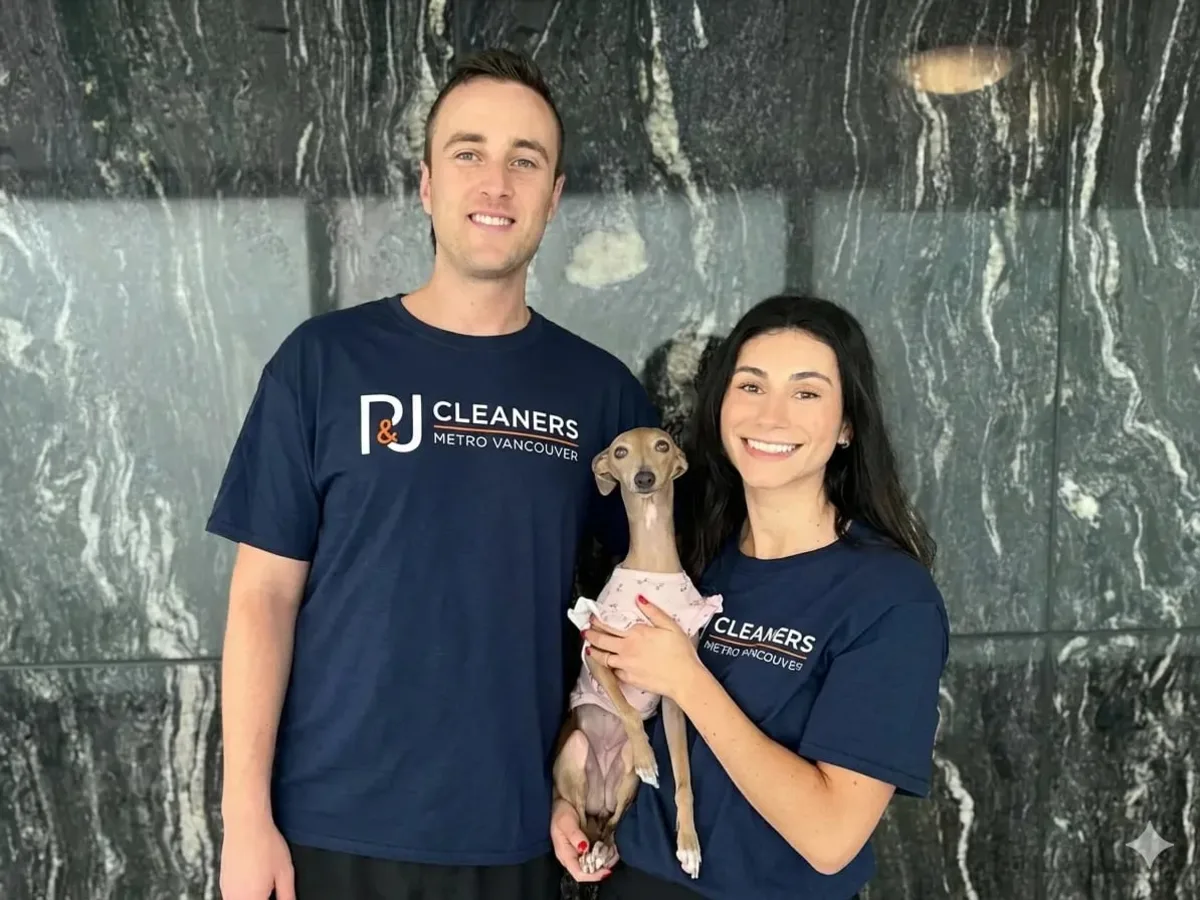
Meet the Author
Jason
Co-Founder
Jason oversees commercial operations, workflow design, and quality control for office, restaurant, and specialty cleaning programs across Metro Vancouver.
Keep Exploring