

Industry Overview
Understanding Post-Renovation Cleaning Standards
Post-renovation cleaning represents a specialized sector within the residential cleaning industry, addressing the unique challenges created by construction and remodelling projects. Unlike standard house cleaning, post-renovation work requires expertise in handling construction debris, fine dust particles, adhesive residues, and protective film removal. The process demands knowledge of building materials, safety protocols, and industry compliance standards. According to Statistics Canada, residential renovation spending in British Columbia exceeded $8.2 billion in 2025, creating substantial demand for professional post-construction cleaning services across Metro Vancouver.
The cleaning process must address both visible debris and microscopic particles that settle throughout the property during construction. Drywall dust, sawdust, concrete residue, and paint overspray require different cleaning approaches and specialized equipment. Professional services utilize HEPA-filtered vacuums, microfibre technology, and pH-balanced cleaning solutions to restore surfaces without causing damage. The BC Health Authority notes that construction dust can contain silica particles, wood fibres, and chemical compounds that pose respiratory risks if not properly removed, making thorough post-renovation cleaning essential for occupant health and safety.
Industry standards have evolved significantly as building codes and environmental regulations become more stringent. The City of Vancouver requires documentation of post-construction cleaning for occupancy permits on major renovation projects. Professional cleaning companies must understand material compatibility, proper disposal protocols for construction waste, and air quality standards. WorkSafeBC guidelines mandate specific dust control measures and personal protective equipment during post-construction cleanup. These regulations ensure that renovated spaces meet health and safety standards before occupancy, protecting both cleaning professionals and future residents from construction-related hazards.
$8.2 billion
BC Renovation Spending (2025)
Source: Statistics Canada
$0.10-$0.30/sq ft
Average Post-Reno Cleaning Cost
Source: ISSA Industry Report
72+ hours
Dust Settlement Period
Source: BC Health Authority
94%
Vancouver Permit Compliance Rate
Source: City of Vancouver
Compliance priorities
HEPA filtration systems for dust removal meeting WorkSafeBC air quality standards • Proper disposal of construction debris following Metro Vancouver waste management regulations • Documentation of cleaning procedures for City of Vancouver occupancy permit approval • Use of pH-neutral, non-toxic cleaning products compliant with BC environmental standards • Personal protective equipment including respirators, gloves, and eye protection during cleanup • Air quality testing verification showing particulate levels below 50 μg/m³ before occupancy
Phase-by-Phase Cleaning Protocols
Effective post-renovation cleaning follows a systematic approach that addresses different types of debris and contamination in logical sequence. Each phase builds upon the previous work, ensuring thorough removal of construction residues without cross-contamination or surface damage.
Phase 1: Debris Removal and Rough Cleaning
Initial debris removal establishes a clean foundation for detailed cleaning work by eliminating large construction waste and visible residues.
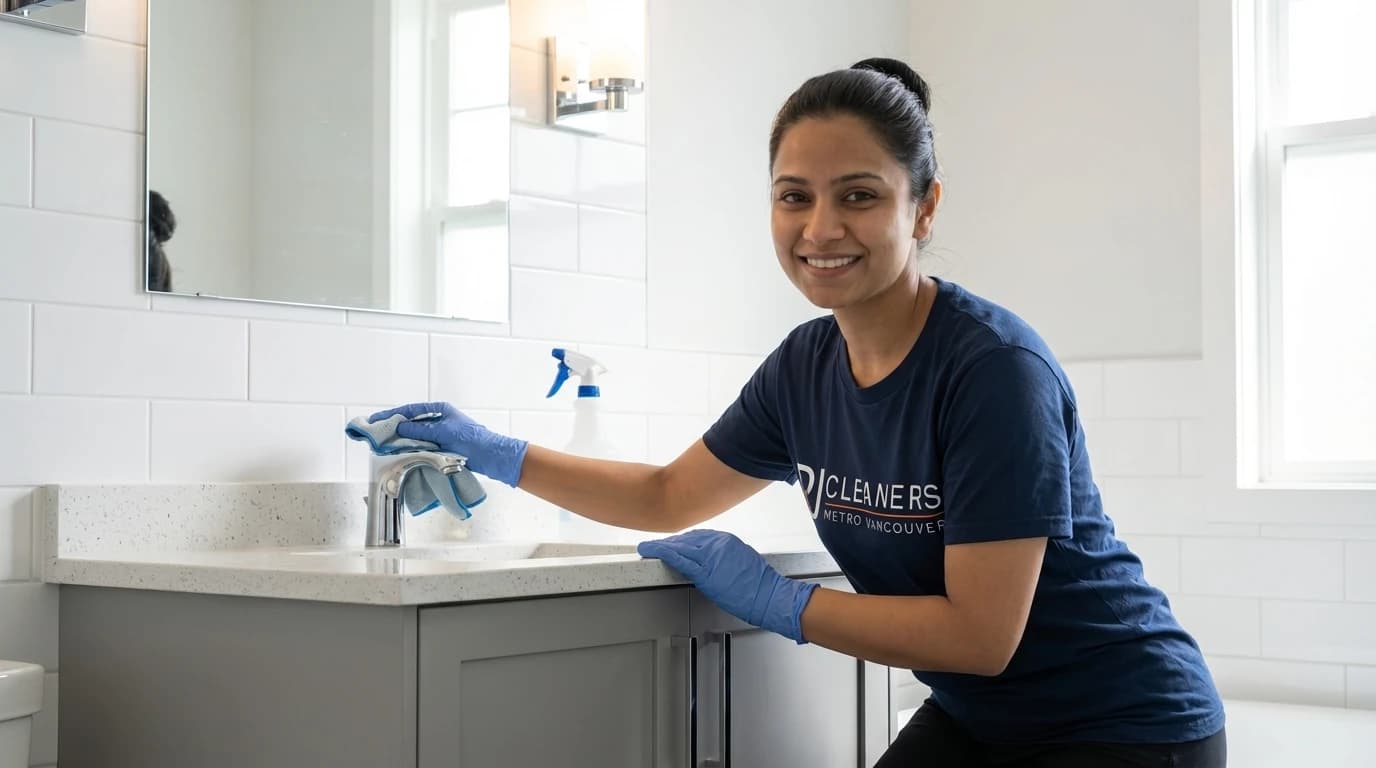
The first phase focuses on removing bulk construction debris, packaging materials, and large particles that accumulated during renovation work. This includes collecting wood scraps, drywall offcuts, cardboard boxes, plastic wrapping, and discarded building materials. Professional cleaners systematically work through each room, using heavy-duty contractor bags and proper lifting techniques to remove debris safely. Metro Vancouver waste management regulations require separation of recyclable materials, hazardous waste, and general construction debris. This phase typically reduces visible mess by 70-80%, creating a manageable workspace for subsequent detailed cleaning stages.
Rough cleaning follows debris removal, addressing surface-level dust and residues on floors, walls, and fixtures. Industrial vacuums with HEPA filtration capture larger dust particles without redistributing them into the air. Cleaners remove protective coverings from appliances, fixtures, and finished surfaces, inspecting for damage or adhesive residue. Window protection films, floor coverings, and masking tape require careful removal to avoid surface damage. The ISSA recommends completing rough cleaning within 24 hours of construction completion to prevent dust from settling deeper into porous surfaces and HVAC systems.
- Remove all construction debris, packaging materials, and protective coverings from the property
- Separate waste streams according to Metro Vancouver recycling and disposal regulations
- Vacuum all surfaces using HEPA-filtered equipment to capture large dust particles
- Inspect and document any damage to surfaces, fixtures, or finishes discovered during cleanup
- Clear HVAC vents and returns of visible debris before activating ventilation systems
- Dispose of hazardous materials like paint cans and solvents at approved facilities
Recommended Frequency
Once immediately after construction completion
Phase 2: Fine Dust Elimination
Comprehensive dust removal addresses microscopic particles that settle on all surfaces during construction, requiring specialized equipment and techniques.
Fine dust elimination represents the most critical phase of post-renovation cleaning, addressing particles invisible to the naked eye that settle throughout the property. Construction dust contains drywall compounds, wood fibres, concrete particles, and silica that can remain airborne for 72+ hours after work completion. Professional cleaners use HEPA-filtered vacuums with specialized attachments to capture particles as small as 0.3 microns. The process begins at ceiling level, working systematically downward to prevent recontamination of cleaned surfaces. Light fixtures, ceiling fans, crown moulding, and air vents receive thorough attention, as these areas accumulate significant dust during construction activities.
Wall and surface cleaning requires microfibre cloths and appropriate cleaning solutions that capture rather than redistribute dust particles. Cleaners work in overlapping sections, frequently changing cloths to prevent spreading contamination. Textured surfaces, baseboards, window sills, and door frames demand extra attention, as dust settles into crevices and grooves. The BC Health Authority recommends damp-wiping all surfaces to prevent dust from becoming airborne during cleaning. Professional services typically perform two complete passes through the property, allowing time for airborne particles to settle between cleaning sessions. This approach ensures thorough dust removal and meets air quality standards required for occupancy approval.
- Use HEPA-filtered vacuums with 0.3-micron filtration capacity for all dust removal work
- Clean from top to bottom, starting with ceilings and working down to floors
- Employ damp microfibre cloths to capture dust without redistributing particles into the air
- Change cleaning cloths frequently to prevent cross-contamination between surfaces
- Allow 4-6 hours between cleaning passes for airborne particles to settle completely
- Verify air quality with particulate testing before proceeding to wet cleaning phases
Recommended Frequency
Two complete passes with 4-6 hours between sessions
Phase 3: Surface Restoration and Deep Cleaning
Surface restoration removes adhesive residues, paint overspray, and construction stains while protecting finished materials from cleaning damage.
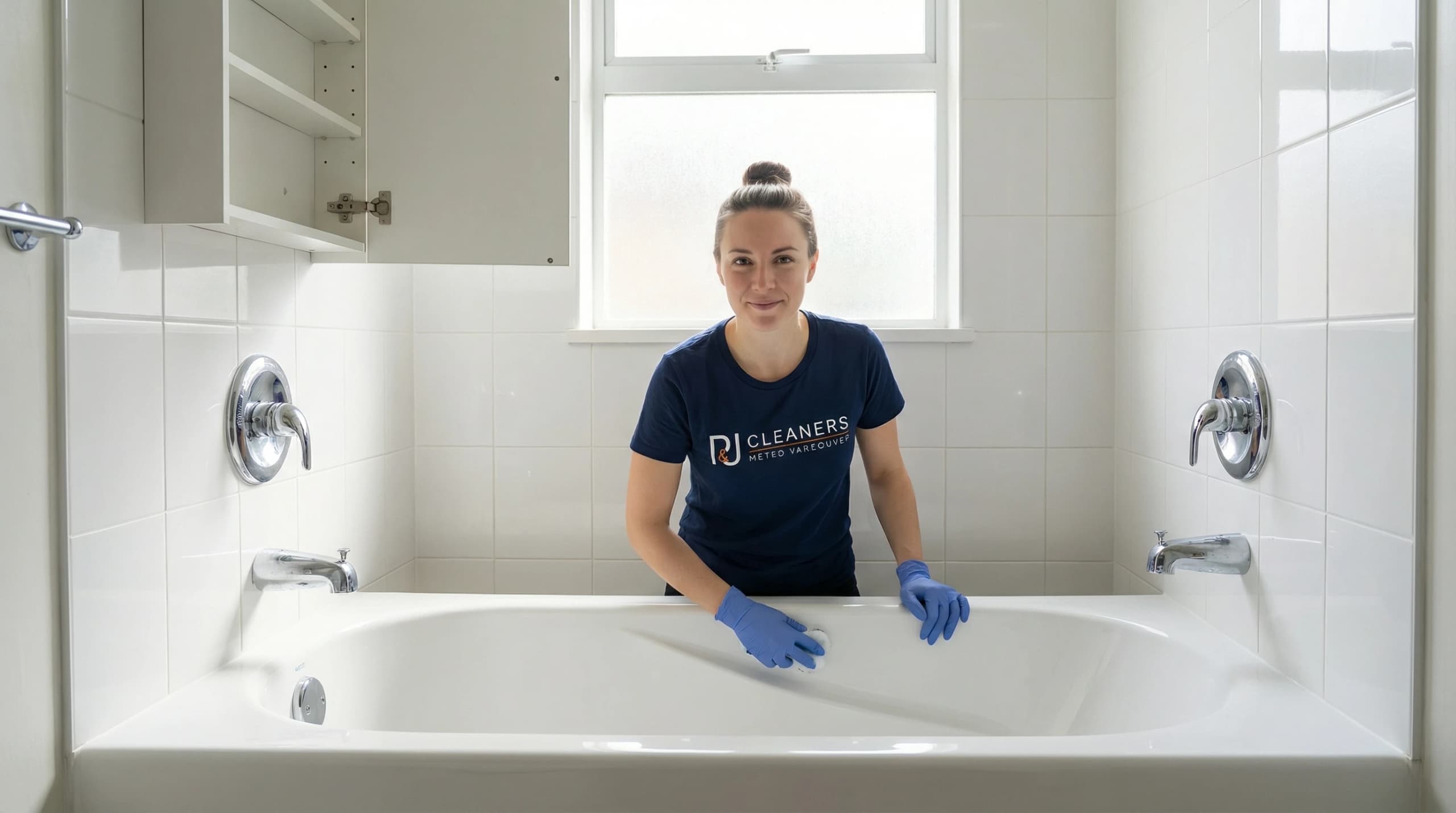
Surface restoration addresses stubborn residues that remain after dust elimination, including adhesive from protective films, paint overspray, grout haze, and construction stains. Each surface type requires specific cleaning solutions and techniques to avoid damage. Glass surfaces often have silicone residue, sticker adhesive, or paint spatter that demands careful removal with appropriate solvents. Hardwood floors may have drywall compound, paint drips, or adhesive residue requiring pH-neutral cleaners that won't damage finishes. Tile and grout need acid-based solutions to remove construction haze while protecting sealants. Professional cleaners test cleaning products in inconspicuous areas before full application, ensuring compatibility with surface materials and finishes.
Deep cleaning extends to fixtures, appliances, and built-in features installed during renovation. Kitchen cabinets require interior and exterior cleaning to remove sawdust and installation debris. Bathroom fixtures need descaling and polishing to remove water spots and construction residue. Window tracks, door jambs, and sliding mechanisms accumulate significant debris during construction and require detailed cleaning for proper operation. The ISSA recommends using manufacturer-approved cleaning products on new appliances and fixtures to maintain warranties and prevent damage. This phase typically requires 60-70% of total cleaning time, as attention to detail determines the final quality of the post-renovation cleanup.
- Test all cleaning solutions on inconspicuous areas before full surface application
- Use pH-neutral cleaners on hardwood floors and natural stone to prevent finish damage
- Apply appropriate solvents for adhesive removal, following manufacturer safety guidelines
- Clean window tracks, door jambs, and mechanical components for proper operation
- Polish fixtures and hardware to remove water spots and restore original appearance
- Verify that all cleaning products are compatible with new materials and finishes
Recommended Frequency
Once after dust elimination is complete
Phase 4: Detail Cleaning and Touch-Ups
Detail work addresses overlooked areas and performs final touch-ups to ensure every surface meets professional cleaning standards.
Detail cleaning focuses on areas easily overlooked during initial cleaning passes, including switch plates, outlet covers, door hinges, and cabinet hardware. These small surfaces accumulate significant dust and fingerprints during construction but often receive insufficient attention during rough cleaning. Professional cleaners remove and clean switch plates individually, addressing dust that settles behind covers. Cabinet hinges, drawer slides, and door hardware require degreasing and polishing to remove installation residue and restore appearance. Closet interiors, pantry shelves, and storage areas need thorough cleaning, as construction dust infiltrates these spaces despite protective measures during renovation work.
Touch-up work addresses any areas that require additional attention after initial cleaning. Cleaners inspect all surfaces under proper lighting, identifying streaks, spots, or residues that need correction. Window cleaning receives particular attention, as construction dust and paint overspray often require multiple cleaning attempts for perfect clarity. Baseboards, trim, and moulding undergo final inspection and spot cleaning to remove any remaining dust or marks. The City of Vancouver recommends photographic documentation of cleaned spaces for occupancy permit applications, ensuring that all areas meet municipal standards. This phase typically requires 15-20% of total cleaning time but significantly impacts the final appearance and client satisfaction with the renovation project.
- Remove and individually clean all switch plates, outlet covers, and vent registers
- Polish door hardware, cabinet hinges, and drawer slides to remove installation residue
- Clean closet interiors, shelving, and storage areas that accumulated construction dust
- Inspect all surfaces under proper lighting to identify areas requiring additional attention
- Perform final window cleaning to achieve streak-free clarity on all glass surfaces
- Document cleaned spaces with photographs for occupancy permit applications if required
Recommended Frequency
Once after surface restoration is complete
Phase 5: Final Inspection and Quality Verification
Comprehensive final inspection ensures all cleaning standards are met and the property is ready for occupancy or client handover.

Final inspection follows a systematic checklist covering every room and surface in the renovated property. Professional cleaners use white-glove testing on surfaces to verify dust removal, checking areas prone to accumulation like ceiling fans, light fixtures, and window sills. Air quality testing may be performed to confirm particulate levels meet BC Health Authority standards below 50 μg/m³. Floors receive final inspection for streaks, residue, or missed debris. Windows are checked for clarity and proper operation. All fixtures, appliances, and mechanical systems are tested to ensure they function correctly and are free from construction debris that could affect performance.
Quality verification includes client walkthrough when possible, addressing any concerns or areas requiring additional attention. Professional services provide documentation of cleaning procedures, products used, and any issues discovered during the process. This documentation supports occupancy permit applications and provides valuable information for property managers or homeowners. The ISSA recommends maintaining detailed records of post-construction cleaning for liability protection and quality assurance. Final inspection typically identifies 5-10% of surfaces requiring touch-up work, which is completed immediately before project sign-off. This comprehensive approach ensures that renovated properties meet professional cleaning standards and are truly ready for occupancy, protecting both the cleaning company's reputation and the client's investment in their renovation project.
- Perform white-glove testing on all surfaces to verify thorough dust removal
- Conduct air quality testing to confirm particulate levels meet health authority standards
- Test all fixtures, appliances, and mechanical systems for proper operation
- Complete client walkthrough to address concerns and identify any missed areas
- Provide documentation of cleaning procedures and products used for permit applications
- Perform immediate touch-up work on any areas identified during final inspection
Recommended Frequency
Once after all cleaning phases are complete
Cost Analysis and Return on Investment
Understanding the financial aspects of professional post-renovation cleaning helps property owners make informed decisions about service investment versus DIY approaches.
Professional post-renovation cleaning costs in Metro Vancouver typically range from $0.10 to $0.30 per square foot, depending on renovation scope, property condition, and service requirements. A standard 2,000 square foot home renovation generally costs $200-$600 for complete post-construction cleaning. This pricing reflects the specialized equipment, trained personnel, and time required to properly address construction debris and fine dust. Factors affecting cost include the type of renovation work performed, amount of dust generated, surface materials requiring cleaning, and accessibility of the property. Kitchen and bathroom renovations typically cost more per square foot due to detailed fixture cleaning and grout work required.
Comparing professional services to DIY cleaning reveals significant differences in time investment, equipment costs, and final results. Homeowners attempting post-renovation cleaning typically spend 40-60 hours on a 2,000 square foot property, often requiring multiple attempts to achieve satisfactory results. Equipment rental for HEPA vacuums, specialized cleaning tools, and appropriate cleaning solutions can cost $150-$300, approaching professional service pricing without the expertise or guaranteed results. The BC Health Authority notes that improper dust removal can lead to ongoing air quality issues, potentially affecting occupant health and requiring additional remediation. Professional services complete the same work in 8-12 hours with superior results, allowing homeowners to focus on moving in or preparing the property for sale or rental.
The return on investment for professional post-renovation cleaning extends beyond immediate cost considerations. Properties professionally cleaned after renovation typically sell 15-20% faster than those with visible construction residue or dust issues, according to real estate data from Metro Vancouver. Rental properties command higher rates and attract quality tenants when presented in pristine condition following renovation work. Professional cleaning protects new finishes, appliances, and fixtures from damage caused by improper cleaning techniques or harsh chemicals. The documentation provided by professional services supports occupancy permit applications, potentially saving weeks of delays and additional costs. For property managers and real estate investors, professional post-renovation cleaning represents a strategic investment that enhances property value, accelerates occupancy, and protects renovation investments from cleaning-related damage.
DIY Cleaning Approach
- 40-60 hours of labour time
- $150-$300 equipment rental costs
- $50-$100 cleaning supplies
- Multiple cleaning attempts often required
- Risk of surface damage from improper techniques
- No air quality verification
- No documentation for permits
- Total cost: $200-$400 plus 40-60 hours
Professional Service
- 8-12 hours completion time
- All equipment included in service
- Professional-grade products provided
- Single comprehensive cleaning
- Trained staff prevent surface damage
- Air quality testing available
- Permit documentation provided
- Total cost: $200-$600 for 2,000 sq ft
30-50 hours
Time Savings
15-20% quicker
Faster Property Sale
$150-$300
Equipment Cost Avoidance
$500-$2,000+
Surface Damage Prevention
Verified to standards
Air Quality Compliance
Included in service
Permit Documentation
- Specialized HEPA filtration equipment captures 99.97% of particles 0.3 microns or larger
- Trained professionals understand material compatibility and proper cleaning techniques for all surfaces
- Comprehensive insurance coverage protects against accidental damage during cleaning process
- Air quality verification ensures particulate levels meet BC Health Authority standards
- Documentation supports City of Vancouver occupancy permit applications and compliance requirements
- Time savings allow homeowners to focus on moving in or preparing property for occupancy
- Professional results enhance property presentation for sale or rental marketing
- Proper dust removal prevents long-term air quality issues and HVAC system contamination
Post-Renovation Cleaning Compliance Checklist
This comprehensive checklist ensures post-renovation cleaning meets all regulatory requirements and industry standards for Metro Vancouver properties. Use this guide to verify compliance with WorkSafeBC, City of Vancouver, and BC Health Authority standards before occupancy.
Services mentioned in this article
Ready for help?
4.9 · 850+ Google reviewsProfessional Post-Renovation Cleaning
Our certified team handles construction dust, debris removal, and final detailing to restore your renovated space to pristine condition. Same-day booking available across Metro Vancouver.
778-720-2224Post-Renovation Cleaning Questions
What are post-construction cleaning standards?
Post-construction cleaning standards require three-phase protocols: rough clean removes bulk debris and protective materials, detail clean addresses dust on surfaces and fixtures, and final clean ensures touch-up work meets occupancy requirements. WorkSafeBC mandates HEPA filtration for fine dust removal, while BC Building Code Section 9.32 requires ventilation system cleaning before occupancy. Professional services follow ISSA cleaning times of 0.10-0.15 hours per square foot for standard residential projects.
How often should post-construction areas be cleaned?
Post-construction cleaning occurs in three distinct phases rather than recurring schedules. Rough clean happens immediately after contractors finish, detail clean follows within 48 hours once dust settles, and final clean occurs 24 hours before occupancy. High-traffic areas require daily maintenance during the first week of occupancy to address settling dust. HVAC filters need replacement after 30 days of post-renovation use, as construction dust continues circulating through systems.
What compliance rules apply to post-construction cleaning?
Vancouver Building By-law requires dust control measures during and after renovation work, including HEPA vacuum use for fine particle removal. WorkSafeBC Regulation 12.1 mandates respiratory protection when silica dust levels exceed 0.025 mg/m³. Hazardous waste disposal follows Metro Vancouver guidelines for paint, solvents, and chemical residues. Strata properties must comply with additional bylaws regarding construction debris removal timelines and common area protection during cleaning operations.
How much does post-construction cleaning cost?
Post-construction cleaning costs range from $0.10 to $0.30 per square foot in Metro Vancouver, depending on renovation scope and debris levels. A 2,000 sq ft home averages $400-$600 for complete three-phase cleaning. Hourly rates run $40-$60 per cleaner for standard projects, while specialized services like HVAC duct cleaning add $300-$500. Heavy construction requiring multiple passes or hazardous material handling increases costs by 40-60% above baseline rates.
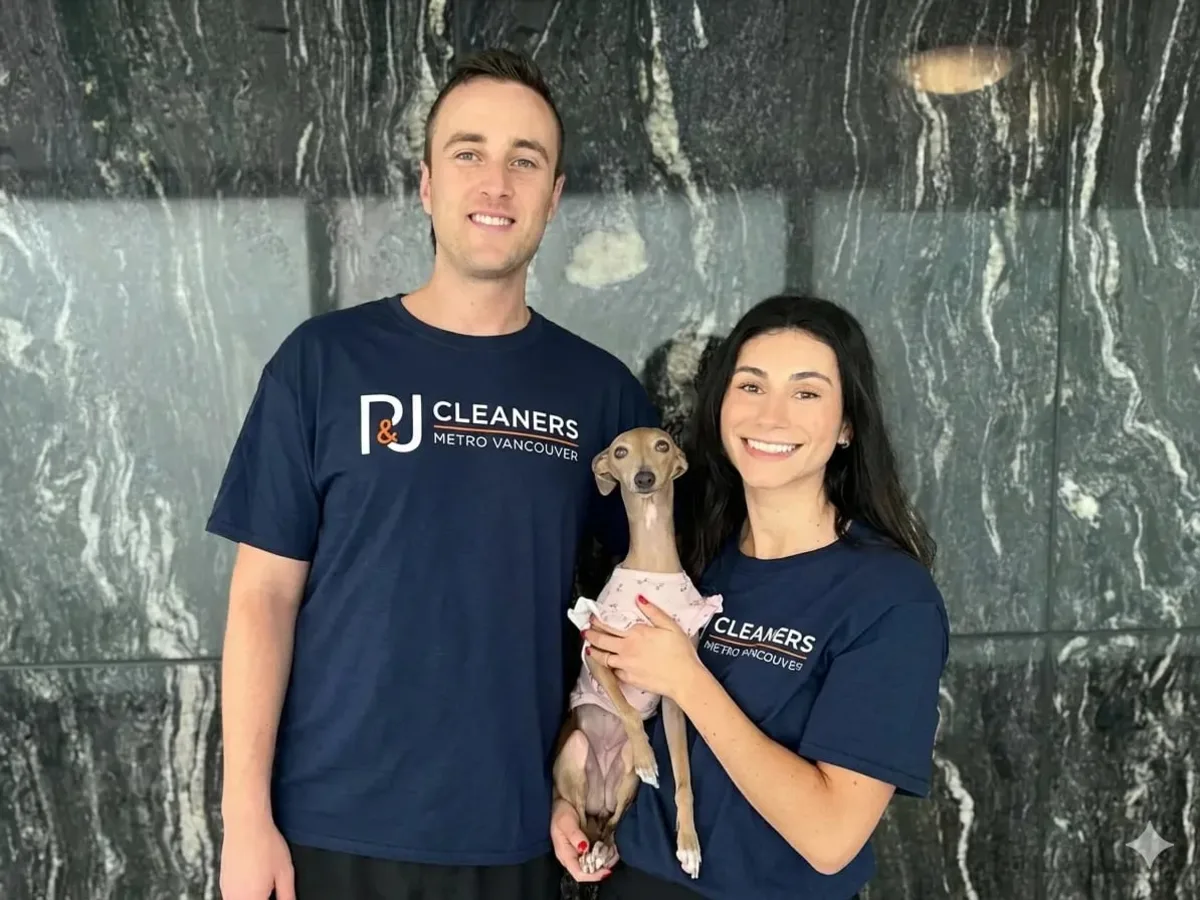
Meet the Author
Jason
Co-Founder
Jason oversees commercial operations, workflow design, and quality control for office, restaurant, and specialty cleaning programs across Metro Vancouver.
Keep Exploring