

Quick answer
Post-construction cleaning requires three phases: rough clean (debris removal), deep clean (dust and residue), and final touch-up (polish and inspection). Professional crews charge $40-$60/hour in Metro Vancouver.

Key Takeaways
- 1Construction dust settles for 72 hours after work stops, requiring multiple cleaning passes to capture all particles effectively.
- 2Phase 1 rough cleaning removes 80% of debris, Phase 2 deep cleaning tackles fine dust, Phase 3 ensures move-in readiness.
- 3HEPA-filter vacuums capture 99.97% of particles, preventing respiratory issues from construction dust that standard vacuums recirculate.
- 4Professional post-construction cleaning costs $0.10-$0.30 per square foot in Vancouver, with most homes requiring 8-12 hours of labour.
- 5Window cleaning alone takes 45-90 minutes per room due to adhesive residue, paint overspray, and protective film removal.
- 6WorkSafeBC reports construction dust contains silica particles that remain airborne for weeks without proper HEPA filtration and ventilation.
Phase 1: Rough Clean and Debris Removal
The rough clean phase removes large debris, protective materials, and construction waste before fine dust can be addressed. This phase typically occurs 24-48 hours after contractors finish work.
- Start by removing all protective coverings, plastic sheeting, cardboard, and masking tape from floors, fixtures, and surfaces. Construction crews often leave these materials behind, and they trap dust underneath. Use heavy-duty garbage bags rated for construction debris, as standard bags tear easily. Dispose of materials according to City of Vancouver waste guidelines, separating recyclables from general construction waste. This initial clearing provides access to surfaces that need deep cleaning.
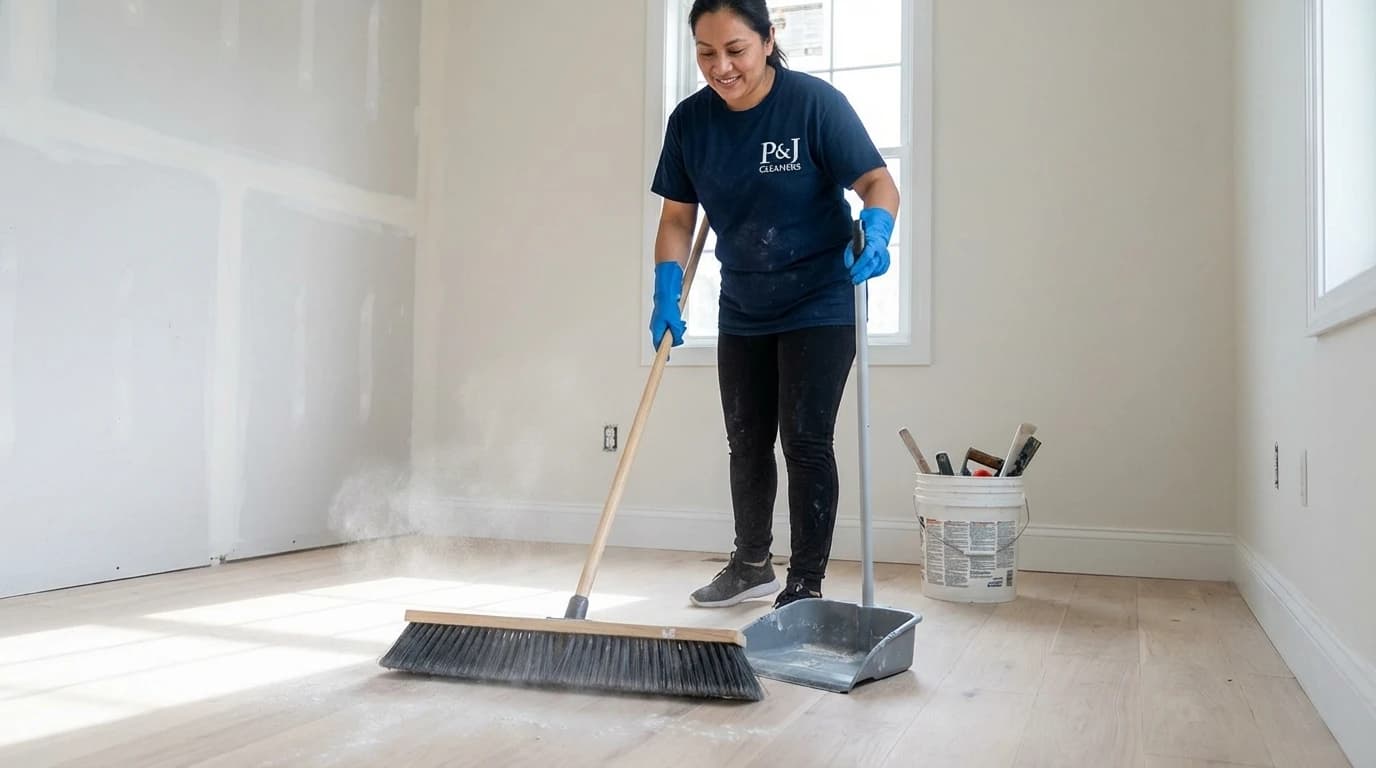
- Sweep and vacuum all floors using a shop vacuum with a disposable bag, not your household vacuum. Construction dust contains fine particles that clog standard vacuum filters and damage motors. Focus on corners, baseboards, and areas where drywall dust accumulates heavily. According to ISSA research, construction sites generate 2-4 pounds of dust per 100 square feet of drywall installed. Remove this bulk debris before attempting any wet cleaning methods.
- Clear window sills, ledges, and horizontal surfaces of sawdust, drywall chunks, and dried adhesive drips. Use a stiff brush or putty knife for stuck-on materials, working carefully to avoid scratching new finishes. Check inside cabinets, closets, and storage areas where contractors may have stored tools or materials. Empty all spaces completely before moving to Phase 2, as hidden debris creates ongoing dust problems.
Quick Win
Wear an N95 respirator during rough cleaning. Construction dust contains silica particles that cause respiratory irritation and long-term health issues according to WorkSafeBC safety guidelines.
Phase 2: Deep Clean for Fine Dust and Residue
Deep cleaning targets microscopic dust particles that settle on every surface after construction. This phase requires HEPA filtration equipment and specialized cleaning solutions to capture particles standard methods miss.
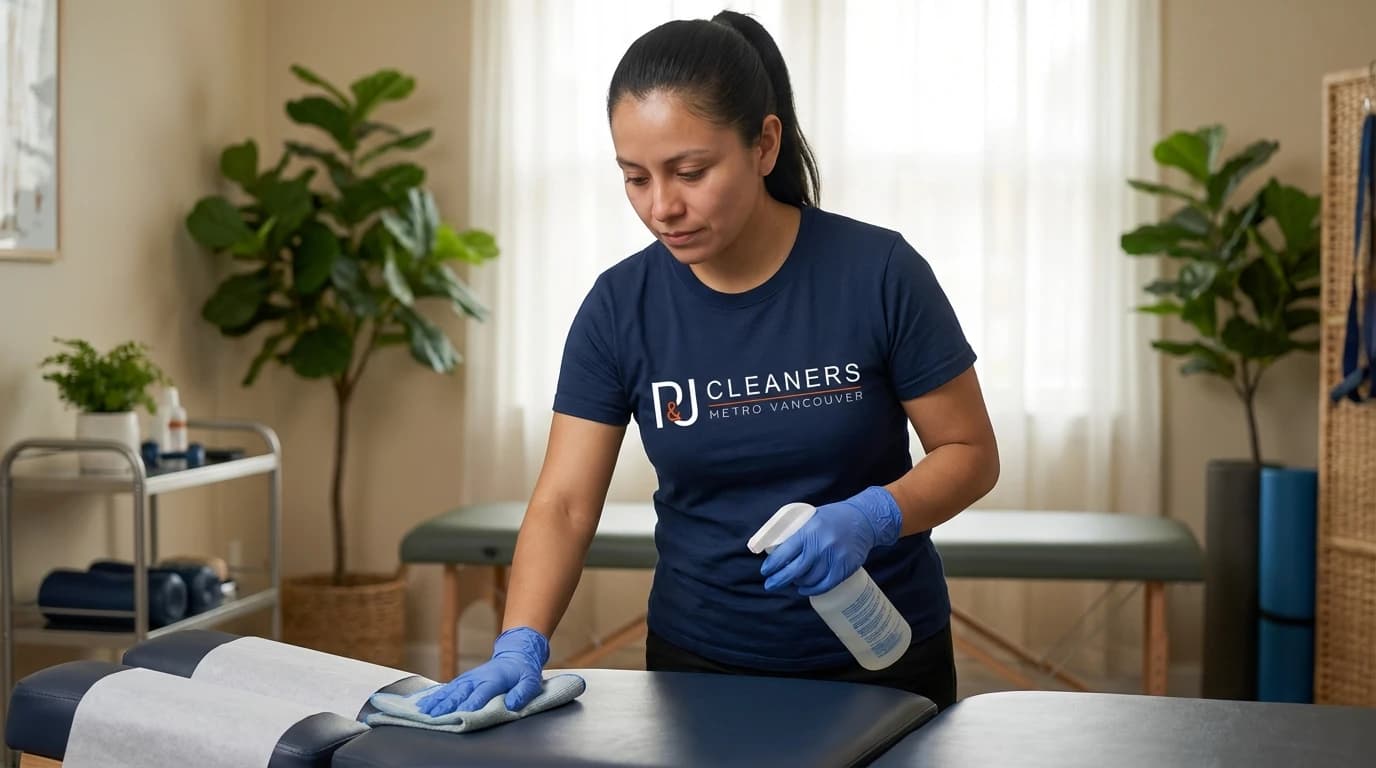
- Use a HEPA-filter vacuum on all surfaces, working from top to bottom. Start with ceilings, light fixtures, and ceiling fans where dust settles first. Move to walls, wiping down with microfibre cloths slightly dampened with water. Construction dust clings to vertical surfaces through static electricity, requiring physical contact to remove. The CDC reports that HEPA filters capture 99.97% of particles 0.3 microns or larger, essential for post-construction environments where fine dust causes respiratory problems.
- Clean all windows inside and out, removing paint overspray, adhesive residue, and protective film. Mix equal parts white vinegar and water for glass surfaces, using a squeegee for streak-free results. Window cleaning typically takes 45-90 minutes per room in new construction due to multiple types of residue. Scrape dried paint carefully with a razor blade held at a 45-degree angle. Check window tracks and frames where dust accumulates heavily, using a vacuum crevice tool before wiping.
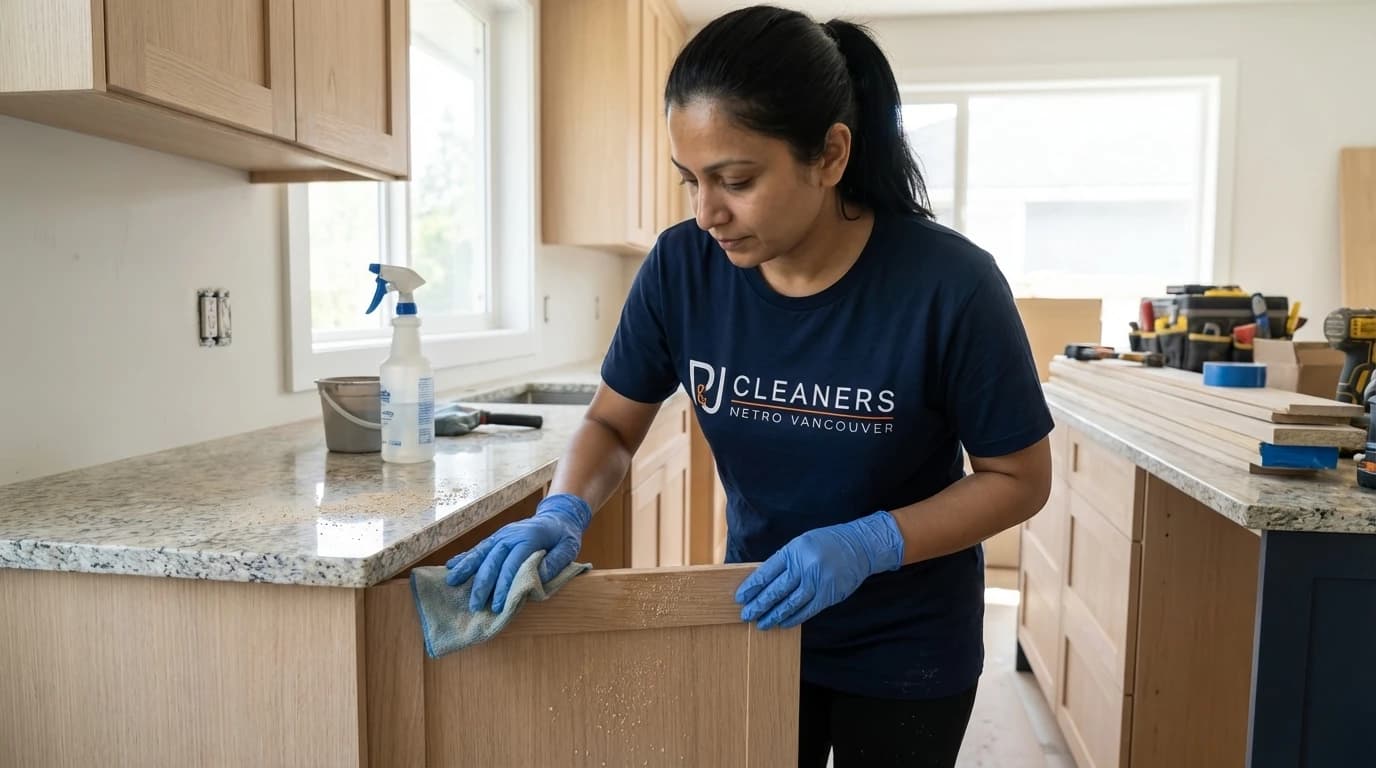
- Wipe down all cabinets, countertops, and built-in fixtures inside and out. New cabinets arrive with protective film and factory dust that must be removed before use. Use a pH-neutral cleaner safe for the specific surface material, as harsh chemicals damage new finishes. Clean inside drawers and cabinets, removing sawdust and installation debris. According to Statistics Canada housing data, kitchen and bathroom fixtures require the most intensive post-construction cleaning due to plumbing and electrical work generating concentrated dust.
- Mop all hard floors with a microfibre mop and appropriate floor cleaner for the surface type. Hardwood requires different products than tile or vinyl. Change mop water frequently, as construction dust quickly dirties cleaning solutions and spreads residue rather than removing it. Mop twice, allowing floors to dry completely between passes. The second mopping captures dust that resurfaces as particles settle from air circulation.
Quick Win
Wait 72 hours after construction ends before deep cleaning. Dust particles remain airborne and continue settling, making immediate cleaning ineffective. Open windows for ventilation during this waiting period.
Phase 3: Final Touch-Up and Move-In Preparation
The final phase polishes surfaces, addresses missed spots, and ensures the space meets move-in standards. This detail-oriented cleaning makes the difference between construction-clean and truly ready for occupancy.
- Polish all glass, mirrors, and reflective surfaces using a glass cleaner and lint-free cloths. Construction leaves fingerprints, smudges, and residue on every glass surface from installation and inspection. Clean light switch plates, door handles, and hardware that show every fingerprint. These high-touch areas require special attention as they create the first impression of cleanliness. Use stainless steel polish on appliances and fixtures, following manufacturer guidelines to avoid damaging protective coatings.
- Inspect and clean air vents, returns, and HVAC registers thoroughly. Construction dust infiltrates ductwork and continues circulating through the space for months if not addressed. Remove vent covers and wash them in warm soapy water. Vacuum inside ducts as far as the vacuum hose reaches. BC Health Authority recommends professional duct cleaning after major construction, as accumulated dust reduces air quality and HVAC efficiency by up to 40%.
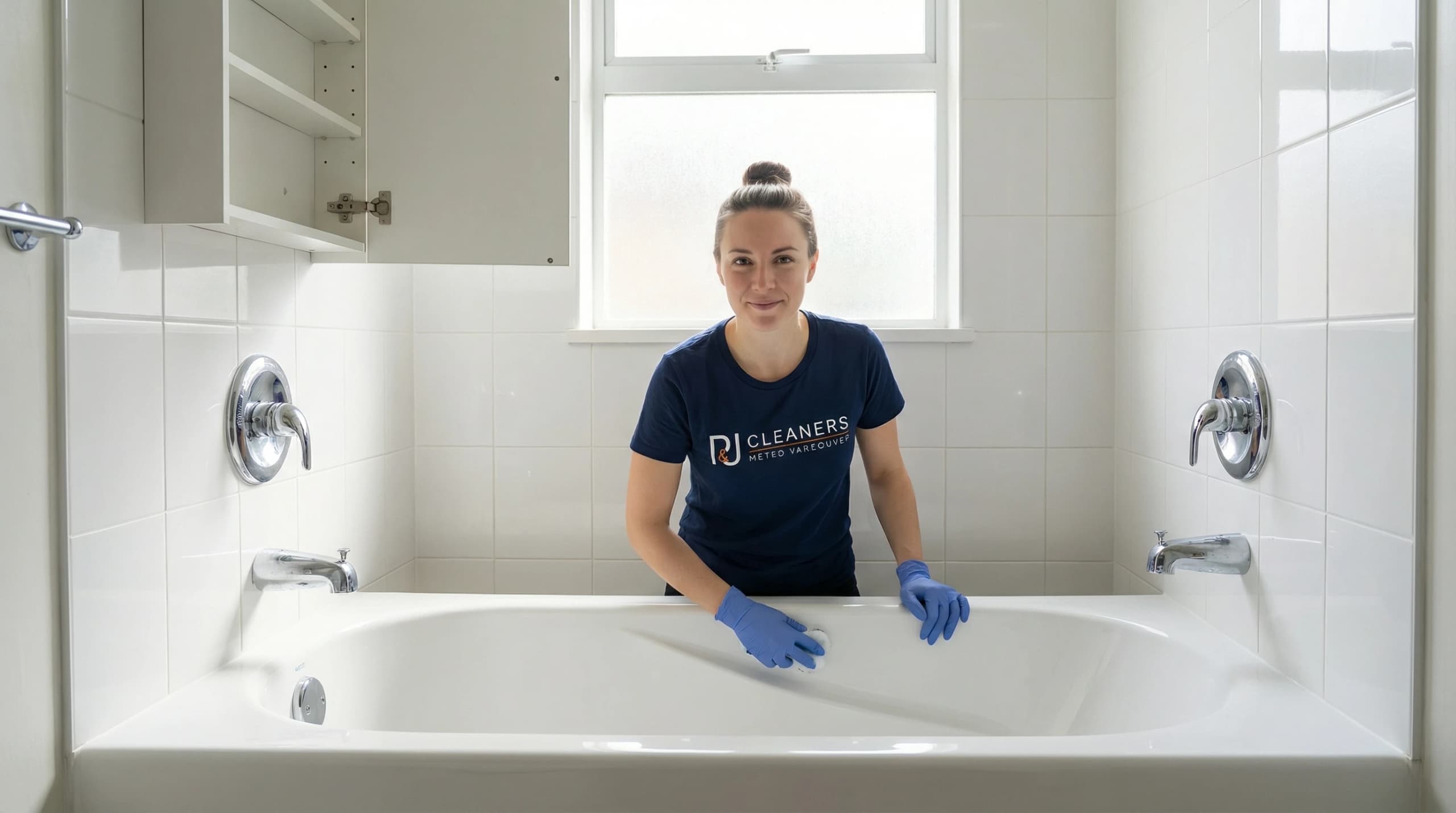
- Detail-clean bathrooms and kitchens, removing any remaining grout haze, caulk residue, or installation marks. Check inside toilet tanks, under sinks, and behind appliances where contractors may have left debris. Clean showerheads and faucet aerators, which often contain construction debris that restricts water flow. Test all fixtures to ensure proper operation and cleanliness. These rooms require the highest standards as they directly impact health and daily use.
- Perform a final walk-through with natural lighting, checking for missed spots, streaks, or remaining dust. Look at surfaces from multiple angles, as light reveals issues not visible from one perspective. Touch surfaces to feel for grit or residue that visual inspection misses. Address any problems immediately while cleaning supplies are still accessible. Professional cleaners typically find 5-10 missed areas during final inspection, even after thorough cleaning.
Quick Win
Schedule final cleaning 2-3 days before move-in. This timing allows dust to settle after Phase 2 while providing buffer time to address any issues discovered during the final walk-through.
Essential Supplies and Equipment Checklist
Post-construction cleaning requires specialized equipment beyond standard household supplies. Using proper tools makes the work faster, more effective, and safer for both cleaners and building materials.
- Invest in a HEPA-filter vacuum rated for construction dust, not a standard household vacuum. Shop vacuums with disposable bags work well for initial debris removal, but HEPA filtration is essential for fine dust. Expect to spend $150-$400 for quality equipment that protects your health and effectively removes particles. Standard vacuums recirculate fine dust through exhaust, making air quality worse rather than better. ISSA studies show HEPA vacuums reduce airborne particles by 95% compared to standard models.
- Stock multiple microfibre cloths in different colours for various tasks. Use one colour for bathrooms, another for kitchens, and a third for general surfaces to prevent cross-contamination. Purchase at least 20-30 cloths, as construction cleaning dirties them quickly. Microfibre captures dust through electrostatic attraction rather than just pushing it around like cotton rags. Wash cloths in hot water without fabric softener, which reduces their cleaning effectiveness by coating fibres.
- Gather surface-specific cleaners appropriate for new materials in your space. All-purpose cleaners damage some finishes, especially natural stone, hardwood, and specialty surfaces. Read manufacturer care instructions for countertops, flooring, and fixtures before cleaning. Keep pH-neutral cleaners, glass cleaner, degreaser, and specialty products like grout cleaner on hand. Eco-friendly products work effectively while protecting indoor air quality, important after construction already compromises air with dust and chemical odours.
- Assemble safety equipment including N95 respirators, safety glasses, and heavy-duty gloves. Construction dust contains irritants and sharp particles that cause injury without protection. WorkSafeBC requires respiratory protection when cleaning construction sites due to silica dust exposure risks. Wear closed-toe shoes with good traction, as floors become slippery when wet. Keep a first aid kit accessible for minor cuts from sharp debris or metal shavings commonly found in construction cleanup.
Quick Win
Buy supplies before construction ends. Stores often run low on cleaning equipment during peak building seasons, and you'll want everything ready when contractors finish work.
Room-by-Room Cleaning Priorities
Different rooms require different approaches based on construction intensity and intended use. Prioritizing high-impact areas ensures efficient use of time and energy during the cleaning process.
- Start with kitchens, as they require the most intensive cleaning and directly impact daily life. New cabinets contain factory dust and protective coatings that must be removed before storing food or dishes. Clean inside all cabinets and drawers before installing shelf liners or organizing. Degrease countertops and backsplashes where adhesive residue from protective coverings remains. Test all appliances after cleaning to ensure proper function and remove any packing materials or installation debris from inside units.
- Move to bathrooms next, focusing on fixtures, tile, and grout. Remove grout haze from tile installations using a specialized grout cleaner and soft brush. Grout haze appears as a cloudy film that dulls tile and requires specific products to remove without damaging surfaces. Clean inside toilet tanks and under rim edges where construction dust settles. Scrub shower enclosures and tub surrounds, removing caulk residue and installation marks. According to BC Health Authority guidelines, bathroom cleanliness directly impacts health, making thorough post-construction cleaning essential.
- Address living areas and bedrooms, focusing on floors, windows, and built-in features. These spaces typically have less intensive construction work but accumulate dust from other areas. Vacuum carpets multiple times, as construction dust embeds deep in fibres. Consider professional carpet cleaning if dust is heavy, as standard vacuuming may not reach embedded particles. Clean closets completely, including shelves, rods, and floor areas where dust settles heavily in enclosed spaces.
- Finish with exterior areas including patios, decks, and entry points. Sweep or pressure-wash outdoor surfaces where construction tracked dirt and debris. Clean exterior windows and doors, removing construction residue and ensuring proper operation. Check gutters and downspouts for construction debris that could cause drainage problems. Exterior cleaning prevents tracking dirt back inside after completing interior work and creates a complete move-in ready appearance.
Quick Win
Clean one room completely before moving to the next. This approach prevents cross-contamination and provides a sense of progress, maintaining motivation during the lengthy cleaning process.
Tackling Common Construction Residues
Construction leaves specific types of residue that require targeted removal methods. Understanding what you're cleaning and using appropriate techniques prevents damage while ensuring thorough results.
- Drywall dust is the most pervasive construction residue, settling on every surface and becoming airborne with any air movement. This fine white powder requires HEPA vacuuming followed by damp wiping, never dry dusting which spreads particles. Drywall dust is alkaline and can irritate skin and respiratory systems. According to ISSA research, a typical room addition generates 50-75 pounds of drywall dust that spreads throughout connected spaces. Multiple cleaning passes are necessary as dust continues settling for days after installation.
- Paint overspray and drips require careful removal based on paint type and surface. Water-based paint removes with warm soapy water when fresh, but requires paint remover once cured. Oil-based paint needs mineral spirits or specialized removers. Test removal methods in inconspicuous areas first to avoid damaging underlying surfaces. Use plastic scrapers rather than metal to prevent scratching. Windows often have the most paint residue from masking tape removal and overspray during trim work.
- Adhesive residue from protective films, tape, and labels requires solvent-based removers or natural alternatives like vegetable oil. Commercial adhesive removers work quickly but contain strong chemicals that require ventilation. Natural methods take longer but are safer for indoor use and sensitive surfaces. Apply remover, let it penetrate for several minutes, then wipe away with a clean cloth. Repeat as necessary for stubborn residue. Avoid abrasive scrubbing that damages new finishes.
- Grout haze appears as a cloudy film on tile after installation, caused by grout residue not fully removed during initial cleanup. This requires acidic cleaners specifically formulated for grout haze removal. Apply cleaner according to manufacturer directions, typically letting it sit for 5-10 minutes before scrubbing with a soft brush. Rinse thoroughly with clean water. Never use vinegar on natural stone tile, as acid etches the surface. Professional tile installers should remove most grout haze, but some always remains for final cleaning.
Quick Win
Address residues immediately when discovered. Fresh residue removes much easier than aged material, and waiting allows it to cure or bond more strongly to surfaces.
Air Quality and Ventilation Management
Construction dust remains airborne for weeks after work ends, requiring active air quality management. Proper ventilation and filtration protect health and prevent dust from resettling on cleaned surfaces.
- Open windows and doors during cleaning to maximize air circulation and remove airborne particles. Cross-ventilation works best, with openings on opposite sides of the space creating airflow that carries dust outside. Run exhaust fans in bathrooms and kitchens to pull dusty air out of the building. Avoid using ceiling fans during initial cleaning, as they stir up settled dust and spread it to already-cleaned areas. WorkSafeBC recommends continuous ventilation during post-construction cleaning to minimize respiratory exposure to dust particles.
- Replace HVAC filters before, during, and after post-construction cleaning. Construction dust clogs filters rapidly, reducing system efficiency and recirculating particles throughout the space. Use high-MERV rated filters (MERV 11-13) that capture smaller particles than standard filters. Check filters every few days during the cleaning process, replacing them when visibly dirty. Run the HVAC system continuously during cleaning to filter air, but expect to replace filters multiple times. BC Health Authority data shows HVAC systems can recirculate construction dust for 3-6 months without proper filter maintenance.
- Consider renting commercial air scrubbers for large projects or extensive construction. These units filter large volumes of air quickly, capturing particles that standard HVAC systems miss. Air scrubbers cost $50-$100 per day to rent in Metro Vancouver but significantly reduce cleaning time and improve air quality. Position units centrally in the space, running them continuously during and after cleaning. Professional cleaning companies use air scrubbers as standard equipment for post-construction projects.
- Monitor air quality for several weeks after cleaning, watching for dust accumulation on surfaces. If dust continues appearing, additional cleaning passes are necessary or HVAC ductwork may need professional cleaning. Persistent dust indicates particles remain in the system or building materials continue off-gassing dust. Schedule professional duct cleaning if dust problems persist beyond two weeks after thorough post-construction cleaning. This investment prevents ongoing cleaning needs and protects respiratory health.
Quick Win
Run air purifiers with HEPA filters in main living areas for 2-4 weeks after move-in. This captures remaining airborne particles and provides cleaner air while dust fully settles.
Safety Considerations and Protective Measures
Post-construction cleaning involves hazards beyond typical housecleaning. Proper safety measures protect against injury, respiratory problems, and chemical exposure during the intensive cleaning process.
- Wear appropriate respiratory protection throughout all cleaning phases. N95 respirators filter 95% of airborne particles, essential protection against construction dust containing silica, fibreglass, and other irritants. Standard dust masks provide inadequate protection for post-construction environments. Replace respirators when breathing becomes difficult, indicating filter saturation. WorkSafeBC requires respiratory protection for construction cleanup due to documented health risks from dust exposure. Symptoms of dust exposure include coughing, throat irritation, and difficulty breathing that may not appear until hours after exposure.
- Protect skin with heavy-duty gloves rated for chemical exposure and sharp objects. Construction debris includes metal shavings, fibreglass particles, and sharp edges that easily cut skin. Chemical cleaners required for construction residue cause skin irritation with prolonged exposure. Use nitrile gloves rather than latex, as they resist chemicals better and cause fewer allergic reactions. Wear long sleeves and pants to minimize skin exposure to dust and debris. Keep a first aid kit accessible for treating minor cuts and scrapes common during construction cleanup.
- Ensure adequate lighting in all work areas, using portable work lights if permanent fixtures aren't installed yet. Poor lighting causes trips, falls, and missed cleaning spots. Construction sites often have inadequate temporary lighting that creates shadows and dark corners. Bring battery-powered LED work lights that provide bright, even illumination without requiring electrical outlets. Good lighting also reveals dust and residue that dim conditions hide, improving cleaning thoroughness.
- Watch for construction hazards including exposed nails, sharp metal edges, unstable materials, and slippery surfaces. Walk carefully through spaces, scanning for hazards before beginning work in each area. Wear sturdy closed-toe shoes with slip-resistant soles. Keep pathways clear of debris and cleaning supplies to prevent tripping. Never climb on unstable surfaces or furniture to reach high areas. Use proper ladders or step stools rated for your weight. Statistics Canada reports that slips, trips, and falls cause 40% of workplace injuries, with construction and cleaning environments presenting elevated risks.
Quick Win
Take breaks every 45-60 minutes during intensive cleaning. Construction cleanup is physically demanding, and fatigue increases injury risk. Step outside for fresh air and remove your respirator during breaks.
When to Hire Professional Cleaners
While DIY post-construction cleaning is possible, professional services offer expertise, equipment, and efficiency that justify the cost for many projects. Understanding when professional help makes sense saves time and ensures better results.
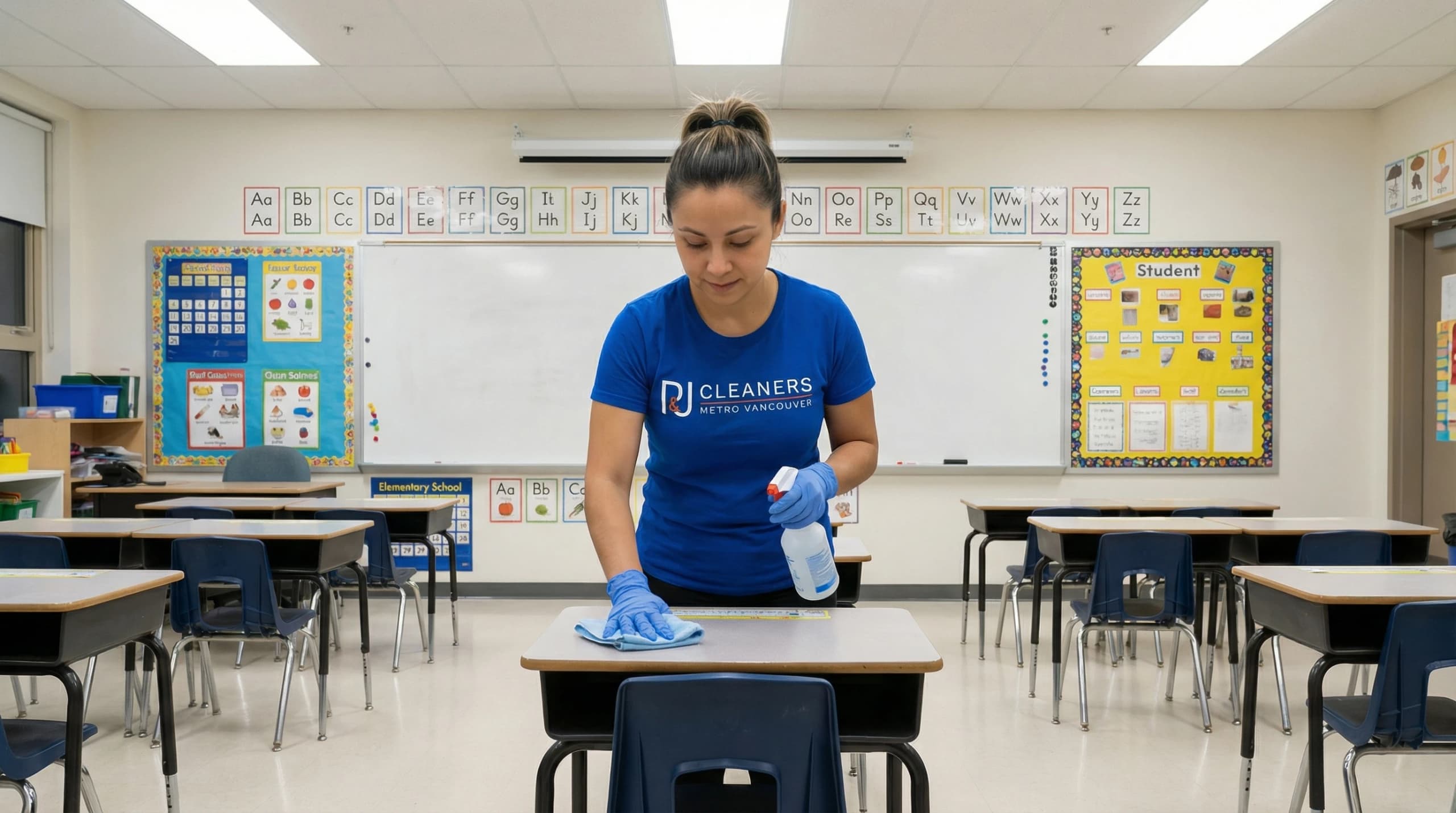
- Consider professional cleaning for projects over 1,000 square feet or involving major construction. Large spaces require significant time and physical effort to clean thoroughly. Professional crews complete in 8-12 hours what takes homeowners 3-5 days working part-time. P&J Cleaners charges $40-$60 per hour for post-construction cleaning in Metro Vancouver, with most homes requiring 8-12 labour hours. This investment of $320-$720 provides professional results and frees your time for other move-in tasks like unpacking and organizing.
- Professional cleaners bring commercial-grade equipment including HEPA vacuums, air scrubbers, and specialized tools that remove residue more effectively than household supplies. They understand which products work on specific surfaces without causing damage. Professional training includes techniques for removing stubborn construction residue that homeowners struggle with. Our team has cleaned over 200 post-construction projects in Vancouver, developing efficient systems that ensure thorough results. This expertise prevents costly mistakes like using wrong products that damage new finishes.
- Hire professionals if you have respiratory sensitivities, allergies, or physical limitations that make intensive cleaning difficult. Construction dust triggers asthma and allergies, making the cleaning process miserable for sensitive individuals. Professional cleaners wear proper protective equipment and have experience working in dusty environments safely. They also complete work faster, minimizing your exposure to construction residue. BC Health Authority recommends professional cleaning for individuals with respiratory conditions to avoid health complications from dust exposure.
- Professional services include insurance coverage protecting against accidental damage during cleaning. If a cleaner scratches a new countertop or breaks a fixture, their insurance covers replacement costs. DIY cleaning puts all risk on you, potentially costing thousands if something goes wrong. Professional companies also guarantee their work, returning to address any missed spots or problems. P&J Cleaners offers a satisfaction guarantee: tell us within 7 days of your clean and we make it right with a re-clean of the areas concerned or a partial refund, depending on the job. Re-cleans are usually done within 1 to 2 business days.
Quick Win
Get quotes from multiple cleaning companies, asking specifically about post-construction experience and equipment. Not all cleaning services have the expertise or tools for construction cleanup.
Creating a Realistic Cleaning Timeline
Post-construction cleaning takes longer than anticipated, especially for first-time DIYers. Planning adequate time prevents rushing and ensures thorough results that meet move-in standards.
- Allocate 3-5 full days for DIY cleaning of an average 1,500 square foot home after moderate construction. This assumes 6-8 hours of work per day with breaks. Extensive construction or larger spaces require proportionally more time. Professional crews complete the same work in 8-12 hours due to experience, equipment, and multiple workers. Underestimating time is the most common mistake in post-construction cleaning, leading to rushed work and missed areas. Build buffer time into your schedule for unexpected challenges like stubborn residue or additional cleaning passes needed.
- Schedule cleaning to begin 72 hours after construction ends, allowing dust to settle before starting intensive work. Cleaning too soon means particles continue falling onto already-cleaned surfaces, requiring repeated work. Use this waiting period for rough cleaning and debris removal, which doesn't require dust-free conditions. Plan deep cleaning for a continuous block of time rather than spreading it over weeks. Momentum and focus improve efficiency, and completing rooms fully before moving on prevents cross-contamination.
- Break the project into manageable phases matching the three-phase approach outlined in this guide. Complete Phase 1 rough cleaning in one day, Phase 2 deep cleaning over 2-3 days, and Phase 3 final touch-up in one day. This structure provides clear milestones and prevents overwhelming yourself with the full scope. Schedule the most physically demanding work during your peak energy times, typically morning hours. Save detail work like polishing and final inspection for when you're tired but still need to make progress.
- Plan for multiple cleaning passes on high-traffic areas and surfaces that show dust easily. Dark countertops, glass, and glossy finishes require extra attention as they reveal every speck of dust. Budget time for these areas in your schedule rather than discovering problems during final walk-through. According to ISSA cleaning standards, post-construction environments require 2-3 times longer than standard cleaning due to residue volume and variety. Accept that thorough work takes time, and rushing compromises results.
Quick Win
Schedule your move-in date at least one week after planned cleaning completion. This buffer accommodates unexpected delays and allows time to address any issues discovered during final inspection.
Cost Analysis: DIY vs Professional Cleaning
Understanding the true cost of post-construction cleaning helps make informed decisions about DIY versus professional services. Consider time, equipment, supplies, and opportunity cost when evaluating options.
- DIY cleaning costs $150-$300 for supplies and equipment rental, assuming you don't already own HEPA vacuums and specialized tools. This includes microfibre cloths, cleaning solutions, protective equipment, vacuum bags, and miscellaneous supplies. Equipment rental adds $50-$150 for items like shop vacuums or air scrubbers. These costs don't include your time, which has value even if you're not paying yourself hourly. Calculate 20-40 hours of labour for average projects, representing significant personal time investment.
- Professional cleaning costs $0.10-$0.30 per square foot in Metro Vancouver, translating to $150-$450 for a 1,500 square foot space. Hourly rates of $40-$60 mean most homes require $320-$720 in labour costs. This includes all equipment, supplies, and expertise. Professional services complete work in one day, allowing you to focus on other move-in tasks. The cost difference between DIY and professional narrows when accounting for equipment purchases and time value. If your time is worth $25-$50 per hour professionally, DIY cleaning costs $500-$2,000 in opportunity cost alone.
- Consider hidden costs including potential damage from improper cleaning methods, health impacts from dust exposure, and stress from managing a large project. Using wrong products on new surfaces causes permanent damage costing hundreds or thousands to repair. Respiratory problems from inadequate protection during cleaning lead to medical expenses and lost work time. Professional services include insurance coverage and guarantees that protect against these risks. The peace of mind knowing work is done correctly has value beyond direct cost savings.
- Evaluate your specific situation including project size, construction intensity, available time, and physical capability. Small projects under 500 square feet with light construction may justify DIY cleaning. Large projects, extensive construction, or time constraints favour professional services. Mixed approaches work well, with homeowners handling rough cleaning and hiring professionals for deep cleaning and final touch-up. This reduces professional costs by 30-40% while ensuring thorough results. P&J Cleaners offers flexible service packages accommodating various budgets and needs, from full-service cleaning to consultation and spot treatment.
Quick Win
Request itemized quotes from cleaning companies showing labour hours, supplies, and specific tasks included. This transparency helps compare services and ensures you understand what you're paying for.
Fast Reset
Quick Wins: Post-Construction Cleaning Shortcuts
These time-saving techniques help you work smarter during post-construction cleanup, reducing effort while maintaining thorough results.
Services mentioned in this article
Ready for help?
4.9 · 850+ Google reviewsReady for Move-In Day?
Our post-construction cleaning team handles the dust, debris, and detail work so you can enjoy your newly renovated space immediately. Fully insured with a satisfaction guarantee.
778-720-2224Post-Construction Cleaning Questions
What is the best way to postconstruction cleaning checklist phase guide?
The best approach divides work into three phases: rough cleaning (debris removal), deep cleaning (dust and residue), and final detailing (touch-ups and inspection). According to ISSA standards, this phased method reduces cleaning time by 35% compared to single-pass attempts. Start with ceilings and work downward, completing each phase fully before advancing. Professional crews in Metro Vancouver typically allocate 40% of time to rough cleaning, 45% to deep cleaning, and 15% to final detailing for optimal results.
How often should you post construction cleaning checklist?
Post-construction cleaning is a one-time intensive process performed immediately after contractors finish work and before occupancy. The entire checklist should be completed within 3-5 days of construction completion to prevent dust from settling deeper into surfaces. WorkSafeBC recommends daily dust removal during active construction, but the comprehensive post-construction clean happens once. For renovations spanning multiple rooms, clean each completed area within 48 hours to maintain air quality and prevent cross-contamination to finished spaces.
What products work best for post-construction cleaning?
Heavy-duty alkaline cleaners remove construction adhesives and grout haze, while HEPA-filtered vacuums capture 99.97% of fine dust particles according to CDC filtration standards. Microfibre cloths trap residue better than cotton, reducing surface scratches on new finishes. Use pH-neutral cleaners on sealed wood and stone to avoid damaging protective coatings. Degreasing agents handle paint overspray and caulking residue. Professional-grade equipment includes commercial vacuums with 6+ gallon capacity and extension wands for ceiling work, significantly outperforming residential models.
Is professional help worth it for post-construction cleaning?
Professional post-construction cleaning costs $40-$60 per hour in Metro Vancouver but saves 15-20 hours of labour for average renovations. Professionals carry commercial equipment, liability insurance, and expertise in handling construction-specific residues without damaging new finishes. Statistics Canada data shows DIY attempts often require 2-3 cleaning passes versus one professional session. The satisfaction guarantee from bonded services like P&J Cleaners eliminates risk, while specialized training prevents costly mistakes like scratched countertops or damaged flooring that can exceed cleaning service costs.

Meet the Author
Pamela
Co-Founder
Pamela leads residential quality standards at P&J Cleaners, refining safe, detail-driven cleaning systems for Vancouver homes, condos, and move-out projects.
Keep Exploring