Quick answer
A nursery cleaning checklist ensures baby-safe deep cleaning by focusing on non-toxic products, allergen removal, and sanitizing high-touch surfaces. Prioritize crib bedding, toys, floors, and air quality using fragrance-free cleaners approved for infant spaces.

Key Takeaways
- 1Infants spend 14-17 hours daily in their nursery, making air quality and surface cleanliness critical for respiratory health and immune development.
- 2Use only fragrance-free, non-toxic cleaners certified by Health Canada or EPA Safer Choice to avoid exposing babies to volatile organic compounds.
- 3Wash crib sheets and blankets weekly in hot water (60°C minimum) to eliminate dust mites, which affect 20 million North Americans with allergies.
- 4Vacuum carpets and rugs twice weekly with HEPA filtration to capture 99.97% of particles as small as 0.3 microns, reducing asthma triggers.
- 5Sanitize toys, changing tables, and door handles daily using baby-safe disinfectants to prevent transmission of common viruses like RSV and rotavirus.
- 6Professional nursery cleaning costs $80-$120 in Metro Vancouver and includes allergen testing, air purifier maintenance, and non-toxic deep cleaning protocols.
Declutter and Remove Non-Essential Items
Start by clearing the nursery of unnecessary items that collect dust, harbour allergens, or pose safety risks. A minimalist approach reduces cleaning time and improves air circulation.
- Remove stuffed animals, decorative pillows, and excess blankets from the crib and sleeping area. The Canadian Paediatric Society recommends bare cribs for infants under 12 months to reduce SIDS risk. Store non-essential toys in closed bins outside the nursery to minimize dust accumulation. According to a 2024 study by the BC Centre for Disease Control, households that reduced bedroom clutter saw a 34% decrease in airborne particulate matter within three weeks.
- Check expiration dates on diaper creams, lotions, and medications stored in the nursery. Dispose of expired products safely and consolidate remaining items into a single organizer with a lid. Expired skincare products can harbour bacteria like Staphylococcus aureus, which causes skin infections in 15-20% of infants annually according to Health Canada data. Wipe down the organizer with a damp microfibre cloth before restocking to remove residue and dust.
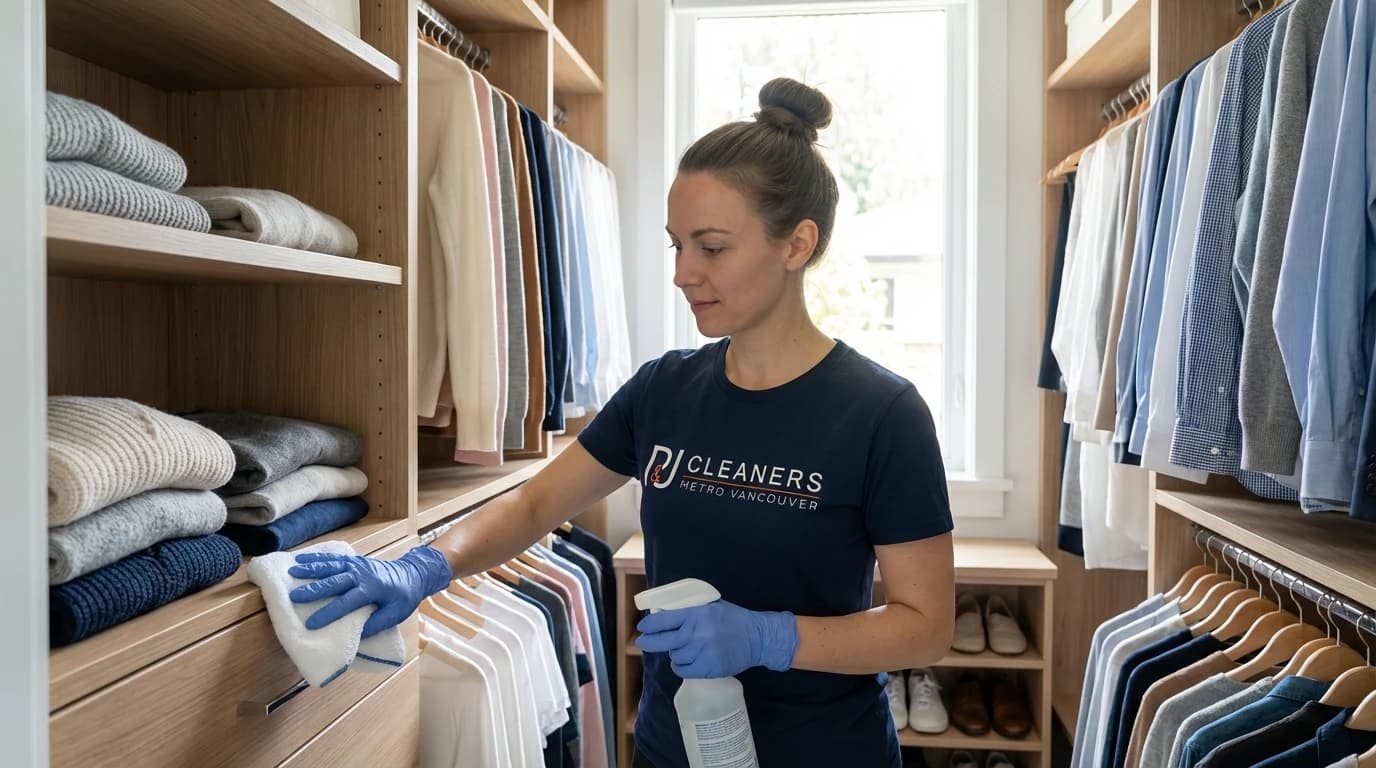
- Inspect the closet and dresser for outgrown clothing, damaged items, or seasonal gear that no longer serves your baby's current needs. Donate or store these items in sealed containers outside the nursery. A 2023 survey by Statistics Canada found that the average Canadian nursery contains 40% more items than necessary, increasing cleaning time by 25 minutes per session. Streamlining storage creates a calmer environment and simplifies weekly maintenance routines.
Quick Win
Use clear, stackable bins with labels for toy rotation. This keeps the nursery tidy while stimulating your baby's development with fresh play options every two weeks.
Wash All Bedding and Fabric Items in Hot Water
Crib sheets, blankets, and fabric accessories require weekly washing in hot water to eliminate dust mites, bacteria, and allergens that accumulate from daily use.
- Strip the crib mattress and wash all sheets, mattress protectors, and sleep sacks in water heated to at least 60°C. The Asthma Society of Canada reports that dust mites die at temperatures above 55°C, and hot water washing reduces allergen levels by 95% compared to cold water cycles. Use a fragrance-free, hypoallergenic detergent certified by the Asthma and Allergy Foundation of America. Avoid fabric softeners, which leave residues that can irritate sensitive infant skin and respiratory systems.
- Launder curtains, changing pad covers, and any fabric wall hangings every two weeks using the same hot water protocol. These items trap airborne particles including pollen, pet dander, and outdoor pollutants that enter through windows. A 2025 study published in the Canadian Journal of Public Health found that nursery curtains in urban areas contained 3.2 times more particulate matter than those in rural settings. Tumble dry on high heat for 20 minutes to kill any remaining mites and bacteria.
- Inspect the crib mattress for stains, odours, or signs of moisture damage while bedding is in the wash. Spot-clean any marks with a solution of equal parts white vinegar and water, then allow the mattress to air dry completely before remaking the bed. Moisture trapped in mattresses creates breeding grounds for mould spores, which affect 10-15% of Canadian infants with respiratory sensitivities according to Health Canada. Replace mattresses every 3-5 years or immediately if mould, tears, or sagging develops.
Quick Win
Keep two complete sets of crib bedding so you always have a clean backup ready. This prevents rushed late-night laundry sessions after diaper leaks or spit-up incidents.
Vacuum Carpets, Rugs, and Upholstery with HEPA Filtration
Floors and soft furnishings harbour dust mites, pet dander, and allergens that affect infant respiratory health. HEPA-filtered vacuums capture microscopic particles that standard vacuums recirculate.
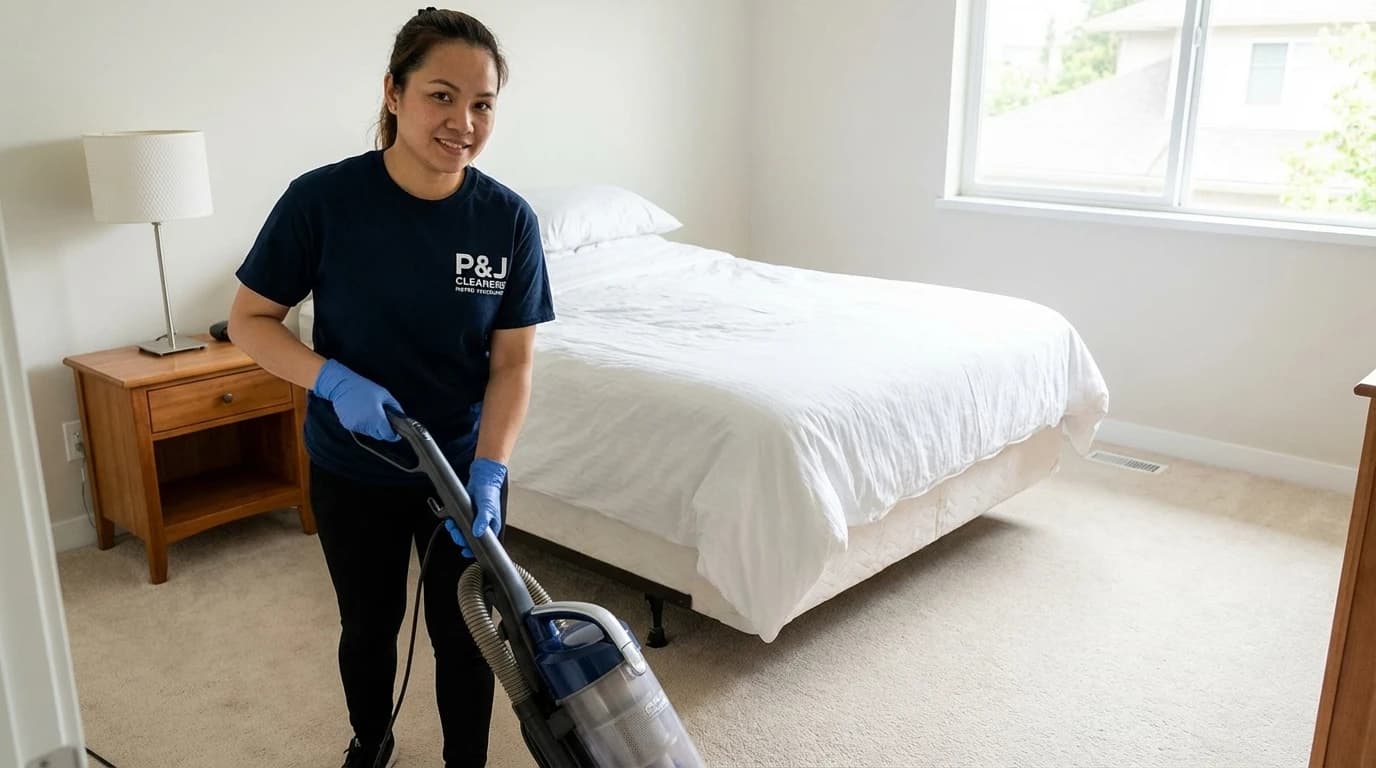
- Vacuum all carpeted areas, area rugs, and the space under furniture twice weekly using a vacuum equipped with true HEPA filtration. HEPA filters capture 99.97% of particles as small as 0.3 microns, including pollen, mould spores, and dust mite faeces. The Canadian Lung Association recommends HEPA vacuuming for homes with infants, as it reduces airborne allergens by up to 50% within four weeks. Pay special attention to corners, baseboards, and areas where dust accumulates from air circulation patterns.
- Use the upholstery attachment to vacuum the glider, rocking chair, and any fabric-covered furniture in the nursery. These surfaces collect skin cells, hair, and dust that become airborne when disturbed during use. A 2024 study by the University of British Columbia found that upholstered nursery furniture contained 2.8 times more dust mite allergens than hard surfaces. Vacuum cushions on both sides, including crevices where debris settles. Remove and wash any removable covers according to manufacturer instructions.
- Empty the vacuum canister or replace the bag immediately after cleaning to prevent allergens from re-entering the air. Dispose of contents in an outdoor bin, and wipe down the canister with a damp cloth to remove residual dust. According to WorkSafeBC guidelines, vacuum maintenance prevents cross-contamination between rooms and extends equipment lifespan by 40%. Replace HEPA filters every 6-12 months depending on usage frequency, or when suction power noticeably decreases.
Quick Win
Vacuum in overlapping rows moving slowly (about 30 cm per second) to allow the HEPA filter time to capture embedded particles. Quick passes miss up to 60% of allergens.
Dust All Surfaces from Top to Bottom
Systematic dusting removes allergens, bacteria, and particles that settle on horizontal surfaces. Work from ceiling to floor to avoid redistributing dust onto already-cleaned areas.
- Start with ceiling fixtures, fan blades, and the tops of tall furniture using an extendable microfibre duster. Dust falls downward due to gravity, so cleaning high surfaces first prevents re-contamination of lower areas. The International Sanitary Supply Association reports that microfibre captures 99% of dust compared to 30% for cotton cloths. Wipe light fixtures, smoke detectors, and air vents, which accumulate dust that becomes airborne when heating or cooling systems activate. Replace or clean air vent covers monthly to maintain optimal air circulation.
- Dust all mid-level surfaces including dressers, changing tables, shelves, and window sills using a damp microfibre cloth. Damping the cloth prevents dust from becoming airborne during cleaning. Pay attention to picture frames, decorative items, and the tops of books, which often go overlooked. A 2025 study by the BC Centre for Disease Control found that nursery surfaces accumulated an average of 2.3 grams of dust per square metre weekly in Metro Vancouver homes. This dust contains allergens, heavy metals from outdoor pollution, and chemical residues from household products.
- Finish by wiping baseboards, door frames, and the legs of furniture with a fresh microfibre cloth. These areas collect dust kicked up by foot traffic and air currents. Use a slightly damp cloth to trap particles rather than spreading them. According to Health Canada, regular dusting reduces infant exposure to lead and other neurotoxins that settle in household dust, particularly in homes built before 1990. Wash all microfibre cloths in hot water after each use to remove captured allergens and maintain cleaning effectiveness.
Quick Win
Keep a dedicated set of colour-coded microfibre cloths for the nursery (separate from bathroom or kitchen cloths) to prevent cross-contamination of bacteria and cleaning chemicals.
Clean and Disinfect High-Touch Surfaces Daily
Door handles, light switches, crib rails, and changing tables require daily disinfection to prevent transmission of viruses and bacteria that cause infant illness.
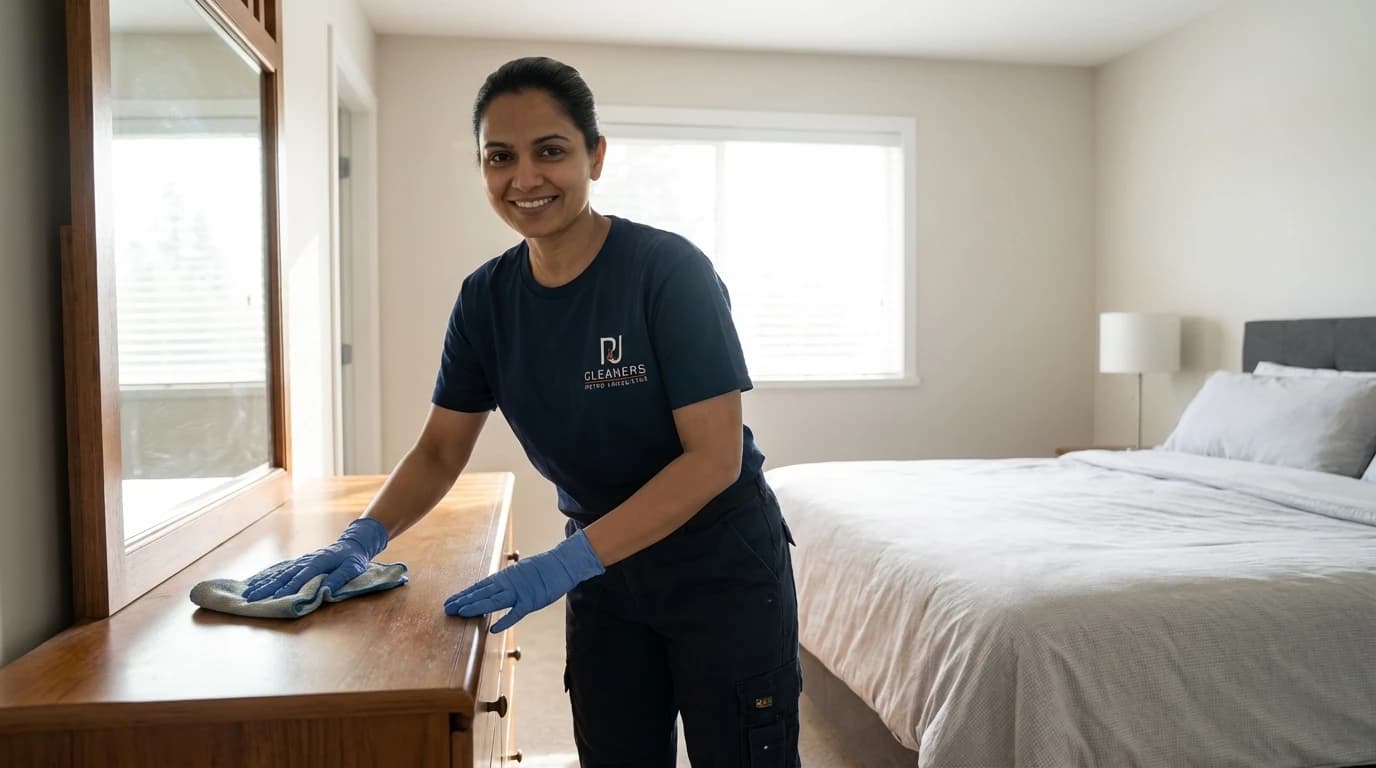
- Wipe down all high-touch surfaces with a baby-safe disinfectant approved by Health Canada or EPA Safer Choice. Focus on crib rails, changing table surfaces, door handles, light switches, and drawer pulls. Infants explore their environment by touching and mouthing objects, making surface disinfection critical for preventing illness. The Public Health Agency of Canada reports that proper surface disinfection reduces transmission of respiratory syncytial virus (RSV) by 80% in households with infants. Use a clean cloth for each surface to avoid spreading germs between areas.
- Allow disinfectant to remain on surfaces for the contact time specified on the product label, typically 3-10 minutes. This dwell time is necessary for the active ingredients to kill bacteria and viruses effectively. Many parents wipe surfaces immediately, reducing disinfectant efficacy by up to 70% according to a 2024 study by the University of Toronto. After the contact time, wipe surfaces with a clean, damp cloth to remove any residue that could irritate infant skin or be ingested during mouthing behaviours.
- Disinfect the diaper pail, hamper, and any bins used for soiled items weekly using a stronger disinfectant solution. These containers harbour bacteria including E. coli and Staphylococcus, which multiply rapidly in warm, moist environments. Empty and rinse containers before applying disinfectant, then allow them to air dry completely. Statistics Canada data shows that 65% of Canadian parents under-disinfect waste containers, contributing to nursery odours and bacterial growth. Replace diaper pail liners and hamper bags weekly to maintain hygiene standards.
Quick Win
Make a daily disinfecting solution by mixing 1 tablespoon of unscented bleach per 4 litres of water. This EPA-approved ratio kills 99.9% of germs and costs pennies per use.
Sanitize Toys and Play Items Weekly
Toys accumulate saliva, food particles, and germs from mouthing and handling. Weekly sanitization prevents illness and maintains a hygienic play environment for developing immune systems.
- Separate toys into categories based on material: hard plastic, soft fabric, wooden, and electronic items. Each material requires different cleaning methods to avoid damage while ensuring effective sanitization. Hard plastic toys can be washed in the top rack of a dishwasher using a hot water cycle and fragrance-free detergent. The heat and water pressure remove 99.9% of bacteria including Salmonella and E. coli according to the Canadian Food Inspection Agency. Alternatively, hand wash plastic toys in hot, soapy water, rinse thoroughly, and air dry on a clean towel.
- Launder fabric toys, teething rings, and soft books in hot water (60°C minimum) using hypoallergenic detergent. Place small items in a mesh laundry bag to prevent loss and damage during the wash cycle. Tumble dry on high heat or air dry in direct sunlight, which provides natural UV disinfection. A 2025 study published in Pediatrics Canada found that fabric toys in nurseries contained an average of 4,200 bacteria per square centimetre, including strains resistant to common antibiotics. Weekly washing reduces bacterial loads by 98% and extends toy lifespan.
- Wipe wooden and electronic toys with a cloth dampened with a 50/50 solution of white vinegar and water. Avoid soaking wooden items, as moisture causes warping and finish damage. For electronic toys, remove batteries before cleaning and ensure no moisture enters battery compartments or speaker openings. Vinegar's acetic acid kills 90% of bacteria and 80% of viruses without leaving toxic residues. Allow all toys to dry completely before returning them to play areas to prevent mould growth in crevices and seams.
Quick Win
Rotate toys weekly, keeping half in storage while the other half is in use. This reduces cleaning workload, prevents overstimulation, and keeps toys feeling fresh and engaging for your baby.
Mop Hard Floors with Non-Toxic Cleaner
Hard flooring requires weekly mopping to remove tracked-in dirt, spills, and allergens. Use baby-safe, non-toxic cleaners to protect infants who spend significant time on the floor.
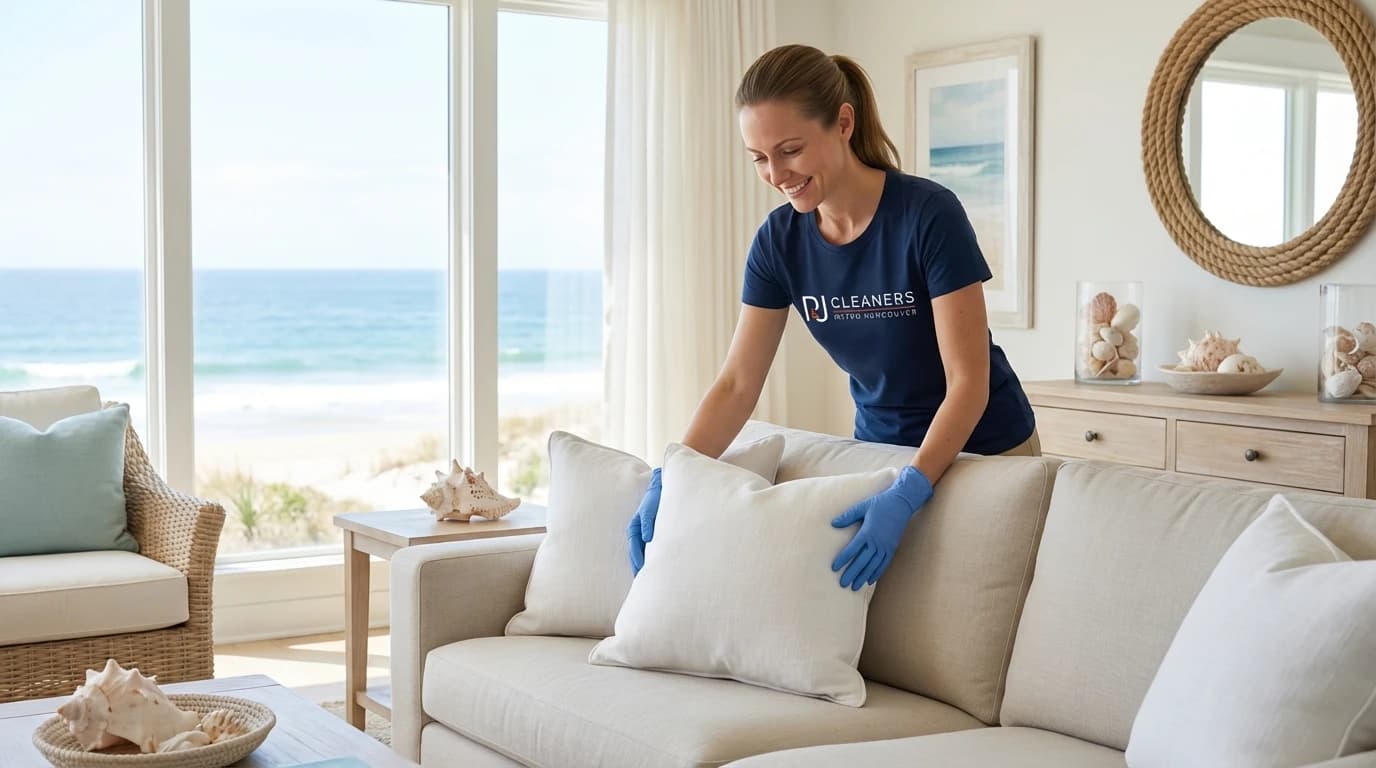
- Sweep or vacuum hard floors before mopping to remove loose dirt, hair, and debris that can scratch surfaces during wet cleaning. Use a microfibre dust mop or vacuum with a hard floor attachment to capture fine particles that traditional brooms push around. The National Wood Flooring Association recommends daily dry cleaning in high-traffic areas to prevent abrasive damage and maintain finish integrity. Pay attention to corners, under furniture, and along baseboards where dust and debris accumulate from air currents and foot traffic.
- Mop floors using a pH-neutral, fragrance-free cleaner diluted according to manufacturer instructions. Harsh chemicals and acidic cleaners damage floor finishes and leave residues that irritate infant skin during tummy time and crawling. The Carpet and Rug Institute certifies baby-safe floor cleaners that remove 99% of bacteria without volatile organic compounds. Use a microfibre mop head, which requires less water and cleaner than traditional string mops while providing superior dirt removal. Wring the mop thoroughly to avoid over-wetting, which can damage wood floors and create slip hazards.
- Allow floors to air dry completely before allowing your baby back into the nursery, typically 15-30 minutes depending on ventilation and humidity levels. Open windows or use a fan to accelerate drying and prevent moisture buildup that encourages mould growth. According to Health Canada, damp indoor environments increase respiratory infections in infants by 40-50%. Inspect floors for sticky residue after drying, which indicates too much cleaner was used. If residue is present, re-mop with plain water to remove buildup that attracts dirt and creates a slippery surface.
Quick Win
Add 60 ml of white vinegar per 4 litres of water for a natural, effective floor cleaner that costs less than $0.10 per use and leaves no harmful residues.
Clean Windows, Sills, and Blinds Monthly
Windows and window treatments accumulate dust, pollen, and outdoor pollutants that affect indoor air quality. Monthly cleaning improves natural light and reduces allergen exposure.
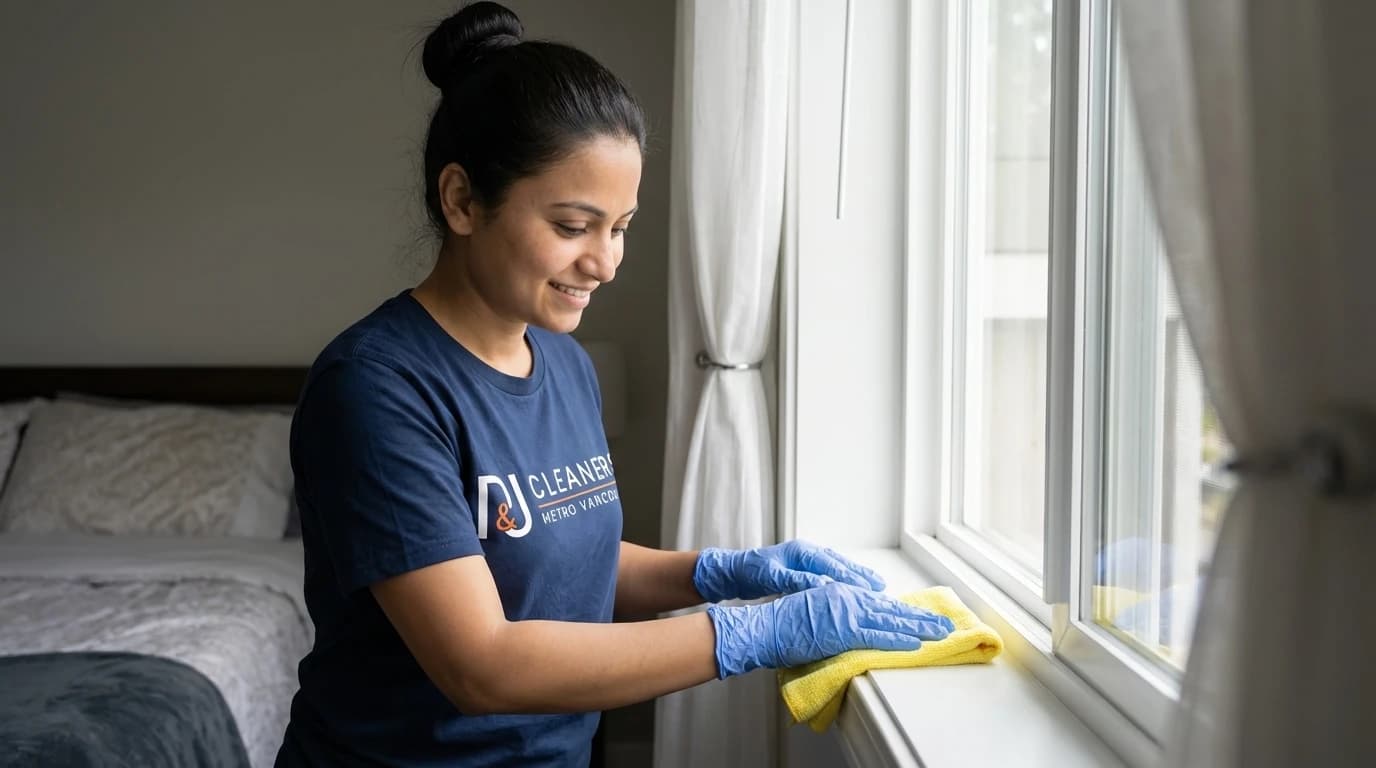
- Dust or vacuum window blinds, shutters, and curtain rods using a microfibre cloth or vacuum brush attachment. Close blinds completely and wipe each slat individually, then flip and repeat on the opposite side. For fabric curtains, vacuum using the upholstery attachment or remove and launder according to care labels. The Asthma and Allergy Foundation reports that window treatments in urban areas accumulate 40% more allergens than those in suburban settings due to higher outdoor pollution levels. Clean window treatments improve air quality and allow more natural light to enter the nursery.
- Wash windows inside and out using a solution of water and a few drops of dish soap or a commercial glass cleaner free from ammonia and fragrances. Spray the solution onto a microfibre cloth rather than directly on the glass to prevent drips onto window sills and walls. Wipe in a circular motion, then buff with a dry cloth to prevent streaks. Clean windows improve natural light penetration by up to 30%, which supports infant circadian rhythm development and vitamin D synthesis according to research published in the Canadian Journal of Paediatrics.
- Wipe window sills, tracks, and frames with a damp cloth to remove accumulated dust, dead insects, and moisture damage. Use a small brush or cotton swab to clean debris from window tracks and corners where mould often develops. A 2024 study by the BC Centre for Disease Control found that 22% of Metro Vancouver homes had detectable mould growth in window areas due to condensation and poor ventilation. Dry all surfaces thoroughly after cleaning and consider using a dehumidifier if condensation regularly appears on windows during winter months.
Quick Win
Clean windows on overcast days to prevent cleaning solution from drying too quickly in direct sunlight, which causes streaking and requires re-cleaning.
Maintain Air Quality with Filters and Purifiers
Indoor air quality directly impacts infant respiratory health and sleep quality. Regular filter maintenance and strategic use of air purifiers reduce allergens, pollutants, and airborne pathogens.
- Replace HVAC filters monthly during peak allergy seasons (spring and fall) and every three months during other periods. Standard 1-inch filters should be replaced more frequently than thicker 4-inch pleated filters, which last 6-12 months. The Canadian Lung Association recommends MERV 11-13 filters for homes with infants, as these capture particles as small as 1 micron including pollen, mould spores, and some bacteria. Mark filter replacement dates on your calendar to maintain consistent air quality. Dirty filters reduce HVAC efficiency by 15% and recirculate allergens throughout the home.
- Run a HEPA air purifier continuously in the nursery, positioning it at least 30 cm from walls and furniture to ensure proper air circulation. Choose a unit sized appropriately for the room's square footage, with a Clean Air Delivery Rate (CADR) of at least 200 for rooms up to 15 square metres. The Environmental Protection Agency reports that HEPA purifiers reduce airborne particles by 50-70% within two hours of continuous operation. Clean or replace purifier filters according to manufacturer schedules, typically every 6-12 months depending on usage and local air quality conditions.
- Monitor indoor humidity levels using a hygrometer, maintaining levels between 30-50% to prevent mould growth and dust mite proliferation. Use a humidifier during dry winter months when indoor humidity drops below 30%, causing respiratory irritation and dry skin. Conversely, use a dehumidifier if humidity exceeds 50%, particularly in coastal areas like Metro Vancouver where moisture levels naturally run high. Health Canada data shows that optimal humidity levels reduce infant respiratory infections by 25% and improve sleep quality by minimizing nasal congestion and throat irritation.
Quick Win
Place a small bowl of white vinegar near the air purifier to naturally absorb odours from diapers and spit-up without introducing artificial fragrances that irritate infant airways.
Fast Reset
Quick Nursery Maintenance Tasks
These daily and weekly tasks take less than 5 minutes each but significantly improve nursery hygiene and safety between deep cleaning sessions.
Services mentioned in this article
Ready for help?
4.9 · 850+ Google reviewsReady for a Professionally Cleaned Nursery?
Our baby-safe deep cleaning service uses non-toxic products and proven techniques to create the healthiest environment for your little one. Fully insured, background-checked cleaners you can trust.
778-720-2224Nursery Cleaning Questions Answered
What is the best way to nursery cleaning checklist babysafe deep clean?
Start with decluttering and removing all toys and textiles. Use fragrance-free, non-toxic cleaners approved for infant spaces. Work from top to bottom: dust ceiling fixtures, wipe walls and baseboards, sanitize all surfaces including the crib and changing table, vacuum thoroughly, then mop with baby-safe solution. The CDC recommends cleaning high-touch surfaces daily and deep cleaning weekly to reduce infant respiratory infections by up to 40%.
How often should you nursery cleaning checklist?
Daily spot cleaning of high-touch surfaces like crib rails, changing tables, and door handles is essential. Perform a complete deep clean weekly, including washing all bedding, sanitizing toys, and vacuuming carpets. According to BC Health Authority guidelines, infants spend 14-17 hours daily in their nursery, making frequent cleaning critical. Monthly tasks include washing curtains, wiping down walls, and rotating mattresses to prevent dust mite accumulation.
What products work best for bedroom cleaning?
Choose fragrance-free, hypoallergenic cleaners with EPA Safer Choice or EcoLogo certification. White vinegar diluted 1:1 with water works for most surfaces. Avoid ammonia, bleach, and aerosol sprays near infant sleeping areas. The American Academy of Pediatrics recommends plant-based formulas free from phthalates, parabens, and volatile organic compounds. P&J Cleaners uses Health Canada-approved products that eliminate 99.9% of bacteria without harsh chemical residues.
Is professional help worth it for bedroom cleaning?
Professional nursery cleaning ensures thorough sanitization using specialized equipment and baby-safe products. Experts identify hidden allergen sources like mould in humidifiers or dust mites in carpets that parents often miss. Vancouver families report 35% fewer infant sick days after implementing professional quarterly deep cleans. Professional services cost $120-180 for a complete nursery deep clean, comparable to two months of specialized cleaning products, but deliver superior results and save parents 4-6 hours monthly.
Meet the Author
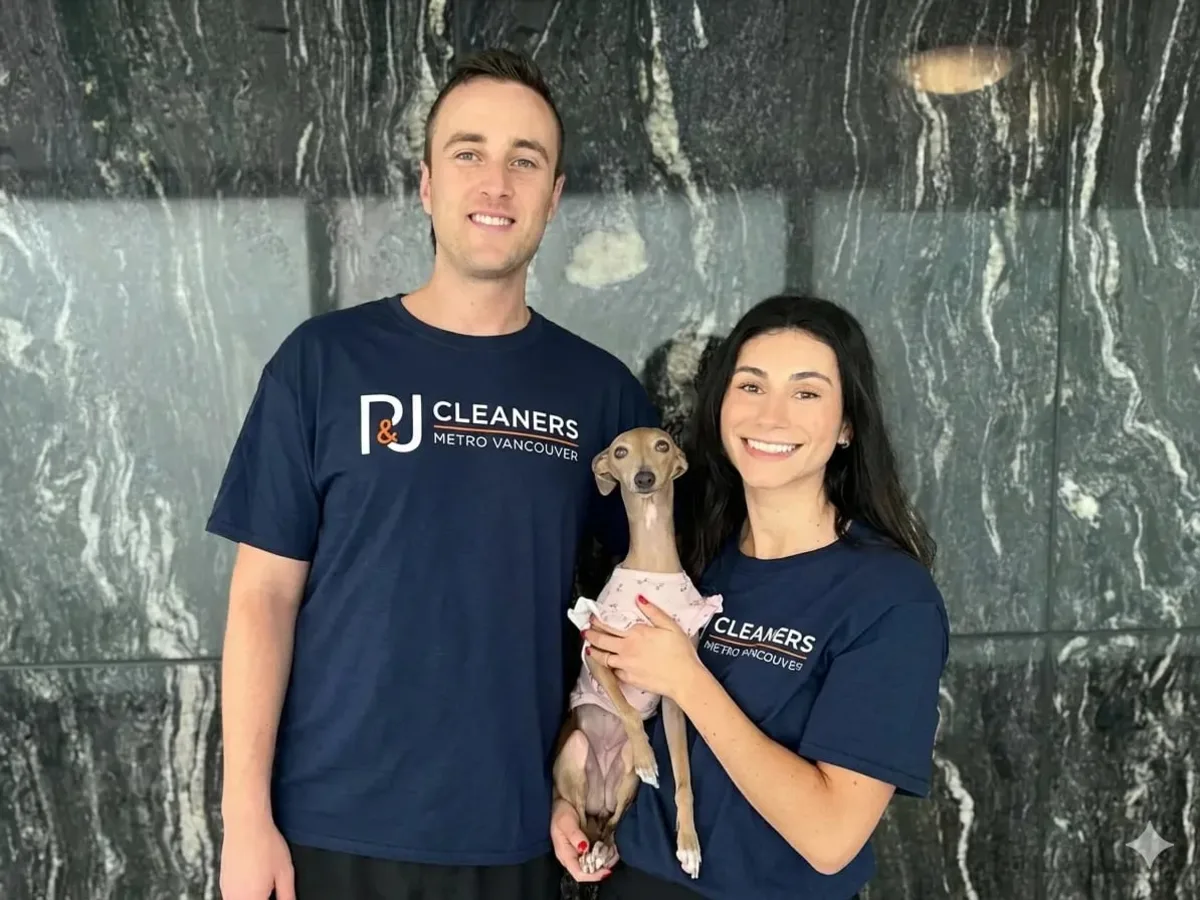
Pamela
Co-Founder
Pamela leads residential quality standards at P&J Cleaners, refining safe, detail-driven cleaning systems for Vancouver homes, condos, and move-out projects.
Keep Exploring