

Quick answer
Five common cleaning mistakes damage home surfaces: using acidic cleaners on natural stone, scrubbing hardwood with abrasive tools, mixing bleach with ammonia, applying too much water on wood floors, and using harsh chemicals on stainless steel.

Key Takeaways
- 1Acidic cleaners like vinegar cause $200-$800 in etching damage to granite and marble countertops annually in Canadian homes.
- 2Abrasive scrubbing pads remove protective finishes from hardwood floors, requiring refinishing that costs $3-$8 per square foot.
- 3Mixing bleach and ammonia creates toxic chloramine gas responsible for 5,000+ household poisoning cases yearly according to Health Canada.
- 4Excessive water on hardwood causes warping and cupping damage within 24-48 hours of exposure.
- 5Steel wool and harsh chemicals scratch stainless steel appliances, reducing their lifespan by 30-40% according to appliance manufacturers.
- 6Professional cleaning prevents 85% of surface damage by using pH-balanced products and proper techniques for each material type.
Using Acidic Cleaners on Natural Stone Surfaces
Vinegar, lemon juice, and acidic all-purpose cleaners permanently etch granite, marble, and limestone countertops, causing dull spots and surface degradation that requires professional restoration.
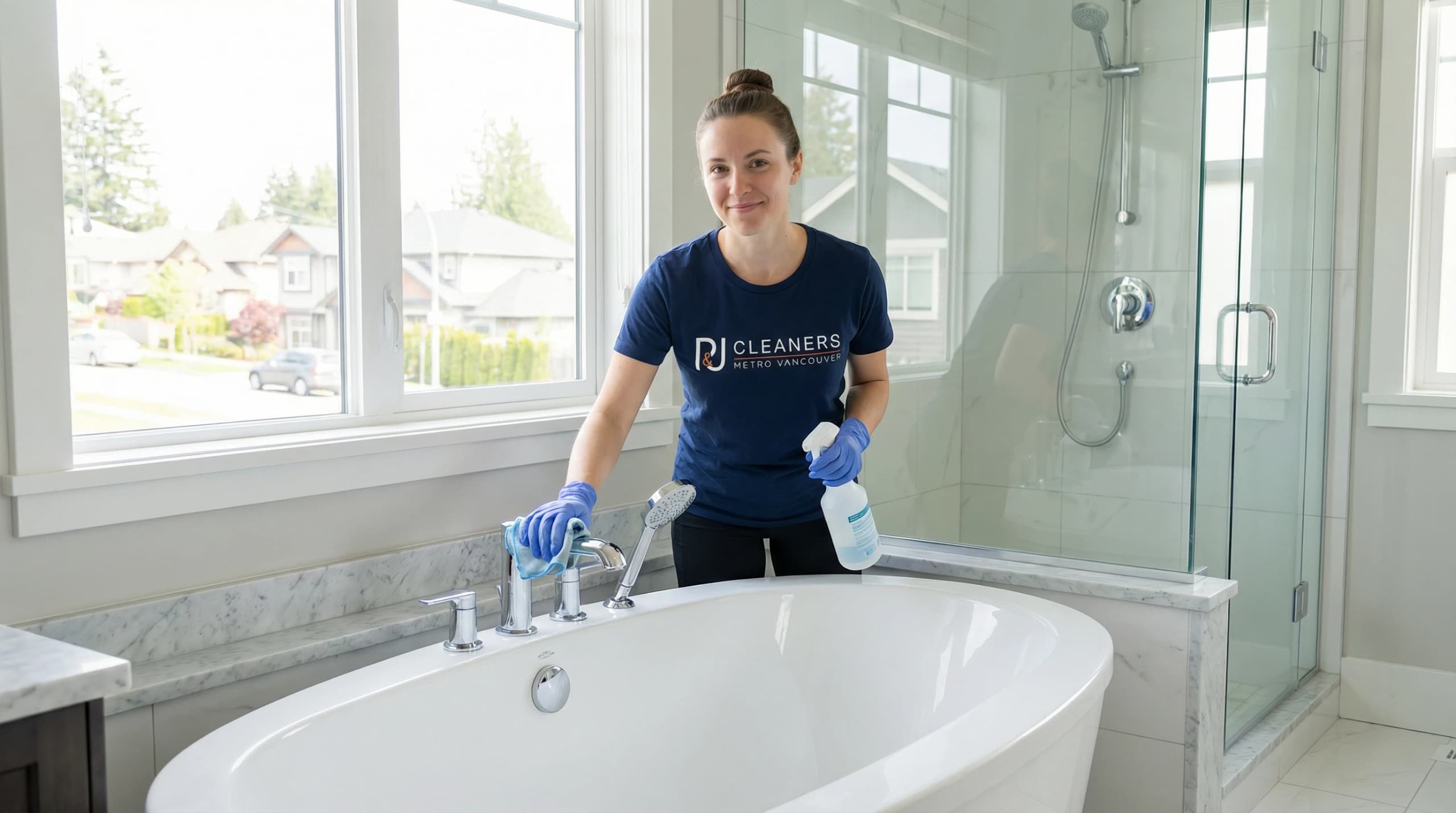
- Natural stone countertops contain calcium carbonate that reacts chemically with acids, creating irreversible etching within seconds of contact. Homeowners often use vinegar as a natural cleaner without realizing it dissolves the stone's protective sealant and surface layer. According to the Natural Stone Institute, acidic cleaners cause over $500 million in countertop damage across North America annually. The etching appears as dull, rough patches that feel different to touch and cannot be removed with regular cleaning. Professional stone restoration costs between $200 and $800 per countertop depending on damage severity and surface area.
- pH-neutral cleaners specifically formulated for natural stone preserve the surface integrity while effectively removing dirt, grease, and bacteria. These specialized products maintain the stone's natural lustre and protective sealant without chemical reactions. Vancouver homeowners should check product labels for pH levels between 7 and 10 before applying any cleaner to granite, marble, travertine, or limestone surfaces. Dish soap diluted in water provides a safe alternative for daily cleaning when stone-specific products are unavailable. Resealing natural stone every 12-18 months creates an additional protective barrier against accidental acid exposure and staining.
- Common household items that damage natural stone include citrus-based cleaners, bathroom tile cleaners containing phosphoric acid, toilet bowl cleaners, rust removers, and even some glass cleaners. Coffee, wine, and fruit juices also contain acids that etch stone surfaces if not wiped immediately. The Marble Institute of America reports that 73% of stone damage occurs in kitchens where acidic foods and cleaners are most frequently used. Homeowners should keep separate cleaning supplies for stone surfaces and other areas to prevent cross-contamination. Professional cleaners use pH meters to test products before application, ensuring complete safety for expensive natural stone installations.
Quick Win
Test any new cleaning product on an inconspicuous area of your stone countertop and wait 24 hours to check for etching or discolouration before using it on visible surfaces.
Scrubbing Hardwood Floors with Abrasive Tools
Steel wool, abrasive scrub pads, and stiff-bristled brushes remove protective polyurethane finishes from hardwood floors, exposing raw wood to moisture damage and requiring expensive refinishing.
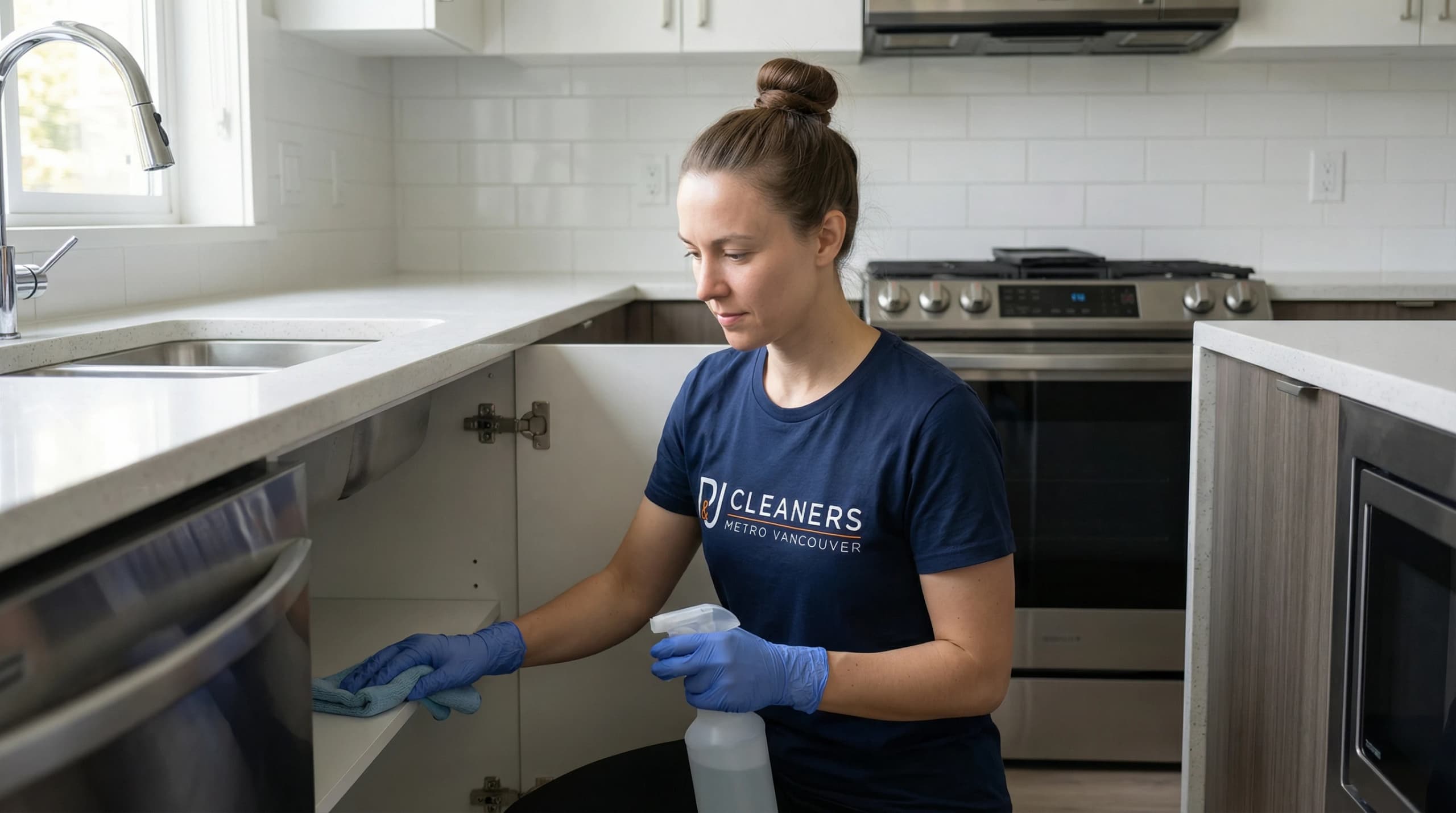
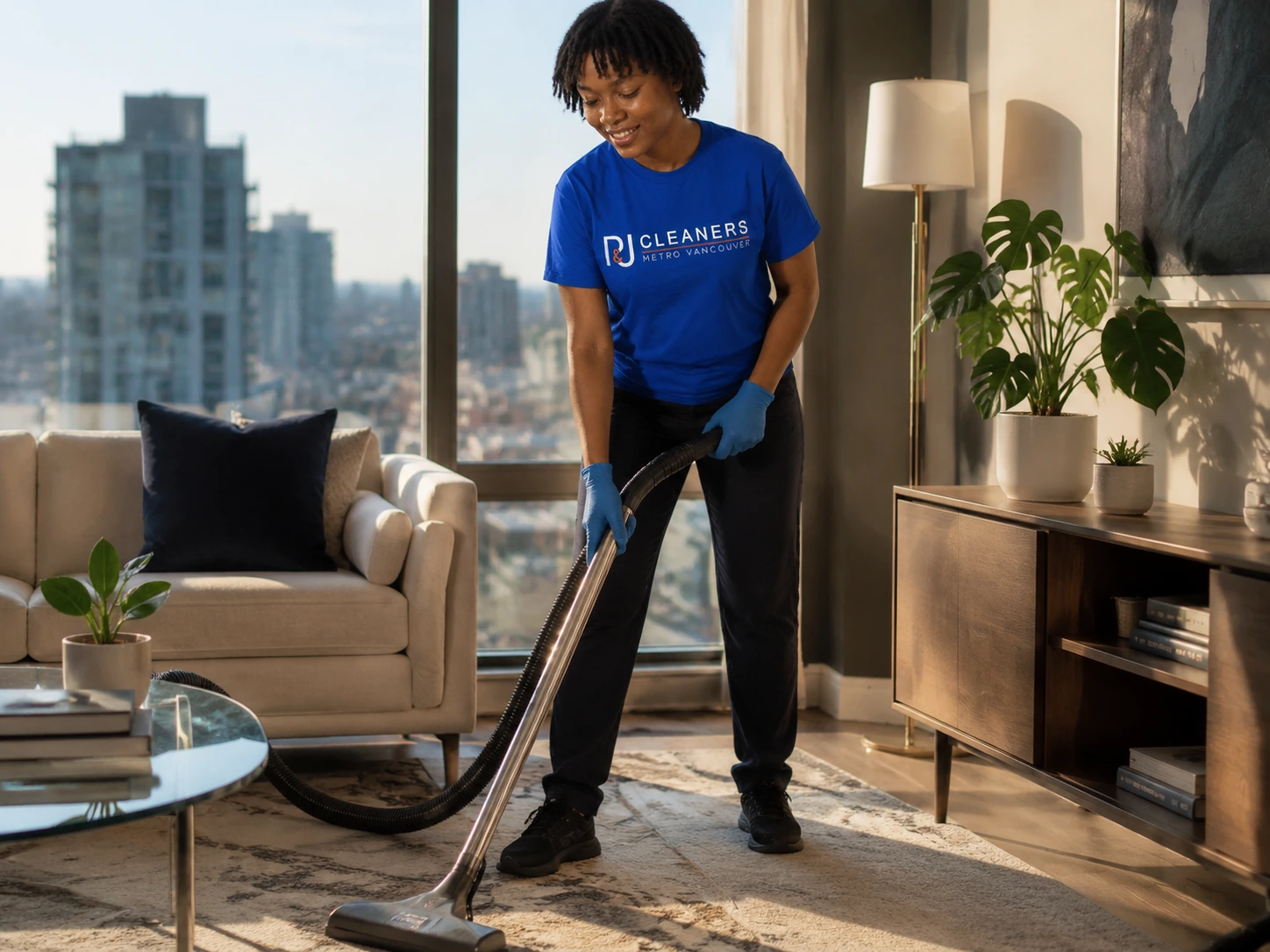
- Hardwood floors feature protective finishes that prevent moisture penetration, scratching, and wear from daily foot traffic. Abrasive cleaning tools scratch through these finishes in seconds, creating permanent damage that spreads with continued use. The National Wood Flooring Association reports that improper cleaning causes 40% of premature hardwood floor failures requiring refinishing or replacement. Scratched finishes allow water to seep into wood fibres, causing swelling, warping, and discolouration that affects entire floorboards. Professional hardwood refinishing costs between $3 and $8 per square foot, making a 1,000-square-foot floor restoration project cost $3,000 to $8,000.
- Microfibre mops and soft-bristled brushes clean hardwood effectively without damaging protective finishes or creating scratches. These tools trap dirt particles rather than grinding them across the surface like abrasive pads do. Vancouver's humid climate makes hardwood floor protection especially important, as moisture damage occurs faster in coastal environments. Homeowners should use hardwood-specific cleaners that don't leave residue or require excessive water for rinsing. Placing protective felt pads under furniture legs prevents scratches from daily movement and reduces the need for aggressive scrubbing around high-traffic areas.
- Common abrasive tools that damage hardwood include green scrub pads, steel wool, rough sponges, stiff deck brushes, and even some vacuum cleaner attachments with hard plastic wheels. Grit from shoes acts as sandpaper when ground into floors with abrasive cleaning tools, accelerating finish deterioration. Statistics Canada housing data shows that hardwood floors represent a $15,000 to $25,000 investment in average Vancouver homes, making proper maintenance essential for property value. Professional cleaning services use specialized equipment with soft rollers and pH-balanced solutions that clean deeply without surface damage. Annual professional maintenance extends hardwood floor life by 10-15 years compared to improper DIY cleaning methods.
Quick Win
Sweep or vacuum hardwood floors before mopping to remove grit that acts like sandpaper when pushed around with a mop, preventing unnecessary scratches to the finish.
Mixing Bleach with Ammonia or Other Cleaners
Combining bleach with ammonia-based cleaners, vinegar, or rubbing alcohol creates toxic chloramine or chlorine gas that causes respiratory damage and represents a serious household safety hazard.
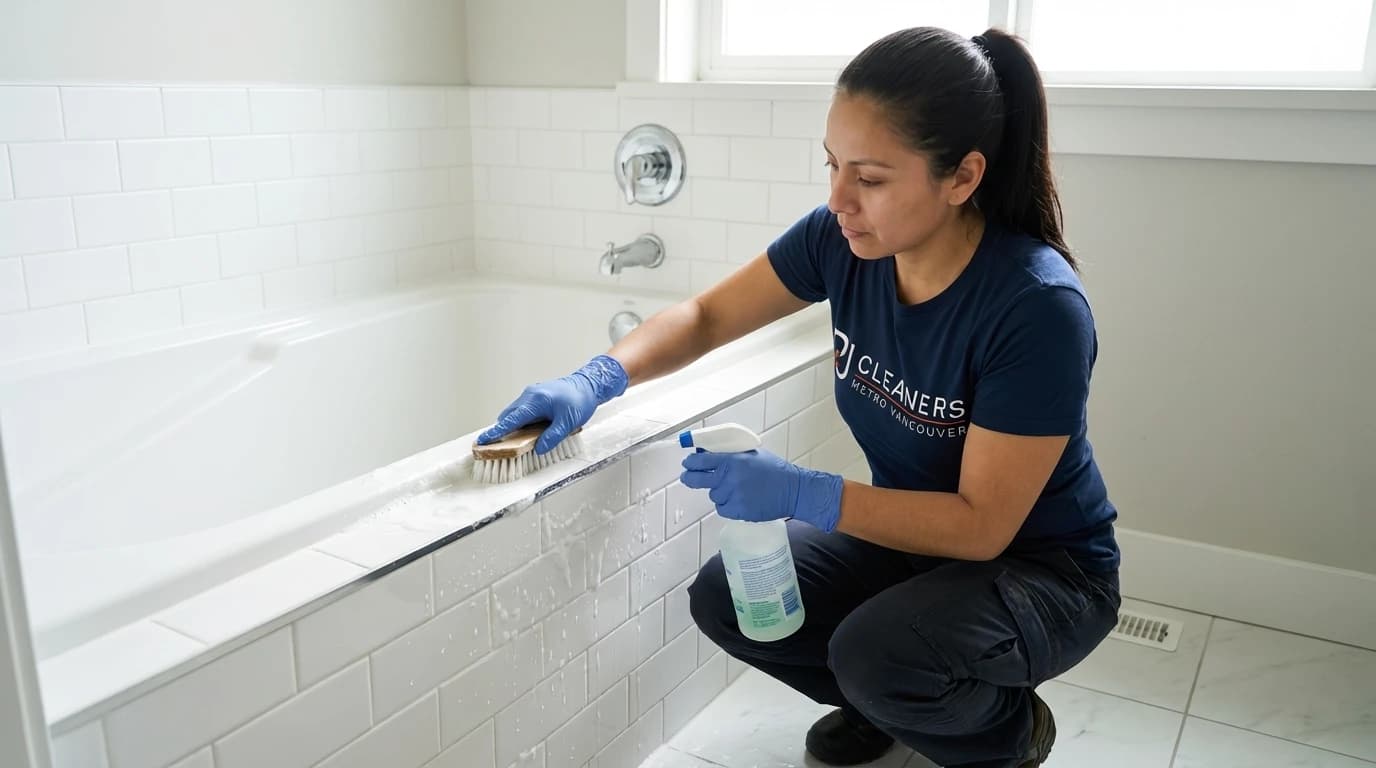
- Chemical reactions between bleach and ammonia produce chloramine gas, while bleach and vinegar create chlorine gas, both causing immediate respiratory irritation and potential long-term lung damage. Health Canada reports over 5,000 household chemical poisoning incidents annually from improper cleaner mixing, with 15% requiring emergency medical treatment. These toxic gases cause coughing, chest pain, difficulty breathing, watery eyes, nausea, and throat irritation within seconds of exposure. Severe cases lead to fluid accumulation in lungs, permanent respiratory damage, and even death in poorly ventilated spaces. Many common household cleaners contain ammonia or acids without clear labelling, making accidental mixing more common than homeowners realize.
- Reading product labels before mixing any cleaning products prevents dangerous chemical reactions and protects household members from toxic gas exposure. Ammonia appears in glass cleaners, some bathroom cleaners, floor waxes, furniture polish, and oven cleaners under various chemical names. The Canadian Centre for Occupational Health and Safety recommends using one cleaning product at a time and rinsing surfaces thoroughly before applying different cleaners. Proper ventilation with open windows and exhaust fans reduces gas concentration if accidental mixing occurs. Professional cleaners follow strict protocols that prevent chemical mixing and use single-product systems designed for safety and effectiveness.
- Common cleaning product combinations that create toxic gases include bleach with ammonia-based glass cleaners, bleach with vinegar for mould removal, bleach with rubbing alcohol for disinfection, and bleach with acidic toilet bowl cleaners. Even mixing bleach with hydrogen peroxide creates corrosive peracetic acid that damages surfaces and irritates skin. WorkSafeBC regulations require commercial cleaning operations to maintain Material Safety Data Sheets and train staff on chemical compatibility to prevent workplace injuries. Homeowners should store bleach separately from other cleaners and never pour multiple products into the same bucket or spray bottle. Professional cleaning services use colour-coded systems and dedicated equipment for different product types, eliminating cross-contamination risks entirely.
Quick Win
If you accidentally mix bleach with another cleaner, immediately leave the area, open all windows, turn on exhaust fans, and wait 30 minutes before returning to ventilate the space thoroughly.
Using Excessive Water on Hardwood and Laminate Floors
Wet mopping with too much water causes hardwood and laminate floors to warp, cup, and separate at seams within 24-48 hours, creating permanent damage that requires board replacement.
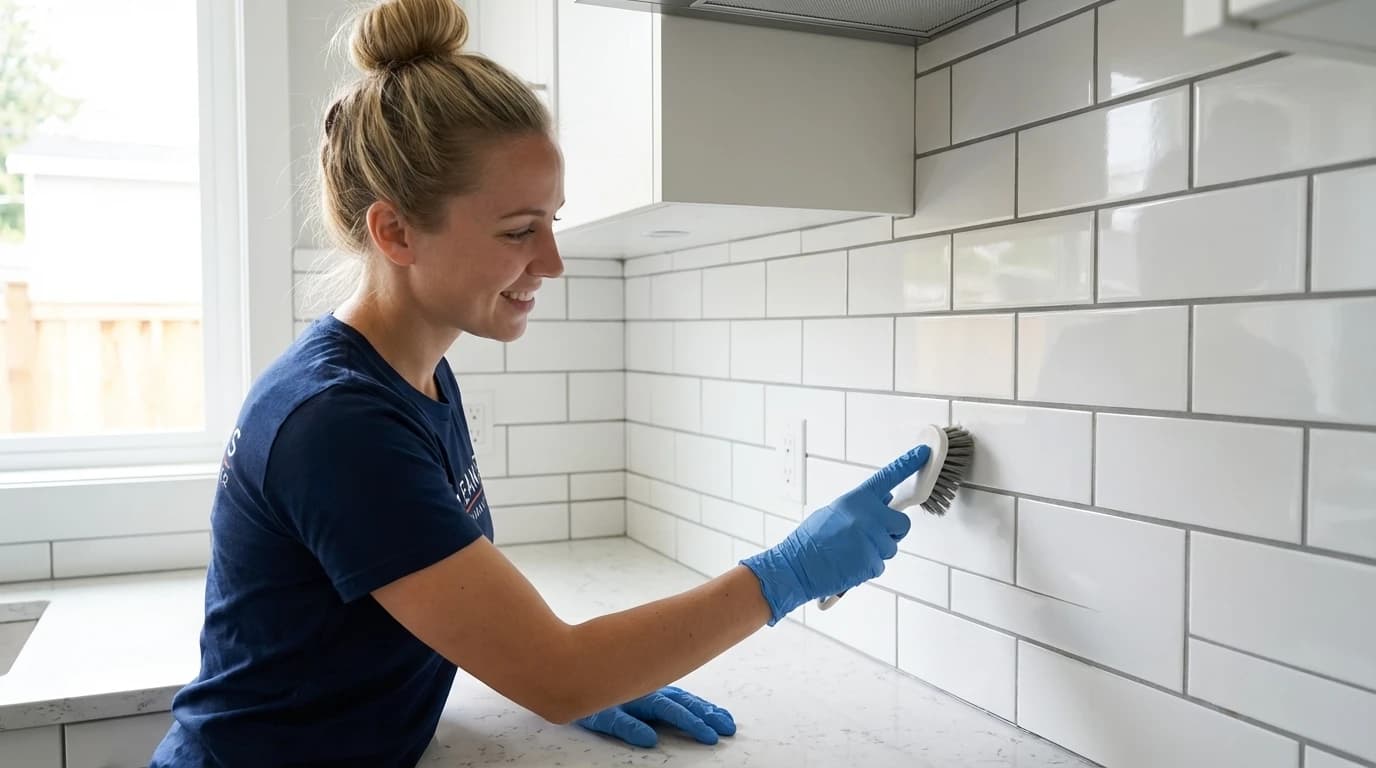
- Wood-based flooring materials absorb moisture through edges, seams, and any finish imperfections, causing dimensional changes that manifest as warping, cupping, and buckling. Excessive water from wet mopping penetrates between floorboards and underneath laminate planks, where it remains trapped and causes swelling. The National Association of Home Builders reports that moisture damage accounts for 60% of hardwood floor insurance claims, with average repair costs exceeding $4,500 per incident. Cupped boards curve upward at edges while the centre remains lower, creating an uneven walking surface and visual defect. Warped sections require complete board replacement since sanding cannot correct dimensional changes in wood structure.
- Damp mopping with well-wrung microfibre mops provides effective cleaning while minimizing moisture exposure that damages wood-based flooring. Professional cleaners use spray-and-wipe methods that apply minimal water directly to soiled areas rather than flooding entire floor surfaces. Vancouver's coastal humidity already stresses hardwood floors with ambient moisture, making excess water from cleaning particularly problematic. Homeowners should wring mops until barely damp and work in small sections that dry within 2-3 minutes of cleaning. Dehumidifiers in basements and crawl spaces reduce overall moisture levels that contribute to floor damage from cleaning and environmental sources.
- Signs of water damage from over-mopping include dark staining along board edges, raised seams between planks, spongy feeling when walking, gaps that appear between boards, and musty odours from trapped moisture. Laminate flooring shows damage faster than solid hardwood because its particle board core swells irreversibly when wet. The Canadian Wood Council recommends moisture content below 12% for hardwood floors, which wet mopping can exceed in minutes. Professional moisture meters detect hidden water damage before visible symptoms appear, allowing early intervention that prevents costly repairs. Proper cleaning techniques extend floor life by 20-30 years compared to wet mopping methods that cause premature failure and replacement needs.
Quick Win
Wring your mop until it's barely damp before cleaning hardwood floors, and if you can squeeze any water from it, it's too wet and will damage your flooring.
Applying Harsh Chemicals and Abrasives to Stainless Steel
Steel wool, chlorine bleach, and abrasive cleaners scratch stainless steel appliances and remove protective chromium oxide layers, causing permanent discolouration, rust spots, and reduced appliance lifespan.
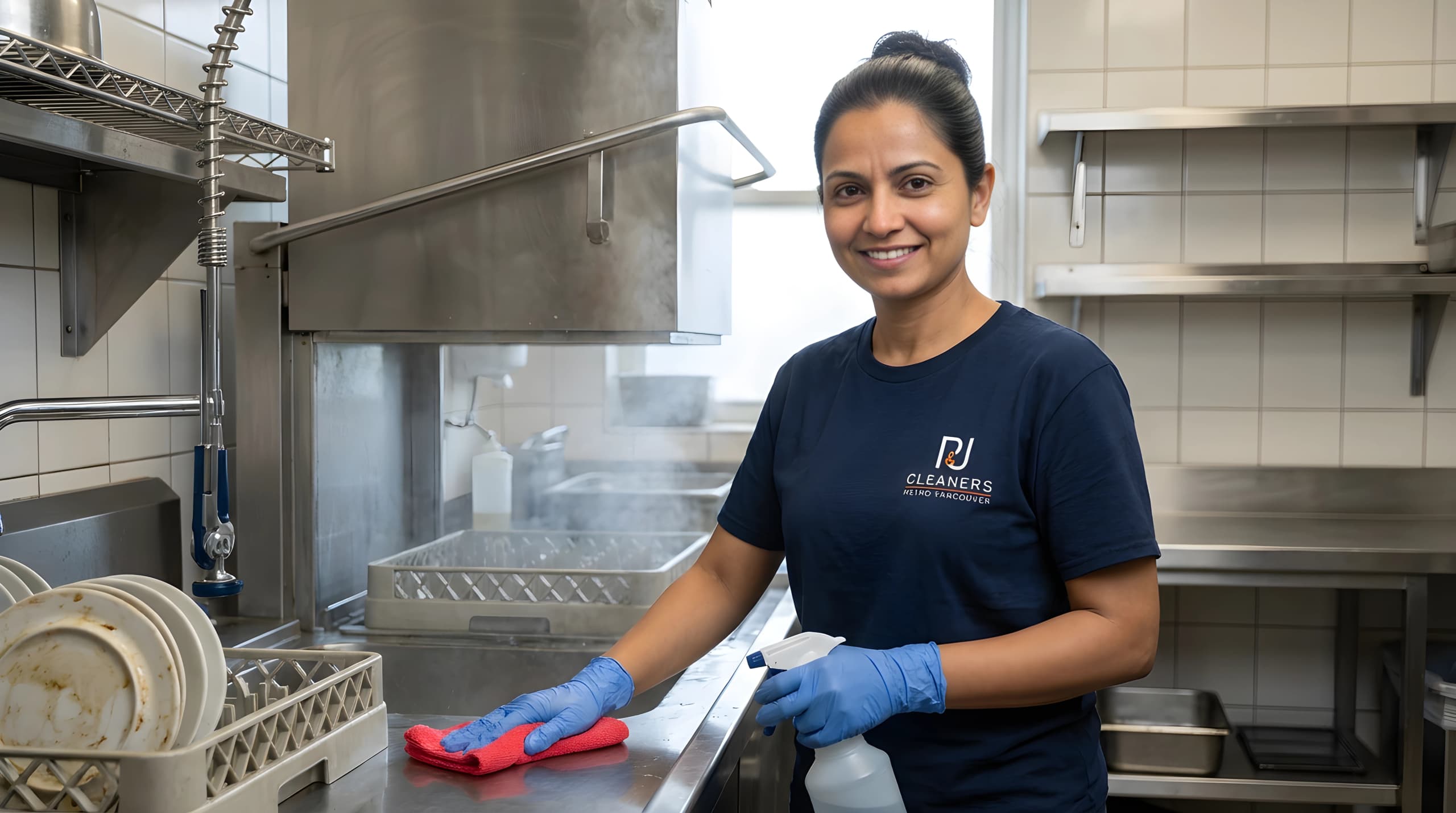
- Stainless steel contains chromium that forms a protective oxide layer preventing rust and corrosion, but abrasive tools and harsh chemicals remove this barrier permanently. Scratches from steel wool or abrasive pads create pathways for moisture and contaminants to reach the underlying metal, initiating corrosion that spreads over time. The Specialty Steel Industry of North America reports that improper cleaning reduces stainless steel appliance lifespan by 30-40% compared to manufacturer recommendations. Chlorine bleach breaks down the chromium oxide layer chemically, leaving steel vulnerable to rust, pitting, and discolouration that cannot be reversed. Professional appliance restoration costs $300-$600 per unit, while replacement of damaged stainless steel appliances ranges from $800 to $3,000 depending on size and features.
- Microfibre cloths with pH-neutral cleaners or specialized stainless steel products clean effectively while preserving protective surface layers and maintaining the original finish. Cleaning with the grain direction rather than circular motions prevents visible scratching and maintains the brushed appearance of stainless steel surfaces. Vancouver's salt air from coastal proximity accelerates corrosion on damaged stainless steel, making proper cleaning techniques especially important for appliance longevity. Homeowners should avoid cleaners containing chlorine, fluorine, bromine, or iodine, which all attack the protective chromium oxide layer. Mineral oil or specialized stainless steel polish applied after cleaning creates an additional protective barrier against fingerprints, water spots, and environmental contaminants.
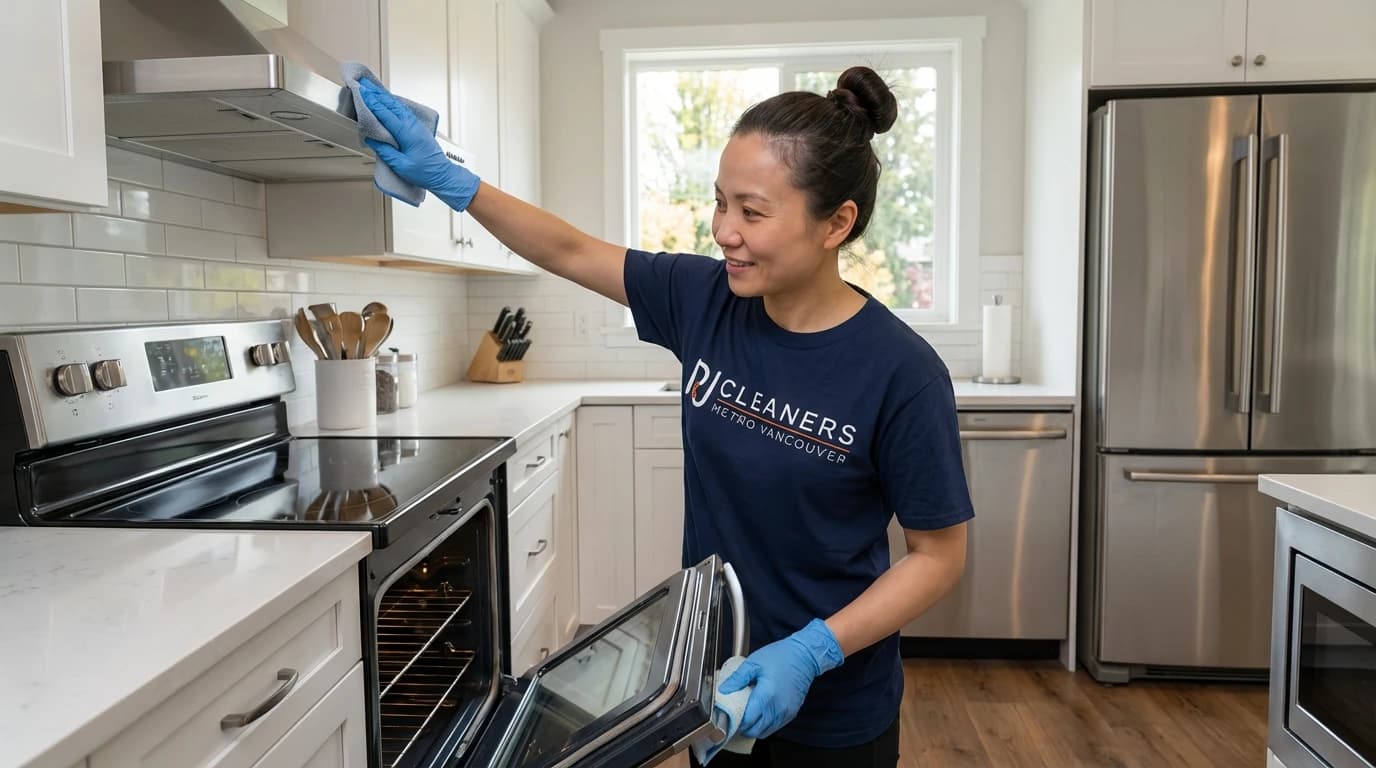
- Common products that damage stainless steel include oven cleaners, drain cleaners, toilet bowl cleaners, rust removers, silver polish, and any cleaner containing hydrochloric acid or chlorine compounds. Even tap water in Vancouver contains minerals that leave spots and streaks if not wiped dry immediately after cleaning. The International Stainless Steel Forum recommends cleaning frequency based on use patterns, with daily wiping for kitchen appliances and weekly deep cleaning for optimal maintenance. Professional cleaning services use distilled water for final rinses to prevent mineral deposits and apply protective coatings that repel fingerprints and reduce cleaning frequency. Proper stainless steel care maintains appliance appearance and function for 15-20 years compared to 8-12 years with harsh cleaning methods that cause premature deterioration.
Quick Win
Always wipe stainless steel in the direction of the grain using a soft microfibre cloth, and finish by buffing dry to prevent water spots and maintain the protective chromium oxide layer.
Fast Reset
Quick Surface Protection Tips
Implement these simple practices immediately to prevent cleaning damage and extend the life of your home's surfaces without expensive products or professional help.
Services mentioned in this article
Ready for help?
4.9 · 850+ Google reviewsProtect Your Surfaces with Expert Cleaning
Our trained professionals use surface-safe products and techniques that preserve your home's finishes. Book same-day service across Metro Vancouver with our satisfaction guarantee.
778-720-2224Common Questions About Cleaning Mistakes
What is the best way to avoid cleaning mistakes that damage your home's surfaces?
Always test cleaning products on hidden areas first and use pH-neutral cleaners for most surfaces. According to the ISSA, 68% of surface damage occurs from using acidic or alkaline cleaners on incompatible materials. Read manufacturer guidelines, avoid abrasive scrubbers on delicate finishes, and use microfibre cloths instead of paper towels to prevent scratches.
How often should you deep clean to prevent cleaning mistakes?
Deep clean high-traffic areas every 3-4 months and low-traffic spaces twice yearly. Statistics Canada reports that 73% of Canadian households clean weekly, but only 41% perform quarterly deep cleans. Regular maintenance prevents buildup that tempts homeowners to use harsh chemicals. Professional cleaners recommend seasonal deep cleans to maintain surface integrity without aggressive products.
What products work best for kitchen cleaning without damage?
Use pH-neutral dish soap diluted in warm water for most kitchen surfaces, including granite and quartz. The CDC recommends EPA-registered disinfectants only when sanitization is needed, not for routine cleaning. Avoid vinegar on natural stone, ammonia on stainless steel, and bleach on coloured grout. Microfibre cloths with plain water effectively remove 99% of bacteria without chemicals.
Is professional help worth it for preventing surface damage?
Professional cleaners prevent an average of $500-$1,200 in annual surface damage according to ISSA industry data. They use surface-specific products, proper dilution ratios, and appropriate tools that homeowners often lack. For homes with expensive finishes like marble countertops or hardwood floors, quarterly professional cleaning costs $150-$300 but protects investments worth thousands while extending surface lifespan by 40%.
Meet the Author
Pamela
Co-Founder
Pamela leads residential quality standards at P&J Cleaners, refining safe, detail-driven cleaning systems for Vancouver homes, condos, and move-out projects.
Keep Exploring