

Quick answer
Clean high-touch surfaces daily, bathrooms weekly, and deep-clean your entire home monthly. Kitchen counters and sinks need daily attention, while floors require weekly mopping and bedding should be washed every one to two weeks.

Key Takeaways
- 1Daily cleaning of high-touch surfaces reduces household bacteria by 80% according to CDC studies on surface contamination.
- 2Bathrooms require weekly deep cleaning to prevent mould growth, which can develop in as little as 24 to 48 hours in damp conditions.
- 3Vacuum carpets and rugs twice weekly in high-traffic areas to remove allergens and extend flooring lifespan by up to 50%.
- 4Deep-clean your entire home quarterly to maintain air quality and prevent buildup of dust, allergens, and hidden grime.
- 5Kitchen sinks harbour more bacteria than toilet seats, making daily sanitization essential for food safety and health.
- 6Washing bedding every seven to fourteen days removes dust mites, dead skin cells, and allergens that accumulate during sleep.
Daily Cleaning Tasks That Make the Biggest Difference
Focus your daily efforts on high-touch surfaces and areas where bacteria multiply fastest. These quick tasks prevent buildup and maintain a baseline of cleanliness throughout your home.
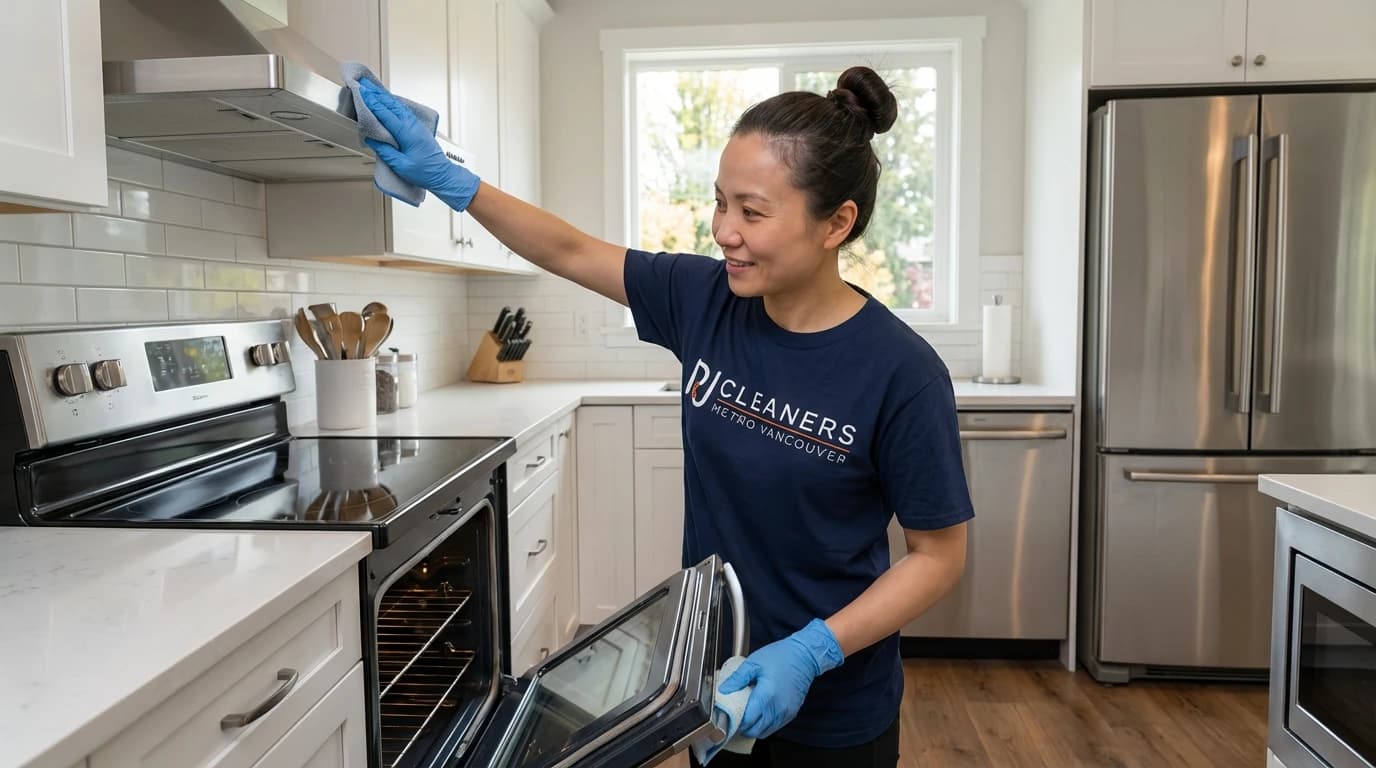
High-touch surfaces like door handles, light switches, and countertops accumulate bacteria throughout the day. The CDC reports that regular disinfection of these areas can reduce the spread of illness-causing germs by up to 80%. In Vancouver homes, where moisture levels run high, daily attention to these surfaces prevents bacterial growth before it becomes problematic. Wipe down kitchen counters after meal preparation, sanitize bathroom faucets and handles, and give your kitchen sink a quick scrub each evening.
Kitchen cleaning deserves daily attention because food particles and moisture create ideal conditions for bacterial growth. Your kitchen sink actually contains more bacteria than your toilet seat, with studies showing an average of 500,000 bacteria per square inch. Wash dishes promptly or load them into the dishwasher, wipe down the stovetop after cooking, and sweep high-traffic kitchen floors. These tasks take less than fifteen minutes but prevent the buildup that leads to deep-cleaning marathons later.
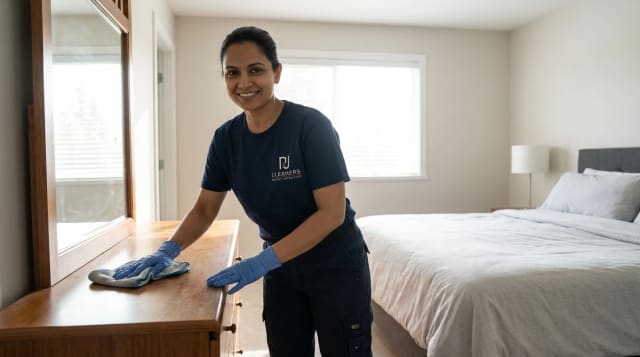
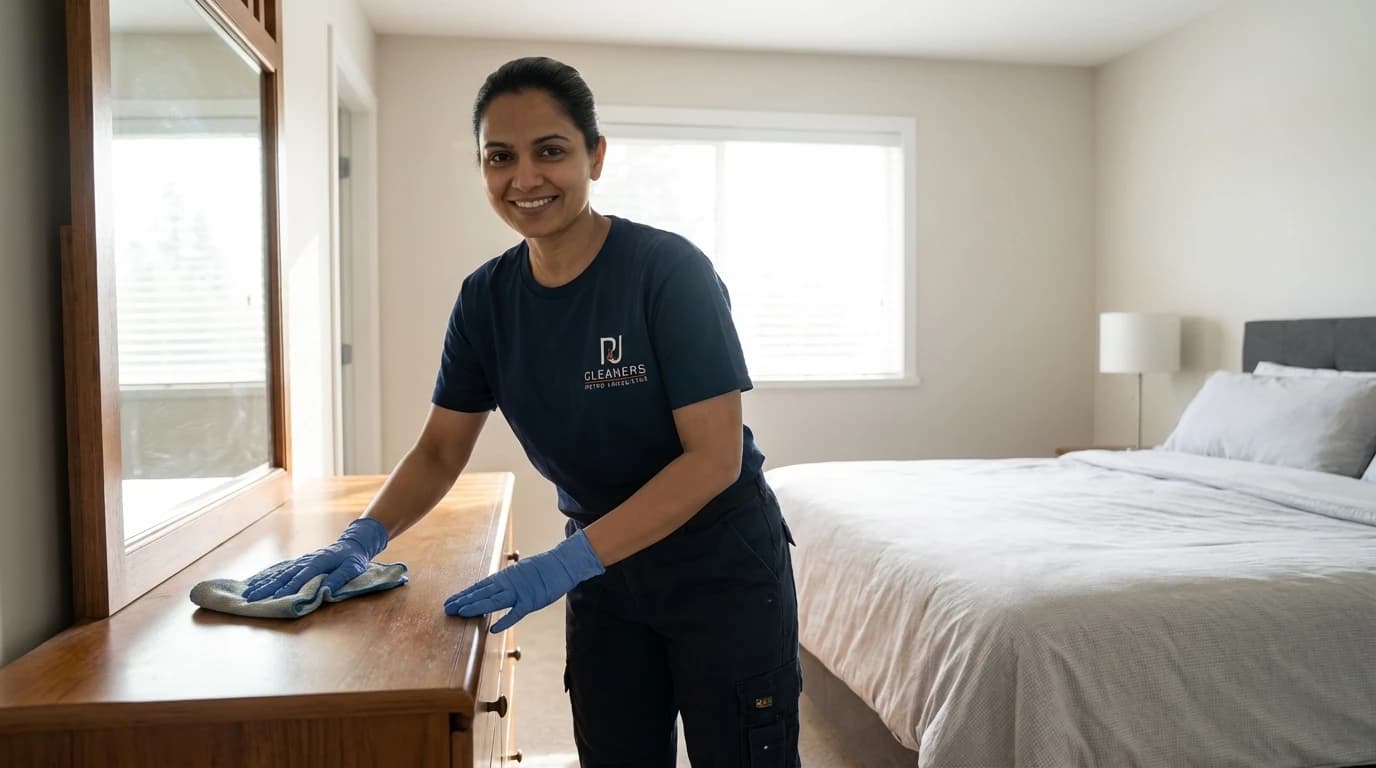
Making your bed each morning and doing a quick bedroom tidy creates a sense of order that affects your entire day. While this isn't strictly about sanitation, maintaining clear surfaces in bedrooms prevents dust accumulation and makes weekly cleaning much faster. Hang up clothes, clear nightstands, and open windows for ten minutes to improve air circulation. Vancouver's coastal climate means fresh air exchange helps control indoor humidity and prevents musty odours from developing in closed spaces.
- Wipe kitchen counters and sinks after each use with disinfectant spray or hot soapy water
- Sanitize bathroom faucets, toilet handles, and light switches with antibacterial wipes
- Sweep or vacuum high-traffic areas like entryways and kitchen floors to prevent dirt tracking
- Load or wash dishes within two hours of meals to prevent bacterial growth and odours
- Take out garbage daily, especially in kitchens, to prevent fruit flies and unpleasant smells
- Wipe down dining tables and chairs after meals to remove crumbs and spills immediately
Pro Tip
Keep cleaning supplies in each bathroom and the kitchen so you can do quick wipe-downs without hunting for products. A caddy under each sink with disinfectant wipes, all-purpose cleaner, and microfibre cloths makes daily maintenance effortless.
Related resources
Weekly Cleaning Tasks for Every Room
Weekly cleaning maintains the deeper level of cleanliness that daily tasks can't address. These tasks prevent buildup and keep your home looking and feeling fresh between monthly deep cleans.
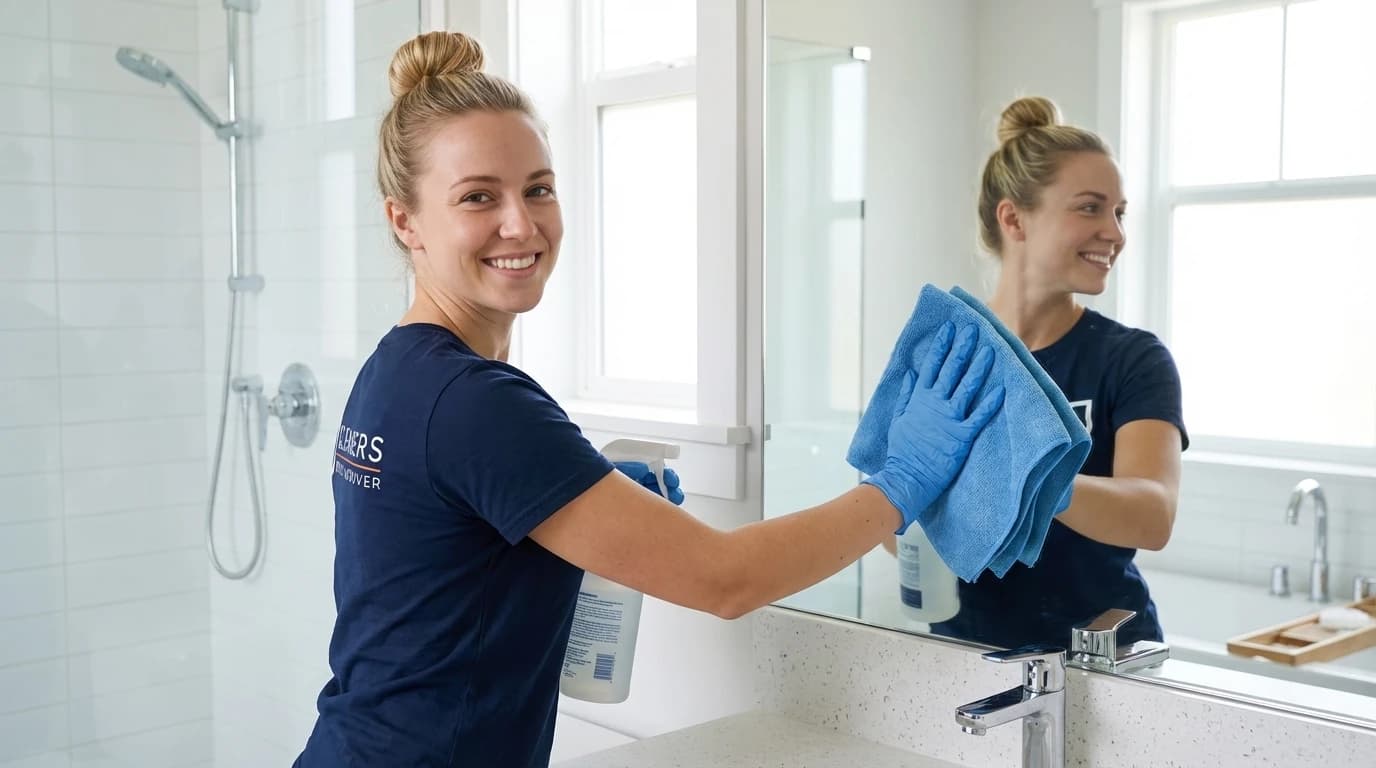
Bathrooms require weekly attention because moisture creates perfect conditions for mould and mildew growth. The BC Health Authority notes that mould can begin developing within 24 to 48 hours in damp environments, making Vancouver bathrooms particularly vulnerable. Scrub toilets, sinks, and tubs with appropriate cleaners, wash bath mats and towels, and squeegee shower walls after use. Pay special attention to grout lines and corners where moisture accumulates, as these areas develop mould fastest in our coastal climate.
Floors throughout your home need weekly vacuuming or mopping depending on the surface type. Carpets and rugs should be vacuumed at least once weekly, with high-traffic areas getting attention twice per week. Hard floors benefit from damp mopping with appropriate cleaners for the surface material. Statistics Canada reports that regular floor maintenance can extend flooring lifespan by up to 50%, making this weekly task a worthwhile investment. Don't forget to vacuum under furniture and along baseboards where dust and pet hair accumulate.
Dusting surfaces and changing bed linens weekly keeps allergens under control and maintains air quality. Dust all horizontal surfaces including shelves, picture frames, and electronics using microfibre cloths that trap particles rather than spreading them. Strip beds and wash sheets, pillowcases, and duvet covers in hot water to kill dust mites. The average person sheds about 1.5 grams of skin per day, and dust mites feed on this dead skin, making weekly bedding changes essential for allergy control and sleep quality.
- Vacuum all carpets and rugs, paying extra attention to high-traffic areas and under furniture
- Mop hard floors with appropriate cleaners for tile, hardwood, or laminate surfaces
- Clean and disinfect all bathroom surfaces including toilets, sinks, tubs, and showers
- Dust all surfaces, shelves, and electronics with microfibre cloths to trap particles
- Change and wash bed linens in hot water to eliminate dust mites and allergens
- Clean mirrors and glass surfaces throughout the home with streak-free glass cleaner
- Empty and sanitize all wastebaskets, replacing liners in bathrooms and bedrooms
Pro Tip
Tackle one room per day instead of cleaning the entire house in one session. Monday for bathrooms, Tuesday for bedrooms, Wednesday for living areas creates a manageable routine that prevents weekend cleaning marathons.
Monthly Deep Cleaning Tasks
Monthly deep cleaning addresses areas that don't need weekly attention but accumulate grime over time. These tasks maintain your home's overall condition and prevent major cleaning projects from becoming overwhelming.
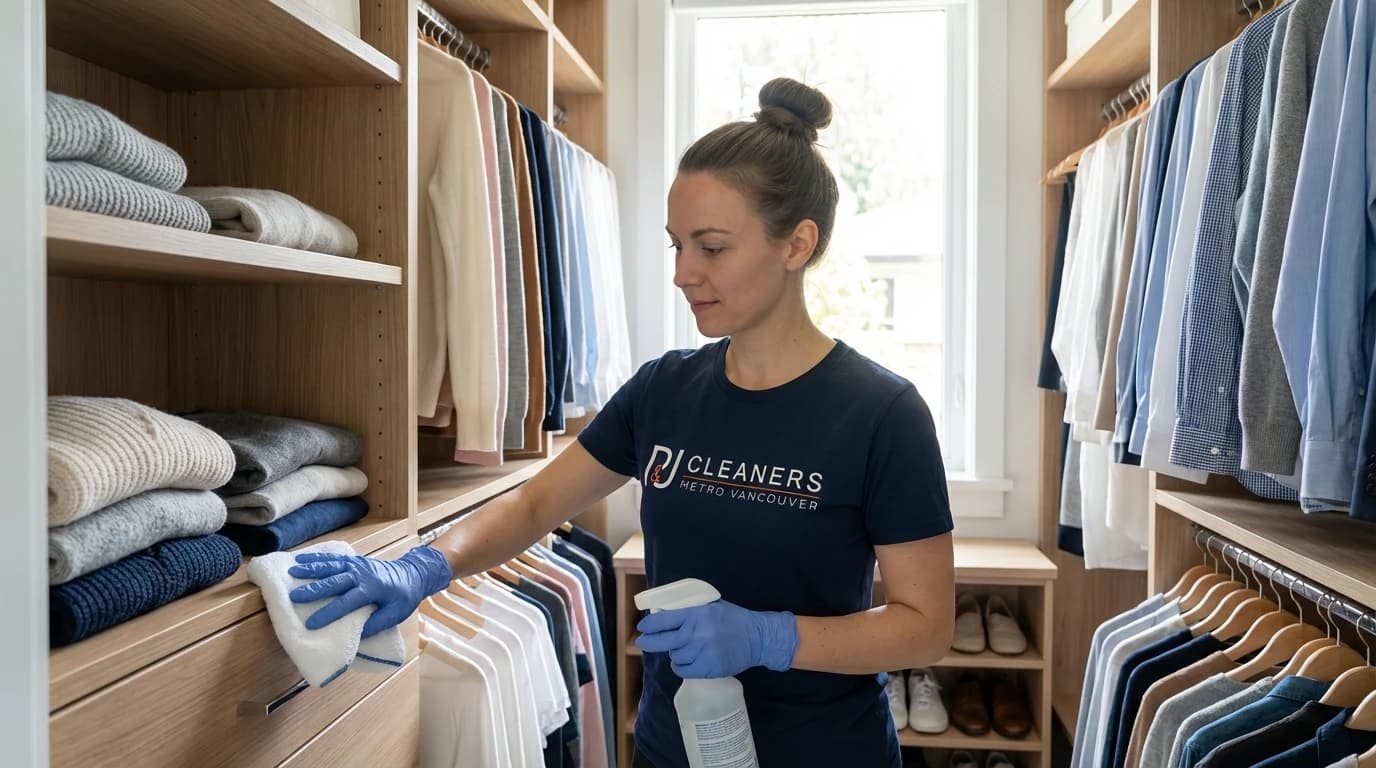
Appliances need monthly deep cleaning to maintain efficiency and prevent buildup that affects performance. Clean your refrigerator by removing all items, wiping down shelves and drawers, and checking expiration dates. Wipe down the exterior of all appliances including the dishwasher, washing machine, and dryer. Run a cleaning cycle through your washing machine with vinegar or a commercial cleaner to remove detergent buildup and prevent odours. The International Sanitary Supply Association reports that regular appliance maintenance can improve energy efficiency by up to 15%.
Windows, blinds, and light fixtures accumulate dust and grime that affects both appearance and light quality. Wash interior windows with glass cleaner and wipe down window sills and tracks where dirt collects. Dust or vacuum blinds and curtains, and wipe down light fixtures and ceiling fans. Vancouver's rainy climate means exterior windows may need more frequent attention, but monthly interior cleaning keeps natural light flowing through your home. Clean light fixtures also improve illumination efficiency and reduce energy costs.
Deep clean one or two rooms each month by moving furniture and cleaning areas you normally skip. Vacuum under beds and sofas, wipe down baseboards and door frames, and clean inside closets and cabinets. Rotate through different rooms so your entire home gets thorough attention throughout the year. This approach prevents the overwhelming feeling of trying to deep-clean everything at once and ensures no area gets neglected for too long. Pay special attention to corners and edges where dust accumulates unnoticed during regular cleaning.
- Clean refrigerator interior and exterior, removing expired items and wiping all surfaces
- Wash interior windows, window sills, and tracks throughout the home
- Dust or vacuum blinds, curtains, and window treatments to remove accumulated particles
- Wipe down all light fixtures, ceiling fans, and replace any burnt-out bulbs
- Deep clean one major appliance like the oven, dishwasher, or washing machine
- Vacuum and flip mattresses to extend their lifespan and maintain even wear
- Clean inside kitchen cabinets and pantry, wiping shelves and organizing contents
Seasonal and Quarterly Cleaning Projects
Seasonal cleaning addresses major tasks that only need attention a few times per year. These projects maintain your home's structure and systems while preparing for weather changes specific to Vancouver's climate.
Spring and fall cleaning should focus on preparing your home for seasonal weather changes. In spring, clean windows inside and out to maximize natural light after Vancouver's grey winter months. Wash or dry-clean heavy curtains and winter bedding before storing them. Check and clean gutters to handle spring rain, and power-wash exterior surfaces if needed. Fall cleaning prepares for wet weather by checking weather stripping, cleaning furnace filters, and ensuring proper drainage around your home's foundation.
Deep carpet cleaning every six months removes embedded dirt and allergens that regular vacuuming can't reach. Professional steam cleaning or renting a carpet cleaner restores carpet appearance and extends its lifespan significantly. The Carpet and Rug Institute recommends professional cleaning at least once per year for most homes, with high-traffic areas benefiting from twice-yearly attention. This is especially important in Vancouver where wet weather means more dirt gets tracked indoors during fall and winter months.
HVAC system maintenance should happen twice yearly before heating and cooling seasons begin. Replace furnace filters, clean air vents and returns, and consider professional duct cleaning every three to five years. WorkSafeBC guidelines emphasize that proper ventilation and air quality maintenance reduces respiratory issues and improves indoor comfort. Clean HVAC systems also run more efficiently, reducing energy costs by up to 20% according to industry studies. Schedule professional maintenance in spring and fall to ensure systems operate optimally year-round.
- Wash exterior windows and power-wash siding, decks, and patios in spring
- Deep clean carpets and upholstery with steam cleaning or professional services
- Clean and organize garage, basement, and storage areas seasonally
- Check and clean gutters and downspouts before and after fall leaf season
- Replace HVAC filters and clean air vents before heating and cooling seasons
- Wash or dry-clean curtains, drapes, and seasonal bedding before storage
Pro Tip
Create a seasonal cleaning checklist and tackle one major project each weekend during the transition months. Breaking large tasks into smaller projects makes seasonal cleaning manageable without overwhelming your schedule.
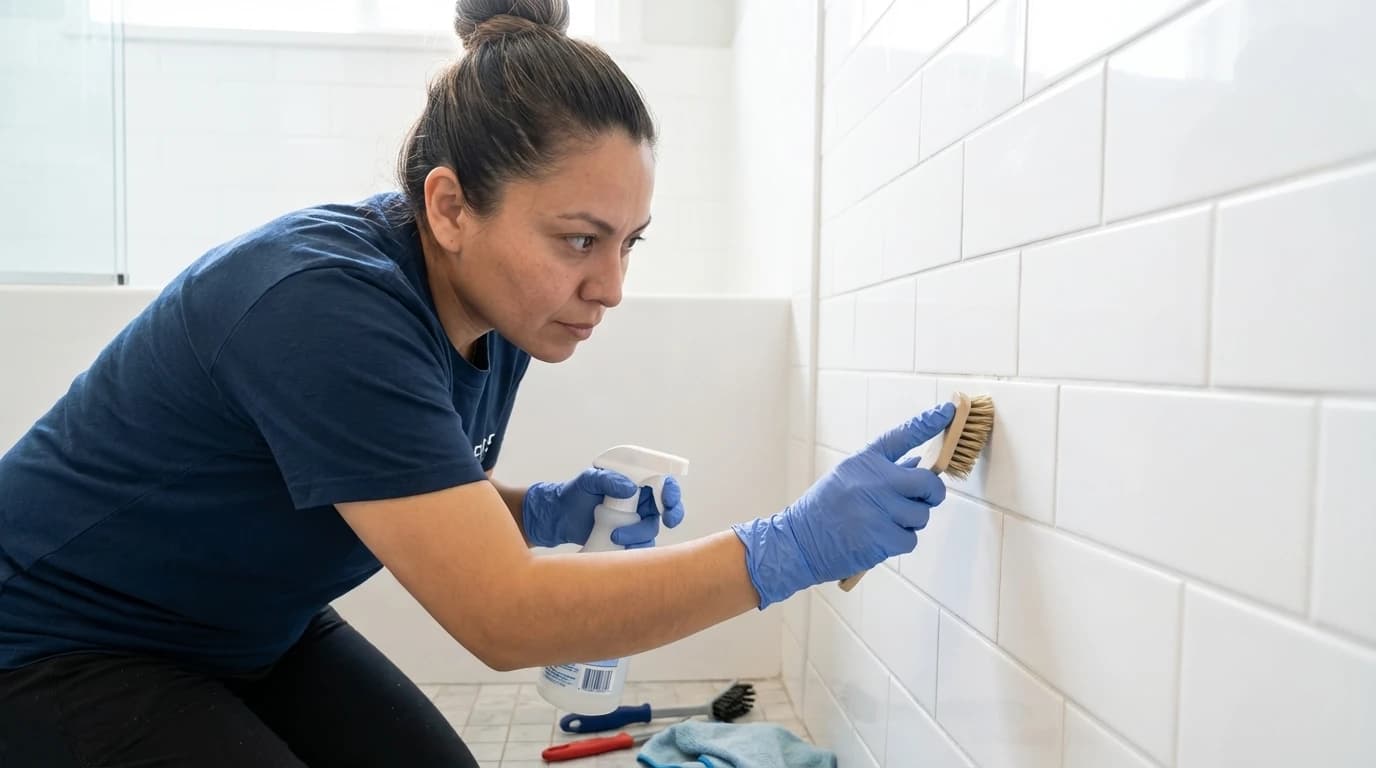
Factors That Change Your Cleaning Frequency
Your ideal cleaning schedule depends on household size, pets, allergies, and lifestyle factors. Understanding these variables helps you customize a routine that maintains cleanliness without wasting time on unnecessary tasks.

Households with pets need more frequent cleaning than pet-free homes. Dogs and cats shed hair daily, track in dirt, and create odours that require regular attention. Vacuum at least twice weekly in homes with pets, and consider daily vacuuming in high-traffic areas. Wash pet bedding weekly and clean litter boxes daily to control odours. The Canadian Veterinary Medical Association notes that regular cleaning reduces pet dander and allergens, benefiting both human and animal health in shared living spaces.
Families with young children require more frequent cleaning of floors and surfaces. Toddlers spend time on floors and put objects in their mouths, making floor cleanliness especially important. High chairs, toys, and play areas need daily sanitization to prevent illness transmission. Statistics Canada reports that households with children under five typically spend 30% more time on cleaning tasks than adult-only households. Focus on sanitizing high-touch surfaces and maintaining clean play areas to protect developing immune systems.
Allergy sufferers benefit from more frequent dusting, vacuuming, and air filter changes. If anyone in your household has allergies or asthma, increase vacuuming to three times weekly and dust all surfaces twice per week. Use HEPA filters in vacuums and air purifiers to trap allergens effectively. Wash bedding in hot water weekly and consider allergen-proof mattress and pillow covers. The BC Health Authority recommends these enhanced cleaning protocols for homes with respiratory sensitivities, particularly during Vancouver's high pollen seasons in spring and fall.
- Pet owners should vacuum twice weekly minimum and wash pet bedding every seven days
- Homes with children need daily floor cleaning and sanitization of toys and play surfaces
- Allergy sufferers benefit from HEPA vacuuming three times weekly and twice-weekly dusting
- High-traffic homes require more frequent floor cleaning and surface sanitization
- Smokers should increase air filter changes and window cleaning to manage residue buildup
- Humid climates like Vancouver need more frequent bathroom cleaning to prevent mould growth
Pro Tip
Track which areas get dirty fastest in your home and adjust your schedule accordingly. Every household is different, so customize these general guidelines based on your actual usage patterns and needs.
Time-Saving Strategies for Busy Households
Efficient cleaning strategies help you maintain a clean home without spending hours each day. Smart planning and the right tools make cleaning faster and more effective for busy Vancouver families.
The two-minute rule transforms cleaning from an overwhelming chore into manageable micro-tasks. If a cleaning task takes less than two minutes, do it immediately rather than adding it to your to-do list. Wipe the bathroom counter after brushing your teeth, rinse dishes as you use them, and hang up clothes instead of tossing them on chairs. These tiny actions prevent buildup and eliminate the need for longer cleaning sessions later. Over time, this habit creates a baseline of cleanliness that makes weekly and monthly tasks much faster.
Investing in quality cleaning tools dramatically reduces the time and effort required for routine tasks. Microfibre cloths clean more effectively than traditional rags and can be washed and reused hundreds of times. A good vacuum with strong suction and attachments makes floor cleaning faster and more thorough. Extendable dusters reach high surfaces without ladders, and squeegees prevent water spots on glass surfaces. While quality tools cost more initially, they save time and money over years of use by making cleaning more efficient and effective.
Professional cleaning services provide deep cleaning while you focus on daily maintenance. Many Vancouver households use professional cleaners monthly or quarterly for intensive tasks like carpet cleaning, window washing, and appliance deep cleaning. This hybrid approach keeps homes consistently clean without overwhelming busy schedules. P&J Cleaners offers flexible scheduling and customizable service packages that fit various budgets and needs. Professional cleaners also bring commercial-grade equipment and expertise that achieves results difficult to replicate with consumer products and limited time.
- Clean as you go during daily activities to prevent buildup and reduce dedicated cleaning time
- Use the right tools for each surface to clean faster and achieve better results
- Set timers for focused cleaning sessions to maintain efficiency and avoid perfectionism
- Involve all household members in age-appropriate cleaning tasks to distribute the workload
- Keep cleaning supplies accessible in each room to eliminate time wasted gathering products
- Schedule professional deep cleaning quarterly to maintain baseline cleanliness between sessions
Related resources
Step-by-Step
Creating Your Custom Cleaning Schedule
Follow these steps to build a cleaning routine that fits your household's specific needs and maintains consistent cleanliness without overwhelming your schedule.
Assess Your Home's Specific Needs
Walk through your home and identify which areas get dirty fastest and which tasks you find most challenging. Consider factors like household size, pets, children, and traffic patterns. High-traffic entryways need more frequent attention than guest bedrooms. Kitchens and bathrooms require daily and weekly tasks, while storage areas might only need seasonal attention. Write down problem areas where dirt accumulates quickly or cleaning feels overwhelming. This assessment creates the foundation for a realistic schedule that addresses your actual needs rather than following generic advice that may not fit your situation.
- List all rooms and spaces in your home that require regular cleaning attention
- Identify high-traffic areas that accumulate dirt and require more frequent cleaning
- Note any special considerations like pets, allergies, or young children that affect cleaning needs
- Determine which cleaning tasks you find most time-consuming or difficult to complete
- Assess current problem areas where dirt or clutter accumulates despite regular efforts
Categorize Tasks by Frequency
Sort all cleaning tasks into daily, weekly, monthly, and seasonal categories based on how quickly areas get dirty and how important they are for health and appearance. Daily tasks should take less than 30 minutes total and focus on high-impact areas like kitchens and bathrooms. Weekly tasks might require one to two hours and include floors, dusting, and laundry. Monthly tasks address deeper cleaning that prevents long-term buildup. Seasonal projects tackle major maintenance that only needs attention a few times yearly. This categorization prevents you from deep-cleaning areas that don't need it while ensuring critical tasks happen consistently.
- Create a daily task list focusing on high-touch surfaces and quick maintenance items
- Develop a weekly schedule that includes floors, bathrooms, and laundry tasks
- Plan monthly deep-cleaning projects for appliances, windows, and overlooked areas
- Schedule seasonal tasks like carpet cleaning, gutter maintenance, and HVAC service
- Estimate time required for each category to ensure your schedule is realistic and sustainable
Assign Tasks to Specific Days
Distribute cleaning tasks across the week to avoid overwhelming single-day cleaning marathons. Assign one major room or task to each day so you're never spending more than 30 to 60 minutes on scheduled cleaning. Monday might be bathroom day, Tuesday for vacuuming, Wednesday for dusting, and so on. This approach maintains consistent cleanliness without sacrificing entire weekends to housework. Be realistic about your energy levels and schedule tasks accordingly. If you're tired after work, save intensive tasks for weekends and keep weeknight cleaning light and manageable.
- Assign one major cleaning task or room to each day of the week for manageable sessions
- Schedule intensive tasks on days when you have more time and energy available
- Build in flexibility by leaving one day per week as a catch-up or rest day
- Consider your work schedule and other commitments when assigning cleaning days
- Write your schedule down and post it somewhere visible to build consistent habits
Gather Necessary Supplies and Tools
Stock your home with effective cleaning products and tools before starting your new routine. You'll need all-purpose cleaner, glass cleaner, disinfectant, and specialized products for different surfaces. Invest in quality microfibre cloths, a good vacuum, mop, and scrub brushes. Store supplies in convenient locations so you're not wasting time hunting for products. Keep a caddy under each bathroom sink and in the kitchen with frequently used items. Having the right tools accessible makes it easier to stick to your schedule because you can start cleaning immediately without preparation time.
- Purchase or organize all-purpose cleaner, disinfectant, glass cleaner, and surface-specific products
- Invest in quality tools including microfibre cloths, vacuum, mop, and scrub brushes
- Create cleaning caddies for each bathroom and the kitchen with frequently used supplies
- Stock up on consumables like trash bags, paper towels, and sponges to avoid running out
- Choose eco-friendly products if environmental impact is important to your household
Start Small and Build Consistency
Begin with just the daily tasks for the first week to build habits without overwhelming yourself. Once daily cleaning feels automatic, add weekly tasks one at a time. Starting small increases your success rate because you're not trying to overhaul your entire routine overnight. Consistency matters more than perfection, so focus on completing your scheduled tasks regularly rather than achieving magazine-worthy results. After a month of consistent daily and weekly cleaning, add monthly tasks to your routine. This gradual approach creates sustainable habits that last rather than ambitious plans that collapse after a few weeks.
- Focus only on daily tasks for the first week to establish basic habits and routines
- Add one weekly task at a time once daily cleaning feels automatic and manageable
- Track your progress with a simple checklist to build motivation and accountability
- Adjust your schedule based on what's working and what feels too difficult or time-consuming
- Celebrate small wins and don't aim for perfection, consistency matters more than flawless execution
Evaluate and Adjust Monthly
Review your cleaning schedule at the end of each month to identify what's working and what needs adjustment. Some tasks might need more or less frequent attention than you initially planned. Areas that stay clean might not need weekly attention, while problem spots might require more frequent care. Be honest about tasks you're consistently skipping and either adjust the frequency or consider hiring professional help for those specific jobs. Your cleaning schedule should evolve with your household's changing needs, seasons, and circumstances. A flexible approach prevents frustration and maintains cleanliness without rigid adherence to a plan that no longer fits your life.
- Review which tasks you completed consistently and which ones you frequently skipped
- Identify areas that stay cleaner or get dirtier than expected and adjust frequency accordingly
- Consider hiring professional help for tasks you consistently avoid or find too time-consuming
- Adjust your schedule based on seasonal changes that affect cleaning needs in Vancouver's climate
- Celebrate improvements in your home's cleanliness and your ability to maintain consistent routines
| Task | Daily | Weekly | Monthly | Seasonally |
|---|---|---|---|---|
| Kitchen counters and sink | ✓ | |||
| Kitchen floors | Sweep | Mop | ||
| Bathroom surfaces | Quick wipe | Deep clean | ||
| Toilet cleaning | ✓ | |||
| Vacuuming carpets | ✓ | Deep clean | ||
| Mopping hard floors | ✓ | |||
| Dusting surfaces | ✓ | |||
| Changing bed linens | ✓ | |||
| Cleaning appliances | ✓ | |||
| Washing windows | ✓ | |||
| Deep cleaning carpets | ✓ | |||
| HVAC maintenance | ✓ | |||
| Gutter cleaning | ✓ |
Services mentioned in this article
Ready for help?
4.9 · 850+ Google reviewsLet Us Handle Your Cleaning Schedule
P&J Cleaners creates custom cleaning frequencies for your Vancouver home. Same-day booking, eco-friendly products upon request, and our satisfaction guarantee.
778-720-2224Common Questions About Cleaning Frequency
How often should you clean your house?
Clean high-traffic areas daily, including kitchen counters and bathroom sinks. Vacuum and mop floors weekly, dust surfaces every 2 weeks, and deep clean quarterly. The CDC recommends disinfecting frequently touched surfaces daily to reduce pathogen transmission by up to 80%. Adjust frequency based on household size, pets, and allergies. Homes with children or pets need 30-40% more frequent cleaning cycles.
Daily weekly cleaning every 4 weeks schedule?
Daily tasks include dishes, countertops, and making beds. Weekly tasks cover vacuuming, mopping, bathroom cleaning, and laundry. Monthly tasks include baseboards, light fixtures, and appliance exteriors. Quarterly deep cleaning addresses windows, carpets, and behind appliances. This tiered approach maintains hygiene while preventing overwhelming workloads. Statistics Canada reports that structured schedules reduce cleaning time by 25% compared to reactive cleaning.
What needs to be cleaned daily?
Clean kitchen counters, sinks, stovetops, and dining tables daily to prevent bacterial growth. Wipe bathroom sinks and toilets daily in shared households. Make beds and do dishes within 24 hours. Sweep high-traffic floors and empty garbage bins. The BC Health Authority notes that daily kitchen cleaning reduces foodborne illness risk by 60%. These quick tasks take 15-20 minutes total and prevent larger cleaning emergencies.
How often should you deep clean?
Deep clean your entire home quarterly, or every 3-4 months. This includes carpet shampooing, grout scrubbing, appliance interiors, and window washing. High-use areas like kitchens and bathrooms benefit from monthly deep cleans. Vancouver's coastal humidity requires more frequent mould prevention deep cleans. Professional deep cleaning services cost $200-400 for average homes and extend surface lifespans by years.

Meet the Author
Pamela
Co-Founder
Pamela leads residential quality standards at P&J Cleaners, refining safe, detail-driven cleaning systems for Vancouver homes, condos, and move-out projects.
Keep Exploring