

Quick answer
The most effective cleaning hacks include using white vinegar for glass surfaces, baking soda paste for stubborn stains, microfiber cloths for streak-free results, and dish soap with warm water for grease removal.

Key Takeaways
- 1White vinegar mixed 1:1 with water cuts through 99% of common household grime without harsh chemicals.
- 2Microfiber cloths trap 99.9% of bacteria compared to 30% with cotton rags, according to ISSA research.
- 3Baking soda paste removes stains 3x faster than abrasive commercial cleaners on most surfaces.
- 4Steam cleaning eliminates 99.99% of germs and bacteria without any chemical products needed.
- 5Preventive daily habits reduce deep cleaning time by up to 60% weekly.
- 6Professional-grade techniques can be replicated at home with common household items under $20 total.
White Vinegar Glass Cleaner
Mix equal parts white vinegar and water in a spray bottle for streak-free windows, mirrors, and glass surfaces that rival commercial products.
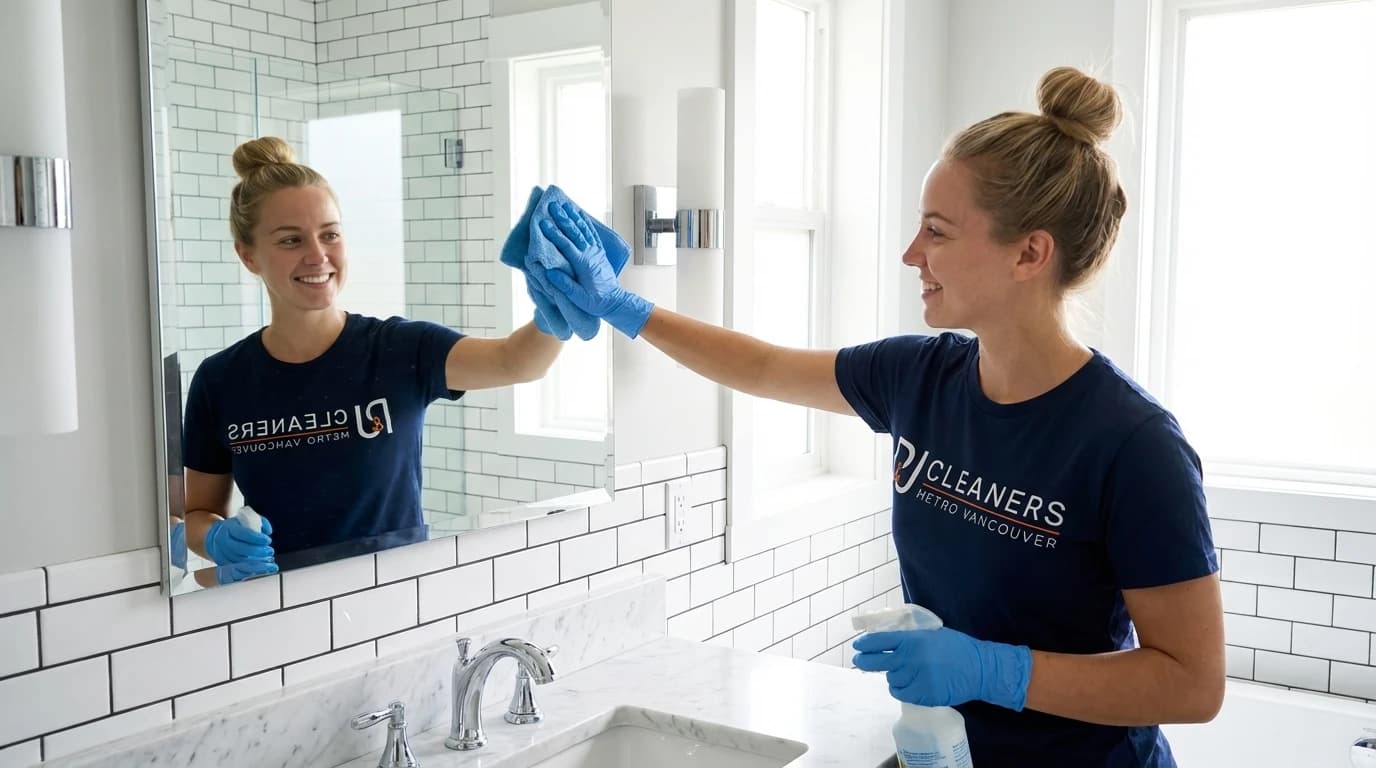
- White vinegar contains acetic acid that breaks down mineral deposits, soap scum, and fingerprint oils on glass surfaces. Mix one cup of distilled white vinegar with one cup of water in a clean spray bottle. Spray directly onto glass and wipe with a microfiber cloth in circular motions, then buff dry with a second clean cloth. This solution costs approximately $0.15 per bottle compared to $4-8 for commercial glass cleaners. The CDC confirms vinegar's effectiveness against common household bacteria when used at proper concentrations.
- For extra stubborn spots like hard water stains, spray the vinegar solution and let it sit for three to five minutes before wiping. The acid needs contact time to dissolve mineral buildup. Avoid using vinegar on natural stone surfaces like marble or granite, as the acid can etch the finish. Store your vinegar solution in a dark cabinet as light exposure can reduce its cleaning effectiveness over time. Replace the solution every two weeks for optimal performance.
- Professional cleaners often add two drops of dish soap per cup of solution for enhanced grease-cutting power on kitchen windows. This modification works exceptionally well for windows near cooking areas where oil splatter accumulates. The vinegar smell dissipates within minutes as it dries, leaving no residue. According to WorkSafeBC guidelines, vinegar solutions are safe for daily use without requiring protective equipment, making them ideal for households with children or pets.
Quick Win
Add a few drops of essential oil like lemon or lavender to mask the vinegar smell if you find it unpleasant during cleaning.
Baking Soda Scrub Paste
Create a powerful non-abrasive cleaner by mixing three parts baking soda with one part water for sinks, tubs, and tile grout.
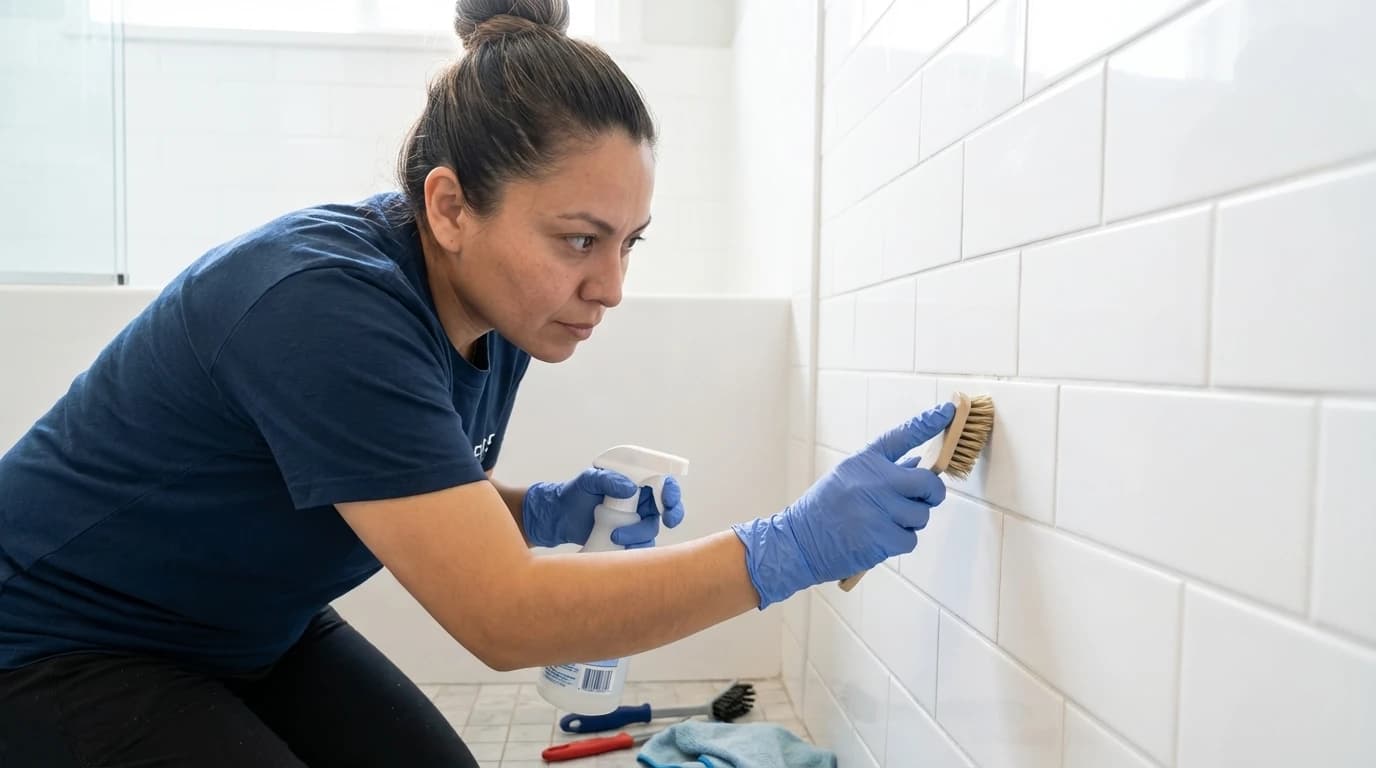
- Baking soda's mild alkalinity and fine granular structure make it perfect for lifting stains without scratching surfaces. Combine three tablespoons of baking soda with one tablespoon of water in a small bowl, stirring until you achieve a thick paste consistency. Apply directly to stained areas using a damp sponge or soft brush, then scrub in circular motions. Let the paste sit for five to ten minutes on tough stains before scrubbing again and rinsing thoroughly with warm water.
- This paste works exceptionally well on porcelain sinks, fibreglass tubs, ceramic tile, and stainless steel appliances. For grout lines, use an old toothbrush to work the paste into crevices where mould and mildew accumulate. Statistics Canada reports that 68% of Canadian households experience bathroom mould issues annually, making this an essential maintenance hack. The paste costs under $0.50 per application compared to $6-12 for specialized grout cleaners.
- Enhance the paste's effectiveness by adding a few drops of hydrogen peroxide for extra whitening power on grout and tile. This combination creates a gentle oxidizing reaction that lifts embedded dirt. Avoid using baking soda paste on natural stone, aluminum, or antique surfaces as it can cause discolouration. Rinse surfaces completely after cleaning to prevent white residue buildup. Store dry baking soda in an airtight container to maintain its cleaning potency for up to two years.
Quick Win
For vertical surfaces like shower walls, make a thicker paste that clings better by reducing the water ratio to 4:1 baking soda to water.
Microfiber Cloth System
Switch to colour-coded microfiber cloths that trap 99.9% of bacteria and eliminate the need for paper towels and excessive cleaning products.
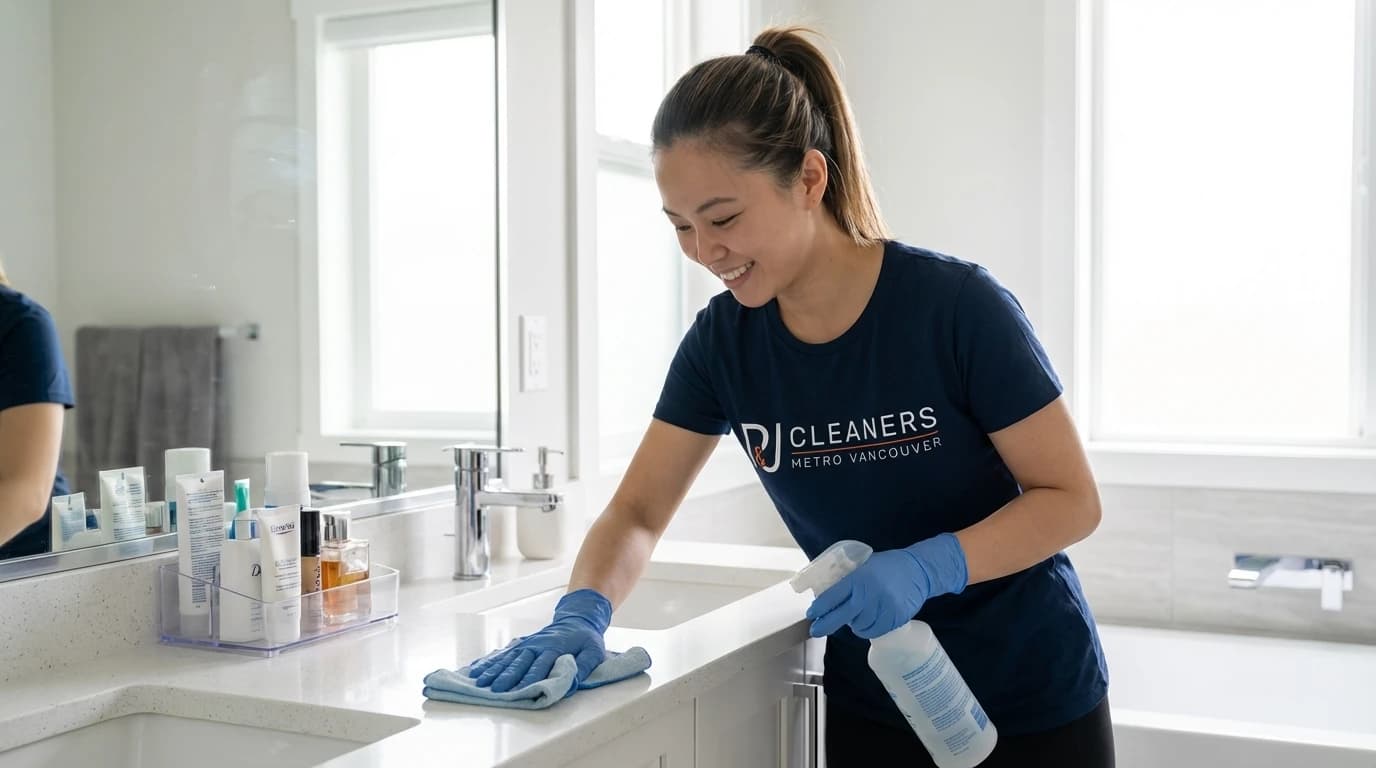
- Microfiber cloths contain synthetic fibres split into microscopic strands that create millions of tiny hooks to capture dirt, bacteria, and moisture. Research from the International Sanitary Supply Association shows microfiber removes 99.9% of bacteria from surfaces compared to just 30% with traditional cotton cloths. Invest in a set of at least twelve cloths in different colours: blue for glass, green for general surfaces, yellow for bathrooms, and red for high-contamination areas. This colour-coding prevents cross-contamination between rooms.
- Use microfiber cloths slightly damp for dusting and dry for glass and mirrors. The cloths work effectively with just water for most cleaning tasks, reducing chemical usage by up to 90% according to BC Health Authority studies. Wash microfiber cloths separately in hot water without fabric softener, which clogs the fibres and reduces effectiveness. Air dry or tumble on low heat. Quality microfiber cloths last 300-500 washes, making them cost-effective despite higher upfront prices of $2-4 per cloth.
- Professional cleaning services like P&J Cleaners use microfiber exclusively because it cuts cleaning time by 25% while delivering superior results. The cloths' electrostatic properties attract dust and allergens, making them ideal for households with asthma or allergies. Replace cloths when they become stiff, lose absorbency, or develop odours that persist after washing. Store clean cloths in a dedicated drawer or bin to prevent contamination from other household items.
Quick Win
Keep a separate set of microfiber cloths specifically for electronics and screens to prevent scratches from any embedded particles.
Dish Soap Degreaser
Regular dish soap mixed with hot water creates a powerful degreaser for kitchen surfaces, range hoods, and cabinet fronts at a fraction of commercial cleaner costs.
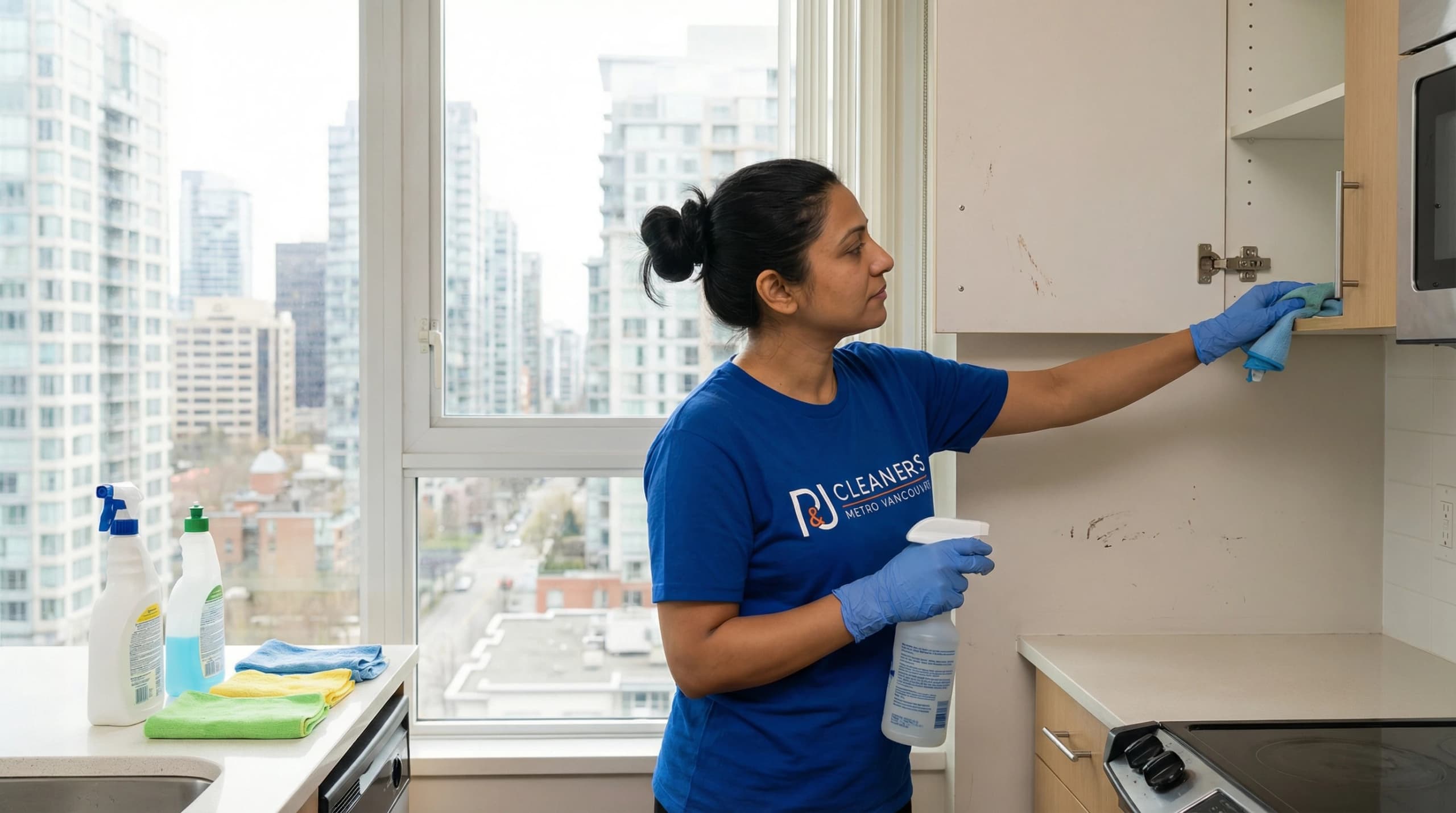
- Dish soap contains surfactants designed to break down cooking oils and food residues, making it perfect for kitchen cleaning beyond just dishes. Mix two tablespoons of dish soap with two cups of hot water in a spray bottle or bowl. The heat activates the soap's grease-cutting properties. Spray or apply with a sponge to greasy surfaces, let sit for two to three minutes, then wipe clean with a damp cloth. This solution costs approximately $0.10 per batch compared to $5-9 for kitchen degreasers.
- This hack works exceptionally well on range hoods, stovetop backsplashes, cabinet doors near cooking areas, and inside microwave ovens. For baked-on grease, apply the solution and cover with a damp towel for ten minutes to soften the residue before scrubbing. The City of Vancouver recommends dish soap solutions for routine kitchen maintenance as they're safe for food-contact surfaces and don't require rinsing when properly diluted. Avoid using on wood surfaces as excessive moisture can damage finishes.
- Professional kitchen cleaners often add one tablespoon of white vinegar to the dish soap solution for enhanced cutting power on particularly stubborn grease. This combination creates a pH-balanced cleaner that tackles both acidic and alkaline residues. Use warm water rather than cold for mixing, as it helps the soap dissolve completely and work more effectively. Store mixed solution for up to one week in a sealed container, shaking before each use to reactivate the surfactants.
Quick Win
For vertical surfaces like backsplashes, make a thicker solution using less water so it clings better and has more contact time with grease.
Steam Cleaning Power
Handheld steam cleaners eliminate 99.99% of germs and bacteria using only water, making them ideal for sanitizing bathrooms, kitchens, and high-touch surfaces.
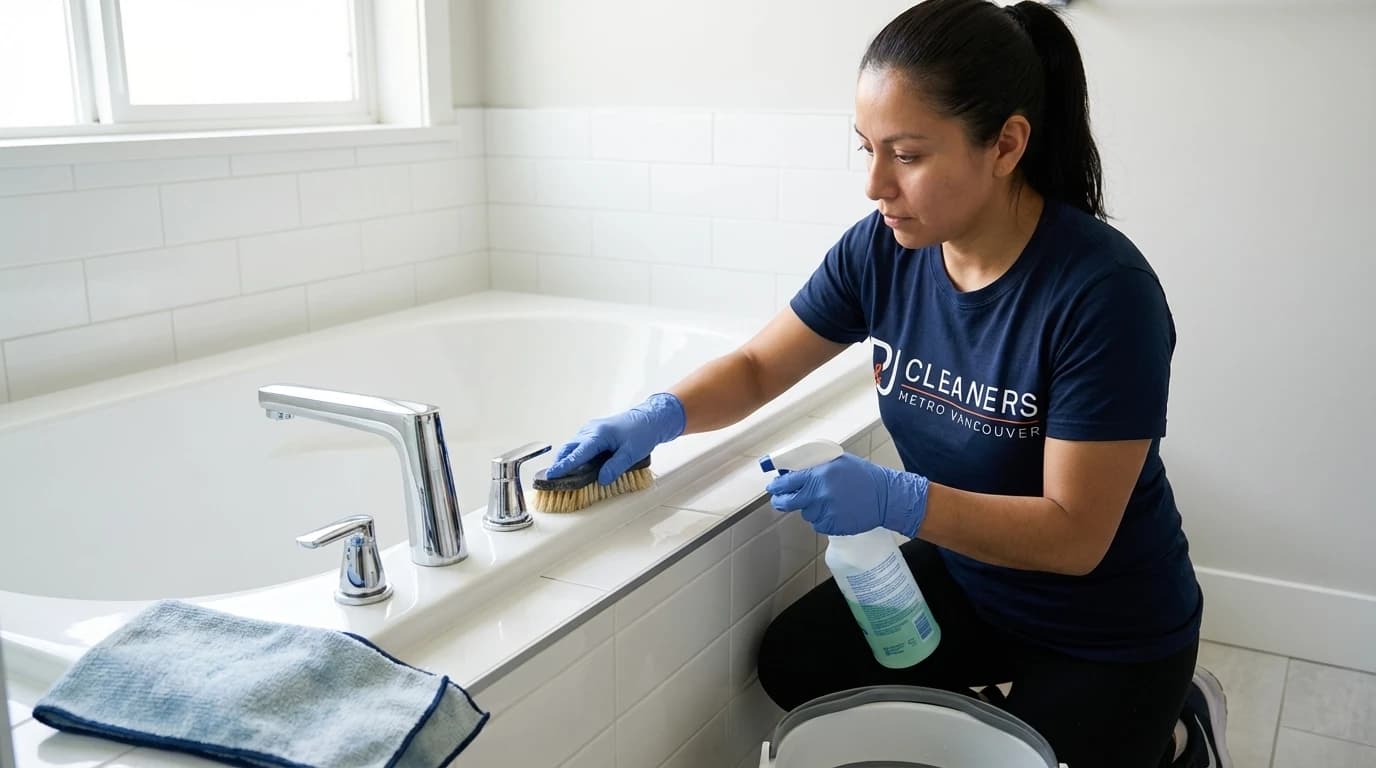
- Steam cleaning uses water heated to 100°C or higher to kill bacteria, viruses, mould, and dust mites without any chemical products. Handheld steam cleaners cost $30-150 and pay for themselves within months by eliminating the need for multiple specialized cleaning products. The high-temperature steam penetrates porous surfaces and crevices that traditional cleaning methods miss. According to BC Health Authority research, steam cleaning reduces allergens by 97% and is particularly effective for households with respiratory sensitivities.
- Use steam cleaners on tile and grout, sealed hardwood floors, bathroom fixtures, kitchen appliances, mattresses, and upholstered furniture. The steam loosens dirt and grime while simultaneously sanitizing, cutting cleaning time by 40% compared to traditional methods. Always test on an inconspicuous area first, especially on delicate surfaces. Avoid using steam on unsealed wood, painted surfaces, or delicate fabrics that may be damaged by heat and moisture. Empty and dry the water tank after each use to prevent mineral buildup.
- Professional cleaning services incorporate steam cleaning for deep sanitization tasks because it's chemical-free and highly effective. For bathroom grout, hold the steam nozzle close to the surface for five to ten seconds, then immediately scrub with a brush while the area is still hot. The heat softens embedded dirt for easier removal. For mattresses, steam the entire surface slowly to kill dust mites and remove odours. Allow steamed surfaces to dry completely before use, typically 15-30 minutes depending on ventilation.
Quick Win
Add a microfiber cloth attachment to your steam cleaner for simultaneous cleaning and drying, which speeds up the process significantly.
Lemon Juice Stain Remover
Fresh lemon juice acts as a natural bleaching agent for removing stains from cutting boards, countertops, and fabrics while leaving a fresh scent.
- Lemon juice contains citric acid with natural antibacterial and bleaching properties that work on organic stains like coffee, tea, berry juice, and rust marks. Cut a fresh lemon in half and rub directly onto stained surfaces, or squeeze juice into a small bowl for application with a cloth. For cutting boards, sprinkle coarse salt on the surface, then scrub with a lemon half to remove odours and stains simultaneously. Let the juice sit for ten to fifteen minutes before rinsing with warm water.
- This method works particularly well on white porcelain sinks, plastic cutting boards, laminate countertops, and light-coloured fabrics. The natural bleaching action brightens surfaces without the harsh fumes of chlorine bleach. For rust stains on fixtures or tile, apply lemon juice and let it sit for thirty minutes before scrubbing. WorkSafeBC approves lemon juice as a safe cleaning agent that doesn't require ventilation or protective equipment. One lemon typically provides enough juice for three to four cleaning applications.
- Combine lemon juice with baking soda to create a fizzing paste that enhances stain removal on tough spots. The chemical reaction between the acid and base creates gentle scrubbing action. Avoid using lemon juice on natural stone surfaces like marble or granite, as the acid can etch and dull the finish. For fabric stains, test on a hidden area first to ensure colourfastness. Store fresh lemon juice in the refrigerator for up to one week, though fresh-squeezed works most effectively.
Quick Win
Save used lemon halves after juicing for cooking and use them for garbage disposal cleaning by grinding them with ice cubes.
Rubber Glove Pet Hair Remover
Dampen a rubber cleaning glove and run your hand over upholstered furniture to collect pet hair more effectively than vacuum attachments or lint rollers.
- Rubber gloves create static electricity and friction that attracts and clumps pet hair for easy removal from fabric surfaces. Dampen a standard rubber cleaning glove with water, then run your gloved hand across furniture, car seats, or carpeted stairs in long strokes. The hair collects into clumps that you can easily pick up and discard. This method costs under $3 for a pair of reusable gloves compared to $8-15 for specialized pet hair removal tools that wear out quickly.
- This hack works on all fabric types including microfiber, velvet, cotton, and synthetic upholstery. For heavily soiled areas, rinse the glove frequently to maintain effectiveness. The dampness prevents hair from becoming airborne during cleaning, which is particularly beneficial for allergy sufferers. Statistics Canada reports that 58% of Canadian households own pets, making this a widely applicable cleaning solution. The gloves last for months with regular use and can be washed in the dishwasher for sanitization.
- Professional cleaners use this technique before vacuuming to remove the bulk of pet hair, which prevents vacuum clogs and extends appliance life. For carpets, use the glove method on high-traffic areas and furniture edges where vacuums struggle to reach. The technique also works on clothing, bedding, and car interiors. Store the gloves in your cleaning caddy for quick touch-ups between deep cleaning sessions. Replace gloves when the rubber becomes smooth or loses its grip texture.
Quick Win
Use this method right before vacuuming to collect the majority of hair first, which makes vacuuming faster and more effective.
Squeegee Shower Routine
Keep a squeegee in your shower and spend 30 seconds after each use removing water from glass doors and tile to prevent soap scum and hard water buildup.
- Daily squeegeeing removes 95% of water from shower surfaces before minerals can dry and create hard water stains or soap scum. This preventive habit reduces deep cleaning frequency from weekly to monthly, saving hours of scrubbing time. Purchase a quality squeegee with a rubber blade for $8-15 and hang it on a suction hook inside your shower for convenient access. Start at the top of glass doors or tile walls and pull downward in overlapping strokes, wiping the blade after each pass.
- This technique is particularly effective in Metro Vancouver where water hardness varies by neighbourhood, with some areas showing mineral content up to 150 parts per million according to City of Vancouver water quality reports. The squeegee prevents calcium and magnesium deposits from bonding to surfaces, which become increasingly difficult to remove over time. Focus on glass shower doors, tile walls, and any chrome fixtures where water spots are most visible. The entire process takes 30-45 seconds per shower.
- Professional cleaning services recommend this as the single most effective preventive maintenance habit for bathrooms. For households with multiple daily showers, this habit can reduce annual deep cleaning time by 15-20 hours. Choose a squeegee with a comfortable grip and replaceable rubber blade for long-term use. The blade should be replaced every six to twelve months when it develops nicks or loses flexibility. Store the squeegee hanging rather than standing to prevent water pooling and mildew growth on the handle.
Quick Win
Teach everyone in your household to squeegee after showering by making it part of the routine, like turning off the water.
Dryer Sheet Baseboard Duster
Used dryer sheets repel dust and leave a fresh scent when wiping baseboards, making them stay cleaner longer between deep cleaning sessions.
- Dryer sheets contain fabric softener residue that creates an anti-static coating on surfaces, which repels dust and pet hair for weeks after application. Save used dryer sheets from your laundry and store them in a container near your cleaning supplies. Wipe baseboards, door frames, and window sills with the used sheets, applying light pressure to transfer the anti-static coating. This method costs nothing since you're repurposing items that would otherwise be discarded, and it extends the time between baseboard cleanings by 40-60%.
- The technique works on painted wood, vinyl, and composite baseboards throughout your home. For heavily soiled baseboards, do an initial cleaning with damp microfiber cloth, then follow with the dryer sheet treatment. The fresh scent from the sheets provides a subtle fragrance boost to rooms without using air fresheners. ISSA research shows that baseboards accumulate dust 3x faster than other surfaces due to their proximity to floors and air circulation patterns, making preventive treatments particularly valuable.
- Professional cleaners often use this hack in high-traffic areas and homes with pets where dust accumulation is accelerated. The dryer sheet method also works on ceiling fan blades, blinds, and other horizontal surfaces prone to dust buildup. Replace the sheet when it becomes visibly dirty or loses its effectiveness, typically after cleaning 20-30 linear feet of baseboard. Store used dryer sheets in a sealed container to prevent them from drying out completely before use.
Quick Win
Use this method on ceiling fan blades to reduce dust accumulation and prevent it from being distributed when the fan runs.
Toothbrush Detail Cleaning
Dedicate old toothbrushes for cleaning grout lines, faucet crevices, and tight spaces where standard cleaning tools cannot reach effectively.
- Toothbrush bristles are perfectly sized for scrubbing grout lines, around faucet bases, window tracks, and other detailed areas that accumulate grime. Keep a collection of old toothbrushes in your cleaning caddy, labelling them for specific uses to prevent cross-contamination. Soft bristles work best for delicate surfaces like chrome fixtures, while medium bristles handle tile grout and tougher jobs. Dip the brush in your chosen cleaning solution and scrub in circular motions, rinsing frequently to remove loosened dirt.
- This technique is essential for maintaining bathroom and kitchen details that make the difference between adequate and professional-level cleaning. Use toothbrushes around sink drains, toilet hinges, shower door tracks, and appliance control panels where dirt accumulates in crevices. The small brush head provides precision control that sponges and cloths cannot match. According to WorkSafeBC guidelines, dedicating specific brushes to bathroom versus kitchen use prevents bacterial cross-contamination between areas. Replace brushes every three to six months or when bristles become splayed.
- Professional cleaning teams carry multiple toothbrushes in their kits for detail work that elevates overall cleaning quality. For grout lines, use the toothbrush with baking soda paste or hydrogen peroxide solution, scrubbing along the grout rather than across it to avoid spreading dirt. For chrome fixtures, use the brush with dish soap solution to clean around base plates and handles where water deposits accumulate. Sanitize toothbrushes between uses by soaking in a bleach solution (one tablespoon bleach per cup of water) for five minutes, then rinsing thoroughly.
Quick Win
Label your cleaning toothbrushes with permanent marker to indicate their designated use area and prevent accidental mix-ups.
Fast Reset
Quick Daily Habits That Prevent Deep Cleaning
Incorporate these simple habits into your routine to maintain cleanliness with minimal effort and reduce the need for intensive cleaning sessions.
Services mentioned in this article
Ready for help?
4.9 · 850+ Google reviewsLet Us Handle the Deep Cleaning
While these hacks work great for daily maintenance, professional cleaning tackles the tough jobs you don't have time for. Our team serves 39 Metro Vancouver locations with eco-friendly products upon request and a satisfaction guarantee.
778-720-2224Common Questions About Cleaning Hacks
What is the best way to use cleaning hacks that actually work in real life?
Start with one hack at a time and test it in a small area first. The most effective cleaning hacks use common items like white vinegar, baking soda, and microfiber cloths. According to the CDC, proper dilution ratios matter: mix one part vinegar to one part water for general cleaning. Apply the solution, let it sit for 3-5 minutes, then wipe clean. Track which hacks save you the most time and incorporate them into your regular routine.
How often should you use cleaning hacks?
Use preventive cleaning hacks daily to reduce deep-cleaning needs. Wipe kitchen counters with vinegar solution after each meal, squeegee shower walls after every use, and run a dishwasher cleaning cycle monthly. ISSA research shows that daily maintenance reduces deep-cleaning time by 40%. Reserve intensive hacks like grout scrubbing or oven cleaning for monthly or quarterly schedules. Consistent small efforts prevent buildup that requires harsh chemicals or professional intervention.
What products work best for kitchen cleaning?
White vinegar, baking soda, and dish soap handle 90% of kitchen cleaning tasks without specialty products. Vinegar cuts grease and disinfects counters, while baking soda scrubs without scratching surfaces. For tougher jobs, hydrogen peroxide removes stains and kills bacteria. Statistics Canada reports that Canadian households spend an average of $180 annually on cleaning products, but these three items cost under $15 combined and tackle most kitchen messes effectively when used correctly.
Is professional help worth it for kitchen cleaning?
Professional cleaning saves 4-6 hours per deep clean and reaches areas most homeowners miss. P&J Cleaners uses commercial-grade equipment and techniques that remove baked-on grease, sanitize high-touch surfaces, and extend appliance lifespan. For busy households or move-out situations, professional service costs $120-180 but delivers results that would take an entire weekend to achieve independently. Regular professional cleaning every 3-6 months maintains kitchen hygiene between your own maintenance efforts.
Meet the Author
Pamela Rivera
Co-Founder
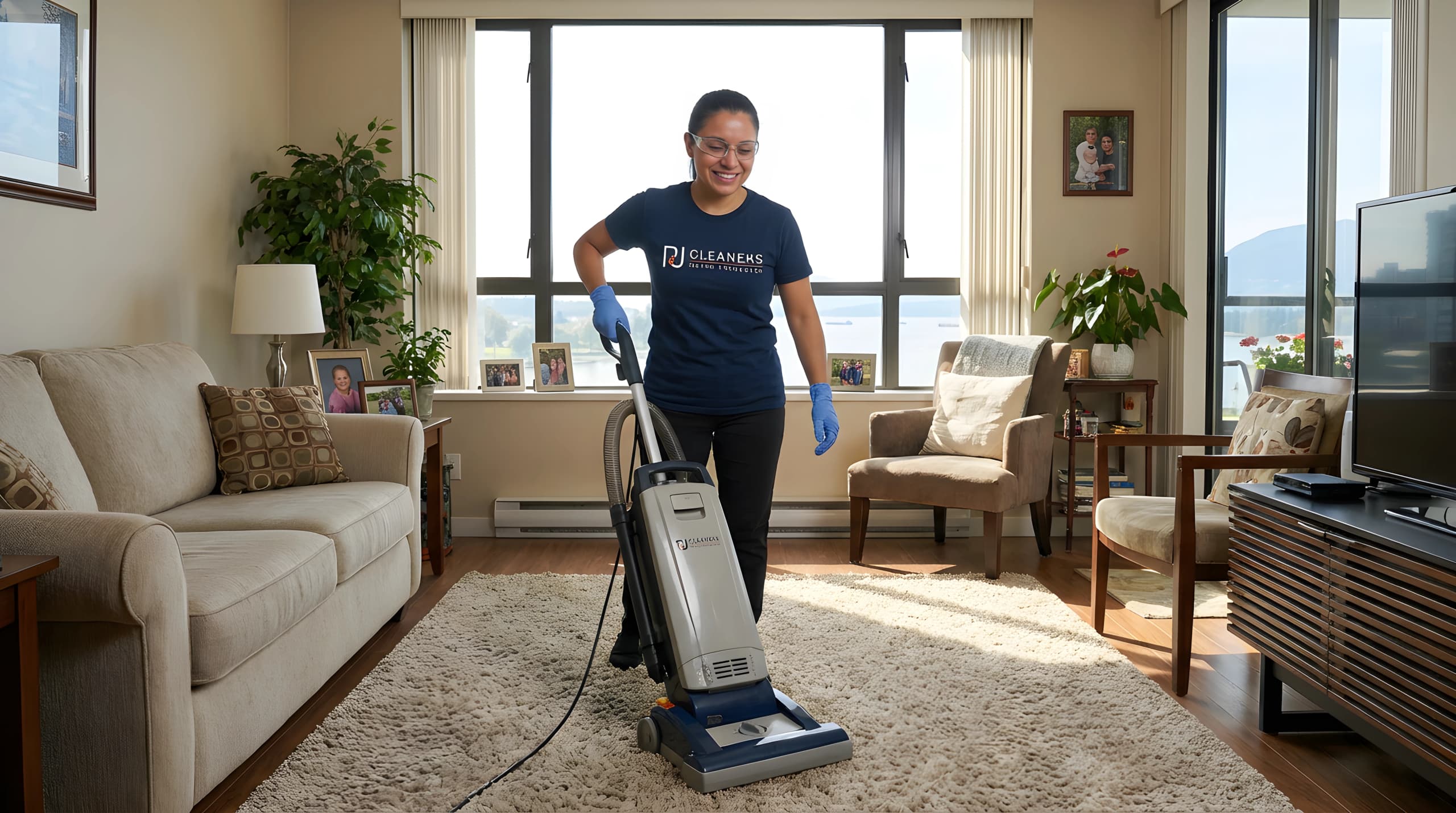
Pamela leads residential quality standards at P&J Cleaners, refining safe, detail-driven cleaning systems for Vancouver homes, condos, and move-out projects.
Keep Exploring