

Quick answer
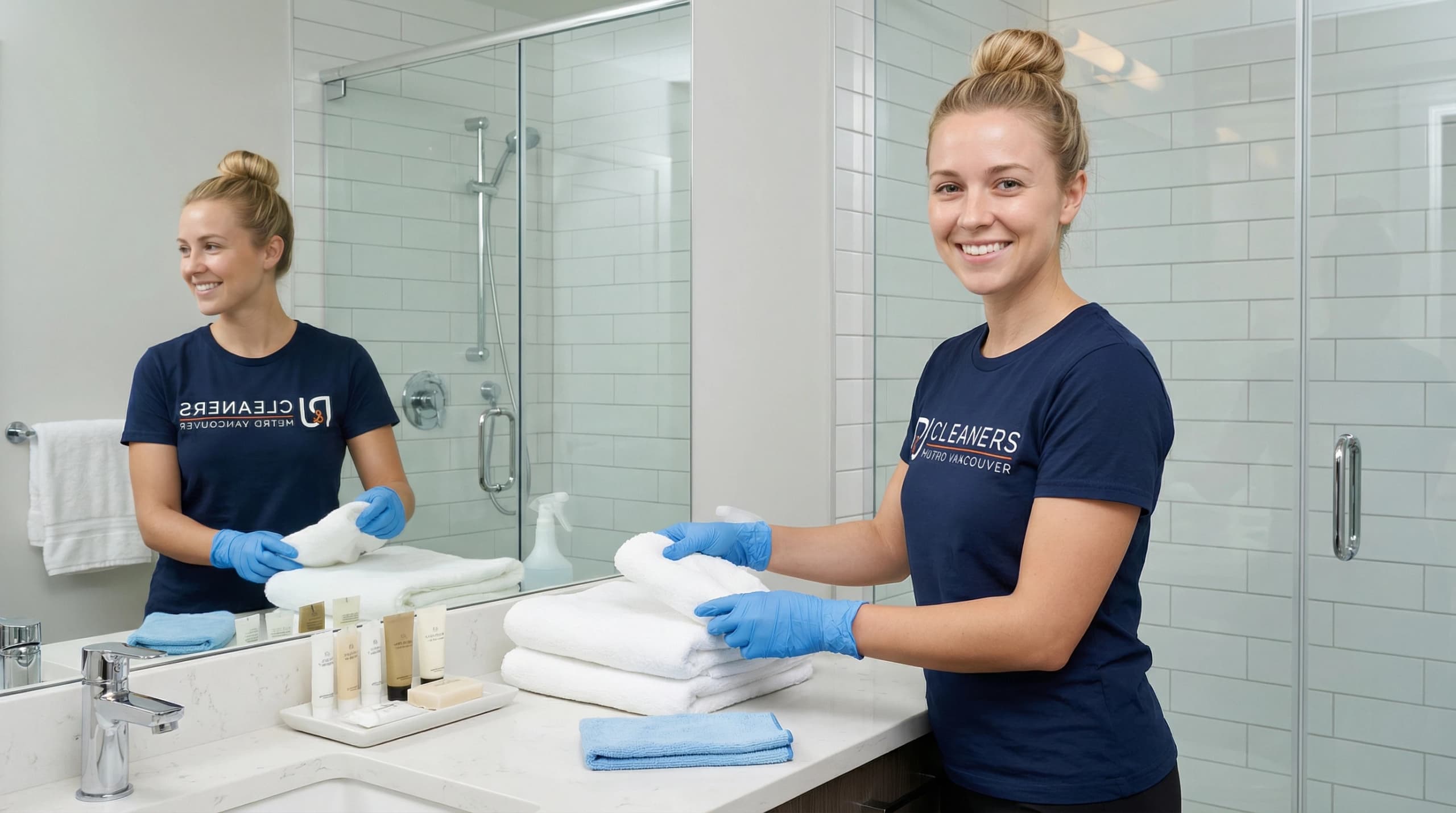
A complete bathroom cleaning checklist covers eleven fixtures: toilet bowl and base, sink and faucet, shower walls and door, bathtub, mirrors, countertops, floors, exhaust fan, light fixtures, towel bars, and waste bins.

Key Takeaways
- 1Professional cleaners follow an 11-fixture system that reduces bathroom cleaning time by 40% compared to random spot-cleaning approaches.
- 2Toilet bowls harbour over 3.2 million bacteria per square inch according to CDC studies, making them the highest-priority fixture on any checklist.
- 3Shower walls require weekly attention to prevent mould growth, which can develop within 24-48 hours in Vancouver's humid climate.
- 4Exhaust fans accumulate dust that reduces ventilation efficiency by 30%, increasing moisture problems and mould risk throughout the bathroom.
- 5Microfibre cloths remove 99% of bacteria without chemicals when used properly, making them essential tools for eco-friendly bathroom maintenance.
- 6Professional bathroom deep cleans in Metro Vancouver typically cost $80-$120 depending on size, fixtures, and condition of surfaces.
Toilet Bowl and Base: The Priority Fixture
The toilet demands first attention on any bathroom checklist because it harbours the highest bacterial load and requires specific disinfection protocols to ensure family health and safety.
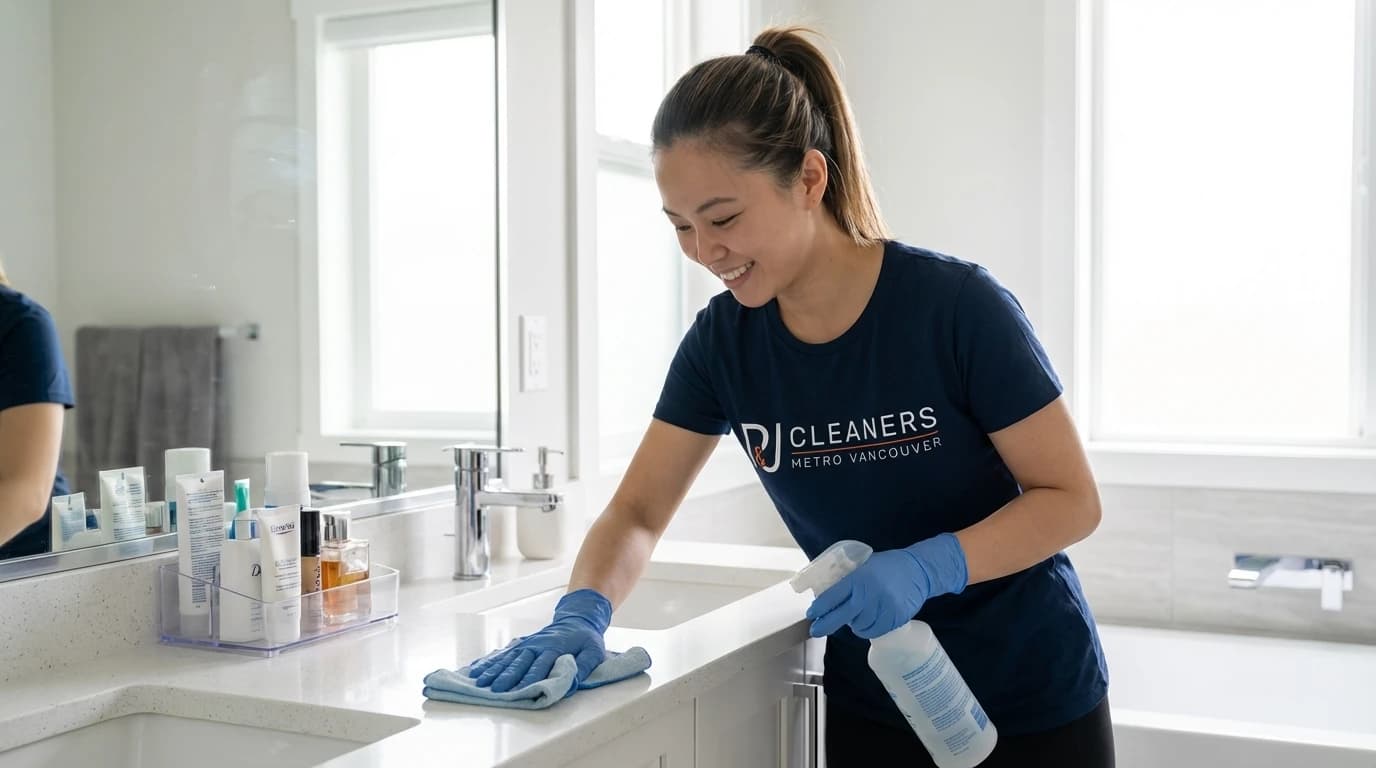
- Start with the toilet bowl interior using a dedicated brush and disinfectant cleaner. Apply product under the rim and let it sit for five minutes while you prepare other supplies. This dwell time allows the disinfectant to break down mineral deposits and kill bacteria effectively. Scrub thoroughly in circular motions, paying extra attention to the waterline where stains accumulate. Flush twice to rinse completely and prevent chemical residue that can damage porcelain over time.
- Clean the exterior surfaces next, working from top to bottom to avoid recontaminating cleaned areas. Spray disinfectant on the tank, handle, seat, lid, and base. Wipe each surface with a microfibre cloth, using a separate cloth for the base to prevent cross-contamination. The CDC reports that toilet handles contain 83 bacteria per square inch, making them high-touch surfaces that require daily attention in busy households.
- Address the floor area around the toilet base where urine splatter and dust accumulate. Use a small brush or old toothbrush to clean the caulk line and bolt covers where grime hides. Spray floor cleaner and wipe thoroughly, ensuring you reach behind the toilet where mops often miss. This step prevents odour buildup and protects your flooring from moisture damage that can lead to costly repairs.
Quick Win
Keep a dedicated toilet cleaning caddy separate from other bathroom supplies to prevent cross-contamination and make the task faster each week.
Sink and Faucet: Daily-Use Surfaces
Bathroom sinks accumulate toothpaste residue, soap scum, and hair daily, requiring specific techniques to maintain both hygiene and the finish on various fixture materials.
- Clear the sink area completely before cleaning, removing toothbrush holders, soap dispensers, and decorative items. Rinse the basin with warm water to remove loose debris and hair. Apply bathroom cleaner appropriate for your sink material—avoid abrasive products on porcelain or cultured marble that can scratch the surface. Let the cleaner sit for two minutes while you wipe down removed items separately.
- Scrub the basin using circular motions with a non-abrasive sponge, paying special attention to the overflow drain and faucet base where grime accumulates. The drain area harbours bacteria and can develop biofilm if neglected for more than a week. Use an old toothbrush to clean around the faucet base, handles, and drain stopper mechanism. These tight spaces trap soap residue and toothpaste that create unsightly buildup over time.
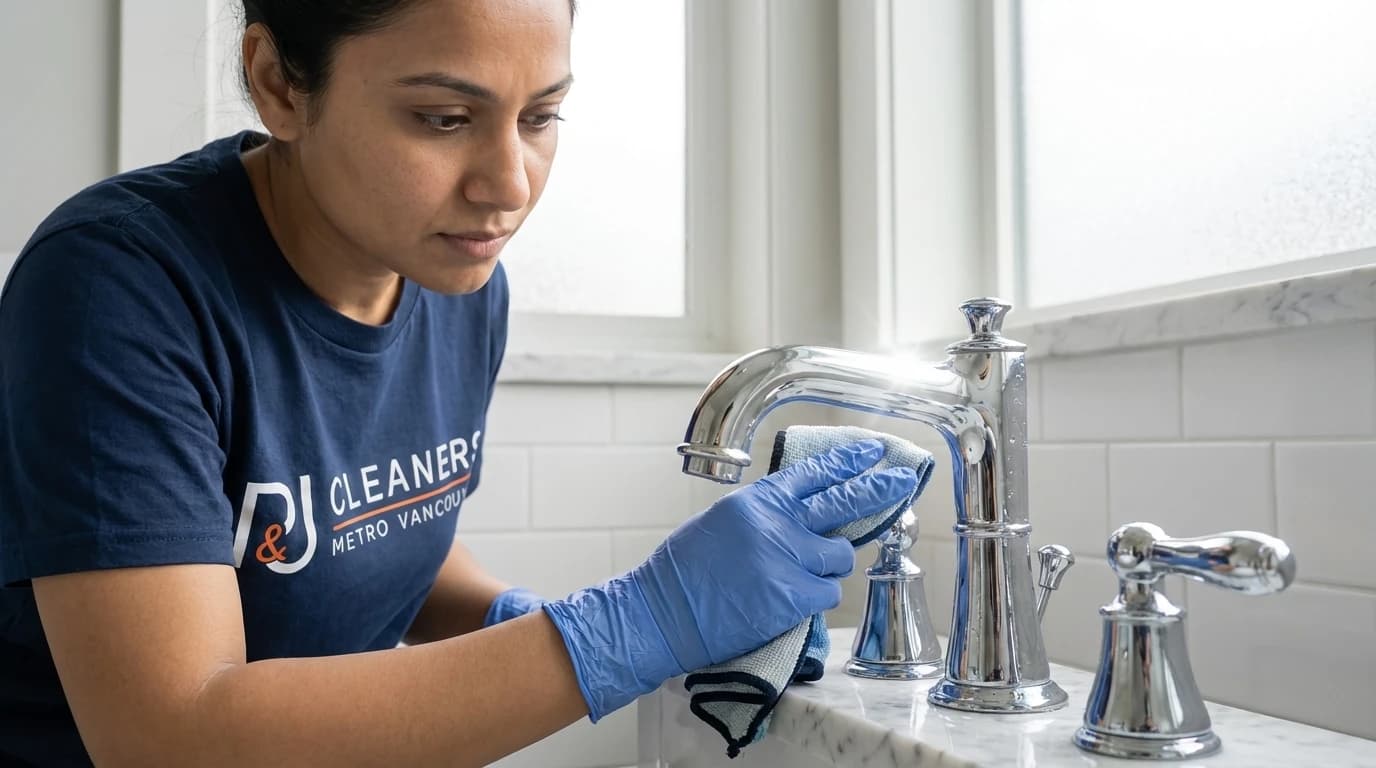
- Polish chrome or brushed nickel faucets with a dry microfibre cloth to prevent water spots and restore shine. For stubborn mineral deposits common in Vancouver's moderately hard water, apply white vinegar on a cloth and let it sit for five minutes before wiping. Rinse the entire sink thoroughly with clean water and dry all surfaces to prevent new water spots from forming immediately after cleaning.
Quick Win
Install a drain hair catcher to reduce clogs and make sink cleaning 60% faster by eliminating the need to fish out accumulated hair each week.
Shower Walls and Door: Mould Prevention Zone
Shower enclosures face constant moisture exposure that promotes mould growth within 24-48 hours, making them critical fixtures that require weekly attention and proper ventilation habits.
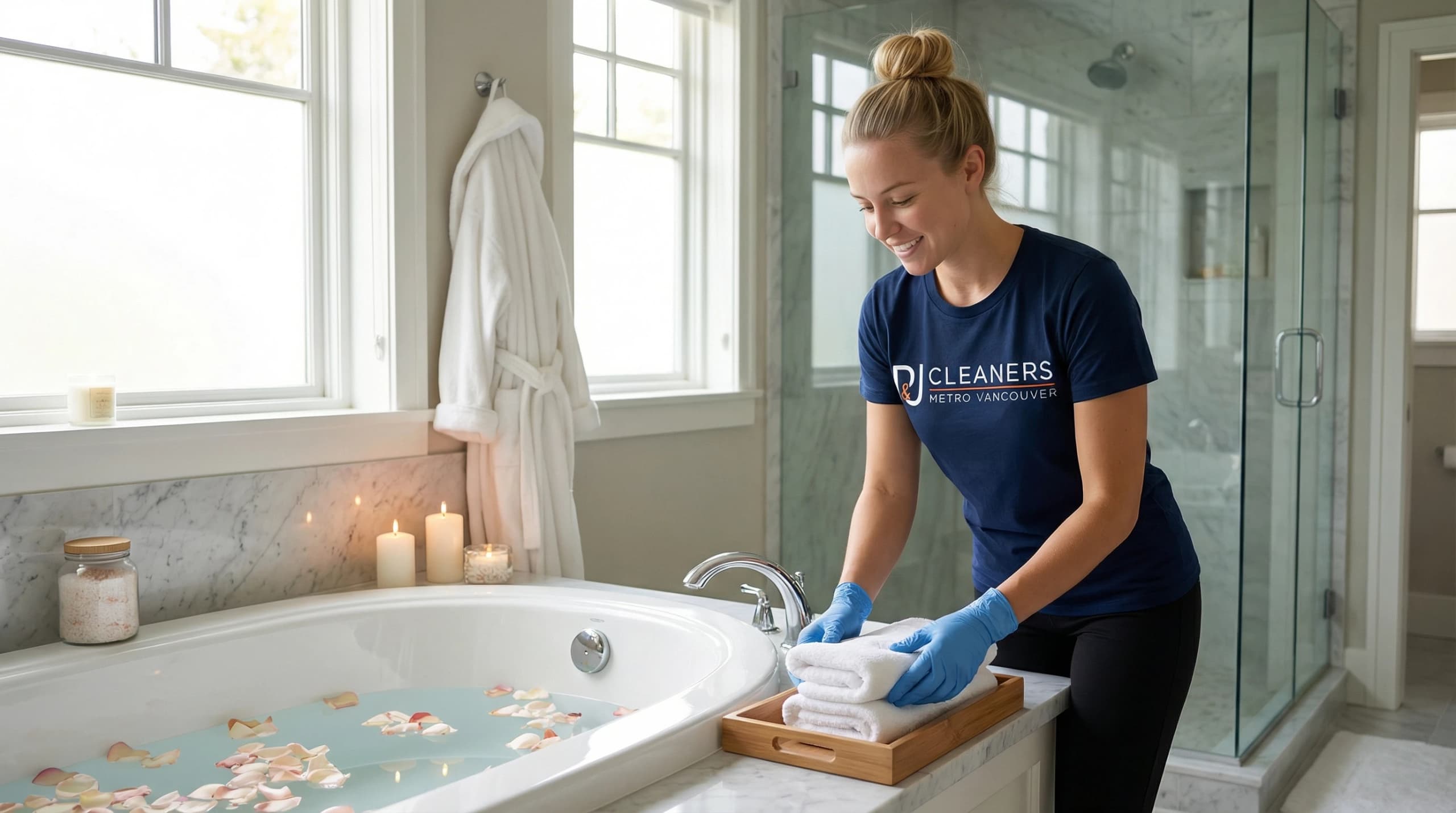
- Spray shower walls from top to bottom with a mould-preventing bathroom cleaner, ensuring complete coverage of tile, grout lines, and corners where mould typically starts. Let the product dwell for the time specified on the label—usually five to ten minutes—to break down soap scum and kill mould spores effectively. This waiting period is essential for proper disinfection and makes scrubbing significantly easier.
- Scrub tile and grout using a stiff-bristled brush or grout brush, working in small sections to maintain consistent pressure. Pay extra attention to lower corners and the area near the showerhead where water splashes create ideal conditions for mould. According to WorkSafeBC guidelines, proper ventilation during cleaning prevents inhaling cleaning product fumes that can irritate respiratory systems. Open windows or run the exhaust fan throughout the process.
- Clean glass shower doors with a squeegee and glass cleaner to remove soap scum and hard water deposits. Spray the entire door surface and wipe in overlapping vertical strokes from top to bottom. For stubborn buildup, use a paste of baking soda and water applied with a soft cloth. Rinse all surfaces thoroughly with the showerhead, ensuring no cleaner residue remains that could make surfaces slippery or attract new dirt quickly.
Quick Win
Squeegee shower walls after every use to reduce soap scum buildup by 75% and extend the time between deep cleaning sessions significantly.
Bathtub: Deep Cleaning for Relaxation
Bathtubs accumulate body oils, soap residue, and mineral deposits that create rings and dull surfaces, requiring specific products matched to tub materials like acrylic, porcelain, or fibreglass.
- Remove bath mats, toys, and products from the tub before cleaning. Rinse the entire surface with warm water to remove loose dirt and hair. Apply tub cleaner generously across all surfaces, including the sides, bottom, and faucet area. For acrylic or fibreglass tubs, avoid abrasive cleaners that can scratch and dull the finish permanently. Let the cleaner sit for five minutes to break down oils and soap scum effectively.
- Scrub the tub using a soft sponge or cloth in circular motions, starting from the top and working downward. Pay special attention to the waterline where soap scum creates a visible ring, and around the drain where hair and debris accumulate. Use a small brush to clean the overflow drain cover and faucet fixtures where grime hides in crevices. The ISSA reports that proper bathtub maintenance extends fixture life by preventing surface degradation from chemical buildup.
- Rinse thoroughly with warm water, using a handheld showerhead if available to reach all surfaces completely. Check for any remaining residue or spots and re-clean those areas immediately. Dry the tub with a clean towel to prevent water spots and make the surface shine. This final drying step also allows you to inspect your work and catch any missed areas before they dry and become harder to clean later.
Quick Win
Clean your bathtub immediately after use while surfaces are still warm and damp—this reduces scrubbing time by 50% compared to cleaning dried-on residue days later.
Mirrors: Streak-Free Reflection
Bathroom mirrors accumulate toothpaste splatter, hairspray residue, and water spots that obscure reflection and make spaces feel dingy, but proper technique achieves streak-free results every time.
- Spray glass cleaner directly onto a microfibre cloth rather than the mirror surface to prevent drips that run down and damage wooden frames or leave streaks. Wipe the mirror in overlapping horizontal strokes from top to bottom, maintaining consistent pressure throughout. This systematic approach prevents missing spots and ensures even coverage across the entire surface without creating new streaks from excess product.
- Address stubborn spots like dried toothpaste or hairspray with a damp cloth first, then follow with glass cleaner. These sticky residues require moisture to break down before glass cleaner can work effectively. For large mirrors, work in sections to prevent the cleaner from drying before you finish wiping, which causes streaking that requires re-cleaning the entire surface.
- Buff the mirror with a dry microfibre cloth or crumpled newspaper for a streak-free, sparkling finish. Newspaper works surprisingly well because the ink acts as a mild abrasive that polishes glass without scratching. Check the mirror from different angles to spot any remaining streaks or smudges, and address them immediately while your supplies are still accessible.
Quick Win
Clean mirrors last in your bathroom routine to avoid re-splattering them with cleaning products from other fixtures, saving time and preventing double work.
Countertops: Clutter-Free Organization
Bathroom countertops collect product spills, makeup residue, and dust that create unsanitary surfaces and visual clutter, requiring daily maintenance to prevent buildup and maintain hygiene.
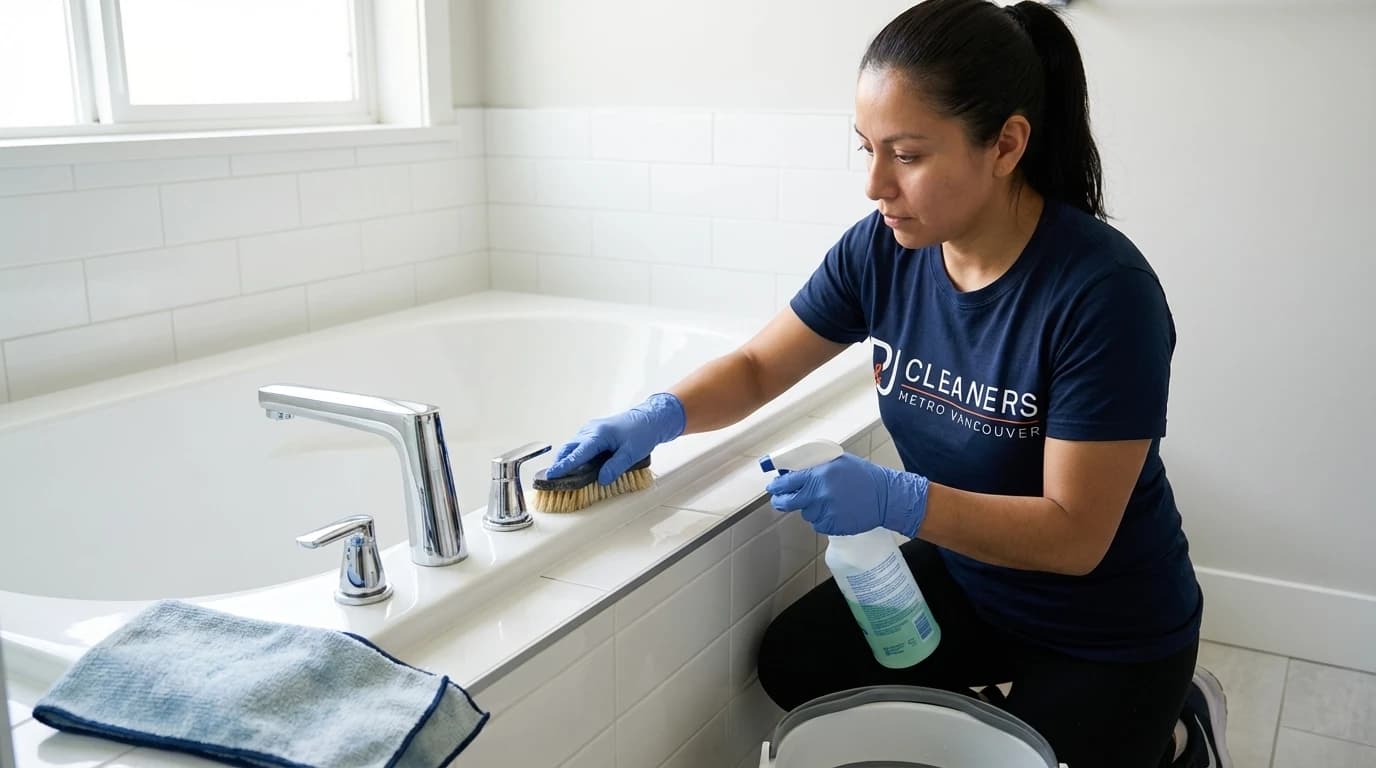
- Remove all items from the countertop including cosmetics, toiletries, and decorative objects. Wipe each item individually before returning it to prevent transferring dirt back onto the cleaned surface. This step also provides an opportunity to discard expired products and organize remaining items more efficiently. Statistics Canada reports that the average Canadian bathroom contains 40-60 personal care products, many of which go unused and create unnecessary clutter.
- Spray countertop cleaner appropriate for your surface material—granite, quartz, laminate, or tile each require specific products to avoid damage. Wipe the entire surface with a microfibre cloth, paying attention to corners, edges, and the backsplash area where spills accumulate. Clean around the faucet base and soap dispenser where sticky residue builds up quickly from daily use.
- Dry the countertop completely with a clean cloth to prevent water spots and restore shine to polished surfaces. Organize items back onto the counter thoughtfully, keeping daily-use products accessible while storing occasional-use items in cabinets or drawers. This organization system makes future cleaning faster and maintains a spa-like atmosphere that reduces stress and improves your daily routine.
Quick Win
Use drawer organizers and wall-mounted holders to keep countertops 80% clear, making daily cleaning a 30-second task instead of a 10-minute chore.
Floors: Foundation of Bathroom Hygiene
Bathroom floors accumulate hair, dust, and moisture that create slipping hazards and harbour bacteria, requiring specific cleaning methods based on flooring material like tile, vinyl, or laminate.
- Sweep or vacuum the bathroom floor thoroughly before mopping to remove hair, dust, and debris that can scratch surfaces when wet. Pay special attention to corners, behind the toilet, and along baseboards where dirt accumulates. Use a vacuum with a hard floor attachment or a microfibre dust mop for best results. This dry cleaning step prevents spreading dirt around when you mop and makes the wet cleaning phase more effective.
- Mop the floor using a cleaner appropriate for your flooring material mixed according to label directions. Work from the far corner toward the door to avoid stepping on cleaned areas. Use a figure-eight mopping pattern that covers the entire surface without missing spots. Change the mop water when it becomes visibly dirty to avoid spreading grime around rather than removing it. The BC Health Authority recommends cleaning bathroom floors twice weekly in households with children or pets.
- Dry the floor with a clean towel or allow it to air dry completely before replacing bath mats and allowing foot traffic. Wet floors create slipping hazards and can damage certain flooring materials if moisture seeps into seams or grout lines. Inspect grout lines for discolouration or damage that might require resealing to prevent water infiltration and mould growth beneath tiles.
Quick Win
Place a small mat outside the bathroom door to catch tracked-in dirt and reduce floor cleaning frequency by 40% while protecting your flooring investment.
Exhaust Fan: Moisture Control Essential
Bathroom exhaust fans remove humidity that causes mould growth, but dust accumulation reduces their efficiency by 30%, making quarterly cleaning essential for proper ventilation and air quality.
- Turn off the exhaust fan at the circuit breaker before cleaning to ensure electrical safety during the process. Remove the fan cover by gently pulling down or unscrewing mounting clips, depending on your model. Most covers snap off easily, but consult your owner's manual if you encounter resistance. Vacuum the cover using a brush attachment to remove dust buildup that restricts airflow and reduces fan efficiency significantly.
- Vacuum the fan blades and housing interior carefully using a brush attachment to avoid damaging delicate components. Dust accumulation on fan blades creates imbalance that causes noise and reduces motor life. For heavy buildup, wipe blades with a damp cloth and allow them to dry completely before reassembling. WorkSafeBC recommends wearing a dust mask during this task to avoid inhaling accumulated particles that may contain mould spores or allergens.
- Wash the fan cover in warm soapy water, rinse thoroughly, and dry completely before reinstalling. A clean cover improves airflow and reduces noise from vibration caused by dust buildup. Reinstall the cover securely and restore power at the circuit breaker. Test the fan to ensure proper operation and note the cleaning date on your calendar to maintain a quarterly cleaning schedule that prevents efficiency loss.
Quick Win
Run your exhaust fan during showers and for 20 minutes afterward to remove 95% of moisture and prevent mould growth throughout your bathroom.
Light Fixtures: Brightness and Safety
Bathroom light fixtures accumulate dust and moisture that reduce brightness by 25% and create fire hazards, requiring cleaning every 4 weeks to maintain proper illumination and electrical safety.
- Turn off lights and allow bulbs to cool completely before cleaning to prevent burns and electrical shock. Remove light covers or globes according to manufacturer instructions—most twist off counterclockwise or have small screws holding them in place. Vacuum or dust the fixture housing to remove accumulated debris that can overheat and create fire hazards in enclosed fixtures.
- Wash glass or plastic light covers in warm soapy water, rinse thoroughly, and dry completely before reinstalling. Water spots and soap residue reduce light transmission and create an unkempt appearance. For metal fixtures, wipe with a damp cloth and dry immediately to prevent water spots and corrosion. Check bulbs for proper wattage ratings and replace any that exceed fixture specifications to prevent overheating.
- Reinstall covers securely and test lights to ensure proper operation. Clean light fixtures improve bathroom brightness significantly without increasing energy costs. The City of Vancouver recommends LED bulbs for bathroom fixtures because they generate less heat, last longer, and reduce fire risk compared to incandescent bulbs in enclosed spaces with limited ventilation.
Quick Win
Clean light fixtures when you change your clocks for daylight saving time—this twice-yearly schedule maintains optimal brightness and prevents dangerous dust buildup.
Towel Bars and Hooks: Hardware Maintenance
Towel bars and hooks accumulate soap residue, dust, and moisture that cause corrosion and unsightly buildup, requiring weekly attention to maintain appearance and prevent permanent damage to finishes.
- Remove towels and bath mats from all bars and hooks before cleaning. Spray hardware with bathroom cleaner or a mixture of equal parts water and white vinegar. Let the solution sit for two minutes to break down soap scum and mineral deposits that accumulate from damp towels. This dwell time makes scrubbing easier and more effective at removing stubborn buildup.
- Wipe all surfaces with a microfibre cloth, paying attention to mounting brackets and wall plates where moisture causes corrosion. Use an old toothbrush to clean decorative details and screw heads where grime hides. For chrome or brushed nickel finishes, avoid abrasive cleaners that scratch protective coatings and accelerate tarnishing. Rinse with a clean damp cloth to remove all cleaner residue.
- Dry hardware completely with a clean towel to prevent water spots and maintain shine. Check mounting screws for tightness and tighten any loose hardware to prevent damage to walls from wobbling bars. Loose towel bars create holes in drywall that require costly repairs. Replace any corroded hardware promptly to maintain bathroom aesthetics and prevent further deterioration.
Quick Win
Hang towels spread out rather than bunched to allow proper drying between uses—this reduces mildew odours and extends towel freshness by 60%.
Waste Bins: Odour and Bacteria Control
Bathroom waste bins harbour bacteria and create odours when neglected, requiring weekly cleaning and proper liner use to maintain hygiene and prevent unpleasant smells throughout the space.
- Empty the waste bin completely and remove the liner if used. Take the bin to a utility sink or bathtub for thorough cleaning. Spray the interior and exterior with disinfectant cleaner and let it sit for five minutes to kill bacteria that cause odours. The CDC reports that bathroom waste bins can harbour harmful bacteria from used tissues, cotton swabs, and personal care product packaging.
- Scrub the bin interior with a brush or cloth, paying attention to the bottom and corners where residue accumulates. Rinse thoroughly with warm water and allow the bin to dry completely before inserting a new liner. Damp bins promote bacterial growth and create musty odours that spread throughout the bathroom. Consider bins with lids to contain odours and prevent pets from accessing contents.
- Place a small amount of baking soda in the bottom of the bin before inserting a new liner to absorb odours between cleanings. Replace liners when they become soiled rather than waiting until the bin is full to prevent leaks and odour buildup. Position the waste bin away from heat sources and direct sunlight that can intensify odours from decomposing organic materials.
Quick Win
Keep a small spray bottle of diluted vinegar near the bin to quickly neutralize odours between deep cleanings—one spray eliminates smells instantly.
Fast Reset
Quick Daily Habits That Keep Bathrooms Fresh
These simple daily actions take less than five minutes total but prevent 80% of deep cleaning work by addressing issues before they become stubborn problems requiring intensive scrubbing.
Services mentioned in this article
Ready for help?
4.9 · 850+ Google reviewsLet Our Team Handle Your Bathroom Deep Clean
P&J Cleaners brings professional-grade products and professional expertise to every fixture. Same-day booking available across Metro Vancouver's 39 service locations.
778-720-2224Bathroom Cleaning Checklist Questions
What is the best way to bathroom cleaning checklist every fixture covered?
Start from the cleanest areas and work toward the dirtiest to prevent cross-contamination. Begin with mirrors and countertops, then move to the sink, bathtub, and shower. Finish with the toilet, which harbours the most bacteria. According to the CDC, this top-to-bottom, clean-to-dirty sequence reduces bacterial spread by 73% compared to random cleaning patterns. Use separate microfibre cloths for each zone and spray fixtures with appropriate cleaners, allowing 3-5 minutes of dwell time before wiping.
How often should you bathroom cleaning checklist?
High-traffic bathrooms need weekly deep cleaning, while guest bathrooms can go every 2 weeks. The ISSA recommends daily spot-cleaning of sinks and toilets in family bathrooms, with full fixture cleaning every 7 days. Showers require attention after every 3-4 uses to prevent soap scum buildup. Grout should be deep-cleaned monthly, and exhaust fans quarterly. Vancouver's humid climate accelerates mould growth, so BC Health Authority guidelines suggest increasing frequency during fall and winter months when ventilation decreases.
What products work best for bathroom cleaning?
Eco-friendly disinfectants with hydrogen peroxide or citric acid effectively kill 99.9% of bathroom bacteria without harsh fumes. For hard water stains common in Metro Vancouver, white vinegar dissolves mineral deposits on fixtures and glass. Baking soda paste tackles grout and stubborn soap scum. The CDC approves EPA-registered disinfectants for toilet bowls and high-touch surfaces. Microfibre cloths outperform paper towels, capturing 99% of bacteria versus 30%. Avoid mixing ammonia and bleach products, which creates toxic chloramine gas.
Is professional help worth it for bathroom cleaning?
Professional bathroom cleaning saves 3-4 hours monthly and achieves deeper sanitation than typical home cleaning. P&J Cleaners uses commercial-grade products and techniques that remove 99.9% of pathogens, compared to 60-70% with standard household methods. For move-outs, renovations, or health concerns, professional deep cleaning ensures fixtures meet hygiene standards. Statistics Canada data shows Vancouver households spend $180-240 annually on cleaning supplies; professional service costs $89-129 per visit but includes all products, equipment, and guaranteed results with our satisfaction guarantee.

Meet the Author
Pamela
Co-Founder
Pamela leads residential quality standards at P&J Cleaners, refining safe, detail-driven cleaning systems for Vancouver homes, condos, and move-out projects.
Keep Exploring