Quick answer
Back-to-school cleaning requires a systematic approach focusing on bedrooms, study areas, and high-touch surfaces. Declutter first, deep-clean sleeping spaces, sanitize desks and electronics, organize school supplies, and refresh entryways to create a healthy learning environment at home.

Key Takeaways
- 1Children spend 60% of their at-home time in bedrooms and study spaces, making these priority zones for back-to-school cleaning routines.
- 2Decluttering before deep cleaning reduces total cleaning time by 40% according to ISSA professional cleaning standards.
- 3High-touch surfaces like light switches and door handles harbour 300 times more bacteria than toilet seats per CDC research.
- 4Organized study spaces improve homework completion rates by 25% and reduce morning routine stress for busy families.
- 5Professional deep cleaning services cost $150-$300 for whole-home preparation, saving parents 6-8 hours of labour.
- 6Seasonal cleaning prevents allergen buildup that causes 30% of back-to-school illness absences in Canadian elementary schools.
Declutter Bedrooms and Remove Summer Items
Start by removing summer clothing, toys, and equipment that won't be needed during the school year. This creates space for school supplies and reduces visual clutter that distracts from homework routines.

- Begin with a complete bedroom inventory, sorting items into keep, donate, store, and discard categories. Remove beach toys, summer sports equipment, and outgrown clothing that accumulated over vacation months. According to Statistics Canada, the average Canadian child accumulates 47 new items during summer break, making fall decluttering essential for maintaining organized spaces. Pack away seasonal items in labelled bins stored in closets or basements to free up accessible storage for school materials.
- Focus on under-bed storage areas, closet floors, and toy bins where summer items tend to accumulate throughout vacation months. Create designated zones for school uniforms, backpacks, and daily essentials that children can access independently each morning. The BC Health Authority reports that organized morning routines reduce family stress levels by 35% and improve on-time school arrivals. Remove broken toys, dried-out art supplies, and outgrown books to make room for new school year materials.
- Involve children in the decluttering process to teach organizational skills and decision-making about possessions. Set a timer for 20-minute decluttering sessions to maintain focus and prevent overwhelm for younger children. Studies from Vancouver school districts show that children who participate in organizing their spaces demonstrate 28% better homework completion rates. Donate gently used items to local charities, teaching children about community contribution while clearing space for school essentials.
Quick Win
Take before photos of organized spaces to show children what the goal looks like, making it easier to maintain organization throughout the school year.
Deep Clean Mattresses and Bedding
Mattresses accumulate dust mites, dead skin cells, and allergens over summer months. A thorough cleaning improves sleep quality and reduces respiratory issues that cause school absences.
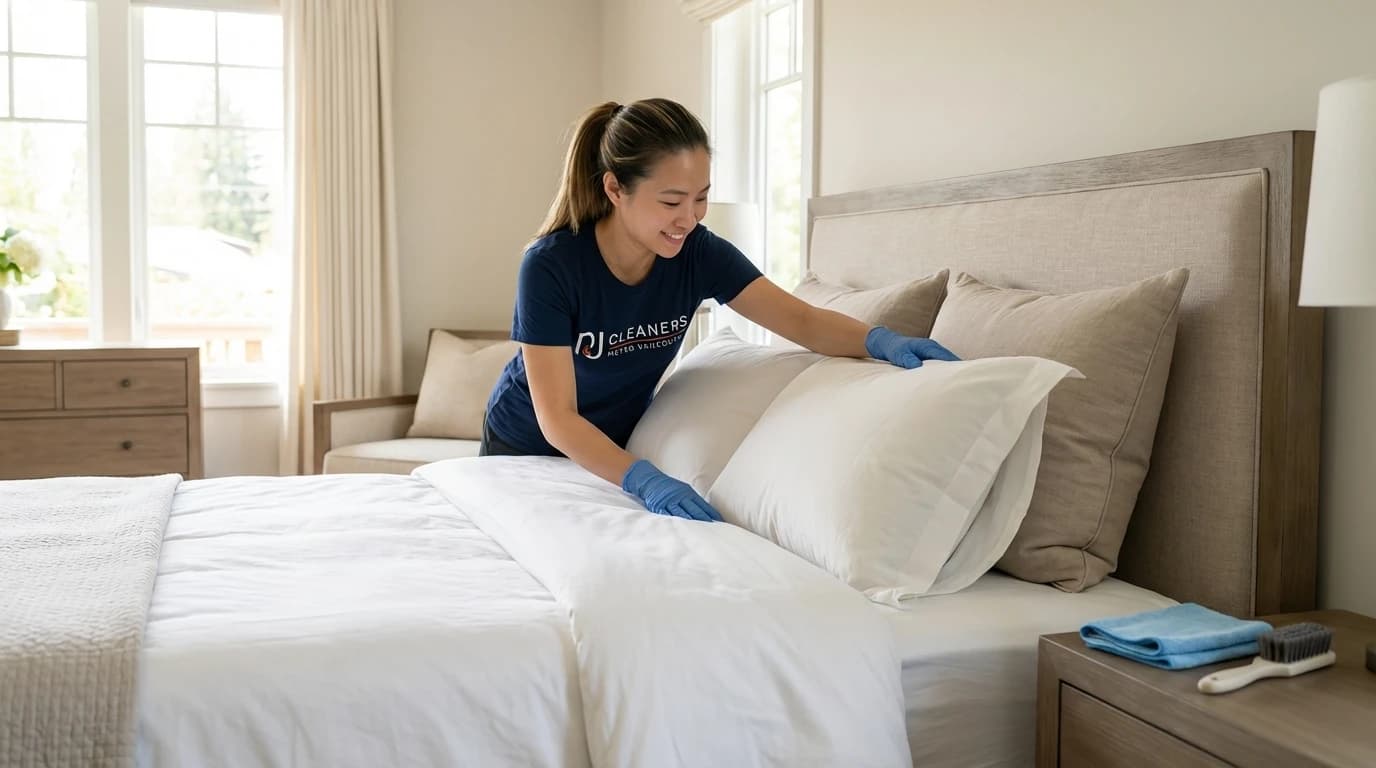
- Strip all bedding including mattress protectors and pillow covers for a complete wash cycle using hot water above 60°C to eliminate dust mites. Vacuum mattress surfaces using the upholstery attachment, paying special attention to seams and crevices where debris accumulates. The CDC reports that mattresses can harbour up to 10 million dust mites, triggering allergies that affect 20% of Canadian children. Sprinkle baking soda across the entire mattress surface, let sit for 30 minutes, then vacuum thoroughly to neutralize odours and absorb moisture.
- Flip or rotate mattresses according to manufacturer guidelines to promote even wear and extend mattress lifespan by 2-3 years. Inspect for stains and treat with enzyme-based cleaners specifically designed for organic matter like sweat and spills. Allow mattresses to air out for 2-4 hours with windows open before remaking beds with fresh linens. WorkSafeBC indoor air quality standards recommend quarterly mattress cleaning for optimal bedroom hygiene, particularly important before extended school year use.
- Wash all pillows according to care labels, typically using gentle cycles for synthetic fills and delicate settings for down alternatives. Replace pillows that have lost shape or show yellowing, as these indicate breakdown of materials and reduced support for growing children. Clean mattress protectors and pillow covers separately from sheets to ensure thorough sanitization of protective layers. Consider using hypoallergenic pillow and mattress covers to create barriers against dust mites and allergens throughout the school year.
Quick Win
Schedule mattress cleaning on a sunny day so you can open windows for natural ventilation and UV exposure, which naturally kills bacteria and freshens fabrics.
Sanitize High-Touch Surfaces Throughout the Home
Door handles, light switches, and railings transfer germs between family members. Regular sanitization reduces illness transmission that causes school absences and family disruption.
- Create a high-touch surface checklist including door handles, light switches, stair railings, cabinet pulls, and appliance handles used daily by children. Use EPA-approved disinfectants or a solution of 1 part bleach to 50 parts water for effective sanitization. The CDC confirms that high-touch surfaces can harbour pathogens for up to 72 hours, making regular cleaning essential for preventing illness spread. Wipe surfaces with cleaning solution, allow contact time of 3-5 minutes as specified on product labels, then wipe dry with clean microfibre cloths.
- Pay special attention to bathroom surfaces including toilet handles, faucets, and towel bars that children use multiple times daily. Clean and disinfect kitchen surfaces where children prepare snacks and lunches, including refrigerator handles, microwave buttons, and countertop edges. Statistics Canada reports that households with school-age children experience 40% more cold and flu episodes, making proactive sanitization crucial for minimizing illness disruption. Establish a weekly high-touch cleaning routine to maintain hygiene standards throughout the school year.
- Don't overlook frequently missed surfaces like remote controls, game controllers, tablet cases, and computer keyboards that children handle constantly. Use electronics-safe cleaning wipes or slightly dampened microfibre cloths with isopropyl alcohol for screens and devices. Clean backpack zippers, lunch box handles, and water bottle caps weekly to prevent bacteria buildup on items that travel between home and school. The BC Health Authority recommends daily sanitization of high-touch surfaces during cold and flu season to reduce transmission rates by up to 50%.
Quick Win
Keep disinfecting wipes in a caddy under the kitchen sink so children can quickly wipe high-touch surfaces as part of their daily chore routine.
Organize and Clean Study Spaces
Dedicated homework areas with proper lighting and organization improve focus and academic performance. Clean, clutter-free desks reduce distractions and create productive learning environments.
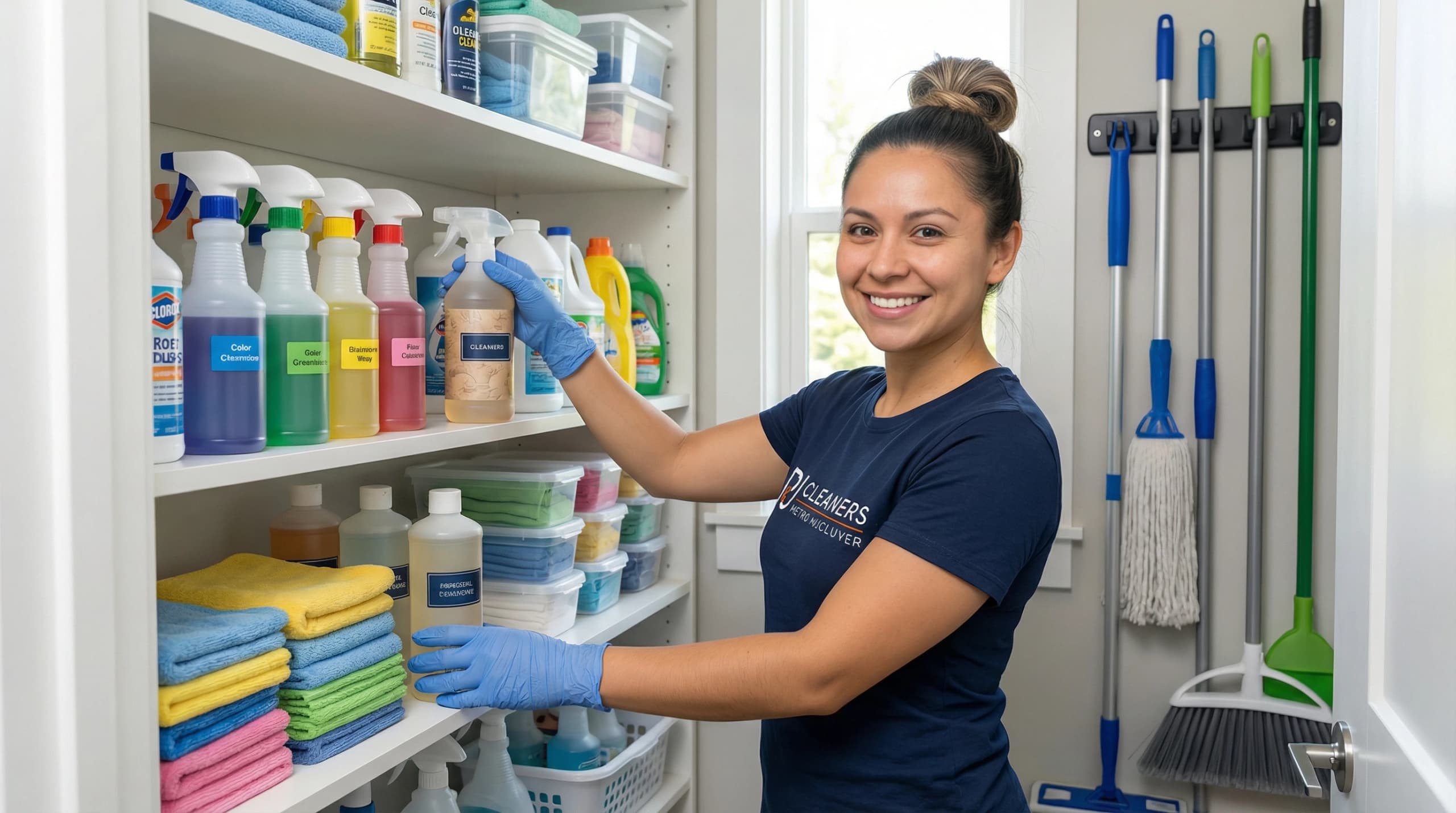
- Clear desk surfaces completely and wipe down with all-purpose cleaner to remove summer dust and sticky residue from vacation activities. Organize desk drawers using small containers or dividers to separate pencils, erasers, scissors, and other school supplies for easy access. Research from Vancouver school districts shows that organized study spaces improve homework completion rates by 25% and reduce time spent searching for materials. Position desks near windows for natural light when possible, or ensure adequate task lighting with adjustable desk lamps rated at 450-750 lumens for reading tasks.
- Clean computer keyboards, monitors, and mice using electronics-safe cleaning solutions to remove oils and debris that accumulate over summer months. Organize charging cables using clips or cable management systems to prevent tangling and tripping hazards in study areas. Dust bookshelves and organize textbooks, reference materials, and school supplies in logical groupings that children can maintain independently. The ISSA recommends weekly dusting of study areas to prevent allergen buildup that affects concentration and respiratory health during extended homework sessions.
- Create a paper management system with labelled folders or bins for current assignments, completed work, and permission slips requiring parent signatures. Remove outdated school papers and artwork from previous years to make room for new academic materials. Establish a daily desk reset routine where children spend 5 minutes organizing supplies and clearing surfaces before starting homework. Studies show that consistent organizational routines reduce homework-related stress by 30% and improve time management skills that benefit academic performance throughout the school year.
Quick Win
Use a lazy Susan or rotating organizer for frequently used supplies so children can access items without disrupting their workspace setup.
Refresh Entryways and Mudroom Areas
Entryways are the first line of defence against outdoor dirt and germs. Clean, organized entry spaces reduce household cleaning time and prevent tracking debris throughout the home.
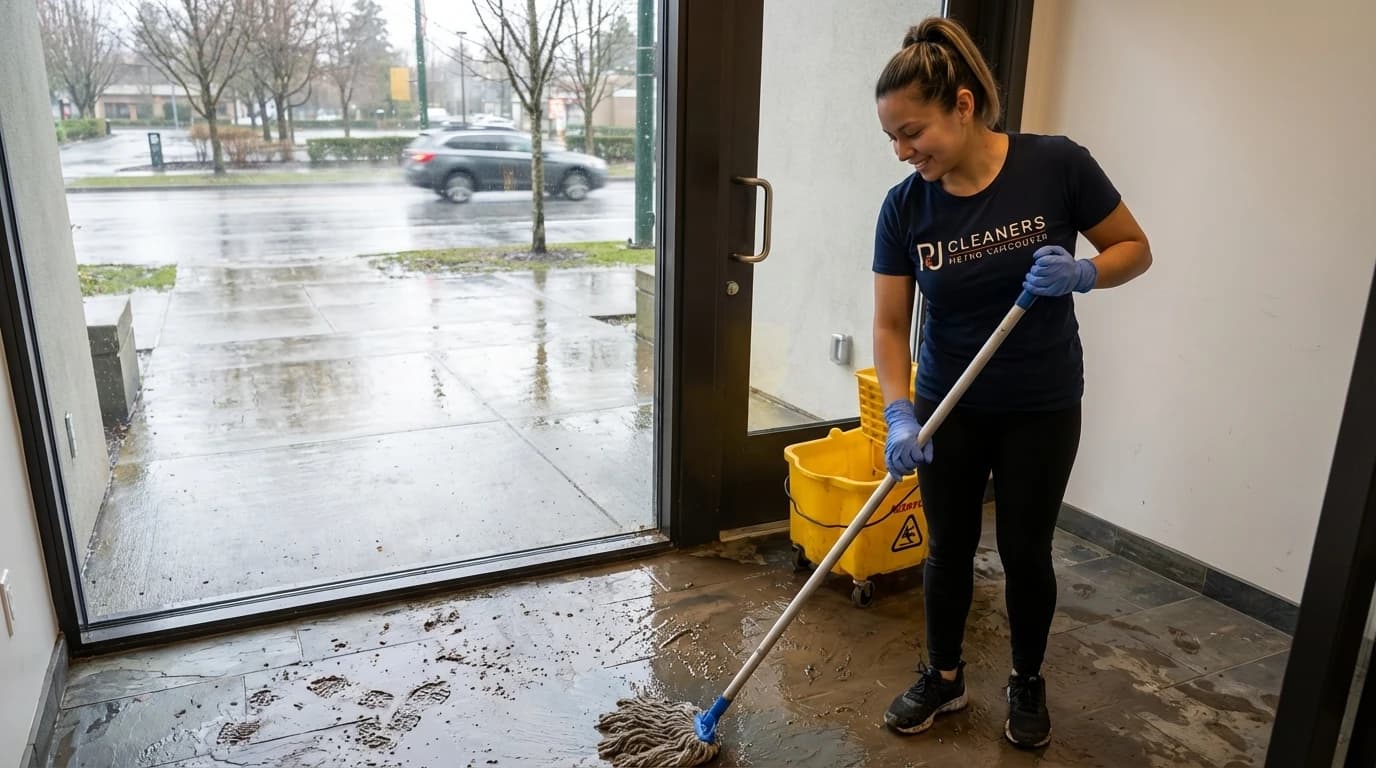
- Remove all shoes, coats, and accessories from entryway areas to thoroughly clean floors, walls, and storage furniture accumulated over summer months. Vacuum or sweep floors to remove dirt, sand, and debris tracked in during vacation activities and outdoor play. The City of Vancouver estimates that 80% of household dirt enters through entryways, making this zone critical for whole-home cleanliness. Mop hard floors with appropriate cleaners for your flooring type, paying attention to corners and baseboards where grime accumulates over time.
- Clean coat hooks, shoe racks, and storage benches using all-purpose cleaner to remove dust, fingerprints, and seasonal buildup from frequent use. Organize shoes by family member using labelled bins or cubbies to prevent morning chaos when children search for school shoes. Install or refresh door mats both outside and inside entry doors to capture dirt before it spreads through the home. WorkSafeBC indoor air quality guidelines recommend weekly entryway cleaning during school months to minimize allergen and pathogen introduction from outdoor environments.
- Establish a drop zone system with designated spots for backpacks, lunch boxes, and school notices to prevent clutter accumulation on counters and tables. Clean and organize coat closets, removing outgrown jackets and summer items to make room for fall and winter school outerwear. Add hooks at child-appropriate heights so students can independently hang coats and bags, building responsibility and organizational habits. Statistics Canada reports that organized entryways reduce morning routine time by 15 minutes daily, decreasing family stress and improving on-time school arrivals throughout the academic year.
Quick Win
Place a small basket near the door for items that need to go back to school, like library books or permission slips, preventing last-minute morning searches.
Clean Windows and Improve Natural Light
Clean windows maximize natural light that improves mood, concentration, and sleep patterns. Proper lighting in study and living areas supports academic success and family wellbeing.
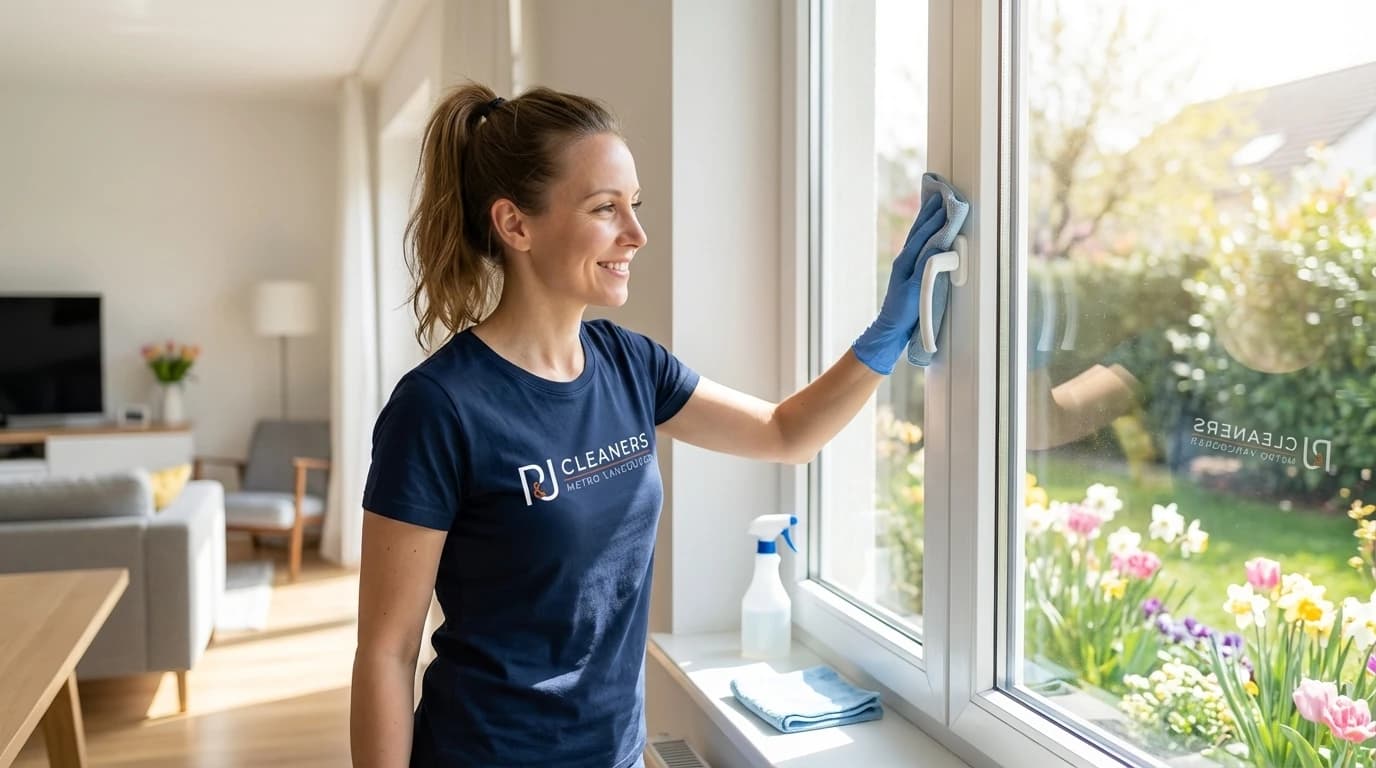
- Wash interior window surfaces using a solution of equal parts white vinegar and water or commercial glass cleaner for streak-free results. Remove window screens, rinse with garden hose or in bathtub, and allow to dry completely before reinstalling to prevent mould growth. The BC Health Authority reports that natural light exposure improves children's sleep quality by 20% and supports healthy circadian rhythms essential for school performance. Clean window sills and tracks using vacuum attachments and damp cloths to remove accumulated dust, dead insects, and debris from summer months.
- Wipe down window frames and surrounding walls to remove fingerprints, smudges, and seasonal buildup that dulls room appearance and light transmission. Open curtains and blinds during cleaning to assess light levels and identify windows requiring additional attention for optimal brightness. Studies show that classrooms and study spaces with adequate natural light improve test scores by 7-18%, making home lighting equally important for homework success. Clean or replace window treatments that block excessive light or show visible dirt and staining from extended use.
- Schedule window cleaning for overcast days when direct sunlight won't cause cleaning solutions to dry too quickly and leave streaks on glass surfaces. Use microfibre cloths or squeegees for professional-quality results without lint or residue that reduces light transmission through windows. Pay special attention to windows in bedrooms and study areas where children spend most of their at-home time during school months. The ISSA recommends seasonal window cleaning to maintain optimal natural light levels that support mood, productivity, and overall household wellbeing throughout the academic year.
Quick Win
Clean windows from top to bottom using horizontal strokes on one side and vertical strokes on the other to easily identify which side has streaks.
Deep Clean Bathrooms and Establish Routines
Bathrooms require thorough sanitization before school starts to prevent illness transmission. Clean facilities and established hygiene routines support family health throughout the academic year.
- Scrub toilets, sinks, and tubs using bathroom-specific cleaners that remove soap scum, hard water deposits, and bacteria buildup from summer use. Clean and disinfect toilet handles, faucets, and flush mechanisms that children touch multiple times daily with potentially contaminated hands. The CDC reports that proper bathroom hygiene reduces gastrointestinal illness transmission by 50%, preventing school absences and family disruption. Replace worn toilet brushes, bath mats, and shower curtains that show mould, mildew, or permanent staining that harbours bacteria despite regular cleaning efforts.
- Organize bathroom cabinets and drawers, removing expired medications, old toiletries, and unused products that create clutter and confusion during busy morning routines. Create designated spaces for each child's personal items including toothbrushes, hair accessories, and skincare products to prevent cross-contamination and morning conflicts. Clean mirrors, light fixtures, and exhaust fan covers to improve bathroom functionality and appearance for the school year ahead. WorkSafeBC indoor air quality standards recommend monthly exhaust fan cleaning to prevent moisture buildup that promotes mould growth in bathroom environments.
- Establish a bathroom cleaning schedule with age-appropriate tasks for children to build responsibility and hygiene awareness throughout the school year. Teach proper handwashing techniques including 20-second scrubbing with soap and complete rinsing to prevent illness transmission between school and home. Stock bathrooms with adequate supplies including hand soap, toilet paper, and clean towels to prevent morning shortages during rushed school day preparations. Statistics Canada reports that households with established bathroom routines experience 25% fewer illness-related school absences, making proactive hygiene habits essential for academic success and family health.
Quick Win
Use a daily shower spray after morning showers to prevent soap scum buildup, reducing deep cleaning frequency and maintaining bathroom freshness with minimal effort.
Vacuum and Deep Clean Carpets and Rugs
Carpets trap allergens, dust mites, and bacteria that affect respiratory health and sleep quality. Professional-level cleaning before school starts creates healthier indoor environments for learning and rest.
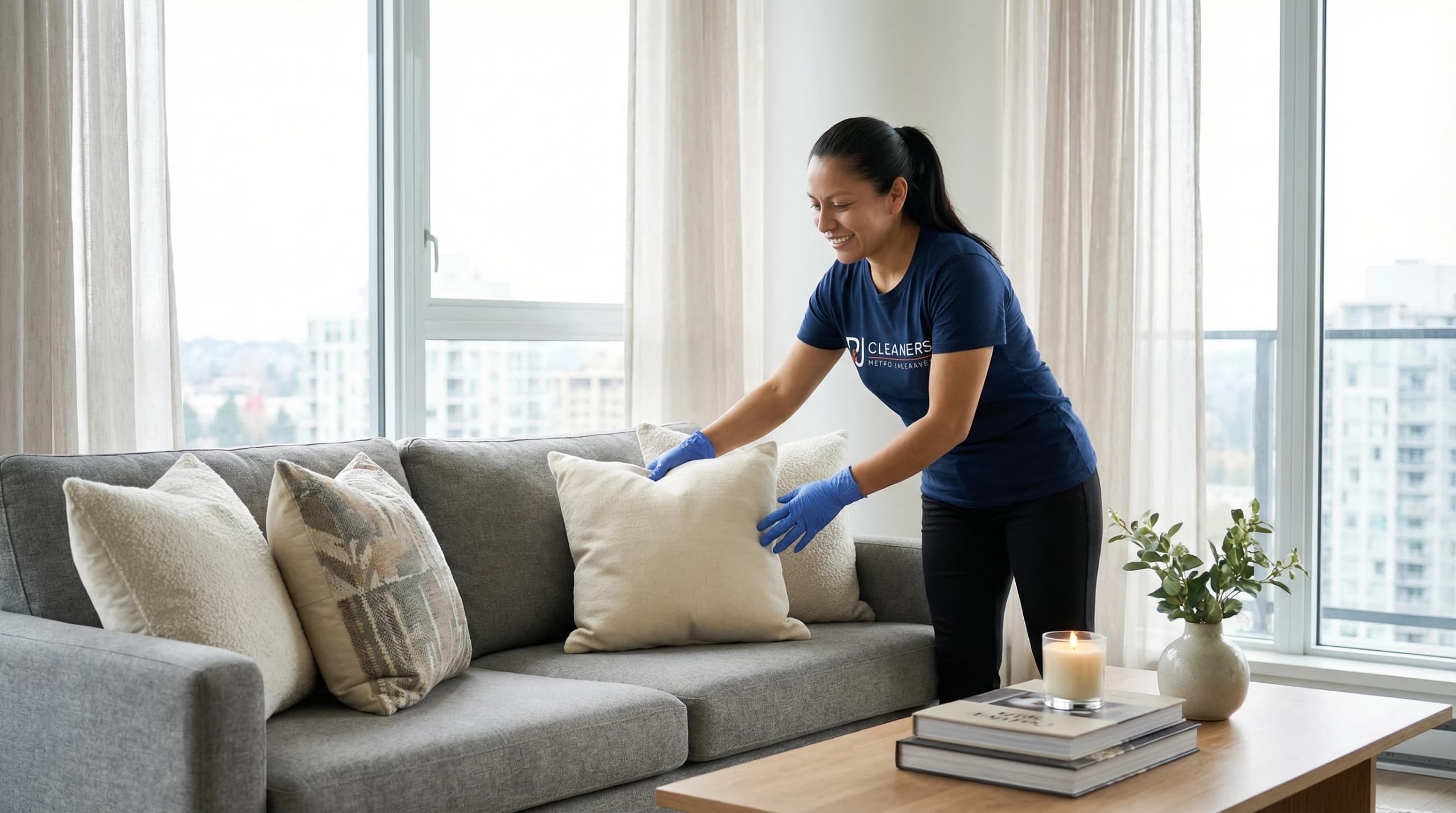
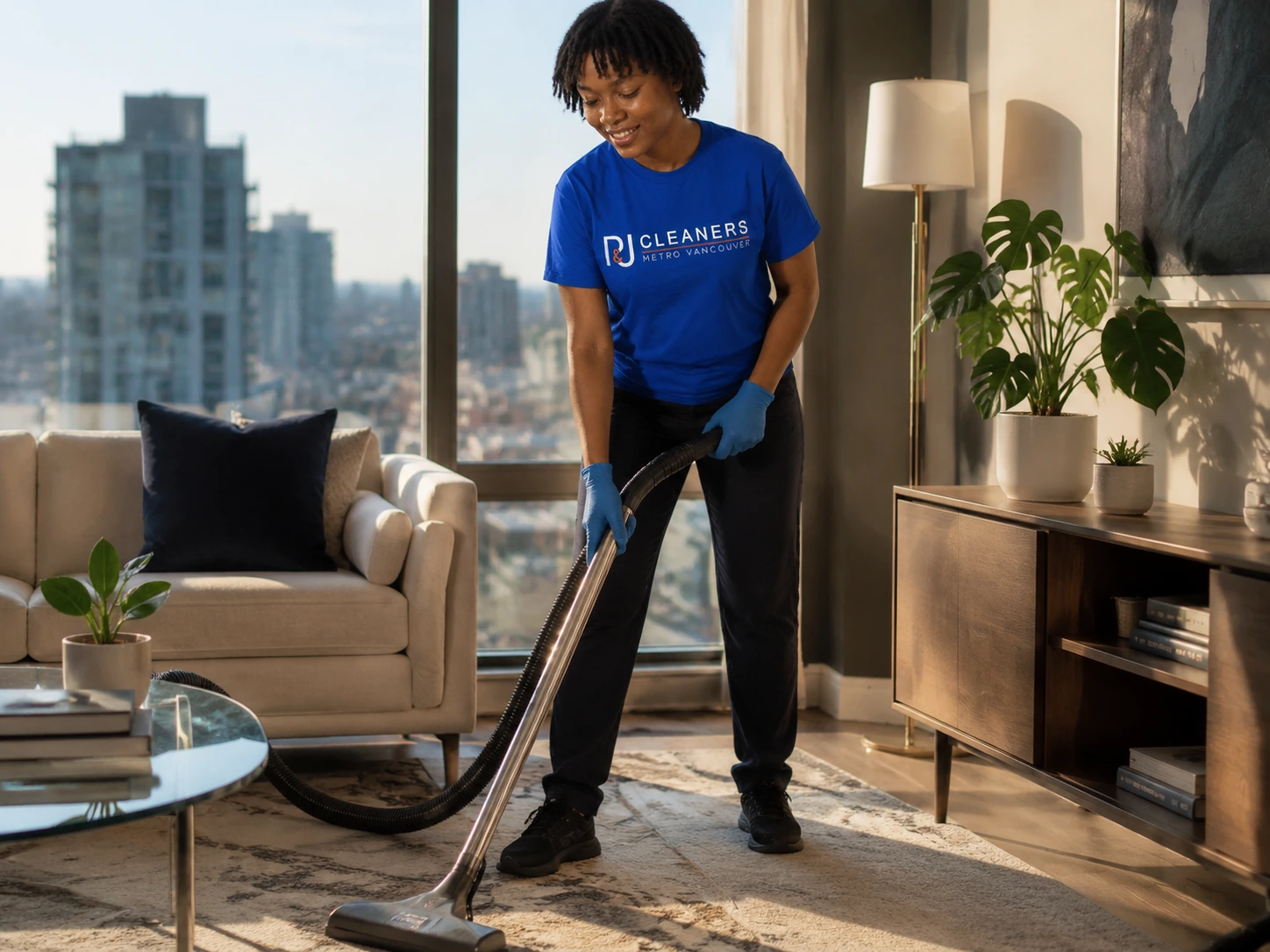
- Vacuum all carpeted areas using slow, overlapping passes to remove embedded dirt, pet hair, and allergens accumulated during summer months of increased foot traffic. Move furniture to access hidden areas under beds, sofas, and desks where dust and debris accumulate beyond reach of regular cleaning routines. The ISSA reports that carpets can hold up to four times their weight in dirt, making thorough vacuuming essential for indoor air quality and allergy management. Use vacuum attachments to clean baseboards, corners, and edges where dust collects and standard vacuum heads cannot reach effectively.
- Treat carpet stains using appropriate spot cleaners for specific stain types, testing products in inconspicuous areas before applying to visible carpet sections. Consider professional carpet cleaning or rent a carpet cleaning machine for deep extraction of embedded dirt and allergens that regular vacuuming cannot remove. The BC Health Authority recommends annual professional carpet cleaning for homes with children to reduce allergen levels by up to 60% and improve respiratory health. Allow carpets to dry completely before replacing furniture to prevent mould growth and musty odours in bedroom and living spaces.
- Clean area rugs according to care labels, either through professional cleaning services or home washing for smaller, machine-washable options. Rotate area rugs to promote even wear and extend lifespan while refreshing room appearance for the new school year. Vacuum under area rugs to remove dust and debris that accumulates on hard floors beneath decorative floor coverings. Studies show that homes with regularly cleaned carpets experience 30% fewer allergy symptoms, supporting better sleep and concentration for school-age children throughout the academic year.
Quick Win
Sprinkle baking soda on carpets before vacuuming to neutralize odours and freshen fibres, especially effective in high-traffic areas and children's bedrooms.
Prepare School Supply Stations and Lunch Prep Areas
Organized supply stations and clean lunch preparation areas streamline morning routines and support healthy eating habits. Proper setup prevents morning chaos and ensures children have necessary materials for school success.
- Designate a specific area for school supply storage including extra pencils, notebooks, art supplies, and project materials that children need throughout the academic year. Clean and organize this space using bins, baskets, or drawer organizers that allow children to independently access and return supplies without adult assistance. Research from Vancouver school districts shows that accessible supply stations reduce morning preparation time by 20 minutes and decrease forgotten item incidents by 45%. Label containers clearly with pictures for younger children and words for older students to maintain organization throughout the school year.
- Deep clean kitchen areas used for lunch preparation including countertops, cutting boards, and small appliances like toasters and microwaves that see increased use during school months. Organize lunch-making supplies including reusable containers, water bottles, and snack bags in easily accessible locations that children can reach for age-appropriate participation. The BC Health Authority reports that children who participate in lunch preparation eat 30% more fruits and vegetables and develop healthier eating habits that support academic performance. Establish a weekly meal planning routine to streamline grocery shopping and reduce morning decision fatigue during busy school day preparations.
- Clean and inspect lunch boxes, thermoses, and reusable food containers accumulated over previous school years, discarding items with cracks, stains, or broken seals that compromise food safety. Stock pantry and refrigerator with healthy lunch and snack options that children can help prepare, building independence and nutritional awareness. Create a lunch packing station with all necessary supplies in one location to minimize morning movement and maximize efficiency during rushed school day preparations. Statistics Canada reports that organized lunch preparation systems save families an average of 45 minutes per week, reducing stress and improving on-time school arrivals throughout the academic year.
Quick Win
Prep lunch components on Sunday evenings, storing cut vegetables, portioned snacks, and assembled sandwiches for grab-and-go convenience during hectic school mornings.
Fast Reset
Time-Saving Back-to-School Preparation Tips
Implement these quick strategies to streamline your back-to-school transition and reduce morning stress throughout the academic year. Small organizational changes create significant time savings and smoother daily routines for busy families.
Services mentioned in this article
Ready for help?
4.9 · 850+ Google reviewsStart the School Year with a Professionally Clean Home
Let P&J Cleaners handle your back-to-school deep cleaning while you focus on preparing your kids for success. Our residential specialists serve 39 Metro Vancouver locations with eco-friendly products upon request and flexible scheduling.
778-720-2224Back-to-School Cleaning Questions
What is the best way to tackle back-to-school cleaning for busy parents?
Start with bedrooms and study areas two weeks before school begins. Focus on decluttering first, then deep clean surfaces, windows, and floors. According to the CDC, removing dust and allergens from sleeping and study spaces improves concentration by reducing respiratory irritation. Tackle one room per day to avoid overwhelm, and involve kids in age-appropriate tasks like sorting school supplies and organizing desks.
How often should you do back-to-school cleaning?
Complete a thorough back-to-school cleaning once annually in late August or early September. Maintain the results with weekly bedroom tidying, biweekly desk organization, and monthly deep cleaning of high-touch surfaces. Statistics Canada reports that 73% of Canadian households with school-age children perform seasonal deep cleaning before major transitions. During the school year, focus on daily quick resets and weekend maintenance cleaning.
What products work best for seasonal cleaning?
Use eco-friendly, non-toxic cleaners safe for children's spaces. Microfibre cloths remove 99% of bacteria without harsh chemicals, according to ISSA research. For desks and study areas, choose alcohol-free surface cleaners. White vinegar solutions work effectively on windows and mirrors. Avoid aerosol sprays in bedrooms, as BC Health Authority guidelines recommend reducing volatile organic compounds in children's sleeping environments for better respiratory health.
Is professional help worth it for seasonal cleaning?
Professional back-to-school cleaning saves busy parents 4-6 hours and ensures thorough sanitization of overlooked areas like baseboards, light fixtures, and behind furniture. P&J Cleaners' residential teams use commercial-grade equipment and child-safe products to deep clean bedrooms, study spaces, and common areas efficiently. For families juggling work schedules and multiple children, professional cleaning eliminates stress and guarantees a healthy, organized learning environment from day one.

Meet the Author
Pamela
Co-Founder
Pamela leads residential quality standards at P&J Cleaners, refining safe, detail-driven cleaning systems for Vancouver homes, condos, and move-out projects.
Keep Exploring