

Industry Overview
What a modern office cleaning standard should actually cover
A real office cleaning standard goes beyond emptying bins and running a vacuum through the middle of the floor. It should define how each zone is maintained, what clean looks like, how high-touch surfaces are handled, and how quality is checked consistently over time.
For Vancouver businesses, the standard also has to fit the workplace itself. A client-facing boardroom, a quiet admin suite, and a hybrid office with shared desks all require different cleaning priorities even if they sit in the same building.
Reception + meeting rooms
Most visible zone
Washrooms + kitchens
Highest complaint risk
Consistent maintenance over reactive resets
Best ROI
Compliance priorities
Documented task frequency by zone • Clear handling of high-touch surfaces • Quality-control checks for visible spaces • Product use aligned to workplace materials and safety expectations
The five office cleaning zones that deserve the most discipline
Zone-based standards help offices feel consistently maintained instead of unevenly cleaned.
Reception and boardrooms set the visual standard
Client-facing spaces shape the first impression, so dust, fingerprints, glass marks, and chair alignment matter more than teams often realize.
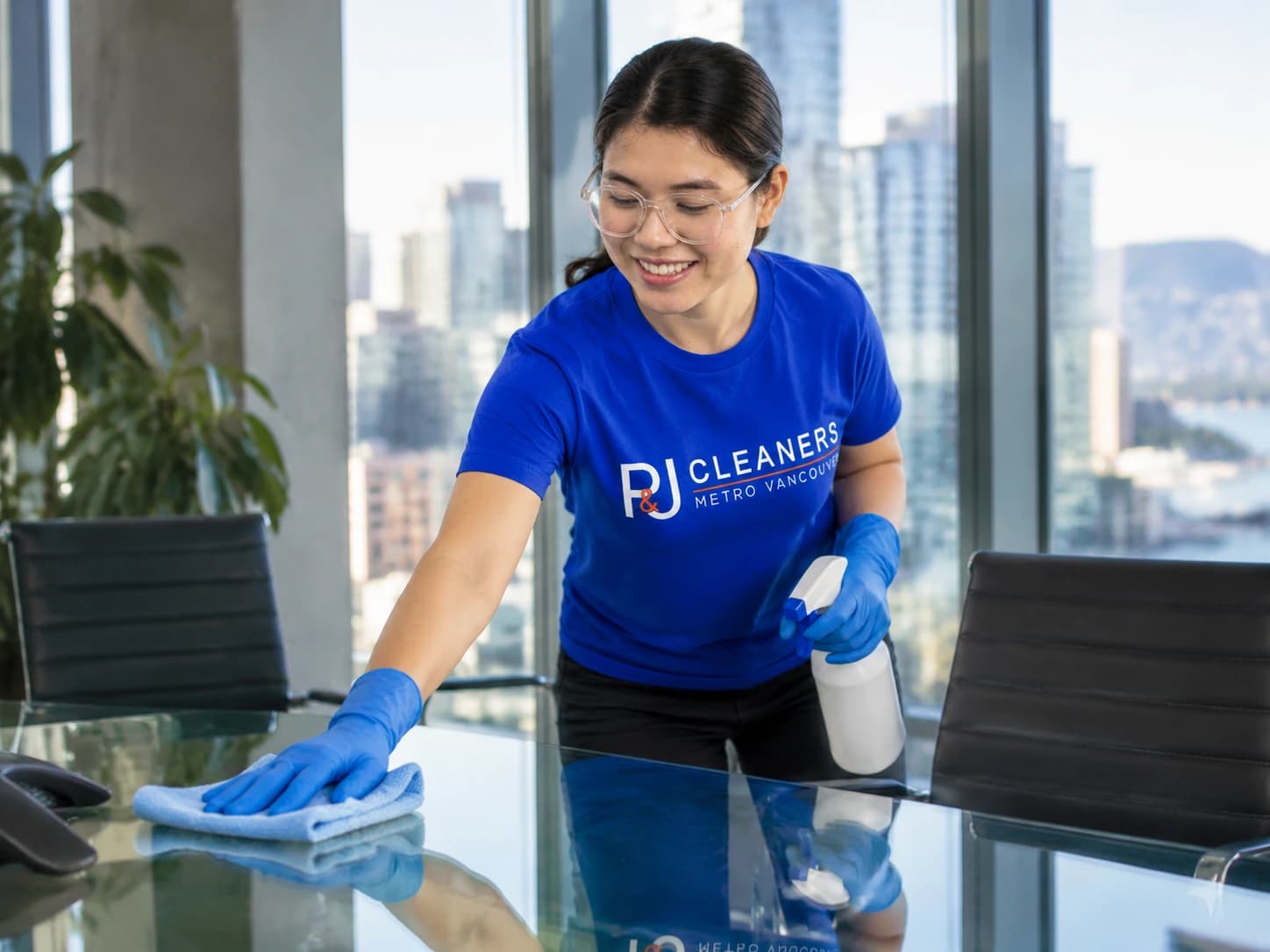
These spaces should always look intentionally maintained, not cleaned only after visible buildup appears. Glass, polished tables, and presentation surfaces reveal smudges quickly, especially in daylight or under boardroom lighting.
A disciplined routine here protects client perception and makes the entire workplace feel better managed.
- Daily glass and tabletop touchpoint reset
- Chair alignment and visible floor detailing
- Spot-clean fingerprints on doors, switches, and hardware
Recommended Frequency
Daily
Workstations and shared desks need touchpoint consistency
Hybrid offices can look fine from a distance while still feeling neglected at desk level.
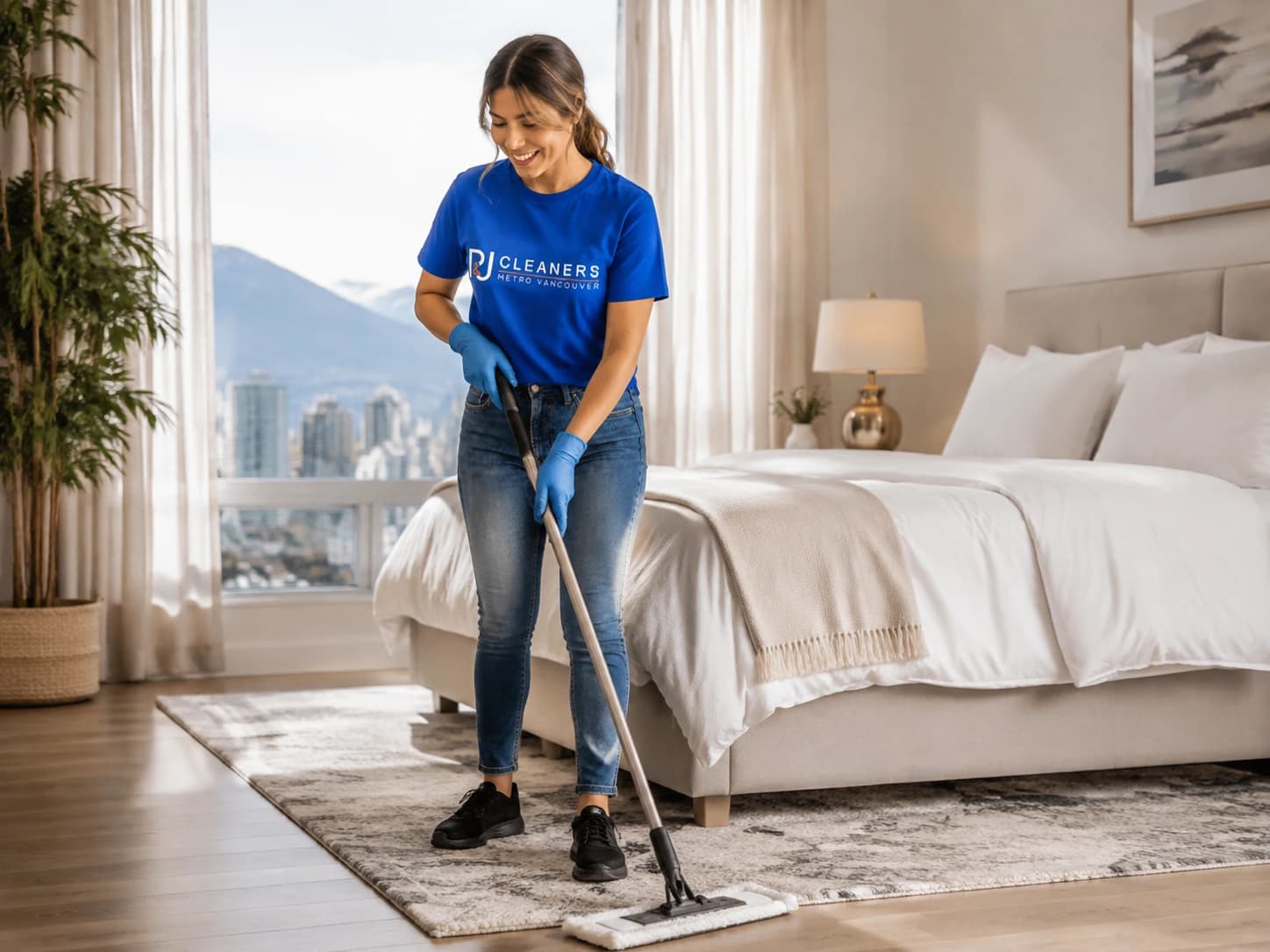
Keyboard-adjacent dust, monitor smudges, chair arms, and shared touchdown stations all influence how clean the office feels to the people using it. Standardizing these details builds trust with employees and reduces the sense of reactive cleaning.
Shared desks need clearer wipe-down expectations because multiple users multiply visible residue and hygiene concerns.
- Focus on desk edges, arms, and switch plates
- Keep monitor and glass partitions streak-free
- Coordinate with desk-use policy so cleaning does not disrupt stored items
Recommended Frequency
Daily to weekly
Washrooms and kitchenettes drive the most complaints
If these two spaces slip, the entire office cleaning standard feels weak no matter how good the carpets look.
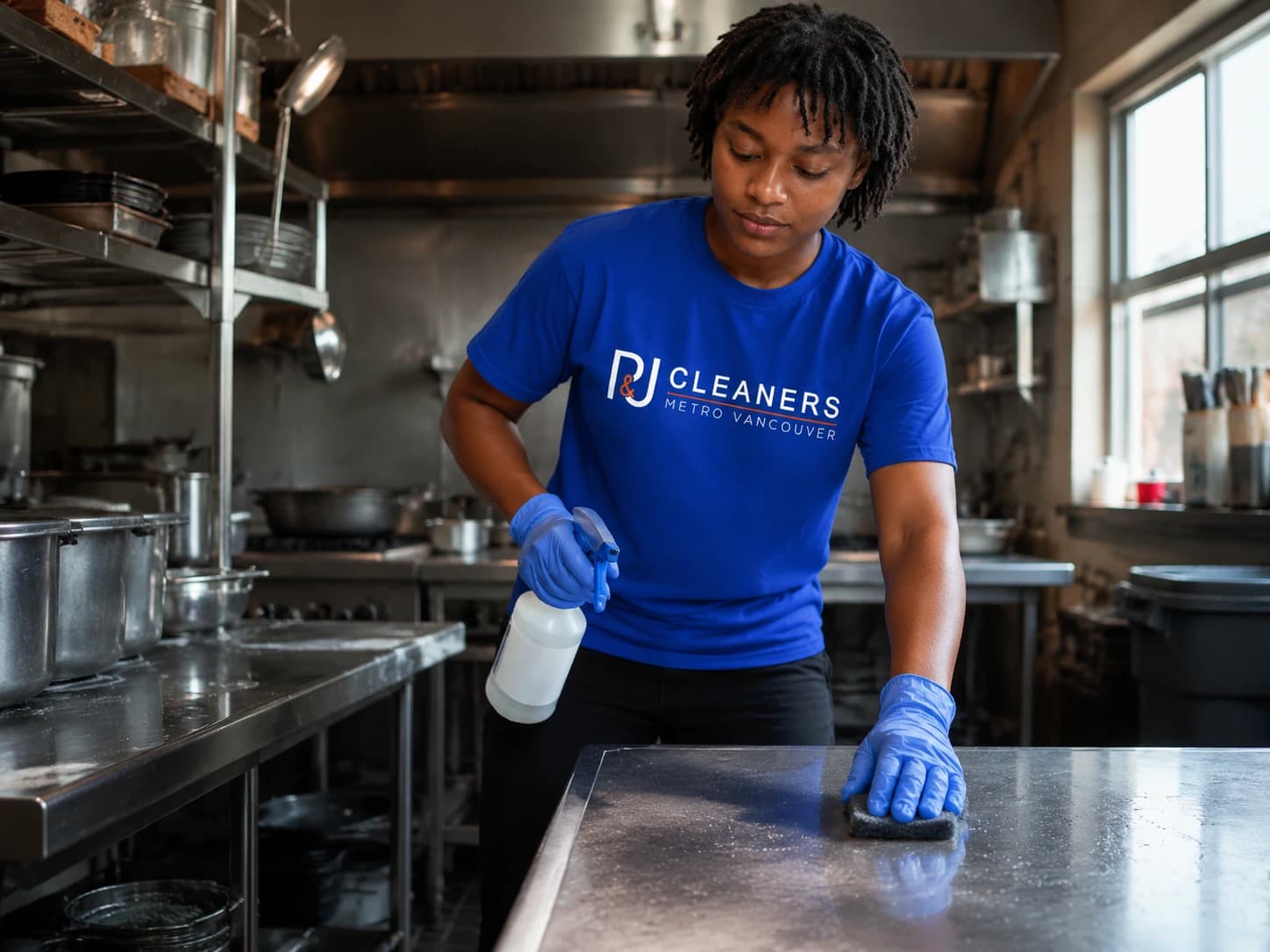
Break rooms and washrooms are where odor, residue, spills, and high-touch buildup become visible first. They also influence morale, because staff notice immediately when those rooms feel ignored.
The best approach is a documented frequency standard paired with targeted spot-checks for fixtures, touchpoints, sinks, and bin management.
- Disinfect handles, taps, and shared appliances
- Reset sink and counter presentation daily
- Prevent spill residue from becoming layered buildup
Recommended Frequency
Daily
Why the right office cleaning standard pays off
A stronger standard is valuable because it reduces reactive cleaning and protects business presentation every day.
Businesses often overspend on corrective deep cleans because routine quality was never defined. A clearer standard reduces reactive issues, supports a better client-facing environment, and helps surfaces and finishes last longer.
It also simplifies vendor accountability. When your expectations are documented by zone and frequency, quality conversations become measurable instead of subjective.
Reactive Cleaning
- Complaints drive schedule changes
- High-visibility spaces fluctuate in quality
- More frequent rescue cleans
Standardized Program
- Clear zone-by-zone expectations
- More consistent client-facing presentation
- Lower need for emergency resets
Every business day
Cleaner client-facing spaces
Higher operational clarity
Reduced reactive requests
Improved with consistent care
Asset longevity
- Supports employee confidence in the workplace
- Improves visitor and client perception
- Creates measurable vendor accountability
- Reduces the cost of delayed maintenance
Core office cleaning checklist
Use this grouped checklist to align expectations between management and your cleaning team.
Services mentioned in this article
Ready for help?
4.9 · 850+ Google reviewsNeed a cleaning program built around your workplace?
We help Vancouver offices build practical, high-quality cleaning plans with clear scopes, quality-control checkpoints, and professional presentation standards.
778-720-2224Office Cleaning Standards FAQs
What areas define office cleaning quality most visibly?
Reception, boardrooms, washrooms, kitchenette zones, and workstation touchpoints usually define overall quality because they shape both employee experience and visitor perception immediately.
How often should high-touch office surfaces be cleaned?
High-touch surfaces should be cleaned daily at minimum in most offices, with higher-frequency service in busier environments, shared-desk workplaces, or spaces that host clients regularly.
Why do office cleaning standards matter financially?
A better cleaning standard supports presentation, employee confidence, client trust, and asset longevity. It also reduces reactive complaints, missed details, and costly deep-reset projects caused by neglect.
Meet the Author
Jason
Co-Founder
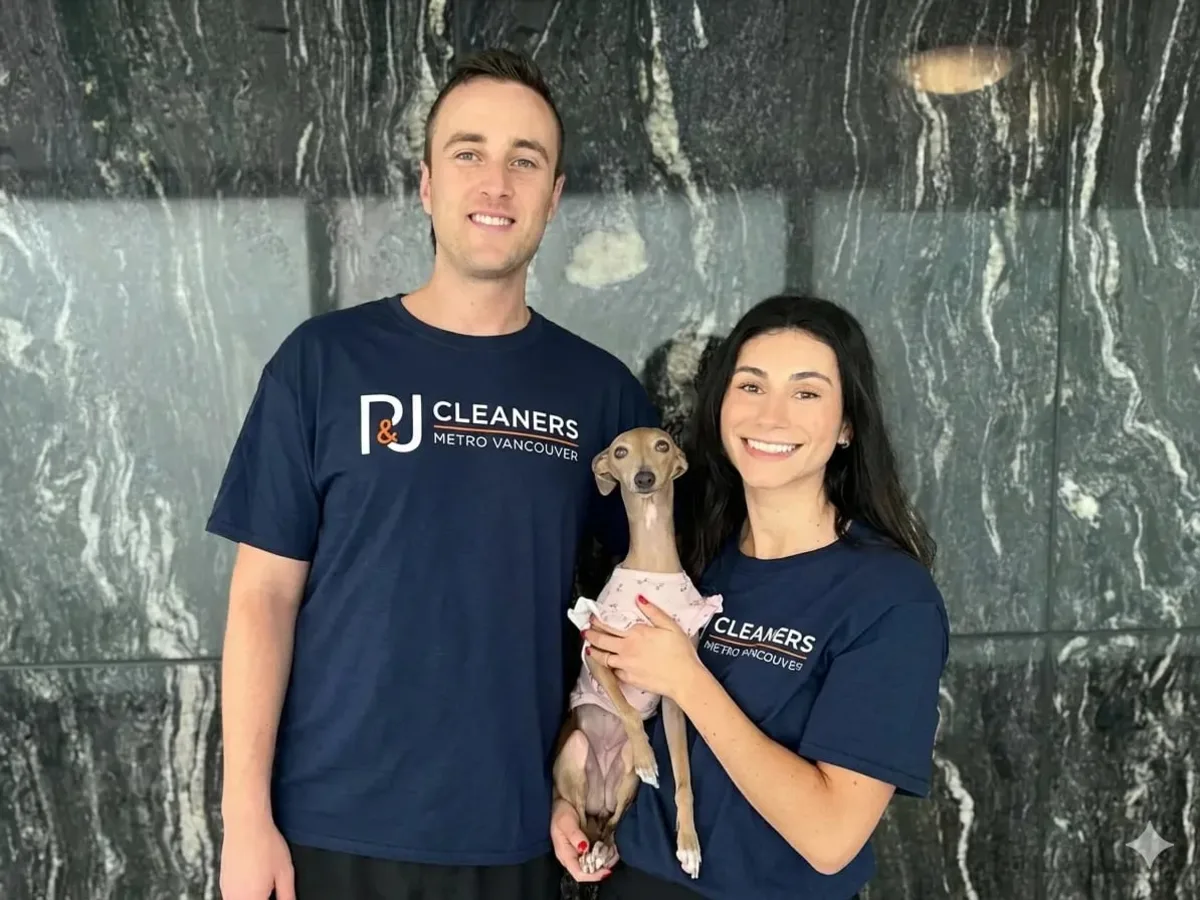
Jason oversees commercial operations, workflow design, and quality control for office, restaurant, and specialty cleaning programs across Metro Vancouver.
Keep Exploring