Professional Cleaning Standards
Safety Protocols & Procedures
Our safety-first approach protects clients, staff, and property on every assignment. Comprehensive protocols covering PPE, chemical handling, ergonomics, and emergency procedures.
 4.9 Google Rating
 850+ Reviews
 18+ Areas Served
 100% Satisfaction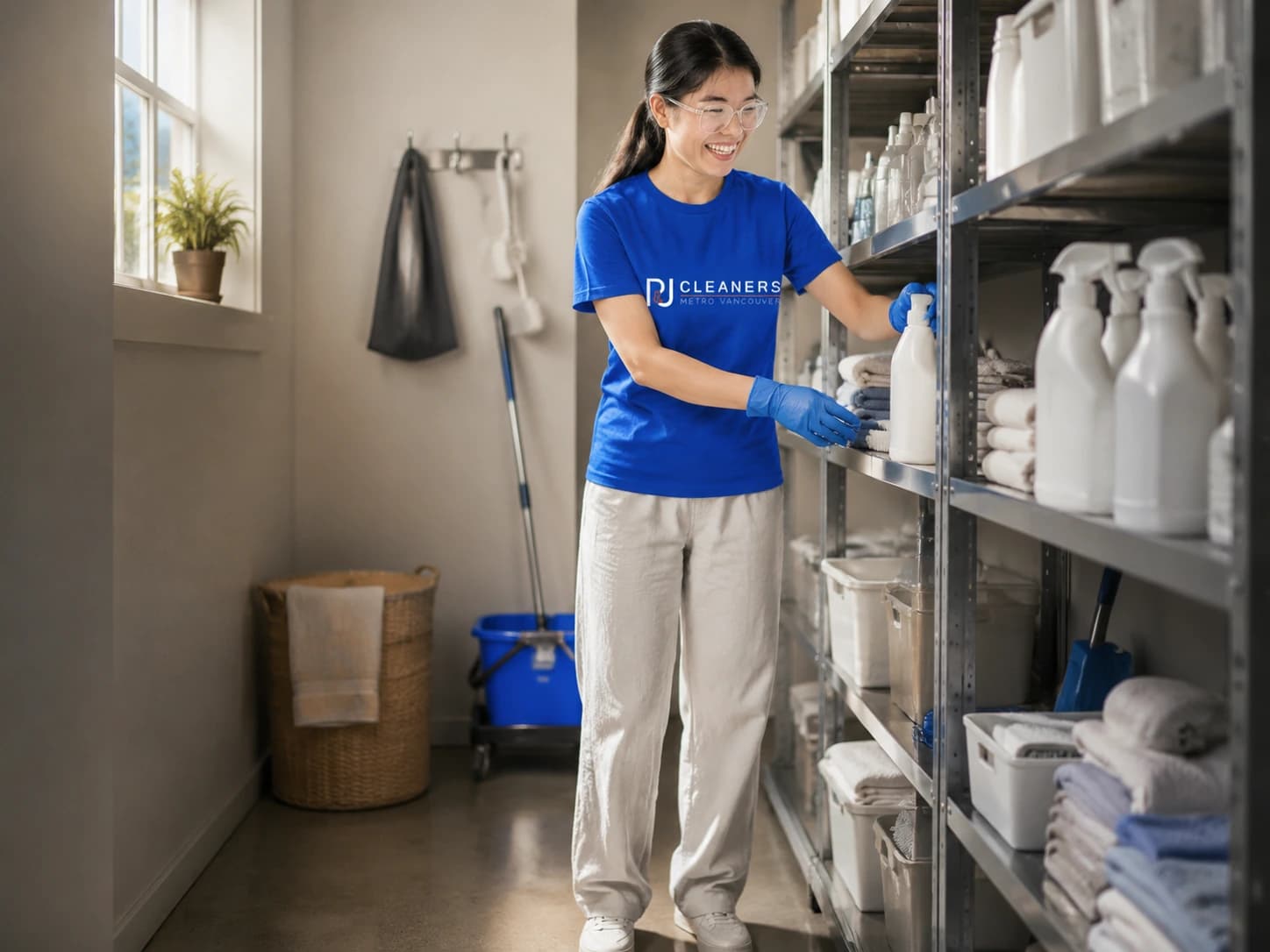
Our Safety-First Philosophy
Safety Is the Foundation of Every Clean
Every professional cleaning assignment carries real risk if approached without structure. Chemicals, electrical equipment, wet floors, and repetitive physical demands all present genuine hazards that must be managed systematically rather than left to chance.
Our safety protocols are not a checklist to satisfy regulators. They are the operating standard our team trains to daily. Before any cleaner enters your home or office, they understand exactly what PPE to wear, how to handle every product in their kit, and what to do if something unexpected occurs on site.
“A clean environment and a safe team are inseparable. You cannot have one without the other.”
— P&J Cleaners Operations Team
Protocol Categories
Six Core Safety Protocols
Each protocol covers the specific hazards, required actions, and behavioural standards our team follows on every residential and commercial assignment.
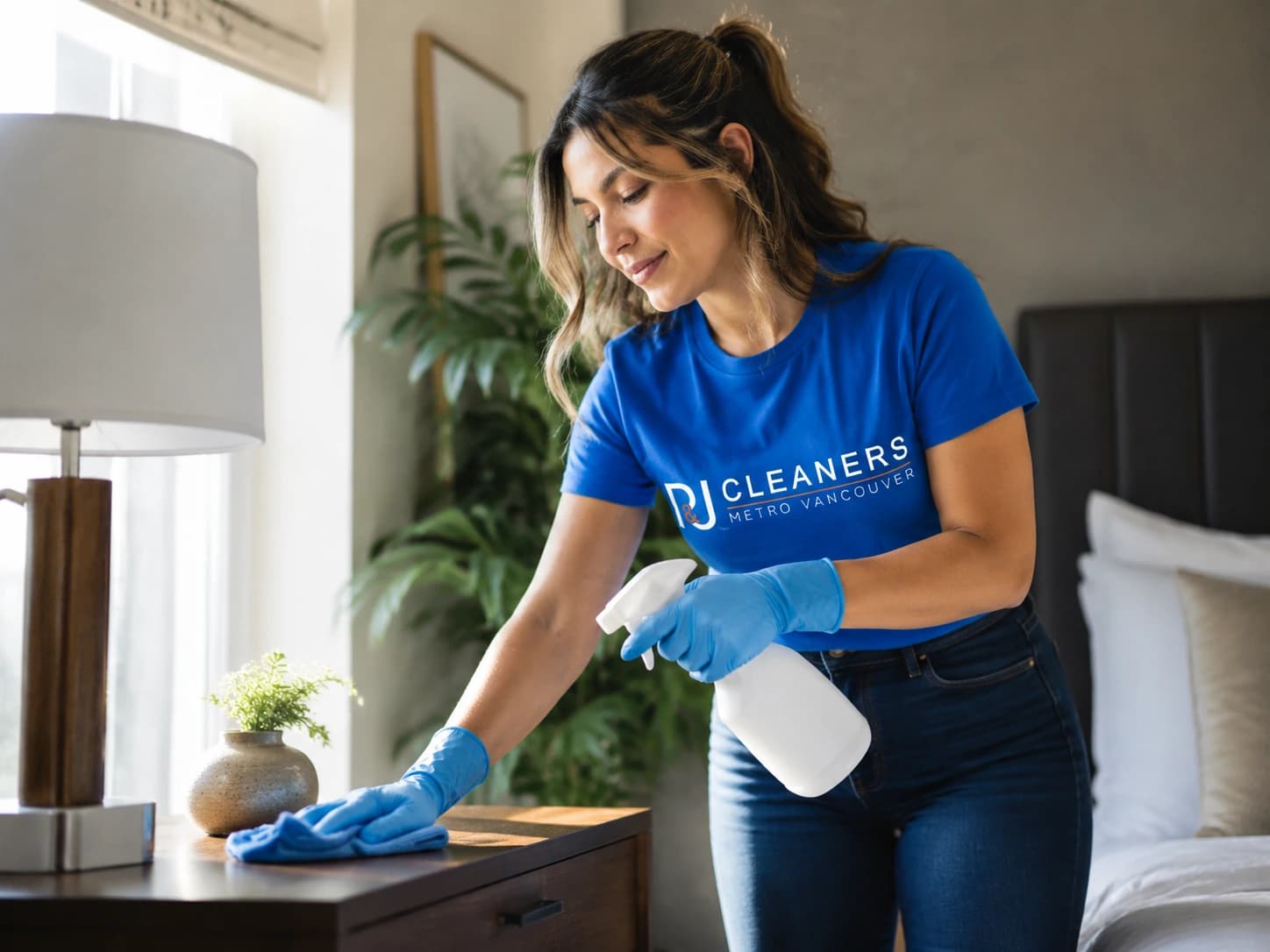
Personal Protective Equipment (PPE)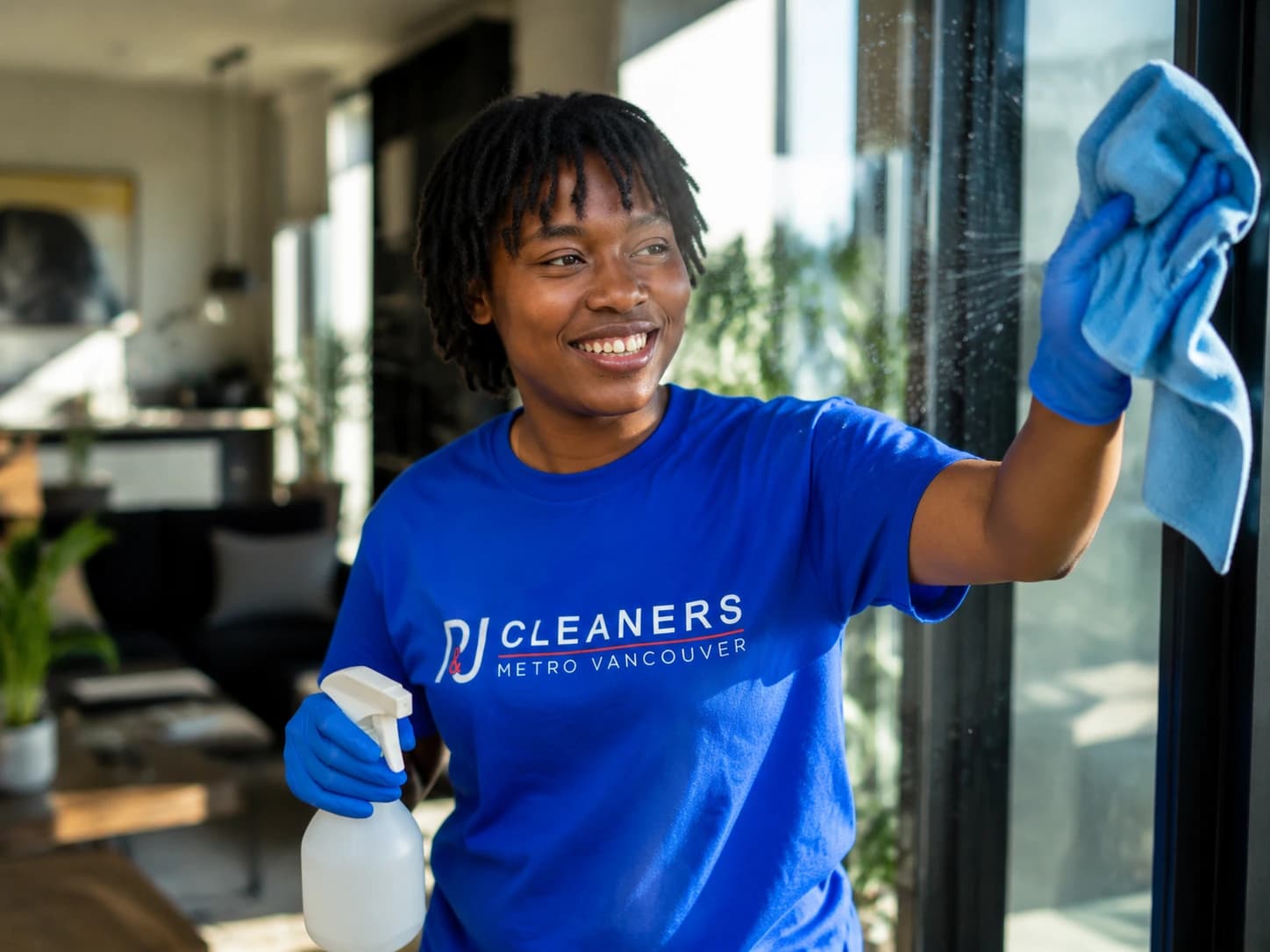
Personal Protective Equipment (PPE)
Every cleaning professional must don the correct personal protective equipment before entering a work area. PPE creates a critical barrier between cleaning personnel and chemical, biological, and physical hazards encountered in residential and commercial environments.
Required Steps
- 1Assess the specific tasks and select appropriate gloves — nitrile for chemical work, latex-free alternatives when needed
- 2Inspect all PPE items for tears, holes, or damage before donning
- 3Don PPE in sequence: gloves first, then eye protection if using sprays, then apron or protective clothing
- 4Ensure gloves extend fully over wrist cuffs and fit snugly without restricting movement
- 5Replace disposable PPE between rooms when working in high-sanitation environments
- 6Doff PPE carefully to avoid self-contamination: peel gloves from wrist outward
Do's
- Always wear nitrile or rubber gloves when handling any cleaning chemical
- Use safety goggles or face shield when working with spray disinfectants overhead
- Replace gloves immediately if they tear or are compromised
- Store clean PPE in a sealed bag separate from used items
Don'ts
- Never touch your face or eyes while wearing gloves
- Do not reuse disposable gloves — discard after each use
- Never skip PPE even for 'quick' spot cleans involving chemicals
- Avoid wearing jewelry under gloves as it can cause tears
 Chemical Handling & Storage
Chemical Handling & Storage
Cleaning chemicals require careful handling, appropriate dilution, and secure storage. Improper chemical management is the leading cause of occupational injuries in the cleaning industry. Every product label is a legal safety document that must be followed precisely.
Required Steps
- 1Read the Safety Data Sheet (SDS) for every new chemical product before first use
- 2Dilute concentrates to the manufacturer-specified ratio — never guess or estimate
- 3Label every spray bottle clearly with product name, dilution ratio, and date filled
- 4Store chemicals in original containers or clearly labeled secondary containers
- 5Keep acidic and alkaline cleaners in separate storage areas to prevent accidental mixing
- 6Dispose of expired or unlabeled chemicals according to local municipal waste guidelines
Do's
- Always dilute products per manufacturer specification — more is not better
- Keep chemicals in locked, ventilated storage when not in use
- Transport chemicals in sealed containers with spray nozzles locked
- Report any chemical spill immediately and use appropriate neutralizing agent
Don'ts
- Never mix bleach with ammonia-based cleaners — produces toxic chloramine gas
- Do not pour chemicals down storm drains or into open waterways
- Never use unlabeled spray bottles — always identify contents before use
- Avoid storing chemicals near heat sources, open flames, or in direct sunlight
 Electrical Safety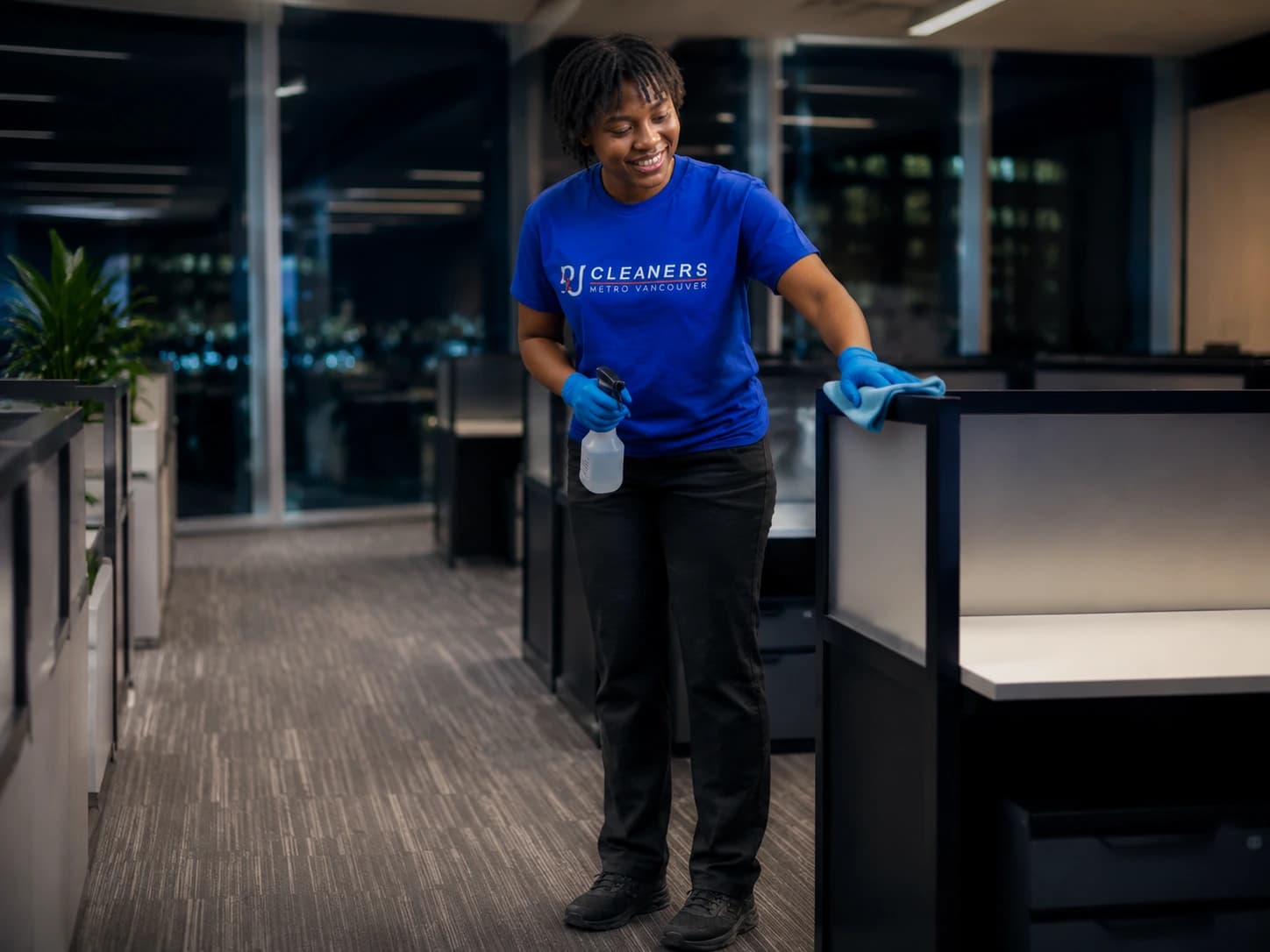
Electrical Safety
Working in environments with live electrical equipment demands consistent vigilance. Water and cleaning products near electrical fixtures represent a genuine electrocution risk. Proper protocols protect both cleaning staff and client property from potentially serious harm.
Required Steps
- 1Identify all electrical panels, outlets, and appliances in the work area before cleaning
- 2Ensure hands and all equipment are dry before touching or cleaning near outlets
- 3Unplug small appliances before wiping them down — never clean plugged-in electronics
- 4Use only dry or slightly damp cloths near light switches, outlet plates, and fuse panels
- 5Keep electrical cords from vacuum cleaners or floor machines organized to prevent tripping
- 6If water contacts an electrical source, evacuate the area and notify a supervisor immediately
Do's
- Always unplug appliances before cleaning their surfaces
- Use a dry microfiber cloth for electrical panels, outlets, and switches
- Inspect vacuum and floor machine cords for damage before each use
- Maintain a minimum 30 cm clearance between wet mops and electrical baseboard heaters
Don'ts
- Never use spray bottles directly on outlet covers or switches
- Do not run electrical cords across wet floors or under door thresholds
- Never operate electrical cleaning equipment with wet hands
- Do not attempt to clean inside or behind electrical panels
 Slip & Fall Prevention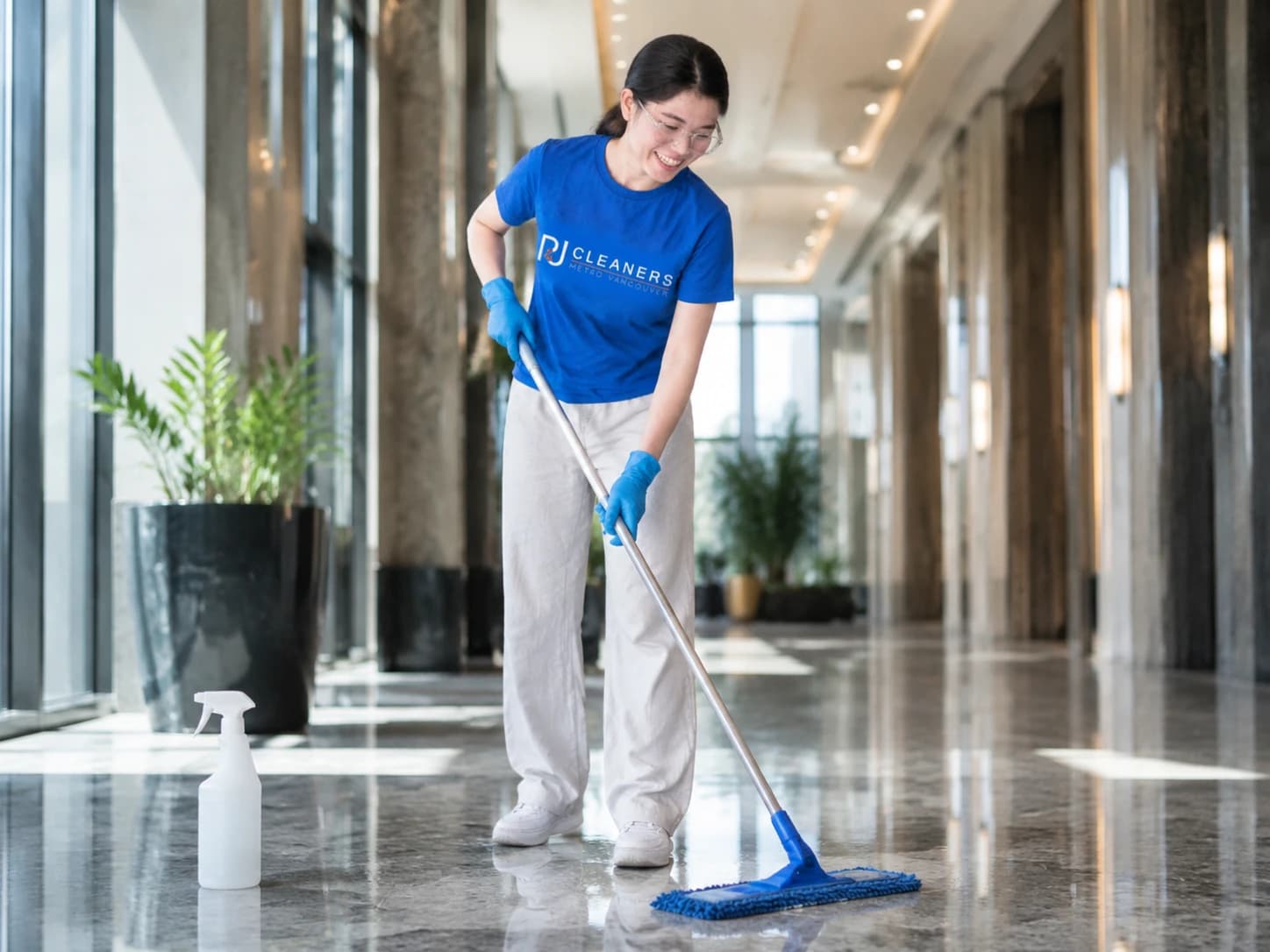
Slip & Fall Prevention
Wet floors, cluttered pathways, and misplaced equipment are the primary contributors to slip-and-fall incidents in cleaning environments. A disciplined approach to workspace management significantly reduces injury risk for both cleaning personnel and building occupants.
Required Steps
- 1Place wet floor signage before beginning any mopping, scrubbing, or wet cleaning task
- 2Work in sections, allowing each area to dry fully before removing the wet floor sign
- 3Clear all walkways of equipment bags, cords, and supplies before beginning floor work
- 4Wear non-slip, closed-toe footwear rated for wet surfaces on all assignments
- 5Mop with a figure-eight motion, walking backward to avoid stepping on wet areas
- 6Store mops, buckets, and carts against walls when not in active use
Do's
- Post wet floor signs before any wet cleaning task begins
- Wear slip-resistant footwear with adequate ankle support
- Dry surfaces promptly after cleaning, especially in high-traffic areas
- Report damaged flooring, loose tiles, or uneven surfaces to the client
Don'ts
- Never leave a wet floor without proper signage in place
- Do not carry oversized loads that block your sightline while walking
- Avoid rushing on wet floors — take deliberate, measured steps
- Never mop stairs without securing them with dry-side signage at both landings
 Ergonomic Practices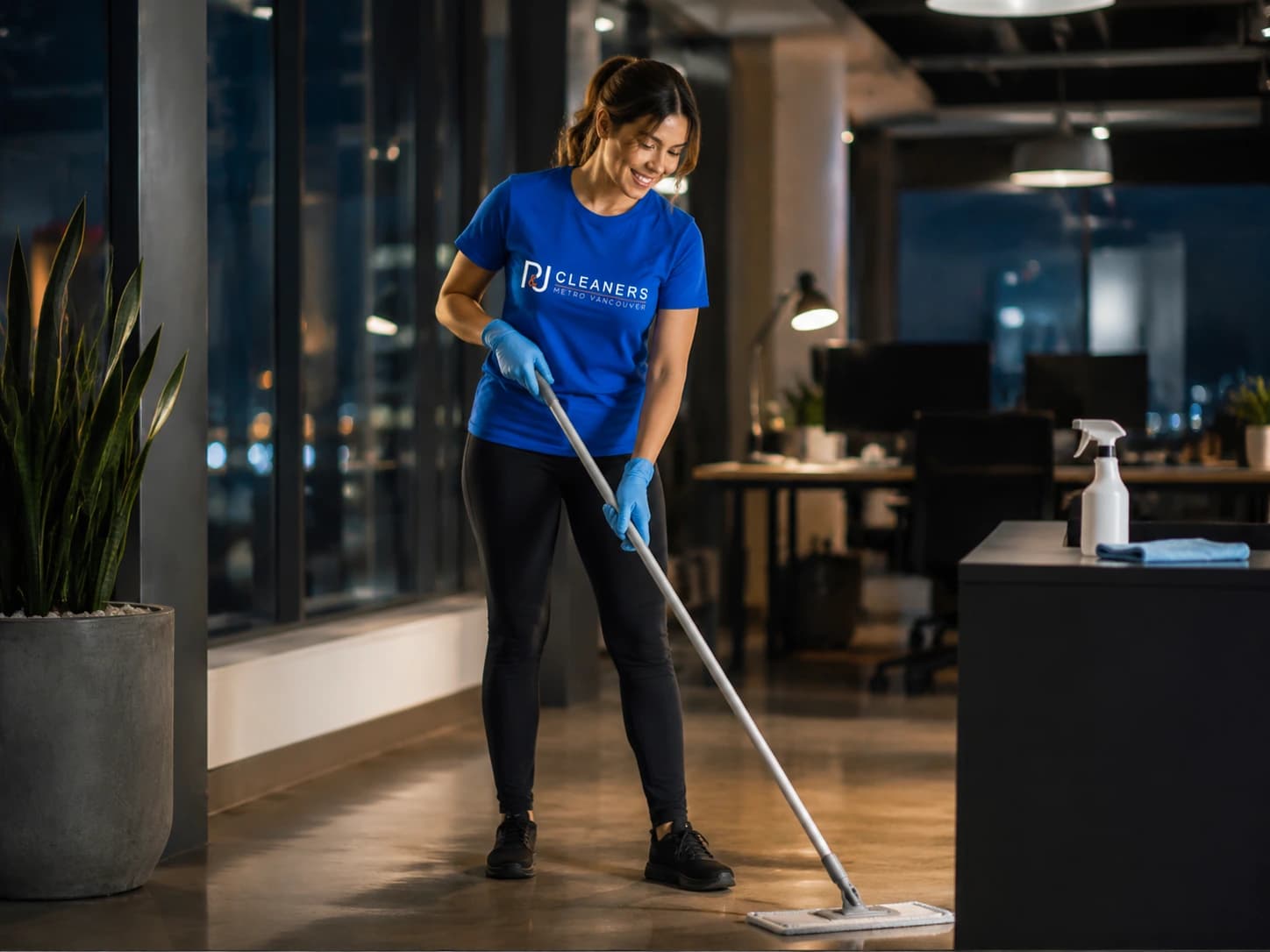
Ergonomic Practices
Repetitive motions, awkward postures, and heavy lifting are significant contributors to musculoskeletal disorders in cleaning professionals. Adopting proper ergonomic techniques extends careers, reduces injury rates, and improves long-term wellbeing for cleaning staff.
Required Steps
- 1Adjust mop handles, vacuum heights, and tool extensions to maintain a neutral spine while working
- 2When lifting supplies or equipment, bend at the knees with back straight and load held close to body
- 3Avoid reaching above shoulder height for extended periods — use a step stool for elevated surfaces
- 4Alternate hands regularly when performing repetitive scrubbing or wiping motions
- 5Take a 2-minute movement break every 45 minutes to stretch and reset posture
- 6Use long-handled tools to reduce the need to kneel or crouch on hard floor surfaces
Do's
- Use long-handled tools to maintain an upright working posture
- Lift with your legs, not your back, for all loads over 5 kg
- Stretch wrists, shoulders, and lower back at the start and end of each shift
- Use two-person lifts for equipment, supplies, or furniture over 20 kg
Don'ts
- Never twist at the waist while carrying a load — pivot your feet instead
- Avoid prolonged static postures such as sustained kneeling without a kneeling pad
- Do not ignore musculoskeletal discomfort — report it before it becomes an injury
- Never rush through setup at the cost of adjusting tool heights properly
 Emergency Procedures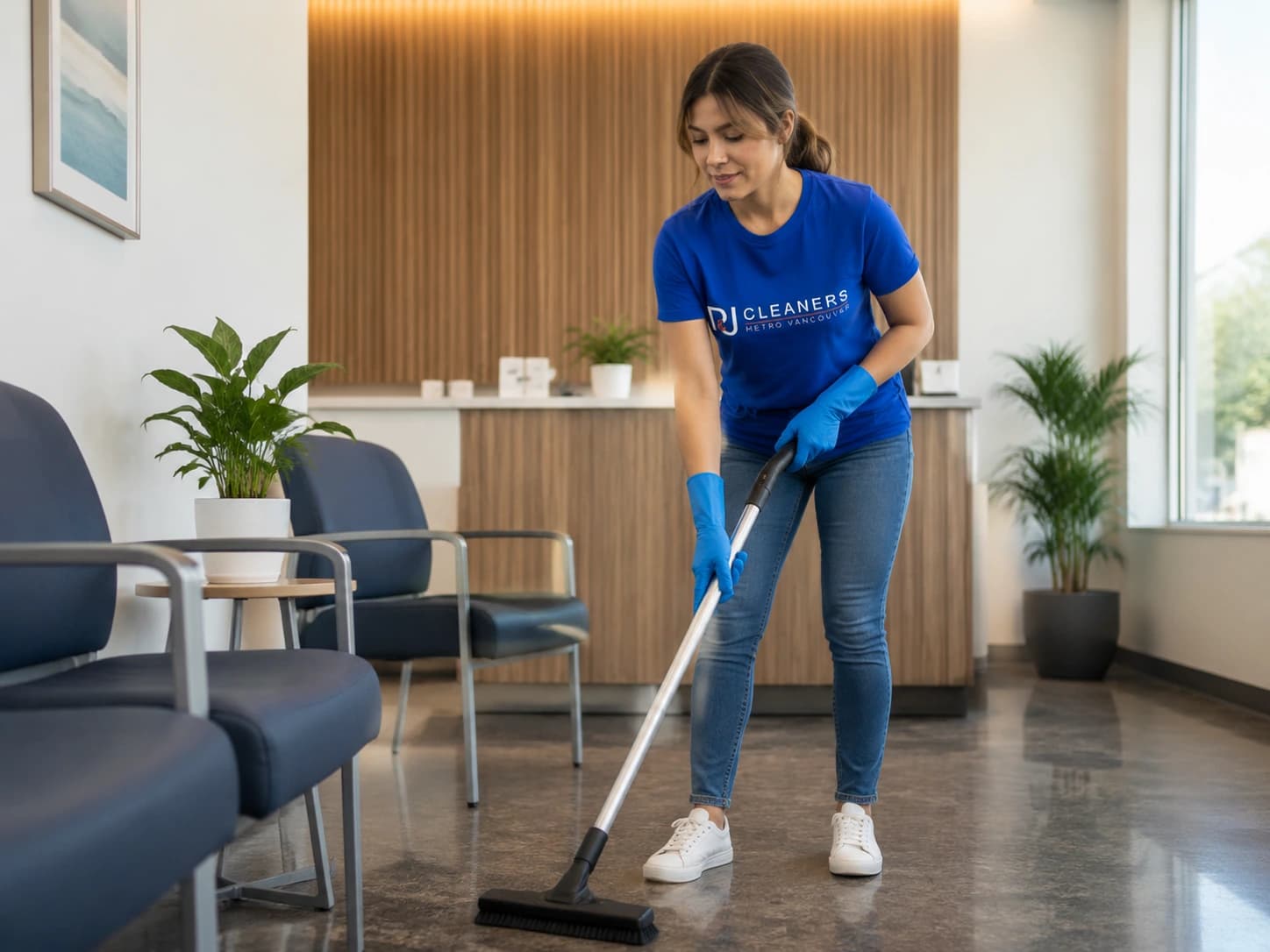
Emergency Procedures
Every cleaning professional must know how to respond quickly and appropriately in emergency situations. Whether it is a chemical exposure, a fall, a fire, or a sudden medical event on site, having a rehearsed action plan reduces harm and saves lives.
Required Steps
- 1Identify the location of the nearest first aid kit, eyewash station, and emergency exits at the start of every assignment
- 2In the event of chemical contact with skin or eyes, flush with clean water for a minimum of 15 minutes and contact emergency services if irritation persists
- 3If a colleague or occupant is injured, call 9-1-1 first, then notify your P&J Cleaners supervisor immediately
- 4In case of fire, evacuate without collecting tools or equipment and proceed to the designated muster point
- 5Document all incidents in the incident report log within 24 hours of occurrence
- 6Do not re-enter a premises after an emergency evacuation until cleared by the fire marshal or emergency services
Do's
- Know the address and unit number of every assignment before you start
- Keep your supervisor's emergency contact number readily accessible
- Complete an incident report for any near-miss, injury, or property damage
- Ensure first aid kit is fully stocked at the start of each workday
Don'ts
- Never administer medication to an injured person unless you are a licensed first-aider
- Do not delay calling emergency services to avoid paperwork — call first
- Never leave an injured person alone while seeking help
- Do not attempt to fight a fire with an extinguisher unless trained and the fire is small
Safety Verification
Pre-Clean & Post-Clean Safety Checklist
Use this reference to verify that every required safety step has been completed before beginning work and again before departing the site.
| Safety Task | Pre-Clean | Post-Clean |
|---|---|---|
| Don appropriate PPE (gloves, eye protection) | — | |
| Inspect all PPE for damage or compromise | — | |
| Read SDS for any new or unfamiliar chemicals | — | |
| Confirm chemical labels are accurate and legible | — | |
| Identify all electrical outlets and appliances in the area | — | |
| Unplug applicable appliances before cleaning | — | |
| Set up wet floor signage in access pathways | — | |
| Clear all walkways of trip hazards | — | |
| Locate nearest emergency exit and first aid kit | — | |
| Confirm correct tool heights for ergonomic use | — | |
| Remove all wet floor signage once surfaces are dry | — | |
| Doff and dispose of single-use PPE appropriately | — | |
| Return all chemicals to locked, ventilated storage | — | |
| Plug back in any appliances that were disconnected | — | |
| Coil and store all equipment cords safely | — | |
| Complete incident report if any issue arose during clean | — | |
| Confirm all chemical containers are sealed | — | |
| Inspect area for any left hazards before departure | — |
Staff Certification
Training Requirements & Standards
WHMIS 2015 Certification
Workplace Hazardous Materials Information System training covers chemical safety, label interpretation, and SDS documentation for all cleaning chemicals used on site.

Standard First Aid & CPR
Every team lead holds current standard first aid and CPR certification through a recognized BC provider, renewed every three years per WorkSafeBC guidelines.

Ergonomics & Body Mechanics
Onboarding training covers correct lifting technique, tool adjustment, posture principles, and recognizing early signs of musculoskeletal strain before injury occurs.
Emergency Response Drills
Quarterly reviews of emergency evacuation procedures, chemical spill containment, and incident reporting ensure every team member responds with confidence under pressure.
Slip & Fall Prevention
Practical training covers proper wet floor signage placement, safe mopping techniques, footwear standards, and worksite hazard identification before every shift.
Client Property Protection
Training on identifying and documenting pre-existing damage, handling fragile items safely, and communicating openly with clients about any incidents that occur.

Continuous Learning Culture
Our training program does not end at onboarding. Safety briefings are embedded into every team meeting, and protocols are reviewed and updated whenever new products, equipment, or regulatory guidance changes. Every team member is expected to raise safety concerns without hesitation.
Quick Reference
Four Safety Essentials to Remember
Gloves On, Always
Treat every cleaning product as a potential irritant. Gloves go on before you open a single bottle — not after. Nitrile gloves protect against most common cleaning chemicals and should be standard for every assignment.
Label Before You Fill
Never fill a spray bottle without immediately labeling it with the product name, dilution, and fill date. Unlabeled bottles are a safety hazard and a compliance violation. Spend 10 seconds labeling to prevent a potential emergency.
Sign It, Then Mop It
Wet floor signs go down before the first drop of water hits the floor — not after. Occupants should never encounter a wet floor without advance warning. The sign stays up until the surface is fully dry.
Lift With Your Legs
Bend at the knees, keep your back straight, and hold the load close to your body. For anything over 20 kg, always use a two-person lift. Most back injuries occur not from heavy loads but from poor technique on manageable ones.
What Our Clients Say
Trusted by Metro Vancouver

Quick & Easy Quote
Get Your Personalized Quote Today
Takes under 60 seconds, we'll text you back within 15 minutes.

P&J Cleaners
Expert Cleaning in
Metro Vancouver
Trusted Local Partner Since 2022
Contact Information
Get in touch with our team


Office Hours
Response time within 2 hours
Mon - Fri:
08:00 - 20:00
Saturday:
09:00 - 19:00
Sunday:
Only emergency services available
Ready to Experience the P&J Difference?
Join thousands of Metro Vancouver families and businesses who trust P&J Cleaners. Book your first clean today and see why our clients keep coming back.