Health Code Compliance Guide
Health Code Compliance Guide
Sanitation standards, disinfection protocols, WHMIS requirements, and documentation practices — everything you need to maintain a fully compliant cleaning program in Metro Vancouver.

 4.9 Google Rating
 850+ Reviews
 Licensed & Insured
 100% Satisfaction
Why Compliance Matters
Cleaning Is a Health and Safety Practice
Cleaning is not just about appearances. In British Columbia, cleaning practices in residential, commercial, and food-service environments are governed by provincial health regulations, WorkSafeBC standards, and industry codes — all designed to protect the health and safety of occupants, workers, and the public.
Whether you manage a commercial facility, operate a cleaning service, or simply want to maintain a healthy home, understanding health code compliance ensures your cleaning program eliminates real hazards — not just visible dirt. This guide covers every critical compliance area, from sanitation baselines through to documentation requirements.
“A compliant cleaning program is not a burden — it is the foundation of trust between your team and the people who occupy the spaces you clean.”
— P&J Cleaners Team
Compliance Area by Area
Six Critical Areas of Health Code Compliance
Each compliance area carries its own requirements, risk profile, and documentation obligations. Understand every domain to build a program that holds up under inspection and protects everyone involved.
Sanitation Standards
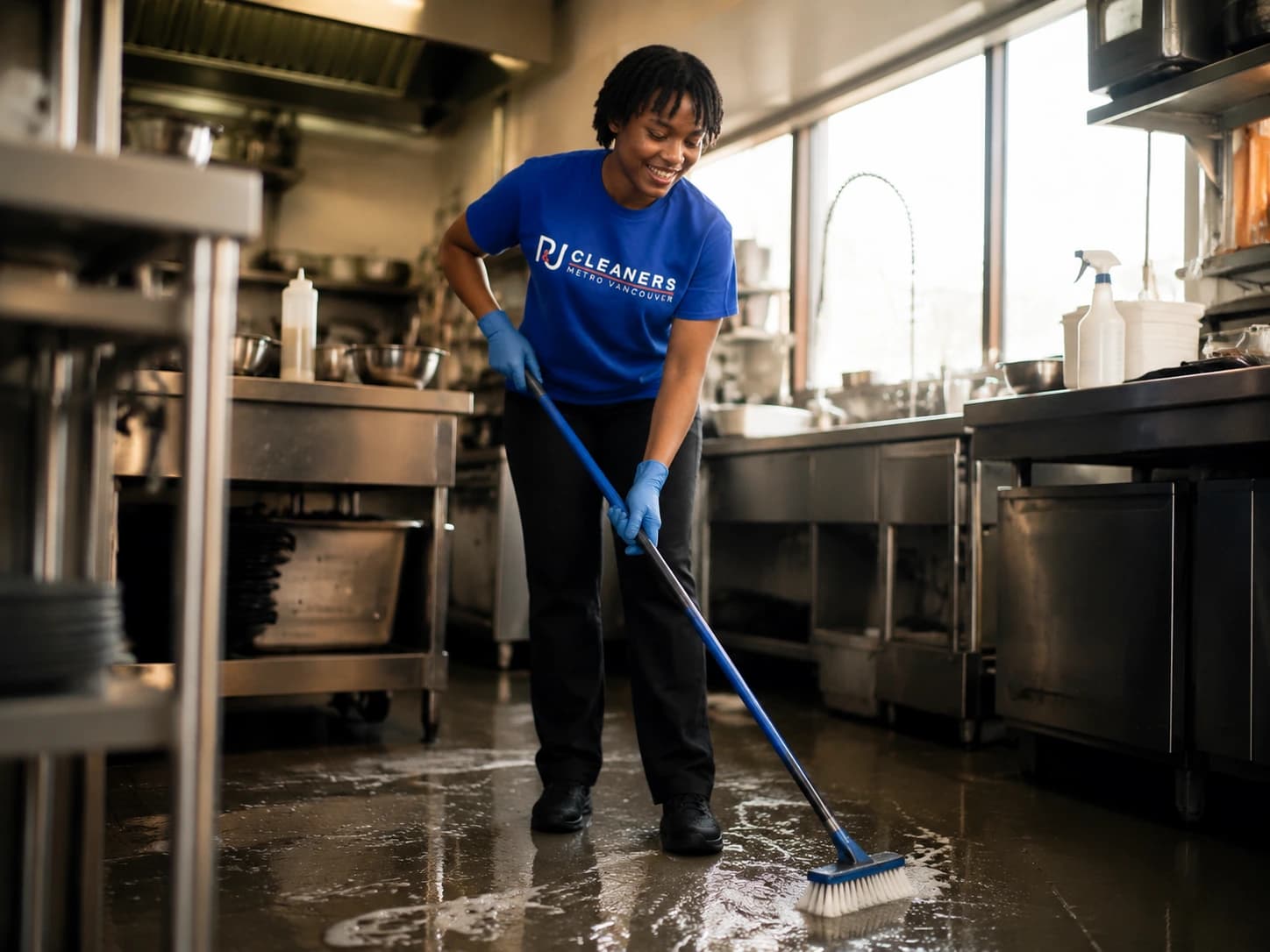
Sanitation standards define the baseline cleanliness level required across all environments — from residential kitchens to commercial facilities. Meeting these standards protects occupant health, prevents cross-contamination, and demonstrates a commitment to hygiene that clients, employees, and inspectors expect.
Key Requirements
- All food-contact surfaces must be sanitized after every use
- High-touch points (door handles, switches, faucets) disinfected at least twice daily
- Cleaning cloths and mops must be laundered or replaced between spaces
- Colour-coded microfiber systems to prevent cross-contamination between zones
- Cleaning log maintained with date, time, and product used for each area
Compliance Tips
- Use EPA-registered disinfectants with verified dwell times for full pathogen kill
- Post visible cleaning schedules so occupants know when areas were last serviced
- Train all cleaning personnel on the difference between cleaning, sanitizing, and disinfecting

Pro Tip: Always clean before you sanitize — disinfectants are far less effective on dirty surfaces. Remove visible soil first, then apply sanitizer.
Disinfection Protocols
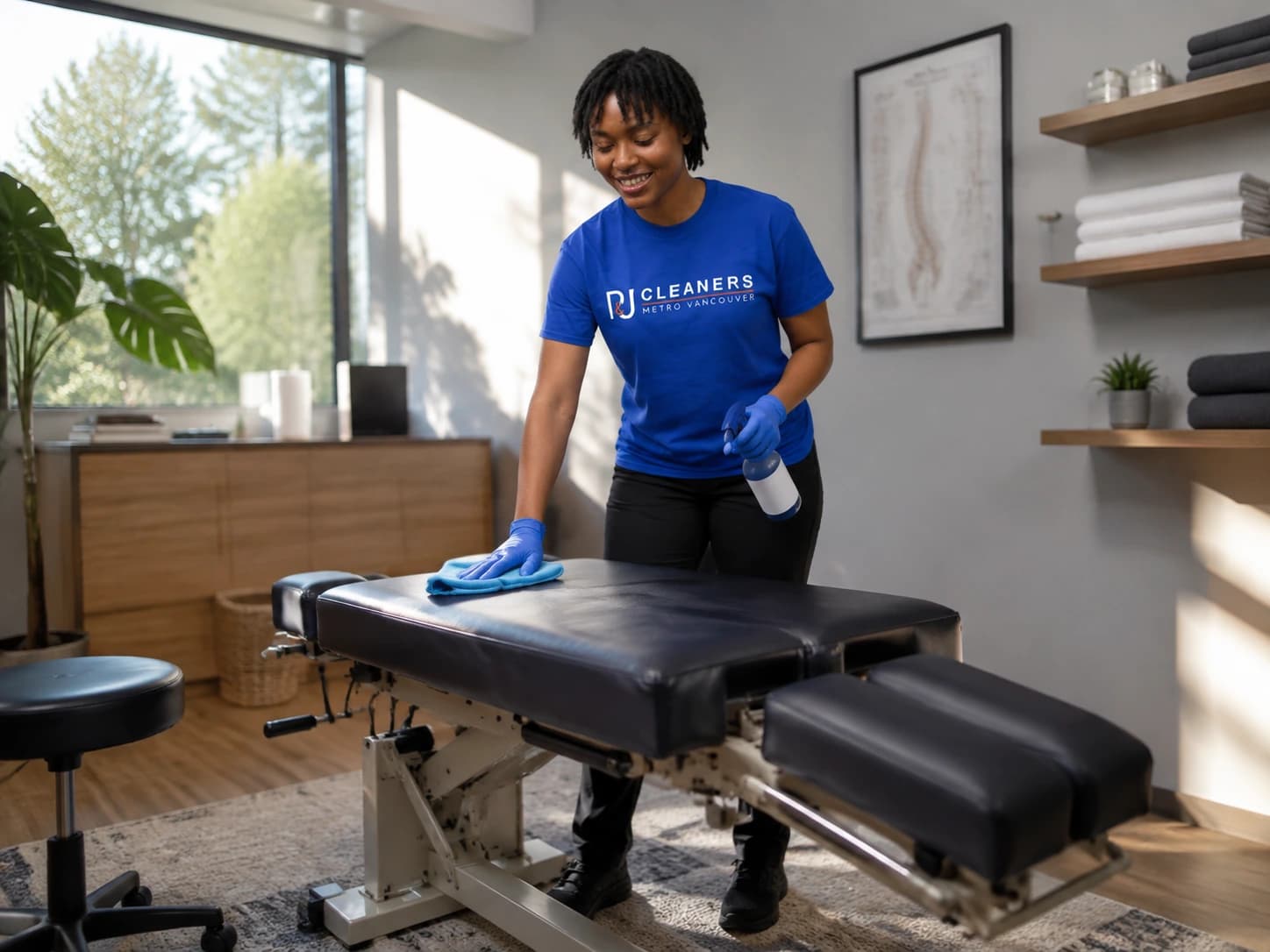
Disinfection protocols go beyond surface cleaning by eliminating pathogens that pose a genuine health risk. Effective protocols specify the correct disinfectant concentration, contact time, and application method for each surface type — a critical distinction from general cleaning routines.
Key Requirements
- Products must list the target pathogens on their Safety Data Sheet
- Dwell time (wet contact time) must be observed before wiping or drying
- Disinfectant solutions prepared fresh daily or per manufacturer guidance
- Electrostatic or spray-and-wipe application logged per area treated
- Immunocompromised environments require hospital-grade disinfectants
Compliance Tips
- Match the disinfectant to the surface material to avoid degradation or corrosion
- Never mix disinfectant products — chemical reactions can create toxic fumes
- Keep disinfectant dilution charts posted near preparation stations
Pro Tip: Resistance builds when disinfectants are under-diluted or not given enough contact time. Follow label instructions precisely — guessing costs you compliance.
Air Quality Management
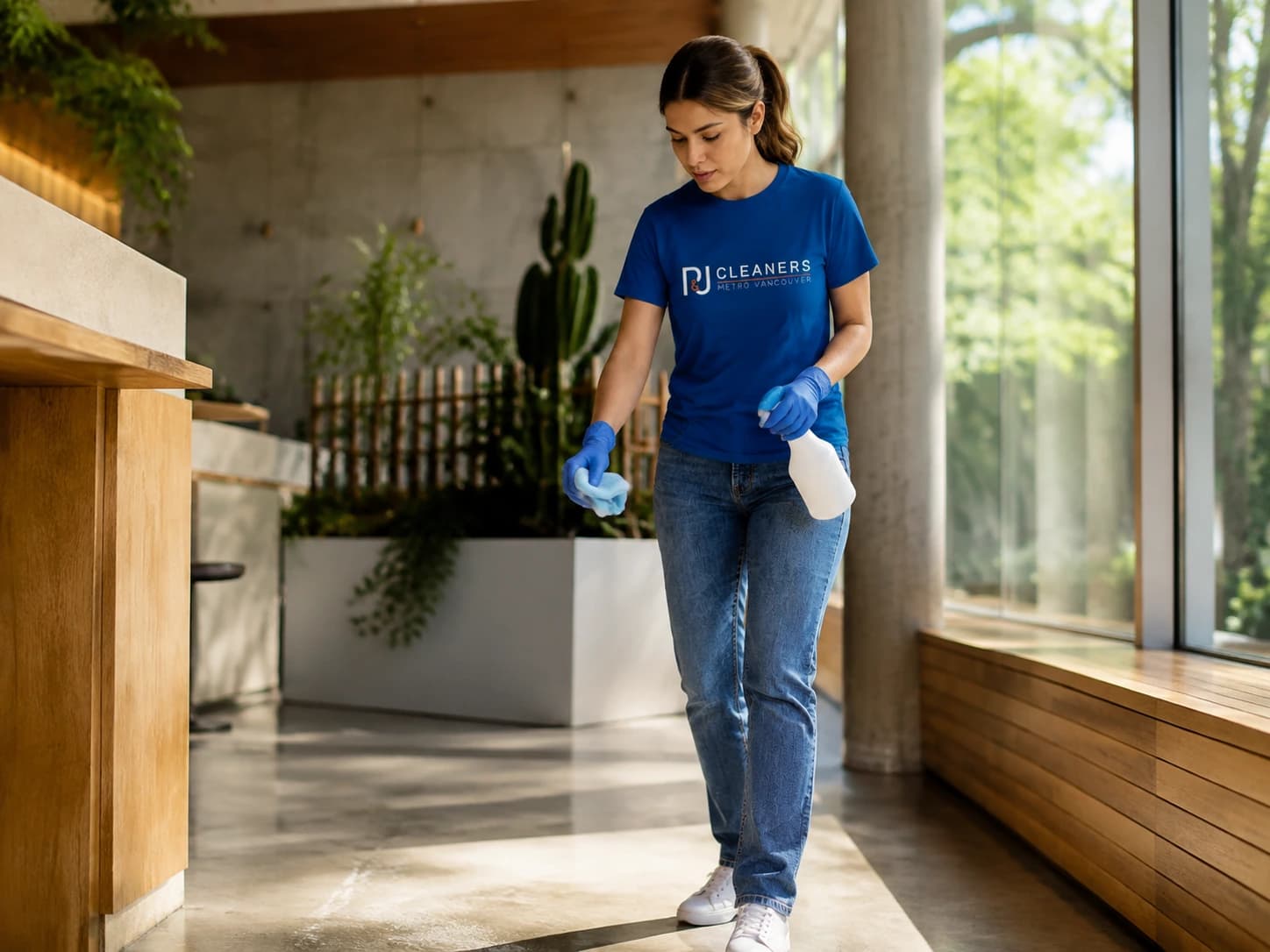
Indoor air quality (IAQ) is increasingly regulated and directly impacts respiratory health, productivity, and occupant wellbeing. In Metro Vancouver's wet climate, controlling mold spores and humidity through proper cleaning and ventilation is especially critical for both residential and commercial spaces.
Key Requirements
- HVAC filters inspected and replaced on the manufacturer-recommended schedule
- Exhaust ventilation activated during and after all wet-cleaning operations
- Mold and mildew treated with anti-fungal products — not masked with deodorizers
- Damp mop heads, cloths, and sponges stored dry to prevent microbial growth
- VOC-compliant or low-odour cleaning products used in occupied environments
Compliance Tips
- Document HVAC maintenance schedules as part of your cleaning compliance records
- Use HEPA-filtered vacuums to capture fine particulates rather than redistribute them
- Humidity levels should remain between 30–50% to discourage mold proliferation
Pro Tip: Scented products mask odours but do nothing for air quality. Eliminate the source of the odour, then ventilate — never use fragrance as a substitute.
Waste Management
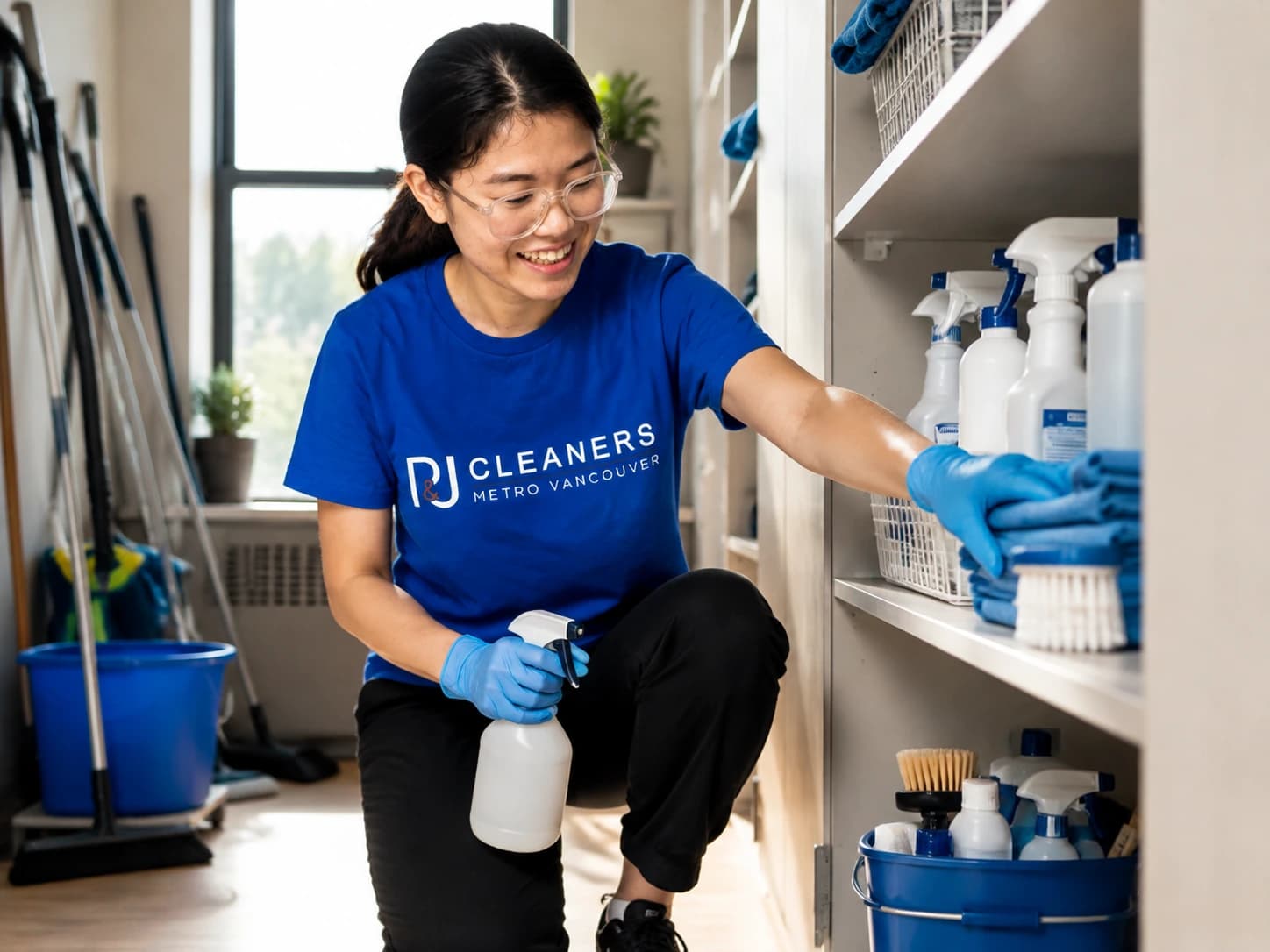
Proper waste management is a regulated component of any compliant cleaning program. This includes the separation of general waste from hazardous materials, correct disposal of used chemical containers, and the handling of sharps or biologically contaminated waste in applicable environments.
Key Requirements
- Clearly labelled waste streams: general, recyclable, compostable, and hazardous
- Used disinfectant containers disposed per product label and local municipality rules
- Biohazardous waste (blood, bodily fluids) handled with PPE and sealed in red bags
- Waste collection frequency adjusted to prevent overflow in high-traffic areas
- Exterior waste bins cleaned and sanitized weekly to prevent pest attraction
Compliance Tips
- Never pour chemical waste down floor drains without checking provincial disposal regulations
- Document all hazardous waste disposals with date, volume, and disposal method
- Align waste practices with Metro Vancouver's Zero Waste 2040 guidelines for commercial properties
Pro Tip: Source-separated waste at the point of generation is far easier to manage than sorting at the end. Label bins clearly and train every team member on what goes where.
Chemical Safety
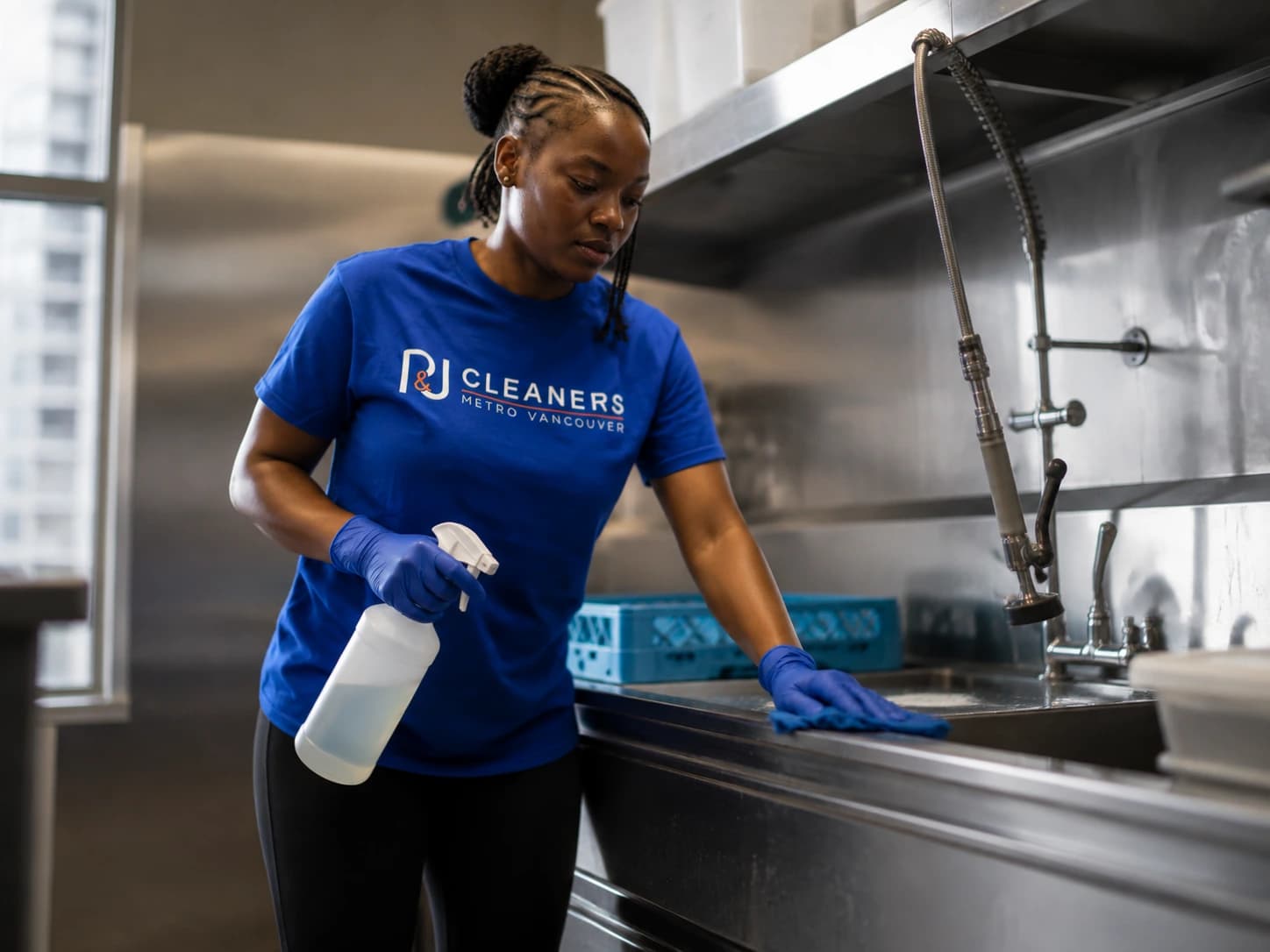
WorkSafeBC and WHMIS 2015 require all cleaning personnel to understand the hazards of the chemical products they use. Chemical safety compliance protects workers from injury and protects your organization from liability — it is non-negotiable in any professional cleaning program.
Key Requirements
- Safety Data Sheets (SDS) accessible for every product on-site at all times
- WHMIS 2015 training completed and documented for all cleaning staff
- PPE (gloves, eye protection, respirators) provided and worn as per SDS requirements
- Chemicals stored in original containers with intact labels — never transferred unlabelled
- Incompatible chemicals stored separately to prevent accidental mixing
Compliance Tips
- Conduct a WHMIS product inventory audit annually and update your SDS binder
- Post a chemical hazard quick-reference chart at every cleaning supply station
- Review first-aid procedures for the products you use most frequently with your team
Pro Tip: If you can smell your cleaning product strongly, your ventilation is inadequate. Open windows, activate exhaust fans, and consult the SDS before proceeding.

Documentation & Compliance Records
Documentation is the backbone of any auditable cleaning compliance program. Regulatory bodies, insurance providers, and clients increasingly require verifiable cleaning logs, incident reports, and training records. A well-documented program protects your organization and demonstrates accountability.
Key Requirements
- Cleaning logs completed in real-time — not reconstructed after the fact
- Training certificates for WHMIS, First Aid, and any applicable food-safe handling
- Incident reports filed within 24 hours for any chemical exposure or injury
- Inspection reports retained for a minimum of three years for audit purposes
- Client sign-off sheets for completed cleans in regulated or commercial environments
Compliance Tips
- Use digital logbooks to time-stamp cleaning activities for credibility in audits
- Create a master compliance binder with tabs for SDS, training, logs, and incidents
- Review documentation completeness quarterly — gaps found in audits are costly
Pro Tip: Thorough records are your best defense. If it wasn't documented, in an audit it didn't happen. Build documentation into your routine, not as an afterthought.
Compliance Checklist
Daily, Weekly & Monthly Verification
Use this checklist as your go-to compliance reference. Verify each item on schedule to maintain a fully auditable cleaning program that meets BC health and WorkSafeBC requirements.
| Verification Task | Daily | Weekly | Monthly |
|---|---|---|---|
| Disinfect all high-touch surfaces | — | — | |
| Replace mop heads and cleaning cloths | — | — | |
| Log all cleaning activities with time and product | — | — | |
| Empty and sanitize waste receptacles | — | — | |
| Check PPE stock and replenish as needed | — | — | |
| Verify disinfectant solution strength and freshness | — | — | |
| Review SDS for any new products introduced | — | — | |
| Inspect chemical storage for spills or leaks | — | — | |
| Clean and inspect HVAC intake grilles | — | — | |
| Disinfect exterior waste bins | — | — | |
| Audit cleaning logs for completeness | — | — | |
| Check mold-prone areas: grout, sealants, drains | — | — | |
| Replace HVAC filters per schedule | — | — | |
| Full WHMIS documentation audit | — | — | |
| Review and update SDS binder | — | — | |
| Calibrate dilution equipment for accuracy | — | — | |
| Archive completed cleaning logs | — | — | |
| Conduct hazardous waste disposal review | — | — |
Regulatory Framework
BC Regulations & Industry Standards
Understanding the regulatory landscape is the first step to building a compliant program. These are the key frameworks that govern professional cleaning in British Columbia.
BC Health Regulations
British Columbia's Public Health Act and associated regulations establish minimum standards for sanitation in commercial and food-service environments. Facilities are subject to inspection by regional health authorities, who evaluate cleaning documentation, product compliance, and physical condition of the premises.
WorkSafeBC Requirements
WorkSafeBC's Occupational Health and Safety (OHS) Regulation mandates safe handling of all workplace chemicals under WHMIS 2015. Cleaning employers must provide training, SDS access, appropriate PPE, and a safe work procedure for each cleaning chemical in use.

Industry Certifications
Professional cleaning certifications from bodies such as ISSA (Worldwide Cleaning Industry Association) and the Cleaning Industry Management Standard (CIMS) signal a commitment to process, training, and continuous improvement. Certified programs are increasingly preferred by institutional and commercial clients.
Expert Advice
Compliance Tips from Our Cleaning Professionals
Build a Compliance-First Culture
Compliance is not paperwork — it's a mindset. When every team member understands why standards exist and what they protect, adherence becomes automatic rather than enforced. Invest in education, not just training.

Dwell Time Is Non-Negotiable
Disinfectants require a specific contact (dwell) time to eliminate pathogens. Wiping a surface immediately after spraying is one of the most common compliance failures. Read your product label and time it.
Audit Before You're Audited
Conduct internal compliance audits quarterly using the same criteria a regulatory inspector would apply. Self-audits reveal gaps while they're correctable — before a formal inspection, client complaint, or incident report.
When in Doubt, Call a Pro
Complex regulatory environments — healthcare facilities, food service, post-construction — require specialized cleaning expertise. Professional cleaners with regulatory training protect you from liability while delivering a verifiably compliant result.
What Our Clients Say
Trusted by Metro Vancouver

Quick & Easy Quote
Get Your Personalized Quote Today
Takes under 60 seconds, we'll text you back within 15 minutes.

P&J Cleaners
Expert Cleaning in
Metro Vancouver
Trusted Local Partner Since 2022
Contact Information
Get in touch with our team


Office Hours
Response time within 2 hours
Mon - Fri:
08:00 - 20:00
Saturday:
09:00 - 19:00
Sunday:
Only emergency services available
Ready to Experience the P&J Difference?
Join thousands of Metro Vancouver families and businesses who trust P&J Cleaners. Book your first clean today and see why our clients keep coming back.