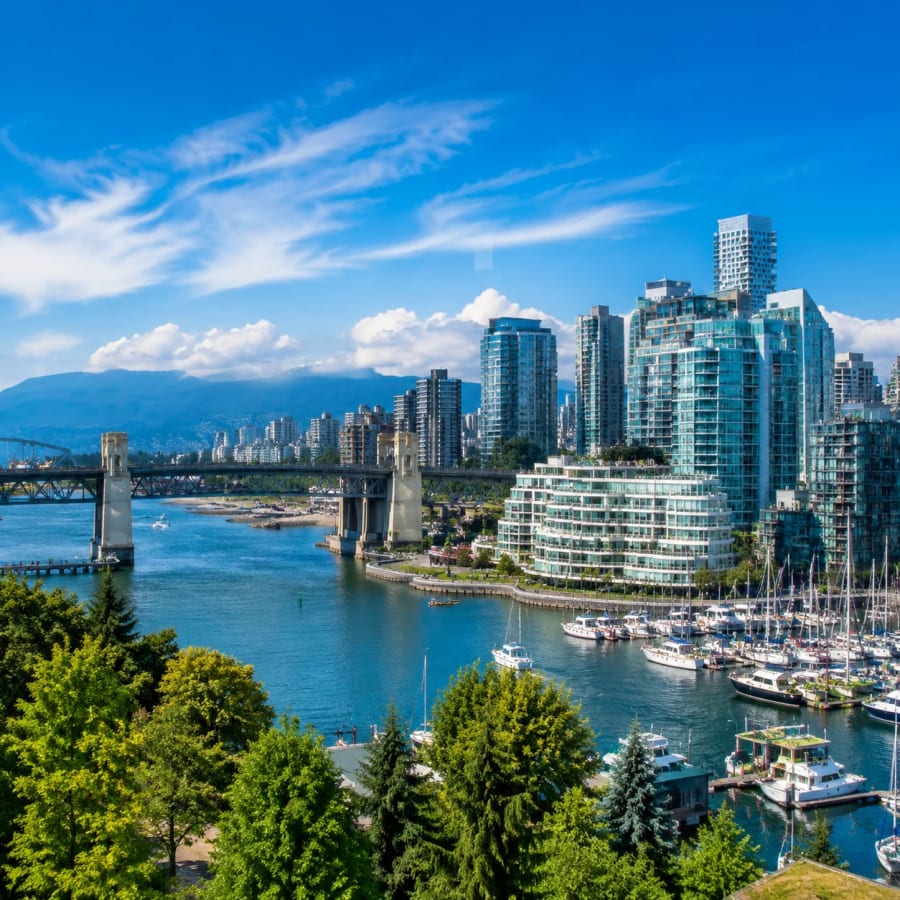


Neighborhood Context
Why Surrey cleaning routines need a different approach
Surrey represents British Columbia's second-largest city with 847 registered strata corporations managing 68,000+ residential units across six distinct town centres. The city's rapid growth since 2015 has created diverse strata communities ranging from high-rise towers in City Centre to townhouse complexes in Cloverdale and South Surrey. This demographic diversity demands flexible cleaning approaches that address varying resident expectations, building ages, and amenity requirements. Surrey's strata properties face unique challenges including higher traffic volumes in transit-oriented developments, seasonal pollen affecting Fraser Valley buildings, and increased parkade maintenance needs due to wet coastal weather patterns.
The city's strata landscape includes significant commercial-residential mixed-use developments particularly concentrated along King George Boulevard and Fraser Highway corridors. These properties require specialized cleaning protocols that balance residential comfort standards with commercial traffic patterns. Surrey's multicultural population of over 600,000 residents brings diverse cleanliness expectations and communication preferences that professional strata cleaning services must accommodate. Building ages range from heritage 1970s walk-ups in Whalley to brand-new 2025 developments in Surrey City Centre, each presenting distinct maintenance requirements and cleaning frequency needs.
Surrey's geographic position in the Fraser Valley creates specific environmental cleaning challenges. Properties experience higher dust accumulation from agricultural areas, increased moisture management needs during October-March rainy seasons, and pollen buildup during spring months that affects common area air quality. The city's extensive parkade infrastructure in newer developments requires specialized cleaning equipment and protocols. Surrey strata councils increasingly prioritize eco-friendly cleaning products due to resident health concerns and environmental awareness, with 67% of surveyed properties requesting green cleaning solutions according to 2025 Condominium Home Owners Association of BC data.
847
Registered Strata Corporations
Source: City of Surrey Property Records 2025
68,000+
Total Strata Units
Source: BC Assessment Authority 2025
18 years
Average Building Age
Source: Surrey Development Statistics 2025
73%
Properties Using Professional Cleaning
Source: CHOA BC Strata Survey 2025
67%
Green Cleaning Adoption Rate
Source: Metro Vancouver Sustainability Report 2025
Surrey-Specific Strata Cleaning Considerations
Surrey's unique geographic, demographic, and architectural characteristics require tailored cleaning approaches that address local environmental conditions, building types, and resident expectations across diverse neighbourhoods.
City Centre High-Rise Protocols
Surrey City Centre's concentration of 20+ storey residential towers demands specialized cleaning protocols for high-traffic lobbies, multiple elevator banks, and extensive amenity facilities serving dense resident populations.

City Centre strata properties experience significantly higher foot traffic than suburban Surrey complexes, with lobby areas seeing 400-600 daily entries in buildings over 200 units. This traffic pattern requires daily lobby maintenance including entrance mat cleaning, elevator cab sanitization every four hours during peak periods, and continuous monitoring of high-touch surfaces. Professional cleaning teams serving City Centre properties typically schedule split shifts covering morning rush periods from six to nine AM and evening returns from four to seven PM when resident traffic peaks and cleaning demands intensify.
Amenity spaces in City Centre towers receive intensive use with fitness centres averaging 80-120 daily visits and party rooms booking 15-20 events monthly during peak seasons. These facilities require daily deep cleaning with hospital-grade disinfectants on fitness equipment, steam cleaning of yoga mats and floor surfaces weekly, and post-event cleaning within 12 hours of room bookings. The concentration of amenities in City Centre buildings means cleaning teams must coordinate schedules around resident usage patterns while maintaining consistent sanitation standards that prevent cross-contamination between different facility types.
Parkade maintenance in City Centre high-rises presents unique challenges due to underground structures spanning multiple levels with limited ventilation and high vehicle turnover. These parkades require monthly pressure washing of driving surfaces, quarterly drain cleaning to prevent water accumulation, and weekly removal of oil stains and tire marks that accumulate faster in high-density buildings. Professional services use industrial scrubbers and eco-friendly degreasers that meet enclosed space safety standards while effectively removing automotive residues that standard cleaning methods cannot address adequately.
- Schedule lobby cleaning during off-peak hours between 10 AM and 3 PM to minimize resident disruption while maintaining appearance standards throughout high-traffic periods.
- Implement colour-coded microfibre systems that prevent cross-contamination between fitness areas, party rooms, and common corridors in amenity-rich City Centre properties.
- Use low-moisture cleaning methods in parkades to reduce slip hazards and accelerate drying times in poorly ventilated underground structures with limited air circulation.
- Coordinate elevator maintenance cleaning with building management to access all cabs during low-usage periods without disrupting resident vertical transportation needs.
- Deploy HEPA-filtered vacuums in City Centre lobbies to manage higher dust and particulate loads from constant door openings and street-level air infiltration.
South Surrey Townhouse Complex Maintenance
South Surrey's extensive townhouse developments require exterior-focused cleaning protocols addressing private patios, shared walkways, and perimeter landscaping interfaces that differ significantly from high-rise maintenance approaches.

Townhouse complexes in South Surrey typically feature 40-80 units with ground-level entries, private outdoor spaces, and shared pedestrian pathways that accumulate organic debris from surrounding mature landscaping. These properties require weekly walkway sweeping to remove leaves, pine needles, and seasonal debris that create slip hazards and drainage blockages. Professional cleaning services coordinate with landscape maintenance schedules to ensure pathway cleaning occurs after lawn cutting and hedge trimming when debris volumes peak, maximizing efficiency and maintaining consistent appearance standards throughout the complex.
Exterior building maintenance in South Surrey townhouse developments focuses on siding cleaning, window washing, and gutter maintenance that preserves property values and prevents moisture damage in coastal climate conditions. Annual pressure washing of vinyl and composite siding removes mildew, pollen accumulation, and atmospheric pollutants that degrade exterior finishes over time. Window cleaning occurs quarterly with additional spring cleaning to address pollen buildup that affects South Surrey properties more severely than urban Surrey locations due to proximity to agricultural areas and green spaces with higher seasonal allergen concentrations.
Common area facilities in townhouse complexes typically include smaller-scale amenities like mailroom areas, small fitness rooms, and outdoor recreational spaces requiring different cleaning frequencies than high-rise amenity centres. Mailrooms need twice-weekly cleaning during peak delivery periods with daily monitoring of recycling bins that overflow quickly in complexes without individual unit mail slots. Outdoor amenity areas including playgrounds, picnic areas, and dog stations require daily waste removal and weekly deep cleaning to maintain sanitary conditions and comply with municipal health regulations for shared recreational facilities.
- Schedule walkway cleaning early morning before 8 AM when residents depart for work to ensure pathways remain debris-free during high-traffic periods throughout the day.
- Use soft-wash techniques for siding cleaning rather than high-pressure methods that can damage vinyl materials and force water behind exterior cladding systems.
- Implement seasonal cleaning schedules that increase frequency during fall leaf drop and spring pollen seasons when organic debris accumulation accelerates significantly.
- Coordinate exterior window cleaning with gutter maintenance to address both tasks during single site visits, reducing service costs and minimizing disruption to residents.
- Deploy battery-powered equipment for walkway maintenance to reduce noise complaints in townhouse complexes where units are closer to cleaning operations than high-rise properties.
Cloverdale Heritage Building Considerations
Cloverdale's older strata properties built between 1970-1995 require specialized cleaning approaches that address aging building systems, original finishes, and maintenance challenges unique to heritage-era construction standards and materials.
Heritage-era strata buildings in Cloverdale feature original carpeting in hallways, older elevator systems with decorative metal finishes, and aging HVAC systems that require gentler cleaning methods than modern buildings accommodate. Hallway carpets in these properties need monthly hot water extraction cleaning to remove embedded soil and prevent premature wear, with high-traffic areas near elevators and stairwells requiring bi-weekly spot cleaning. Professional services use pH-neutral cleaning solutions that preserve carpet fibres and backing materials in aging installations where replacement costs can exceed $40 per square metre for entire floor covering systems.
Elevator maintenance in older Cloverdale buildings requires careful attention to original metal finishes including brass fixtures, stainless steel panels, and decorative elements that tarnish or corrode when exposed to harsh chemical cleaners. Specialized metal polishes and microfibre application techniques restore shine without damaging protective coatings or creating surface scratches that accelerate future deterioration. These elevators also feature older ventilation systems that circulate less air than modern cabs, requiring more frequent sanitization to prevent odour accumulation and maintain acceptable air quality standards for resident comfort and health.
Common area lighting in heritage properties often includes original fixtures with glass or crystal elements requiring hand cleaning rather than spray-and-wipe methods used in modern buildings. These fixtures accumulate dust and grime that reduces light output by 20-30% when neglected, creating darker hallways that affect resident perception of cleanliness and building maintenance standards. Professional cleaning teams schedule fixture cleaning during annual maintenance periods when building management can provide ladder access and electrical shutdown coordination, ensuring safety compliance while restoring optimal lighting performance throughout common areas.
- Test cleaning products on inconspicuous carpet areas before full application to ensure compatibility with aging fibres and backing materials in heritage installations.
- Use brass and metal polishes specifically formulated for architectural applications rather than automotive products that may contain abrasives damaging to decorative finishes.
- Schedule carpet cleaning during dry weather periods when faster drying times prevent mildew growth in buildings with limited ventilation capacity compared to modern properties.
- Document original finishes and materials during initial service setup to ensure cleaning protocols preserve heritage elements rather than inadvertently damaging irreplaceable features.
- Coordinate lighting fixture cleaning with annual fire safety inspections when ladder access and electrical work already disrupts normal building operations.
Whalley Mixed-Use Development Protocols
Whalley's growing mixed-use developments combining ground-floor commercial spaces with residential towers above require integrated cleaning protocols that address distinct commercial and residential standards while maintaining consistent building-wide appearance.
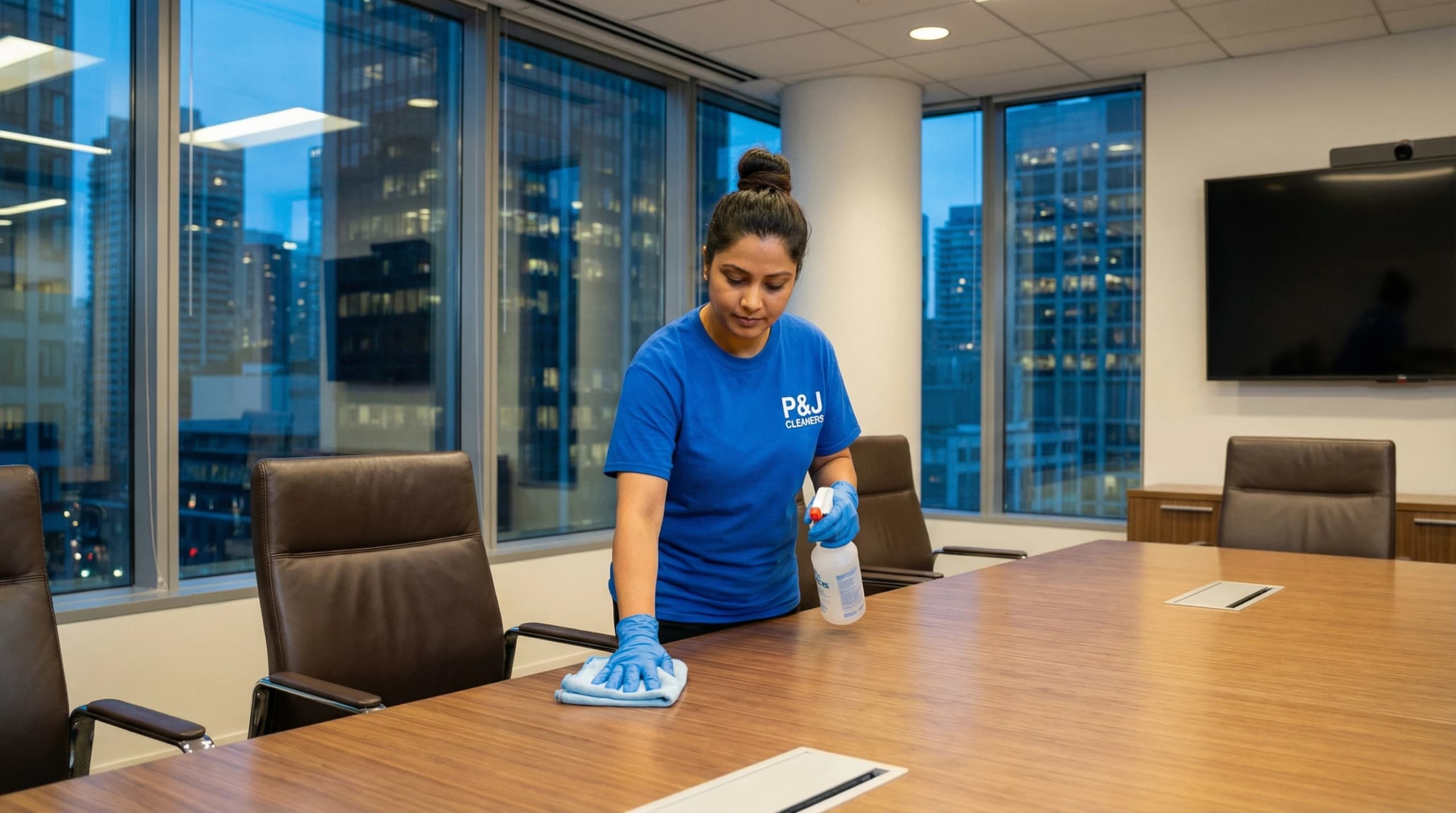
Mixed-use properties in Whalley experience unique traffic patterns with commercial visitors accessing ground-floor retail and services during business hours while residents use separate residential entrances throughout the day. This dual-traffic model requires split cleaning schedules with commercial lobby areas receiving attention during early morning hours before business opening and residential lobbies cleaned during mid-morning periods after rush hour departures. Professional cleaning teams coordinate with property management to ensure commercial tenants receive appropriate service levels while residential areas maintain standards expected by strata councils and unit owners who fund cleaning operations through monthly fees.
Parkade cleaning in mixed-use developments must accommodate both residential parking stalls and commercial visitor spaces that experience different usage patterns and soil accumulation rates. Visitor parking areas near commercial entrances require more frequent cleaning due to higher turnover and increased tracking of street debris, while residential sections need consistent maintenance addressing oil stains and tire marks from regular vehicle storage. Professional services implement zone-based cleaning schedules that allocate resources proportionally to usage intensity, ensuring commercial areas receive adequate attention without neglecting residential sections that represent the majority of parkade square footage.
Waste management in Whalley mixed-use properties presents coordination challenges between commercial tenant waste streams and residential garbage collection systems. Common area cleaning includes monitoring shared waste rooms, ensuring proper separation of commercial and residential refuse, and maintaining sanitary conditions in spaces that may serve both user groups. Professional cleaning teams work with building management to establish clear protocols for waste room maintenance, including daily monitoring during peak disposal periods, weekly deep cleaning of waste storage areas, and coordination with commercial tenants regarding proper disposal practices that prevent contamination of residential waste systems.
- Establish separate cleaning specifications for commercial and residential areas that reflect different usage patterns, traffic volumes, and cleanliness expectations from distinct user groups.
- Use entrance matting systems at both commercial and residential entries to capture debris before it enters building interiors, reducing overall cleaning requirements and extending floor finish life.
- Implement real-time communication systems between cleaning teams and property management to address commercial tenant concerns promptly while maintaining residential service standards.
- Schedule parkade cleaning during mid-week periods when both commercial visitor traffic and residential vehicle movement reach lowest levels, maximizing cleaning efficiency.
- Deploy commercial-grade equipment in ground-floor areas experiencing retail traffic while using quieter residential-appropriate tools in upper-floor common spaces to respect noise bylaws.
Surrey Seasonal Cleaning Adjustments
Surrey's distinct seasonal weather patterns require adaptive cleaning protocols that address fall leaf accumulation, winter moisture management, spring pollen buildup, and summer dust control across all property types and neighbourhoods.
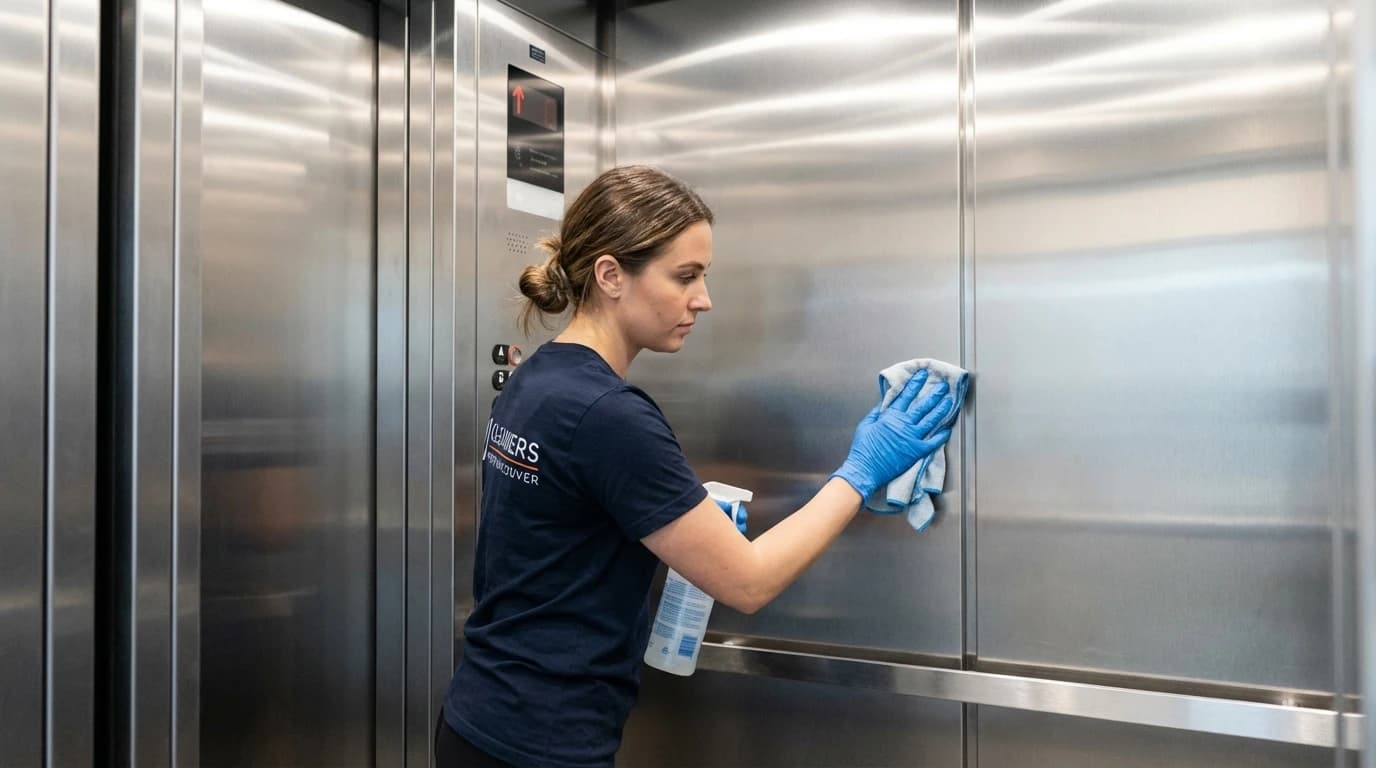
Fall cleaning protocols in Surrey focus on managing leaf accumulation from October through December when deciduous trees shed foliage that clogs drains, creates slip hazards on walkways, and generates organic debris requiring frequent removal. Professional services increase exterior cleaning frequency during peak leaf drop periods, with some properties requiring daily walkway clearing rather than standard weekly schedules. Drain maintenance becomes critical during fall months when blocked catch basins and downspouts cause water pooling that damages building foundations and creates liability hazards. Teams use industrial blowers and vacuum systems to efficiently remove leaf debris while minimizing noise disruption to residents during extended cleaning operations.
Winter maintenance from December through March emphasizes moisture management and salt residue removal as Surrey's wet coastal climate brings frequent rain and occasional snow events requiring de-icing applications. Entrance areas require multiple daily cleaning passes to remove tracked moisture, prevent slip hazards, and manage salt residue that damages floor finishes and creates unsightly white deposits on carpeting and hard surfaces. Professional cleaning services deploy extra entrance matting during winter months and increase frequency of mat cleaning to maintain absorption capacity. Parkades need weekly washing during winter to remove road salt and prevent concrete deterioration from chloride exposure that accelerates in enclosed underground structures with poor ventilation.
Spring cleaning from April through June addresses pollen accumulation that affects Surrey properties more severely than urban Vancouver locations due to proximity to Fraser Valley agricultural areas and extensive tree coverage in residential neighbourhoods. Window cleaning frequency doubles during spring months when pollen deposits create visible film on glass surfaces within days of cleaning. HVAC filter replacement occurs more frequently as airborne pollen loads increase, and common area air quality monitoring ensures ventilation systems maintain acceptable indoor conditions. Professional services use HEPA-filtered vacuums and microfibre dusting systems that capture pollen particles rather than redistributing them through air currents, reducing allergic reactions among sensitive residents and maintaining cleaner indoor environments throughout peak pollen season.
- Schedule fall drain cleaning before heavy rain periods begin to prevent water damage and flooding issues that create emergency maintenance situations and liability concerns.
- Deploy extra entrance matting in October and remove in April to manage seasonal moisture and debris tracking without maintaining unnecessary equipment during dry summer months.
- Increase window cleaning frequency to bi-weekly during April and May when pollen accumulation peaks, then return to quarterly schedules during summer and fall periods.
- Use calcium chloride ice melt products rather than sodium chloride rock salt to reduce concrete damage and minimize residue tracking into building interiors during winter weather.
- Implement spring deep cleaning schedules that address accumulated winter grime and prepare properties for increased outdoor amenity usage during summer months ahead.
Surrey Strata Cleaning Regulations and Standards
Surrey strata properties must comply with municipal bylaws, provincial health regulations, and WorkSafeBC safety standards that govern cleaning operations, chemical usage, and maintenance protocols in multi-family residential buildings.
Local link strategy
Explore the matching service area pages for surrey to connect this neighborhood advice with location-specific service information.
Services mentioned in this article
Ready for help?
4.9 · 850+ Google reviewsReady for Professional Strata Cleaning in Surrey?
Join 200+ Surrey strata corporations trusting P&J Cleaners for reliable, eco-friendly common area maintenance. Same-day booking available with our satisfaction guarantee.
778-720-2224Frequently Asked Questions About Strata Cleaning in Surrey
How much does strata cleaning cost in Surrey?
Strata cleaning in Surrey typically costs $45-$65 per hour depending on building size and service frequency. A 50-unit mid-rise averages $800-$1,200 monthly for weekly common area cleaning including lobbies, hallways, elevators, and parkade. High-rise buildings with amenities like gyms and party rooms range $1,500-$3,000 monthly. Most Surrey strata corporations budget 8-12% of monthly fees for professional cleaning services.
What does strata cleaning include?
Professional strata cleaning covers all common areas: lobby floors and glass, hallway vacuuming and mopping, elevator interiors, stairwell cleaning, parkade sweeping, garbage room sanitization, amenity room maintenance, and exterior entrance cleaning. Services include dusting surfaces, wiping handrails, cleaning light fixtures, removing cobwebs, and restocking supplies. Most Surrey contracts include weekly service with monthly deep-cleaning rotations for high-traffic zones.
How often should you get strata cleaning?
Surrey strata properties require weekly cleaning minimum for buildings under 30 units, twice-weekly for 30-80 units, and three times weekly for 80+ units or high-rises. High-traffic areas like lobbies and elevators need daily attention in larger complexes. Parkades require monthly sweeping, garbage rooms need twice-weekly service, and amenity spaces should be cleaned after each booking. The Strata Property Act requires maintaining common property in good repair.
Best strata cleaning service in Surrey?
P&J Cleaners serves 200+ strata properties across Surrey with 4.9/5 stars from 850+ reviews. We offer same-day booking, eco-friendly products upon request, and a satisfaction guarantee. Our teams are fully bonded, insured, and trained in BC strata regulations. We service all Surrey neighbourhoods including Whalley, Guildford, Fleetwood, Cloverdale, South Surrey, and Newton with customized cleaning schedules and transparent pricing starting at $45/hour.
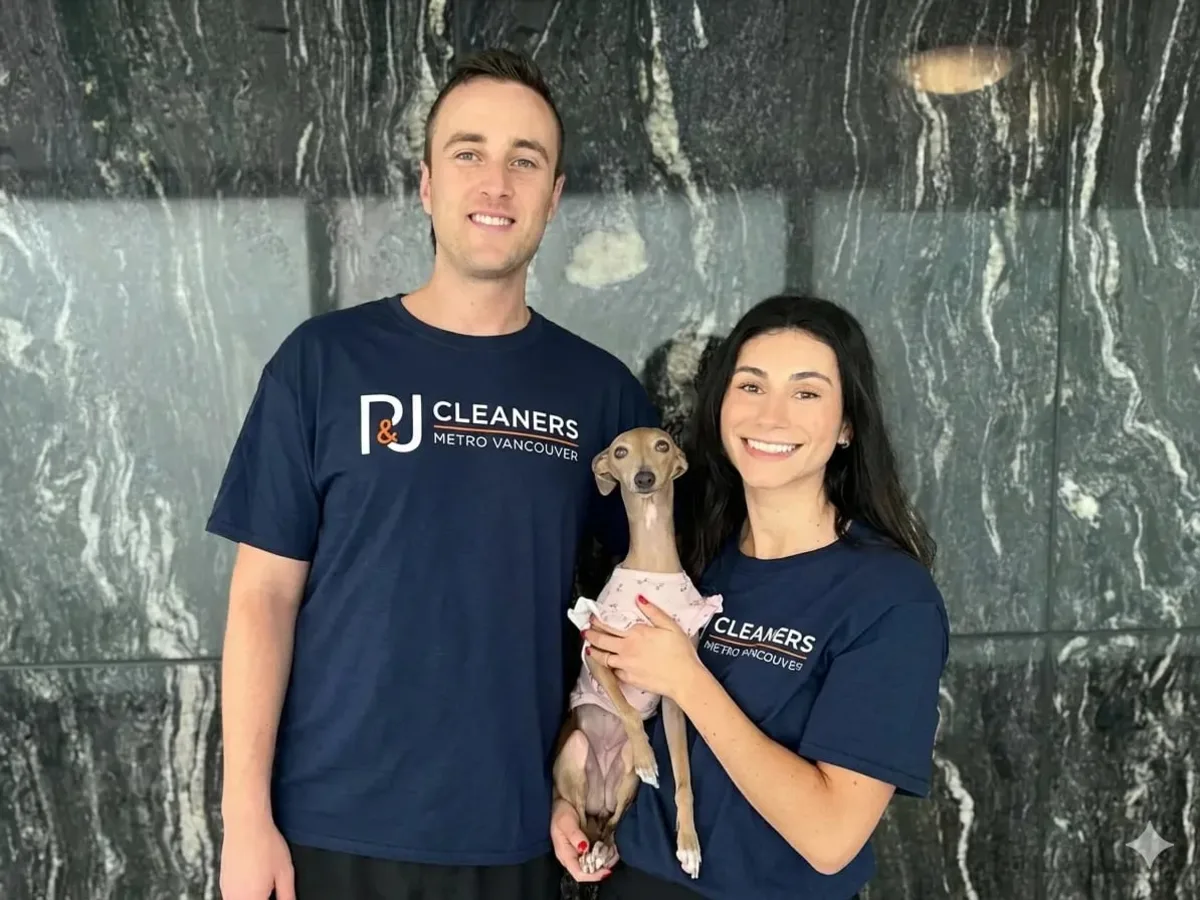
Meet the Author
Jason
Co-Founder
Jason oversees commercial operations, workflow design, and quality control for office, restaurant, and specialty cleaning programs across Metro Vancouver.
Keep Exploring