

Neighborhood Context
Why North Vancouver cleaning routines need a different approach
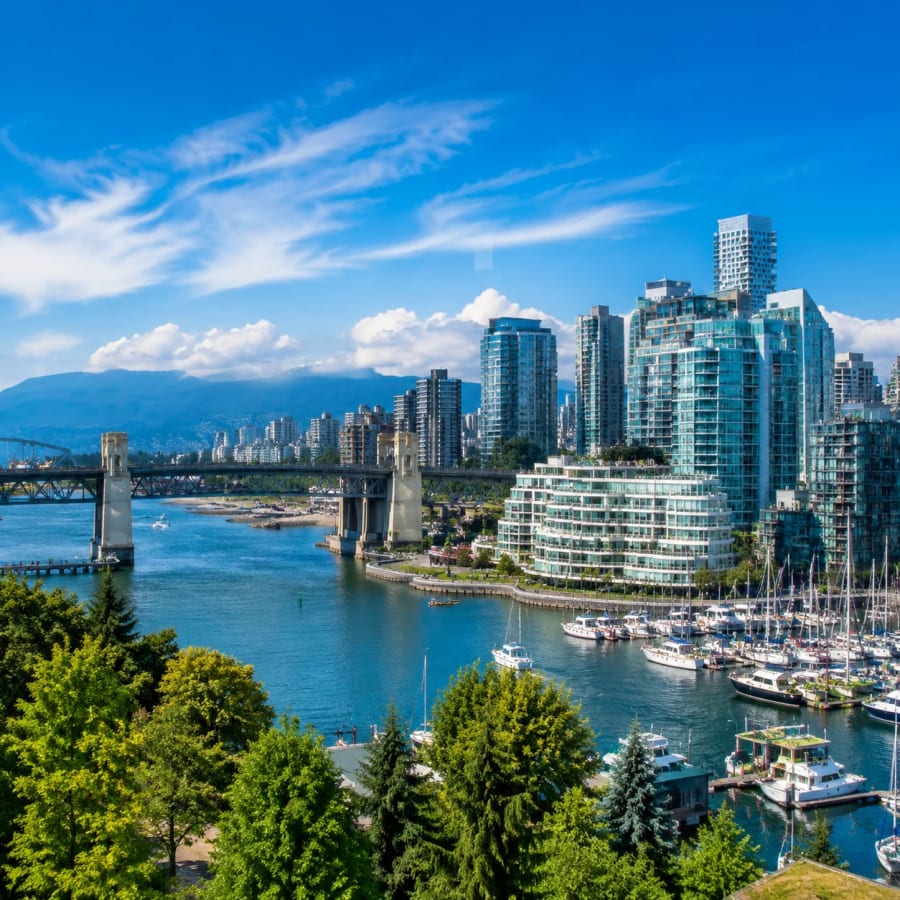
North Vancouver encompasses diverse strata properties from waterfront high-rises in Lower Lonsdale to family-oriented townhome complexes in Lynn Valley and Edgemont Village. The district contains over 1,200 registered strata corporations managing approximately 45,000 residential units across varied terrain and microclimates. Coastal moisture, mountain runoff, and seasonal weather patterns create unique cleaning challenges requiring specialized maintenance protocols. Properties range from vintage 1970s walk-ups to modern LEED-certified towers with advanced building systems and sustainability requirements.
The North Shore's proximity to forests and ocean creates specific maintenance demands including increased organic debris, salt air corrosion, and moisture management issues. Strata buildings near Mosquito Creek, Lynn Creek, and Capilano River face elevated humidity levels requiring enhanced mould prevention strategies. Mountain views and natural surroundings attract premium residents expecting immaculate common areas that reflect property values averaging $850,000 for condos and $1.2 million for townhomes according to 2025 real estate data.
North Vancouver's strata landscape includes established neighbourhoods like Central Lonsdale with mature buildings requiring retrofit cleaning approaches, and newer developments in Harbourside with smart building technology integration. The district's commitment to environmental sustainability influences cleaning product selection, with 78% of strata councils preferring Green Seal certified solutions. Transit-oriented developments near SeaBus terminals and frequent bus routes demand high-traffic cleaning protocols managing 500-2,000 daily resident and visitor movements through lobby areas.
1,200+
Registered Strata Corporations
Source: BC Land Title Office 2025
$850,000
Average Condo Value
Source: Greater Vancouver Real Estate Board
45,000+
Strata Units
Source: District of North Vancouver
78%
Buildings Using Eco Products
Source: North Shore Strata Council Survey 2025
$1,200-$3,500
Average Monthly Cleaning Budget
Source: Metro Vancouver Strata Management Association
North Vancouver-Specific Strata Cleaning Strategies
Local environmental conditions, building characteristics, and community expectations require tailored cleaning approaches addressing coastal moisture, mountain debris, and diverse property types across North Shore neighbourhoods.
Coastal Moisture and Humidity Control
North Shore's marine climate creates persistent moisture challenges requiring enhanced ventilation, dehumidification, and mould prevention protocols in parkades, storage areas, and mechanical rooms.
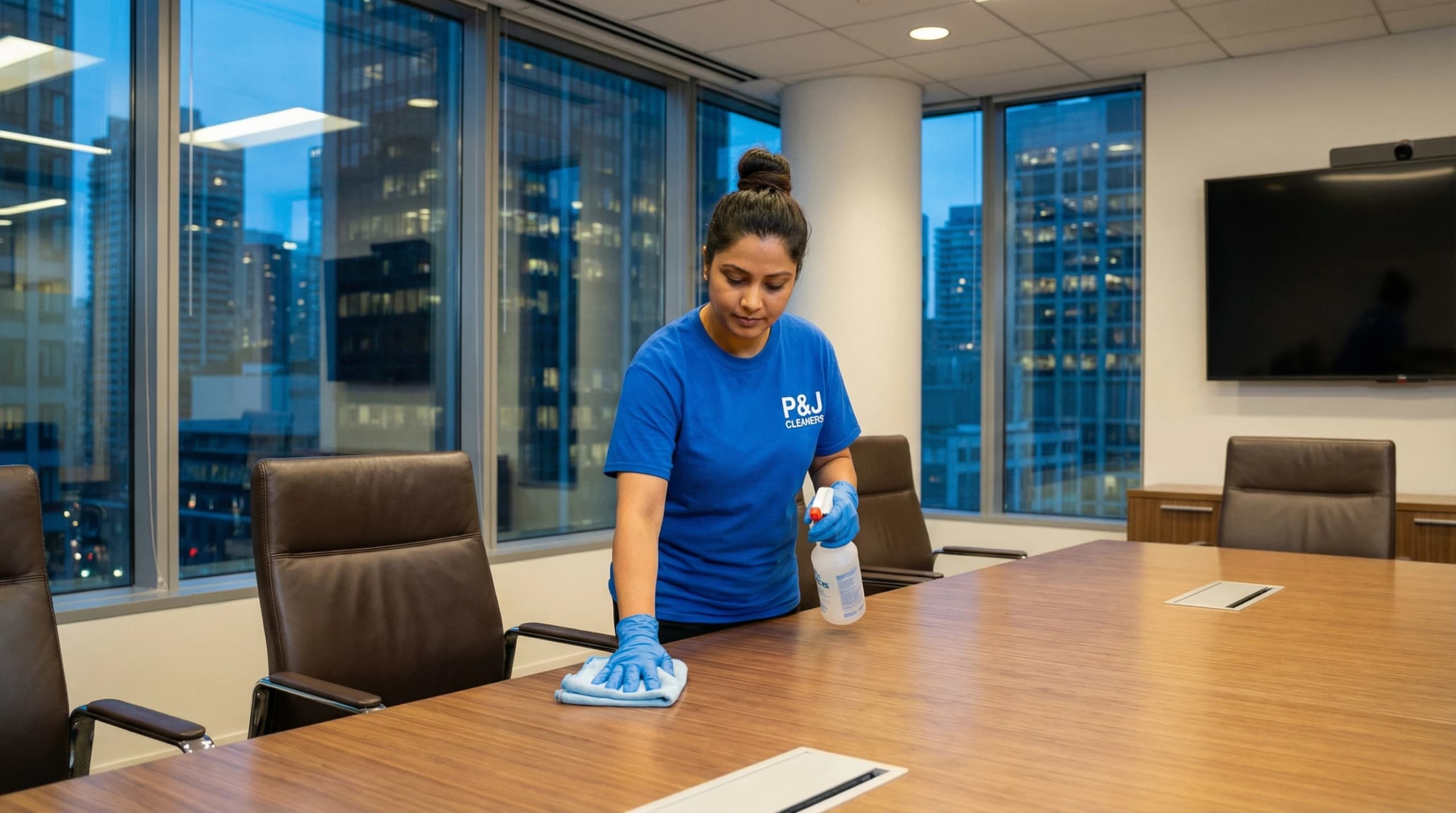
Coastal proximity elevates relative humidity levels 10-15% above inland Metro Vancouver areas, creating conditions favouring mould growth in enclosed spaces with limited air circulation. Underground parkades in Lower Lonsdale and waterfront developments experience humidity readings of 65-75% during winter months compared to recommended 30-50% for preventing microbial growth. Professional cleaning programs incorporate moisture meters monitoring conditions in vulnerable areas, identifying locations requiring enhanced ventilation or dehumidification equipment. Parkade cleaning schedules increase frequency during October-March rainy season when water infiltration through expansion joints, cracks, and drainage systems introduces additional moisture requiring immediate extraction and surface drying.
Mould prevention strategies include quarterly application of antimicrobial treatments on porous surfaces like concrete walls, wooden storage lockers, and drywall in mechanical rooms. HEPA filtration vacuums capture mould spores during cleaning preventing airborne distribution to adjacent areas where spores colonize new surfaces. Strata councils should budget $800-$1,500 annually for professional mould testing and remediation in high-risk areas, with costs escalating to $3,000-$8,000 for extensive contamination requiring containment barriers and specialized removal protocols. Buildings near Mosquito Creek, Lynn Creek, and Capilano River face elevated risks warranting semi-annual professional assessments identifying moisture intrusion before visible mould appears.
Entrance area moisture management utilizes commercial-grade mat systems capturing 80-90% of tracked water and debris within first 12-15 feet of building entry. Recessed mat wells with rubber-backed carpet tiles or modular grid systems facilitate daily maintenance through vacuum extraction or removal for machine washing. Seasonal adjustments increase mat coverage during rainy months, extending protection deeper into lobby areas managing higher moisture volumes. Proper mat maintenance reduces interior floor cleaning costs by 40-50% according to ISSA research, while preventing slip hazards that generate liability claims averaging $15,000-$35,000 per incident including legal fees and settlements.
- Install moisture meters in parkades and storage areas monitoring humidity levels, triggering intervention when readings exceed 55%
- Schedule quarterly antimicrobial treatments on porous concrete and wood surfaces in high-humidity zones preventing mould colonization
- Extend entrance mat coverage to 15-20 feet during October-March rainy season capturing tracked moisture before interior migration
- Conduct semi-annual professional mould assessments in buildings near creeks and rivers identifying moisture intrusion early
- Budget $800-$1,500 annually for preventive mould testing avoiding $3,000-$8,000 remediation costs for extensive contamination
Mountain Debris and Organic Matter Control
Proximity to forests and mountain terrain introduces needles, leaves, cones, and organic debris requiring enhanced exterior cleaning protocols and drainage system maintenance.
Properties in Lynn Valley, Edgemont Village, and areas below Grouse Mountain experience substantial organic debris accumulation from surrounding coniferous forests and deciduous trees. Cedar and hemlock needles create acidic residue on concrete surfaces, metal fixtures, and glass panels requiring specialized cleaning agents neutralizing pH levels preventing long-term degradation. Autumn leaf accumulation blocks drainage systems, creating water pooling that damages parkade surfaces and building foundations when freeze-thaw cycles expand trapped moisture. Professional cleaning programs incorporate quarterly gutter cleaning, drain flushing, and catch basin maintenance preventing blockages that cause $5,000-$15,000 water damage repairs.
Exterior pressure washing schedules increase frequency for buildings adjacent to green spaces, with quarterly services recommended compared to semi-annual cleaning for urban core properties. Sidewalks, patios, and building perimeters require treatment removing moss, algae, and organic staining that creates slip hazards and aesthetic deterioration. Biodegradable cleaning solutions break down organic matter without harming surrounding vegetation or contaminating storm water systems flowing to local creeks and Burrard Inlet. Strata councils should specify eco-friendly products upon request in cleaning contracts ensuring compliance with District of North Vancouver environmental protection bylaws.
Seasonal debris management peaks during spring pollen season (April-May) and autumn leaf drop (October-November) requiring temporary service frequency increases. Spring cleaning addresses yellow pine pollen coating vehicles, windows, and outdoor furniture, while autumn protocols manage maple, alder, and oak leaves accumulating in courtyards and rooftop terraces. Buildings with mature landscaping budget additional $300-$800 quarterly for enhanced debris removal beyond standard cleaning contracts. Proactive maintenance prevents drainage blockages, preserves surface integrity, and maintains curb appeal supporting property values in competitive North Shore real estate market.
- Schedule quarterly gutter and drain cleaning preventing blockages that cause $5,000-$15,000 water damage repairs
- Increase exterior pressure washing frequency to quarterly for properties adjacent to forests and green spaces
- Specify biodegradable cleaning products in contracts protecting vegetation and storm water systems
- Budget additional $300-$800 quarterly for enhanced debris removal during spring pollen and autumn leaf seasons
- Neutralize acidic needle residue on concrete and metal surfaces preventing long-term degradation and staining
High-Traffic Transit Corridor Maintenance
Buildings near SeaBus terminals, frequent bus routes, and commercial districts require enhanced cleaning protocols managing 500-2,000 daily movements through lobby areas and common spaces.
Transit-oriented developments in Lower Lonsdale, Central Lonsdale, and areas near Phibbs Exchange experience elevated foot traffic introducing dirt, moisture, and debris from public transportation and street environments. Buildings within 200 metres of bus stops or SeaBus terminal manage 40-60% higher soil accumulation compared to residential-only neighbourhoods according to facility management studies. Enhanced entrance mat systems, increased lobby cleaning frequency, and proactive floor maintenance programs address accelerated wear patterns and aesthetic deterioration from constant use. Professional cleaning teams adjust protocols based on transit schedules, increasing service intensity during morning rush (6:30-9:00 AM) and evening commute (4:30-7:00 PM) periods.
Elevator usage in transit corridor buildings averages 150-300 trips daily compared to 50-100 trips in low-traffic properties, accelerating wear on flooring, wall panels, and control systems. Daily elevator cleaning becomes essential rather than optional, with mid-day touch-ups recommended for buildings exceeding 200 daily trips. Stairwell maintenance increases to twice-weekly addressing higher usage from residents avoiding crowded elevators during peak periods. Hallway carpet or flooring replacement cycles shorten from 10-12 years to 7-9 years in high-traffic buildings, warranting enhanced interim maintenance preserving appearance and extending service life.
Commercial ground-floor tenants in mixed-use buildings contribute additional traffic and cleaning challenges requiring coordination between strata cleaning programs and tenant janitorial services. Clear delineation of responsibility boundaries prevents service gaps while avoiding duplicate charges for overlapping areas. Strata councils should specify cleaning protocols for shared spaces like lobbies serving both residential and commercial access, ensuring consistent standards regardless of entry point. Buildings with retail, restaurant, or office tenants budget 20-30% higher cleaning costs compared to residential-only properties reflecting increased scope and frequency requirements.
- Install commercial-grade entrance systems in buildings within 200 metres of transit stops managing 40-60% higher soil loads
- Increase elevator cleaning to daily service with mid-day touch-ups for buildings exceeding 200 daily trips
- Adjust cleaning schedules around transit peak periods (6:30-9:00 AM and 4:30-7:00 PM) for maximum effectiveness
- Coordinate with commercial tenant janitorial services establishing clear responsibility boundaries for shared spaces
- Budget 20-30% higher cleaning costs for mixed-use buildings with retail, restaurant, or office ground-floor tenants
North Vancouver Strata Cleaning Regulations and Standards
District bylaws, provincial regulations, and industry standards govern cleaning practices, product selection, and waste management ensuring environmental protection and occupant safety.
Local link strategy
Explore the matching service area pages for north-vancouver to connect this neighborhood advice with location-specific service information.
Services mentioned in this article
Ready for help?
4.9 · 850+ Google reviewsReady to Elevate Your North Vancouver Strata Maintenance?
Get a customized cleaning plan designed for your building's specific needs and North Shore weather challenges. Same-day service available.
778-720-2224Common Questions About North Vancouver Strata Cleaning
How much does strata cleaning cost in North Vancouver?
North Vancouver strata cleaning typically costs $45-$75 per hour depending on building size and service frequency. Monthly contracts for 20-unit buildings average $800-$1,200, while larger 50+ unit complexes range from $2,000-$3,500 monthly. Coastal buildings requiring additional moisture management may see 15-20% higher rates. One-time deep cleans start at $500 for smaller buildings.
What does strata cleaning include?
Standard strata cleaning covers lobby maintenance, hallway vacuuming and mopping, elevator cleaning, stairwell sweeping, parkade sweeping, garbage room sanitization, and common area dusting. North Vancouver services often include additional moisture control, window cleaning for coastal salt buildup, and seasonal gutter clearing. Glass entrance doors, mailroom organization, and amenity room cleaning are typically included in comprehensive packages.
How often should you get strata cleaning?
Most North Vancouver strata buildings schedule cleaning 2-3 times weekly for high-traffic areas like lobbies and elevators. Hallways and stairwells need weekly attention, while parkades require bi-weekly sweeping. Coastal properties benefit from monthly window cleaning and quarterly deep cleans. Buildings with 30+ units typically need daily lobby maintenance during wet seasons to manage moisture and debris tracking.
Best strata cleaning service in North Vancouver?
P&J Cleaners serves North Vancouver with specialized strata programs rated 4.9/5 stars from 850+ reviews. We offer same-day booking, eco-friendly products upon request — safe for coastal environments, and a satisfaction guarantee. Our teams understand North Shore weather challenges and provide customized schedules for buildings from Lower Lonsdale to Deep Cove. Fully bonded, insured, and experienced with BC strata regulations.
Meet the Author
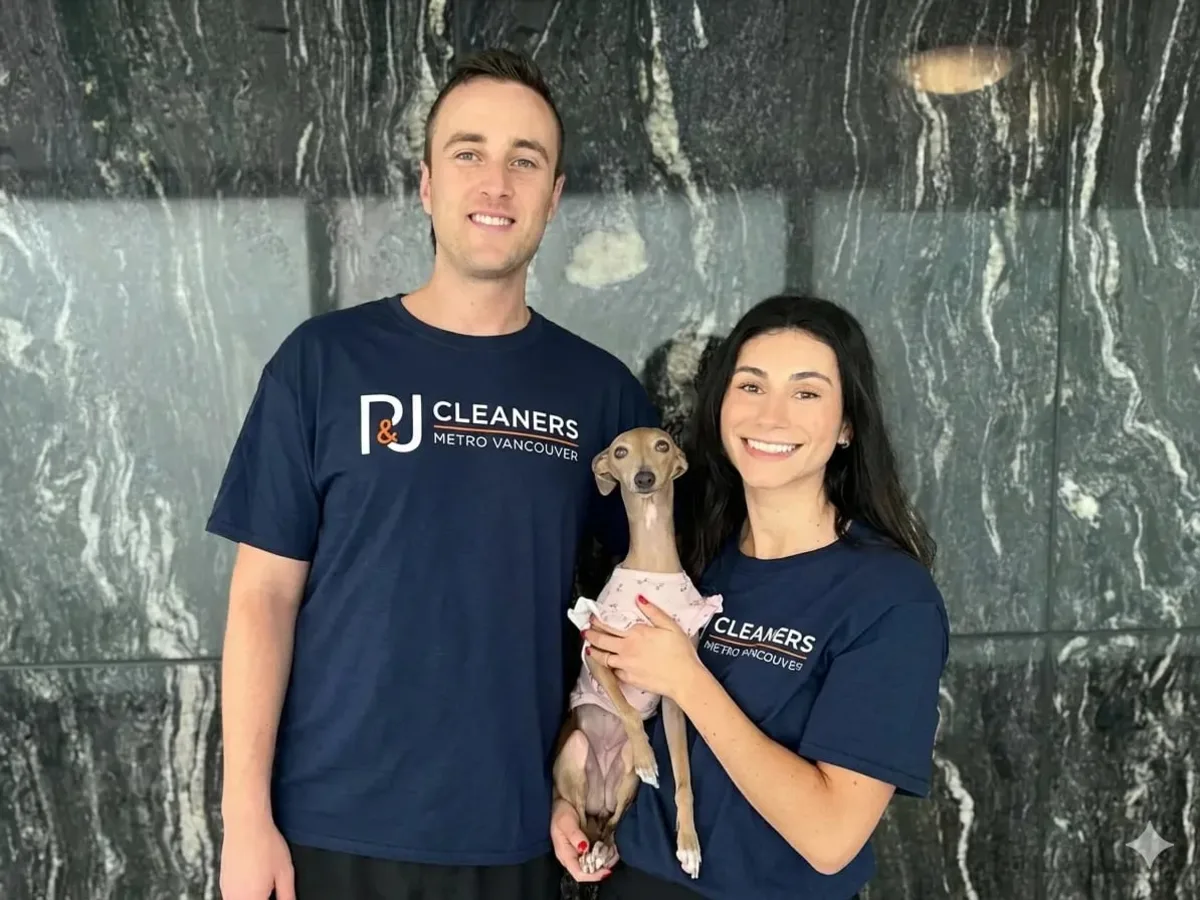
Jason
Co-Founder
Jason oversees commercial operations, workflow design, and quality control for office, restaurant, and specialty cleaning programs across Metro Vancouver.
Keep Exploring