

Neighborhood Context
Why New Westminster cleaning routines need a different approach
New Westminster stands as Metro Vancouver's oldest city with 78,000 residents across diverse neighbourhoods including historic Queensborough, waterfront Quay District, and hillside Sapperton. The city contains over 450 strata buildings ranging from heritage conversions along Columbia Street to modern high-rises near SkyTrain stations. Property values increased 18% between 2023-2025 according to BC Assessment data, driving demand for professional maintenance services that preserve building appeal and resident satisfaction.
The city's unique geography creates specific cleaning challenges with Fraser River proximity causing increased moisture and seasonal debris accumulation. Strata corporations manage properties from 12-unit heritage buildings to 200-unit towers, each requiring customized maintenance protocols. New Westminster's aging building stock averages 35 years old compared to Metro Vancouver's 28-year average, necessitating more frequent deep cleaning and preventive maintenance to address wear patterns and maintain property standards.
Transit accessibility through four SkyTrain stations and extensive bus networks means high foot traffic in building lobbies and common areas. The city's commitment to sustainability aligns with growing strata council preferences for green cleaning products and waste reduction programs. Local bylaws require proper waste management and exterior maintenance, making professional cleaning services essential for compliance and community standards.
450+
Strata Buildings
Source: City of New Westminster
35 years
Average Building Age
Source: BC Assessment
18% (2023-2025)
Property Value Growth
Source: BC Assessment
78,000 residents
Population Density
Source: Statistics Canada
4 SkyTrain stops
Transit Stations
Source: TransLink
New Westminster Strata Cleaning Essentials
Local building characteristics and environmental factors require specialized cleaning approaches that address moisture management, heritage preservation, and high-traffic patterns unique to New Westminster properties.
Fraser River Moisture Control
Proximity to Fraser River creates elevated humidity levels requiring enhanced ventilation and moisture prevention protocols in parkades and ground-level common areas.
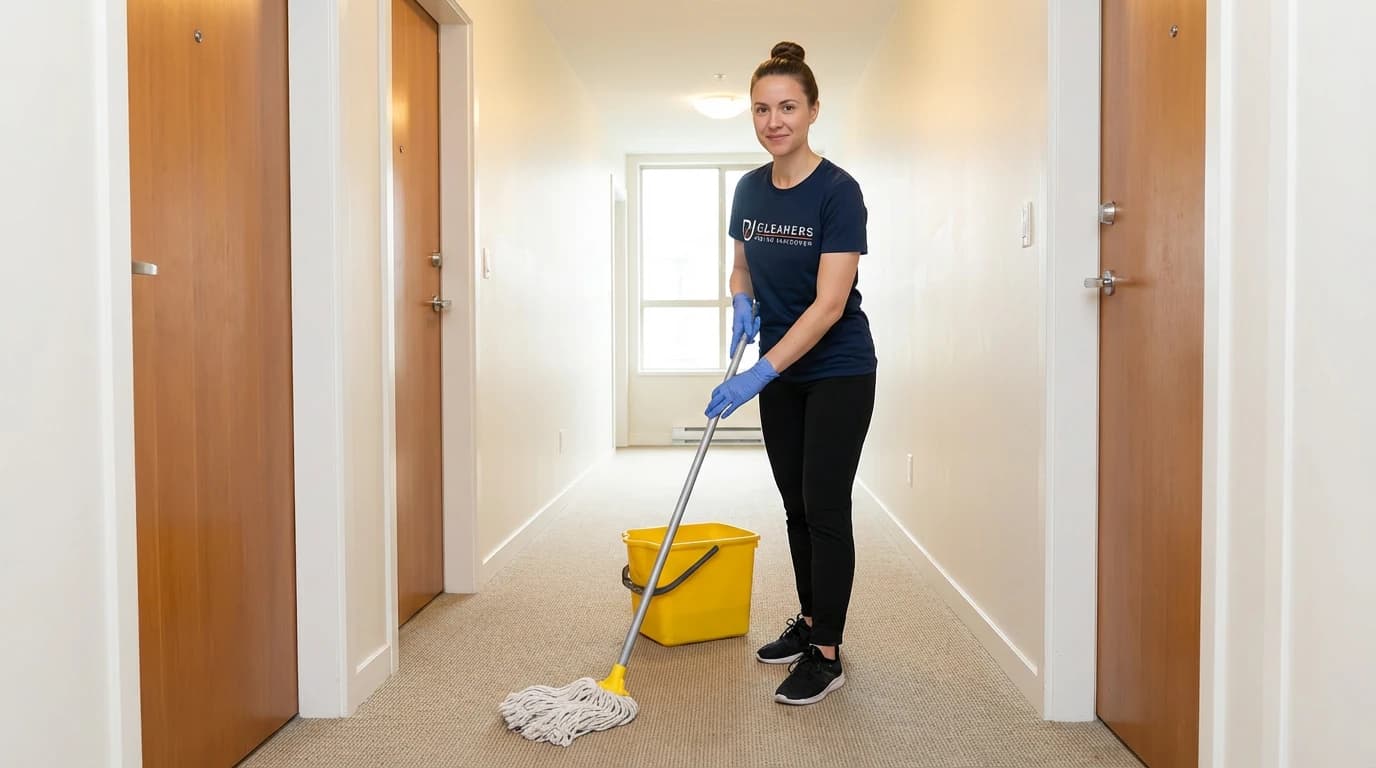
New Westminster's riverside location generates 15-20% higher humidity levels than inland Metro Vancouver areas according to Environment Canada monitoring data. This moisture accumulation accelerates mold growth in parkades, storage lockers, and ground-floor corridors without proper cleaning protocols. Professional services implement dehumidification strategies alongside regular cleaning to prevent moisture damage and maintain healthy indoor air quality standards.
Parkade cleaning requires specialized attention with pressure washing every 8-12 weeks to remove salt residue and prevent concrete deterioration. Floor drains need monthly inspection and cleaning to ensure proper water evacuation during heavy rainfall periods. Anti-slip treatments applied quarterly reduce liability risks while maintaining safe walking surfaces throughout wet winter months when precipitation averages 180mm monthly.
Common area ventilation systems accumulate moisture-related debris faster than drier locations, requiring filter changes every 60 days instead of standard 90-day intervals. HVAC vent cleaning twice annually prevents mold spore circulation and reduces respiratory complaints among residents. Professional teams use HEPA filtration equipment to capture airborne particles during cleaning operations, protecting vulnerable populations including seniors and children.
- Schedule parkade pressure washing after extended dry periods for optimal cleaning effectiveness and faster drying times
- Install moisture sensors in problem areas to trigger maintenance alerts before visible mold or mildew develops
- Increase lobby mat coverage during October-March rainy season to capture 85% more tracked-in moisture and debris
- Apply anti-microbial treatments to high-touch surfaces in amenity rooms where humidity exceeds 60% consistently
- Coordinate exterior window cleaning with interior work to address condensation patterns and water staining simultaneously
Heritage Property Maintenance
Historic buildings along Columbia Street and Uptown areas require specialized cleaning methods that preserve original materials while meeting modern sanitation standards.
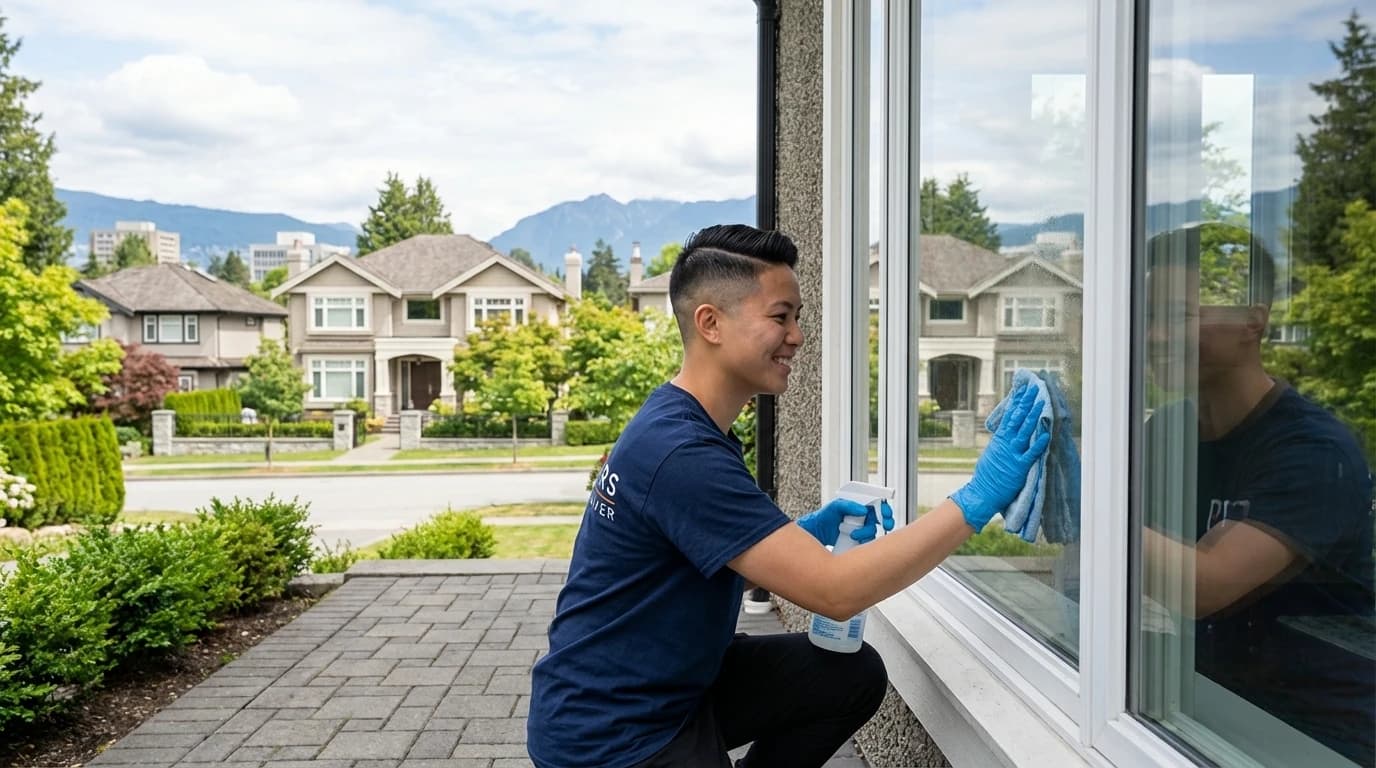
New Westminster contains 47 designated heritage buildings converted to strata housing, each requiring customized cleaning protocols that protect original woodwork, tile, and architectural details. Standard commercial cleaners damage period finishes, necessitating pH-neutral products and soft-bristle equipment. Professional services familiar with heritage conservation guidelines prevent irreversible damage while maintaining cleanliness standards expected by modern residents.
Original hardwood floors in heritage conversions need specialized care with appropriate cleaning solutions that preserve finish integrity without causing swelling or discoloration. Marble and terrazzo lobby floors common in pre-1950 buildings require non-acidic cleaners and periodic professional restoration to maintain appearance. Window cleaning in heritage properties demands extra caution around original glass panes and wooden frames susceptible to moisture damage from improper techniques.
Stairwell maintenance in older buildings addresses unique challenges including worn treads, ornate railings, and vintage lighting fixtures requiring gentle cleaning methods. Carpet runners on heritage staircases need frequent vacuuming with adjustable suction to prevent fiber damage while removing embedded dirt. Professional teams document existing conditions before cleaning to ensure preservation of historical character while achieving sanitation objectives.
- Test all cleaning products on inconspicuous areas before full application to heritage surfaces and finishes
- Use microfiber cloths instead of abrasive materials on original woodwork, brass fixtures, and decorative elements
- Schedule deep cleaning during low-occupancy periods to allow extended drying times for moisture-sensitive heritage materials
- Photograph architectural details before and after cleaning to document preservation efforts for strata council records
- Consult heritage conservation guidelines from City of New Westminster before implementing new cleaning protocols
Transit Hub Traffic Management
Buildings near SkyTrain stations experience 3x higher lobby traffic requiring enhanced cleaning frequencies and durable surface treatments to maintain appearance standards.
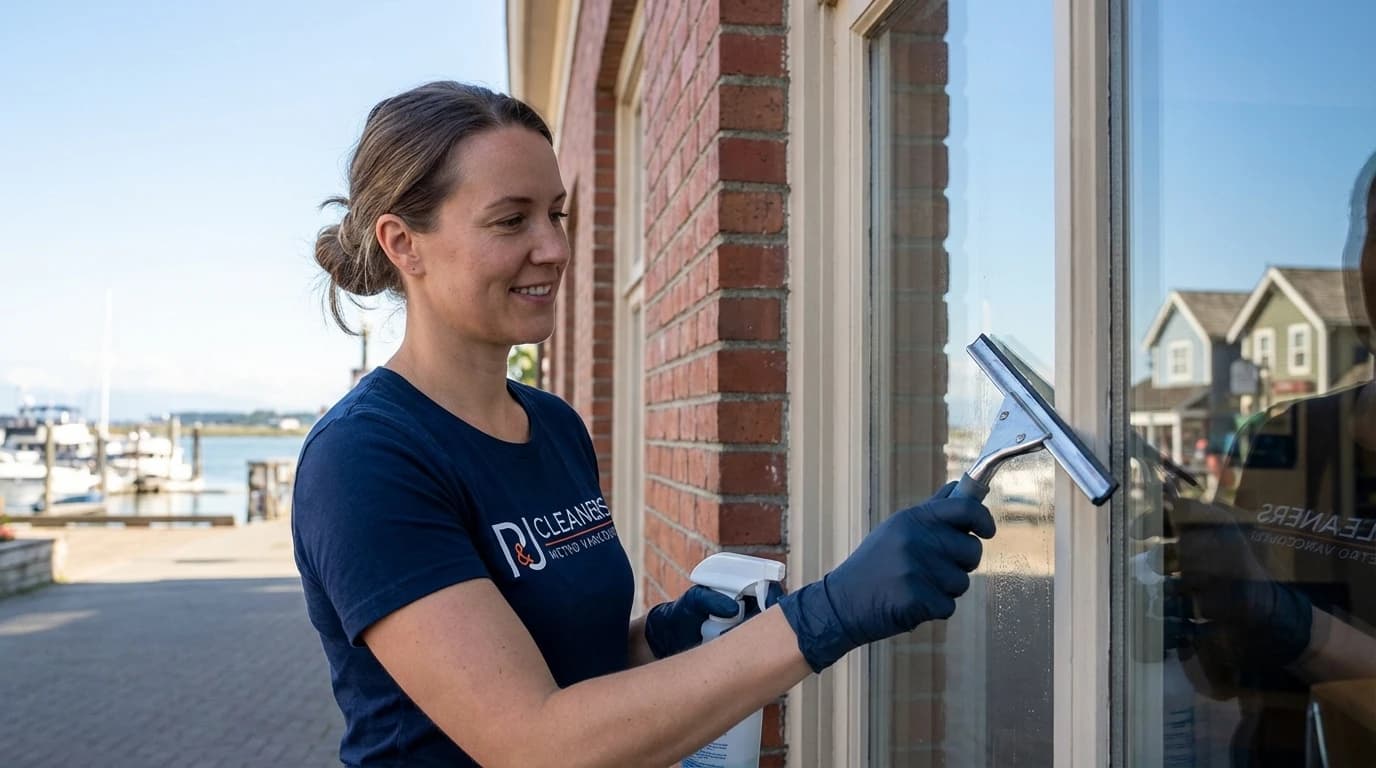
Properties within 400 meters of Columbia, New Westminster, 22nd Street, and Sapperton stations handle significantly higher foot traffic with residents commuting during peak hours. Lobby floors accumulate dirt and debris 40% faster than buildings in quieter neighbourhoods according to ISSA facility management data. Enhanced cleaning schedules with twice-daily lobby maintenance during weekdays prevent soil buildup and maintain professional appearance throughout business hours.
Elevator interiors in high-traffic buildings require daily sanitization focusing on button panels, handrails, and floor surfaces contacted by hundreds of residents weekly. Stainless steel surfaces show fingerprints and smudges prominently, demanding frequent polishing to maintain aesthetic standards. Professional cleaning teams schedule elevator maintenance during off-peak hours between 10am-2pm to minimize resident disruption while ensuring thorough sanitization of high-touch surfaces.
Entrance mat systems in transit-adjacent buildings need weekly deep cleaning and quarterly replacement to maintain effectiveness at capturing tracked-in debris. Inadequate mat coverage allows dirt penetration into lobbies, increasing floor maintenance costs by 25-30% annually. Strategic mat placement extending 12-15 feet into building entrances captures 85% of incoming soil before reaching finished flooring, reducing overall cleaning requirements and extending floor finish lifespan.
- Install commercial-grade entrance mats with rubber backing to prevent slipping while capturing maximum debris from commuter traffic
- Schedule lobby cleaning immediately after morning and evening rush hours when soil accumulation peaks
- Apply protective floor coatings rated for heavy traffic to reduce wear patterns in high-use pathways
- Increase trash collection frequency near building entrances where commuters discard coffee cups and transit materials
- Monitor elevator usage patterns to optimize cleaning schedules around peak traffic times
Seasonal Cleaning Adjustments
New Westminster's distinct seasons require protocol modifications addressing leaf accumulation, winter salt damage, spring pollen, and summer dust patterns throughout the year.
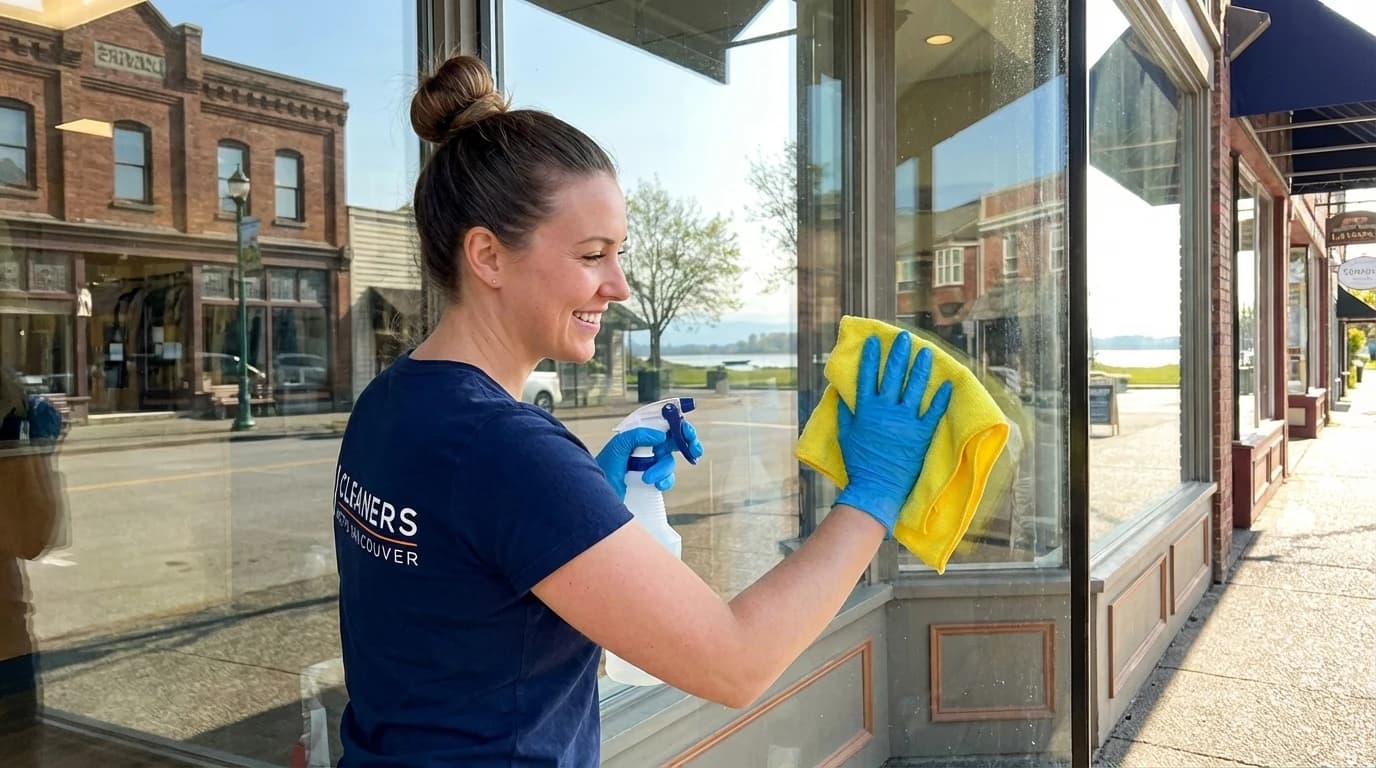
Fall cleaning intensifies during October-November when deciduous trees shed leaves that accumulate in building entrances, parkades, and outdoor amenity areas. Leaf debris tracked indoors creates slip hazards and stains flooring if not addressed promptly. Professional services increase exterior sweeping frequency to three times weekly during peak leaf season, preventing organic material from decomposing and causing odours in enclosed spaces like parkades and storage areas.
Winter protocols from December through March focus on salt and sand removal to prevent concrete damage and floor finish deterioration. De-icing materials tracked indoors leave white residue requiring specialized cleaning solutions that neutralize salt without damaging surfaces. Entrance areas need daily wet mopping during winter months compared to every-other-day schedules in dry seasons. Parkade cleaning frequency doubles to address salt accumulation that accelerates concrete spalling and rebar corrosion.
Spring cleaning campaigns during April-May address pollen accumulation on exterior surfaces, windows, and ventilation intakes. Fraser Valley pollen counts peak in late spring, coating building exteriors and triggering resident allergies when circulated through HVAC systems. Comprehensive window cleaning and pressure washing remove pollen buildup while filter replacements improve indoor air quality. Summer maintenance from June-August emphasizes dust control from construction activity and increased outdoor amenity usage requiring daily cleaning of pool areas, BBQ facilities, and rooftop terraces.
- Deploy additional entrance mats two weeks before predicted leaf fall to capture organic debris before it enters buildings
- Switch to salt-neutralizing floor cleaners in November and maintain through March to protect flooring investments
- Schedule comprehensive exterior cleaning in early April before pollen season peaks to establish clean baseline
- Increase parkade cleaning to weekly during winter months when salt usage intensifies on local roads
- Coordinate seasonal deep cleaning with strata AGM schedules to showcase property maintenance efforts
Amenity Room Standards
Fitness centres, party rooms, and shared workspaces require daily sanitization protocols meeting WorkSafeBC standards while accommodating resident booking schedules and usage patterns.
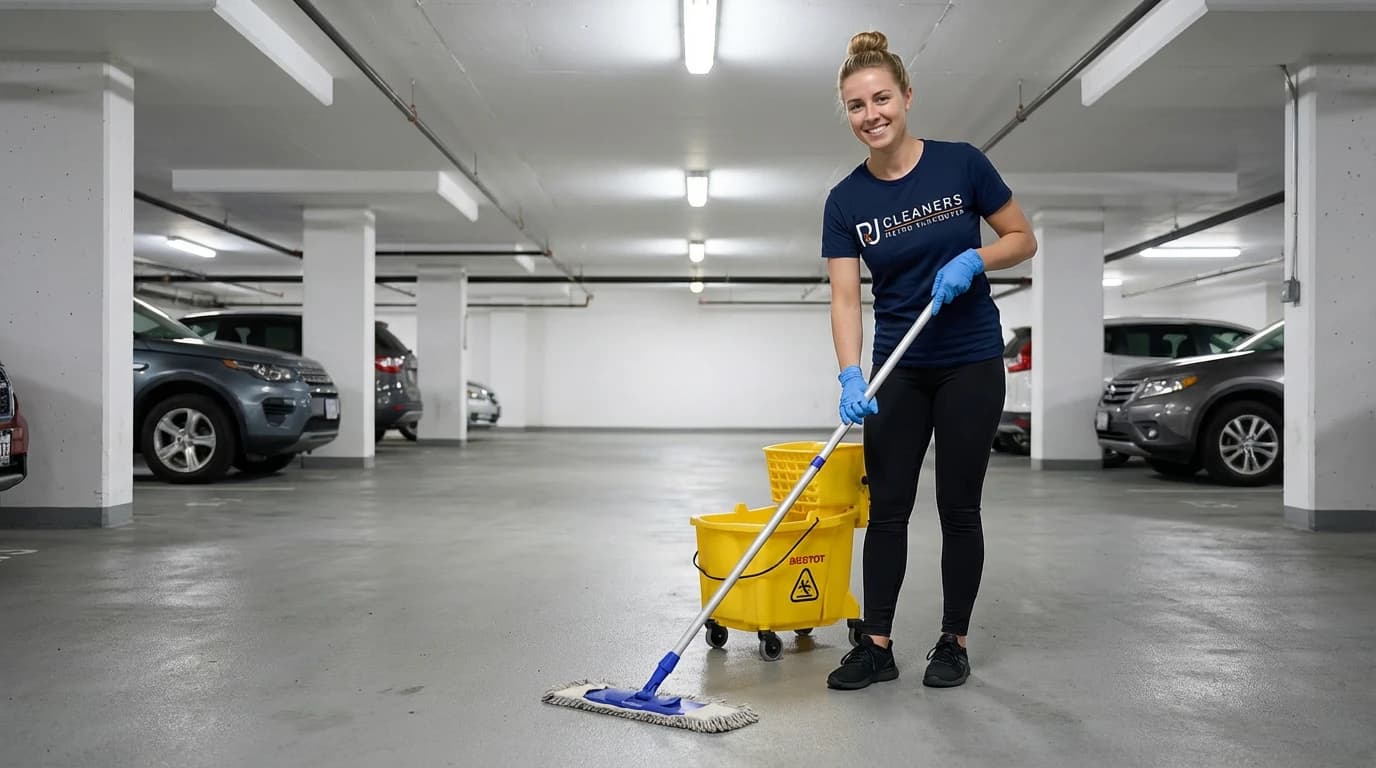
Fitness facilities in New Westminster strata buildings average 45 users weekly according to property management surveys, creating significant sanitization demands. Equipment surfaces including treadmill handles, weight benches, and yoga mats require disinfection after each use or minimum twice-daily professional cleaning. WorkSafeBC guidelines mandate proper ventilation and surface sanitization to prevent disease transmission in shared fitness spaces, particularly relevant following respiratory illness awareness increases.
Party rooms and guest suites need thorough cleaning within 24 hours of each booking to maintain readiness for next reservations. Kitchen areas demand special attention with appliance interiors, countertops, and dishware requiring sanitization meeting food safety standards. Furniture arrangement, floor cleaning, and waste removal ensure spaces present professionally for incoming guests. Professional cleaning teams coordinate with property managers to access amenity booking calendars, scheduling service immediately following usage periods.
Shared workspaces and business centres require daily maintenance focusing on desk surfaces, computer equipment, and seating areas contacted by multiple residents. Keyboard and mouse sanitization using electronics-safe disinfectants prevents cross-contamination while protecting sensitive equipment. Printer areas accumulate paper dust and toner residue requiring weekly deep cleaning beyond daily surface maintenance. Proper cleaning protocols extend equipment lifespan while maintaining professional appearance expected in modern strata amenities.
- Install sanitizing wipe dispensers in fitness centres for resident use between professional cleaning sessions
- Implement booking system integration allowing automatic cleaning notifications after amenity reservations
- Use colour-coded microfiber cloths to prevent cross-contamination between fitness equipment and kitchen surfaces
- Schedule deep amenity cleaning during low-usage periods identified through booking pattern analysis
- Post visible cleaning schedules in amenity rooms to demonstrate maintenance commitment and encourage resident cooperation
New Westminster Strata Compliance Requirements
Municipal bylaws and provincial regulations establish specific maintenance standards for multi-family buildings including waste management, exterior upkeep, and environmental protection protocols.
Local link strategy
Explore the matching service area pages for new-westminster to connect this neighborhood advice with location-specific service information.
Services mentioned in this article
Ready for help?
4.9 · 850+ Google reviewsReady to Elevate Your New Westminster Strata Property?
Get a customized cleaning plan designed for your building's specific needs. Our local teams deliver consistent, high-quality service with eco-friendly products upon request and flexible scheduling.
778-720-2224Common Questions About Strata Cleaning in New Westminster
How much does strata cleaning cost in New Westminster?
Strata cleaning in New Westminster typically costs between $45 and $65 per hour depending on building size, frequency, and scope of services. Monthly contracts for mid-sized buildings average $800-$1,500, while larger high-rises range from $2,000-$4,500 monthly. Factors affecting cost include square footage, number of floors, elevator maintenance, parkade cleaning, and specialized services like carpet shampooing or window washing.
What does strata cleaning include?
Strata cleaning includes common area maintenance such as lobby and hallway vacuuming, stairwell cleaning, elevator sanitization, parkade sweeping, garbage room maintenance, and window cleaning for shared spaces. Additional services cover amenity room cleaning, gym equipment sanitization, mailroom tidying, exterior pressure washing, and seasonal tasks like gutter cleaning. Most contracts are customizable based on strata council priorities and building-specific needs.
How often should you get strata cleaning?
Most New Westminster strata buildings schedule cleaning 2-3 times weekly for high-traffic areas like lobbies and elevators, with weekly service for hallways and monthly deep cleaning for parkades and amenity spaces. Buildings with over 50 units often require daily cleaning for lobbies and elevators. Frequency depends on resident count, building age, foot traffic patterns, and strata council standards for cleanliness and maintenance.
Best strata cleaning service in New Westminster?
P&J Cleaners offers comprehensive strata cleaning throughout New Westminster with 4.9-star ratings from 850+ reviews. Services include same-day booking, eco-friendly products upon request, fully bonded and insured teams, and a satisfaction guarantee. We serve 39 Metro Vancouver locations with specialized experience in heritage buildings, modern high-rises, and mixed-use developments. Our local teams understand New Westminster's unique strata requirements and municipal regulations.
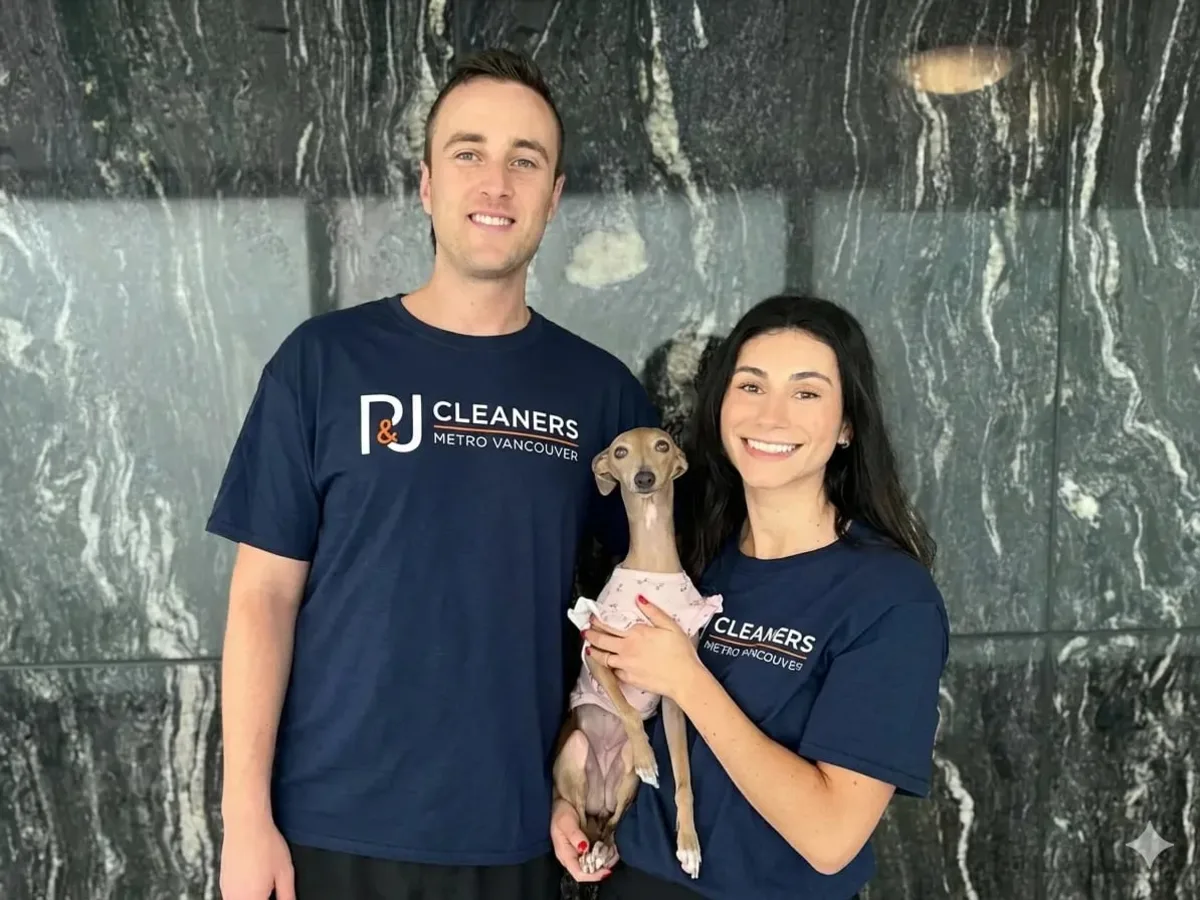
Meet the Author
Jason
Co-Founder
Jason oversees commercial operations, workflow design, and quality control for office, restaurant, and specialty cleaning programs across Metro Vancouver.
Keep Exploring