


Neighborhood Context
Why Burnaby cleaning routines need a different approach
Burnaby stands as British Columbia's third-largest city with over 249,000 residents across 98 square kilometres. The city hosts 847 registered strata corporations managing approximately 45,000 residential units, from high-rise towers in Metrotown to low-rise complexes near Deer Lake. This diverse housing landscape creates varied cleaning requirements, with buildings ranging from 1960s walk-ups to modern LEED-certified developments. Burnaby's position between Vancouver and the Fraser Valley means properties face unique environmental challenges including coastal moisture, urban pollution, and seasonal pollen from surrounding green spaces.
The city's four distinct town centres—Metrotown, Brentwood, Lougheed, and Edmonds—each present specific strata cleaning needs. Metrotown's dense high-rises require daily elevator maintenance and parkade cleaning due to heavy foot traffic from BC's largest shopping centre. Brentwood's rapid development has introduced luxury amenities demanding specialized care, while Lougheed and Edmonds feature established communities with aging infrastructure requiring preventive maintenance. Burnaby's extensive SkyTrain network means many strata properties experience increased dirt and debris from transit users, particularly buildings within 500 metres of stations.
Environmental factors significantly impact Burnaby strata maintenance schedules. The city receives 1,200mm of annual rainfall, creating moisture management challenges in parkades, storage areas, and building exteriors. Burnaby's urban forest canopy covers 25% of the city, contributing organic debris that clogs drainage systems and stains walkways. Properties near major corridors like Kingsway, Hastings Street, and the Trans-Canada Highway face elevated dust and particulate matter requiring more frequent exterior cleaning. Understanding these local conditions helps strata councils develop effective maintenance programs that preserve property values and resident satisfaction.
847
Registered Strata Corporations
Source: City of Burnaby Planning Department
$687,000
Average Strata Unit Value
Source: BC Real Estate Association 2025
1,200mm
Annual Rainfall
Source: Environment Canada
38%
Properties Near Transit
Source: TransLink Service Area Data
52%
Buildings Over 30 Years Old
Source: City of Burnaby Building Department
Burnaby-Specific Strata Cleaning Strategies
Burnaby's unique geography, climate, and urban density require tailored cleaning approaches. These location-specific strategies address challenges from Metrotown's high-traffic corridors to Deer Lake's tree-lined properties, ensuring your strata maintains pristine conditions year-round.
High-Rise Maintenance in Metrotown and Brentwood
Burnaby's urban cores demand intensive cleaning protocols for elevator banks, lobbies, and parkades serving hundreds of residents daily.
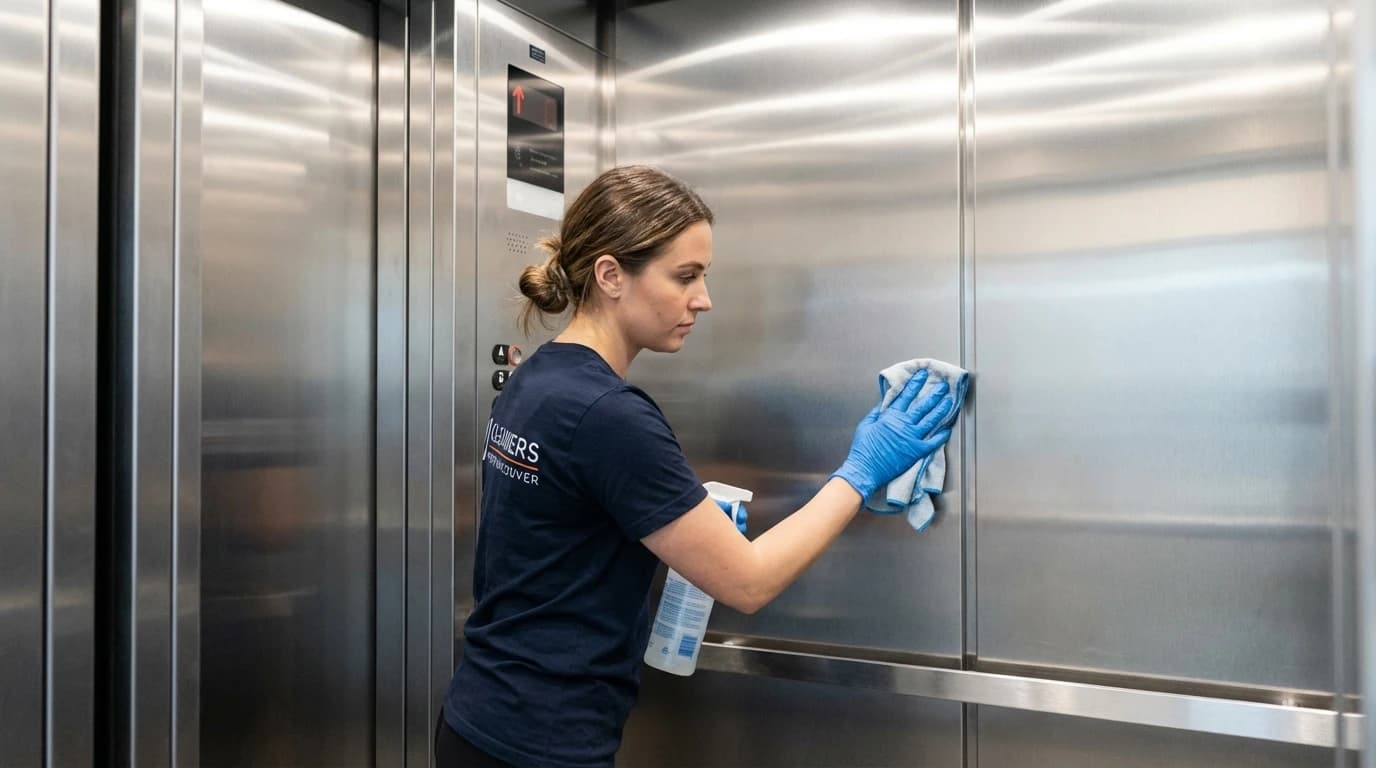
Metrotown and Brentwood high-rises experience foot traffic volumes comparable to commercial buildings, with some properties logging 2,000+ daily elevator trips. This constant use creates accelerated wear on flooring, wall surfaces, and mechanical systems. Professional cleaning services should include daily elevator interior wipes, twice-daily lobby floor maintenance, and weekly deep-cleaning of high-touch surfaces like mailroom counters and door handles. Buildings within 200 metres of SkyTrain stations require additional attention to entrance mats and vestibules, where transit users track in dirt, salt, and moisture throughout the year.
Parkade maintenance in high-density areas presents unique challenges due to limited ventilation and heavy vehicle traffic. Burnaby's wet climate means parkades accumulate standing water, oil residue, and road salt that deteriorate concrete and create safety hazards. Monthly pressure washing of drive lanes, quarterly drain cleaning, and bi-weekly spot treatment of oil stains prevent long-term damage. Buildings with visitor parking should implement weekly sweeping to manage debris from external vehicles. Proper parkade maintenance reduces slip-and-fall incidents by 73% according to WorkSafeBC data, protecting both residents and strata corporations from liability.
Amenity spaces in luxury Brentwood developments require specialized care to maintain their premium appeal. Fitness centres need daily equipment wipes with hospital-grade disinfectants, yoga studios require non-toxic floor cleaning to protect barefoot users, and party rooms demand post-event deep cleaning within 24 hours. Rooftop terraces, increasingly common in new Burnaby towers, need monthly power washing to remove bird droppings, pollen, and urban grime. These spaces directly impact resident satisfaction and rental values, with well-maintained amenities increasing lease rates by 12-18% in competitive markets.
- Schedule elevator maintenance during off-peak hours (10am-2pm) to minimize resident disruption in high-traffic buildings
- Install commercial-grade entrance matting systems extending 15 feet into lobbies to capture 80% of tracked-in dirt near SkyTrain stations
- Implement colour-coded microfiber systems in amenity spaces to prevent cross-contamination between fitness areas and social spaces
- Use lithium-based concrete sealers in parkades to resist salt damage and reduce cleaning frequency by 40%
- Deploy HEPA-filtered vacuums in carpeted corridors to manage Burnaby's high pollen counts during spring and fall seasons
Low-Rise and Townhome Complex Maintenance
Burnaby's established neighbourhoods feature townhome and low-rise complexes requiring exterior-focused cleaning and landscaping integration.
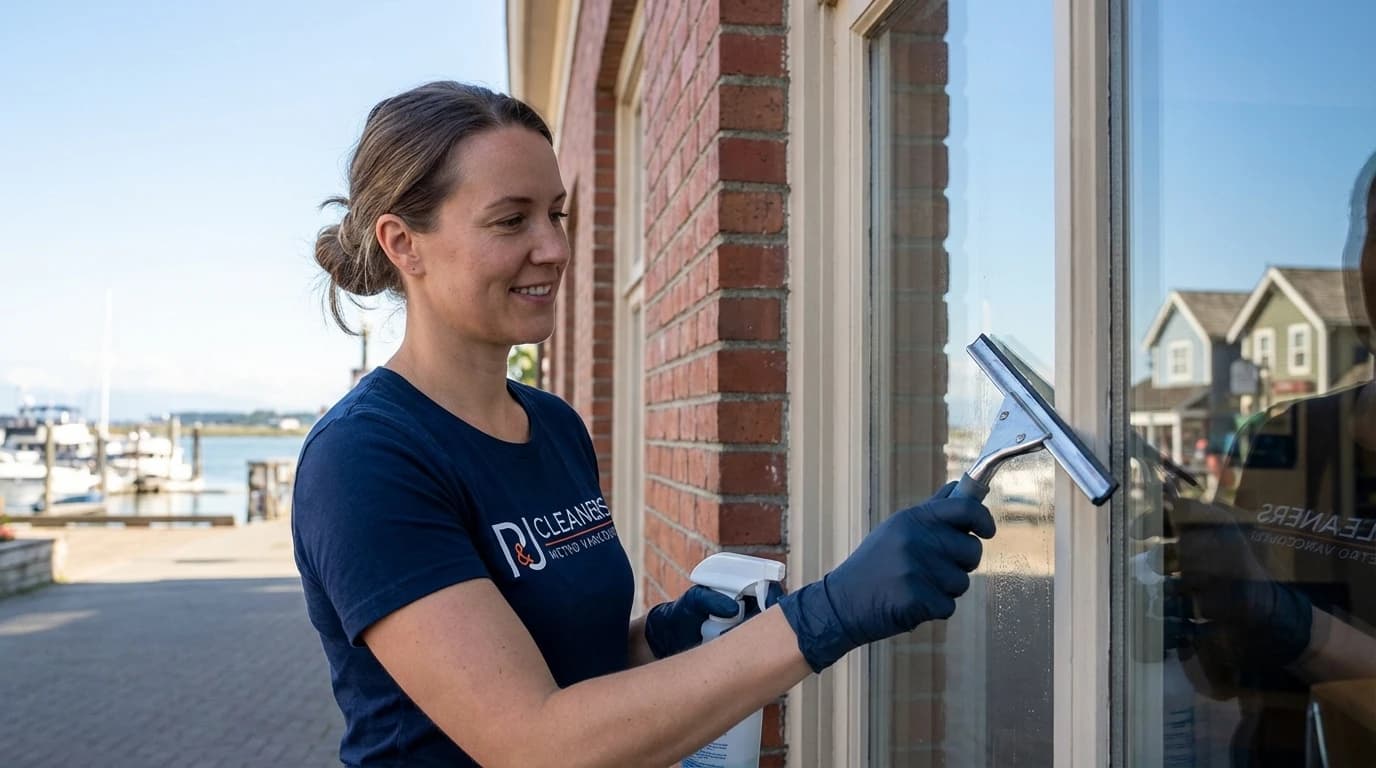
Low-rise strata properties in areas like Deer Lake, Suncrest, and South Slope face different maintenance challenges than high-rises. These complexes typically feature extensive outdoor common areas, including walkways, courtyards, and perimeter fencing that accumulate organic debris from Burnaby's mature tree canopy. Quarterly pressure washing of building exteriors removes moss, algae, and atmospheric pollution that degrades siding materials. Vinyl and fiber cement siding, common in 1980s-era construction, requires gentle cleaning methods to avoid surface damage while effectively removing green growth that thrives in Burnaby's damp climate.
Drainage systems in low-rise complexes demand proactive maintenance to prevent water damage and foundation issues. Burnaby's heavy rainfall overwhelms gutters clogged with leaves, needles, and debris from surrounding vegetation. Bi-annual gutter cleaning before fall rains and after spring pollen season prevents overflow that stains siding and saturates landscaping. Ground-level drain grates in courtyards and parking areas need monthly inspection and clearing to avoid pooling water that creates slip hazards and mosquito breeding grounds. Properties near Burnaby Mountain or Central Park experience higher debris volumes requiring more frequent attention.
Shared outdoor spaces in townhome complexes benefit from integrated cleaning and landscaping schedules. Coordinating pressure washing with lawn care prevents muddy runoff from staining freshly cleaned walkways, while timing window cleaning after tree trimming avoids immediate re-soiling. Strata councils should establish clear protocols for managing seasonal challenges like spring cherry blossom cleanup, fall leaf removal, and winter snow clearing. Professional services that bundle exterior cleaning with basic landscaping maintenance reduce coordination overhead and ensure consistent property appearance throughout the year.
- Schedule exterior pressure washing in late spring after pollen season and early fall before heavy rains begin
- Apply eco-friendly moss inhibitors to north-facing siding and shaded walkways to extend cleaning intervals by 6-8 months
- Install gutter guards on buildings near mature trees to reduce cleaning frequency from bi-annual to annual service
- Use soft-wash techniques with biodegradable cleaners on older vinyl siding to prevent surface etching and colour fading
- Coordinate with landscapers to mulch garden beds before pressure washing to prevent soil erosion onto cleaned surfaces
Seasonal Cleaning Protocols for Burnaby Climate
Burnaby's distinct seasons require adaptive cleaning strategies addressing rain, pollen, and temperature fluctuations throughout the year.
Spring cleaning in Burnaby focuses on removing winter salt residue and managing explosive pollen counts from the city's extensive urban forest. March through May brings cherry blossoms, maple flowers, and cottonwood seeds that coat vehicles, walkways, and building exteriors. Strata properties should schedule weekly pressure washing of high-traffic areas during peak pollen season, with daily sweeping of entrance areas and parkades. Window cleaning becomes a monthly necessity rather than quarterly service, as pollen films reduce natural light and create unsightly streaks. Buildings near green spaces like Burnaby Lake or Deer Lake Park experience 40% higher pollen accumulation requiring intensified protocols.
Summer maintenance emphasizes managing increased foot traffic and preparing for fall rains. June through August sees peak amenity usage, with pools, BBQ areas, and outdoor lounges requiring daily attention. Burnaby's summer drought conditions create dust accumulation in parkades and on exterior surfaces that becomes muddy paste when fall rains arrive. Pre-emptive deep cleaning in late August prevents this transition period mess. Strata councils should also address wasp nests in eaves and overhangs before they become established, as Burnaby's warm summers support aggressive colony growth. Professional pest management integrated with cleaning services provides comprehensive property protection.
Fall and winter protocols focus on moisture management and safety. September through February brings 75% of Burnaby's annual rainfall, creating persistent dampness in enclosed spaces like storage lockers, bike rooms, and ground-floor corridors. Weekly mopping with antimicrobial solutions prevents mold growth, while monthly dehumidifier maintenance ensures equipment functions properly. Leaf accumulation in fall requires daily sweeping of walkways and weekly drain clearing to prevent water backup. Winter snow events, though infrequent, demand immediate response with ice melt application and entrance mat upgrades to manage tracked-in slush. Properties on slopes like Burnaby Mountain require additional attention to prevent ice formation on walkways and ramps.
- Deploy electrostatic sprayers for pollen removal on building exteriors, reducing water usage by 60% compared to pressure washing
- Install seasonal entrance mat systems with 3-inch pile depth during October-March to capture moisture and prevent interior floor damage
- Schedule HVAC filter replacements monthly during spring pollen season to maintain air quality and reduce system strain
- Apply slip-resistant coatings to exterior stairs and ramps before November to prevent winter ice-related injuries
- Implement weekly moisture readings in ground-floor storage areas during rainy season to detect mold conditions before visible growth
Managing Properties Near Transit Corridors
Strata buildings near SkyTrain stations and major bus routes face elevated cleaning demands from increased foot traffic and urban pollution.
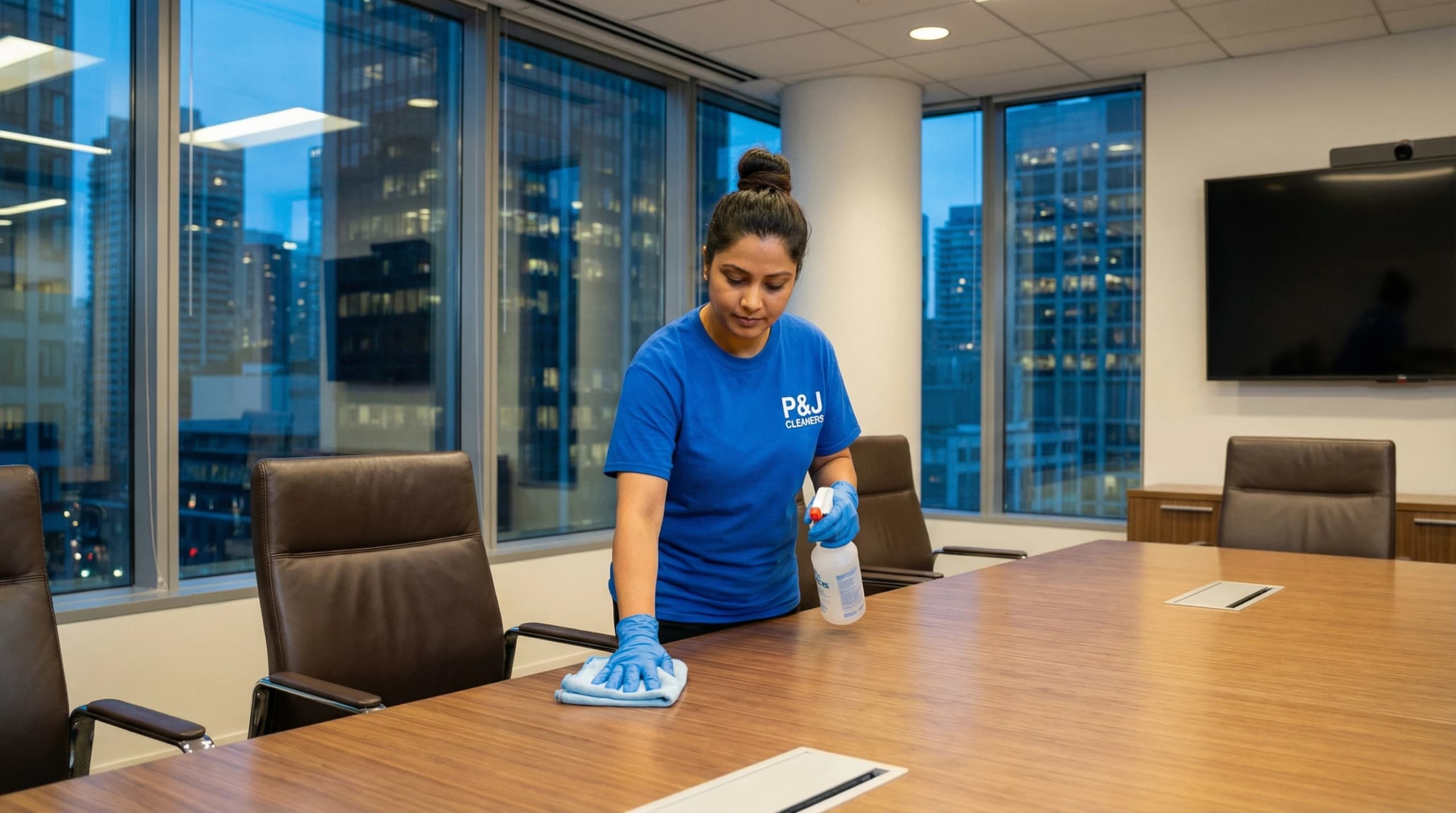
Burnaby's extensive transit network brings convenience and property value appreciation, but also creates unique maintenance challenges. Buildings within 500 metres of SkyTrain stations at Metrotown, Brentwood, Lougheed, and Edmonds experience 3-4 times normal foot traffic as residents and visitors use these transit hubs. This constant flow tracks in dirt, moisture, and debris that accelerates flooring wear and creates persistent cleaning demands. Entrance areas require commercial-grade matting systems with daily vacuuming and weekly deep extraction cleaning. Lobbies should be mopped twice daily during peak commute hours, with spot cleaning available for immediate spill response.
Air quality concerns affect properties along major transit corridors and busy streets like Kingsway, Hastings, and Willingdon Avenue. Vehicle emissions deposit fine particulate matter on building exteriors, windows, and balconies that creates stubborn grime requiring specialized cleaning solutions. Monthly window cleaning becomes necessary rather than quarterly service, while balcony railings and outdoor furniture need bi-weekly wiping to maintain appearance. Interior air quality suffers as well, with HVAC filters requiring monthly replacement instead of standard quarterly intervals. Buildings should consider upgrading to MERV 13 filters that capture 85% of particles between 0.3-1.0 microns, significantly improving indoor air quality for residents with respiratory sensitivities.
Security and vandalism concerns increase near transit areas, requiring cleaning services to address graffiti, litter, and occasional property damage. Rapid graffiti removal within 24-48 hours discourages repeat incidents, while weekly perimeter walks identify emerging issues before they escalate. Strata corporations should establish relationships with cleaning providers offering emergency response for vandalism cleanup, ensuring swift restoration of property appearance. Properties near transit also benefit from enhanced exterior lighting that deters unwanted activity while making evening cleaning and maintenance safer for service providers. These proactive measures maintain property values and resident confidence in high-traffic locations.
- Install graffiti-resistant coatings on exterior walls and parkade entrances near transit stations to simplify removal and deter vandalism
- Upgrade to commercial-grade entrance doors with self-closing mechanisms to minimize dirt infiltration from constant traffic
- Schedule exterior window cleaning during off-peak transit hours to avoid conflicts with commuter foot traffic and ensure worker safety
- Deploy air purifiers with activated carbon filters in ground-floor common areas to neutralize vehicle emission odours
- Establish monthly exterior perimeter inspections documenting property condition with photos to track maintenance needs and insurance claims
Specialized Care for Burnaby's Aging Strata Stock
Over half of Burnaby's strata buildings exceed 30 years old, requiring preventive maintenance strategies that address aging infrastructure and materials.
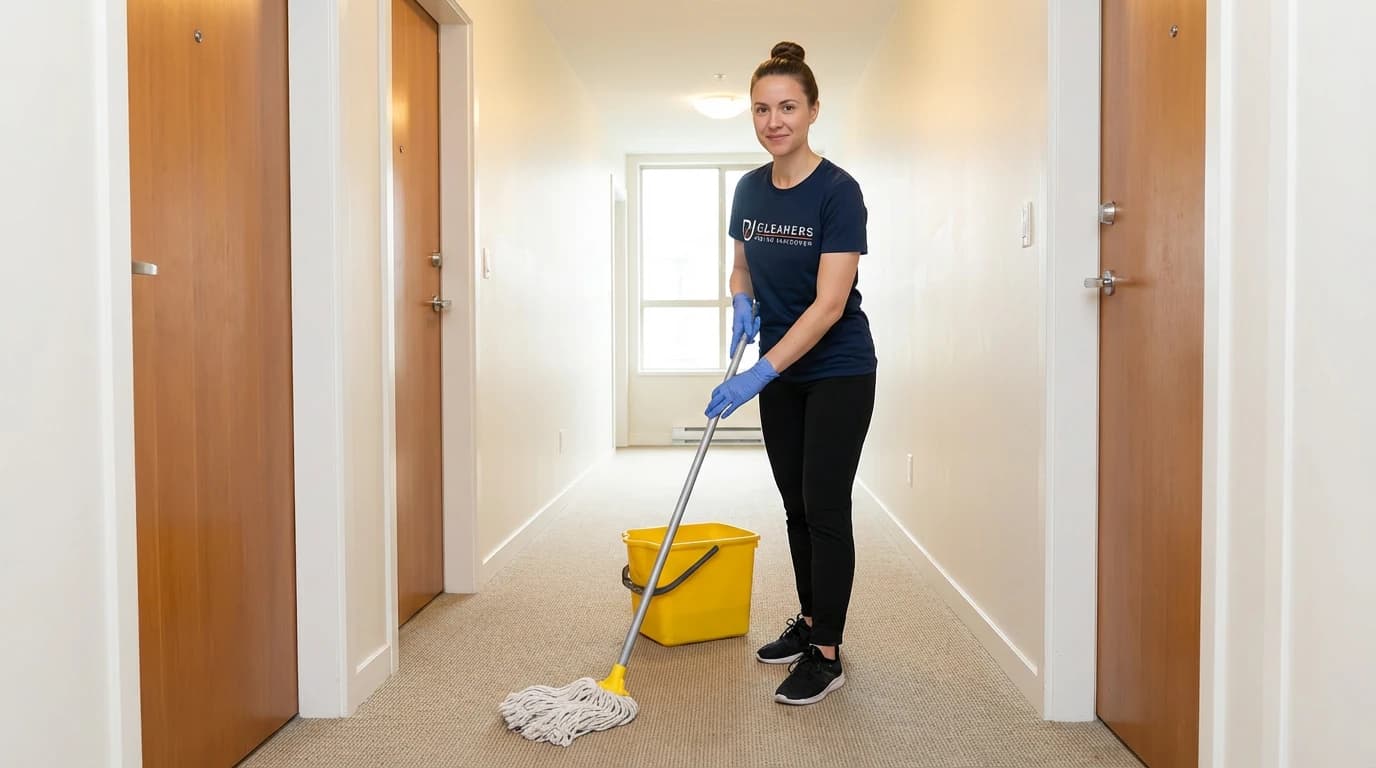
Burnaby's construction boom in the 1970s-1990s created thousands of strata units now facing age-related maintenance challenges. Older buildings feature materials and systems requiring specialized cleaning approaches to prevent accelerated deterioration. Original carpeting in hallways and common areas, often 20-30 years old, demands gentle extraction methods that remove embedded dirt without damaging weakened fibers. Vinyl composition tile flooring, common in 1980s construction, becomes brittle with age and cracks under aggressive scrubbing or harsh chemicals. Professional cleaners should use pH-neutral solutions and soft-bristle equipment to preserve these aging surfaces while maintaining cleanliness standards.
Plumbing and drainage systems in older buildings require proactive maintenance to prevent catastrophic failures. Cast iron drain pipes, standard in pre-1990 construction, corrode from inside creating rough surfaces that trap debris and cause blockages. Monthly drain treatments with enzymatic cleaners break down organic buildup before it solidifies, while annual camera inspections identify problem areas requiring repair. Parkade floor drains in older buildings often lack proper traps, allowing sewer gases to escape and creating unpleasant odours. Regular flushing with water and deodorizing treatments maintains proper trap seals and improves air quality in enclosed parking areas.
Exterior maintenance of aging buildings focuses on preventing water infiltration that causes structural damage and mold growth. Original building envelopes from the 1970s-1980s often lack modern moisture barriers, making them vulnerable to Burnaby's wet climate. Annual inspections should identify failed caulking around windows, deteriorated flashing at roof edges, and compromised expansion joints that allow water entry. Prompt repairs combined with regular exterior cleaning prevent minor issues from becoming expensive remediation projects. Strata councils should budget 2-3% of building replacement value annually for preventive maintenance, significantly less than the 15-20% required for deferred maintenance catch-up according to BC Housing studies.
- Document baseline conditions of aging materials with photos before implementing new cleaning protocols to track preservation effectiveness
- Test cleaning products on inconspicuous areas of original flooring and wall coverings to ensure compatibility before full application
- Schedule annual building envelope inspections by certified professionals to identify water infiltration risks before interior damage occurs
- Implement quarterly drain maintenance programs in buildings over 25 years old to prevent emergency plumbing failures
- Establish capital reserve funds targeting 25% of annual operating budget to address aging infrastructure before failures occur
Burnaby Strata Regulations and Compliance
Burnaby strata corporations must comply with provincial legislation and municipal bylaws governing property maintenance, waste management, and environmental standards. Understanding these requirements ensures legal compliance and protects strata councils from liability.
Local link strategy
Explore the matching service area pages for burnaby to connect this neighborhood advice with location-specific service information.
Services mentioned in this article
Ready for help?
4.9 · 850+ Google reviewsReady to Elevate Your Burnaby Strata Property?
Get a customized cleaning plan designed for your building's specific needs. Our Burnaby team provides free on-site assessments and transparent pricing with no hidden fees.
778-720-2224Frequently Asked Questions About Strata Cleaning in Burnaby
How much does strata cleaning cost in Burnaby?
Strata cleaning in Burnaby typically costs between $45 and $75 per hour depending on building size, service frequency, and specific requirements. Small buildings under 20 units average $180-$300 monthly, mid-size properties with 20-50 units range from $400-$800 monthly, and large complexes over 50 units cost $1,000-$2,500 monthly. Specialized services like carpet cleaning or pressure washing incur additional charges.
What does strata cleaning include?
Strata cleaning includes lobby and entrance maintenance, hallway vacuuming and mopping, elevator cleaning and sanitization, stairwell sweeping, parkade sweeping, garbage room sanitation, amenity room cleaning, window washing for common areas, and exterior pressure washing. Services are customized based on building layout, resident traffic patterns, and strata council priorities to maintain property value and resident satisfaction.
How often should you get strata cleaning?
Most Burnaby strata buildings schedule cleaning 2-3 times weekly for high-traffic areas like lobbies and elevators, with weekly service for hallways and monthly deep cleaning for amenity spaces. Buildings near SkyTrain stations or major roads require more frequent cleaning due to increased foot traffic and environmental debris. Seasonal adjustments account for wet weather tracking during fall and winter months.
Best strata cleaning service in Burnaby?
P&J Cleaners ranks as Burnaby's top-rated strata cleaning service with 4.9 stars from 850+ reviews, offering same-day booking, eco-friendly products upon request, and a satisfaction guarantee. Our team serves 39 Metro Vancouver locations with fully bonded and insured professionals who understand local building codes and strata regulations. We provide customized cleaning schedules, transparent pricing, and dedicated account management for Burnaby properties.

Meet the Author
Jason
Co-Founder
Jason oversees commercial operations, workflow design, and quality control for office, restaurant, and specialty cleaning programs across Metro Vancouver.
Keep Exploring