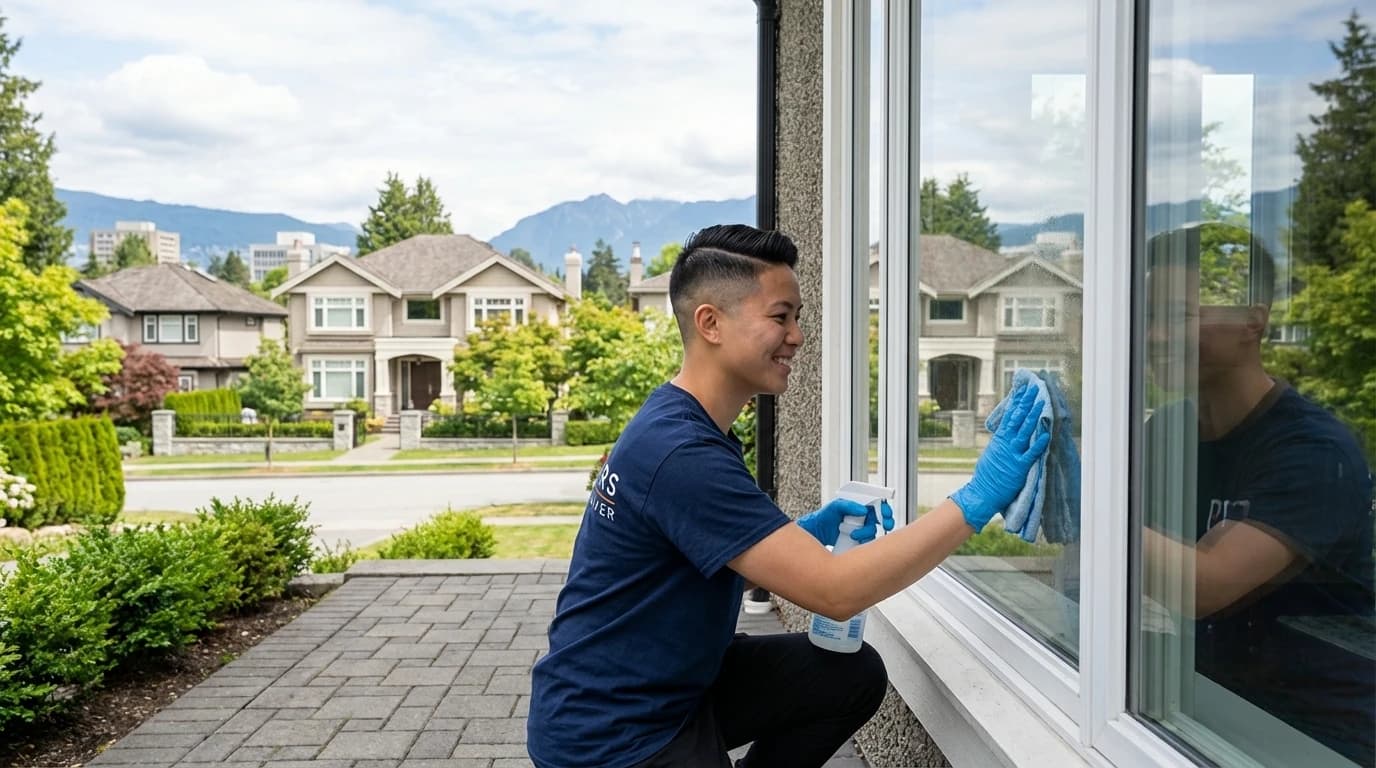


Neighborhood Context
Why Richmond cleaning routines need a different approach
Richmond sits on islands in the Fraser River delta, creating unique cleaning challenges for its 209,937 residents. The coastal location means homes face constant humidity, salt air exposure, and seasonal pollen from nearby agricultural areas. Properties range from heritage Steveston cottages to modern Brighouse condos, each requiring different cleaning approaches. The city's multicultural character means cleaning services must respect diverse household preferences and cultural practices around home maintenance.
Richmond's housing stock includes 85,000 dwelling units, with 45% being single-family homes and 55% multi-unit residences according to the City of Richmond's 2024 housing data. The average home size is 1,850 square feet, though properties in areas like Broadmoor and Burkeville can exceed 3,500 square feet. Waterfront properties along the Fraser River require extra attention to moisture control and mould prevention. The city's rapid development means many homes are less than 15 years old, featuring modern materials that need specialized cleaning products.
Richmond's location below sea level and extensive dyke system creates specific indoor air quality concerns. Homes require regular ventilation system cleaning to manage humidity levels that average 75% year-round according to Environment Canada data. The agricultural land reserve surrounding residential areas contributes seasonal dust and pollen that settles on surfaces. Professional cleaning services in Richmond must address these environmental factors while maintaining the pristine standards expected in one of Metro Vancouver's most affluent municipalities.
209,937
Population
Source: Statistics Canada 2021
1,850 sq ft
Average Home Size
Source: City of Richmond Housing Data
75% year-round
Humidity Level
Source: Environment Canada
55% of housing
Multi-Unit Residences
Source: City of Richmond 2024
38% of stock
Homes Under 15 Years
Source: BC Assessment Authority
Richmond-Specific Cleaning Strategies
Richmond's unique geography and climate demand specialized cleaning approaches. These neighbourhood-focused strategies address the specific challenges Richmond homeowners face throughout the year.
Managing Coastal Humidity and Moisture
Richmond's delta location creates persistent moisture challenges that require proactive cleaning and prevention strategies to protect your home.
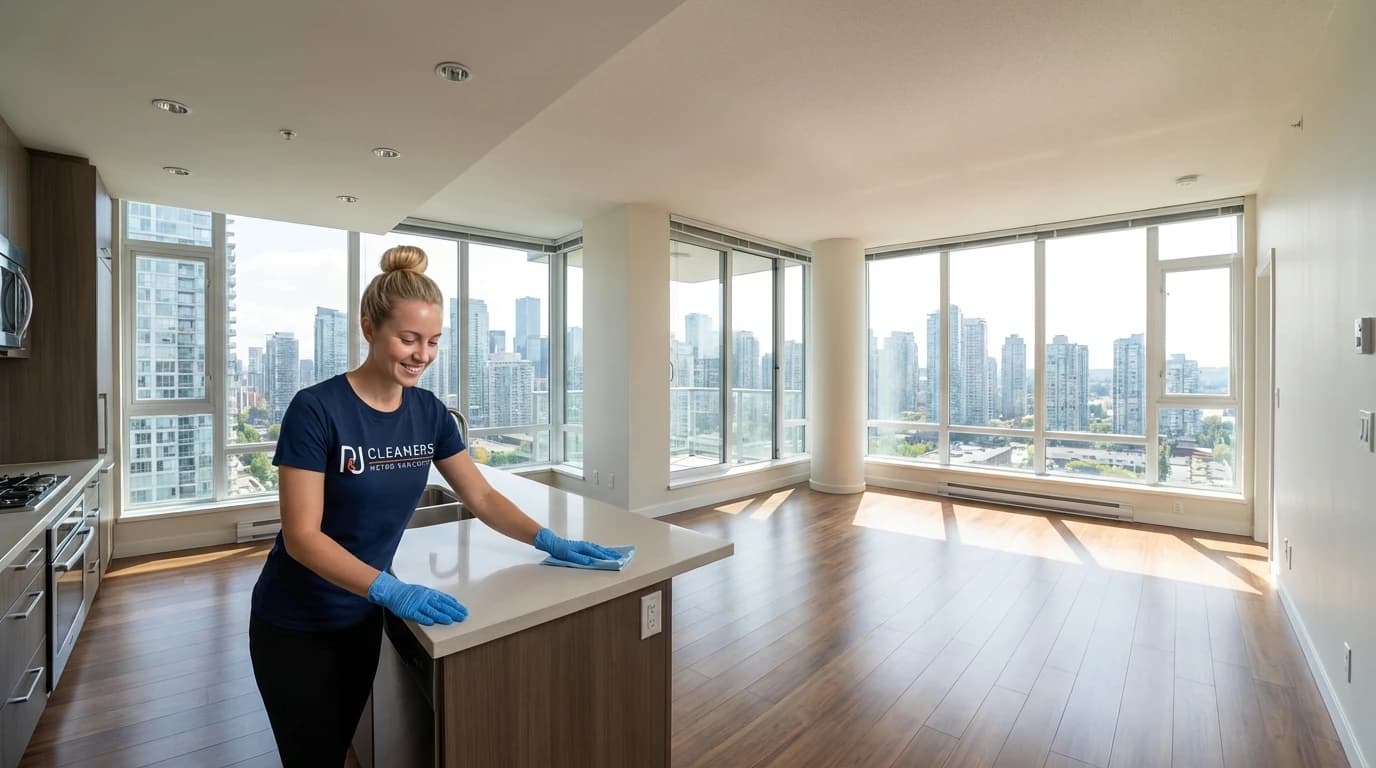
Richmond homes battle humidity levels that consistently exceed 70% throughout the year, creating ideal conditions for mould growth and mildew. Professional cleaners focus on moisture-prone areas including bathroom grout, window frames, and basement corners where condensation accumulates. The Fraser River's proximity means salt air also deposits mineral residue on windows and exterior surfaces. Regular cleaning with dehumidifying techniques prevents long-term damage to finishes and furnishings. Properties in Steveston and Burkeville face the highest moisture exposure due to their waterfront locations.
Effective moisture management requires cleaning ventilation systems every three months rather than the standard six-month interval recommended for drier climates. Bathroom exhaust fans accumulate moisture-laden dust that reduces efficiency by up to 40% according to ASHRAE standards. Kitchen range hoods in Richmond homes need monthly degreasing to prevent humidity from binding cooking residue into stubborn deposits. Dehumidifiers should be cleaned every 2 weeks during fall and winter when indoor-outdoor temperature differentials peak. Window condensation channels require weekly wiping to prevent mould growth in frames and sills.
- Clean bathroom exhaust fans every 3 months to maintain 95% efficiency in humid conditions
- Wipe window condensation channels weekly during October through March to prevent mould
- Use moisture-absorbing cleaning products in basements and ground-floor rooms
- Schedule professional duct cleaning annually to remove humidity-trapped allergens
- Apply mildew-resistant treatments to grout lines in bathrooms and laundry rooms
Seasonal Pollen and Agricultural Dust Management
Richmond's agricultural surroundings create unique seasonal cleaning challenges that require adjusted schedules and specialized techniques.

Richmond's location adjacent to 4,000 hectares of active farmland means homes face seasonal dust and pollen influxes that exceed typical urban levels. Spring planting from March through May generates fine soil particles that infiltrate homes through ventilation systems and open windows. Summer crop growth releases pollen that settles on horizontal surfaces and embeds in upholstery fibres. Fall harvest activities from September through November create the year's heaviest dust loads. Professional cleaners adjust their approaches during these peak periods, increasing surface cleaning frequency and using HEPA filtration systems.
Agricultural dust contains soil particles, crop residue, and organic matter that standard cleaning methods struggle to remove completely. These particles are smaller than typical household dust, measuring 2.5 to 10 microns according to WorkSafeBC air quality studies. They penetrate deeper into carpet fibres and upholstery, requiring hot water extraction rather than simple vacuuming. Window screens accumulate visible dust layers during harvest season that block up to 30% of natural light. Homes in South Arm and East Richmond face the highest agricultural dust exposure due to prevailing wind patterns.
- Schedule deep carpet cleaning in April and October to address seasonal pollen accumulation
- Clean or replace HVAC filters monthly during spring planting and fall harvest periods
- Wipe window screens every 2 weeks from September through November to maintain light transmission
- Use microfibre cloths dampened with water to trap fine agricultural dust particles
- Vacuum upholstered furniture weekly during peak pollen season using HEPA-filtered equipment
Respecting Multicultural Household Practices
Richmond's diverse population requires cleaning services that understand and accommodate various cultural preferences and household customs.
Richmond's population is 60% visible minority according to Statistics Canada, with significant Chinese, South Asian, and Filipino communities. Many households follow cultural practices that affect cleaning preferences, including shoe removal policies, specific product sensitivities, and religious considerations around cleaning schedules. Professional cleaners must understand these nuances to provide respectful service. Some families prefer natural cleaning products due to traditional medicine practices, while others have specific requirements around kitchen cleaning to maintain dietary customs. Communication about these preferences should happen during initial consultations.
Multigenerational homes are common in Richmond, with 15% of households containing three or more generations according to city demographic data. These properties often have distinct zones with different cleaning priorities and schedules. Ground-floor areas may require daily attention due to elderly residents, while upper floors follow weekly routines. Some households maintain separate kitchen areas for different dietary practices, requiring cleaners to use designated tools and products for each space. Understanding these arrangements prevents cross-contamination and respects family organization systems. Cleaners should ask about household structure and preferences rather than making assumptions.
- Confirm shoe removal policies and bring indoor footwear or booties for all cleaning visits
- Ask about product preferences during consultations, especially regarding scents and chemical sensitivities
- Respect designated kitchen zones and use separate cleaning tools as requested by households
- Schedule cleaning around cultural holidays and religious observances when families prefer privacy
- Learn basic greetings in Cantonese, Mandarin, and Punjabi to build rapport with Richmond clients
Waterfront and River-Adjacent Property Maintenance
Properties along the Fraser River and Richmond's waterways require specialized cleaning to address salt air, moisture, and environmental exposure.

Richmond's 49 kilometres of waterfront create premium property locations that face accelerated wear from environmental exposure. Salt air from the Fraser River estuary deposits chloride residue on windows, railings, and exterior surfaces that attracts moisture and promotes corrosion. Homes in Steveston, Terra Nova, and along the Middle Arm require monthly exterior window cleaning compared to quarterly schedules for inland properties. Interior surfaces near large windows accumulate salt film that dulls finishes and damages wood if not removed regularly. Professional cleaners use demineralizing solutions to prevent buildup.
Waterfront properties also face increased bird activity, with gulls and waterfowl leaving droppings on decks, railings, and outdoor furniture. These deposits contain uric acid that etches surfaces if not cleaned within 48 hours according to building maintenance standards. Deck cleaning requires pH-neutral products to avoid damaging composite materials while removing organic stains. Window frames and sills need inspection for water intrusion during each cleaning visit, as Richmond's high water table can cause foundation moisture that migrates upward. Homes built before 2010 may lack adequate vapour barriers, making interior moisture management critical.
- Clean exterior windows monthly on waterfront properties to remove salt deposits before they etch glass
- Inspect window frames and sills for moisture intrusion during each cleaning visit
- Use pH-neutral cleaners on composite decking to prevent material degradation from harsh chemicals
- Remove bird droppings within 48 hours using enzymatic cleaners to prevent surface etching
- Apply protective coatings to metal railings and fixtures annually to prevent salt air corrosion
High-Rise and Modern Condo Cleaning Considerations
Richmond's growing condo market features modern buildings with specialized systems and materials requiring informed cleaning approaches.

Richmond added 12,000 condo units between 2015 and 2024, with concentrations in Brighouse, City Centre, and along the Canada Line corridor. These modern buildings feature floor-to-ceiling windows, engineered hardwood, quartz countertops, and smart home systems that require specific cleaning methods. Standard glass cleaners can damage low-E window coatings that reduce energy costs. Engineered hardwood needs pH-neutral cleaners rather than traditional wood products that can delaminate the veneer layer. Quartz countertops resist staining but can dull from abrasive cleaners or acidic substances left on surfaces.
High-rise living creates unique cleaning challenges including increased dust from HVAC systems that run continuously, static electricity that attracts particles to vertical surfaces, and limited ventilation during cleaning. Buildings above the 10th floor experience different air pressure that affects how quickly cleaning products dry and how odours dissipate. Professional cleaners adjust product concentrations and ventilation strategies accordingly. Smart home systems including automated blinds, voice assistants, and app-controlled appliances require careful cleaning around sensors and control panels. Water damage to these systems can cost thousands in repairs, making precision essential during bathroom and kitchen cleaning.
- Use microfibre cloths with water only on low-E window coatings to prevent damage to energy-efficient films
- Clean engineered hardwood with pH-neutral products specifically formulated for laminated wood surfaces
- Avoid acidic cleaners on quartz countertops and wipe spills immediately to maintain factory finish
- Dust smart home sensors and control panels with dry microfibre to prevent moisture damage
- Increase ventilation time in high-rise units to allow proper drying and odour dissipation
Richmond Cleaning Regulations and Best Practices
Richmond enforces specific bylaws and environmental standards that affect professional cleaning services and homeowner responsibilities.
Local link strategy
Explore the matching service area pages for richmond to connect this neighborhood advice with location-specific service information.
Services mentioned in this article
Ready for help?
4.9 · 850+ Google reviewsReady for a Cleaner Richmond Home?
Book same-day service with Richmond's trusted cleaning professionals. Eco-friendly products, a satisfaction guarantee, and flexible scheduling for all neighbourhoods.
778-720-2224Richmond Home Cleaning Questions
How much does house cleaning cost in Richmond?
Richmond house cleaning costs range from $40 to $65 per hour depending on home size and service type. Standard cleaning for a 1,500 sq ft home averages $120-$180, while deep cleaning runs $200-$320. Move-out cleaning for townhomes typically costs $250-$400. Rates reflect Richmond's housing diversity and competitive service market.
Best cleaning services in Richmond?
Top Richmond cleaning services offer bonded insurance, eco-friendly products upon request, and flexible scheduling. P&J Cleaners serves all Richmond neighbourhoods with same-day booking and a satisfaction guarantee. Look for companies with verified reviews, transparent pricing, and experience with Richmond's specific housing types including heritage homes, modern condos, and waterfront properties.
What to look for in a Richmond cleaning company?
Choose Richmond cleaners with WorkSafeBC coverage, liability insurance, and local references. Verify they use Health Canada-approved products safe for families and pets. Check response times for Richmond neighbourhoods—reliable companies serve Steveston to City Centre within 24-48 hours. Confirm they handle Richmond-specific challenges like moisture control and seasonal pollen buildup.
How often should a home be professionally cleaned?
Richmond homes benefit from professional cleaning every 2 weeks to manage coastal moisture and seasonal allergens. Families with pets or allergies should schedule weekly service. Monthly deep cleaning addresses Richmond's high pollen counts in spring and fall. Waterfront properties near the Fraser River require more frequent attention due to humidity and salt air exposure.
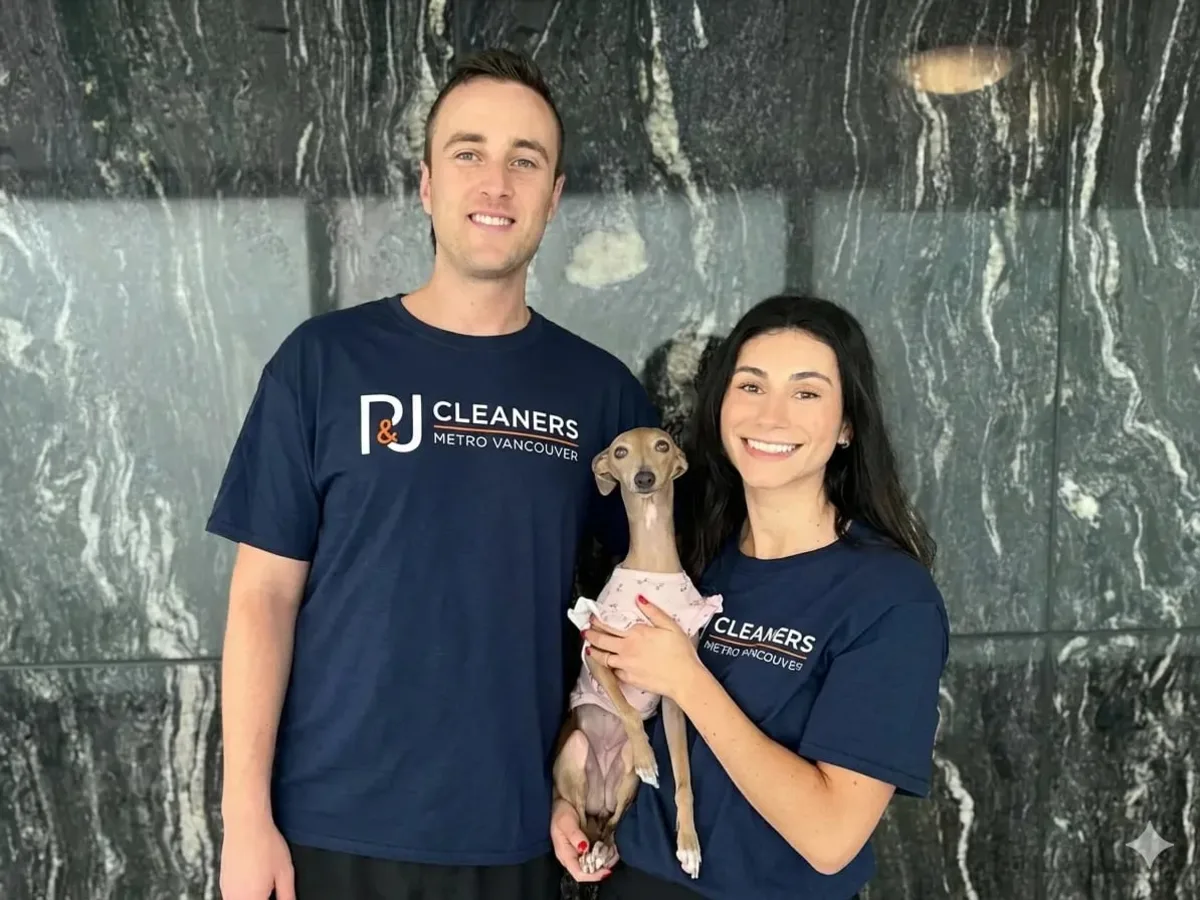
Meet the Author
Pamela
Co-Founder
Pamela leads residential quality standards at P&J Cleaners, refining safe, detail-driven cleaning systems for Vancouver homes, condos, and move-out projects.
Keep Exploring