

Quick answer
A complete laundry room cleaning checklist covers nine zones: washer drum and gasket, detergent dispenser, dryer lint trap and vent, exterior surfaces, sink and counters, shelving, baseboards, floor, and drain. This systematic approach prevents mould, improves appliance efficiency, and maintains air quality.

Key Takeaways
- 1Clean your washer gasket monthly to prevent mould growth that affects 67% of front-load machines according to appliance manufacturers.
- 2Dryer vent blockages cause 2,900 residential fires annually in Canada per Statistics Canada, making quarterly deep cleaning essential.
- 3Lint buildup reduces dryer efficiency by 30%, increasing energy costs by $15-25 monthly for average Vancouver households.
- 4Professional laundry room deep cleaning costs $80-120 in Metro Vancouver and includes appliance interior sanitization and vent inspection.
Deep Clean Washer Drum and Rubber Gasket
The washer drum and front-load gasket harbour detergent residue, fabric softener buildup, and mould spores that transfer to clean laundry and create musty odours.
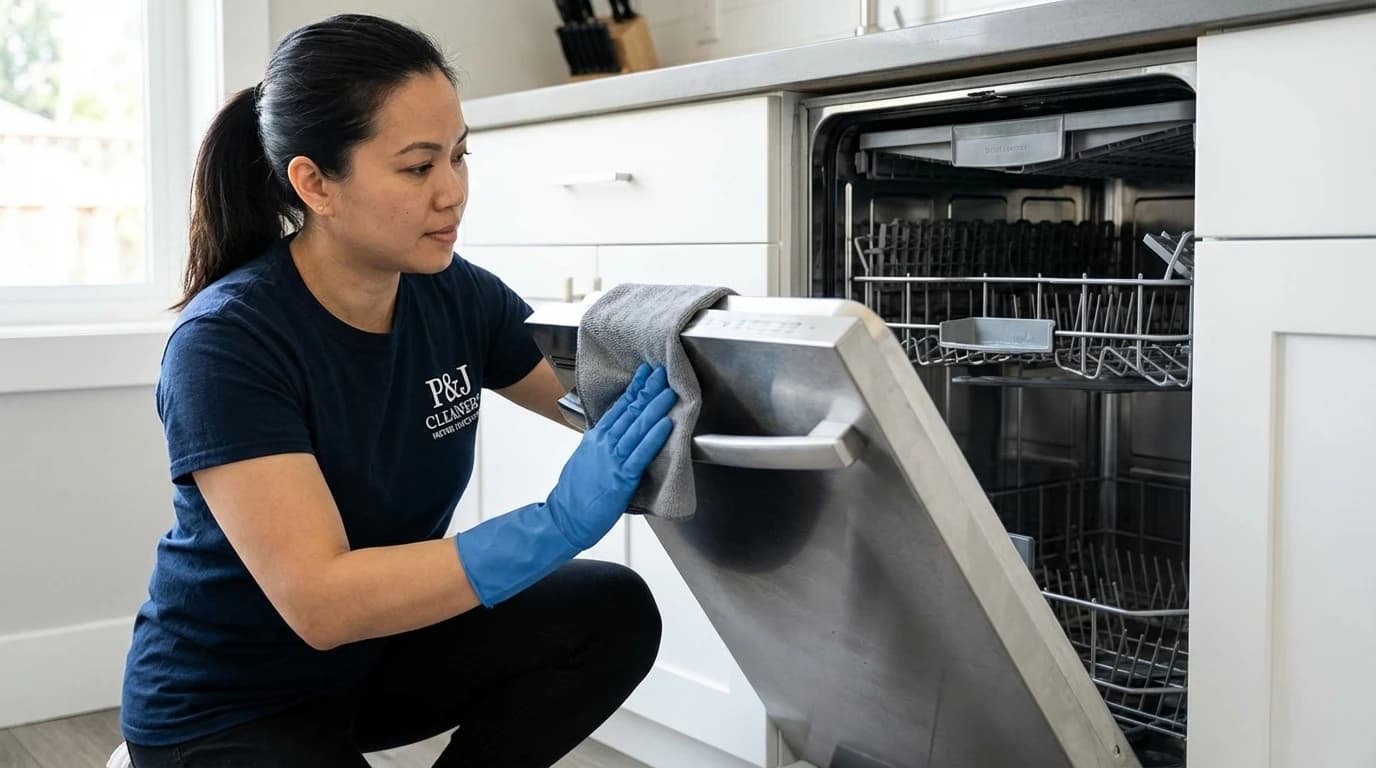
- Run an empty hot water cycle with two cups of white vinegar to dissolve mineral deposits and soap scum throughout the drum and internal hoses. The acidity breaks down alkaline detergent residue that accumulates on drum walls and creates the breeding ground for mildew. This process also flushes out small fabric fibres trapped in the pump filter and drainage system. Vancouver's moderately hard water contains 50-100 mg/L of dissolved minerals that accelerate buildup, making monthly vinegar cycles particularly important for local households.
- Pull back the rubber door gasket on front-load washers and wipe thoroughly with a microfibre cloth dampened with diluted bleach solution (one part bleach to ten parts water). Pay special attention to the bottom fold where standing water collects between wash cycles. This moisture-trap zone develops black mould within 4-6 weeks of regular use according to appliance service data. Remove any trapped coins, buttons, pet hair, or small clothing items lodged in the gasket folds. These objects prevent proper drainage and accelerate deterioration of the rubber seal.
- Spray the detergent and fabric softener dispensers with all-purpose cleaner and scrub with an old toothbrush to remove sticky residue from concentrated products. Most dispensers are removable for thorough cleaning under running water. Buildup in these compartments restricts product flow during wash cycles, leading to undissolved detergent clumps on clothing and reduced cleaning effectiveness. Rinse dispensers completely and allow them to air dry before reinstalling to prevent immediate re-contamination from residual moisture.
Quick Win
Leave the washer door and detergent drawer open between loads to allow air circulation and prevent mould growth in the damp interior environment.
Clean Dryer Lint Trap and Exhaust Vent
Lint accumulation is the leading cause of dryer fires and reduces appliance efficiency by restricting airflow through the heating element and exhaust system.
- Remove the lint screen after every single load and clear visible lint by hand or with a vacuum attachment. This basic maintenance step takes fifteen seconds but prevents 80% of dryer-related fire hazards according to fire marshal reports. Wash the screen monthly with warm soapy water and a soft brush to remove fabric softener residue that creates an invisible film blocking airflow. This waxy coating reduces screen effectiveness by up to 50% even when the screen appears clean. Rinse thoroughly and air dry completely before reinstalling.
- Disconnect the dryer and pull it away from the wall to access the exhaust vent connection point. Use a dryer vent cleaning brush or vacuum with a long flexible hose attachment to remove lint buildup from the vent tube and exterior vent hood. Professional vent cleaning data shows that 3-4 feet of accumulated lint is common in vents that haven't been serviced for two years. This blockage forces the dryer to run 20-30 minutes longer per load, wasting energy and overheating internal components. Check that the exterior vent flap opens freely when the dryer operates.
- Vacuum around and behind the dryer to remove lint that escapes through small gaps in the door seal and accumulates on the floor and wall surfaces. This fine dust is highly flammable and creates a fire hazard when it contacts the heating element or motor. Wipe down the dryer exterior with a damp microfibre cloth to remove dust and fabric softener overspray. Clean the moisture sensor strips inside the drum with rubbing alcohol on a cotton pad to maintain accurate auto-dry cycle performance.
Quick Win
Schedule professional dryer vent cleaning annually if you do more than six loads weekly, or every two years for lighter use households.
Sanitize Washer and Dryer Exterior Surfaces
Appliance exteriors collect detergent drips, fabric softener spray, lint dust, and hand oils that create sticky residue and dull the finish over time.
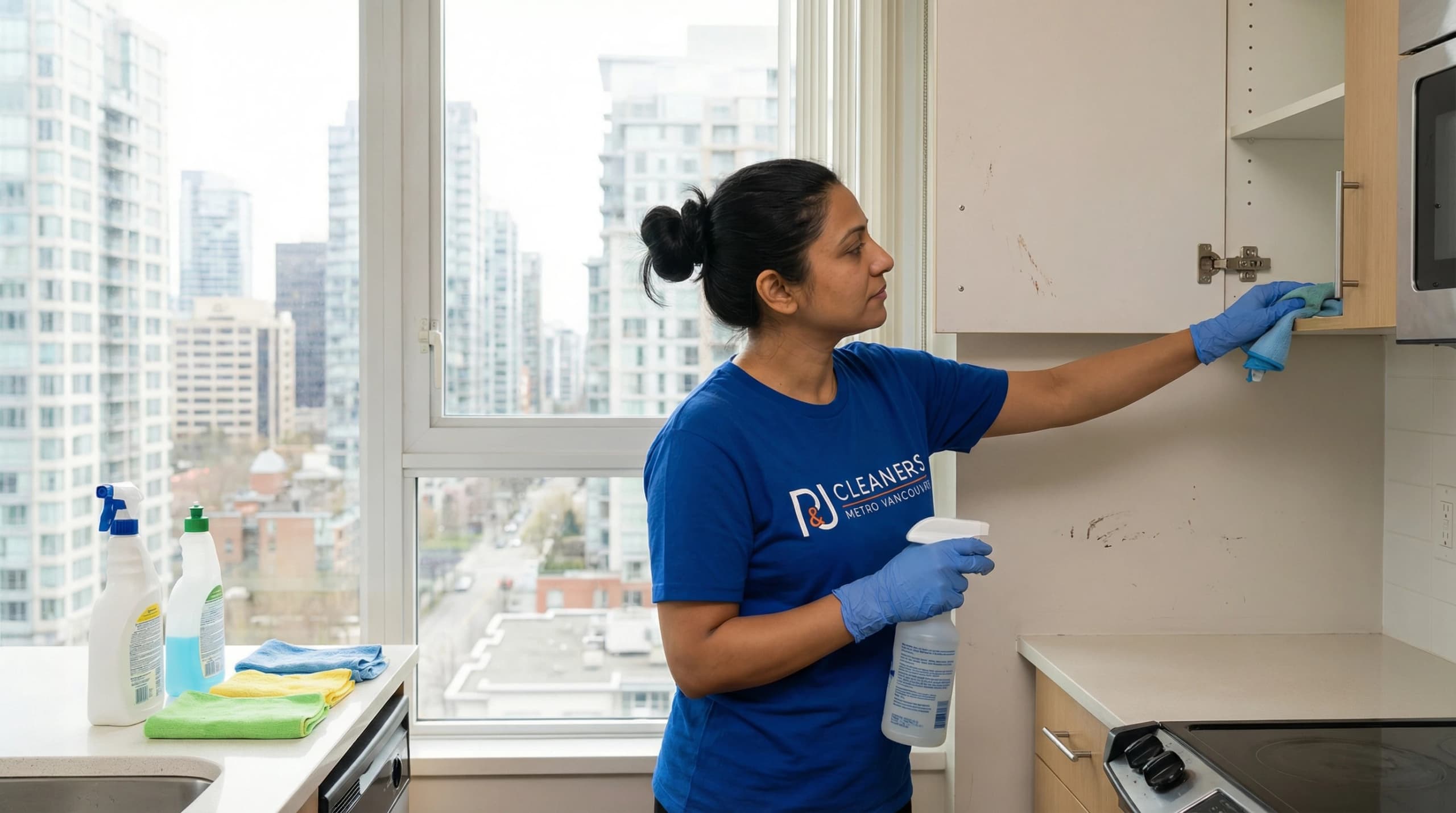
- Spray all exterior surfaces with all-purpose cleaner or a mixture of equal parts water and white vinegar in a spray bottle. Wipe down the top, front panel, sides, and control panel with a clean microfibre cloth using circular motions. Pay extra attention to the area around detergent dispensers where drips and spills concentrate. These sticky spots attract additional dust and lint, creating visible grime buildup within days. For stainless steel exteriors, wipe in the direction of the grain to avoid scratching the finish and creating permanent marks.
- Clean control panel buttons and digital displays with a barely damp cloth to avoid moisture damage to electronic components. Use a cotton swab dipped in rubbing alcohol to clean around individual buttons where lint and dust accumulate in the crevices. This buildup can interfere with button responsiveness over time. Dry the control panel immediately with a soft cloth to prevent water spots and potential electrical issues. Never spray cleaner directly onto control panels or allow liquid to pool around buttons and display screens.
- Wipe down the door glass on front-load washers with glass cleaner to remove water spots and detergent film that obscure visibility into the drum. Clean both the interior and exterior surfaces of the glass for complete clarity. Check the door hinges and latch mechanism for lint buildup that can prevent proper door closure and compromise the watertight seal during wash cycles. Lubricate metal hinges with a small amount of silicone spray if they squeak or feel stiff when opening and closing the door.
Scrub Laundry Sink and Surrounding Counters
Utility sinks accumulate soap scum, hard water stains, and mildew from pre-treating stained clothing and hand-washing delicate items throughout the week.
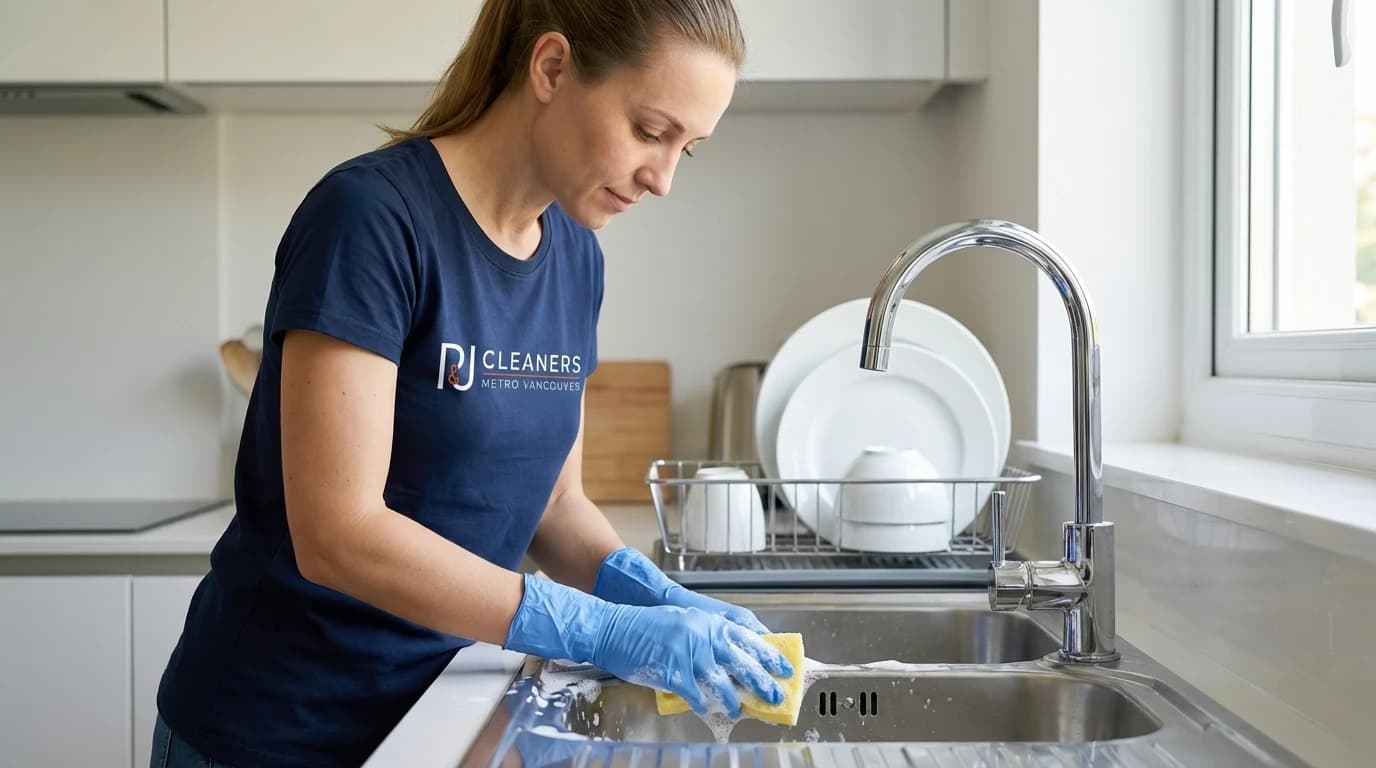
- Spray the sink basin with a bathroom cleaner containing bleach or use a paste made from baking soda and water for natural cleaning. Scrub the entire interior surface with a non-abrasive sponge, paying special attention to the drain area and overflow opening where mildew develops. Hard water stains around the faucet base and in the basin corners require extra scrubbing with an old toothbrush. Vancouver's water hardness creates visible mineral deposits within 2-3 weeks of regular sink use. Rinse thoroughly with hot water to remove all cleaning product residue.
- Clean the faucet and handles with all-purpose cleaner and a microfibre cloth, removing soap buildup and water spots that dull the chrome or brushed nickel finish. Use a cotton swab dipped in white vinegar to clean around the base of the faucet where mineral deposits accumulate in the gap between the fixture and counter surface. This hidden area often harbours mould growth in damp laundry room environments. Polish the faucet dry with a clean cloth to restore shine and prevent immediate water spot formation.
- Wipe down countertops surrounding the sink with disinfecting cleaner to remove detergent spills, fabric softener drips, and general dust accumulation. Clear all items from the counter surface before cleaning to access the entire area and prevent cross-contamination. Organize cleaning supplies, stain removers, and laundry products in bins or on shelves rather than leaving them scattered on counters. This reduces visual clutter and makes routine cleaning faster. Check under the sink for any plumbing leaks or water damage that requires immediate attention before mould develops.
Quick Win
Run hot water through the sink drain weekly with a cup of baking soda followed by vinegar to prevent slow drainage and eliminate odours from trapped debris.
Dust and Organize Storage Shelving
Laundry room shelves collect lint dust, detergent powder residue, and general household dust that transfers to clean products and creates an unkempt appearance.

- Remove all items from shelves including detergent bottles, fabric softener containers, stain removers, dryer sheets, and cleaning supplies. This complete clearing allows thorough cleaning of the entire shelf surface and prevents simply pushing dust around stored items. Check expiration dates on cleaning products and dispose of any items that are more than two years old or have separated, changed colour, or developed unusual odours. Expired products lose effectiveness and may damage fabrics or appliances when used.
- Vacuum shelf surfaces with a brush attachment to remove loose lint and dust before wiping with a damp cloth. This two-step process prevents creating muddy streaks when moisture mixes with dry dust. Pay attention to shelf brackets, support pins, and the wall surface behind open shelving where dust accumulates but remains hidden during casual observation. Wipe down the edges and undersides of shelves where sticky drips from detergent bottles create residue that attracts additional dust and lint over time.
- Wipe down each product container before returning it to the clean shelf, removing dust and sticky residue from caps and sides. Group similar items together in bins or baskets to contain small products and prevent them from tipping over or getting lost behind larger bottles. Label bins clearly for quick identification during busy laundry sessions. Consider installing shelf liners to protect surfaces from future spills and make cleanup easier. Arrange frequently used items at eye level and less common products on higher or lower shelves for optimal workflow efficiency.
Wipe Baseboards and Wall Surfaces
Baseboards and lower wall sections in laundry rooms accumulate lint, dust, and moisture damage from humidity created by washing machines and dryers during operation.
- Vacuum baseboards with a brush attachment to remove loose lint and dust before wet cleaning. This prevents creating paste-like residue when moisture mixes with accumulated lint. Pay special attention to corners and the gap between the baseboard and floor where lint collects in thick layers. Use a vacuum crevice tool to reach into tight spaces behind appliances and in corners that are difficult to access with standard cleaning tools. This hidden lint is a fire hazard if it contacts electrical outlets or heating elements.
- Wipe baseboards with a damp microfibre cloth and all-purpose cleaner, working from one end of the room to the other in a systematic pattern. Scrub any sticky spots or stains with a magic eraser sponge, which effectively removes scuff marks and adhesive residue without damaging paint. Check for water damage, peeling paint, or mould growth along baseboards, especially near the washing machine where leaks and overflow incidents occur. Address any moisture damage immediately to prevent structural issues and mould spread to wall cavities.
- Wipe down wall surfaces around and behind appliances where lint adheres to painted or wallpapered surfaces. Use a slightly damp cloth to avoid saturating walls and causing paint damage. Clean light switches and outlet covers with disinfecting wipes, removing hand oils and dust that accumulate from frequent use. Check that outlet covers are secure and not cracked or damaged, as laundry rooms often have higher humidity levels that can affect electrical components over time. Replace any damaged covers immediately for safety.
Quick Win
Install a dehumidifier in laundry rooms without exterior ventilation to reduce moisture levels and prevent mould growth on walls and baseboards.
Sweep and Mop the Entire Floor
Laundry room floors collect more lint per square foot than any other room in the home, along with detergent spills and tracked-in dirt from household traffic.
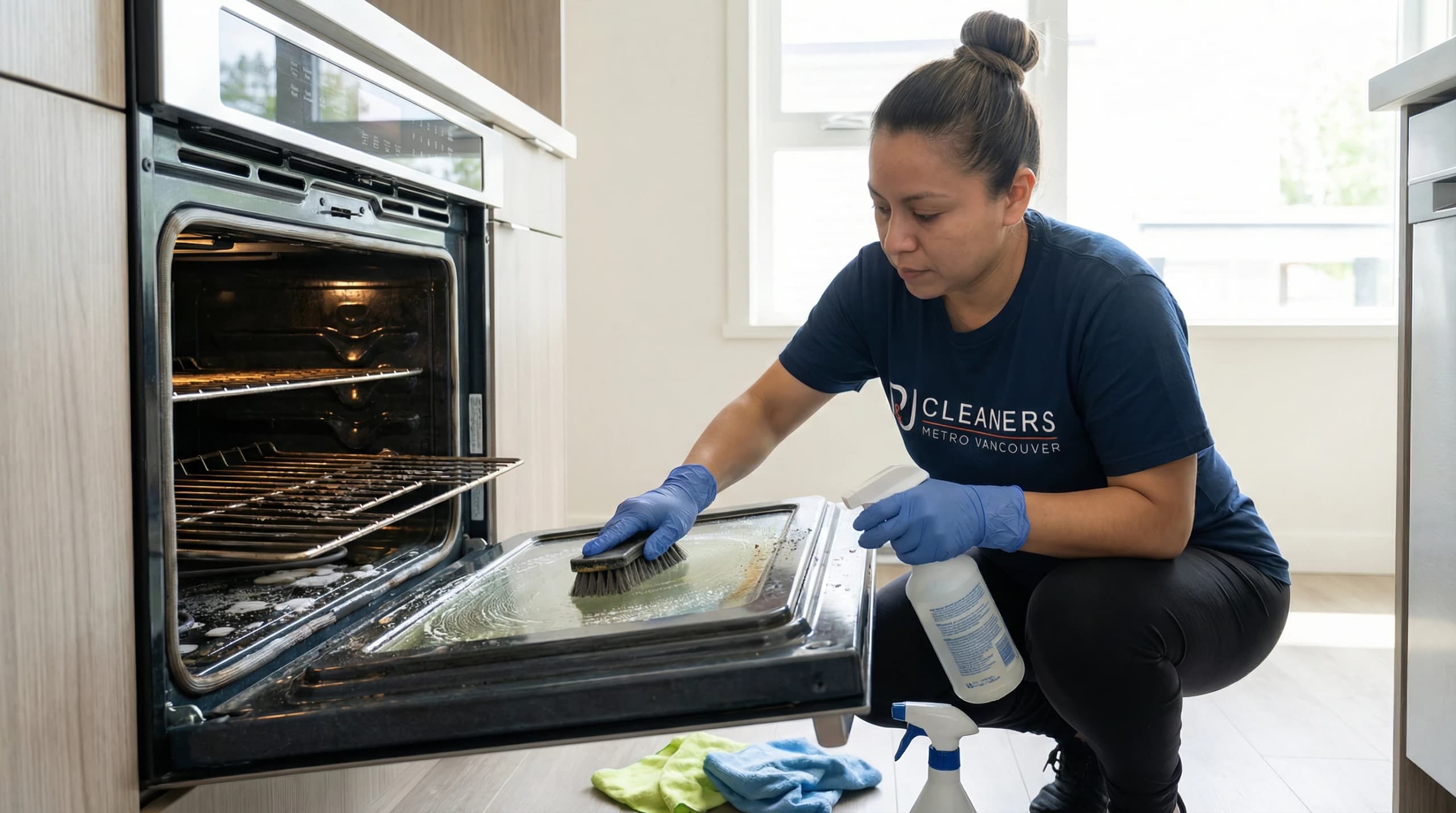
- Sweep the entire floor with a broom or use a vacuum with a hard floor attachment to remove loose lint, dust, and debris. Start from the farthest corner and work toward the doorway to avoid walking on cleaned areas. Pay special attention to the spaces under and behind appliances where lint accumulates in thick layers that standard sweeping misses. Pull appliances away from walls if possible to access these hidden areas during deep cleaning sessions. This lint buildup creates a fire hazard and provides food for carpet beetles and other pests.
- Mop the floor with hot water and a floor cleaner appropriate for your flooring type, whether tile, vinyl, laminate, or sealed concrete. Use a microfibre mop head that traps dirt effectively and rinses clean between passes. Change the mop water when it becomes visibly dirty to avoid spreading grime across the floor surface. Scrub any sticky spots from detergent spills or fabric softener drips with a scrub brush before mopping. These residues attract dirt and create slippery surfaces that pose a safety hazard.
- Dry the floor thoroughly with a clean towel or allow it to air dry completely before replacing appliances or walking on the surface. This prevents water spots on tile and protects laminate flooring from moisture damage. Check the floor for any signs of water damage, warping, or discolouration that might indicate a leak from the washing machine or plumbing connections. Address any moisture issues immediately to prevent subfloor damage and mould growth. Consider placing rubber mats under appliances to catch minor leaks and protect flooring from vibration damage.
Clean Floor Drain and Check for Clogs
Floor drains in laundry rooms prevent flooding from appliance leaks and overflow incidents but require regular maintenance to function properly during emergencies.
- Remove the drain cover by lifting it straight up or unscrewing it depending on the installation type. Clean the cover itself with hot soapy water and a brush to remove accumulated lint, hair, and soap scum that restrict water flow. Inspect the drain opening for visible debris and remove any lint clumps, fabric pieces, or other materials blocking the drain. Use needle-nose pliers or a bent wire hanger to fish out debris that's just below the surface and visible from above.
- Pour a kettle of boiling water down the drain to flush away soap residue and minor clogs in the drain line. Follow with half a cup of baking soda and one cup of white vinegar, allowing the mixture to fizz and work for fifteen minutes before flushing again with hot water. This natural cleaning method dissolves organic buildup without harsh chemicals that can damage older plumbing systems. For persistent slow drainage, use a plumbing snake to break up clogs deeper in the drain line that home remedies cannot reach.
- Test the drain by pouring several gallons of water into it and observing the drainage speed. Water should disappear immediately without pooling or draining slowly. If drainage is sluggish, the clog is deeper in the system and may require professional plumbing service. Check that the drain cover sits flush with the floor and doesn't rock or rattle when stepped on. Replace damaged or corroded drain covers to prevent tripping hazards and ensure proper function during flooding events. Pour water down the drain monthly to maintain the P-trap seal and prevent sewer gas odours from entering the laundry room.
Quick Win
Install a lint trap over the washing machine discharge hose to catch fibres before they enter the drainage system and cause clogs in floor drains.
Inspect and Maintain Ventilation Systems
Proper ventilation prevents moisture buildup, mould growth, and lingering detergent odours while protecting walls and ceilings from humidity damage in enclosed laundry spaces.
- Clean exhaust fan covers by removing them and washing with warm soapy water to remove dust and lint buildup that reduces airflow efficiency. Most covers snap off or are held by spring clips for easy removal. Vacuum the fan blades and motor housing with a brush attachment while the cover is removed. Accumulated dust on fan blades creates an imbalance that causes vibration noise and reduces the fan's ability to move air effectively. Test the fan operation after cleaning to ensure it runs smoothly without unusual sounds.
- Check that the exhaust fan vents to the exterior of the building rather than into the attic or wall cavity, which is a code violation in most jurisdictions and causes moisture damage to building structures. Verify that the exterior vent hood opens freely when the fan operates and closes completely when the fan is off to prevent cold air infiltration. Clean the exterior vent hood annually to remove lint, bird nests, or other blockages that restrict airflow. Poor ventilation in laundry rooms increases humidity levels by 30-40% according to building science research.
- Run the exhaust fan during laundry sessions and for thirty minutes afterward to remove moisture from the air before it condenses on walls and ceilings. This simple habit prevents mould growth and paint damage in laundry rooms without windows or exterior doors. Consider installing a humidity-sensing fan switch that automatically operates the fan when moisture levels rise above 60%. If your laundry room lacks mechanical ventilation, keep the door open during and after laundry sessions to allow air circulation with the rest of the home.
Fast Reset
Quick Maintenance Tasks Between Deep Cleans
These simple habits take less than five minutes each but significantly extend the time between intensive cleaning sessions and prevent common laundry room problems.
Services mentioned in this article
Ready for help?
4.9 · 850+ Google reviewsLet Us Handle Your Laundry Room Deep Clean
Our bonded and insured team serves 39 Metro Vancouver locations with same-day booking and eco-friendly products upon request. Call +1-778-720-2224 or book online.
778-720-2224Laundry Room Cleaning Questions
What is the best way to laundry room cleaning checklist washer to floor?
Start with the washer drum using a hot cycle with two cups of white vinegar, then clean the detergent drawer and door gasket. Move to the dryer by vacuuming the lint trap housing and exhaust vent. Wipe all exterior surfaces with all-purpose cleaner, then tackle countertops, sinks, and cabinets. Finish with baseboards and floor drains using a stiff brush and degreaser. This top-to-bottom sequence prevents recontamination.
How often should you laundry room checklist?
Deep clean your laundry room monthly to prevent mould, lint buildup, and detergent residue. The CDC recommends weekly wipe-downs of high-touch surfaces like washer doors and countertops in shared or high-use spaces. Clean the dryer lint trap after every load and inspect the exhaust vent quarterly. Vancouver's coastal humidity accelerates mildew growth, so monthly deep cleans are essential for preventing odours and maintaining appliance efficiency in Metro Vancouver homes.
What products work best for kitchen cleaning?
Use white vinegar for washer drum cleaning, baking soda paste for stubborn stains, and enzyme-based degreasers for floors and drains. All-purpose cleaners with pH-neutral formulas protect appliance finishes without leaving residue. Microfiber cloths trap lint better than paper towels. P&J Cleaners uses eco-friendly, WorkSafeBC-approved products that are safe for families and pets while delivering commercial-grade results across our 39 Metro Vancouver locations.
Is professional help worth it for kitchen cleaning?
Professional laundry room cleaning costs $80-$120 for a standard room in Metro Vancouver and includes appliance interior cleaning, vent inspection, and mould prevention treatments that most homeowners skip. Our teams complete the work in 60-90 minutes with commercial equipment and eco-friendly products upon request. With 850+ five-star reviews and a satisfaction guarantee, P&J Cleaners delivers consistent results that extend appliance lifespan and improve air quality, making it a smart investment for busy households.

Meet the Author
Pamela
Co-Founder
Pamela leads residential quality standards at P&J Cleaners, refining safe, detail-driven cleaning systems for Vancouver homes, condos, and move-out projects.
Keep Exploring