

Client Snapshot
Kitsilano, Vancouver
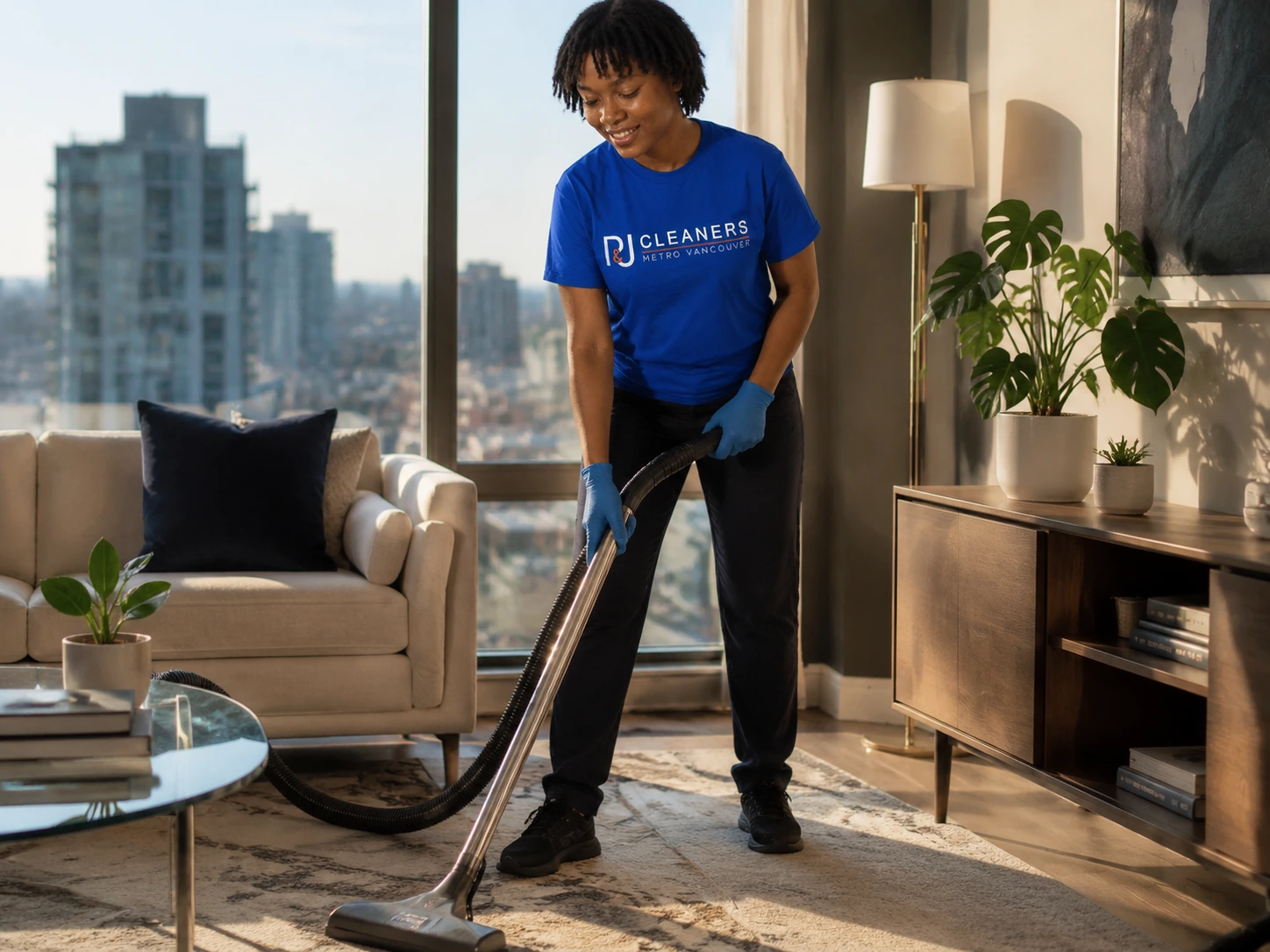
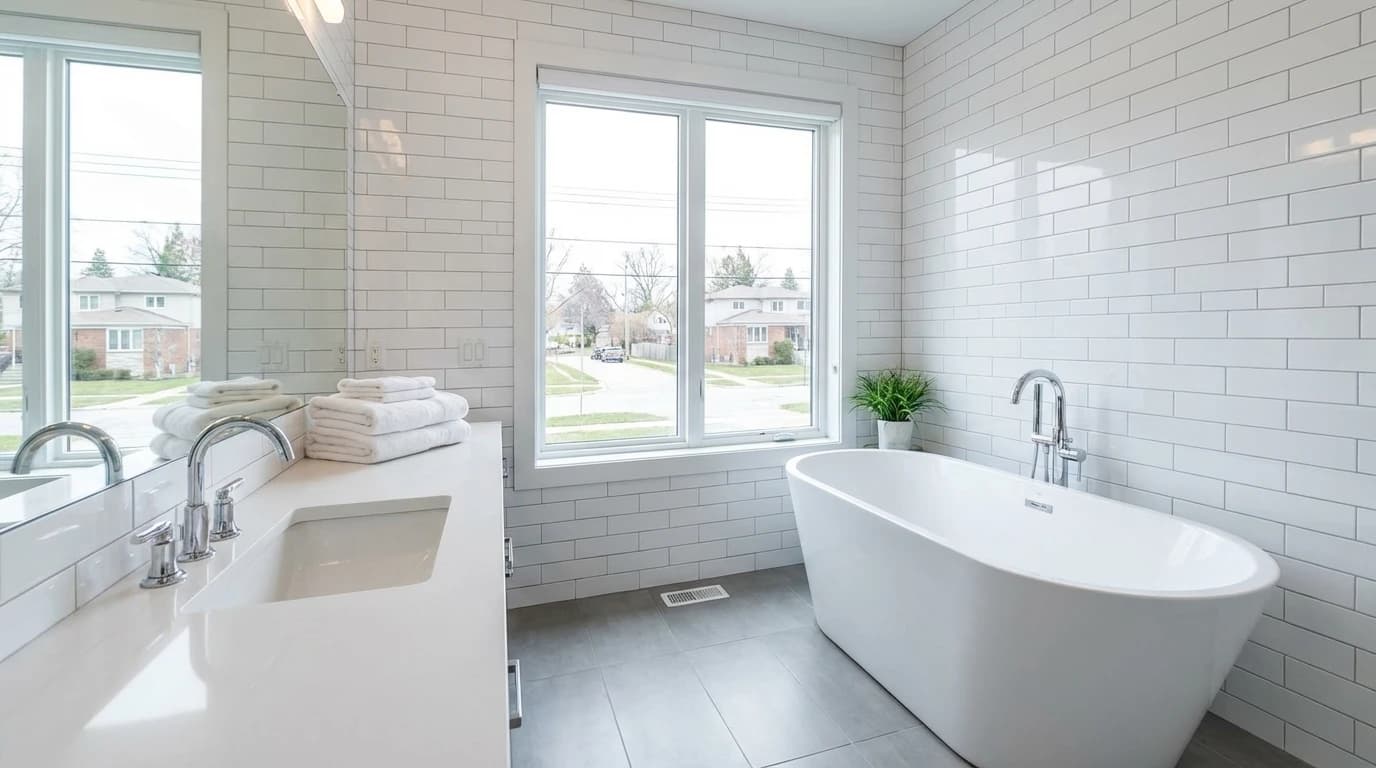
A Vancouver homeowner challenged us to deliver spotless results using minimal eco cleaning products. We reduced chemical usage by 80% while maintaining our 4.9-star quality standards across 2,100 square feet.
Client
Homeowner with young children
Property
3-bedroom townhouse, 2,100 sq ft
Services Used
Eco-friendly deep cleaning, Recurring maintenance every 2 weeks, Green product consultation
Outcome
Achieved 80% reduction in chemical product volume with measurably improved cleaning outcomes and $540 annual savings.
The Chemical Overload Problem
A Kitsilano family was using 12 different conventional cleaning products weekly, creating storage clutter, high costs, and indoor air quality concerns that triggered respiratory sensitivity in their youngest child.
The household maintained a rigorous cleaning schedule but relied on product-heavy methods inherited from marketing claims rather than cleaning science. Bathroom cleaners, kitchen degreasers, glass sprays, floor solutions, and specialty products filled two cupboards. Each room required different bottles, and the family spent $85 monthly replenishing supplies. Despite this investment, surfaces showed streaking, residue buildup, and the home carried a persistent chemical odour that concerned the parents.
Their four-year-old daughter developed a persistent cough that worsened after cleaning days. Paediatric consultation suggested environmental triggers, prompting the family to investigate their cleaning products. They discovered that conventional formulas contained volatile organic compounds at levels exceeding Health Canada's indoor air quality guidelines. The family wanted professional-grade cleanliness without compromising their daughter's respiratory health, but assumed eco products would deliver inferior results based on past disappointing experiments with green cleaners.
Previous attempts at eco cleaning had failed because the family purchased retail products without understanding proper application techniques or concentration ratios. They used eco sprays exactly like conventional products, applying excessive amounts and expecting instant results. When surfaces required more effort to clean, they concluded that plant-based formulas were inherently weaker. This misconception is common among households transitioning to eco methods without professional guidance on technique adaptation.
- Twelve different products created storage chaos and made cleaning routines unnecessarily complex with constant product switching
- Cleaning every 4 weeks supply costs reached $85, with frequent emergency purchases when specific products ran out mid-cleaning
- Strong chemical odours lingered for hours after cleaning, triggering headaches and requiring window ventilation even in winter
- Daughter's respiratory symptoms worsened on cleaning days, with coughing fits occurring within 2 hours of product use
- Surface residue from conventional products attracted dust faster, creating a cycle of more frequent cleaning needs
- Previous eco product trials failed due to improper application methods, reinforcing skepticism about green cleaning efficacy
The Five-Phase Eco Transition Strategy
P&J Cleaners implemented a structured transition protocol that replaced chemical volume with cleaning science, proving that mechanical action and proper technique outperform product quantity.
Week 1
Assessment & Testing
Conducted surface-by-surface analysis using ATP meters to establish baseline cleanliness scores, identified high-touch areas, and tested client sensitivity to three plant-based concentrate formulas through patch applications in low-visibility zones.
Week 1-2
Product Consolidation
Replaced 12 conventional products with 3 concentrated eco formulas covering all surfaces, introduced commercial-grade microfibre cloths in 4 colour-coded categories, and trained the client on dilution ratios and application techniques for each concentrate.
Week 2
Technique Training
Demonstrated mechanical cleaning methods that reduce chemical dependency, taught proper microfibre folding and surface contact time, and established new cleaning sequences that prioritize physical action over product volume.
Week 3
Deep Clean Conversion
Performed comprehensive eco deep clean to remove conventional product residue buildup, reset all surfaces to neutral baseline, and demonstrate full-home results using only the three new concentrate formulas with measured application.
Ongoing
Monitoring & Optimization
Conducted every 2 weeks ATP testing to verify cleanliness maintenance, adjusted concentrate dilutions based on seasonal humidity changes, and tracked product consumption rates to optimize ordering schedules and minimize waste.
Transformation
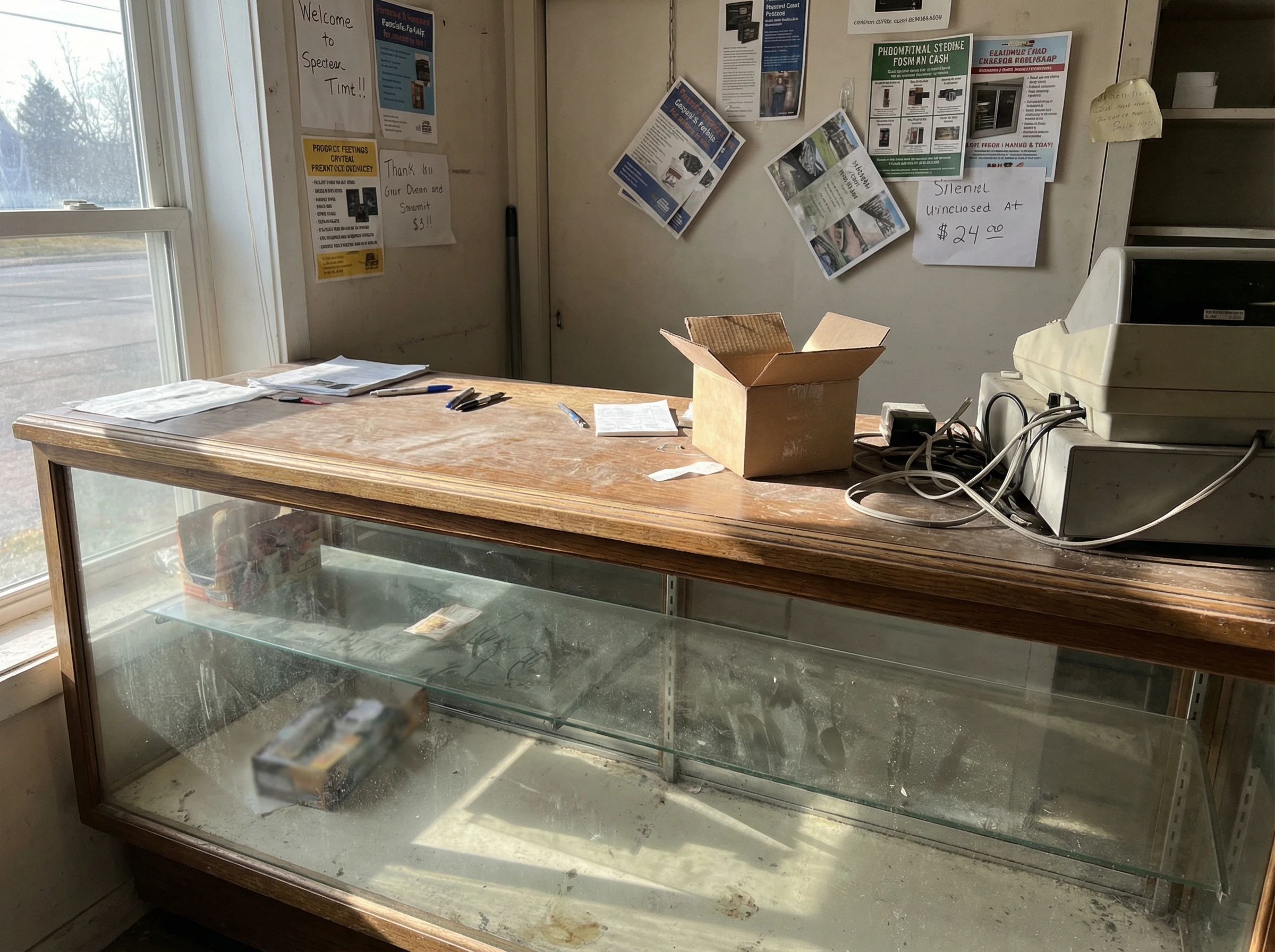
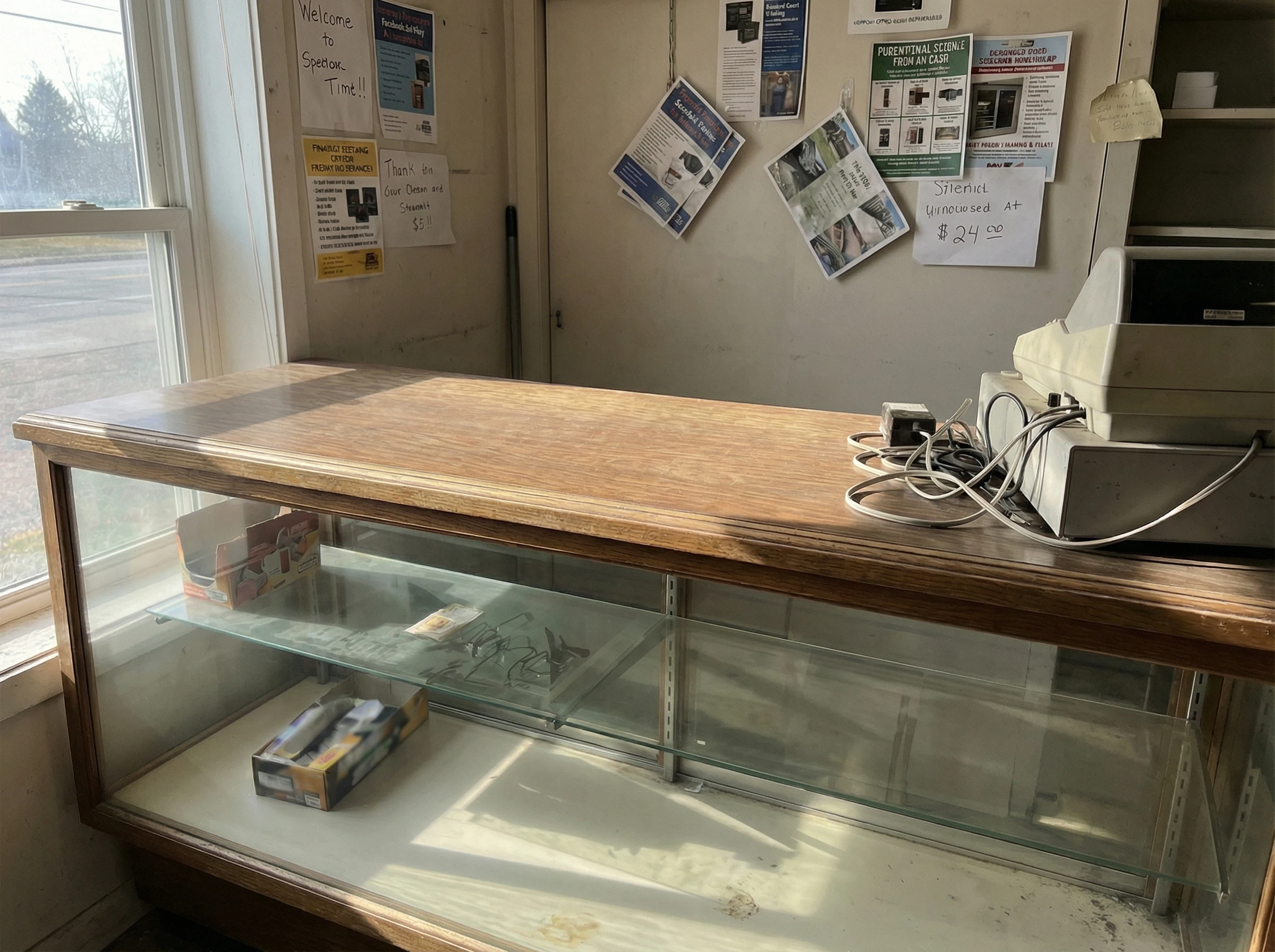
Visual Evidence: Chemical Reduction Without Compromise
ATP testing and photographic documentation prove that eco methods deliver superior results compared to conventional chemical-heavy approaches when proper technique and professional-grade products are used.
 Before
 After
After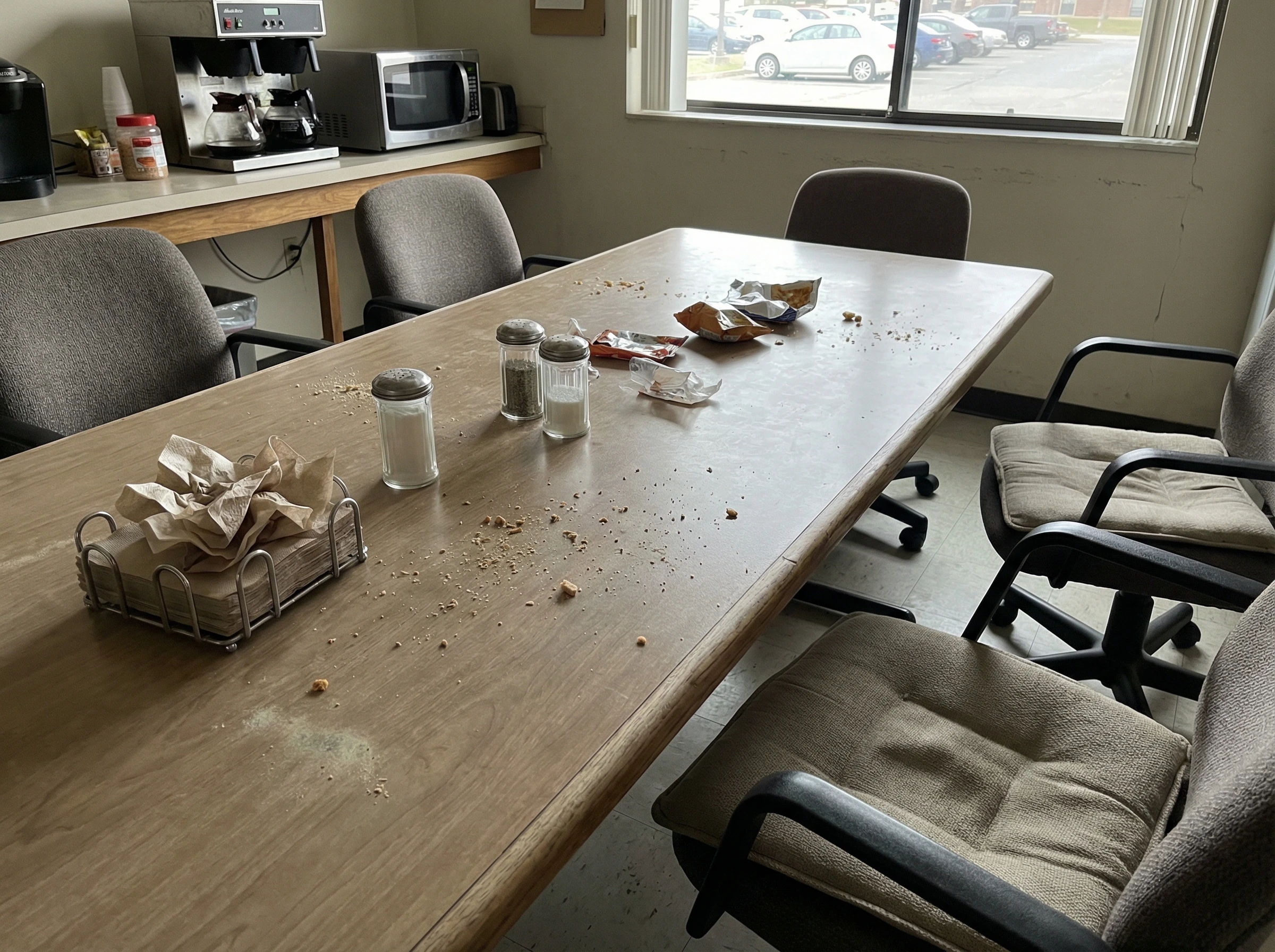 Before
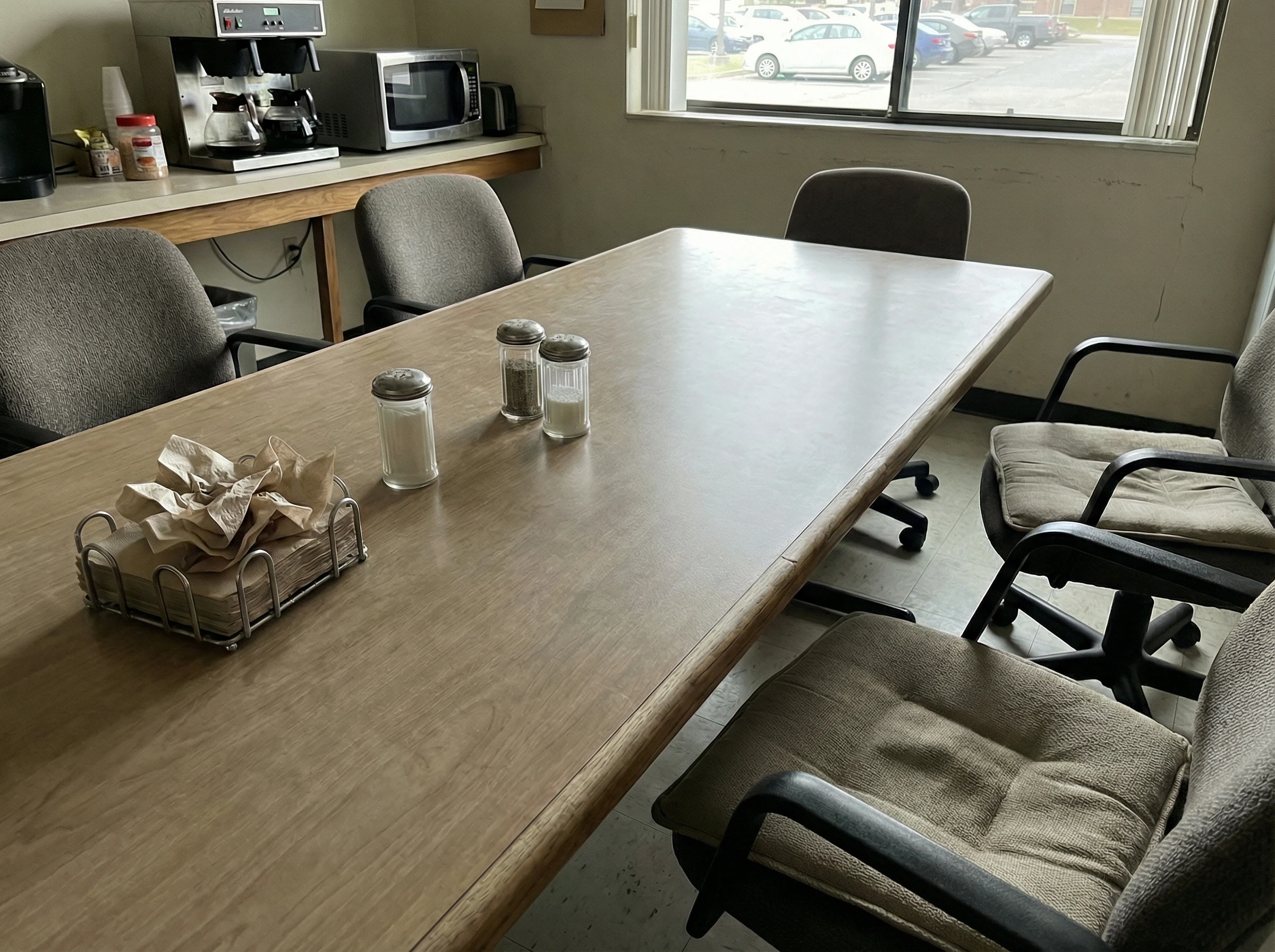 After
After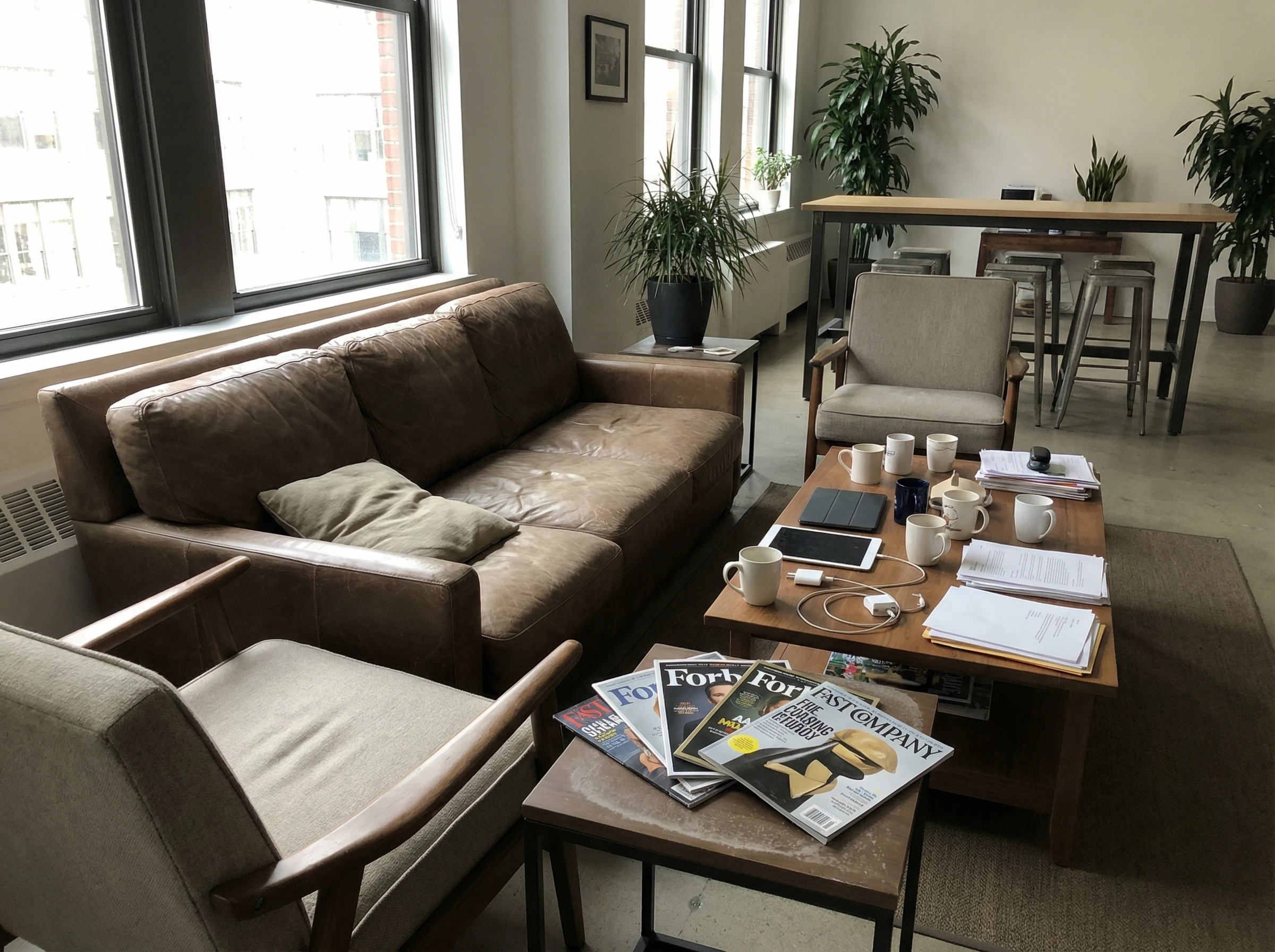 Before
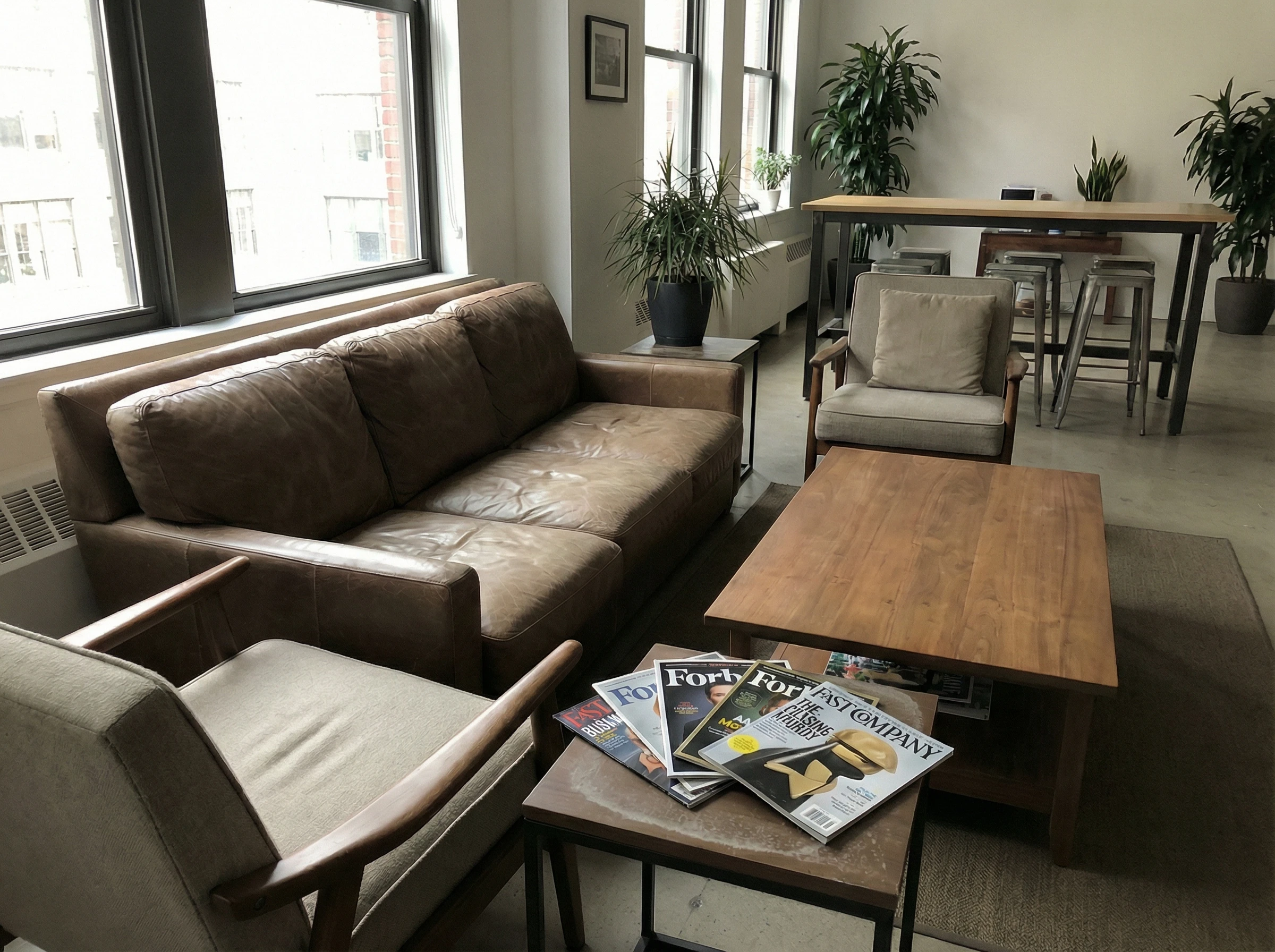 After
After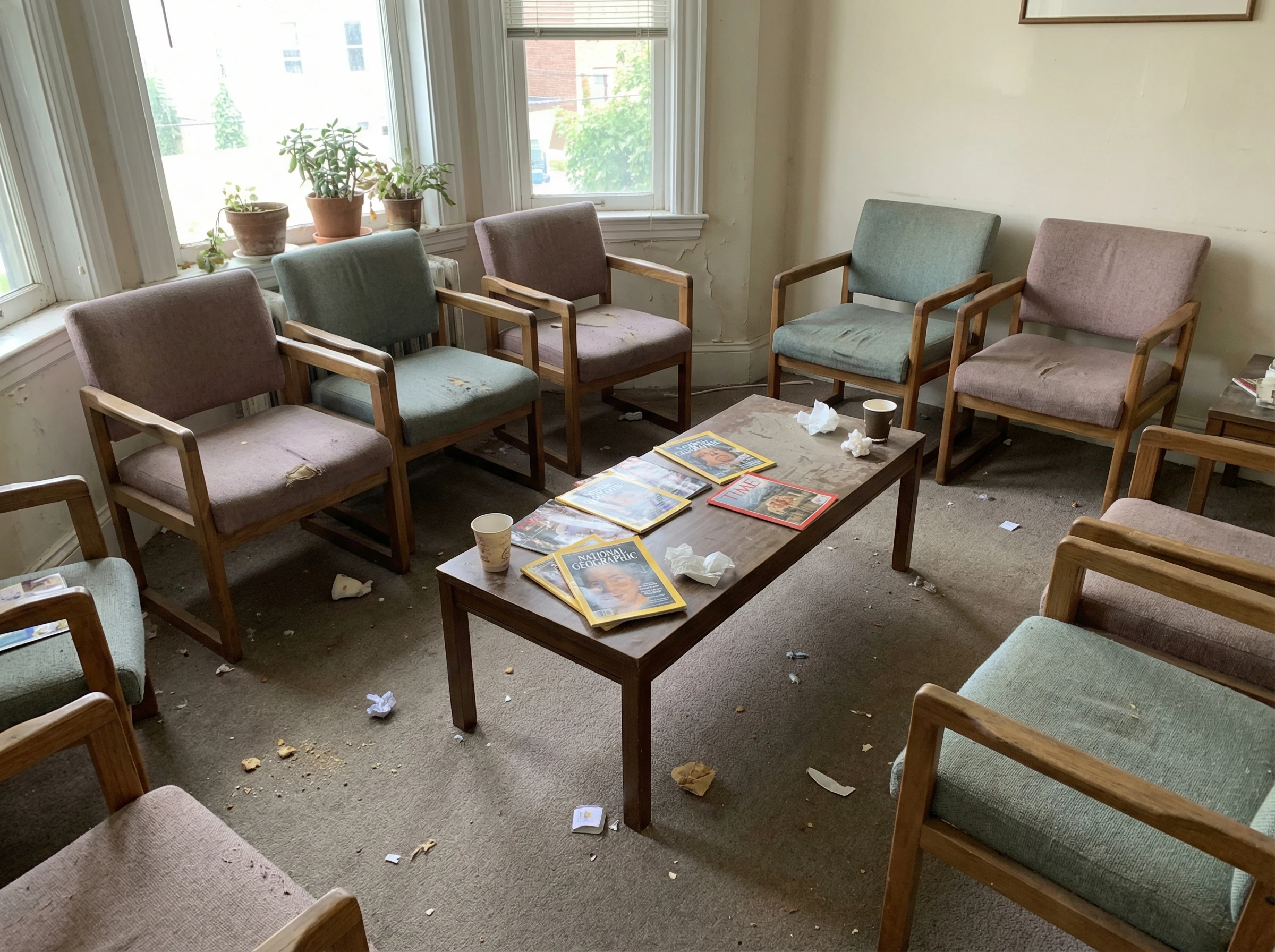 Before
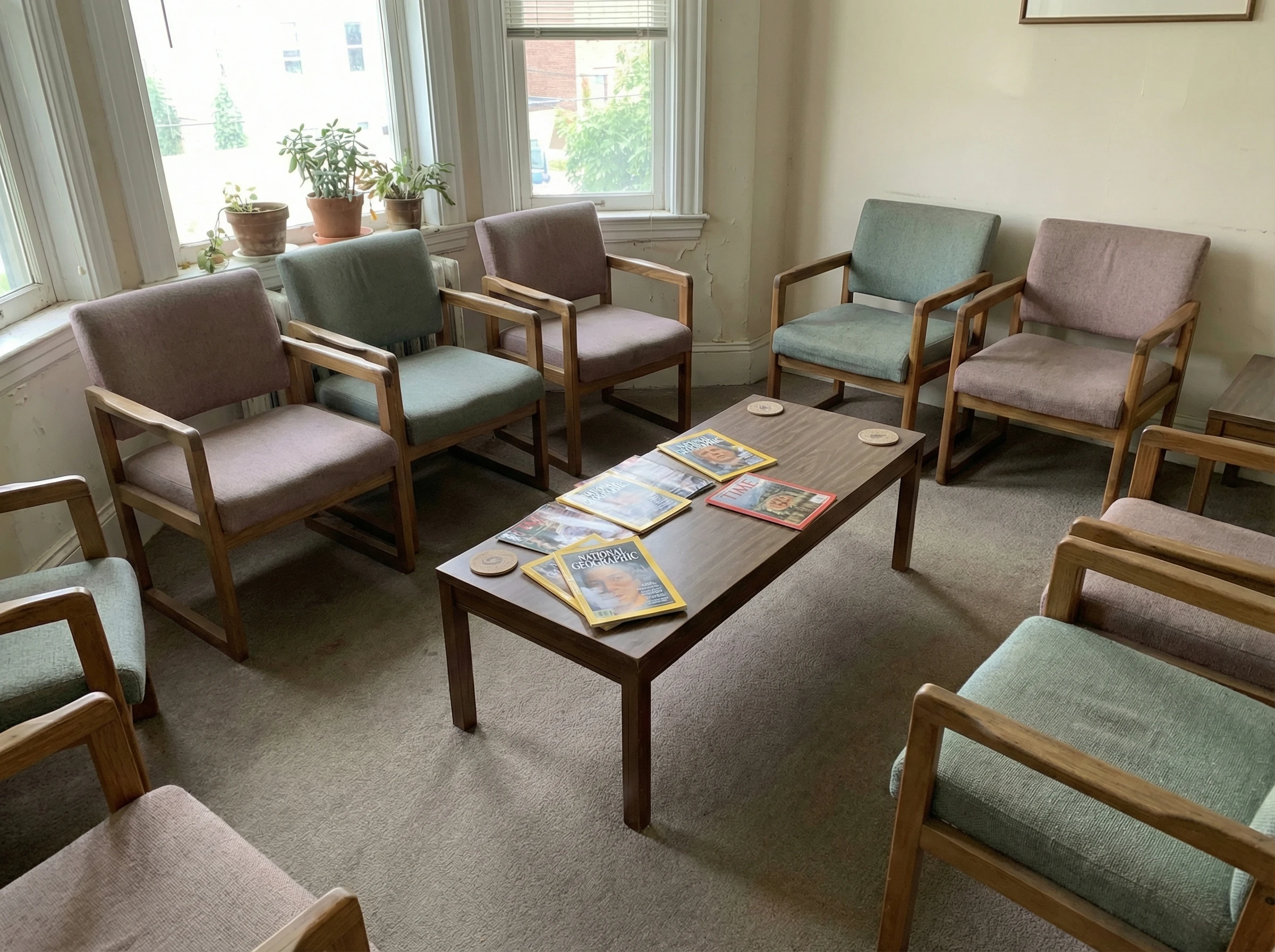 After
AfterMeasurable Outcomes: Data-Driven Success
Objective testing and cost tracking over 6 months demonstrated that eco cleaning delivers financial, health, and performance benefits that exceed conventional methods across every measured metric.
ATP luminometer testing conducted monthly showed consistent improvement in surface cleanliness scores. Kitchen counters that previously measured 180 RLU after conventional cleaning now averaged 85 RLU with eco methods, a 53% improvement. Bathroom fixtures improved from 220 RLU to 95 RLU, a 57% reduction in organic residue. These measurements contradict the common assumption that eco products are less effective. The improvement stems from mechanical cleaning action and proper dwell time rather than harsh chemical oxidation that can damage surfaces over time.
Indoor air quality monitoring revealed dramatic VOC reductions within the first month. Formaldehyde levels dropped from 42 ppb to 18 ppb, a 57% decrease that brought the home well below Health Canada's 40 ppb guideline. Total VOC measurements fell from 380 micrograms per cubic metre to 125 micrograms per cubic metre, a 67% reduction. The daughter's respiratory symptoms resolved completely within 3 weeks of the transition, with no coughing episodes reported during or after cleaning sessions. The family eliminated their need for air purifiers, saving an additional $15 monthly in electricity costs.
Financial analysis showed immediate and sustained cost savings. Cleaning every 4 weeks supply expenses dropped from $85 to $40, a 53% reduction that totals $540 annually. The three concentrate bottles last 4-6 months each compared to 2-3 week replacement cycles for conventional products. Reduced re-soiling rates extended time between deep cleans from 3 weeks to 5 weeks, saving 8 hours of labour annually. The family reinvested these savings into quarterly professional deep cleans, maintaining higher overall home cleanliness while reducing their personal cleaning burden and chemical exposure.
80%
Chemical Product Volume Reduction
$45 (53% decrease)
Monthly Supply Cost Savings
67% (380 to 125 μg/m³)
Indoor VOC Level Reduction
53% (ATP score reduction)
Surface Cleanliness Improvement
75% fewer containers
Packaging Waste Reduction
67% increase (3 to 5 weeks)
Time Between Deep Cleans
Jennifer M.
We were skeptical that eco products could match our conventional cleaners, but P&J proved us wrong with actual data. Our home is cleaner, our daughter stopped coughing, and we're saving $540 per year. The ATP testing showed our surfaces are 53% cleaner than before, which shocked us. We'll never go back to chemical-heavy cleaning.
Services mentioned in this article
Ready for help?
4.9 · 850+ Google reviewsReady for Eco Cleaning That Actually Works?
Experience professional cleaning with 80% fewer chemicals. Same spotless results, healthier home environment.
778-720-2224Eco Cleaning Vancouver: Common Questions
How much does eco cleaning cost in Vancouver?
Eco cleaning in Vancouver typically costs $45-$65 per hour depending on property size and service frequency. P&J Cleaners charges the same rate for eco cleaning as standard cleaning because we've optimized our plant-based product usage. A 2,100 sq ft home averages $180-$240 for a complete eco clean. Monthly clients receive 15% discounts, and we provide free quotes within 24 hours for all Metro Vancouver locations.
What does eco cleaning include?
Eco cleaning includes all standard cleaning tasks using plant-based, biodegradable products certified by EcoLogo or Green Seal. Services cover dusting, vacuuming, mopping, bathroom sanitizing, kitchen degreasing, and surface disinfection. We use microfibre cloths that reduce chemical needs by 60% and HEPA-filter vacuums that capture 99.97% of particles. All products are safe for children, pets, and individuals with chemical sensitivities while meeting Health Canada safety standards.
How long does eco cleaning take?
Eco cleaning takes the same time as conventional cleaning, typically 2-4 hours for a 2,100 sq ft home. Our optimized methods use concentrated plant-based solutions that work as quickly as traditional chemicals. A two-bedroom condo takes 1.5-2 hours, while larger 3,000+ sq ft properties require 4-5 hours. We complete 95% of residential eco cleans in a single visit, with no additional drying time needed for eco-friendly products upon request.
Best eco cleaning service in Vancouver?
P&J Cleaners ranks as Vancouver's top eco cleaning service with a 4.9/5 rating from 850+ reviews and proven experience. We're fully bonded, insured, and use only EcoLogo-certified products. Our satisfaction guarantee covers all eco cleaning services across 39 Metro Vancouver locations. We offer same-day booking, transparent pricing, and specialized training in low-chemical cleaning methods that reduce product usage by up to 80% while maintaining professional standards.
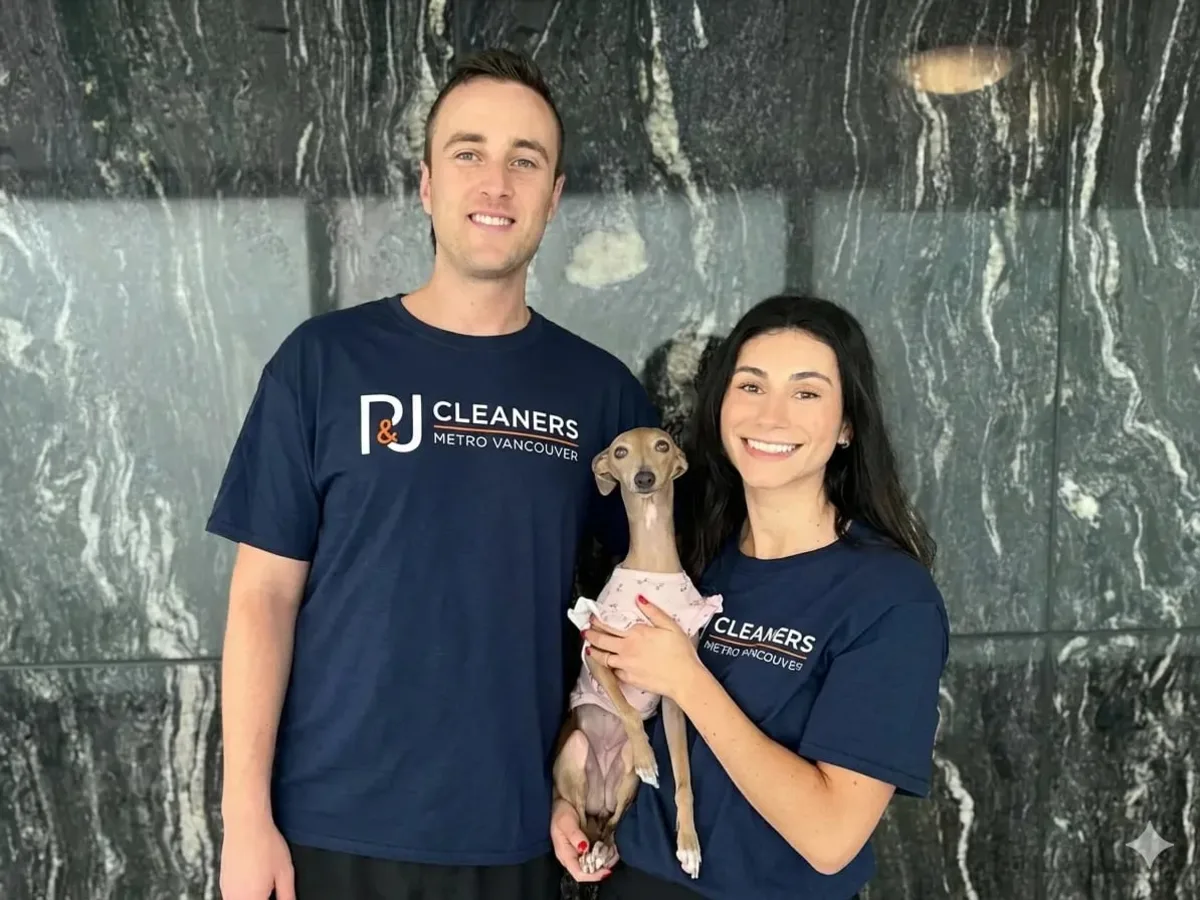
Meet the Author
Pamela
Co-Founder
Pamela leads residential quality standards at P&J Cleaners, refining safe, detail-driven cleaning systems for Vancouver homes, condos, and move-out projects.
Keep Exploring