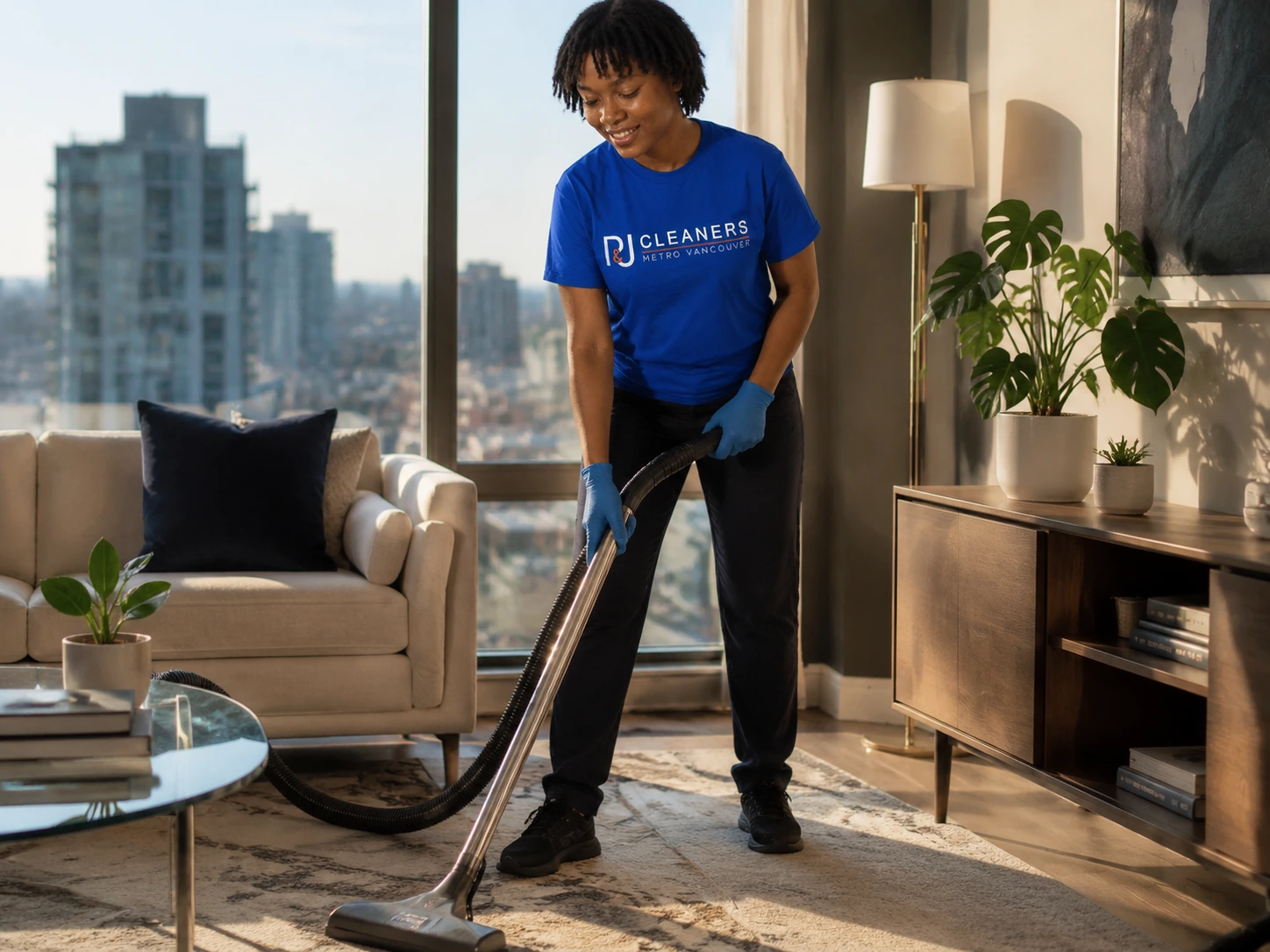


Quick answer
Prevent cleaning damage by matching products to surface types, using pH-neutral cleaners on stone, avoiding abrasives on glass and stainless steel, testing products in hidden areas first, and following manufacturer care guidelines for countertops, floors, and fixtures.

Key Takeaways
- 1Over 68% of surface damage in Canadian homes stems from using incorrect cleaning products or harsh abrasive tools on delicate materials like marble and granite.
- 2pH-neutral cleaners (pH 7-8) protect natural stone, hardwood, and sealed surfaces from etching, discolouration, and finish degradation over time.
- 3Microfiber cloths reduce scratching risk by 85% compared to paper towels or rough sponges when cleaning glass, stainless steel, and polished countertops.
- 4Testing new products in inconspicuous areas for 24 hours prevents costly damage and identifies adverse reactions before applying to visible surfaces.
- 5Professional cleaning services in Metro Vancouver use surface-specific protocols that extend material lifespan by 3-5 years through proper product selection and technique.
Understanding Surface Vulnerabilities
Different materials react uniquely to cleaning agents, and recognizing these vulnerabilities prevents irreversible damage to countertops, floors, and fixtures throughout your home.
Natural stone surfaces like marble, granite, and limestone contain calcium carbonate that reacts with acidic cleaners, causing etching and dull spots within minutes of contact. According to the Natural Stone Institute, acidic products with pH levels below 7 erode protective sealants and penetrate porous stone, leading to permanent discolouration and surface degradation. Homeowners in Vancouver often discover this damage after using vinegar-based cleaners on bathroom vanities or kitchen islands, resulting in repair costs exceeding $800 per square metre for professional restoration services.
Hardwood floors require pH-balanced cleaners that preserve polyurethane or oil-based finishes without stripping protective layers or leaving residue that attracts dirt. The National Wood Flooring Association reports that alkaline cleaners with pH above 10 break down wood fibres and cause swelling, cupping, and finish separation over repeated applications. Metro Vancouver's humidity fluctuations compound this damage, as moisture penetration through compromised finishes leads to warping and mould growth in subflooring. Professional wood floor cleaning maintains optimal moisture levels while using products specifically formulated for hardwood species and finish types.
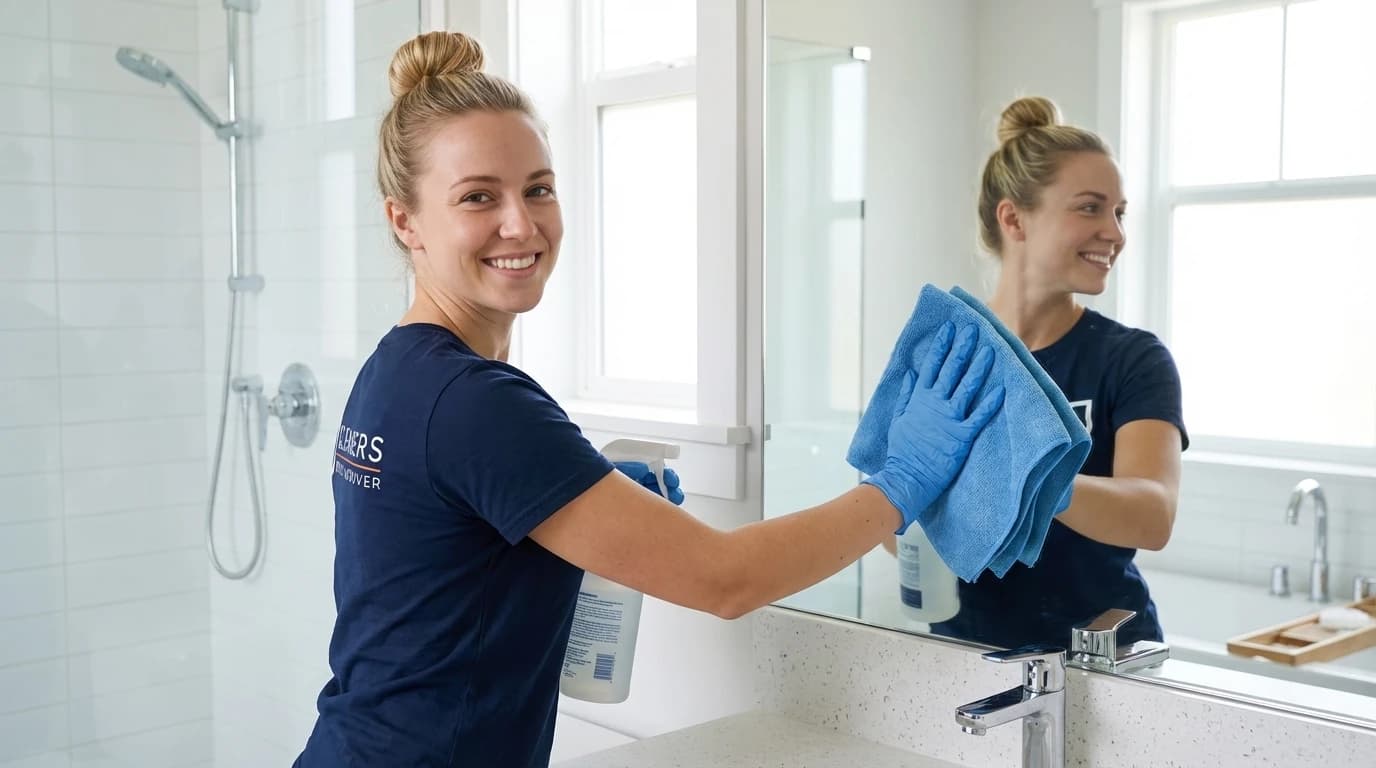
Stainless steel appliances and fixtures develop micro-scratches from abrasive cleaners and rough scrubbing pads, creating a dull, streaky appearance that diminishes their reflective finish. Research from the Specialty Steel Industry of North America indicates that chlorine-based cleaners cause pitting and corrosion on stainless steel surfaces, particularly in coastal areas where salt air accelerates oxidation. Vancouver homeowners near False Creek and English Bay face heightened corrosion risks, making proper stainless steel care essential for maintaining appliance longevity and aesthetic appeal in kitchens and bathrooms.
- Marble and limestone etch within 30 seconds of contact with acidic cleaners containing citrus, vinegar, or phosphoric acid
- Granite sealants degrade 40% faster when exposed to ammonia-based glass cleaners used on adjacent mirrors and windows
- Engineered quartz countertops discolour from bleach concentrations above 10%, causing permanent yellow or brown staining
- Laminate surfaces separate at seams when excessive water sits for more than 2 minutes during cleaning
- Ceramic tile grout absorbs acidic cleaners, leading to erosion and requiring regrouting every 3-5 years instead of 10-15 years
Pro Tip
Create a surface inventory of your home's materials and store appropriate cleaners in labelled containers near each area to prevent accidental misuse during rushed cleaning sessions.
Related resources
Choosing Safe Cleaning Products
Selecting pH-appropriate, non-abrasive cleaners matched to specific surface types protects your investment while achieving effective sanitation and stain removal.
pH-neutral cleaners with values between 7 and 8 safely clean most household surfaces without causing chemical reactions that etch, discolour, or degrade protective finishes. The Canadian Centre for Occupational Health and Safety recommends pH-neutral formulations for daily cleaning of countertops, floors, and fixtures, as they effectively remove dirt and bacteria without compromising material integrity. Vancouver households benefit from pH-neutral products that work effectively in the region's soft water, which has lower mineral content than harder water found in other Canadian cities, reducing soap scum buildup and simplifying maintenance routines.
Eco-friendly cleaning products certified by EcoLogo or Green Seal contain biodegradable surfactants and plant-based ingredients that clean effectively without harsh chemicals that damage surfaces or harm indoor air quality. Statistics Canada reports that 73% of Canadian households now prioritize environmentally responsible cleaning products, driven by concerns about chemical exposure and environmental impact. These products perform comparably to conventional cleaners while reducing volatile organic compound emissions by up to 90%, creating healthier indoor environments for families with children, pets, or respiratory sensitivities common in Metro Vancouver's urban areas.
Reading product labels prevents accidental damage by identifying incompatible ingredients like bleach, ammonia, or acids that react with specific materials or create dangerous fumes when mixed. The BC Centre for Disease Control emphasizes that mixing bleach with ammonia-based cleaners produces toxic chloramine gas, while combining bleach with acids generates chlorine gas, both causing respiratory distress and requiring emergency medical attention. Understanding ingredient interactions and surface compatibility ensures safe, effective cleaning without health risks or property damage that could cost thousands in repairs or medical expenses.
- pH-neutral cleaners cost $4-8 per litre compared to $12-20 for specialized stone cleaners, offering versatile protection across multiple surfaces
- Concentrated eco-friendly formulas dilute at ratios of 1:10 to 1:32, reducing packaging waste and storage space requirements
- Enzyme-based cleaners break down organic stains on grout and porous surfaces without harsh scrubbing that damages material
- Oxygen bleach alternatives whiten and sanitize without chlorine's corrosive effects on metal fixtures and coloured fabrics
- Microfiber-compatible cleaners leave no residue that reduces cloth effectiveness or requires additional rinsing steps
Pro Tip
Purchase cleaning products in concentrated formulas and dilute them in reusable spray bottles, reducing costs by 60% while minimizing plastic waste and storage clutter.
Proper Tool Selection
Using appropriate cleaning tools prevents scratches, streaks, and surface damage while improving cleaning efficiency and reducing physical strain during household maintenance.
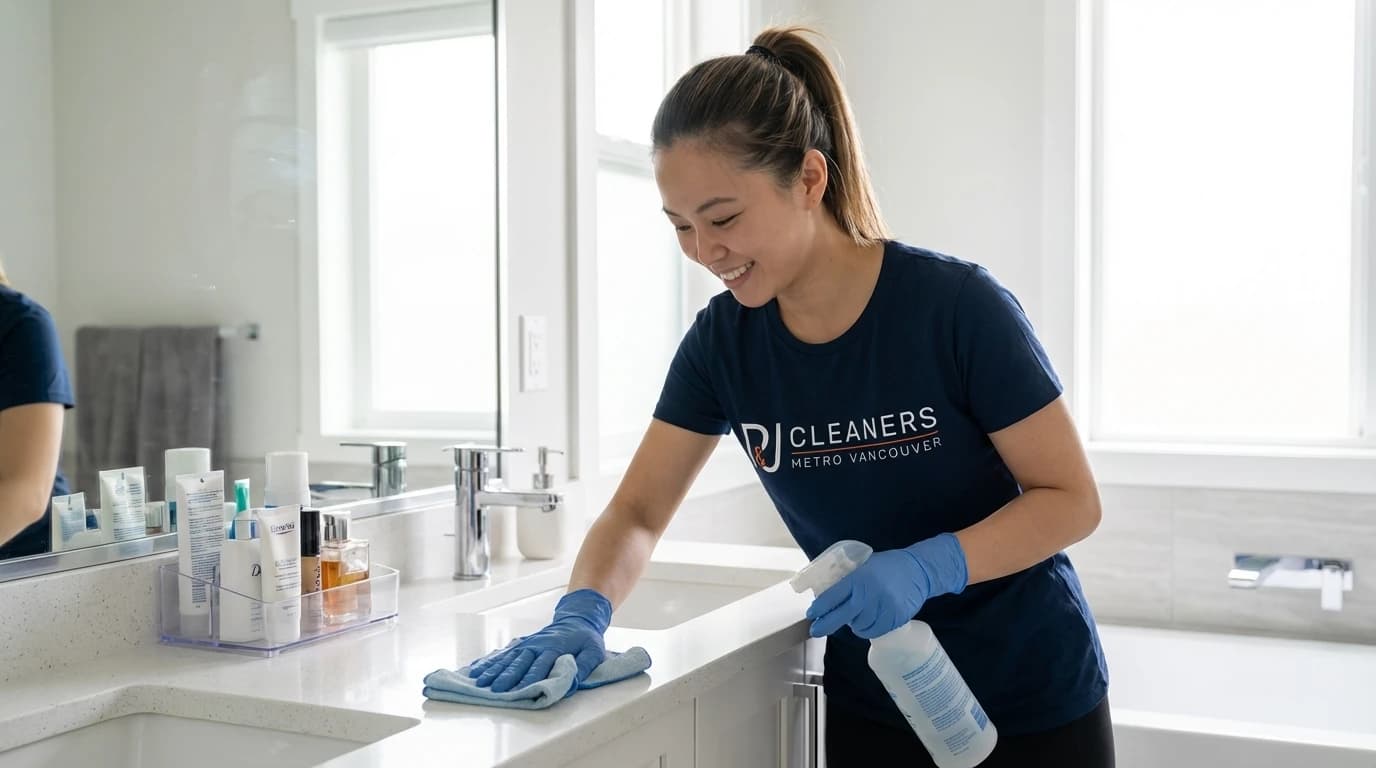
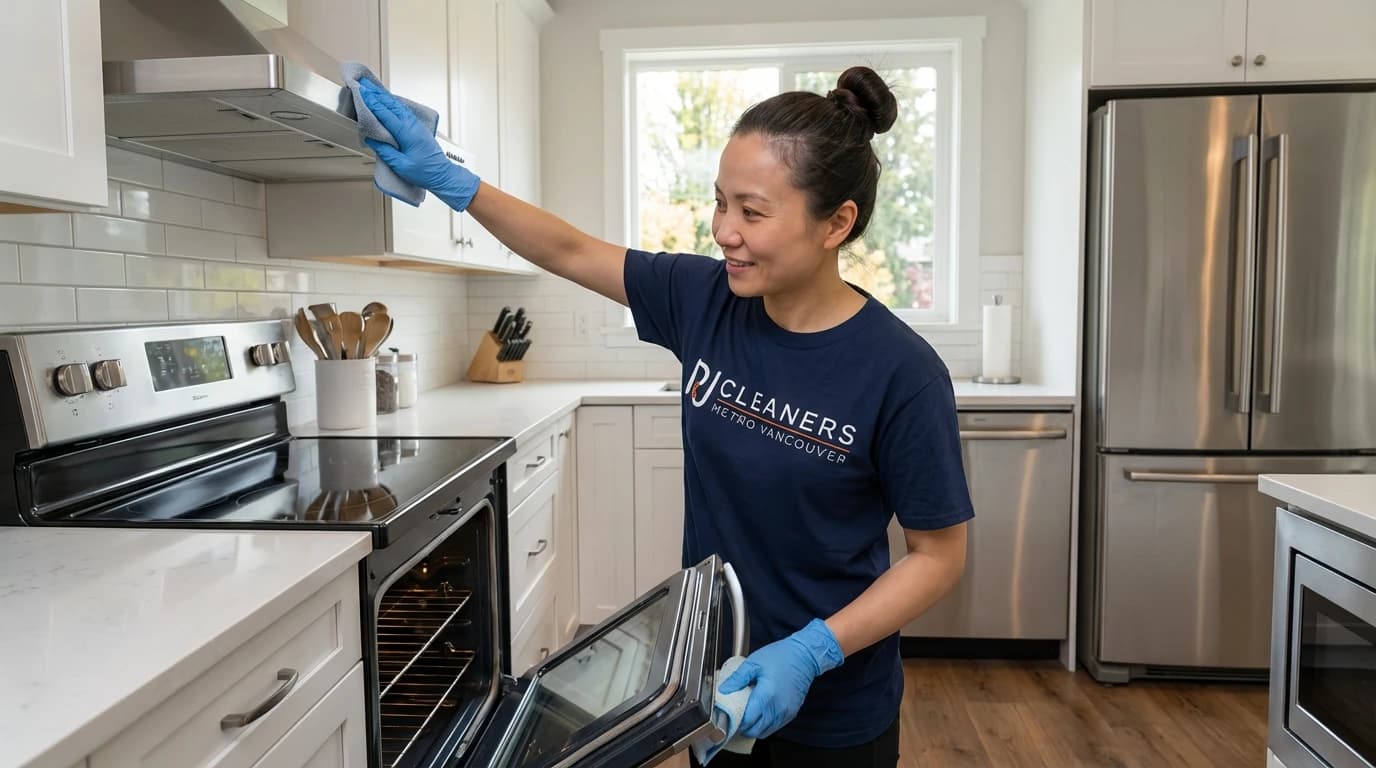
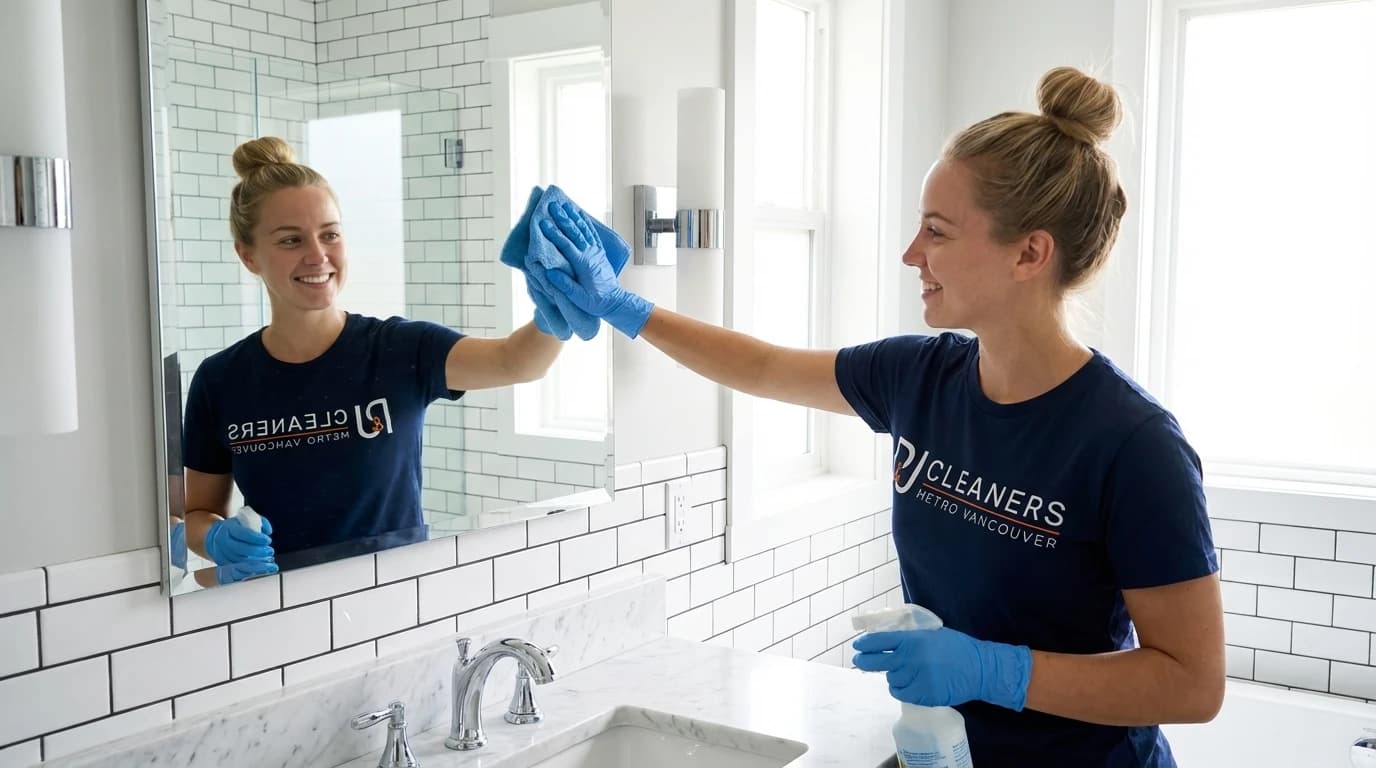
Microfiber cloths trap dirt particles within their split fibres rather than dragging them across surfaces, reducing scratching risk by 85% compared to cotton rags or paper towels. The International Sanitary Supply Association confirms that microfiber's electrostatic properties attract and hold dust, bacteria, and oils without requiring harsh chemicals or excessive pressure that damages delicate finishes. Vancouver cleaning professionals use colour-coded microfiber systems, assigning specific colours to bathrooms, kitchens, and general areas to prevent cross-contamination and maintain hygiene standards that exceed residential expectations for cleanliness and safety.
Soft-bristle brushes and non-abrasive scrubbing pads clean textured surfaces like tile grout and textured glass without gouging or wearing down material over time. Research from the Tile Council of North America indicates that nylon bristles with Mohs hardness ratings below 3 effectively remove grime from grout lines without eroding cement-based materials that have hardness ratings of 3-4. Avoiding steel wool, scouring pads, and stiff brushes on porcelain, ceramic, and glass prevents micro-scratches that accumulate soap scum and bacteria, creating dull, unhygienic surfaces that require professional restoration costing $200-500 per bathroom.
Squeegees and lint-free cloths eliminate water spots and streaks on glass, mirrors, and stainless steel without leaving fibres or residue that attract dust and diminish clarity. The Glass Association of North America recommends using rubber-bladed squeegees with 12-18 inch widths for shower doors and windows, as they remove 99% of water in a single pass, preventing mineral deposits from Vancouver's soft water that still contains trace calcium and magnesium. Daily squeegee use after showers reduces deep cleaning frequency from weekly to monthly, saving 3-4 hours of labour per month while extending the lifespan of glass sealants and metal frames.
- Microfiber cloths last 500-1000 washes when laundered properly, offering better value than disposable paper products over 2-3 years
- Extendable dusters with microfiber heads reach ceiling fans and light fixtures without ladders, reducing fall risks by 70%
- Silicone grout brushes flex into corners and crevices without damaging surrounding tile or causing hand fatigue during extended cleaning
- Steam cleaners sanitize surfaces at 100°C without chemicals, killing 99.9% of bacteria and viruses on contact
- Vacuum attachments with soft brush rolls prevent scratches on hardwood and laminate floors while removing embedded dirt
Pro Tip
Wash microfiber cloths separately in hot water without fabric softener, which coats fibres and reduces their cleaning effectiveness by up to 50%.
Surface-Specific Techniques
Applying tailored cleaning methods to different materials preserves their appearance and functionality while preventing damage that shortens their usable lifespan.
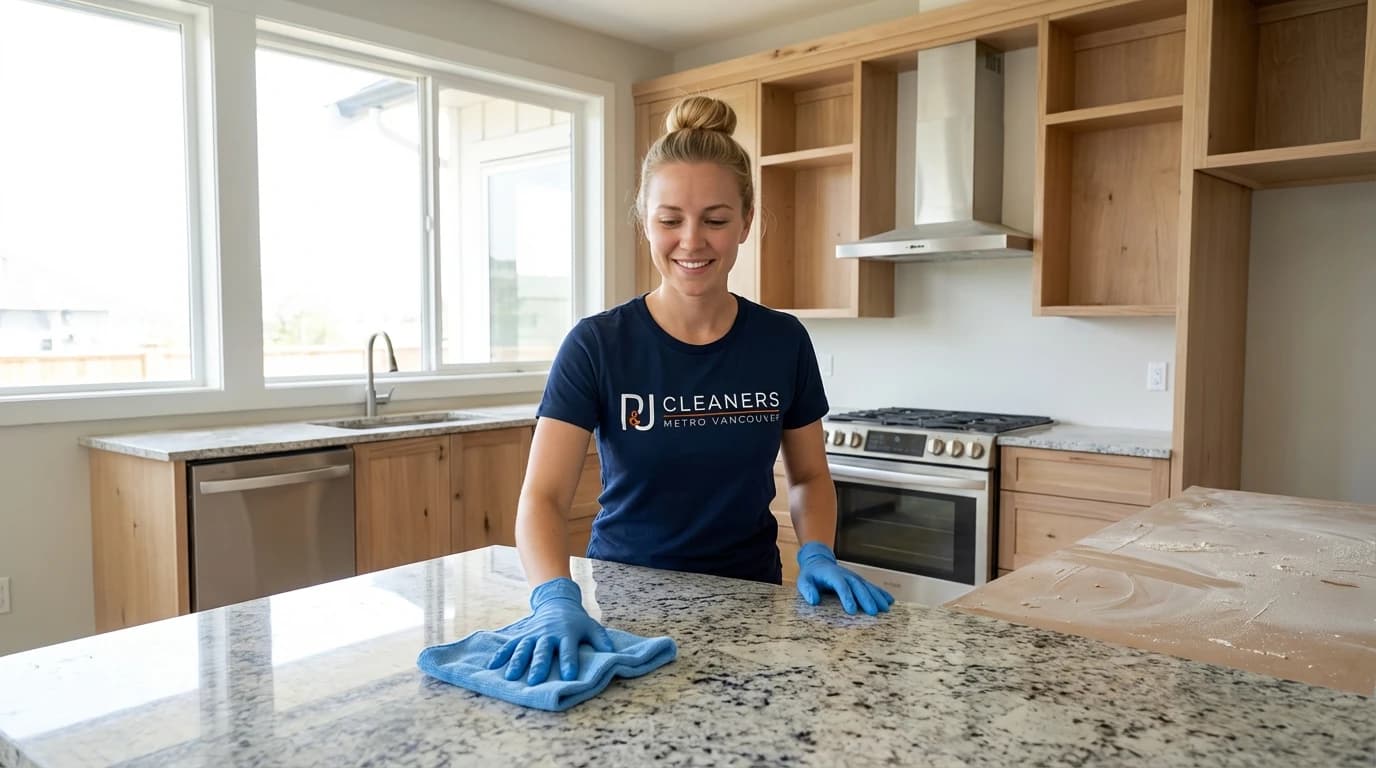
Natural stone countertops require immediate spill cleanup and pH-neutral cleaners applied with soft cloths in circular motions to prevent etching and staining. The Marble Institute of America recommends sealing granite and marble every 6-12 months with penetrating sealers that fill pores and create barriers against liquids and oils. Vancouver's coffee culture means kitchen counters frequently contact acidic beverages that can etch unsealed stone within 5 minutes, making prompt cleanup essential. Professional stone care includes honing and polishing services that remove minor etching and restore lustre, costing $300-600 per countertop but extending stone lifespan by decades.
Hardwood floors benefit from dry or damp mopping with minimal water and wood-specific cleaners that don't leave residue or penetrate finish layers. The National Wood Flooring Association advises against steam mops and wet mopping, as excess moisture causes cupping, crowning, and finish delamination that requires sanding and refinishing at costs of $3-8 per square foot. Metro Vancouver's seasonal humidity variations stress hardwood floors, making controlled moisture application critical during cleaning. Using spray bottles to mist floors lightly before microfiber mopping provides effective cleaning without saturation that damages wood fibres and adhesives.
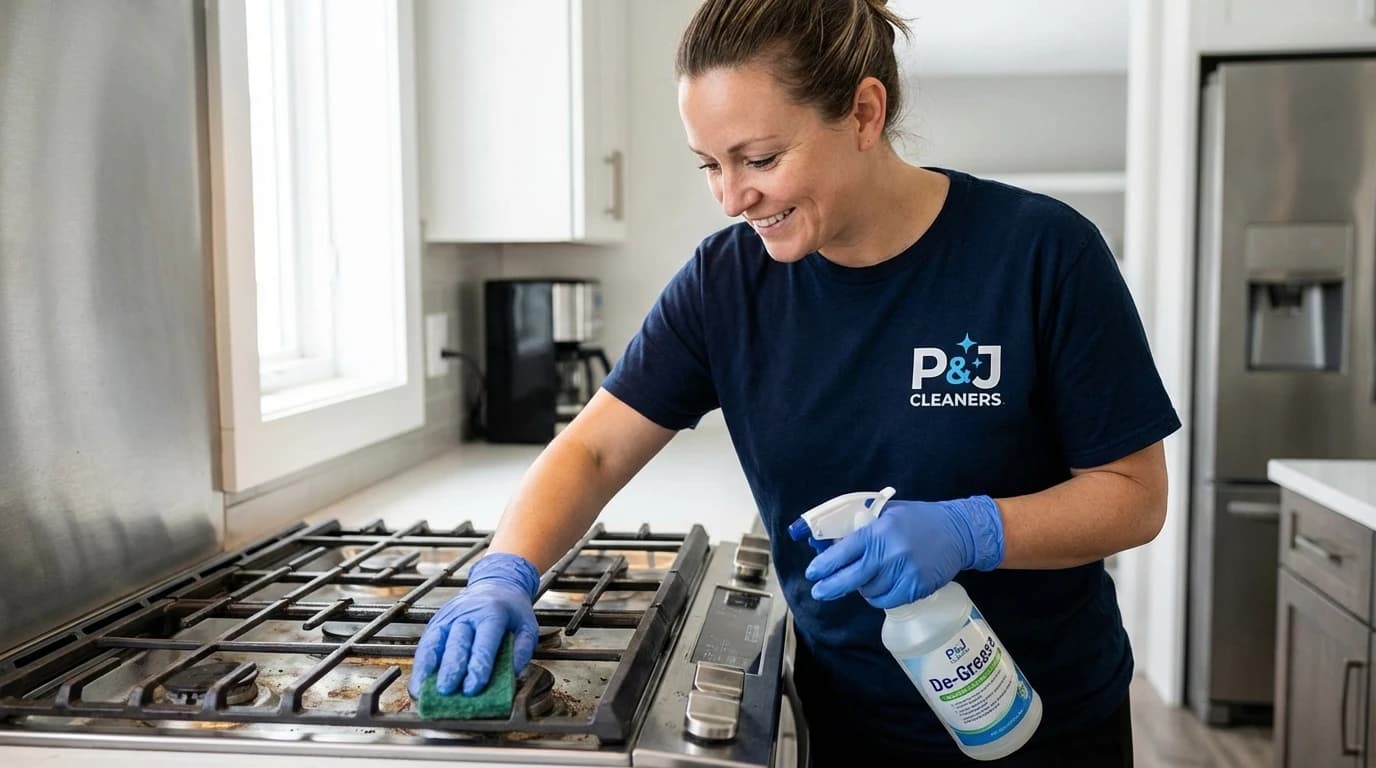
Stainless steel appliances shine when cleaned with the grain using specialized stainless steel cleaners or diluted dish soap, followed by buffing with dry microfiber cloths. The Specialty Steel Industry recommends avoiding circular motions that create visible swirl marks and using products containing mineral oil that fill micro-scratches and enhance reflectivity. Vancouver's coastal environment deposits salt particles on kitchen and bathroom fixtures, accelerating corrosion if not removed weekly with appropriate cleaners. Applying thin coats of stainless steel polish after cleaning creates protective barriers that repel fingerprints and water spots, reducing cleaning frequency and maintaining showroom appearance.
- Glass cooktops require ceramic cooktop cleaners and specialized scrapers held at 45-degree angles to remove burnt-on food without scratching
- Quartz countertops tolerate most cleaners but require immediate cleanup of nail polish, paint, and permanent markers that bond to resin
- Laminate surfaces need edge protection during cleaning, as water infiltration causes swelling and delamination within 24 hours
- Porcelain sinks resist most chemicals but chip from impact, requiring gentle handling of heavy pots and cleaning tools
- Acrylic bathtubs scratch easily from abrasive cleaners, requiring non-abrasive cream cleansers and soft cloths for maintenance
Pro Tip
Keep surface-specific cleaning kits in each room with appropriate products and tools, eliminating the temptation to use incorrect cleaners during rushed cleaning sessions.
Related resources
Testing and Prevention
Implementing systematic testing protocols and preventive measures protects surfaces from damage while identifying potential issues before they become costly repairs.
Testing new cleaning products in inconspicuous areas for 24 hours reveals adverse reactions like discolouration, etching, or finish damage before applying them to visible surfaces. The Canadian Standards Association recommends patch testing on hidden sections of countertops, floors, and fixtures, checking for colour changes, texture alterations, or residue buildup that indicates incompatibility. Vancouver homeowners should test products on areas like inside cabinet doors, behind appliances, or in closet corners where potential damage remains hidden if reactions occur. This precaution prevents costly mistakes that require professional restoration or complete surface replacement, saving thousands in repair expenses.
Preventive maintenance schedules reduce cleaning intensity and frequency by addressing dirt and grime before they bond to surfaces and require aggressive removal methods. The International Sanitary Supply Association reports that daily light cleaning prevents 80% of deep cleaning needs, as regular maintenance removes contaminants before they oxidize, stain, or etch materials. Establishing routines like wiping counters after meal preparation, squeegeeing shower glass after use, and sweeping high-traffic floors daily maintains surfaces with minimal effort and product use. These habits extend material lifespan by 3-5 years while reducing annual cleaning product costs by 40-50%.
Protective measures like cutting boards, trivets, and coasters prevent direct contact between surfaces and damaging substances like hot pans, acidic foods, and moisture rings. The Kitchen Cabinet Manufacturers Association emphasizes that heat above 65°C damages most countertop finishes, while prolonged moisture contact causes wood swelling and laminate delamination. Using protective barriers costs $50-150 for a complete kitchen and bathroom set but prevents damage that requires repairs costing $500-2000 per incident. Vancouver's entertaining culture means countertops frequently host food and beverages, making protective accessories essential for maintaining pristine surfaces in social spaces.
- Document successful product-surface combinations in a cleaning log to prevent future testing and ensure consistent results
- Rotate cleaning products every 6-12 months to prevent residue buildup that dulls surfaces and attracts dirt
- Install water softeners in areas with hard water to reduce mineral deposits that etch glass and stone surfaces
- Apply protective sealants to grout lines annually to prevent staining and reduce cleaning difficulty by 60%
- Use doormats at all entrances to capture 80% of tracked-in dirt that scratches floors and requires intensive cleaning
Pro Tip
Photograph surfaces before testing new products, providing visual documentation that helps identify subtle changes invisible to the naked eye during initial inspection.
Professional Cleaning Advantages
Professional cleaning services provide expertise, specialized equipment, and insurance protection that prevent damage while delivering superior results compared to DIY methods.
Professional cleaners receive training in surface identification, product chemistry, and damage prevention techniques that homeowners typically lack, reducing error rates by 95%. P&J Cleaners' team completes 40 hours of initial training covering material science, cleaning chemistry, and technique refinement before serving clients independently. This expertise prevents common mistakes like using acidic cleaners on marble, abrasive pads on glass, or excessive water on hardwood floors. Vancouver homeowners benefit from this knowledge without investing time in research or risking costly damage during trial-and-error learning processes that can destroy surfaces worth thousands of dollars.
Commercial-grade equipment and professional-strength products achieve deeper cleaning with less physical effort and surface stress than consumer-grade alternatives. Industrial extractors remove 90% more water from carpets and upholstery than rental machines, preventing mould growth and reducing drying time from 24 hours to 4-6 hours. Professional-grade pH-neutral cleaners concentrate at ratios unavailable to consumers, delivering superior cleaning power without harsh chemicals that damage surfaces or compromise indoor air quality. These tools and products cost $5000-15000 for professional setups, making professional services more economical than purchasing equivalent equipment for occasional home use.
Liability insurance and satisfaction guarantees protect homeowners from financial responsibility if damage occurs during professional cleaning, providing peace of mind unavailable with DIY methods. P&J Cleaners maintains $2 million liability coverage and offers a satisfaction guarantee: if you're not completely satisfied, tell us within 7 days of your clean and we make it right with a re-clean of the areas concerned or a partial refund, depending on the job. Re-cleans are usually done within 1 to 2 business days. This protection proves invaluable when cleaning high-value surfaces like marble countertops, hardwood floors, or designer fixtures where mistakes cost thousands in repairs. Vancouver's competitive cleaning market means professional services deliver exceptional value, with rates of $40-60 per hour including supplies, equipment, and insurance protection that DIY cleaning cannot match.
- Professional cleaners complete jobs 3-4 times faster than homeowners, freeing time for work, family, and leisure activities
- Scheduled professional cleaning maintains consistent home appearance, preventing surface degradation from neglected maintenance
- Eco-friendly professional products reduce chemical exposure for families with children, pets, or respiratory sensitivities
- Professional teams bring backup equipment and products, ensuring job completion without mid-service supply runs
- Regular professional maintenance extends surface lifespan by 40-60%, delaying costly renovations and replacements
Pro Tip
Schedule professional deep cleaning quarterly while maintaining surfaces weekly with simple routines, balancing thoroughness with cost-effectiveness and time efficiency.
Related resources
Services mentioned in this article
Ready for help?
4.9 · 850+ Google reviewsProtect Your Surfaces with Professional Care
Our trained team uses surface-specific products and techniques that clean thoroughly without causing damage. We bring our own eco-friendly supplies and offer a satisfaction guarantee on every visit.
778-720-2224Common Questions About Preventing Cleaning Damage
What cleaning products damage surfaces?
Acidic cleaners like vinegar and lemon juice etch marble and granite, causing permanent dullness. Bleach discolours grout and weakens sealants on natural stone. Ammonia-based glass cleaners damage hardwood floor finishes and leave streaks on stainless steel. Abrasive powders like Comet scratch porcelain, acrylic tubs, and laminate countertops. According to the Marble Institute of America, 73% of natural stone damage results from improper cleaning products.
How to avoid scratching countertops?
Use microfiber cloths instead of sponges with abrasive backing, which create microscopic scratches that accumulate over time. Never drag appliances or cutting boards across surfaces. Apply pH-neutral cleaners with soft circular motions rather than scrubbing back and forth. For stubborn stains on quartz or granite, use a plastic scraper held at a 45-degree angle. The National Kitchen and Bath Association reports that 62% of countertop scratches occur during routine cleaning with improper tools.
Can cleaning products damage hardwood?
Water-based cleaners penetrate between floorboards and cause warping, cupping, and finish deterioration. Oil soaps leave residue that attracts dirt and creates a slippery film. Steam mops force moisture into wood grain, leading to expansion and buckling. Furniture polish contains silicone that builds up and prevents future refinishing. The National Wood Flooring Association states that excess moisture accounts for 81% of hardwood floor damage claims in residential properties.
What not to use on natural stone?
Avoid acidic substances including vinegar, lemon juice, wine, and tomato-based products that etch calcium-based stones like marble, limestone, and travertine. Skip alkaline cleaners with pH above 10, which break down sealants and cause discolouration. Never use abrasive pads, scouring powders, or steel wool that scratch polished surfaces. The Stone Care International guidelines recommend pH-neutral cleaners between 7 and 10 for all natural stone maintenance to prevent chemical and physical damage.

Meet the Author
Pamela
Co-Founder
Pamela leads residential quality standards at P&J Cleaners, refining safe, detail-driven cleaning systems for Vancouver homes, condos, and move-out projects.
Keep Exploring