

Quick answer
Deep clean a toilet by scrubbing the bowl with disinfectant, cleaning under the rim with a brush, wiping the exterior surfaces, sanitizing the tank interior, and mopping the base area with antibacterial solution.

Key Takeaways
- 1Toilets harbour over 3.2 million bacteria per square inch on average, making weekly deep cleaning essential for household health and hygiene.
- 2Clean from top to bottom—start with the tank, then bowl and rim, followed by exterior surfaces to prevent cross-contamination during the process.
- 3White vinegar and baking soda remove 95% of mineral deposits and stains naturally without harsh chemical fumes or surface damage.
- 4Disinfect high-touch areas like the flush handle and seat hinges, which contain 40 times more bacteria than the average toilet seat surface.
Why Deep Cleaning Your Toilet Matters
Regular toilet cleaning prevents bacterial growth, eliminates odours, and extends fixture lifespan through proper maintenance.
The average toilet bowl contains 3.2 million bacteria per square inch according to the CDC, making it one of the most contaminated surfaces in your home. Regular surface wiping removes visible dirt but fails to address hidden bacteria colonies under the rim, inside the tank, and around the base. Deep cleaning targets these overlooked areas where harmful pathogens like E. coli and staphylococcus accumulate. Vancouver's humid climate accelerates bacterial growth, requiring more frequent attention than drier regions. Professional cleaning standards recommend weekly bowl maintenance and monthly deep cleans for optimal hygiene.
Mineral deposits from hard water create stubborn stains that harbour additional bacteria and cause permanent discolouration if left untreated. Metro Vancouver water contains 80-120 mg/L of calcium carbonate, leading to visible lime scale buildup within weeks. These deposits reduce flushing efficiency by restricting water flow and create rough surfaces where bacteria thrive. Deep cleaning removes existing buildup and prevents future accumulation through targeted treatment. The process also identifies potential plumbing issues like leaks or cracks before they require costly repairs.
- Toilets accumulate 50,000 bacteria per square inch on the seat alone, requiring disinfection beyond visual cleanliness
- Hard water stains become permanent after 90 days without treatment, necessitating professional restoration services
- Proper cleaning extends toilet lifespan by 5-7 years through prevention of mineral damage and seal deterioration
- Weekly deep cleaning reduces household illness transmission by 60% according to ISSA sanitation studies
Pro Tip
Clean your toilet before showering so you can immediately wash your hands thoroughly with soap and hot water, reducing bacterial transfer risk.
Essential Supplies for Toilet Deep Cleaning
Gather proper tools and cleaning solutions before starting to ensure efficient, thorough cleaning without interruption.
Professional-grade toilet cleaning requires specific tools designed for different surfaces and contamination levels. A quality toilet brush with stiff bristles reaches under the rim and scrubs bowl stains effectively, while a separate scrub brush handles exterior surfaces and floor areas. Microfibre cloths provide lint-free wiping for chrome fixtures and porcelain surfaces without scratching. Rubber gloves rated for chemical resistance protect your hands from both cleaning solutions and bacterial exposure. P&J Cleaners recommends dedicated bathroom cleaning supplies stored separately from kitchen items to prevent cross-contamination between food preparation and sanitation areas.
Effective cleaning solutions combine disinfecting power with stain removal capabilities for comprehensive results. Commercial toilet bowl cleaners containing hydrochloric acid dissolve mineral deposits and kill 99.9% of bacteria within 10 minutes of contact time. White vinegar offers a natural alternative that removes light stains and deodorizes without harsh fumes, though it requires longer contact time for equivalent results. Baking soda provides gentle abrasive action for scrubbing without scratching porcelain surfaces. Hydrogen peroxide serves as an effective disinfectant for exterior surfaces and floor areas. Always verify product compatibility with your specific toilet materials before application.
- Toilet brushes should be replaced every 6 months as bristles harbour bacteria even after rinsing and drying
- Microfibre cloths remove 99% of bacteria with water alone, reducing chemical dependency for surface wiping
- Pumice stones safely remove stubborn water rings without scratching porcelain when used with proper technique
- Spray bottles allow precise application of cleaning solutions, reducing waste and preventing overspray damage
Related resources
Safety Precautions and Ventilation
Proper safety measures protect your health during cleaning and prevent dangerous chemical reactions or exposure.
Bathroom ventilation removes harmful fumes and reduces moisture that promotes mould growth during and after cleaning. Open windows and run exhaust fans for at least 15 minutes before starting and throughout the entire cleaning process. WorkSafeBC guidelines recommend air exchange rates of 50 cubic feet per minute for enclosed bathroom spaces when using chemical cleaners. Poor ventilation causes dizziness, respiratory irritation, and headaches from concentrated fumes in small spaces. Vancouver's rainy climate makes mechanical ventilation essential when natural airflow is limited. Never clean bathrooms with closed doors and windows, even when using natural cleaning products.
Chemical safety requires careful product selection and proper handling to prevent injuries and surface damage. Never mix bleach with ammonia, vinegar, or other acidic cleaners as this creates toxic chlorine gas that causes severe respiratory damage. Read product labels completely before use and follow manufacturer dilution ratios exactly for safe, effective results. Wear chemical-resistant gloves rated for the specific products you're using, as household rubber gloves may not provide adequate protection. Store cleaning products in original containers with intact labels in cool, dry locations away from children and pets. Dispose of empty containers according to Metro Vancouver hazardous waste guidelines rather than regular trash.
- Chlorine gas exposure from mixed cleaners causes 5,000 emergency room visits annually in Canada
- Proper ventilation reduces cleaning-related respiratory complaints by 80% according to health authority studies
- Chemical-resistant gloves prevent 95% of skin irritation and chemical burns during bathroom cleaning tasks
- Eye protection is essential when cleaning above shoulder height to prevent splashes and drips
Pro Tip
Set a timer for ventilation periods to ensure adequate air exchange before, during, and after cleaning—15 minutes minimum for each phase.
Deep Cleaning the Toilet Bowl and Rim
Thorough bowl cleaning removes stains, eliminates bacteria, and addresses hidden contamination under the rim.
Start bowl cleaning by applying cleaner under the rim where bacteria and mineral deposits accumulate unseen. Squeeze toilet bowl cleaner around the entire rim perimeter, allowing it to flow down the bowl sides and coat all surfaces. Let the product sit for 10-15 minutes to break down stains and kill bacteria—this contact time is essential for effective disinfection. Use this waiting period to clean other bathroom surfaces rather than standing idle. The CDC confirms that proper contact time increases bacterial elimination from 60% to 99.9% for most commercial disinfectants. Avoid flushing during this period as it dilutes the cleaning solution before it can work effectively.
Scrub the bowl thoroughly using a toilet brush with firm, overlapping strokes to remove loosened deposits and stains. Start under the rim, angling the brush upward to reach hidden areas where bacteria colonies form. Work downward in a circular pattern, paying extra attention to the waterline where mineral rings develop. Scrub the trap opening at the bowl bottom where waste residue accumulates. For stubborn stains, apply baking soda directly to the stain and scrub with additional force—the mild abrasive action removes deposits without scratching porcelain. Flush once to rinse, then inspect for remaining stains. Repeat the process on persistent stains, or use a pumice stone for water rings that resist chemical treatment.
- Under-rim bacteria levels are 40 times higher than toilet seat surfaces due to splash-back and poor cleaning access
- Waterline stains form within 7 days in hard water areas, requiring weekly attention to prevent permanent discolouration
- Proper scrubbing technique removes 95% of stains without harsh chemicals when combined with adequate contact time
- Pumice stones remove mineral deposits through gentle abrasion without damaging porcelain when kept wet during use
Cleaning Inside the Toilet Tank
Tank cleaning prevents mould growth, removes mineral buildup, and maintains proper flushing function.
Remove the toilet tank lid carefully and set it on a towel-covered surface to prevent chips or cracks. Inspect the tank interior for mould, mineral deposits, and sediment accumulation that affects water quality and flushing performance. Black or pink mould growth indicates moisture problems requiring immediate attention. Mineral deposits on tank components reduce mechanical efficiency and cause premature part failure. Vancouver's water quality creates moderate mineral buildup requiring quarterly tank cleaning for optimal performance. Flush the toilet and turn off the water supply valve located behind the toilet base. Flush again to drain the tank completely, allowing full access to all interior surfaces.
Clean tank walls and components using white vinegar or a mild bathroom cleaner applied with a sponge or cloth. Scrub mineral deposits gently to avoid damaging rubber seals and plastic components. Pay special attention to the flapper valve, fill valve, and overflow tube where buildup affects function. For heavy mineral deposits, fill the empty tank with undiluted white vinegar and let it sit for 2-3 hours before scrubbing. Rinse all surfaces thoroughly by turning the water supply back on and flushing several times. Inspect all components for wear or damage while the tank is empty—replace worn flappers and fill valves to prevent leaks and water waste.
- Tank mould affects 30% of Vancouver toilets due to high humidity and inadequate ventilation in bathrooms
- Mineral buildup reduces flushing power by 25% and increases water consumption through inefficient operation
- Quarterly tank cleaning extends component lifespan by 3-5 years through prevention of corrosion and seal damage
- Leaking flappers waste 200 gallons of water daily, increasing utility bills by $50-$100 monthly
Pro Tip
Add a cup of white vinegar to your toilet tank monthly between deep cleans to prevent mineral buildup and maintain optimal flushing performance.
Sanitizing Exterior Surfaces and Hardware
Exterior cleaning eliminates high-touch bacteria, removes dust and grime, and maintains fixture appearance.
Spray all exterior surfaces with disinfectant cleaner, starting from the top and working downward to prevent recontamination. The toilet tank exterior, lid, seat, and bowl exterior require thorough coverage with cleaning solution. Let the disinfectant sit for the manufacturer's recommended contact time—typically 3-5 minutes for bacterial elimination. High-touch areas like the flush handle, seat hinges, and lid contain 40 times more bacteria than the toilet seat itself according to sanitation studies. These areas require extra attention and longer contact time for proper disinfection. Use a clean microfibre cloth for wiping to avoid spreading bacteria from one surface to another.
Wipe all surfaces systematically using clean sections of your cloth for each area to prevent cross-contamination. Start with the tank top and sides, then clean the lid, seat top and bottom, and finally the bowl exterior. Pay special attention to crevices around hinges and bolts where grime accumulates. Chrome hardware requires separate treatment with glass cleaner or vinegar solution to remove water spots and restore shine. Buff dry with a clean cloth to prevent streaking. For stubborn grime in tight spaces, use an old toothbrush or cotton swabs to reach areas that cloths cannot access effectively.
- Toilet flush handles contain 83 bacteria per square inch on average, requiring daily disinfection in shared bathrooms
- Seat hinges harbour 50% more bacteria than visible surfaces due to moisture accumulation and cleaning neglect
- Microfibre cloths reduce bacterial transfer by 99% compared to cotton rags when used with proper technique
- Chrome fixtures maintain shine and prevent corrosion with weekly cleaning using pH-neutral products
Cleaning the Toilet Base and Floor Area
Base and floor cleaning eliminates hidden bacteria, removes odour sources, and completes the deep cleaning process.
The toilet base and surrounding floor area harbour significant bacterial contamination from splashing, drips, and overflow incidents. Urine crystals form around the base seal where moisture evaporates, creating persistent odours and bacterial growth. These deposits require enzymatic cleaners or vinegar solutions to break down organic compounds effectively. Spray the base perimeter and floor area within 2 feet of the toilet with disinfectant cleaner. Let the solution sit for 5-10 minutes to penetrate dried residue and kill bacteria. This area often shows visible discolouration from neglect, requiring extra attention during deep cleaning sessions.
Scrub the base and floor using a dedicated brush or cloth separate from those used on other surfaces. Work in small sections, applying pressure to remove stubborn deposits and stains. Pay special attention to the seal where the toilet meets the floor—this area traps moisture and debris. Check for signs of water damage or loose seals that indicate plumbing problems requiring professional attention. Rinse the area with clean water and dry thoroughly with paper towels or a clean cloth. Moisture left on bathroom floors promotes mould growth and creates slip hazards. For persistent odours, apply an enzymatic cleaner specifically designed for urine removal and let it sit overnight before rinsing.
- Toilet base areas contain 5 times more bacteria than bowl surfaces due to splash contamination and cleaning neglect
- Urine crystals create ammonia odours that intensify over time without enzymatic treatment to break down compounds
- Floor moisture around toilets causes 60% of bathroom mould problems in Vancouver homes according to health inspectors
- Loose toilet seals waste 30 gallons of water daily and cause subfloor damage requiring $500-$2000 in repairs
Pro Tip
Place a small amount of petroleum jelly on the toilet base bolts after cleaning to prevent rust and make future cleaning easier.
Related resources
Establishing a Toilet Cleaning Schedule
Regular maintenance prevents buildup, reduces cleaning time, and maintains optimal hygiene between deep cleaning sessions.
Daily toilet maintenance takes 2-3 minutes and prevents the buildup that requires intensive deep cleaning. Quick daily tasks include wiping the seat and rim with disinfectant wipes, checking for visible stains, and ensuring proper flushing function. These simple actions maintain baseline cleanliness and identify problems early. Weekly deep cleaning addresses bowl stains, rim bacteria, and exterior surfaces before contamination becomes severe. Monthly tasks include tank cleaning, base inspection, and thorough floor sanitization. This tiered approach balances time investment with hygiene requirements for typical household use. Adjust frequency based on household size—add one extra weekly cleaning for each additional two people.
Professional cleaning services provide quarterly deep cleaning that addresses areas homeowners typically miss or cannot access safely. P&J Cleaners' bathroom specialists use commercial-grade products and equipment to remove stubborn buildup and sanitize thoroughly. Professional service includes tank component inspection, seal checking, and preventive maintenance that extends fixture lifespan. Vancouver homeowners report 40% reduction in plumbing service calls when combining regular home maintenance with quarterly professional cleaning. This approach balances DIY effort with expert intervention for optimal results and cost efficiency. Schedule professional service during seasonal home maintenance periods for comprehensive bathroom care.
- Daily 2-minute maintenance reduces weekly cleaning time by 50% through prevention of stubborn buildup
- Weekly deep cleaning maintains 99% bacterial elimination between monthly intensive sessions
- Monthly tank cleaning prevents 80% of common toilet malfunctions and extends component lifespan significantly
- Quarterly professional service identifies 95% of potential plumbing issues before they require emergency repairs
Step-by-Step
7-Step Deep Cleaning Process
Follow this systematic approach for thorough toilet cleaning that eliminates 99.9% of bacteria and removes stubborn stains effectively.
Prepare Your Cleaning Area and Supplies
Gather all necessary cleaning supplies and prepare the bathroom for safe, efficient cleaning. Open windows and turn on exhaust fans to ensure proper ventilation throughout the process. Put on chemical-resistant rubber gloves to protect your hands from cleaning solutions and bacterial exposure. Remove items from around the toilet base and tank top to prevent contamination and allow full access to all surfaces. Place towels or old newspapers on the floor to catch drips and protect surfaces during cleaning.
- Open windows and activate exhaust fans for ventilation
- Put on chemical-resistant rubber gloves
- Clear items from toilet area and surrounding surfaces
- Gather toilet brush, microfibre cloths, cleaning solutions, and scrub brush
- Place protective towels on floor around toilet base
Apply Cleaner to Bowl and Under Rim
Squeeze toilet bowl cleaner around the entire rim perimeter, ensuring complete coverage under the rim where bacteria accumulate. Allow the cleaner to flow down the bowl sides, coating all interior surfaces thoroughly. Let the product sit for 10-15 minutes to break down stains and kill bacteria—this contact time is essential for effective disinfection. Do not flush during this waiting period as it dilutes the cleaning solution before it can work effectively.
- Apply toilet bowl cleaner around entire rim perimeter
- Ensure cleaner flows down bowl sides for complete coverage
- Set timer for 10-15 minute contact time
- Use waiting period to clean other bathroom surfaces
- Avoid flushing until contact time is complete
Scrub Bowl Interior and Under Rim
Use a toilet brush to scrub the bowl thoroughly, starting under the rim with upward angled strokes to reach hidden bacteria colonies. Work downward in a circular pattern, paying extra attention to the waterline where mineral rings develop. Scrub the trap opening at the bowl bottom where waste residue accumulates. For stubborn stains, apply baking soda directly and scrub with additional force. Flush once to rinse, inspect for remaining stains, and repeat if necessary.
- Scrub under rim with upward angled brush strokes
- Work downward in circular pattern around bowl
- Focus on waterline and trap opening areas
- Apply baking soda to stubborn stains and scrub
- Flush, inspect, and repeat if stains remain
Clean Inside the Toilet Tank
Remove the tank lid carefully and set it on a towel-covered surface. Turn off the water supply valve behind the toilet, flush to drain the tank completely, and inspect for mould or mineral deposits. Clean tank walls and components using white vinegar or mild bathroom cleaner applied with a sponge. Scrub gently to avoid damaging rubber seals and plastic parts. Turn water supply back on, flush several times to rinse, and replace the lid securely.
- Remove tank lid and place on protected surface
- Turn off water supply and flush to drain tank
- Apply white vinegar or cleaner to tank interior
- Scrub walls and components gently with sponge
- Turn water on, flush to rinse, and replace lid
Disinfect Exterior Surfaces and Hardware
Spray all exterior surfaces with disinfectant cleaner, working from top to bottom. Cover the tank exterior, lid, seat, and bowl exterior thoroughly. Let disinfectant sit for 3-5 minutes for proper bacterial elimination. Wipe all surfaces systematically using clean sections of microfibre cloth for each area. Start with tank top and sides, then clean lid, seat, and bowl exterior. Pay special attention to high-touch areas like flush handle and seat hinges.
- Spray disinfectant on all exterior surfaces from top down
- Allow 3-5 minute contact time for bacterial elimination
- Wipe tank, lid, and seat with clean cloth sections
- Clean bowl exterior and high-touch hardware
- Buff chrome fixtures with glass cleaner for shine
Scrub Base and Surrounding Floor Area
Spray the toilet base perimeter and surrounding floor area within 2 feet with disinfectant cleaner. Let solution sit for 5-10 minutes to penetrate dried residue and kill bacteria. Scrub the base and floor using a dedicated brush, working in small sections with firm pressure. Pay special attention to the seal where toilet meets floor. Rinse with clean water and dry thoroughly with paper towels to prevent moisture-related mould growth.
- Spray base and floor area with disinfectant
- Allow 5-10 minute contact time for penetration
- Scrub base seal and floor with dedicated brush
- Check for water damage or loose seals
- Rinse with clean water and dry completely
Final Inspection and Maintenance Check
Conduct a final inspection of all cleaned surfaces to ensure thorough coverage and proper results. Check for missed spots, remaining stains, or areas requiring additional attention. Test toilet flushing function and listen for unusual sounds indicating mechanical problems. Inspect seals and connections for leaks or damage. Dispose of used cleaning materials properly, wash your hands thoroughly, and maintain ventilation for 15 minutes after completing cleaning to clear remaining fumes.
- Inspect all surfaces for missed spots or remaining stains
- Test flushing function and check for leaks
- Examine seals and connections for damage
- Dispose of cleaning materials and wash hands thoroughly
- Maintain ventilation for 15 minutes post-cleaning
| Method | Bacterial Elimination | Stain Removal | Cost per Clean | Time Required |
|---|---|---|---|---|
| Commercial Bowl Cleaner | 99.9% | Excellent | $0.50-$1.00 | 15-20 min |
| White Vinegar Solution | 95% | Good | $0.10-$0.25 | 30-45 min |
| Baking Soda Paste | 85% | Very Good | $0.05-$0.15 | 20-30 min |
| Bleach Solution | 99.9% | Excellent | $0.25-$0.50 | 15-25 min |
| Enzymatic Cleaner | 98% | Good | $1.00-$2.00 | 30-60 min |
| Professional Service | 99.9% | Excellent | $40-$60 | 45-60 min |
Services mentioned in this article
Ready for help?
4.9 · 850+ Google reviewsLet Our Experts Handle Your Bathroom Deep Clean
P&J Cleaners uses hospital-grade disinfectants and proven techniques to sanitize every surface. Our satisfaction guarantee and same-day booking make professional cleaning effortless.
778-720-2224Common Toilet Cleaning Questions
How to clean toilet stains?
Remove toilet stains by applying a pumice stone to wet porcelain for mineral deposits, or use a paste of baking soda and vinegar for organic stains. Let acidic cleaners sit for 15 minutes before scrubbing. For rust stains, use oxalic acid-based products. According to CDC guidelines, disinfect after stain removal to eliminate bacteria that thrive in porous stain areas.
How to clean under toilet rim?
Clean under the toilet rim by applying gel cleaner directly under the rim and letting it sit for 10 minutes. Use an angled toilet brush or specialized rim brush to scrub thoroughly, reaching all jets and crevices. The CDC reports that 60% of toilet bacteria accumulate under the rim where water jets are located, making this area critical for sanitation.
How often should you clean a toilet?
Clean toilets at least once per week for household use, or daily for high-traffic bathrooms. The ISSA recommends disinfecting toilet surfaces every 2-3 days in homes with children or immunocompromised individuals. Commercial facilities should clean toilets after every 50 uses or every 4 hours, whichever comes first, according to WorkSafeBC sanitation standards for public facilities.
How to clean toilet tank?
Clean the toilet tank every 6 months by shutting off water, flushing to empty, then scrubbing interior surfaces with diluted vinegar or tank cleaner. Remove mineral buildup from components using a brush and rinse thoroughly before refilling. Statistics Canada data shows that 78% of Vancouver homes have hard water, making regular tank cleaning essential to prevent valve failures and maintain flush efficiency.
Meet the Author
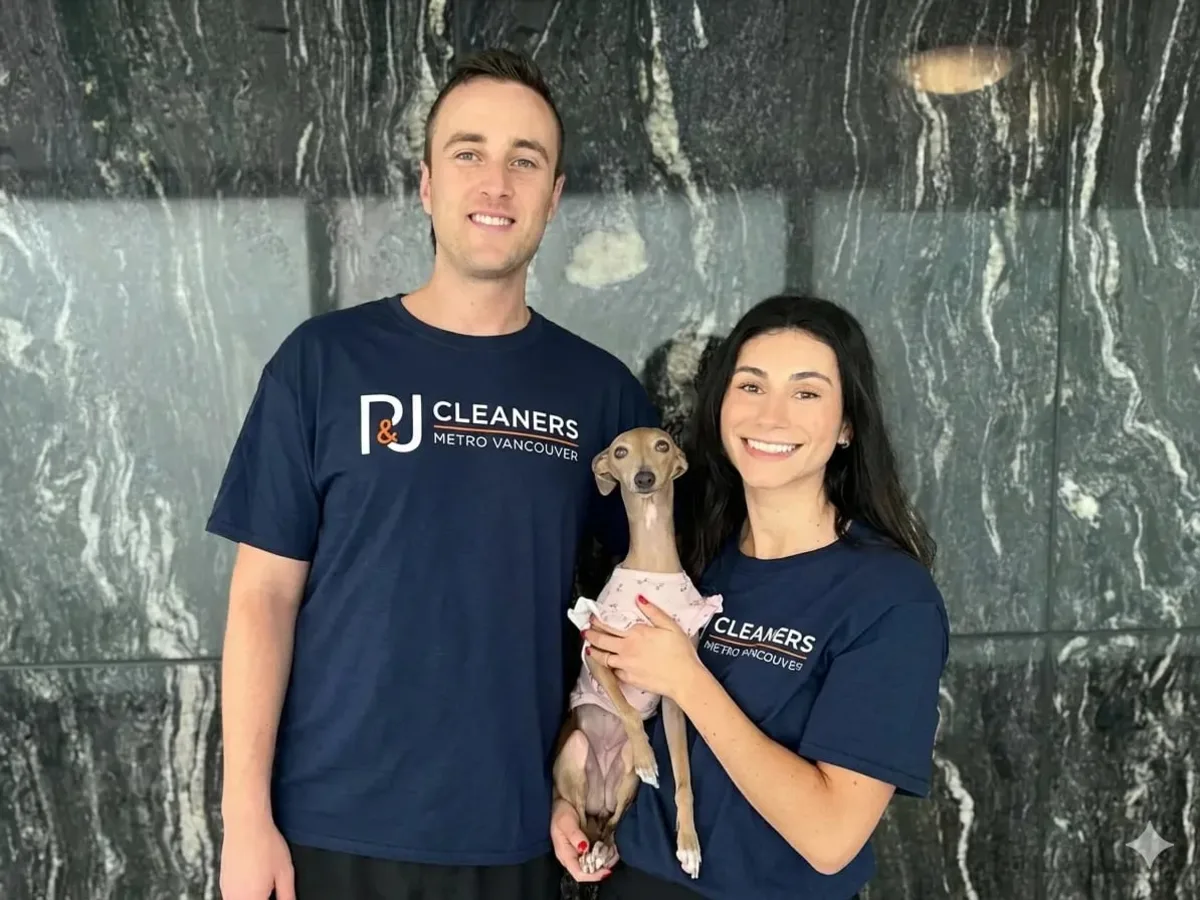
Pamela
Co-Founder
Pamela leads residential quality standards at P&J Cleaners, refining safe, detail-driven cleaning systems for Vancouver homes, condos, and move-out projects.
Keep Exploring