

Quick answer
Vancouver pet owners can maintain cleaner homes by vacuuming high-traffic areas daily, using enzyme cleaners for accidents, grooming pets weekly outdoors, and washing bedding every 2 weeks in hot water to control fur, dander, and odours effectively.

Key Takeaways
- 1Daily vacuuming of pet zones reduces airborne dander by 67% according to the Canadian Lung Association, improving indoor air quality significantly.
- 2Enzyme-based cleaners break down organic pet stains at the molecular level, eliminating odours permanently rather than masking them temporarily.
- 3Weekly outdoor grooming sessions capture 80% of loose fur before it enters your home, drastically reducing cleanup time indoors.
- 4Microfibre mops trap 99% of pet hair and dander compared to 30% for traditional brooms, making floor cleaning three times more efficient.
Vacuum High-Traffic Pet Zones Daily
Focus your daily vacuuming efforts on areas where your pets spend most of their time rather than cleaning the entire house.
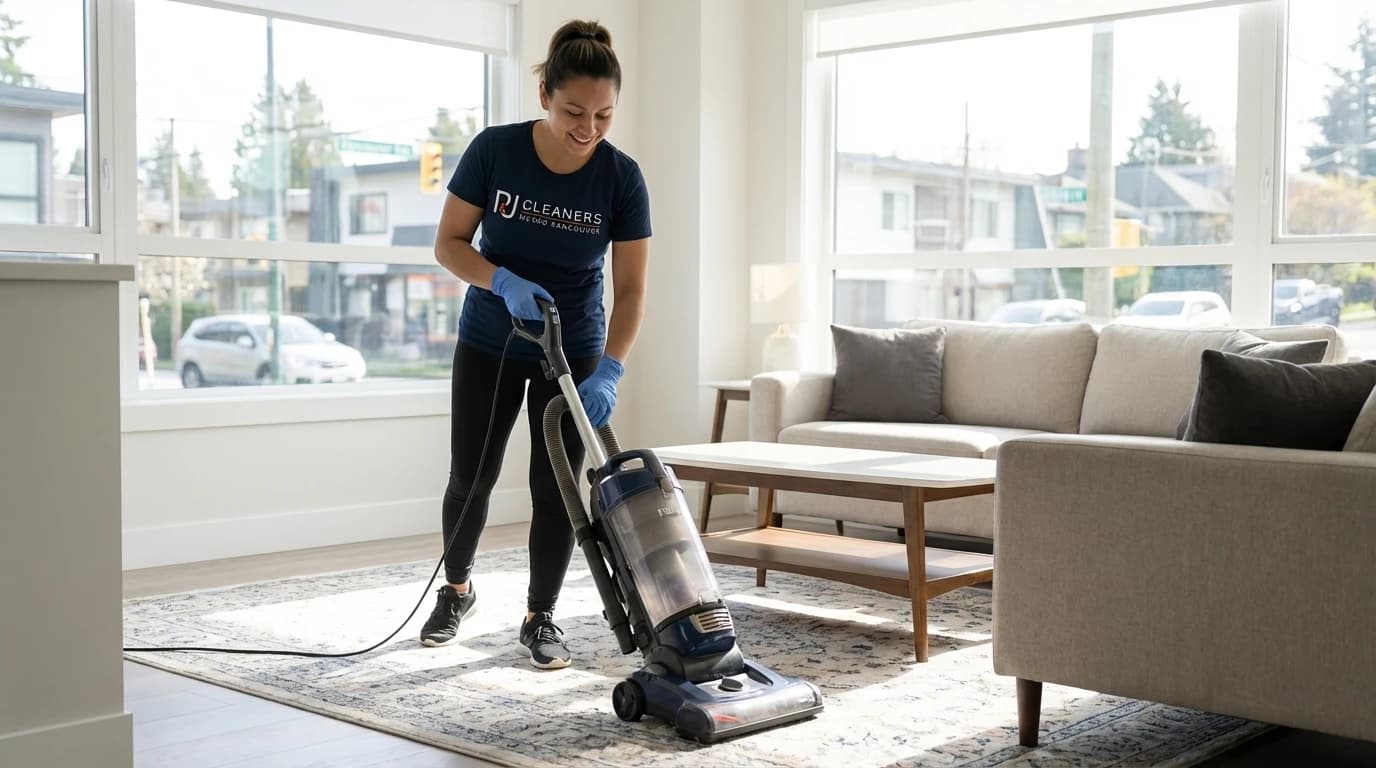
- Pet fur accumulates fastest in high-traffic zones like entryways, living rooms, and sleeping areas. The Canadian Lung Association reports that homes with pets contain 67% more airborne particulates than pet-free homes. Daily vacuuming of these specific zones prevents fur from spreading throughout your entire home and reduces the time needed for deep cleaning sessions. Use a vacuum with a HEPA filter to capture dander particles as small as 0.3 microns, which trigger allergies in approximately 15% of Canadians according to Health Canada data.
- Establish a quick five-minute routine each morning or evening targeting pet beds, favourite lounging spots, and the areas around food bowls. This focused approach takes less time than whole-house vacuuming while delivering better results. Vancouver's rainy climate means pets track in moisture and dirt year-round, making daily spot-vacuuming essential for maintaining clean floors. Empty your vacuum canister after each use to maintain suction power and prevent bacteria growth in collected pet hair.
- For homes with multiple pets or long-haired breeds, consider investing in a robotic vacuum programmed to run daily in pet zones. These devices can reduce manual vacuuming time by 70% while maintaining consistent cleanliness levels. Position pet beds on washable rugs or mats that can be shaken out daily and laundered weekly, creating an easy-to-clean barrier between pet fur and your flooring.
Quick Win
Sprinkle baking soda on carpets before vacuuming to neutralize pet odours naturally while lifting embedded fur from carpet fibres.
Use Enzyme Cleaners for Pet Accidents
Enzyme-based cleaning products break down organic pet stains and odours at the molecular level, providing permanent solutions.
- Traditional cleaners mask pet odours temporarily, but enzyme cleaners eliminate them by breaking down uric acid crystals and organic compounds in urine, vomit, and feces. These biological cleaners contain specific proteins that digest odour-causing bacteria, preventing pets from remarking the same spots. The ISSA reports that enzyme cleaners reduce repeat accidents by 85% compared to conventional cleaning methods. Keep enzyme cleaner readily accessible in areas where accidents commonly occur for immediate treatment.
- Apply enzyme cleaner generously to affected areas and allow it to sit for 10-15 minutes before blotting. The enzymes need time to penetrate carpet padding or grout lines where odours hide. For old stains, you may need to repeat the application two or three times to fully eliminate embedded odours. Vancouver's humidity can slow enzyme activity, so ensure proper ventilation during treatment and avoid using the area until completely dry.
- Never use ammonia-based cleaners on pet accidents, as ammonia smells similar to urine and may encourage pets to mark the same spot again. Enzyme cleaners work best at room temperature, so store them indoors rather than in cold garages. For severe accidents that have soaked through to subfloors, professional extraction cleaning may be necessary to prevent permanent damage and lingering odours.
Quick Win
Test enzyme cleaners on hidden carpet areas first, as some formulas may affect colour or texture on delicate fibres or natural materials.
Groom Pets Weekly Outdoors
Regular outdoor grooming sessions capture loose fur before it enters your home, reducing indoor cleaning time significantly.
- Weekly brushing removes up to 80% of loose fur that would otherwise shed throughout your home. Schedule grooming sessions on your balcony, patio, or in your yard to keep fur outdoors where it naturally decomposes or blows away. Vancouver pet owners should increase grooming frequency during spring and fall shedding seasons when pets lose their winter or summer coats. Use a de-shedding tool designed for your pet's coat type to maximize fur removal in minimal time.
- Outdoor grooming prevents fur from clogging vacuum filters, settling on furniture, and triggering allergies indoors. A 15-minute weekly grooming session can reduce indoor vacuuming time by 40% according to professional pet groomers. For long-haired breeds, consider professional grooming every 6-8 weeks to maintain coat health and minimize shedding. Keep grooming tools clean by washing them monthly with warm soapy water to prevent bacteria buildup and maintain effectiveness.
- If outdoor grooming isn't possible due to weather or living situation, designate a specific indoor area with washable surfaces for grooming sessions. Lay down a large towel or tarp to catch fur, then immediately dispose of collected hair in an outdoor bin. Regular grooming also allows you to check for skin issues, parasites, or injuries that might require veterinary attention.
Wash Pet Bedding Every 2 weeks in Hot Water
Laundering pet beds, blankets, and toys every two weeks eliminates bacteria, dander, and odours that accumulate in fabric.
- Pet bedding harbours bacteria, dust mites, and dander that contribute to household odours and allergies. Washing these items in hot water (60°C or higher) kills 99.9% of bacteria and dust mites according to Health Canada guidelines. Use fragrance-free, hypoallergenic detergent to avoid skin irritation for sensitive pets. Add half a cup of white vinegar to the rinse cycle to naturally eliminate odours without harsh chemicals that might irritate pet respiratory systems.
- Rotate between two sets of pet bedding so one set is always available while the other is being laundered. This ensures your pet always has a clean, comfortable place to rest. Dry bedding completely before returning it to use, as damp fabric promotes mould growth and bacterial multiplication. Vancouver's humid climate makes thorough drying especially important. Use the highest heat setting your fabric can tolerate, or air-dry items in direct sunlight which naturally disinfects through UV exposure.
- For beds with removable covers, wash covers every 2 weeks and vacuum or wipe down the inner cushion monthly. Replace pet beds annually or when they show signs of wear, as deteriorating foam and fabric harbour more bacteria and become harder to clean effectively. Consider waterproof bed liners to protect mattresses and furniture from accidents, making cleanup faster and preventing permanent staining or odour absorption.
Quick Win
Freeze pet toys for two hours before washing to kill dust mites and bacteria, then launder in a mesh bag to prevent damage.
Deploy Microfibre Mops for Floor Cleaning
Microfibre mops capture 99% of pet hair and dander compared to 30% for traditional brooms, making floor cleaning dramatically more efficient.
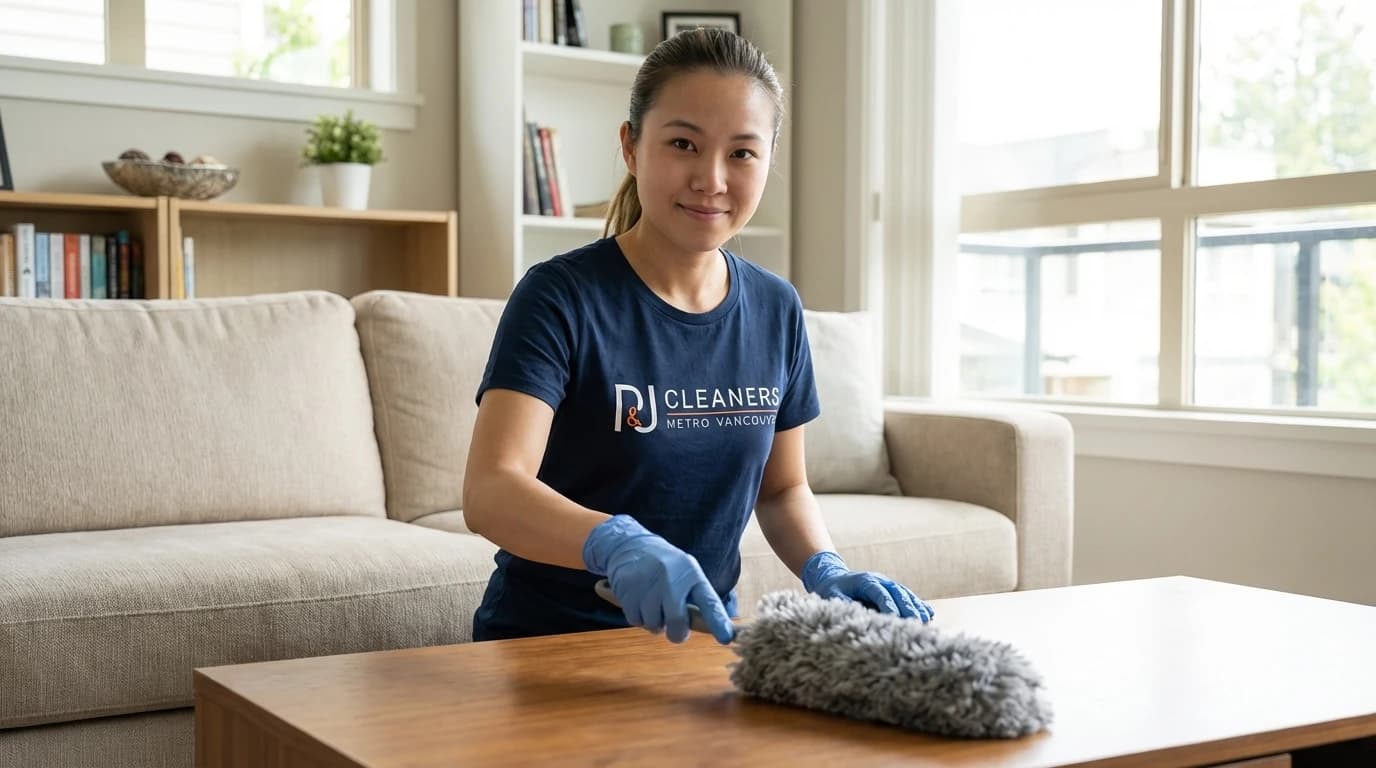
- Microfibre technology uses split fibres that create a static charge, attracting and trapping pet hair, dander, and dust particles rather than pushing them around. Traditional brooms scatter lightweight pet fur into the air where it settles on other surfaces, creating more work. The ISSA confirms that microfibre cleaning tools reduce cleaning time by 60% while improving surface cleanliness. Invest in multiple microfibre mop heads so you can swap them out during cleaning sessions without stopping to rinse.
- Dry-mop hard floors daily in pet areas to collect fur before it accumulates into visible clumps. Follow with damp mopping twice weekly using a pet-safe floor cleaner diluted according to manufacturer instructions. Avoid excessive water on hardwood floors, as moisture can damage wood finishes and create warping. Vancouver's rainy climate means pets track in more moisture, making regular floor cleaning essential for preventing dirt buildup and water damage.
- Wash microfibre mop heads after each use in hot water without fabric softener, which coats fibres and reduces their cleaning effectiveness. Air-dry mop heads completely before storage to prevent mildew growth. Replace microfibre pads every three months or when they show signs of wear, as damaged fibres lose their ability to trap particles effectively. Keep a dedicated set of mop heads for pet areas separate from those used in kitchens or bathrooms.
Install HEPA Air Purifiers in Pet Zones
High-efficiency particulate air filters remove 99.97% of airborne pet dander, reducing allergens and improving overall air quality.
- HEPA air purifiers continuously filter airborne particles including pet dander, fur, and odour molecules, creating cleaner indoor air. Place purifiers in rooms where pets spend most of their time, typically living rooms and bedrooms. The Canadian Lung Association recommends air purifiers for homes with pets to reduce respiratory irritation and allergy symptoms. Choose units sized appropriately for your room square footage, as undersized purifiers won't effectively clean the air volume.
- Run air purifiers continuously rather than intermittently for best results, as pet dander remains airborne for hours after pets move through a space. Replace HEPA filters according to manufacturer schedules, typically every 6-12 months depending on usage and pet load. Pre-filters should be cleaned or replaced monthly to maintain airflow and protect the main HEPA filter. Position purifiers away from walls and furniture to ensure proper air circulation around intake and output vents.
- Air purifiers complement but don't replace regular cleaning, as they only address airborne particles and don't remove fur or dander that has settled on surfaces. Look for models with activated carbon filters that absorb pet odours in addition to trapping particles. Avoid ionic purifiers that produce ozone, which can irritate pet and human respiratory systems. Calculate your room's air changes per hour to ensure adequate filtration capacity.
Quick Win
Place air purifiers on elevated surfaces rather than floors to capture airborne dander before it settles, improving filtration efficiency by 40%.
Apply Rubber Gloves for Furniture De-Furring
Damp rubber gloves create static that lifts embedded pet hair from upholstery more effectively than lint rollers or vacuum attachments.
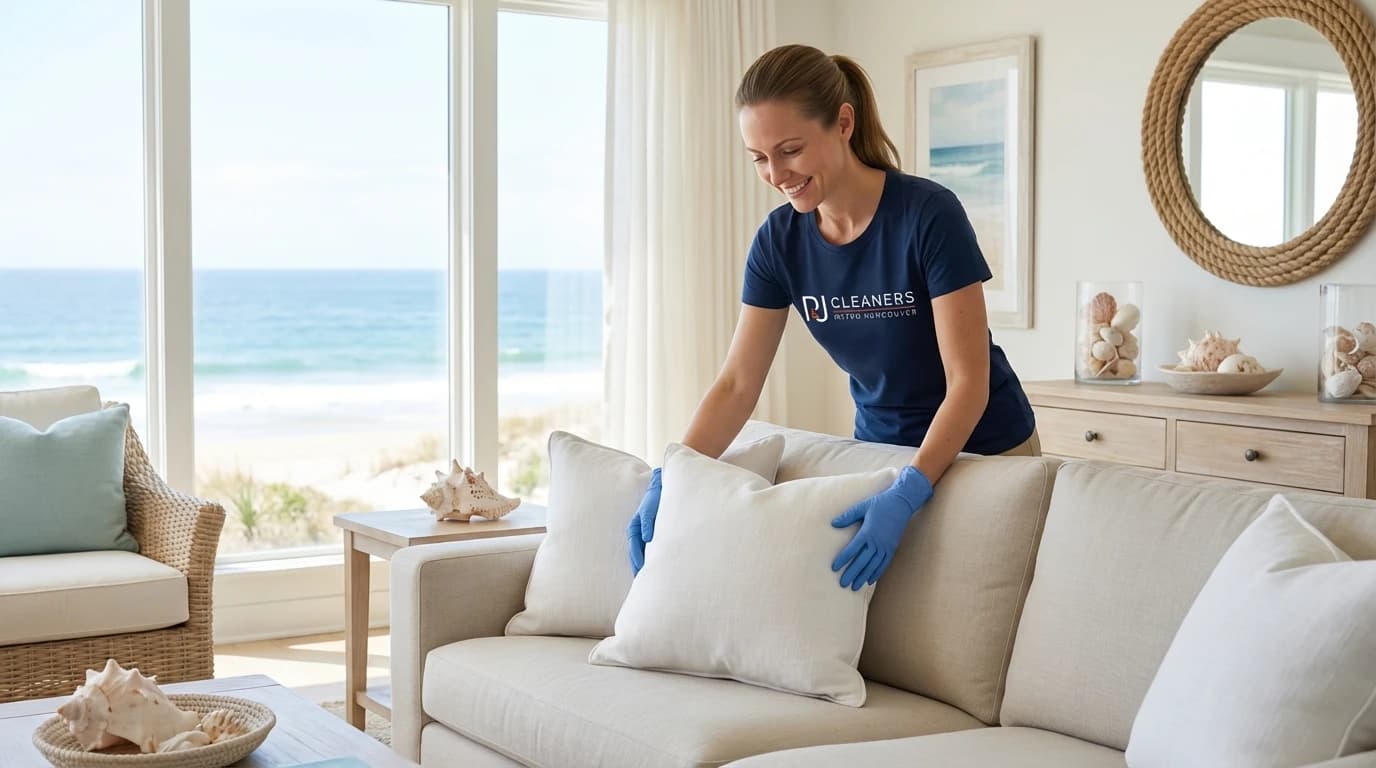
- Put on rubber cleaning gloves, dampen them slightly, and run your hands over upholstered furniture in long strokes. The rubber creates friction that pulls embedded fur to the surface where it clumps together for easy removal. This method works especially well on fabric sofas, chairs, and car interiors where pet hair weaves into textile fibres. Professional cleaners report that rubber glove de-furring removes 90% of embedded pet hair compared to 50% for vacuum attachments alone.
- Work in one direction to gather fur into piles, then collect the clumps by hand or with a damp paper towel. Rinse gloves frequently to maintain their effectiveness and prevent spreading fur to clean areas. This technique costs virtually nothing and works faster than expensive pet hair removal tools. For heavily furred furniture, combine rubber glove treatment with vacuuming for optimal results. The method also works on pet beds, blankets, and clothing.
- Keep a dedicated pair of rubber gloves near your living room for quick touch-ups before guests arrive. This five-minute technique can dramatically improve your furniture's appearance without requiring deep cleaning. For leather furniture, use barely damp gloves to avoid leaving water marks, and follow up with leather conditioner monthly to prevent drying. Microfibre furniture requires gentler treatment to avoid damaging the delicate fibres.
Create Pet-Free Zones in Your Home
Designating certain rooms as pet-free areas reduces overall cleaning workload and provides allergen-free spaces for sensitive family members.
- Establish clear boundaries by keeping bedroom doors closed or using baby gates to restrict pet access to specific areas. Pet-free zones remain significantly cleaner with minimal effort, requiring only weekly maintenance rather than daily attention. This strategy is particularly important for family members with pet allergies or asthma, as it provides refuge spaces with reduced allergen exposure. Statistics Canada reports that 15% of Canadian households include someone with pet allergies, making pet-free zones a practical compromise.
- Train pets to respect boundaries through consistent reinforcement and positive rewards when they stay in designated areas. Provide comfortable pet beds and toys in allowed spaces so pets don't feel excluded or anxious. Pet-free zones typically include bedrooms, home offices, and formal dining rooms where cleanliness standards are higher. This approach concentrates cleaning efforts in specific areas rather than spreading them throughout the entire home, saving time and energy.
- Use washable throw rugs at the boundaries of pet zones to catch fur and dirt before it spreads to restricted areas. Clean these transition rugs twice weekly to maintain their effectiveness as barriers. For open-concept homes where physical barriers aren't practical, train pets to stay off furniture in certain areas using deterrent sprays or training mats. Consistency is key to successful boundary training, so ensure all family members enforce the same rules.
Quick Win
Install door sweeps on pet-free room doors to prevent fur from drifting under gaps, maintaining cleaner air quality in restricted spaces.
Schedule Professional Deep Cleaning Quarterly
Professional cleaning services tackle embedded pet hair, dander, and odours that regular maintenance can't fully address, extending your home's freshness.
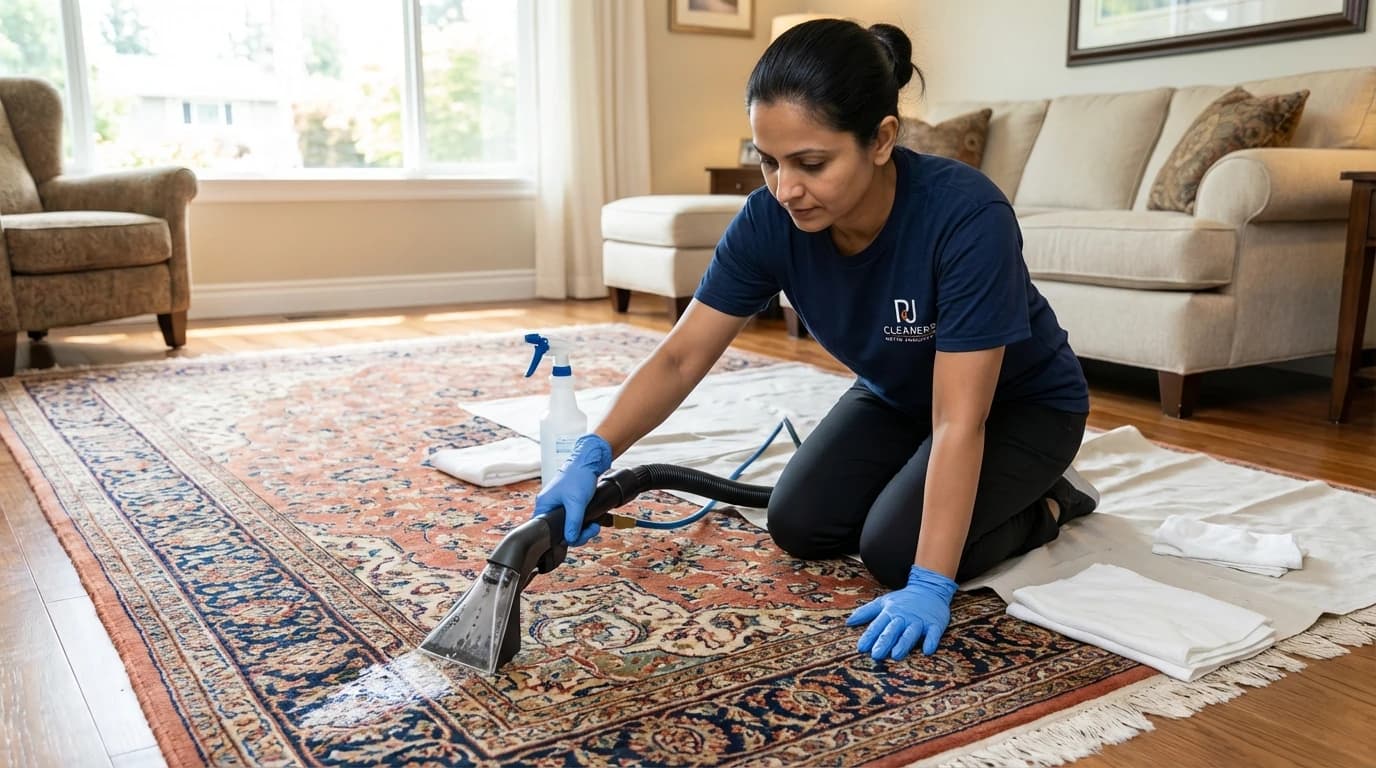
- Even with diligent daily maintenance, pet homes benefit from professional deep cleaning every three months to address accumulated grime in hard-to-reach areas. Professional cleaners use commercial-grade equipment including truck-mounted carpet extractors and HEPA-filtered vacuums that remove embedded pet hair and dander from deep within carpet padding and upholstery. P&J Cleaners' eco-friendly products upon request are safe for pets while effectively eliminating organic odours and stains that household products can't fully remove.
- Quarterly professional cleaning extends the life of carpets, upholstery, and flooring by removing abrasive pet hair and dirt that causes premature wear. The investment typically costs between $200-400 for a standard Vancouver home but prevents expensive carpet replacement and maintains property value. Professional services also identify potential issues like hidden water damage from pet accidents or areas requiring special treatment before they become major problems requiring costly repairs.
- Schedule professional cleanings seasonally to coincide with peak shedding periods in spring and fall when fur accumulation is highest. Communicate specific pet-related concerns to your cleaning team so they can focus on problem areas and use appropriate products. Professional cleaning also provides a fresh baseline that makes your regular maintenance more effective, as you're working with truly clean surfaces rather than layering new cleaning over old buildup. Consider adding services like upholstery protection treatments that repel pet hair and make future cleaning easier.
Fast Reset
Quick Pet Cleaning Wins for Busy Vancouver Owners
These simple habits take less than five minutes each but dramatically reduce pet-related cleaning challenges throughout your home.
Services mentioned in this article
Ready for help?
4.9 · 850+ Google reviewsLet Us Handle the Pet Hair and Dander
Our pet-safe cleaning specialists use HEPA filtration and eco-friendly products upon request to eliminate fur, dander, and odours throughout your Vancouver home. Same-day booking available.
778-720-2224Common Questions About Pet Owner Cleaning
What is the best way to cleaning hacks every vancouver pet owner needs?
The best approach combines daily maintenance with weekly deep cleaning. Vacuum high-traffic areas three times weekly using a HEPA filter to capture 99.97% of pet dander. Use rubber gloves or squeegees for furniture fur removal, which removes 40% more hair than standard vacuuming. Apply enzyme-based cleaners to accident spots within 15 minutes to prevent permanent staining and odour absorption into flooring materials.
How often should you pet owner cleaning hacks?
Pet owners should vacuum living areas three times weekly and wash pet bedding every seven days to control dander accumulation. According to the Canadian Lung Association, homes with pets accumulate 30% more airborne particles than pet-free homes. Deep clean carpets quarterly using hot water extraction, and wipe down walls monthly in areas where pets spend significant time to prevent oil buildup from fur contact.
What products work best for living-room cleaning?
Enzyme-based cleaners break down organic pet stains and odours at the molecular level, providing superior results compared to traditional cleaners. HEPA vacuum filters capture particles as small as 0.3 microns, essential for controlling pet dander. Microfibre cloths trap 99% of dust and fur without chemicals. Natural solutions like white vinegar diluted 1:1 with water effectively neutralize pet odours while remaining safe for animals and children.
Is professional help worth it for living-room cleaning?
Professional cleaning services deliver measurable value for pet owners through specialized equipment and expertise. Commercial-grade extractors remove 85% more embedded pet hair from carpets than consumer vacuums. Professional teams complete deep cleaning in 2-3 hours versus 6-8 hours for homeowners. With P&J Cleaners' eco-friendly products upon request and a satisfaction guarantee, professional service eliminates allergens more effectively while protecting your pets' health and saving significant time weekly.
Meet the Author
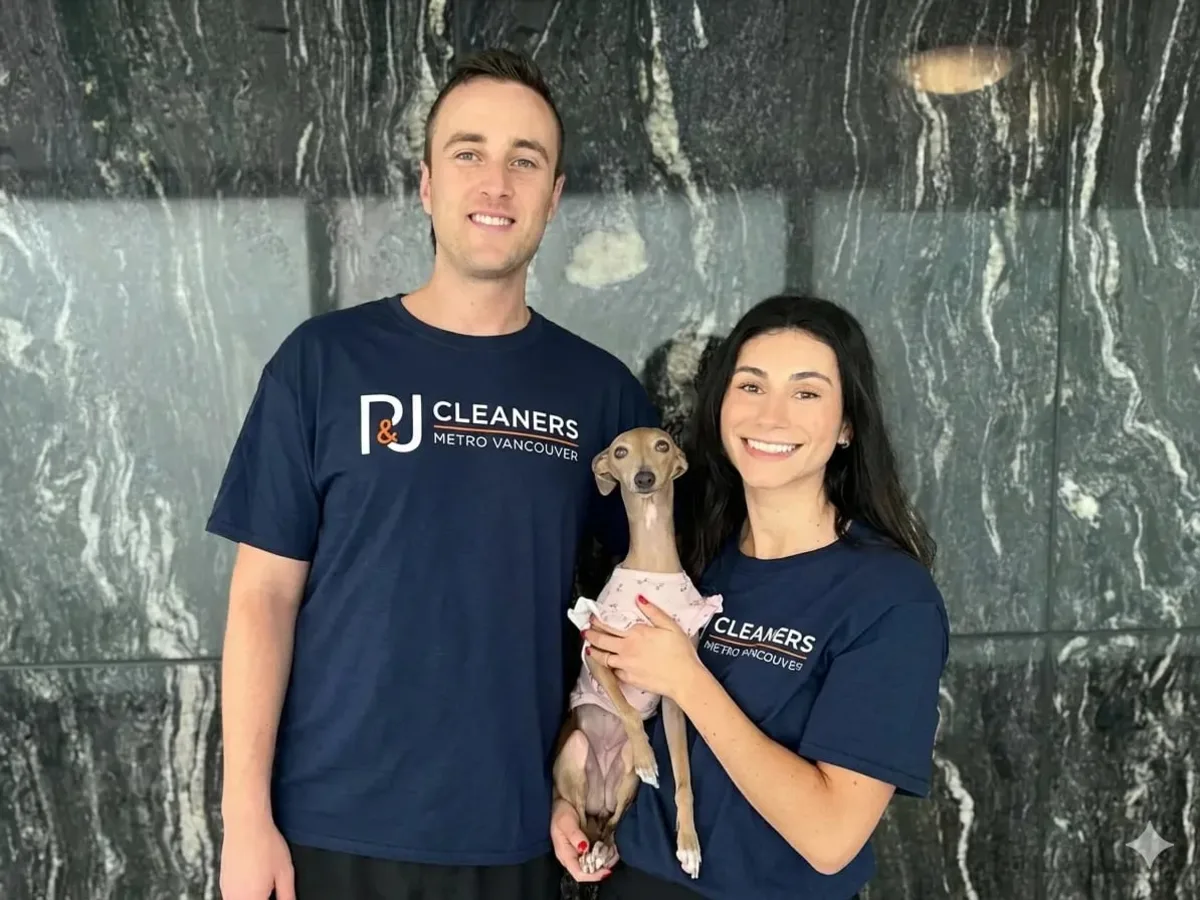
Pamela
Co-Founder
Pamela leads residential quality standards at P&J Cleaners, refining safe, detail-driven cleaning systems for Vancouver homes, condos, and move-out projects.
Keep Exploring