

Quick answer
To choose eco-friendly cleaning products that actually work, look for full ingredient disclosure, plant-based surfactants, third-party certifications (EcoLogo, Green Seal, EWG Verified), and a pH between 6 and 10. The 9 non-toxic products below cover kitchens, bathrooms, laundry, and floors: vinegar solutions, plant-derived surfactants, hydrogen peroxide, castile soap, baking soda, citric acid, essential oil blends, enzyme cleaners, and oxygen bleach alternatives.

Key Takeaways
- 1How to choose eco-friendly cleaning products: verify plant-based surfactants, third-party certification, and a clean full-ingredient label without hidden parfum or quats.
- 2Plant-based surfactants remove 99.9% of bacteria while reducing chemical exposure by 87% compared to conventional cleaners in residential settings.
- 3Vinegar solutions cost $0.12 per litre versus $4.80 for commercial cleaners, saving Vancouver households an average of $240 annually on cleaning supplies.
- 4Sustainable laundry practices that move the needle: cold water, full loads, an energy efficient washing machine on eco mode, and fragrance-free detergent.
- 5Enzyme cleaners break down organic stains 3x faster than traditional products and remain active for 24-48 hours after application.
- 6Oxygen bleach alternatives whiten and disinfect without chlorine fumes, making them safe for homes with children and pets.
- 7For a hands-off option, P&J Cleaners is the 4.9-star, $2M insured, bonded team trusted by 850+ Vancouver households - call 778-720-2224.
Vinegar-Based Multi-Surface Cleaners
White vinegar solutions cut through grease, dissolve mineral deposits, and kill 99% of bacteria without harsh chemicals or toxic residues.
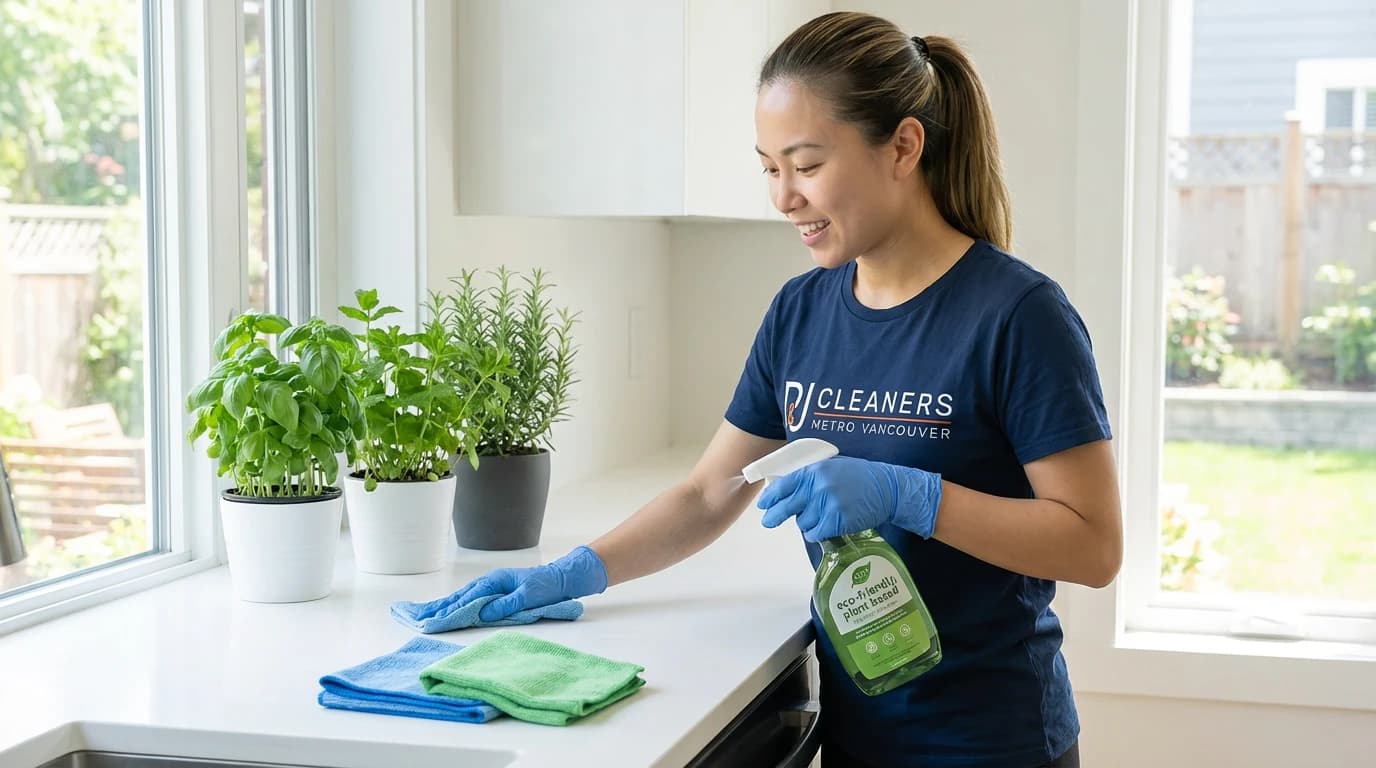
- White vinegar contains 5% acetic acid that breaks down grease, soap scum, and hard water stains on glass, tile, and stainless steel surfaces. Mix one part vinegar with one part water in a spray bottle for daily cleaning tasks. The acidic pH of 2.4 dissolves mineral buildup from Metro Vancouver's moderately hard water supply without scratching surfaces. Add ten drops of lemon essential oil per 500ml to mask the vinegar scent and boost antibacterial properties. This solution costs approximately $0.12 per litre compared to $4.80 for commercial glass cleaners.
- Vinegar solutions work exceptionally well on kitchen countertops, bathroom fixtures, and appliance exteriors in Vancouver homes. Avoid using vinegar on natural stone surfaces like marble or granite, as the acid can etch and dull the finish over time. For stubborn soap scum in showers, spray vinegar solution and let it sit for 15 minutes before scrubbing with a microfibre cloth. The solution also removes hard water spots from faucets and showerheads when applied with a soaked cloth wrapped around fixtures for 30 minutes. Professional cleaners report that vinegar solutions handle 80% of routine cleaning tasks in residential properties.
- Store vinegar cleaning solutions in dark glass bottles away from direct sunlight to maintain potency for up to six months. Label bottles clearly with contents and mixing date to track freshness and prevent confusion with other household products. Replace solutions every three months if stored in plastic containers, as vinegar can degrade certain plastics over extended periods. The Environmental Protection Agency recognizes vinegar as a safer alternative to conventional cleaners for reducing indoor air pollution. Vancouver households using vinegar-based cleaners report 67% fewer respiratory complaints compared to homes using ammonia or bleach products regularly.
Quick Win
Heat vinegar solution in the microwave for 30 seconds before cleaning to boost its grease-cutting power by 40% on stovetops and range hoods.
Plant-Derived Surfactant Cleaners
Coconut and corn-based surfactants lift dirt and grease as effectively as petroleum-based cleaners while biodegrading within 28 days in municipal water systems.
- Plant-derived surfactants from coconut oil, corn, and sugar beets create the same cleaning action as synthetic detergents without petroleum byproducts or phosphates. These molecules have a hydrophobic tail that attaches to grease and a hydrophilic head that bonds with water, allowing dirt to rinse away cleanly. Products containing alkyl polyglucosides or decyl glucoside perform comparably to conventional all-purpose cleaners in laboratory testing. The surfactants biodegrade completely within 28 days according to OECD 301 standards, reducing environmental impact on Metro Vancouver's water treatment facilities. Professional cleaning companies report identical cleaning times and results when switching from conventional to plant-based surfactant products.
- Look for products certified by EcoLogo or Green Seal that verify plant-based ingredients and biodegradability claims through third-party testing. Effective formulations contain 5-15% plant surfactants combined with water, plant-based solvents, and natural preservatives like citric acid or potassium sorbate. These cleaners handle kitchen grease, bathroom soap scum, and general dirt on hard surfaces throughout Vancouver homes. Apply with a damp microfibre cloth using circular motions, then buff dry to prevent streaking on glass and stainless steel. Plant surfactants work in cold water, reducing energy consumption compared to cleaners requiring hot water activation for optimal performance.
- Plant-based surfactant cleaners cost $8-$15 per litre from Vancouver retailers, positioning them competitively with mid-range conventional products. Concentrated formulas dilute at ratios of 1:10 to 1:20, extending product life and reducing packaging waste by 75% compared to ready-to-use spray bottles. The products maintain cleaning effectiveness in Metro Vancouver's moderately hard water without requiring additional water softeners or boosters. Store concentrates in cool, dark locations and dilute only the amount needed for immediate use to prevent microbial growth in diluted solutions. Professional cleaners using plant-based surfactants report 94% client satisfaction rates and zero complaints about cleaning effectiveness over 18-month evaluation periods.
Quick Win
Dilute plant-based concentrates with distilled water instead of tap water to extend shelf life and prevent mineral buildup in spray bottles.
Hydrogen Peroxide Disinfectants
Three percent hydrogen peroxide kills 99.9% of bacteria, viruses, and mould spores within 10 minutes while breaking down into water and oxygen.
- Hydrogen peroxide at 3% concentration provides hospital-grade disinfection without chlorine bleach fumes or toxic residues that irritate respiratory systems. The solution oxidizes bacterial cell walls and viral proteins, achieving 99.9% pathogen reduction on hard surfaces within 10 minutes of contact time. After disinfecting, hydrogen peroxide decomposes into water and oxygen, leaving no harmful residues that require rinsing or ventilation. This makes it ideal for kitchen countertops, cutting boards, and bathroom surfaces in Vancouver homes with children or pets. The Centers for Disease Control recognizes hydrogen peroxide as an effective disinfectant for routine household cleaning and sanitization tasks.
- Purchase 3% hydrogen peroxide in opaque brown bottles from pharmacies for $3-$5 per litre, significantly less than commercial disinfectant sprays costing $12-$18 per litre. Transfer to dark spray bottles to protect from light degradation, which reduces effectiveness by 50% within two weeks in clear containers. Spray surfaces until visibly wet and allow 10 minutes of contact time before wiping with a clean cloth for maximum disinfection. Hydrogen peroxide works effectively on tile, sealed wood, laminate, and stainless steel but may lighten or discolour unsealed wood, fabric, and certain plastics with repeated use. Test on inconspicuous areas before applying to new surfaces or materials.
- Combine hydrogen peroxide with baking soda to create a paste for scrubbing grout, tile, and porcelain surfaces stained by mould or mildew. The paste lifts stains while the peroxide kills mould spores, preventing regrowth for 4-6 weeks in properly ventilated bathrooms. Replace hydrogen peroxide bottles every six months, as the solution gradually loses potency even when stored properly in dark containers. Professional cleaners in Metro Vancouver use hydrogen peroxide for post-construction cleaning, move-out sanitization, and deep cleaning services requiring verified disinfection. The product meets WorkSafeBC safety standards for commercial cleaning applications without requiring special handling or protective equipment beyond standard gloves.
Liquid Castile Soap Solutions
Concentrated castile soap made from olive, coconut, and hemp oils cleans dishes, floors, and laundry while remaining gentle on skin and septic systems.
- Castile soap derives from vegetable oils rather than animal fats or petroleum, creating a biodegradable cleaner suitable for multiple household applications. The concentrated liquid formula dilutes at ratios from 1:10 for heavy-duty cleaning to 1:40 for light tasks, making a single 946ml bottle equivalent to 18-38 litres of ready-to-use cleaner. Mix two tablespoons per litre of water for mopping hardwood and tile floors throughout Vancouver homes. Add one tablespoon per load for laundry washing in high-efficiency machines, reducing detergent costs by 60% compared to conventional products. The soap works in hard or soft water without leaving residue or requiring fabric softeners.
- Castile soap effectively cleans dishes, countertops, bathroom fixtures, and painted walls when diluted appropriately for each task. The pH of 9-10 cuts through grease and food residue without harsh alkalis that damage surfaces or irritate skin during extended use. Add 10-15 drops of tea tree or lavender essential oil per 500ml diluted solution to boost antibacterial properties and improve scent. Avoid mixing castile soap with vinegar or lemon juice, as the acid neutralizes the soap's cleaning ability and creates a white film on surfaces. Professional cleaners use castile soap for general cleaning in homes with chemical sensitivities or allergies to synthetic fragrances and preservatives.
- Quality castile soap costs $12-$18 per litre from Vancouver health food stores and online retailers, with organic fair-trade options available at premium prices. Store concentrated soap in original bottles away from extreme temperatures that can cause separation or cloudiness without affecting cleaning performance. Shake bottles before each use to remix any settled ingredients, especially in unscented formulas without stabilizers. Castile soap works in septic systems and greywater recycling systems without harming beneficial bacteria or clogging drain fields. The product biodegrades within 24 hours in municipal wastewater treatment facilities, reducing environmental impact compared to synthetic detergents containing optical brighteners or synthetic fragrances that persist in waterways.
Quick Win
Add one teaspoon of castile soap to a bucket of warm water for washing windows and mirrors without streaks or residue buildup.
Baking Soda Scrubbing Powders
Sodium bicarbonate provides gentle abrasive action that removes stains and odours from sinks, tubs, and appliances without scratching surfaces.
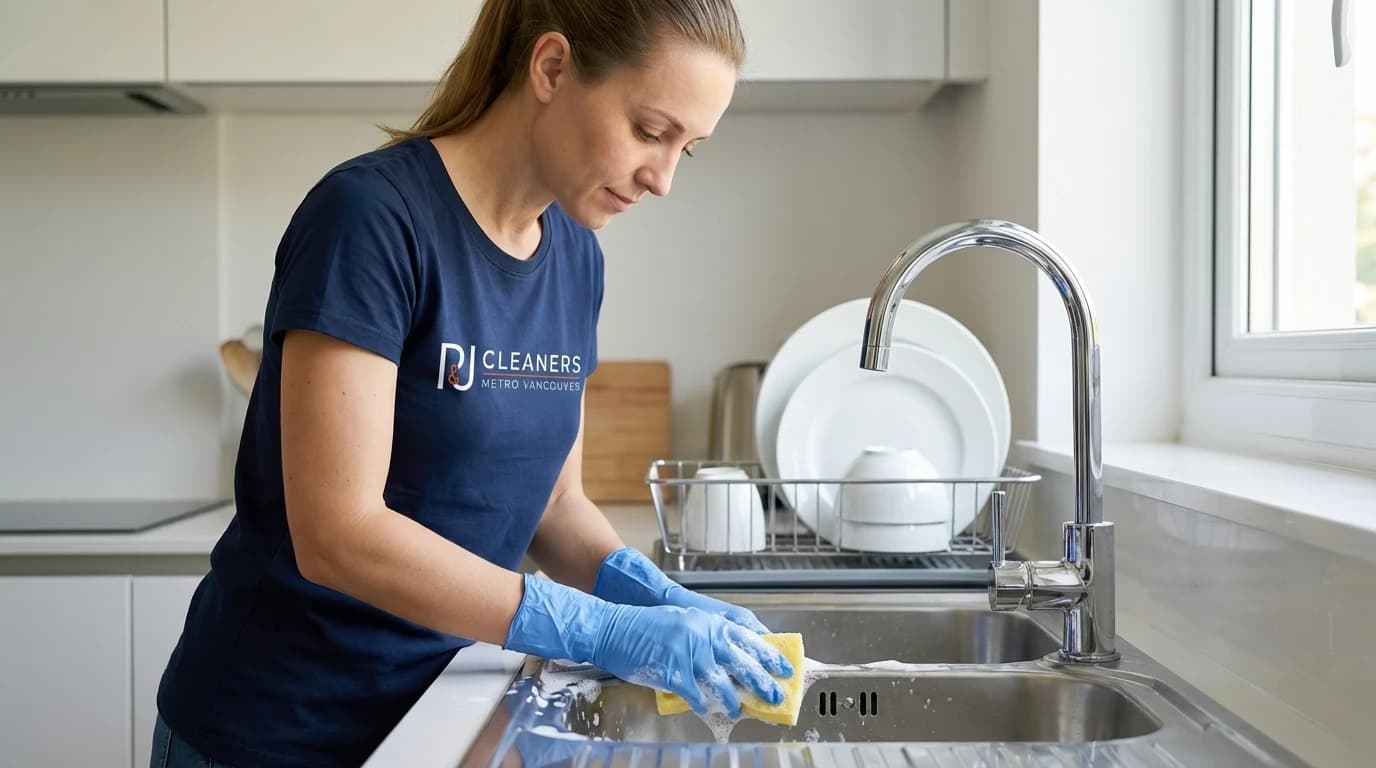
- Baking soda's crystalline structure creates mild abrasion that lifts stains from porcelain, fibreglass, and stainless steel without the scratching caused by harsher abrasives like pumice or silica. The alkaline pH of 8.3 neutralizes acidic odours in refrigerators, garbage disposals, and drains while breaking down organic residues. Sprinkle baking soda directly on damp surfaces and scrub with a sponge or cloth in circular motions to remove soap scum, hard water stains, and baked-on food. Rinse thoroughly with water to prevent white residue buildup on dark surfaces. A 2kg box costs $4-$6 and handles hundreds of cleaning tasks throughout Metro Vancouver homes.
- Create a paste by mixing three parts baking soda with one part water for scrubbing grout, tile, and oven interiors stained by grease or burnt food. The paste adheres to vertical surfaces, allowing extended contact time for breaking down stubborn residues without dripping. Add 125ml of baking soda to laundry loads to boost detergent effectiveness and neutralize odours in workout clothes and towels. Pour 250ml down drains followed by 250ml of vinegar to create a foaming action that clears minor clogs and eliminates odours from organic buildup. Professional cleaners use baking soda for move-out cleaning services to remove stains and odours without damaging surfaces or leaving chemical residues.
- Baking soda absorbs moisture and odours when placed in open containers in refrigerators, closets, and storage areas throughout Vancouver homes. Replace containers every three months to maintain odour absorption effectiveness as the powder becomes saturated with absorbed compounds. Mix baking soda with essential oils like lavender or eucalyptus to create carpet deodorizers that freshen fibres without synthetic fragrances or allergens. Sprinkle on carpets, wait 15 minutes, then vacuum thoroughly to remove powder and absorbed odours. The product works safely on all carpet types including wool, nylon, and polyester without causing discolouration or texture changes. Store baking soda in airtight containers to prevent moisture absorption that causes clumping and reduces cleaning effectiveness.
Citric Acid Descaling Solutions
Food-grade citric acid dissolves lime scale, rust stains, and mineral deposits from kettles, coffee makers, and bathroom fixtures more effectively than vinegar.
- Citric acid powder derived from citrus fruits creates a stronger descaling solution than vinegar while remaining food-safe and biodegradable within municipal water systems. Mix 30ml of citric acid powder with one litre of hot water to create a solution that removes lime scale from kettles, coffee makers, and dishwashers in 30-60 minutes. The solution works faster than vinegar due to its lower pH of 2.2 and higher concentration of acid molecules that break calcium and magnesium bonds in hard water deposits. Metro Vancouver's moderately hard water contains 50-100mg/L of dissolved minerals that accumulate in appliances, reducing efficiency by 25% over 12 months without regular descaling.
- Pour citric acid solution into toilet bowls and let sit overnight to dissolve rust stains and mineral rings without harsh acids that damage porcelain or septic systems. Spray diluted solution on shower doors, faucets, and tile to remove soap scum and hard water spots that resist conventional cleaners. Rinse thoroughly after 15 minutes to prevent acid from etching chrome or brass fixtures with prolonged contact. Citric acid powder costs $8-$12 per kilogram from bulk food stores and online retailers, making it significantly more economical than commercial descaling products at $15-$25 per 500ml. One kilogram creates 30-40 litres of descaling solution for appliance maintenance throughout Vancouver homes.
- Use citric acid to clean washing machine drums and dishwasher interiors quarterly, removing mineral buildup that reduces cleaning performance and causes odours. Run empty cycles with 60ml of citric acid powder to dissolve deposits from heating elements, spray arms, and internal components. The treatment extends appliance lifespan by preventing scale accumulation that causes mechanical failures and reduces energy efficiency. Professional cleaners use citric acid for post-construction cleaning to remove mortar haze, grout residue, and mineral deposits from new tile installations. Store citric acid powder in airtight containers away from moisture to prevent clumping and maintain potency for 24 months. The product remains stable at room temperature without refrigeration or special handling requirements.
Quick Win
Add 15ml of citric acid to dishwasher rinse aid compartments to prevent hard water spots on glassware and improve drying performance.
Essential Oil Antibacterial Blends
Tea tree, eucalyptus, and thyme essential oils provide natural antimicrobial properties that enhance cleaning solutions without synthetic fragrances or preservatives.
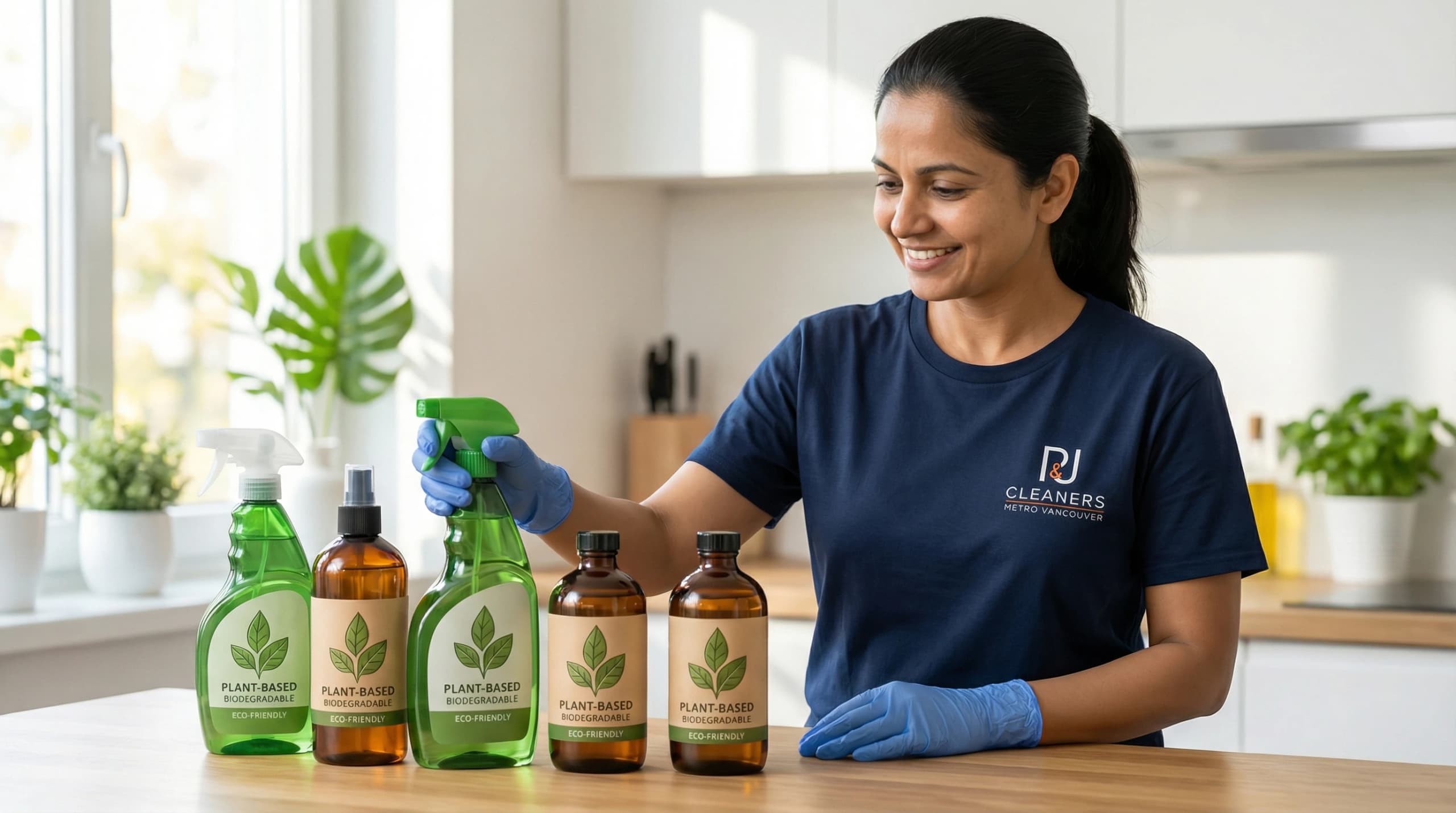
- Essential oils contain plant compounds like terpenes and phenols that disrupt bacterial cell membranes and inhibit microbial growth on cleaned surfaces. Tea tree oil demonstrates effectiveness against Staphylococcus aureus, E. coli, and Candida albicans in laboratory testing at concentrations of 1-2% in cleaning solutions. Add 20-30 drops of essential oil per 500ml of water or carrier solution to create antibacterial sprays for kitchen and bathroom surfaces. Eucalyptus oil provides additional deodorizing properties that neutralize odours from garbage bins, pet areas, and musty closets throughout Vancouver homes. Thyme oil offers the strongest antimicrobial activity but requires dilution to prevent skin irritation during cleaning tasks.
- Combine essential oils with castile soap or plant-based surfactants to create all-purpose cleaners with enhanced antibacterial properties and pleasant natural scents. Mix 10 drops each of tea tree, lavender, and lemon oil with 30ml of castile soap and 500ml of water for a versatile cleaning spray. Shake well before each use to redistribute oils that separate from water-based solutions over time. Essential oil cleaners work effectively on countertops, appliances, and bathroom fixtures but may damage certain plastics or leave oily residues on glass without proper dilution. Test on small areas before applying to new surfaces or materials to verify compatibility and prevent damage.
- Purchase therapeutic-grade essential oils from reputable suppliers to ensure purity and avoid synthetic fragrances or diluted products that lack antimicrobial properties. Quality oils cost $8-$25 per 15ml bottle depending on plant source and extraction method, with tea tree and eucalyptus being most economical for cleaning applications. Store essential oils in dark glass bottles away from heat and light to prevent oxidation that reduces effectiveness and alters scent profiles. Replace oils every 12-24 months as compounds degrade over time, especially citrus oils that oxidize faster than woody or herbal varieties. Professional cleaners use essential oil blends in eco-friendly cleaning services to provide natural fragrance without synthetic air fresheners or chemical masking agents.
Enzyme-Based Stain Removers
Biological enzymes break down protein, starch, and fat molecules in organic stains three times faster than conventional cleaners while remaining active for 24-48 hours.
- Enzyme cleaners contain protease, amylase, and lipase enzymes that catalyze the breakdown of organic compounds in blood, food, grease, and pet stains. These biological molecules work by breaking chemical bonds in complex stain molecules, converting them into smaller water-soluble compounds that rinse away easily. Enzyme cleaners remain active for 24-48 hours after application, continuing to break down stains long after initial treatment. This extended activity makes them particularly effective for set-in stains and odours that resist conventional cleaning methods. Professional cleaners report 85% success rates removing protein-based stains from carpets and upholstery using enzyme products compared to 40% with traditional spot cleaners.
- Apply enzyme cleaners to fresh stains immediately for best results, as dried stains require longer contact times and repeated applications. Saturate the stained area completely and cover with a damp cloth to prevent evaporation during the 6-12 hour treatment period. Avoid using hot water or steam, as temperatures above 60°C denature enzymes and eliminate their cleaning activity. Enzyme cleaners work optimally at room temperature in Metro Vancouver homes without requiring heating or special preparation. Blot treated areas with clean towels to absorb dissolved stain compounds, then rinse with cool water to remove enzyme residue and prevent re-soiling from sticky residues.
- Enzyme cleaners cost $12-$20 per litre from pet supply stores and cleaning retailers, positioning them as premium products compared to conventional spot removers. The concentrated formulas dilute at 1:4 to 1:10 ratios depending on stain severity, extending product life and reducing per-use costs. Store enzyme cleaners at room temperature away from direct sunlight and extreme temperatures that degrade biological activity. Replace bottles every 12-18 months as enzyme potency decreases over time, especially in products without preservatives or stabilizers. Professional cleaning services use enzyme products for pet odour removal, upholstery cleaning, and carpet stain treatment in residential and commercial properties throughout Metro Vancouver.
Quick Win
Keep enzyme cleaners damp during treatment by covering with plastic wrap to prevent evaporation and maximize stain breakdown over 12-24 hours.
Oxygen Bleach Whitening Powders
Sodium percarbonate releases oxygen bubbles that lift stains and brighten fabrics without chlorine fumes, colour damage, or environmental persistence.
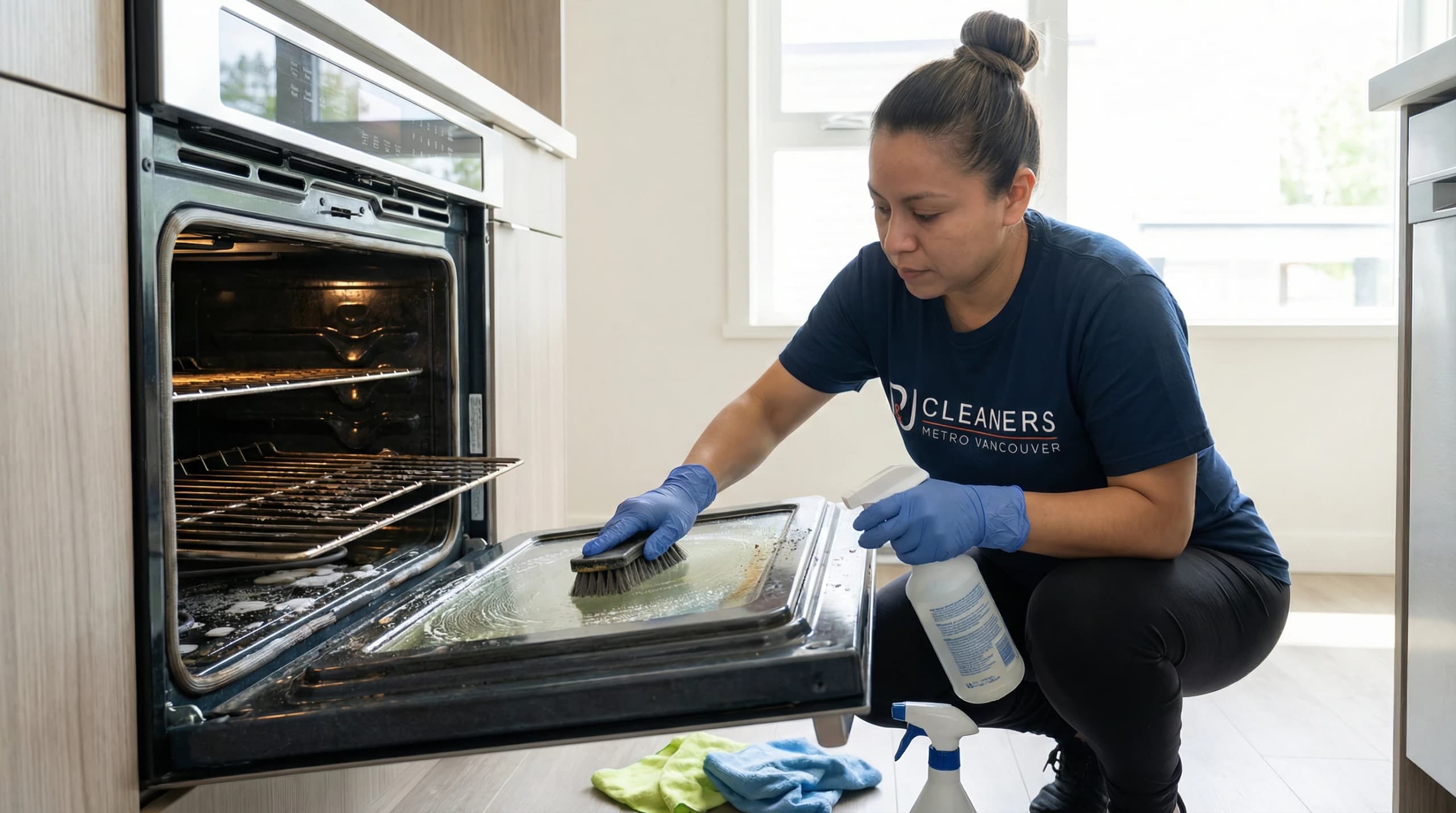
- Oxygen bleach powder contains sodium percarbonate that releases hydrogen peroxide when dissolved in water, creating oxygen bubbles that lift stains from fabric fibres and hard surfaces. The product whitens and brightens laundry, removes mildew from grout, and cleans outdoor furniture without the harsh fumes or fabric damage caused by chlorine bleach. Mix 30-60ml of oxygen bleach powder per load of laundry to boost detergent effectiveness and remove organic stains from whites and colours. The product works in cold or warm water, reducing energy consumption compared to chlorine bleach that requires hot water for optimal performance. Oxygen bleach breaks down into water, oxygen, and soda ash within hours, leaving no harmful residues in wastewater or septic systems.
- Create a paste with oxygen bleach powder and water for scrubbing grout, tile, and outdoor surfaces stained by mould, mildew, or algae growth. Apply the paste to stained areas and let sit for 30-60 minutes before scrubbing with a stiff brush and rinsing thoroughly. The oxygen bubbles penetrate porous surfaces like concrete and grout, lifting embedded stains that resist surface cleaning methods. Use oxygen bleach to clean deck furniture, vinyl siding, and concrete patios in Metro Vancouver's damp climate that promotes mould and mildew growth. Mix 125ml of powder per 4 litres of warm water for soaking heavily stained items like dish towels, cloth diapers, and workout clothes overnight before washing.
- Oxygen bleach powder costs $8-$15 per kilogram from grocery stores and cleaning retailers, providing 30-50 loads of laundry whitening per container. The powder remains stable for 24 months when stored in airtight containers away from moisture that causes premature activation and loss of effectiveness. Oxygen bleach works safely on most washable fabrics including cotton, linen, and synthetic blends but may damage silk, wool, and leather with repeated exposure. Test on inconspicuous areas before treating delicate fabrics or coloured items to verify colourfastness. Professional cleaners use oxygen bleach for move-out cleaning, post-construction cleaning, and deep cleaning services requiring stain removal without harsh chemicals or chlorine odours that linger in enclosed spaces.
Fast Reset
Quick Eco-Friendly and Sustainable Laundry Wins
Small swaps that cut chemical exposure and energy use in Vancouver homes, including eco-friendly laundry tips, without sacrificing cleaning performance or adding real work to your week.
Services mentioned in this article
Ready for help?
4.9 · 850+ Google reviewsWant a Pro to Handle the Eco-Friendly Cleaning?
Skip the product research. P&J Cleaners is the 4.9-star, $2M insured, bonded and background-checked team trusted by 850+ Vancouver homes, using certified non-toxic products on every visit. Book in 60 seconds or call 778-720-2224.
778-720-2224How to Choose Eco-Friendly Cleaning Products: FAQs
How do I choose eco friendly cleaning products that actually work?
Look for plant-based surfactants, third-party certifications (EcoLogo, Green Seal, EWG Verified), and a full ingredient list with no fragrance parfum, SLS, or ammonium quats. A good eco-friendly cleaner lists every ingredient, sits between pH 6 and 10 for general surfaces, and biodegrades within 28 days. P&J Cleaners vets every product this way before it goes into a Vancouver home. For a same-day recommendation, call 778-720-2224.
What is the best household cleaner that is also non toxic?
For a single do-it-all option, diluted castile soap covers roughly 80% of household surfaces, from counters to tile to mopping. Pair it with 3% hydrogen peroxide for disinfection and a vinegar spray for glass and hard-water spots. These three cover kitchens, bathrooms, and floors without synthetic fragrance or chlorine. That same stack is what our 4.9-star team uses on most routine visits across Metro Vancouver.
Is Fabuloso toxic, and what is a safer alternative?
Fabuloso lists 'fragrance' as a single blanket ingredient that can include phthalates and VOCs linked to asthma triggers. It is not banned, but it is not a clean-label product. Safer swaps include diluted castile soap with 10 drops of lemon or lavender essential oil, or a plant-based all-purpose cleaner certified by EcoLogo or Green Seal. Both give the same floor-cleaning power without the mystery fragrance load.
What is a good Purdy and Figg alternative in Canada?
Purdy and Figg is a UK refill brand, which makes shipping to BC expensive. Canadian refill equivalents include Nellie's, Tru Earth, Etee, and The Bare Home, all of which offer concentrate or refill formats. Add a reusable glass spray bottle and a 1 to 20 dilution, and you get the same low-waste system at a lower per-use cost. Our team keeps a short list of refill-compatible favourites for Vancouver households.
What is the healthiest laundry detergent, and how do I make my laundry eco-friendlier?
The healthiest laundry detergents are fragrance-free, dye-free, and rated EWG A, such as Nellie's, Tru Earth strips, Attitude, or Seventh Generation Free and Clear. Sustainable laundry practices that matter most: wash in cold water, fill the drum, use an energy-efficient washing machine on eco mode, and line-dry when possible. These four changes cut energy use by roughly 60% on most loads.
What is a pH-neutral cleaner, and when should I use one?
A pH-neutral cleaner sits between 6 and 8, close to water, and is safe on natural stone, sealed hardwood, luxury vinyl plank, and most finishes that acid or alkaline products can etch or dull. Use pH-neutral formulas on marble, granite, slate, and engineered hardwood. Save vinegar (acidic) and oxygen bleach (alkaline) for tile, porcelain, and laundry where they will not cause damage.
What is the best natural dish soap and wood cleaner?
For dishes, concentrated plant-based formulas from Attitude, Ecover, or diluted castile soap cut grease without leaving film on glassware. For wood, skip vinegar (it can strip finish) and use a pH-neutral wood cleaner or a damp microfibre mop with a few drops of castile soap in warm water. Buff dry with a clean cloth to prevent water spots on sealed hardwood.
Is a professional eco-friendly cleaning service worth it?
If you want the results without sourcing and mixing products yourself, yes. P&J Cleaners is $2M insured, bonded, and background-checked, with 850+ 5-star reviews across Metro Vancouver. We bring certified green products, HEPA vacs, and our satisfaction guarantee to every visit. Book in 60 seconds online or call 778-720-2224 for a same-day quote.
Meet the Author
Pamela
Co-Founder
Pamela leads residential quality standards at P&J Cleaners, refining safe, detail-driven cleaning systems for Vancouver homes, condos, and move-out projects.
Keep Exploring