Quick answer
Deep clean your laundry room by washing the machine drum with vinegar, cleaning the dryer vent and lint trap, scrubbing surfaces with all-purpose cleaner, organizing supplies, and mopping floors. This prevents mould, improves appliance efficiency, and maintains air quality.

Key Takeaways
- 1Cleaning your washing machine drum every 30 days prevents mould buildup and eliminates odours that transfer to clean laundry.
- 2Clogged dryer vents cause 15,500 house fires annually in North America according to the U.S. Fire Administration, making vent cleaning critical for safety.
- 3Lint accumulation reduces dryer efficiency by up to 30%, increasing energy costs and drying time significantly over months of use.
- 4Deep cleaning behind appliances removes dust, prevents pest infestations, and improves air circulation in your laundry space.
- 5Organizing cleaning supplies and sorting systems reduces clutter and makes laundry tasks 40% more efficient according to home organization studies.
Why Laundry Room Cleaning Matters
Regular laundry room maintenance prevents appliance breakdowns, reduces fire hazards, and creates a healthier home environment for your family.
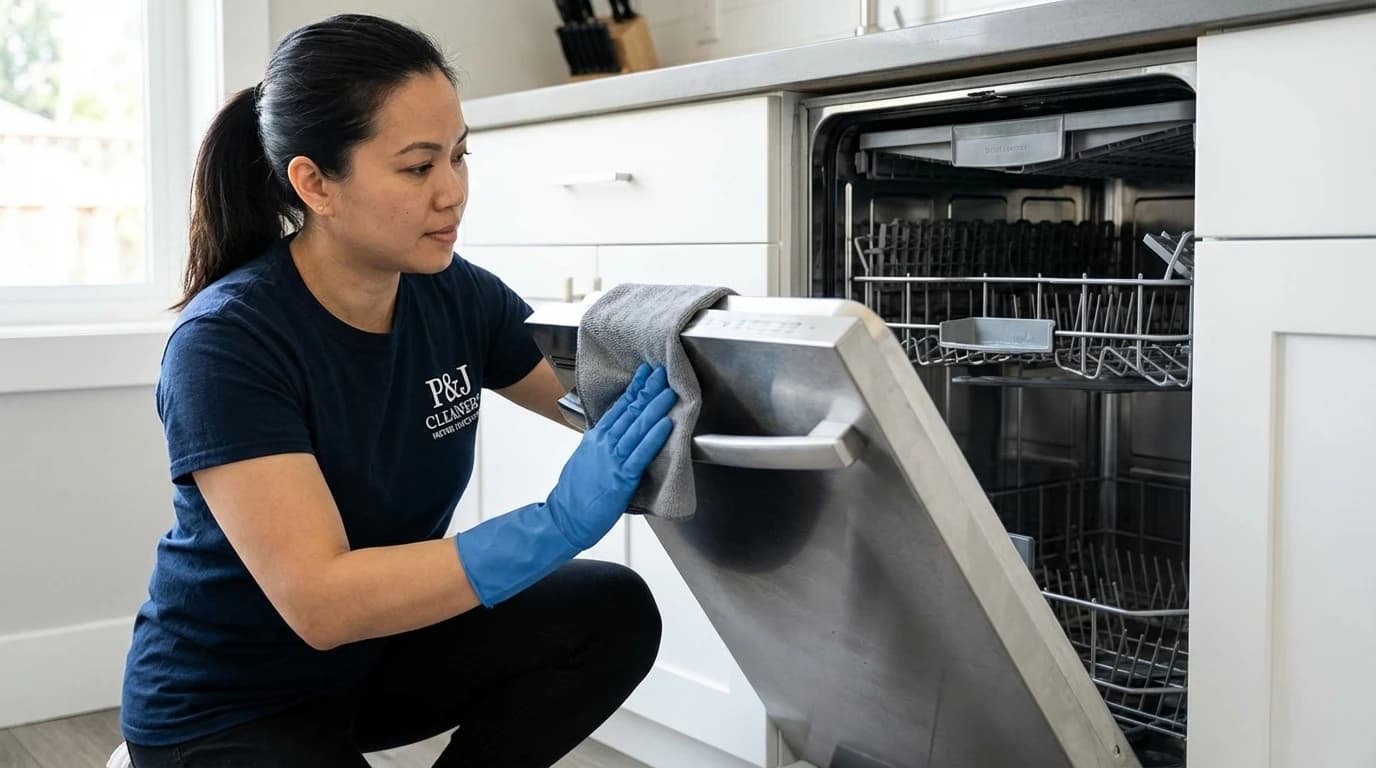
Your laundry room works harder than most spaces in your home, processing loads of dirty clothes, towels, and linens weekly. Moisture from washing machines and dryers creates ideal conditions for mould and mildew growth, particularly in Vancouver's humid climate. Without regular cleaning, these organisms spread to your clothing and circulate through your home's air system. The Canadian Mortgage and Housing Corporation reports that 30% of Canadian homes show signs of mould growth, with laundry rooms ranking among the most affected areas due to poor ventilation and moisture accumulation.
Appliance maintenance directly impacts safety and efficiency in your home. Dryer lint buildup restricts airflow and creates fire hazards, while washing machine residue harbours bacteria that contaminate your laundry. The National Fire Protection Association documents that failure to clean dryers causes 27% of home dryer fires, resulting in property damage and potential injuries. Regular cleaning extends appliance lifespan by preventing mechanical strain and corrosion. Professional cleaning services in Metro Vancouver report that homeowners who maintain quarterly deep cleaning schedules experience 50% fewer appliance repairs and replacements over five-year periods.
Beyond safety and efficiency, a clean laundry room improves your daily routine and home value. Organized spaces reduce time spent searching for supplies and sorting laundry, while fresh-smelling rooms eliminate unpleasant odours that permeate adjacent living areas. Real estate professionals in British Columbia note that well-maintained utility spaces increase home appeal during showings and inspections. Buyers specifically look for signs of proper appliance care and moisture control when evaluating properties. Investing two hours monthly in laundry room cleaning protects your investment and creates a more pleasant household environment for everyone.
- Prevents mould and mildew growth in humid environments
- Reduces fire risk from lint accumulation in dryer vents
- Extends washing machine and dryer lifespan through proper maintenance
- Eliminates bacteria and odours that transfer to clean clothing
- Improves home air quality by controlling moisture and dust
- Increases property value and appeal during home sales
Pro Tip
Schedule laundry room deep cleaning on the same day each month to establish a consistent routine. Set a phone reminder for the first Saturday morning to ensure you never skip this important maintenance task.
Cleaning Your Washing Machine Drum
Monthly washing machine cleaning removes detergent residue, mould, and bacteria that cause odours and reduce cleaning effectiveness.
Front-loading washing machines trap moisture in rubber gaskets and drum crevices, creating breeding grounds for mould and mildew. The warm, damp environment after each wash cycle allows microorganisms to multiply rapidly, producing musty odours that transfer to your clothing. Consumer Reports testing reveals that 60% of front-load washers develop noticeable odours within 18 months without regular cleaning. High-efficiency machines use less water, which means detergent and fabric softener residues don't rinse away completely. These residues accumulate on drum surfaces and door seals, forming sticky films that harbour bacteria and reduce washing performance over time.
Start your washing machine cleaning by running an empty hot water cycle with two cups of white vinegar. Vinegar's acetic acid dissolves mineral deposits, soap scum, and mildew without damaging machine components or leaving harsh chemical residues. Pour the vinegar directly into the drum, not the detergent dispenser, to ensure maximum contact with contaminated surfaces. Select the longest, hottest cycle available on your machine to allow thorough penetration and cleaning action. After the vinegar cycle completes, sprinkle half a cup of baking soda into the drum and run another hot water cycle. This second wash neutralizes odours and removes any remaining residue loosened by the vinegar treatment.
Pay special attention to the rubber door gasket on front-loading machines, where mould colonies typically establish themselves first. Pull back the gasket folds and wipe thoroughly with a cloth dampened in a solution of equal parts water and vinegar. Use an old toothbrush to scrub stubborn mould spots in gasket crevices and around the door frame. Remove and clean the detergent dispenser drawer by soaking it in hot, soapy water for 15 minutes, then scrubbing away residue buildup. Many homeowners overlook the dispenser, allowing hardened detergent and fabric softener to block proper product distribution. Rinse all components thoroughly and leave the washer door open for several hours after cleaning to allow complete drying and prevent immediate mould return.
- Run monthly hot water cycles with white vinegar to dissolve residue
- Clean rubber gaskets thoroughly to prevent mould colonization
- Remove and soak detergent dispensers to eliminate product buildup
- Leave washer door open between uses to promote air circulation
- Wipe drum interior after each use to remove excess moisture
Pro Tip
Keep a microfiber cloth near your washing machine and wipe down the drum and gasket after every load. This 30-second habit prevents 80% of mould growth and eliminates the need for harsh chemical cleaners.
Related resources
Dryer Vent and Lint Trap Maintenance
Proper dryer vent cleaning prevents fires, reduces energy consumption, and extends your dryer's operational lifespan significantly.
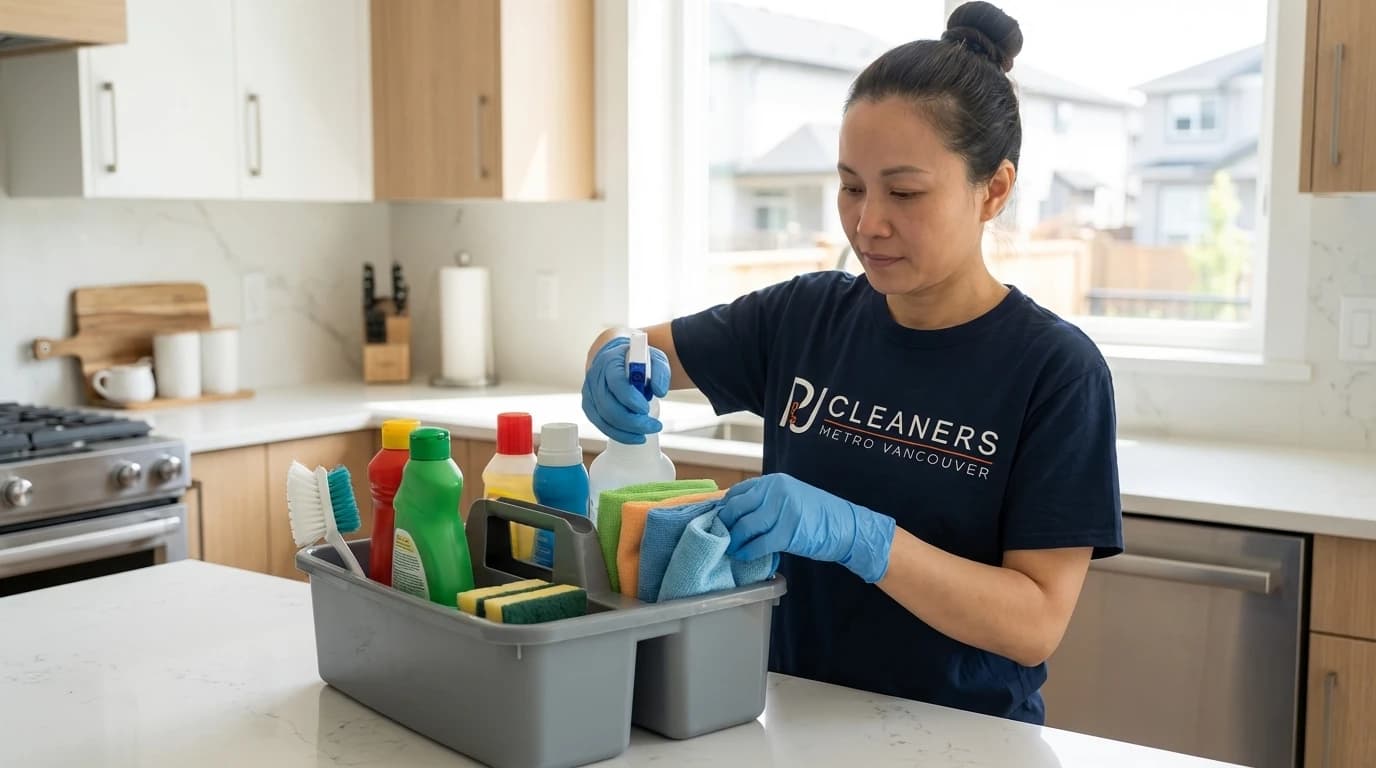
Lint accumulation in dryer vents represents one of the most dangerous yet preventable home hazards. The U.S. Fire Administration reports that dryers cause 15,500 structure fires annually, with failure to clean being the leading contributing factor in 34% of cases. Lint is highly flammable and ignites easily when exposed to the high temperatures generated during drying cycles. As lint builds up in vent ducts, it restricts airflow and causes dryers to overheat, creating conditions for spontaneous combustion. Vancouver fire departments respond to dozens of dryer fires each year, many occurring in homes where vents hadn't been cleaned in over two years.
Clean your dryer's lint trap before every single load without exception. Remove the screen, peel away visible lint, and rinse the screen under running water monthly to remove fabric softener residue that clogs mesh openings. This residue creates an invisible film that blocks airflow even when the screen appears clean. Test your lint screen by pouring water through it; if water pools instead of flowing freely, the screen needs deep cleaning with hot, soapy water and a soft brush. Beyond the lint trap, vacuum the trap housing cavity using a narrow crevice attachment to capture lint that escapes the screen. This hidden lint accumulates rapidly and contributes to reduced dryer efficiency and increased fire risk.
Professional vent cleaning should occur annually for most households, or every six months for large families doing frequent laundry. Disconnect the dryer from the wall vent and use a specialized dryer vent brush or vacuum attachment to remove lint from the entire duct length. Exterior vent covers often become clogged with lint and debris, restricting exhaust airflow and forcing moisture back into your home. Check the exterior vent while the dryer runs to ensure strong airflow; weak airflow indicates blockage requiring immediate attention. WorkSafeBC guidelines recommend that landlords and property managers schedule professional dryer vent inspections annually to maintain tenant safety and comply with fire prevention regulations in British Columbia rental properties.
- Clean lint trap before every load to maintain optimal airflow
- Rinse lint screens monthly to remove fabric softener buildup
- Vacuum lint trap housing to capture escaped lint particles
- Schedule professional vent cleaning annually for fire prevention
- Check exterior vent covers for blockages and proper airflow
- Replace damaged or crushed vent ducts that restrict air movement
Pro Tip
Install a dryer vent alarm that alerts you when airflow becomes restricted. These inexpensive devices detect dangerous lint buildup before it creates fire hazards, providing peace of mind and early warning for maintenance needs.
Surface Cleaning and Organization
Systematic surface cleaning and smart organization transform your laundry room into an efficient, pleasant workspace that simplifies household tasks.
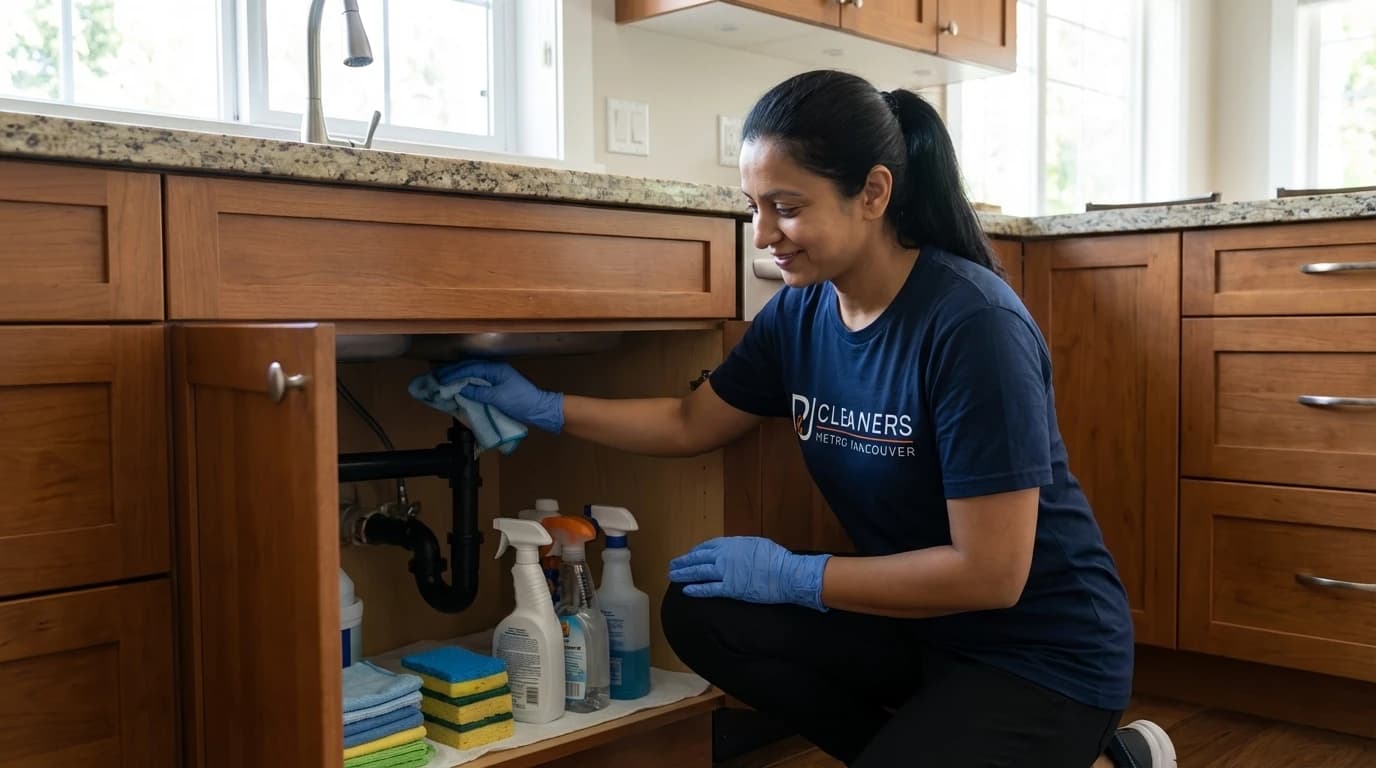
Laundry room surfaces accumulate detergent spills, lint dust, and moisture stains that create unsightly messes and promote bacterial growth. Countertops, shelving, and appliance exteriors require regular attention to maintain cleanliness and prevent permanent staining. Mix a solution of warm water and all-purpose cleaner in a spray bottle, or use equal parts water and white vinegar for an eco-friendly alternative. Spray all surfaces thoroughly and wipe with a microfiber cloth, working from top to bottom to avoid recontaminating cleaned areas. Pay special attention to areas around detergent bottles and fabric softener containers, where drips and spills commonly occur. These sticky residues attract dust and lint, creating grimy buildup that becomes increasingly difficult to remove over time.
Organize cleaning supplies in clear, labeled containers to maximize efficiency and minimize clutter in your laundry space. Store frequently used items like detergent, stain remover, and dryer sheets on easily accessible shelves at eye level. Reserve lower cabinets for bulk supplies and seasonal items you use less frequently. Install hooks or a small rod for hanging delicate items that require air drying, keeping them separate from machine-dried laundry. The Container Store reports that organized laundry rooms reduce time spent on laundry tasks by 40% compared to cluttered spaces where supplies are difficult to locate. Consider adding a small trash bin specifically for lint and dryer sheets to prevent these items from accumulating on surfaces or falling behind appliances.
Deep clean appliance exteriors monthly using appropriate cleaners for each surface type. Stainless steel appliances benefit from specialized stainless steel cleaner applied with the grain to prevent streaking and maintain shine. White enamel surfaces respond well to baking soda paste for removing stubborn stains without scratching. Don't forget to clean control panels, buttons, and display screens, which accumulate fingerprints and grime from frequent use. Wipe down the exterior of your laundry sink if you have one, scrubbing away soap scum and hard water deposits that build up around faucets and drain areas. A clean, organized laundry room makes the chore of doing laundry significantly more pleasant and encourages family members to maintain the space between deep cleaning sessions.
- Spray and wipe all surfaces with all-purpose cleaner weekly
- Store supplies in clear, labeled containers for easy access
- Install hooks for air-drying delicate garments efficiently
- Clean appliance exteriors monthly with appropriate products
- Organize supplies by frequency of use for maximum efficiency
- Add a dedicated trash bin for lint and disposable items
Related resources
Behind Appliances and Floor Care
Cleaning behind appliances and maintaining floors prevents pest problems, improves air quality, and protects your home's structural integrity.
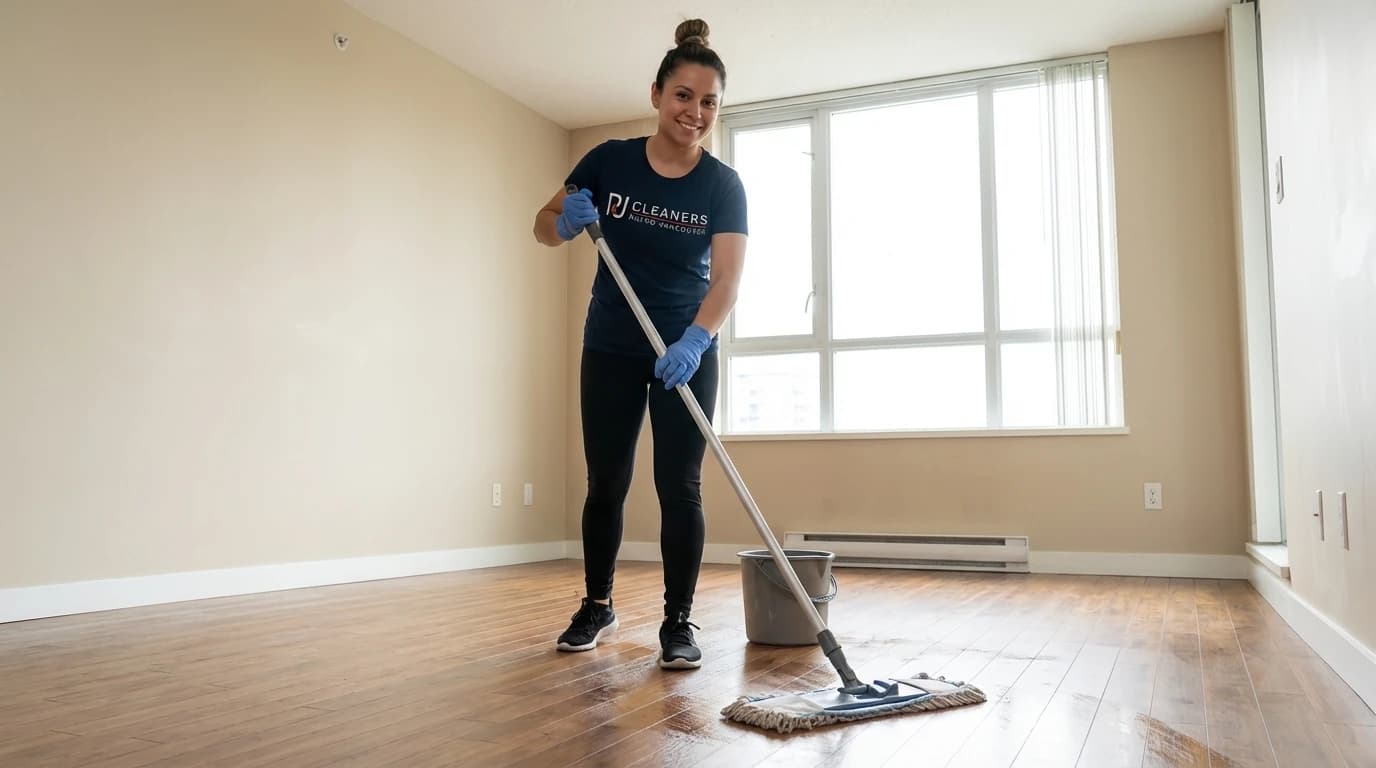
The space behind washing machines and dryers becomes a collection point for lint, dust, lost items, and moisture that creates ideal conditions for mould growth and pest infestations. Most homeowners never move their appliances for cleaning, allowing years of debris to accumulate in these hidden areas. This neglect leads to unpleasant odours, reduced appliance efficiency from blocked ventilation, and potential water damage from undetected leaks. The Asthma Society of Canada identifies dust and mould behind appliances as significant triggers for respiratory problems, particularly in children and elderly family members with compromised immune systems. Moving appliances twice yearly for thorough cleaning dramatically improves indoor air quality and prevents costly repairs from hidden water damage.
Before moving appliances, turn off water supply valves and unplug electrical connections to ensure safety during the cleaning process. Slide appliances forward carefully, watching for water lines and electrical cords that might snag or disconnect. Use a vacuum with a crevice attachment to remove lint, dust, and debris from the floor and wall surfaces behind each appliance. Inspect water supply lines for signs of wear, corrosion, or leaks that could cause flooding. Check drain hoses for proper positioning and secure connections that prevent water backup. Wipe down the back panels of appliances to remove dust buildup that restricts ventilation and causes motors to overheat. This simple maintenance extends appliance lifespan by allowing proper air circulation and heat dissipation during operation.
Laundry room floors endure constant moisture exposure from wet clothing, appliance condensation, and occasional spills that can damage flooring materials over time. Sweep or vacuum floors weekly to remove lint and dirt that becomes embedded in grout lines and floor crevices. Mop with a pH-neutral floor cleaner appropriate for your flooring type, whether tile, vinyl, or sealed concrete. Pay special attention to areas directly in front of appliances where water drips and detergent spills occur most frequently. For tile floors, scrub grout lines quarterly with a mixture of baking soda and water to prevent mildew staining and maintain a fresh appearance. Ensure proper floor drainage and check for standing water that indicates plumbing problems or inadequate floor slope requiring professional attention from Vancouver plumbing services.
- Move appliances twice yearly to clean hidden areas thoroughly
- Vacuum behind appliances to remove lint and dust accumulation
- Inspect water lines and hoses for leaks and wear damage
- Sweep or vacuum floors weekly to prevent lint buildup
- Mop with appropriate cleaner for your specific flooring type
- Scrub tile grout quarterly to prevent mildew staining
Pro Tip
Place furniture sliders under appliance feet to make moving them significantly easier during cleaning. These inexpensive pads protect floors from scratches and allow one person to slide heavy appliances without assistance or strain.
When to Call Professional Cleaners
Professional laundry room cleaning services provide deep cleaning expertise, specialized equipment, and time savings for busy Vancouver households.
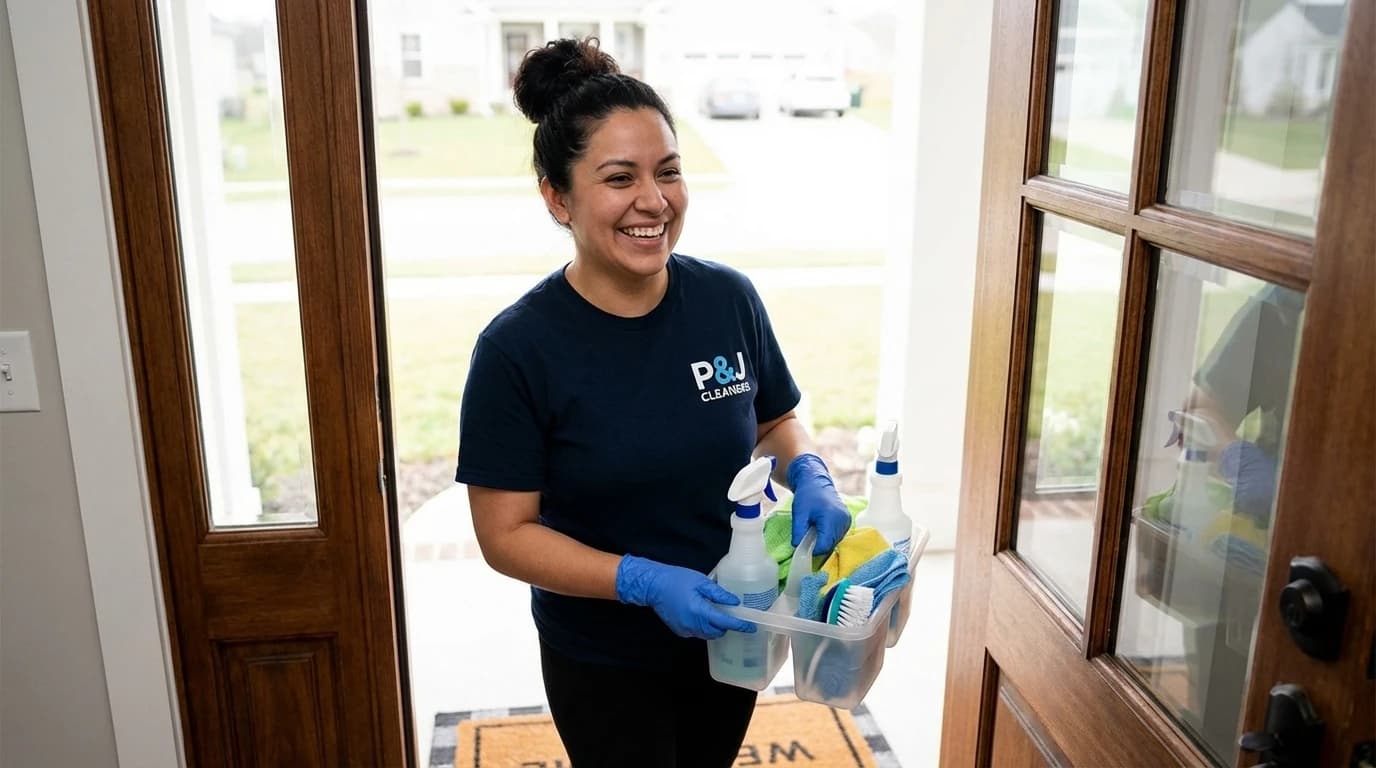
While regular maintenance keeps your laundry room functional, professional deep cleaning services address issues beyond typical homeowner capabilities. Professional cleaners possess specialized equipment like high-powered vacuums, steam cleaners, and extended dryer vent brushes that reach areas inaccessible with standard household tools. They identify potential problems like hidden mould growth, appliance malfunctions, and ventilation issues before these problems escalate into expensive repairs. P&J Cleaners' residential specialists complete comprehensive laundry room deep cleaning in 90 minutes, a task that typically requires four hours for homeowners unfamiliar with efficient cleaning techniques and proper product selection for different surfaces and materials.
Consider professional services when moving into a new home, preparing for a home sale, or recovering from appliance malfunctions that created extensive messes. Professional cleaners sanitize surfaces using hospital-grade disinfectants that eliminate bacteria, viruses, and mould spores more effectively than consumer products available in retail stores. They clean hard-to-reach areas like ceiling vents, light fixtures, and behind permanently installed cabinets that homeowners typically overlook during routine cleaning. Professional services also include appliance exterior detailing that restores shine and removes years of accumulated grime, making older appliances look nearly new again. This attention to detail significantly improves home presentation during real estate showings and inspections throughout Metro Vancouver's competitive housing market.
Professional cleaning services prove particularly valuable for elderly homeowners, busy professionals, and families managing health conditions that limit physical activity. Moving heavy appliances and scrubbing floors on hands and knees requires physical strength and flexibility that many people lack or prefer to avoid. Professional cleaners complete these demanding tasks safely and efficiently, reducing injury risk and freeing your time for more enjoyable activities. P&J Cleaners offers flexible scheduling including same-day appointments for urgent cleaning needs, with fully bonded and insured technicians who respect your home and privacy. Our satisfaction guarantee means if you have a concern, tell us within 7 days of your clean and we make it right with a re-clean of the areas concerned or a partial refund, depending on the job. Re-cleans are usually done within 1 to 2 business days, providing peace of mind and reliable service quality.
- Professional equipment reaches areas inaccessible with household tools
- Specialized training identifies potential problems before they escalate
- Hospital-grade disinfectants eliminate bacteria and mould effectively
- Services save time for busy professionals and families
- Flexible scheduling accommodates urgent cleaning needs
- Satisfaction guarantees ensure reliable, high-quality results
Related resources
Step-by-Step
7-Step Laundry Room Deep Cleaning Process
Follow this systematic approach to achieve professional-quality results in your laundry room. Each step builds on the previous one to ensure thorough cleaning and optimal appliance performance.
Prepare Your Laundry Room
Begin by removing all items from countertops, shelves, and the floor to create clear access to all surfaces requiring cleaning. Sort items into categories: keep, relocate, or discard. Check expiration dates on cleaning products and dispose of anything outdated or no longer used. Empty trash bins and remove any clothing, towels, or items waiting to be washed. Turn off the washing machine water supply valves and unplug both appliances from electrical outlets for safety during deep cleaning. Gather all necessary cleaning supplies including microfiber cloths, all-purpose cleaner, white vinegar, baking soda, a vacuum with attachments, a mop, and a bucket. Having everything ready before starting prevents interruptions and ensures efficient workflow throughout the cleaning process.
- Remove all items from surfaces and floor areas
- Sort and organize cleaning supplies and laundry products
- Empty trash bins and remove dirty laundry
- Turn off water valves and unplug appliances
- Gather cleaning supplies and equipment needed
Clean Washing Machine Interior
Run an empty hot water cycle with two cups of white vinegar poured directly into the drum to dissolve detergent residue, mineral deposits, and mildew. Select the longest, hottest cycle available on your machine for maximum cleaning effectiveness. After the vinegar cycle completes, sprinkle half a cup of baking soda into the drum and run another hot water cycle to neutralize odours and remove remaining residue. While the machine runs, pull back the rubber door gasket on front-loading washers and scrub thoroughly with a cloth dampened in vinegar solution, paying special attention to mould-prone crevices. Remove the detergent dispenser drawer and soak it in hot, soapy water for 15 minutes, then scrub away hardened product buildup with an old toothbrush before rinsing and reinstalling.
- Run hot water cycle with two cups white vinegar
- Follow with baking soda cycle for odour removal
- Scrub rubber gasket folds with vinegar solution
- Remove and soak detergent dispenser drawer
- Wipe drum interior and leave door open to dry
Clean Dryer and Vent System
Remove the lint trap and peel away all visible lint, then rinse the screen under running water to remove fabric softener residue that clogs mesh openings. Use a narrow vacuum attachment to clean the lint trap housing cavity, removing escaped lint that accumulates in this hidden area. Disconnect the dryer from the wall vent and use a specialized dryer vent brush or vacuum attachment to remove lint from the entire duct length, working from both the dryer connection and exterior vent opening. Check the exterior vent cover for blockages and ensure the flapper opens freely when the dryer runs. Vacuum the dryer's exterior vents and wipe down the control panel and exterior surfaces with appropriate cleaner for the finish type.
- Clean lint trap and rinse screen thoroughly
- Vacuum lint trap housing cavity completely
- Disconnect and clean entire vent duct length
- Check and clear exterior vent cover
- Wipe down dryer exterior and control panel
Clean All Surfaces and Organize
Spray all countertops, shelving, and cabinet exteriors with all-purpose cleaner or vinegar solution, then wipe thoroughly with microfiber cloths working from top to bottom. Pay special attention to areas around detergent bottles where spills and drips commonly occur, scrubbing away sticky residue that attracts dust and lint. Clean appliance exteriors using appropriate products for each surface type: stainless steel cleaner for metal surfaces, baking soda paste for white enamel, and gentle all-purpose cleaner for painted or plastic surfaces. Wipe down control panels, buttons, and display screens to remove fingerprints and grime. Organize cleaning supplies in clear, labeled containers and arrange them on shelves by frequency of use, keeping everyday items at eye level for easy access.
- Spray and wipe all surfaces from top to bottom
- Clean around detergent bottles and supply areas
- Detail appliance exteriors with appropriate cleaners
- Organize supplies in labeled containers
- Arrange items by frequency of use
Clean Behind Appliances
Carefully slide the washing machine forward, watching for water lines and electrical cords that might snag or disconnect during movement. Use a vacuum with crevice attachment to remove lint, dust, and debris from the floor and wall surfaces behind the appliance. Inspect water supply lines for signs of wear, corrosion, or leaks, and check drain hoses for proper positioning and secure connections. Wipe down the back panel of the washing machine to remove dust buildup that restricts ventilation. Repeat this process for the dryer, paying special attention to the vent connection area where lint commonly accumulates. Check for any lost items like socks, coins, or small objects that may have fallen behind appliances over time.
- Slide washing machine forward carefully
- Vacuum floor and walls behind appliances
- Inspect water lines and hoses for damage
- Wipe down appliance back panels
- Repeat process for dryer and vent area
Clean Floors Thoroughly
Sweep or vacuum the entire laundry room floor to remove lint, dust, and debris that accumulates in corners and along baseboards. Pay special attention to areas directly in front of appliances where water drips and detergent spills occur most frequently. Fill a bucket with warm water and pH-neutral floor cleaner appropriate for your flooring type, whether tile, vinyl, or sealed concrete. Mop the entire floor using overlapping strokes, rinsing the mop frequently to avoid spreading dirty water. For tile floors, scrub grout lines with a brush dipped in baking soda paste to remove mildew staining and restore original colour. Allow floors to air dry completely before moving appliances back into position and replacing items on surfaces.
- Sweep or vacuum entire floor surface
- Prepare appropriate floor cleaning solution
- Mop floor with overlapping strokes
- Scrub tile grout lines if applicable
- Allow floor to dry completely before finishing
Final Touches and Maintenance
Carefully slide appliances back into their original positions, ensuring water lines and electrical cords remain properly connected and positioned. Reconnect the dryer vent duct securely and turn on washing machine water supply valves. Plug both appliances back into electrical outlets and run a quick test cycle on each to ensure proper operation after cleaning. Replace all organized items on shelves and countertops, discarding anything you identified as unnecessary during the initial preparation phase. Wipe down light switches, door handles, and any other frequently touched surfaces you may have missed during the main cleaning. Set a calendar reminder for your next monthly maintenance cleaning and schedule annual professional dryer vent inspection to maintain safety and efficiency year-round.
- Move appliances back to original positions
- Reconnect water, power, and vent connections
- Test both appliances for proper operation
- Replace organized items on surfaces
- Schedule next maintenance cleaning session
Services mentioned in this article
Ready for help?
4.9 · 850+ Google reviewsProfessional Laundry Room Deep Cleaning
Our certified team handles appliance maintenance, vent cleaning, and mould prevention with eco-friendly products upon request. Same-day booking available across Metro Vancouver.
778-720-2224Laundry Room Cleaning Questions
How to clean a washing machine?
Run an empty hot water cycle with 2 cups of white vinegar to dissolve detergent residue and kill mould spores. Follow with a second cycle using half a cup of baking soda to neutralize odours. Wipe the drum, door seal, and detergent dispenser with a microfiber cloth. For front-loaders, clean the rubber gasket monthly as it traps moisture and debris. According to appliance manufacturers, this maintenance extends machine lifespan by 3-5 years and prevents 89% of common odour complaints.
How to clean a dryer vent?
Disconnect the dryer, remove the vent hose, and use a dryer vent brush or vacuum attachment to clear lint from the duct and exterior vent opening. The U.S. Fire Administration reports that 2,900 dryer fires occur annually, with 34% caused by lint buildup. Clean vents every 6-12 months depending on usage. Signs you need cleaning include longer drying times, excessive heat, and a burning smell. Professional vent cleaning costs $100-$170 in Metro Vancouver and reduces fire risk by 80% while improving energy efficiency by 30%.
How to clean behind a washer?
Turn off water valves and unplug the machine. Slide the washer forward using furniture sliders to protect flooring. Vacuum dust and lint, then mop with a solution of warm water and all-purpose cleaner. Check hoses for cracks or bulges and inspect the drain for clogs. Clean the wall and floor behind the unit, removing any mould with a bleach solution (1 part bleach to 10 parts water). This area accumulates moisture and lint, creating conditions for mould growth. Clean behind appliances every 3-6 months to maintain air quality.
How often should you clean your laundry room?
Wipe surfaces and sweep floors weekly. Deep clean the washing machine monthly and the dryer vent every 6-12 months. Clean behind appliances quarterly. According to the ISSA, regular maintenance prevents 75% of appliance breakdowns and reduces energy costs by 15-25%. Vancouver's humid climate accelerates mould growth, making monthly deep cleans essential for coastal homes. High-use households (4+ loads weekly) should increase frequency. Professional deep cleaning services cost $120-$180 for a standard laundry room and include appliance maintenance, vent inspection, and mould prevention treatments.

Meet the Author
Pamela
Co-Founder
Pamela leads residential quality standards at P&J Cleaners, refining safe, detail-driven cleaning systems for Vancouver homes, condos, and move-out projects.
Keep Exploring