

Quick answer
Vet a cleaning company by verifying insurance and bonding, checking online reviews across multiple platforms, confirming employee screening processes, requesting detailed service agreements, and comparing transparent pricing structures.

Key Takeaways
- 1Verify that cleaning companies carry at least $2 million in liability insurance and are fully bonded to protect your property and belongings.
- 2Check reviews across 3+ platforms with a minimum 4.5-star rating from at least 50 verified customers to ensure consistent service quality.
- 3Confirm the company conducts criminal background checks and reference verification for all employees who enter your home or business.
- 4Request itemized quotes that break down labour, supplies, and any additional fees to avoid surprise charges on your final invoice.
Verify Insurance Coverage and Bonding Status
Insurance protects you from liability if accidents occur during cleaning, while bonding covers theft or property damage caused by employees.
- Request a certificate of insurance directly from the cleaning company showing general liability coverage of at least $2 million. This protects you if a cleaner is injured on your property or accidentally damages expensive items like electronics or furniture. According to WorkSafeBC, cleaning industry claims cost businesses an average of $847,000 annually in British Columbia, making proper insurance coverage essential for both parties.
- Verify bonding status through the company's insurance provider rather than taking their word alone. Bonded companies have posted a surety bond that compensates clients if employees steal or intentionally damage property. In Metro Vancouver, where the average home contains $45,000 in personal property according to Statistics Canada, bonding provides critical financial protection. Ask for the bond amount and confirm it matches the value of items in your space.
- Check that coverage includes workers' compensation for all employees. If a cleaner gets injured in your home and the company lacks WorkSafeBC coverage, you could face personal liability claims. Request proof of active workers' compensation registration and confirm the policy hasn't lapsed. Companies operating without proper coverage may offer lower rates but expose you to significant financial risk.
Quick Win
Ask for insurance renewal dates and set a calendar reminder to request updated certificates annually, as policies can lapse without notice.
Research Online Reviews Across Multiple Platforms
Cross-reference reviews on Google, Yelp, and Facebook to identify consistent patterns in service quality, reliability, and customer satisfaction.
- Look for companies with at least 50 verified reviews averaging 4.5 stars or higher across three different platforms. Single-platform reviews can be manipulated, but consistent ratings across Google, Yelp, and Facebook indicate genuine customer satisfaction. According to a 2025 BrightLocal study, 87% of consumers read online reviews for local businesses, and 79% trust them as much as personal recommendations. Pay attention to response rates—companies that reply to negative reviews demonstrate accountability.
- Read recent reviews from the past six months rather than focusing solely on overall ratings. Service quality can decline as companies grow or change management. Look for specific details in reviews: do customers mention punctuality, thoroughness, and professionalism? Vague five-star reviews like 'great service' carry less weight than detailed accounts describing how cleaners handled specific challenges or went beyond basic expectations.
- Watch for red flags including multiple complaints about the same issue, defensive responses to criticism, or suspiciously similar positive reviews posted within short timeframes. The Competition Bureau of Canada warns that fake reviews cost consumers $152 million annually. Check reviewer profiles to ensure they have review history beyond a single company. Legitimate businesses welcome constructive feedback and use it to improve operations.
Quick Win
Search the company name plus 'complaint' or 'scam' to uncover issues that might not appear in curated review sections on their website.
Confirm Employee Screening and Training Processes
Reputable companies conduct criminal background checks, verify references, and provide ongoing training to ensure employees meet professional standards.
- Ask what screening process the company uses before hiring cleaners who will have access to your home or business. Professional companies conduct criminal record checks through the RCMP or accredited third-party services, verify at least two professional references, and confirm legal work authorization. According to Statistics Canada, property crime rates in Metro Vancouver average 3,847 incidents per 100,000 population, making thorough vetting essential for your security and peace of mind.
- Inquire about training programs that ensure cleaners understand proper techniques, safety protocols, and customer service expectations. Companies investing in employee development typically provide 40-80 hours of initial training covering cleaning chemistry, equipment operation, and workplace safety. Ask if they follow ISSA (International Sanitary Supply Association) standards or other industry certifications. Well-trained staff work more efficiently, reduce the risk of damage, and deliver consistent results across all service visits.
- Verify whether the company employs cleaners directly or uses subcontractors. Direct employees undergo more rigorous screening and receive consistent training, while subcontractor arrangements can introduce variability in quality and accountability. Companies using subcontractors should still conduct background checks and maintain insurance coverage for all workers. Request information about employee retention rates—high turnover often signals poor working conditions that eventually affect service quality.
Request Detailed Service Agreements in Writing
Written contracts protect both parties by clearly defining scope of work, pricing, cancellation policies, and liability terms before service begins.
- Obtain a written agreement that specifies exactly which tasks are included in each service visit. Vague contracts lead to disputes when your expectations don't match what cleaners actually perform. The agreement should list specific tasks like vacuuming all floors, cleaning inside appliances, wiping baseboards, and sanitizing bathrooms. According to the Better Business Bureau, 34% of cleaning service complaints involve misunderstandings about scope of work that could have been prevented with clear documentation.
- Review cancellation and rescheduling policies carefully before signing. Most professional companies require 24-48 hours notice for cancellations to avoid fees, typically 50% of the service cost. Understand what happens if the company needs to cancel—will they offer priority rescheduling or compensation? Check whether the contract auto-renews and what notice period you must provide to terminate service. Consumer Protection BC recommends keeping copies of all agreements for at least two years.
- Examine liability clauses that explain what happens if damage occurs during cleaning. The contract should state the company's insurance covers accidental damage and outline the claims process. Look for satisfaction guarantees that allow you to request re-cleaning if work doesn't meet agreed standards. Avoid companies that include broad liability waivers attempting to exempt them from responsibility for negligence or poor workmanship.
Quick Win
Take photos of valuable items and existing damage before the first cleaning visit to establish baseline conditions if disputes arise later.
Compare Transparent Pricing Structures
Reputable companies provide itemized quotes showing labour, supplies, and additional fees rather than vague estimates that increase after service.
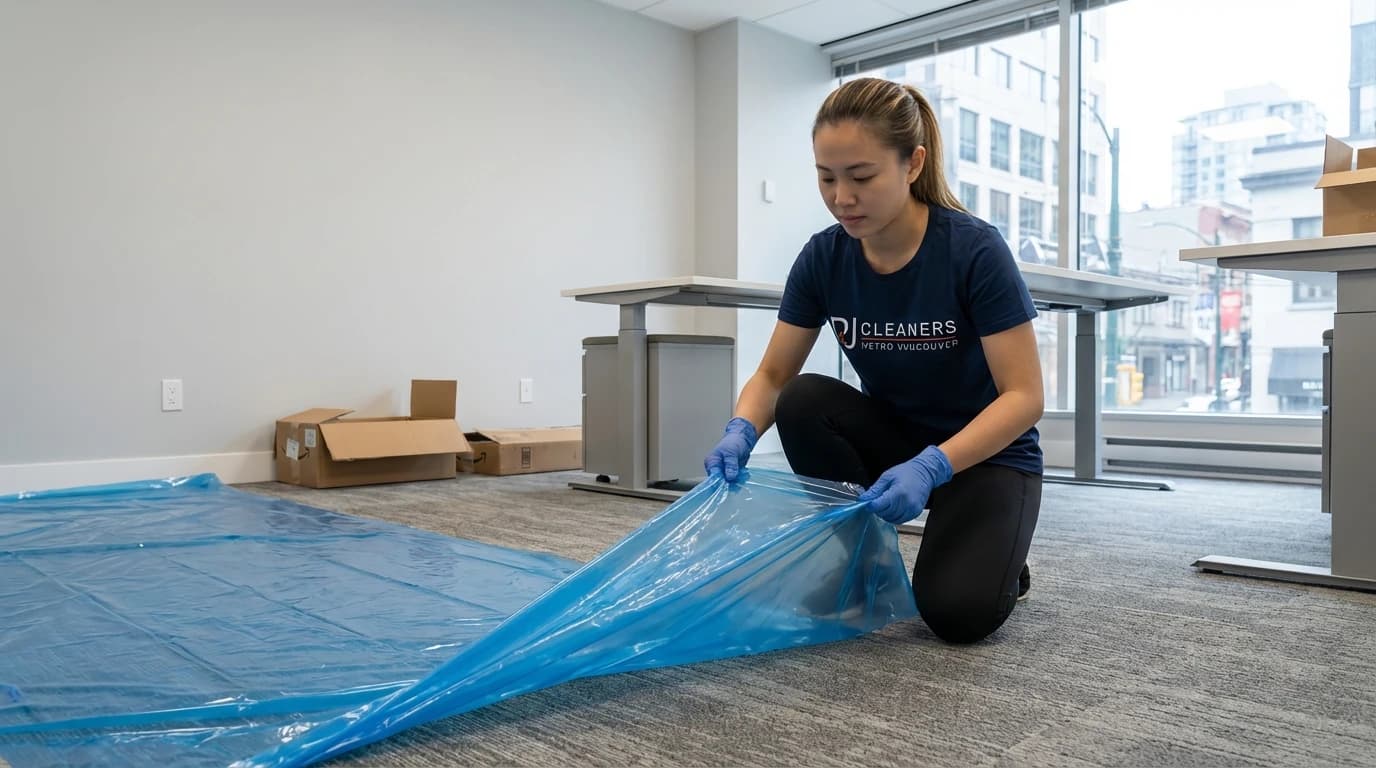
- Request detailed quotes from at least three companies to understand market rates in your area. In Metro Vancouver, residential cleaning typically costs $40-$60 per hour depending on service type and property size. Commercial cleaning ranges from $0.08-$0.15 per square foot for standard office spaces. Be suspicious of quotes significantly below market rates—they often indicate corners being cut on insurance, employee wages, or service quality. According to the Canadian Federation of Independent Business, undercutting competitors by more than 20% usually signals unsustainable business practices.
- Ask for itemized breakdowns showing labour costs, cleaning supplies, equipment, and any additional fees for special services. Transparent companies separate these costs so you understand exactly what you're paying for. Watch for hidden charges like travel fees, supply surcharges, or minimum service requirements that inflate the final bill. Some companies charge extra for cleaning inside ovens, refrigerators, or windows—clarify these details upfront to avoid surprise charges.
- Understand the difference between flat-rate and hourly pricing models. Flat rates provide predictable costs but may incentivize rushing through tasks, while hourly rates ensure thorough work but can lead to inflated time estimates. Ask how the company handles situations where cleaning takes longer than quoted—do they absorb the cost or charge extra? Professional companies conduct in-home assessments before providing final quotes, ensuring accuracy based on your specific space and needs.
Evaluate Communication and Customer Service
Responsive communication indicates how the company will handle scheduling, concerns, and issues throughout your service relationship.
- Test response times by contacting companies through multiple channels—phone, email, and online forms. Professional companies respond to inquiries within 24 hours on business days and provide clear answers to your questions. According to a 2025 customer service study, 68% of consumers switch service providers due to poor communication rather than service quality issues. Notice whether representatives listen to your specific needs or push standardized packages without understanding your situation.
- Assess how staff handle questions about their processes, pricing, and policies. Evasive answers or pressure to commit immediately suggest the company prioritizes sales over customer satisfaction. Reputable businesses welcome questions and provide detailed explanations about their methods, products, and guarantees. Ask about their process for handling complaints or service issues—companies with clear escalation procedures demonstrate commitment to resolving problems professionally.
- Evaluate whether the company offers convenient scheduling options and accommodates your preferences. Modern cleaning services provide online booking, flexible appointment times, and consistent cleaner assignments so you build rapport with the same team. Check if they use scheduling software that sends reminders and allows easy rescheduling. Companies investing in customer experience technology typically deliver more reliable service and better communication throughout your relationship.
Quick Win
Call during off-peak hours to gauge how the company handles inquiries when staff aren't overwhelmed with peak-time demands.
Assess Eco-Friendly Practices and Product Safety
Green cleaning products protect your health and the environment while indicating a company's commitment to quality and modern standards.
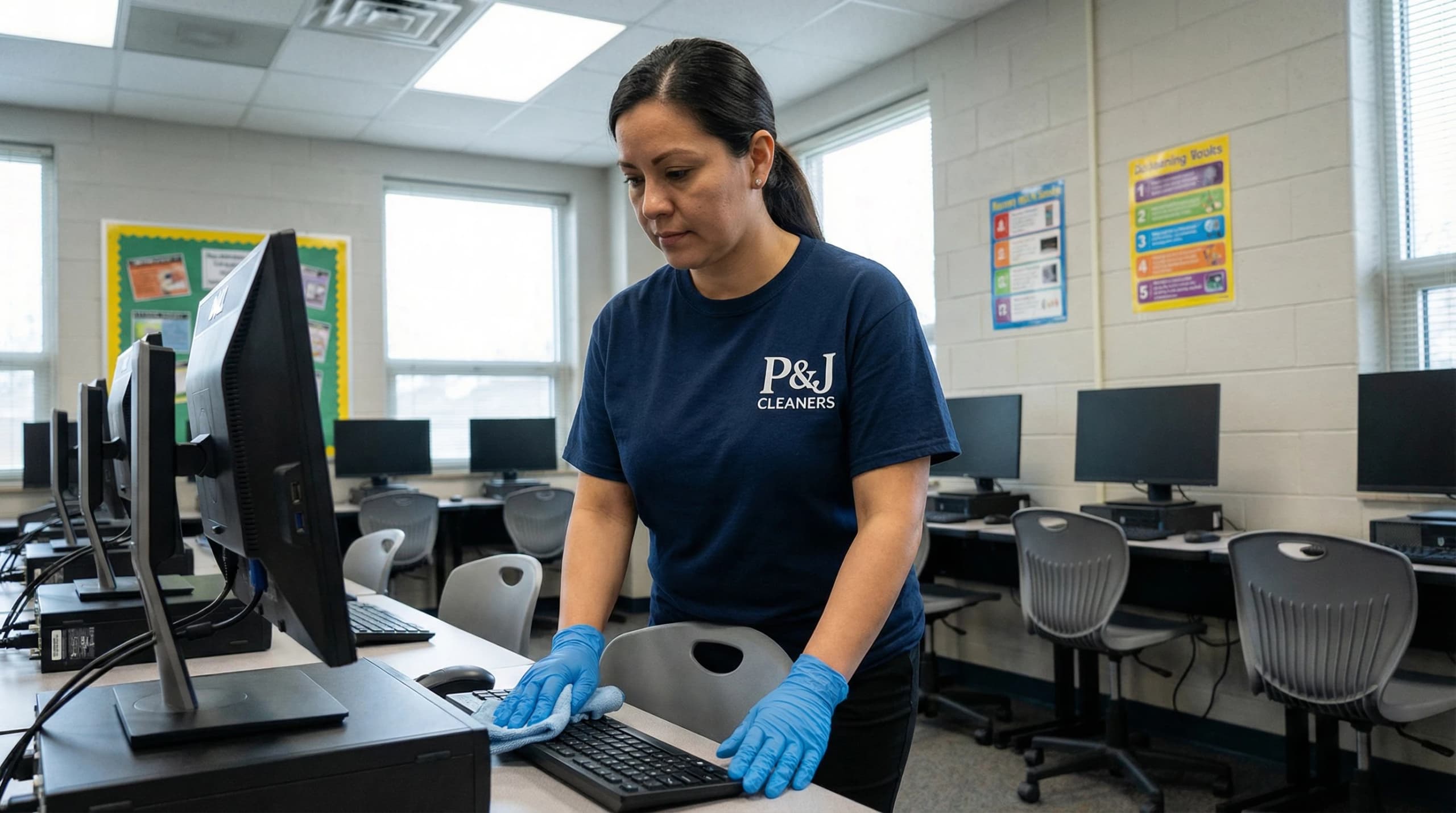
- Ask which cleaning products the company uses and whether they're certified by EcoLogo, Green Seal, or other recognized environmental standards. Traditional cleaning chemicals contain volatile organic compounds (VOCs) that contribute to indoor air pollution and health issues. According to Health Canada, indoor air can be 2-5 times more polluted than outdoor air, with cleaning products being a major contributor. Companies using eco-friendly alternatives demonstrate concern for client health and environmental responsibility.
- Inquire about accommodations for allergies, sensitivities, or specific product preferences. Professional companies maintain inventories of hypoallergenic, fragrance-free, and non-toxic options for clients with health concerns. They should ask about pets, children, or family members with respiratory conditions during initial consultations. The Canadian Centre for Occupational Health and Safety reports that 15% of Canadians experience chemical sensitivities, making product flexibility increasingly important for cleaning services.
- Verify that eco-friendly claims are genuine rather than greenwashing marketing tactics. Request product names and research their certifications independently. Some companies claim to be 'green' while using conventional products with minor formula adjustments. Look for third-party certifications and ask if cleaners receive training on proper dilution ratios and application methods—even safe products can cause issues when used incorrectly. Companies committed to sustainability often extend practices beyond products to include microfibre cloths, HEPA-filter vacuums, and waste reduction programs.
Check Business Credentials and Longevity
Established companies with proper business registration and industry affiliations demonstrate stability and commitment to professional standards.
- Verify the company is registered with the BC Registry Services and holds a valid business licence from their municipality. Legitimate businesses maintain current registrations and comply with local regulations. You can search the BC Business Registry online to confirm registration status and view the company's legal name, registration date, and business structure. Companies operating without proper registration lack accountability and may disappear after collecting payment or causing damage.
- Research how long the company has been operating in Metro Vancouver. While new businesses can provide excellent service, established companies with 5+ years of operation have proven their ability to maintain quality, manage growth, and satisfy customers consistently. According to Statistics Canada, 50% of small businesses fail within the first five years, so longevity indicates financial stability and effective management. Ask about ownership changes or rebranding that might hide poor track records under new names.
- Look for professional affiliations with industry organizations like ISSA, the Building Service Contractors Association International (BSCAI), or local chambers of commerce. Membership in these organizations requires meeting specific standards and provides access to ongoing training and best practices. Companies investing in professional development typically deliver higher quality service and stay current with industry innovations. Check if the company has won local business awards or received recognition from community organizations.
Quick Win
Search the company name in BC court records to check for lawsuits, liens, or legal disputes that might indicate operational problems.
Request and Check References from Similar Clients
Speaking with current clients provides unfiltered insights into reliability, quality, and how the company handles long-term service relationships.

- Ask for at least three references from clients with similar properties and service needs. A company cleaning 10,000-square-foot commercial offices may not have relevant experience with 1,200-square-foot condos. Request contact information for clients who have used the service for at least six months—long-term relationships reveal consistency better than initial impressions. According to consumer research, 92% of people trust recommendations from individuals over branded content, making references valuable for decision-making.
- Prepare specific questions when contacting references rather than asking vague 'are you satisfied' queries. Ask about punctuality, thoroughness, how the company handles mistakes or complaints, whether cleaners respect property and privacy, and if pricing remained consistent with initial quotes. Inquire whether they would hire the company again and if they've experienced any issues with staff turnover affecting service quality. References who hesitate or provide lukewarm endorsements may be signaling concerns they're uncomfortable stating directly.
- Consider requesting a trial cleaning or reduced-scope initial service before committing to regular contracts. Many companies offer first-time discounts or single-visit options that let you evaluate their work without long-term commitment. Use this opportunity to assess punctuality, professionalism, attention to detail, and how well cleaners follow your specific instructions. A trial period reduces risk and provides firsthand experience that references and reviews cannot fully capture.
Fast Reset
Quick Vetting Checklist
Use these rapid verification steps to eliminate unsuitable companies before investing time in detailed evaluations.
Services mentioned in this article
Ready for help?
4.9 · 850+ Google reviewsReady to Hire a Trusted Cleaning Team?
P&J Cleaners is fully licensed, insured, and backed by 850+ five-star reviews across Metro Vancouver. Our team undergoes criminal background checks, professional training, and quality audits to ensure your home receives the care it deserves.
778-720-2224Common Questions About Vetting Cleaning Companies
What is the best way to vet a cleaning company in Vancouver?
Start by verifying business registration through the BC Registry Services and confirming liability insurance coverage of at least $2 million. Check online reviews across multiple platforms, looking for patterns in feedback rather than isolated comments. Request references from clients with similar properties and contact them directly. Confirm the company conducts criminal background checks on all employees and ask about their training protocols. Finally, get detailed written quotes from at least three companies to compare pricing, services included, and cancellation policies before making your decision.
How often should you vet a cleaning company?
Vet a cleaning company thoroughly before your first booking and conduct annual reviews of their performance and credentials. If you notice declining service quality, staff turnover, or changes in company ownership, repeat the vetting process immediately. According to ISSA research, 68% of commercial clients review their cleaning contracts annually to ensure continued compliance with safety standards. For residential clients, reassess whenever you experience three or more service issues within a six-month period or if the company changes its insurance provider or business structure.
What products work best for team cleaning?
Professional cleaning teams use commercial-grade, eco-certified products that balance effectiveness with safety. Look for companies using Green Seal or EcoLogo certified cleaners, which meet strict environmental and health standards. Multi-surface disinfectants with Health Canada DIN numbers ensure proper sanitization without harsh fumes. Microfibre cloths and HEPA-filter vacuums reduce chemical dependency while improving cleaning outcomes. According to WorkSafeBC guidelines, professional teams should use colour-coded supplies to prevent cross-contamination between bathrooms, kitchens, and living spaces, reducing infection risk by up to 40%.
Is professional help worth it for team cleaning?
Professional cleaning teams deliver measurable value through efficiency, expertise, and accountability. A trained two-person team completes a standard 2,000 sq ft home in 2-3 hours versus 6-8 hours for untrained individuals, according to ISSA time-motion studies. Professional services include liability insurance, bonding, and satisfaction guarantees that protect your property and investment. Companies like P&J Cleaners offer a satisfaction guarantee: tell us within 7 days of your clean and we make it right with a re-clean of the areas concerned or a partial refund, depending on the job. Re-cleans are usually done within 1 to 2 business days. For homes over 1,500 sq ft or properties requiring deep cleaning, professional teams typically save 15-20 hours monthly while delivering superior results.
Meet the Author
Pamela Rivera
Co-Founder
Pamela leads residential quality standards at P&J Cleaners, refining safe, detail-driven cleaning systems for Vancouver homes, condos, and move-out projects.
Keep Exploring