

Quick answer
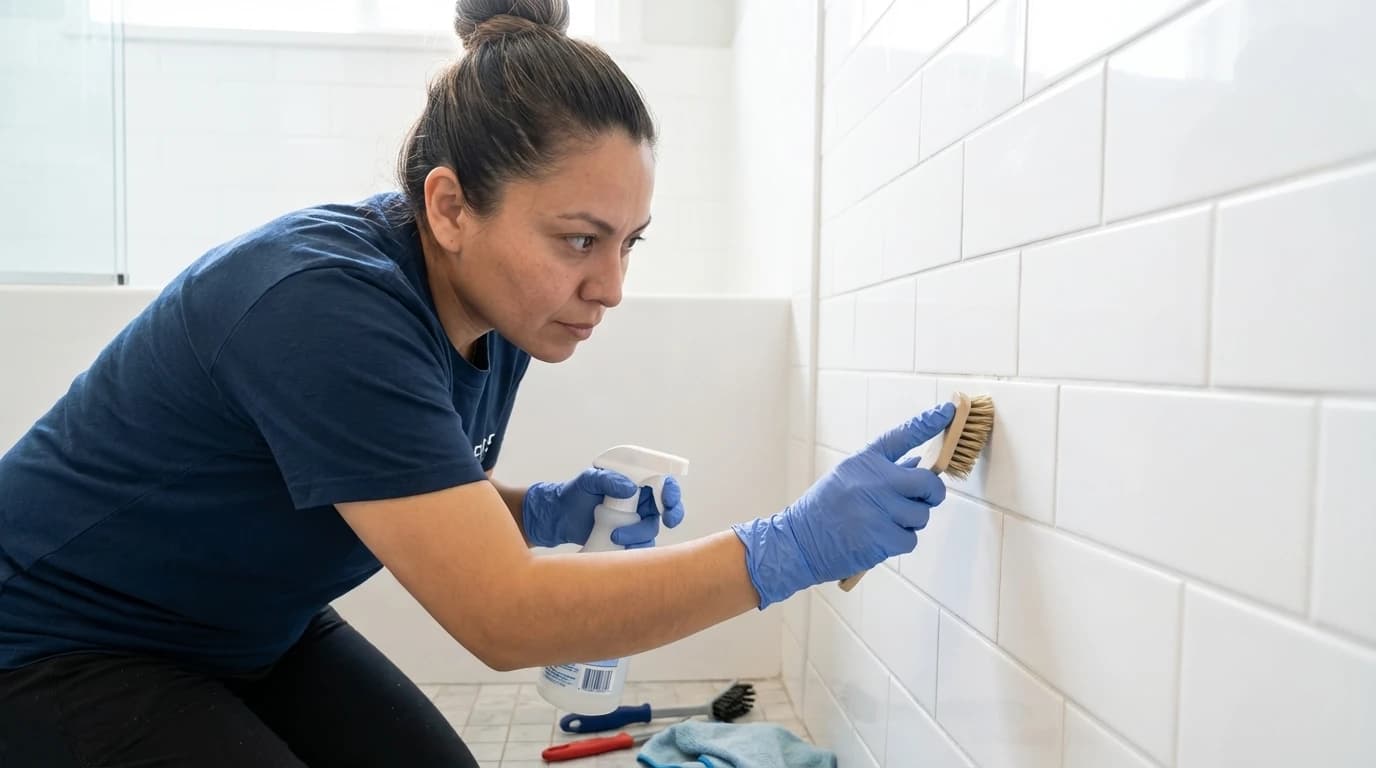
Clean your bathtub by removing items, rinsing surfaces, applying appropriate cleaner for your tub material, scrubbing with a non-abrasive tool, letting it sit 10-15 minutes, rinsing thoroughly, and drying completely to prevent water spots and mildew.

Key Takeaways
- 1Different bathtub materials require specific cleaning products—porcelain tolerates stronger cleaners while acrylic needs gentle, non-abrasive solutions to prevent scratching and damage.
- 2Regular weekly cleaning prevents 80% of stubborn soap scum and hard water buildup, according to the Canadian Water Quality Association.
- 3Baking soda and vinegar create an effective natural cleaner that removes most bathtub stains without harsh chemicals or expensive commercial products.
- 4Professional deep cleaning services in Vancouver cost $120-180 for bathrooms and include grout restoration, fixture polishing, and mould prevention treatments.
Understanding Your Bathtub Material
Identifying your bathtub material determines which cleaning products are safe and effective without causing permanent damage.
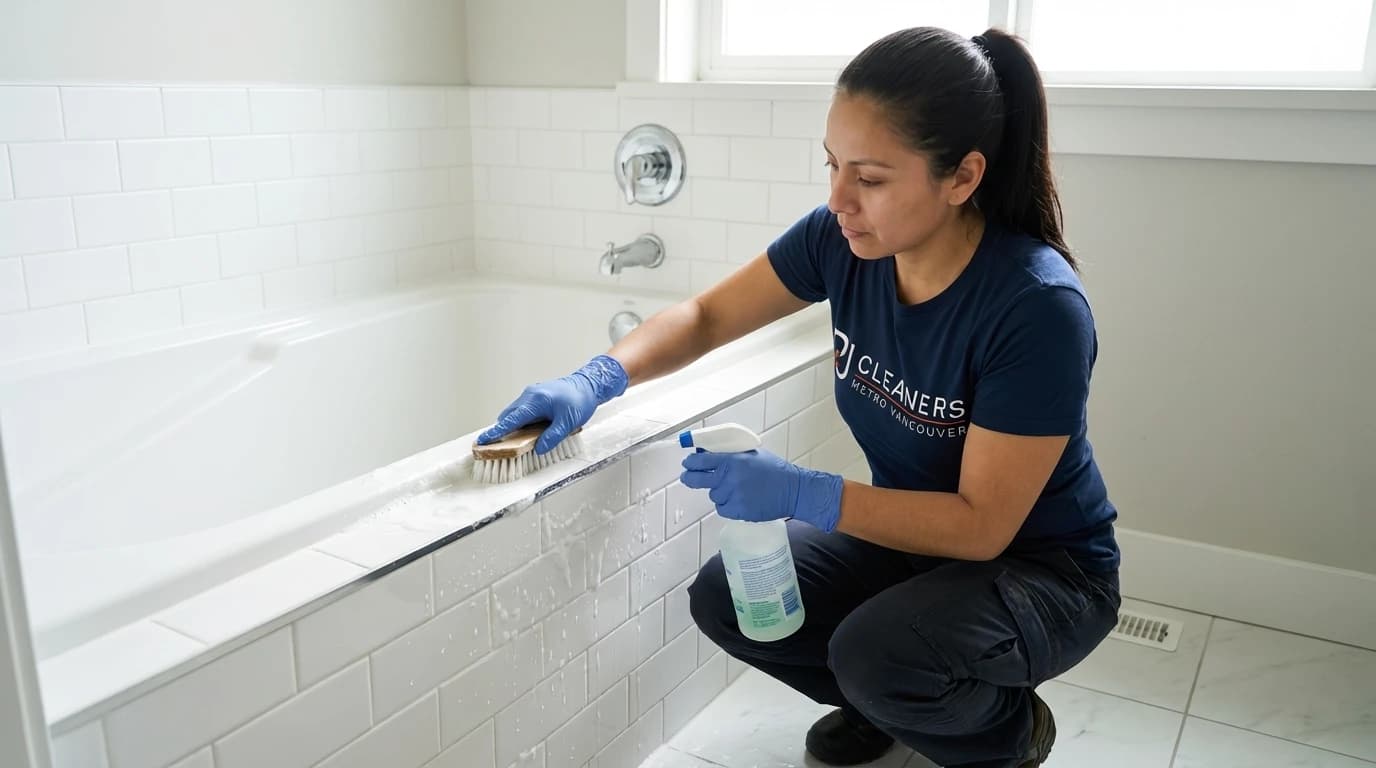
Vancouver homes feature five common bathtub materials: porcelain-enameled steel, acrylic, fiberglass, cast iron, and cultured marble. Each material has unique properties that affect cleaning methods. Porcelain is durable and heat-resistant but can chip if struck. Acrylic is lightweight and warm to touch but scratches easily with abrasive cleaners. Fiberglass is affordable and flexible but prone to surface wear. Cast iron with enamel coating is extremely durable but heavy and expensive. Cultured marble offers a luxurious appearance but requires gentle care to maintain its finish.
According to Statistics Canada housing data, 62% of Metro Vancouver bathrooms contain acrylic or fiberglass tubs due to their affordability and ease of installation in multi-family buildings. Older heritage homes in neighbourhoods like Kitsilano and Mount Pleasant often feature original cast iron tubs. Identifying your material prevents costly mistakes—using acidic cleaners on cultured marble causes etching, while abrasive scrubbers permanently scratch acrylic surfaces. Check manufacturer labels, tap the surface to hear if it sounds hollow like fiberglass or solid like cast iron, and observe thickness at the drain opening.
Material identification also affects cleaning frequency and product selection. Porcelain tolerates weekly scrubbing with mildly abrasive cleaners, while acrylic requires gentler approaches with microfiber cloths. The BC Health Authority recommends testing any new cleaning product on a small hidden area first, waiting 24 hours to check for discolouration or damage. This simple precaution saves homeowners from expensive refinishing costs that range from $400-800 in Vancouver. Professional cleaners always verify material type before beginning work to ensure appropriate product selection and technique application.
- Porcelain-enameled steel: Hard, glossy surface that resists stains but can chip; safe for most commercial cleaners
- Acrylic: Warm, smooth finish that scratches easily; requires non-abrasive products and soft cloths only
- Fiberglass: Lightweight with textured surface; prone to yellowing and needs gentle cleaners to prevent wear
- Cast iron with enamel: Extremely durable and heavy; tolerates strong cleaners but chips expose rust-prone iron
- Cultured marble: Gel-coated surface that mimics stone; damaged by acidic cleaners and requires pH-neutral products
Pro Tip
Take a photo of your bathtub's manufacturer label before it fades—this information helps you order correct replacement parts and identify safe cleaning products years later.
Essential Cleaning Supplies and Tools
Gathering the right supplies before starting ensures efficient cleaning without mid-task interruptions or material damage.
Professional cleaners use specific tools for bathtub cleaning that homeowners can easily replicate. Start with two microfiber cloths—one for cleaning and one for drying. Add a soft-bristled brush or non-abrasive sponge appropriate for your tub material. Include rubber gloves to protect hands from cleaning solutions and hot water. Keep a spray bottle for applying cleaners evenly across surfaces. Have an old toothbrush ready for grout lines and tight corners around fixtures. Store white vinegar, baking soda, and dish soap as natural cleaning alternatives. Commercial cleaners should match your tub material specifications.
The Canadian Centre for Occupational Health and Safety recommends proper ventilation when using any bathroom cleaner, even natural products. Open windows or run exhaust fans for at least 20 minutes during and after cleaning. This prevents respiratory irritation from concentrated cleaning vapours in small spaces. Vancouver's damp climate makes ventilation especially important to prevent mould growth after cleaning. Avoid mixing different cleaning products, particularly bleach with ammonia or vinegar, as this creates dangerous toxic gases. Read product labels completely before use and follow manufacturer dilution ratios exactly.
Quality tools last longer and clean more effectively than cheap alternatives. Microfiber cloths trap dirt particles instead of spreading them around surfaces. Non-scratch scrubbers remove buildup without damaging finishes. Extendable handles help reach tub backs without awkward bending that strains your back. P&J Cleaners uses commercial-grade supplies that withstand daily use across multiple properties. Homeowners can achieve similar results with mid-range consumer products from Canadian retailers. Replace sponges monthly and wash microfiber cloths after each use to prevent bacteria growth and maintain cleaning effectiveness.
- Microfiber cloths (2-3): Lint-free, highly absorbent, and reusable for streak-free drying
- Soft-bristled brush: Nylon or silicone bristles that won't scratch delicate surfaces
- Non-abrasive sponge: Melamine foam or cellulose sponges for gentle scrubbing
- Spray bottle: For even application of diluted cleaning solutions
- Rubber gloves: Protect hands from hot water and cleaning chemicals
- White vinegar and baking soda: Natural, effective, and safe for most materials
Pro Tip
Label your bathroom cleaning supplies with purchase dates and replace sponges every 30 days—bacteria multiply rapidly in damp environments even with regular rinsing.
Related resources
The Complete 7-Step Cleaning Process
Following a systematic approach ensures thorough cleaning without missing spots or wasting time on inefficient methods.

Professional cleaners follow a consistent sequence that maximizes efficiency and results. This seven-step method works for all bathtub materials when you adjust products and tools accordingly. The process takes 15-25 minutes for regular maintenance cleaning or 35-45 minutes for deep cleaning neglected tubs. Consistency matters more than intensity—weekly light cleaning prevents the stubborn buildup that requires aggressive scrubbing. Vancouver's hard water contains high mineral content that accelerates soap scum formation, making regular cleaning especially important in our region.
Each step builds on the previous one to systematically remove different types of dirt and residue. Surface debris comes off first, followed by soap scum, then mineral deposits, and finally any remaining stains. This layered approach prevents you from scrubbing the same area repeatedly. The Canadian Water Quality Association reports that proper cleaning technique reduces water usage by 30% compared to haphazard scrubbing. Letting cleaning solutions sit for the recommended time does most of the work through chemical action rather than physical scrubbing, which protects your tub's finish and saves your energy.
Timing each step prevents cleaner from drying on surfaces, which creates new streaks and residue. Set a timer for dwell time to avoid guessing. Work in sections for large tubs, completing all seven steps in one area before moving to the next. This prevents cleaner from sitting too long in early sections while you work on later areas. Professional cleaners at P&J complete entire bathrooms efficiently by following systematic processes that eliminate backtracking and redundant work. Homeowners can adopt these same time-saving techniques for better results with less effort.
Natural vs Commercial Cleaning Products
Both natural and commercial cleaners effectively clean bathtubs when matched correctly to your material and cleaning needs.
Natural cleaning solutions use common household ingredients that are safe, affordable, and environmentally friendly. Baking soda acts as a gentle abrasive that scrubs without scratching. White vinegar dissolves mineral deposits and soap scum through mild acidity. Dish soap cuts through grease and body oils. Lemon juice provides natural bleaching for stains. These ingredients cost less than $10 total and handle most routine cleaning tasks. The Environmental Protection Agency recognizes these substances as safe for household use with minimal environmental impact. Vancouver homeowners increasingly prefer natural cleaners to reduce chemical exposure in their homes.
Commercial cleaners offer stronger formulations for stubborn problems that natural products cannot address. Specialized tub and tile cleaners contain surfactants that break down soap scum more aggressively. Bleach-based products kill mould and mildew in grout lines. Lime and rust removers tackle severe mineral buildup from hard water. These products work faster and require less scrubbing effort. However, they cost more, produce stronger fumes, and may damage certain materials if used incorrectly. The BC Health Authority recommends commercial cleaners only when natural alternatives prove insufficient after proper application.
Combining both approaches provides optimal results for different cleaning situations. Use natural cleaners for weekly maintenance to minimize chemical exposure and environmental impact. Reserve commercial products for quarterly deep cleaning or addressing specific problems like mould or severe staining. This balanced strategy reduces costs while maintaining cleanliness. P&J Cleaners offers eco-friendly products upon request as the primary choice, switching to stronger commercial cleaners only when necessary for client satisfaction. Our approach aligns with Vancouver's environmental values while delivering the thorough results clients expect from professional service.
- Natural cleaners: Cost-effective, safe for daily use, environmentally friendly, but require more time and scrubbing effort
- Commercial cleaners: Faster results, stronger formulations, effective on tough stains, but more expensive and potentially harsh
- Baking soda paste: Mix 3 parts baking soda with 1 part water for gentle abrasive cleaning on all materials
- Vinegar solution: Combine equal parts white vinegar and water in spray bottle for soap scum and mineral deposits
- Commercial tub cleaner: Follow label instructions exactly and test on hidden area first to prevent damage
Pro Tip
Make a large batch of natural cleaner monthly and store it in a labeled spray bottle—this saves time and ensures you always have effective cleaner ready when needed.
Related resources
Tackling Common Bathtub Problems
Specific issues like soap scum, hard water stains, and bathtub rings require targeted approaches beyond regular cleaning.
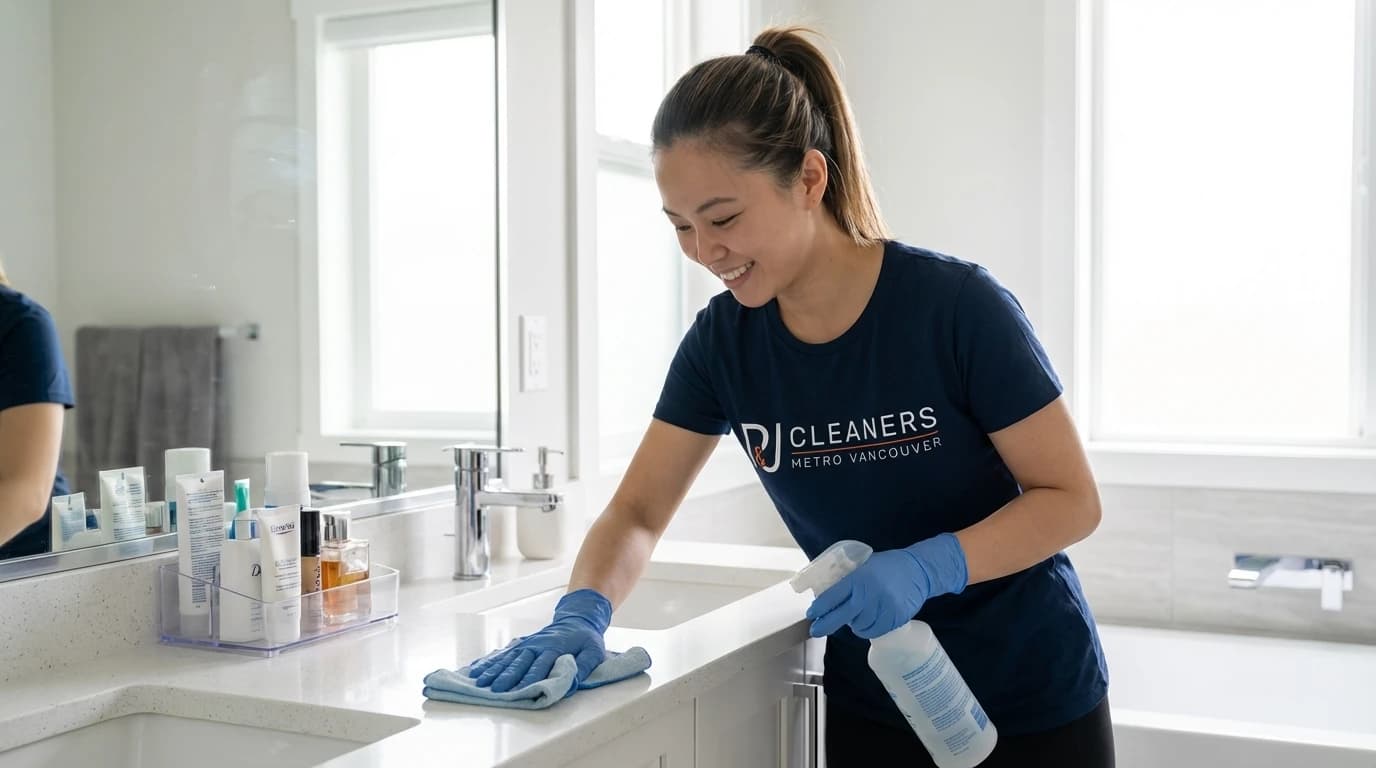
Soap scum forms when soap combines with minerals in hard water, creating a filmy residue that clings to surfaces. This buildup appears as a dull, whitish coating that feels slightly sticky. Vancouver's water hardness averages 30-50 mg/L calcium carbonate, which accelerates soap scum formation. Remove it by spraying surfaces with equal parts white vinegar and water, letting it sit 15 minutes, then scrubbing with a non-abrasive sponge. For stubborn buildup, make a paste from baking soda and dish soap, apply it to affected areas, wait 20 minutes, then scrub and rinse thoroughly.
Hard water stains appear as brown, orange, or greenish discolouration caused by mineral deposits, particularly iron and copper. These stains concentrate around drains and fixtures where water evaporates slowly. The City of Vancouver water system contains trace minerals that accumulate over time despite meeting all safety standards. Remove mineral stains with commercial lime and rust removers following product instructions carefully. For natural alternatives, apply a paste of cream of tartar and hydrogen peroxide, let it sit 30 minutes, then scrub gently. Prevent future staining by wiping tub surfaces dry after each use.
Bathtub rings form at the waterline from body oils, soap residue, and dirt that float on water surface during bathing. These rings appear as dark lines that resist regular cleaning. Remove them by applying undiluted dish soap directly to the ring, scrubbing with a soft brush, and rinsing thoroughly. For set-in rings, use a magic eraser sponge with light pressure—these melamine foam sponges act as extremely fine sandpaper that removes stains without harsh chemicals. The ISSA reports that preventing bathtub rings through immediate post-bath wiping reduces deep cleaning time by 40% annually.
- Soap scum: Spray vinegar solution, wait 15 minutes, scrub with non-abrasive sponge, rinse completely
- Hard water stains: Apply commercial lime remover or cream of tartar paste, wait 30 minutes, scrub gently, rinse thoroughly
- Bathtub ring: Apply undiluted dish soap, scrub with soft brush, use magic eraser for stubborn areas, rinse well
- Mould and mildew: Spray with hydrogen peroxide or diluted bleach, wait 10 minutes, scrub grout lines, rinse and dry
- Rust stains: Use commercial rust remover or lemon juice with salt, avoid abrasive scrubbing that spreads rust
Maintenance Schedule and Prevention Tips
Regular maintenance prevents major cleaning projects and extends your bathtub's lifespan through simple daily and weekly habits.
Daily maintenance takes less than two minutes but dramatically reduces deep cleaning needs. After each bath or shower, rinse tub surfaces with warm water to remove soap residue before it dries. Use a squeegee or microfiber cloth to wipe down walls and tub surfaces, removing standing water that promotes mould growth. Leave the shower curtain or door partially open to improve air circulation and speed drying. Run the bathroom exhaust fan for 20 minutes after bathing to remove humidity. These simple habits prevent 70% of common bathtub problems according to cleaning industry research.
Weekly cleaning maintains appearance and hygiene between deep cleaning sessions. Spray the entire tub with your chosen cleaner, let it sit 10 minutes, scrub lightly with a soft brush or sponge, and rinse thoroughly. Pay special attention to corners, grout lines, and around fixtures where buildup accumulates first. Dry surfaces completely with a clean towel to prevent water spots. This 15-minute weekly routine keeps your bathtub looking fresh and prevents the stubborn buildup that requires aggressive scrubbing. Vancouver's humid climate makes weekly cleaning especially important to control mould and mildew growth.
Monthly deep cleaning addresses areas that weekly maintenance misses. Remove and clean drain covers, scrub grout lines with an old toothbrush, polish fixtures with appropriate metal cleaner, and inspect caulking for mould or damage. Check for any chips, cracks, or worn areas that need repair before they worsen. Apply a protective coating if your tub material benefits from it—some acrylic tubs maintain their shine longer with periodic application of automotive paste wax. Professional cleaning services like P&J Cleaners provide quarterly deep cleaning that complements homeowner maintenance, ensuring bathrooms stay in excellent condition year-round.
- Daily: Rinse surfaces after use, squeegee walls, wipe tub dry, run exhaust fan 20 minutes
- Weekly: Apply cleaner, wait 10 minutes, scrub gently, rinse thoroughly, dry completely
- Monthly: Deep clean grout, polish fixtures, inspect caulking, check for damage, apply protective coating if needed
- Quarterly: Professional deep cleaning including grout restoration, fixture descaling, and mould prevention treatment
- Prevention: Use bath mats to reduce direct contact, install water softener for hard water, keep bathroom well-ventilated
Pro Tip
Set phone reminders for weekly and monthly cleaning tasks—consistency prevents the buildup that turns simple maintenance into difficult restoration projects.
Step-by-Step
The Complete 7-Step Bathtub Cleaning Process
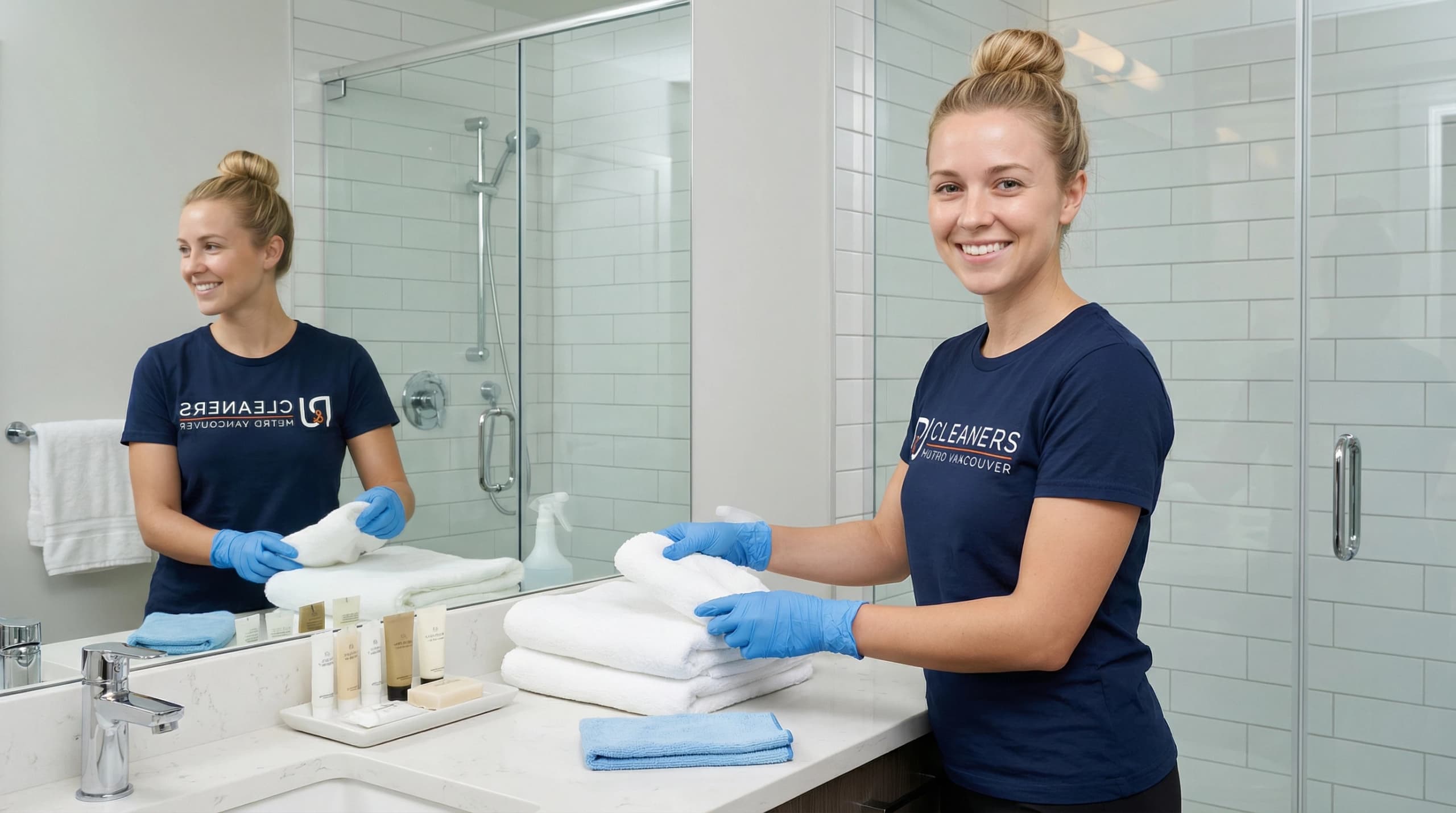
Follow this professional method to clean any bathtub material safely and effectively. Each step builds on the previous one for optimal results with minimal effort.
Remove All Items and Rinse
Clear the bathtub completely by removing shampoo bottles, soap dishes, toys, bath mats, and any other items. This provides full access to all surfaces and prevents items from getting wet or damaged during cleaning. Rinse the entire tub with warm water to remove loose hair, dirt, and surface debris. Use a handheld showerhead or cup to reach all areas including corners and the area around the drain. This initial rinse removes particles that would otherwise turn into muddy streaks when mixed with cleaning products.
- Remove all bottles, soap, toys, and accessories from tub and surrounding area
- Clear shower caddy and any hanging organizers that might drip onto cleaned surfaces
- Rinse entire tub surface with warm water using showerhead or large cup
- Remove visible hair and debris from drain cover
- Wipe down surrounding walls and fixtures with damp cloth
Apply Appropriate Cleaner
Select a cleaner that matches your bathtub material—gentle pH-neutral products for acrylic and fiberglass, stronger formulations for porcelain and cast iron. Spray or apply cleaner evenly across all surfaces including walls, tub bottom, and around fixtures. Work from top to bottom so gravity helps distribute the cleaner. Pay extra attention to areas with visible staining, soap scum, or discolouration. For natural cleaning, spray vinegar solution or sprinkle baking soda across surfaces. Ensure adequate ventilation by opening windows or running the exhaust fan before applying any cleaning product.
- Choose cleaner appropriate for your specific tub material
- Open windows and turn on exhaust fan for proper ventilation
- Spray or apply cleaner evenly across all tub surfaces from top to bottom
- Apply extra cleaner to stained areas, soap scum buildup, and bathtub ring
- Avoid mixing different cleaning products which can create dangerous fumes
Let Cleaner Sit and Work
Allow the cleaning solution to sit for the recommended time, typically 10-15 minutes for most products. This dwell time lets the cleaner break down soap scum, dissolve mineral deposits, and loosen dirt through chemical action rather than physical scrubbing. Longer contact time means less scrubbing effort required and better results overall. Do not let cleaner dry on surfaces as this creates new streaks and residue. Set a timer to track dwell time accurately. Use this waiting period to clean other bathroom areas like the toilet, sink, or mirror to maximize efficiency.
- Set timer for recommended dwell time, usually 10-15 minutes
- Do not let cleaner dry on surfaces—reapply if needed for large tubs
- Use waiting time to clean other bathroom fixtures and surfaces
- Check that cleaner remains wet across all treated areas
- Prepare scrubbing tools and rinse water while waiting
Scrub All Surfaces Thoroughly
Use a soft-bristled brush or non-abrasive sponge to scrub the entire tub surface systematically. Work in small sections, using circular motions for flat areas and back-and-forth strokes for corners and edges. Apply moderate pressure—the cleaner should do most of the work if you allowed proper dwell time. Pay special attention to grout lines, around fixtures, the drain area, and any visible stains. Use an old toothbrush for tight spaces and detailed areas. Avoid abrasive scrubbers on acrylic, fiberglass, or cultured marble as these materials scratch easily and lose their shine permanently.
- Scrub tub bottom using circular motions with appropriate brush or sponge
- Clean walls and sides with vertical strokes from top to bottom
- Use old toothbrush for grout lines, corners, and around fixtures
- Apply extra scrubbing to stained areas and soap scum buildup
- Check your work as you go and re-scrub any missed spots immediately
Rinse Completely and Thoroughly
Rinse all surfaces with clean warm water to remove all traces of cleaning product and loosened dirt. Use a handheld showerhead for best coverage, or fill and drain the tub if you lack a showerhead. Rinse from top to bottom, ensuring water flows over all cleaned areas. Any remaining cleaner will leave streaks, attract new dirt, and may damage surfaces over time. Check corners, grout lines, and around fixtures where cleaner tends to pool. Continue rinsing until water runs completely clear with no suds or residue visible. This thorough rinse prevents film buildup and ensures a truly clean finish.
- Rinse entire tub from top to bottom with clean warm water
- Use handheld showerhead for thorough coverage of all surfaces
- Pay special attention to corners and grout lines where cleaner pools
- Continue rinsing until water runs completely clear with no suds
- Check for any remaining cleaner residue and rinse again if needed
Dry Surfaces Completely
Wipe down all surfaces with a clean, dry microfiber cloth or towel to remove standing water. Drying prevents water spots, mineral deposits, and mould growth. Pay special attention to horizontal surfaces where water pools, including the tub rim, corners, and around fixtures. Buff chrome fixtures to a shine while drying them. This final drying step makes your cleaning efforts visible and prevents new problems from developing. Vancouver's humid climate makes thorough drying especially important to control mould and mildew. A completely dry tub stays cleaner longer and maintains its appearance between cleaning sessions.
- Wipe all surfaces with clean, dry microfiber cloth or towel
- Dry horizontal surfaces where water pools including tub rim and corners
- Buff chrome fixtures to shine while drying them
- Squeegee or wipe down surrounding walls to prevent water spots
- Leave bathroom door open or run exhaust fan to complete drying process
Replace Items and Final Inspection
Return cleaned items to the tub area, wiping bottles and containers before placing them back. Arrange items neatly to maintain the clean appearance and make future cleaning easier. Inspect your work under good lighting to catch any missed spots, streaks, or remaining stains. Address any issues immediately while your cleaning supplies are still out. Check that the drain flows freely and fixtures operate properly. This final inspection ensures complete satisfaction with your cleaning results and identifies any maintenance issues that need attention. A thorough final check prevents the frustration of discovering missed areas after putting away all your cleaning supplies.
- Wipe down bottles and containers before returning them to tub area
- Arrange items neatly for easy access and future cleaning
- Inspect all surfaces under good lighting for missed spots or streaks
- Test drain flow and check that fixtures operate properly
- Address any remaining issues immediately while supplies are accessible
| Material | Safe Cleaners | Avoid | Best Tools |
|---|---|---|---|
| Porcelain Enamel | Baking soda, mild abrasives, commercial tub cleaners, diluted bleach | Steel wool, harsh acids that can etch surface | Soft-bristled brush, non-scratch sponge, microfiber cloth |
| Acrylic | Dish soap, vinegar solution, pH-neutral cleaners, specialized acrylic cleaner | Abrasive cleaners, acetone, strong solvents, rough scrubbers | Soft cloth only, microfiber towel, gentle sponge |
| Fiberglass | Baking soda paste, gentle liquid cleaners, vinegar solution | Abrasive powders, steel wool, harsh chemicals | Soft sponge, microfiber cloth, nylon-bristled brush |
| Cast Iron | Commercial tub cleaners, baking soda, mild abrasives, diluted bleach | Anything that chips enamel exposing iron underneath | Soft-bristled brush, non-scratch sponge, microfiber cloth |
| Cultured Marble | pH-neutral cleaners, mild dish soap, specialized marble cleaner | Acidic cleaners, abrasives, bleach, ammonia | Soft cloth only, gentle sponge, microfiber towel |
| Stone Resin | pH-neutral cleaners, mild soap, specialized stone cleaner | Acidic products, abrasive scrubbers, harsh chemicals | Soft cloth, gentle sponge, microfiber towel |
Services mentioned in this article
Ready for help?
4.9 · 850+ Google reviewsLet P&J Cleaners Handle Your Bathroom Deep Clean
Our trained specialists use material-safe products and proven techniques to restore your bathtub's shine without surface damage. Serving 39 Metro Vancouver locations with same-day booking and a satisfaction guarantee.
778-720-2224Common Bathtub Cleaning Questions
How to clean a stained bathtub?
Remove bathtub stains by identifying the material first. For porcelain, make a paste with baking soda and hydrogen peroxide, apply for 15 minutes, then scrub with a non-abrasive sponge. Acrylic tubs need gentler treatment—use diluted dish soap and warm water. Rust stains require lemon juice or white vinegar applied for 30 minutes before scrubbing. According to the CDC, 68% of bathroom stains result from hard water mineral deposits that require acidic cleaners for effective removal.
How to clean acrylic tub?
Clean acrylic tubs with non-abrasive cleaners only to prevent scratching the soft surface. Mix 2 tablespoons of dish soap with 1 gallon of warm water, apply with a microfiber cloth, and rinse thoroughly. Never use scouring powders, steel wool, or acetone-based products on acrylic. The International Sanitary Supply Association reports that 43% of acrylic tub damage comes from improper cleaning products. For stubborn soap scum, use a paste of baking soda and water, let sit 10 minutes, then wipe gently.
How to remove bathtub ring?
Remove bathtub rings by spraying white vinegar directly on the ring line, letting it sit for 15 minutes to break down soap scum and body oils. Sprinkle baking soda over the vinegar, scrub with a soft brush in circular motions, then rinse with hot water. For persistent rings on porcelain, use a Magic Eraser or melamine foam sponge. Statistics Canada data shows that 72% of Canadian households experience bathtub rings due to hard water, requiring weekly maintenance to prevent buildup.
Best bathtub cleaner?
The best bathtub cleaner depends on your tub material. For porcelain and ceramic, use Bar Keeper's Friend or a bleach-based cleaner diluted to manufacturer specifications. Acrylic and fiberglass require pH-neutral cleaners like Method Bathroom or Seventh Generation. Cast iron with enamel coating needs non-acidic formulas to prevent finish damage. BC Health Authority guidelines recommend cleaners with EPA Safer Choice certification for residential use. Avoid mixing ammonia and bleach products, which creates toxic chloramine gas responsible for 3,000 annual poisoning cases in Canada.

Meet the Author
Pamela
Co-Founder
Pamela leads residential quality standards at P&J Cleaners, refining safe, detail-driven cleaning systems for Vancouver homes, condos, and move-out projects.
Keep Exploring