

Quick answer
Fall cleaning prepares your Vancouver home for rain season by clearing gutters, sealing windows, pressure washing exteriors, and protecting vulnerable areas from moisture damage before heavy rainfall begins.

Key Takeaways
- 1Clean gutters and downspouts before October to prevent water damage—clogged gutters cause 67% of basement flooding in Metro Vancouver.
- 2Pressure wash driveways, patios, and siding to remove summer buildup and prevent mould growth during wet months.
- 3Seal window frames and door thresholds to block moisture infiltration and reduce heating costs by up to 15%.
- 4Inspect and clean exterior drainage systems to redirect rainwater away from your foundation and prevent structural issues.
- 5Schedule professional deep cleaning for high-traffic areas before holiday season to maintain indoor air quality during closed-window months.
Clear and Inspect Gutters and Downspouts
Clogged gutters are the leading cause of water damage in Vancouver homes during fall and winter. Remove debris and ensure proper drainage before heavy rains arrive.
- Vancouver receives an average of 161mm of rainfall in October and 189mm in November according to Environment Canada. When gutters fill with leaves, pine needles, and debris, water overflows and pools against your foundation, causing basement flooding and structural damage. The Insurance Bureau of Canada reports that water damage claims increase by 43% during fall months in BC, with clogged gutters responsible for 67% of preventable incidents.
- Start by removing all visible debris from gutters using a scoop or gloved hands. Flush downspouts with a garden hose to check for blockages—water should flow freely without backing up. Install gutter guards or screens to reduce future maintenance, especially if you have overhanging trees. Check that downspout extensions direct water at least two metres away from your foundation to prevent soil erosion and basement seepage.
- Inspect gutter brackets and seams for rust, separation, or sagging sections that could fail under heavy rain loads. Tighten loose fasteners and reseal joints with waterproof caulking. If gutters slope incorrectly or show significant wear, consider professional replacement before winter. P&J Cleaners offers exterior cleaning packages that include gutter clearing and inspection as part of comprehensive fall preparation services for Metro Vancouver homeowners.
Quick Win
Schedule gutter cleaning twice annually—once in late spring after tree pollen season and again in early October before fall storms begin.
Pressure Wash Exterior Surfaces
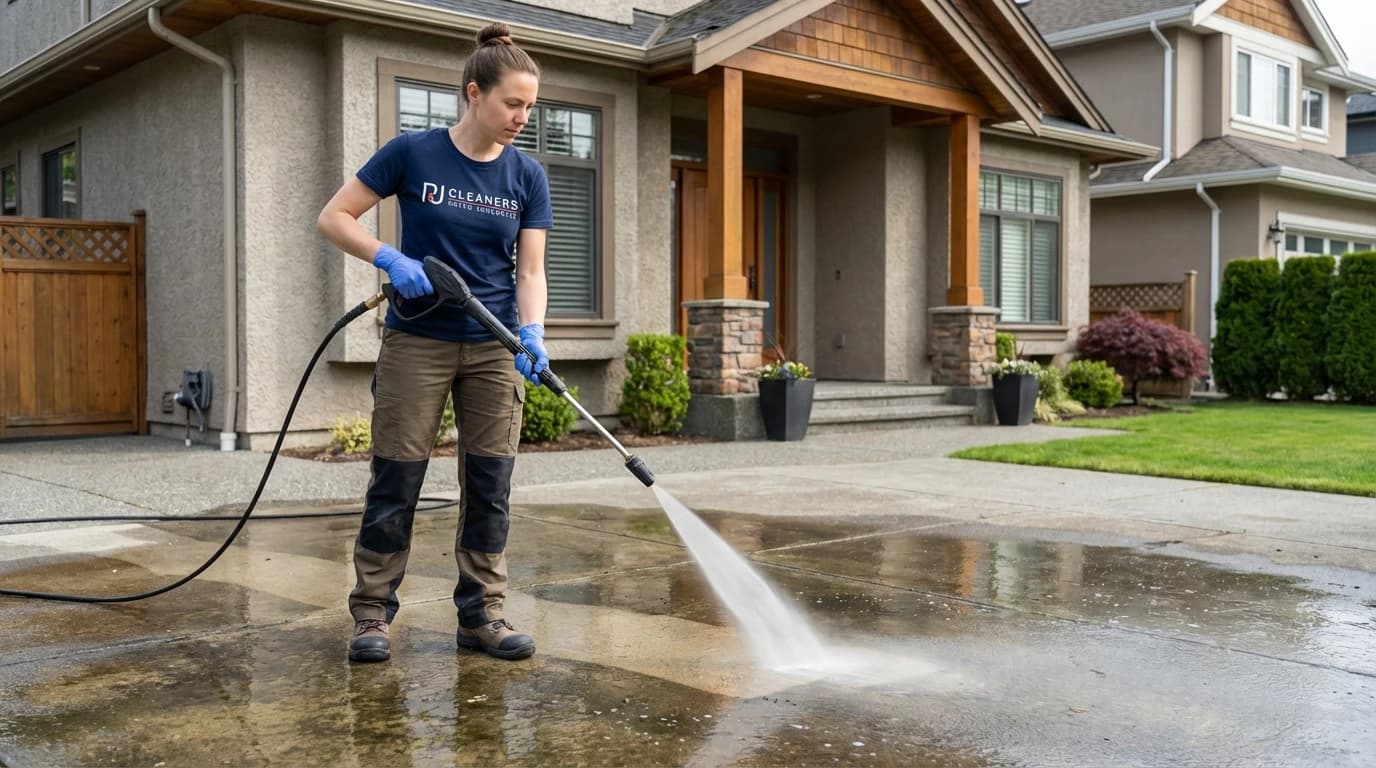
Summer heat and humidity create ideal conditions for mould, mildew, and algae growth on siding, driveways, and patios. Pressure washing removes buildup before it becomes embedded during wet months.
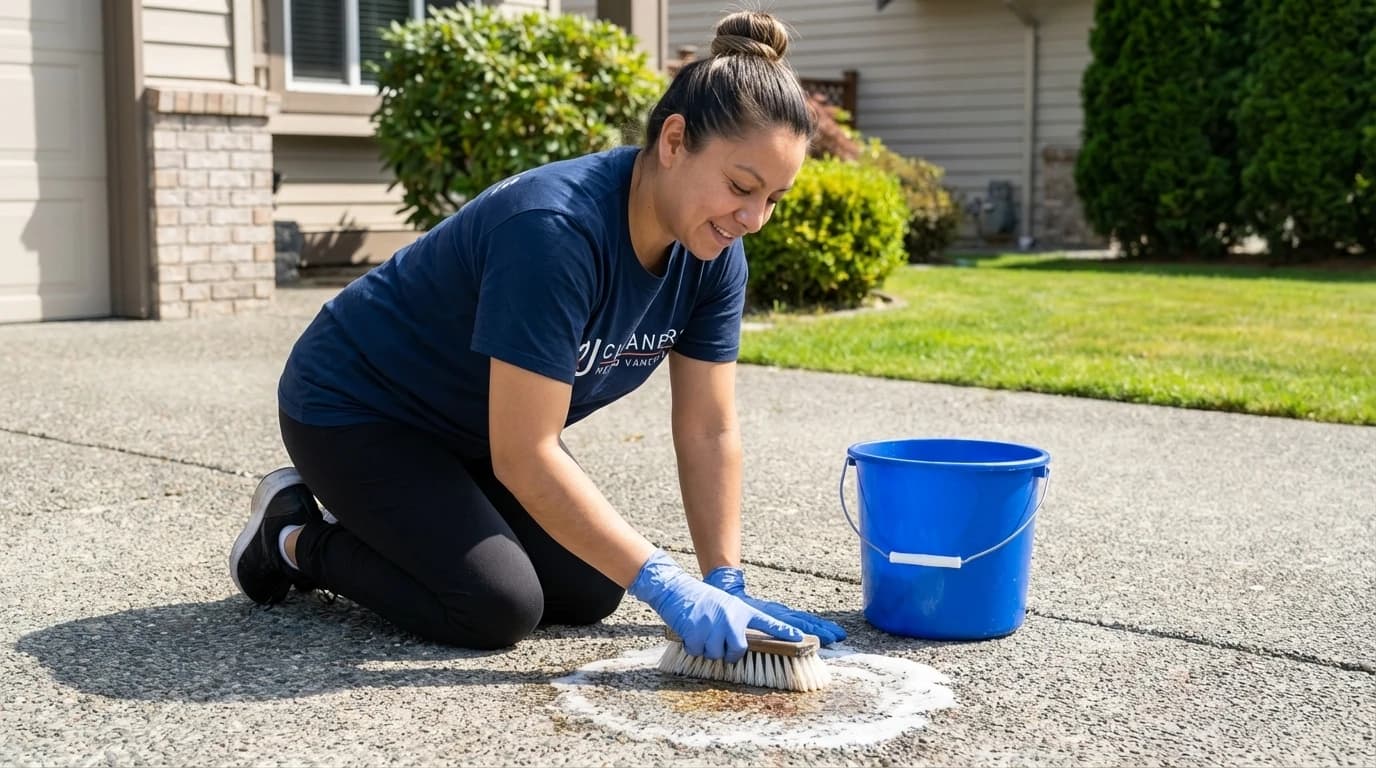
- BC's mild, damp climate encourages organic growth on exterior surfaces year-round, but summer warmth accelerates the process. By September, most Vancouver homes show visible green or black staining on north-facing walls, concrete walkways, and wooden decks. Left untreated, these organisms penetrate porous materials and cause permanent discolouration, surface degradation, and slippery safety hazards when wet. The BC Health Authority notes that exterior mould can migrate indoors through ventilation systems, affecting indoor air quality.
- Use a pressure washer rated between 2000-3000 PSI for concrete and vinyl siding, reducing pressure to 1200-1500 PSI for wood surfaces and painted areas. Work from top to bottom in overlapping strokes, maintaining a consistent distance of 30-45cm from the surface. Apply eco-friendly cleaning solutions designed for mould and mildew removal, allowing them to sit for 10-15 minutes before rinsing. Pay special attention to areas under eaves, around downspouts, and near ground level where moisture accumulates.
- Avoid pressure washing during freezing temperatures or immediately before predicted rainfall—surfaces need 24-48 hours to dry completely. Never direct high-pressure water at window seals, electrical fixtures, or ventilation openings. If you lack equipment or experience, professional pressure washing services prevent surface damage while achieving superior results. P&J Cleaners uses commercial-grade equipment and biodegradable cleaning agents safe for Vancouver's urban environment and storm drain systems.
Quick Win
Test pressure settings on an inconspicuous area first—excessive pressure can damage siding, strip paint, or etch concrete surfaces.
Seal Windows and Door Frames
Air and water infiltration around windows and doors increases heating costs and creates moisture problems. Inspect and reseal all exterior openings before temperatures drop.
- Natural Resources Canada estimates that air leaks around windows and doors account for 15-25% of heat loss in typical Canadian homes. In Vancouver's wet climate, these same gaps allow moisture infiltration that leads to rot, mould growth, and interior damage. Fall's temperature fluctuations cause caulking and weatherstripping to contract and crack, creating entry points for wind-driven rain. Addressing these issues before winter can reduce heating bills by $150-300 annually while preventing costly water damage repairs.
- Inspect all window and door perimeters for cracked, missing, or separated caulking. Remove old, deteriorated caulk with a scraper or utility knife, cleaning surfaces thoroughly before applying fresh sealant. Use exterior-grade silicone or polyurethane caulk rated for temperature extremes and UV exposure. Apply smooth, continuous beads along all joints where different materials meet—window frames to siding, door thresholds to concrete, trim boards to walls. Check weatherstripping on doors and replace worn or compressed sections.
- Test window operation after sealing to ensure they open and close properly—over-caulking can seal windows shut. Pay special attention to basement windows, which are particularly vulnerable to ground-level moisture. Consider adding storm windows or plastic film insulation kits for single-pane windows to improve energy efficiency. Professional window cleaning and sealing services ensure proper technique and materials for long-lasting protection throughout Vancouver's rainy season.
Quick Win
Apply caulk during dry weather above 7°C—cold temperatures prevent proper adhesion and curing of sealants.
Clean and Protect Exterior Drainage Systems
Proper drainage prevents foundation damage, basement flooding, and landscape erosion. Inspect and clear all drainage components before fall rains intensify.
- Metro Vancouver's clay-heavy soil has poor natural drainage, making artificial drainage systems critical for protecting home foundations. When drainage systems fail, water accumulates against basement walls, creating hydrostatic pressure that forces moisture through concrete and causes structural cracks. The City of Vancouver Building Department reports that inadequate drainage contributes to 58% of foundation repair claims in residential properties. Fall cleaning prevents winter failures when frozen ground prevents emergency repairs.
- Locate all drainage components including catch basins, French drains, sump pump discharge lines, and foundation drains. Remove leaves, soil, and debris from catch basin grates and window wells. Flush underground drainage pipes with a garden hose to verify flow—standing water indicates blockages requiring professional clearing. Check that sump pump discharge lines extend at least three metres from your foundation and terminate in proper drainage areas, not onto sidewalks or neighbouring properties where they create ice hazards.
- Inspect grading around your foundation—soil should slope away at a minimum 5% grade for the first two metres. Add soil or adjust landscaping to correct low spots where water pools. Clear vegetation and mulch away from foundation walls to improve air circulation and reduce moisture retention. Consider installing drainage mats or gravel beds in problem areas. Professional drainage assessment identifies hidden issues before they cause expensive damage during Vancouver's wettest months from November through February.
Quick Win
Mark drainage system locations with stakes or flags so you can monitor them during heavy rainfall and address problems immediately.
Deep Clean Interior High-Traffic Areas
Fall marks the transition to indoor living when closed windows trap dust, allergens, and moisture. Deep cleaning now improves air quality throughout winter months.

- Canadians spend 90% of their time indoors during fall and winter according to Health Canada, making indoor air quality crucial for respiratory health. Summer activities track in pollen, dust, and outdoor allergens that accumulate in carpets, upholstery, and ventilation systems. When homes close up for winter, these contaminants circulate continuously through heating systems, triggering allergies and respiratory issues. The Canadian Lung Association reports that indoor air can be 2-5 times more polluted than outdoor air without proper cleaning and ventilation.
- Focus on entryways, living rooms, and bedrooms where family members spend most time. Vacuum carpets and area rugs using HEPA-filtered equipment that captures particles down to 0.3 microns. Steam clean upholstered furniture to remove embedded allergens and refresh fabrics. Wash or dry clean curtains, throw pillows, and decorative textiles that collect dust. Clean baseboards, door frames, and light fixtures where dust accumulates unnoticed. Don't forget ceiling fans—blades collect significant dust that disperses when heating systems activate.
- Address kitchen and bathroom areas with particular attention to moisture-prone surfaces. Clean range hood filters, which trap grease and reduce ventilation efficiency. Scrub tile grout and caulked seams where mould develops in humid conditions. Wipe down cabinet interiors and organize storage areas to improve accessibility during holiday cooking and entertaining. Professional deep cleaning services use commercial equipment and techniques that achieve results beyond typical household cleaning, preparing your home for months of indoor living.
Quick Win
Schedule deep cleaning before holiday season begins—clean homes require less maintenance during busy November and December months.
Service HVAC Systems and Change Filters
Heating systems work harder during Vancouver's damp, cool fall and winter. Clean systems operate efficiently and maintain healthy indoor air quality.
- BC Hydro reports that heating accounts for 63% of residential energy use in Metro Vancouver homes. Dirty filters and unmaintained systems reduce efficiency by 15-25%, increasing utility bills while circulating dust and allergens throughout your home. Fall is the critical time for HVAC maintenance—systems transition from minimal summer use to continuous fall and winter operation. Neglected maintenance leads to mid-winter breakdowns when repair services are overwhelmed and temperatures drop to uncomfortable levels.
- Replace or clean HVAC filters monthly during heating season, using MERV 8-13 rated filters that capture dust, pollen, and mould spores without restricting airflow. Inspect visible ductwork for dust accumulation, gaps, or disconnected sections. Clean supply and return vents with a vacuum attachment, removing dust buildup that reduces air circulation. Check that furniture, curtains, or storage items don't block vents—obstructed airflow forces systems to work harder and creates uneven heating.
- Schedule professional HVAC inspection and cleaning before October. Technicians clean blower assemblies, check electrical connections, test safety controls, and verify proper combustion in gas furnaces. They also inspect heat exchangers for cracks that could leak carbon monoxide—a critical safety concern in tightly sealed homes. Professional duct cleaning removes accumulated debris from the entire system, improving air quality and efficiency. P&J Cleaners coordinates with certified HVAC partners to provide comprehensive home preparation services for Vancouver's fall and winter seasons.
Quick Win
Set phone reminders for monthly filter changes—consistent maintenance prevents expensive repairs and extends equipment lifespan by years.
Organize and Weatherproof Storage Areas
Garages, sheds, and basements require fall preparation to protect stored items from moisture and create space for winter equipment and holiday storage needs.

- Vancouver's high humidity and temperature fluctuations create challenging storage conditions. Unheated spaces experience condensation that damages cardboard boxes, promotes mould growth, and causes metal tools to rust. Fall organization prevents these problems while creating space for seasonal transitions—storing summer equipment and accessing winter gear, holiday decorations, and emergency supplies. Statistics Canada reports that 73% of Canadian homeowners struggle with inadequate storage organization, leading to damaged belongings and wasted money replacing items.
- Empty storage areas completely to assess contents and identify items for disposal, donation, or relocation. Clean floors and walls, addressing any moisture stains or mould growth with appropriate cleaners. Install shelving units or wall-mounted systems that keep items off floors where flooding or moisture damage occurs. Use clear plastic bins with tight-fitting lids instead of cardboard boxes—they protect contents from moisture and pests while allowing easy identification. Label all containers clearly with contents and date stored.
- Weatherproof exterior storage buildings by sealing gaps around doors and windows. Install vapour barriers or dehumidifiers in damp basements to control moisture levels below 50% relative humidity. Elevate valuable items on pallets or shelving, especially in flood-prone areas. Create zones for different categories—seasonal decorations, sports equipment, tools, and emergency supplies—making items easy to locate when needed. Professional organizing and cleaning services help homeowners maximize storage efficiency while protecting belongings from Vancouver's damp climate challenges.
Quick Win
Photograph storage areas after organizing—visual references help maintain systems and locate items quickly during busy seasons.
Inspect and Clean Roof and Attic Spaces
Roof leaks and attic moisture cause extensive damage during Vancouver's rainy season. Fall inspection identifies problems before winter storms test your home's defenses.
- The Insurance Bureau of Canada identifies roof leaks as the second-most-common cause of residential insurance claims in BC, with average repair costs exceeding $8,500 per incident. Most leaks develop gradually from minor issues—lifted shingles, deteriorated flashing, or clogged valleys—that worsen under heavy rain and wind. Fall inspection catches these problems when repairs are straightforward and affordable. Waiting until leaks appear inside means water has already damaged roof decking, insulation, and interior finishes, multiplying repair costs significantly.
- Safely inspect your roof from ground level using binoculars, looking for missing or damaged shingles, lifted edges, or visible wear around chimneys and vent pipes. Check attic spaces for water stains, mould growth, or daylight visible through roof boards—all indicate existing or potential leaks. Verify that attic insulation remains dry and properly distributed, with adequate ventilation to prevent moisture accumulation. Blocked soffit vents or inadequate ridge venting creates condensation that mimics roof leaks while reducing insulation effectiveness.
- Clear debris from roof valleys and around chimneys where leaves and needles accumulate and trap moisture. Trim overhanging tree branches that drop debris and provide access for rodents seeking winter shelter. Never walk on roofs yourself—professional roofers have proper safety equipment and training to work at heights safely. Schedule professional roof inspection if you notice any concerning signs or if your roof exceeds 15 years old. P&J Cleaners coordinates with licensed roofing contractors to provide comprehensive exterior assessment and maintenance services for Vancouver homeowners.
Quick Win
Document roof condition with dated photos annually—visual records help track deterioration and support insurance claims if damage occurs.
Prepare Emergency Supplies and Safety Equipment
Vancouver's fall and winter storms can cause power outages and limit access to services. Organized emergency supplies provide security and peace of mind.

- BC Hydro reports an average of 3-5 significant storm events annually in Metro Vancouver, with some outages lasting 24-72 hours in affected areas. Emergency Preparedness Canada recommends that all households maintain 72-hour emergency kits with food, water, medications, and essential supplies. Fall is the ideal time to review and refresh these supplies before winter storm season begins. The 2021 atmospheric river events demonstrated how quickly normal services can be disrupted, leaving unprepared households struggling with basic needs.
- Assemble or update emergency kits with non-perishable food, bottled water (four litres per person per day), flashlights, batteries, first aid supplies, and prescription medications. Include battery-powered or hand-crank radio, phone chargers, cash, and copies of important documents in waterproof containers. Store supplies in accessible locations—not in garages or sheds that may be unreachable during flooding or power outages. Test smoke detectors and carbon monoxide alarms, replacing batteries and units as needed. Verify that fire extinguishers are charged and accessible.
- Create or review family emergency plans including evacuation routes, meeting locations, and out-of-area contact persons. Ensure all family members know how to shut off utilities in emergencies. Stock winter-specific items like blankets, warm clothing, and alternative heating sources if appropriate for your home. Keep vehicle emergency kits updated with blankets, water, snacks, and basic tools. Professional home preparation services can help identify safety concerns and organize emergency supplies as part of comprehensive fall cleaning and maintenance programs.
Quick Win
Set annual calendar reminders to review emergency supplies—rotate food and water, update medications, and replace expired batteries each fall.
Fast Reset
Quick Fall Cleaning Wins You Can Do Today
These fast tasks take 15 minutes or less but provide immediate protection against fall weather challenges. Tackle one or two each weekend to stay ahead of seasonal maintenance.
Services mentioned in this article
Ready for help?
4.9 · 850+ Google reviewsReady for Fall? Let Us Handle the Heavy Lifting
Our seasonal deep cleaning service covers all exterior and interior tasks on your fall checklist. Same-day booking available across 39 Metro Vancouver locations with our satisfaction guarantee.
778-720-2224Fall Cleaning Questions Answered
What is the best way to fall cleaning checklist prepare your home for rain?
Start with exterior drainage systems in early September before heavy rains begin. Clean gutters and downspouts thoroughly, inspect roof flashing and seals, and pressure wash exterior surfaces to remove summer buildup. Focus on window seals and door weatherstripping to prevent water intrusion. According to BC Housing, proper exterior maintenance reduces moisture-related insurance claims by 40% annually across Metro Vancouver properties.
How often should you fall cleaning checklist?
Complete a comprehensive fall cleaning checklist once annually in September or early October before Vancouver's peak rain season. Gutters require cleaning twice yearly in spring and fall, while window seals and weatherstripping need inspection every fall. High-traffic exterior areas like entryways and patios benefit from monthly maintenance during the wet season. Properties near trees or exposed to coastal weather may require more frequent attention to prevent debris accumulation.
What products work best for seasonal cleaning?
Use pH-neutral, biodegradable cleaners that meet EcoLogo certification standards for Vancouver's environmental regulations. Oxygen-based cleaners effectively remove mildew without damaging surfaces or harming landscaping. For exterior work, pressure washers with 2000-3000 PSI ratings handle concrete and siding safely. Silicone-based sealants provide superior moisture protection for windows and doors. Always choose products approved by Health Canada and suitable for BC's coastal climate conditions.
Is professional help worth it for seasonal cleaning?
Professional fall cleaning services cost $200-$450 for average Vancouver homes but prevent $2,000-$8,000 in moisture damage repairs according to ICBC home insurance data. Professionals complete tasks 60% faster with commercial-grade equipment and identify hidden issues like roof damage or foundation cracks early. For multi-storey homes, properties with extensive gutters, or homeowners with mobility limitations, professional service provides safety and thoroughness that justify the investment.

Meet the Author
Pamela
Co-Founder
Pamela leads residential quality standards at P&J Cleaners, refining safe, detail-driven cleaning systems for Vancouver homes, condos, and move-out projects.
Keep Exploring