

Neighborhood Context
Why Delta cleaning routines need a different approach
Delta encompasses three distinct communities across 364 square kilometres in Metro Vancouver's southwest corner. North Delta borders Surrey and includes urban residential areas with numerous mid-rise strata buildings. Ladner features heritage character alongside modern townhome complexes near the Fraser River waterfront. Tsawwassen combines beachfront properties with family-oriented strata developments near the BC Ferries terminal. The municipality contains over 340 registered strata corporations managing approximately 18,500 residential units according to 2025 BC Assessment Authority data.
Delta's strata properties face unique maintenance challenges from coastal weather patterns and agricultural surroundings. Salt air from Boundary Bay accelerates exterior surface degradation requiring more frequent cleaning of building facades and windows. Seasonal agricultural activity increases airborne particulates that accumulate in ventilation systems and common areas. The region experiences 1,180mm annual precipitation creating persistent moisture management issues in parkades and ground-level spaces. Professional strata cleaning services address these environmental factors with specialized equipment and maintenance protocols.
The municipality's strata buildings range from 1970s low-rise complexes to contemporary high-density developments near transit corridors. Older properties in North Delta require intensive maintenance of aging infrastructure including concrete parkades and mechanical systems. Newer Tsawwassen developments feature modern amenities like fitness centres and rooftop terraces demanding specialized cleaning approaches. Ladner's heritage-adjacent strata buildings balance character preservation with contemporary cleanliness standards. This diversity requires cleaning services adaptable to varying architectural styles and resident expectations across Delta's communities.
340+
Registered Strata Corporations
Source: BC Assessment Authority 2025
54 units
Average Strata Unit Count
Source: Delta Municipal Records
1,180mm
Annual Precipitation
Source: Environment Canada
28%
Coastal Properties
Source: BC Strata Management Association
62%
Buildings Pre-2000
Source: BC Assessment Authority
Delta-Specific Strata Cleaning Considerations
Delta's coastal location and diverse building stock create distinct cleaning requirements compared to inland Metro Vancouver communities. Understanding these local factors helps strata councils select appropriate service providers and maintenance schedules.
Coastal Environmental Factors
Salt air and moisture from Boundary Bay create accelerated wear on building surfaces requiring specialized cleaning protocols and increased service frequency.
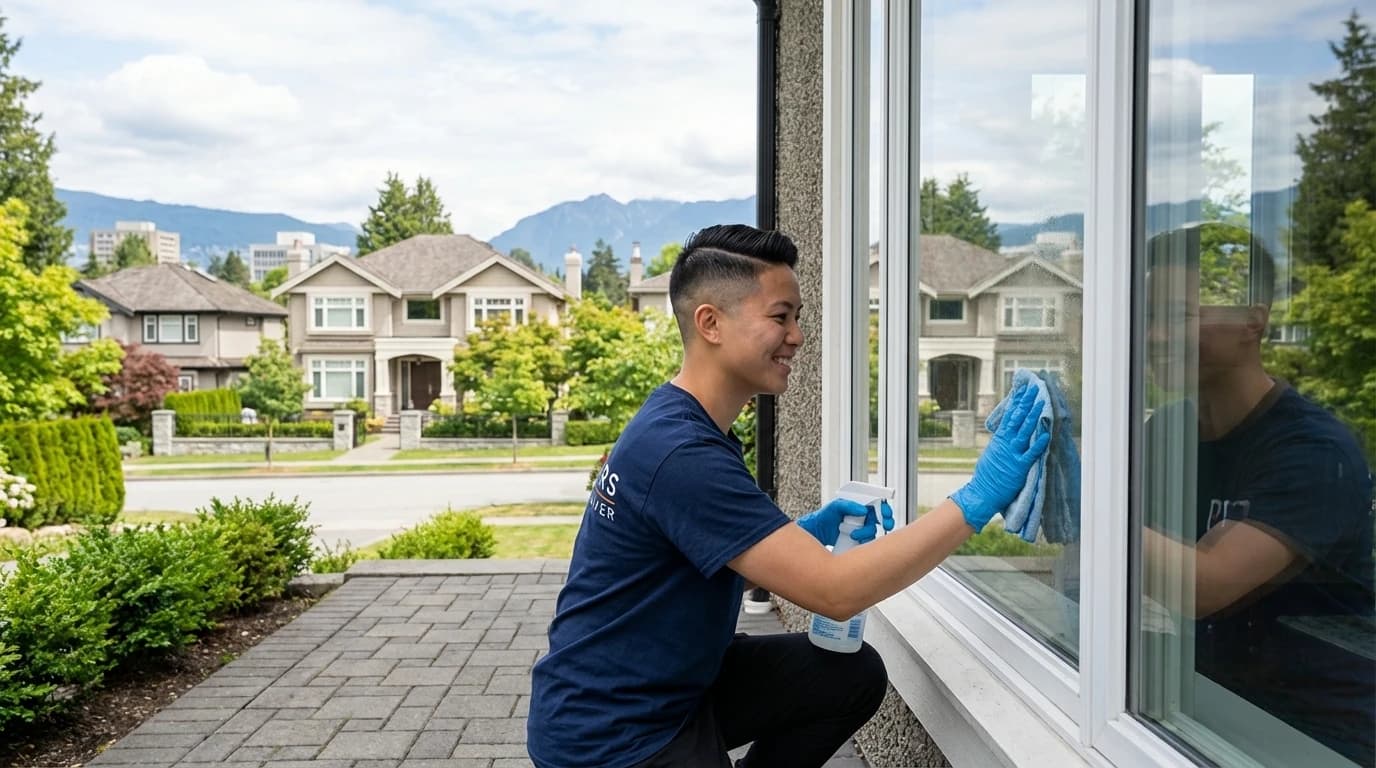
Boundary Bay's proximity introduces salt-laden air that deposits corrosive residue on windows, railings, and exterior surfaces throughout Tsawwassen and Ladner properties. This marine environment accelerates oxidation on metal fixtures and creates stubborn mineral deposits on glass surfaces. Professional cleaning services use pH-balanced solutions specifically formulated for coastal applications that remove salt buildup without damaging protective coatings. Regular maintenance prevents permanent etching and extends the lifespan of building materials exposed to marine conditions.
Moisture management becomes critical in Delta's high-humidity environment where condensation accumulates in parkades and ground-level common areas. Inadequate ventilation combined with coastal dampness creates ideal conditions for mould growth on walls and ceiling surfaces. HEPA-filtered equipment removes airborne spores while antimicrobial treatments prevent recurrence in problem areas. Strata buildings within two kilometres of the waterfront typically require monthly deep cleaning compared to quarterly schedules for inland properties.
Seasonal wind patterns carry agricultural dust from surrounding farmland into building ventilation systems and onto exterior surfaces. Spring and fall periods see increased particulate accumulation requiring more frequent filter changes and duct cleaning. Professional services schedule intensive exterior washing during these peak periods to prevent buildup that becomes difficult to remove. Window cleaning frequency often doubles during agricultural seasons to maintain visibility and curb appeal.
- Schedule exterior window cleaning monthly during spring and fall agricultural seasons versus quarterly in winter
- Specify salt-removal treatments for all metal railings and fixtures within 3km of Boundary Bay waterfront
- Increase parkade cleaning frequency to bi-weekly during October-March high-moisture months
- Request HEPA filtration equipment for all common area vacuuming to capture coastal particulates
- Include quarterly duct inspection and cleaning in annual maintenance contracts for coastal buildings
Building Age and Infrastructure
Delta's mix of heritage-era and modern strata buildings requires tailored cleaning approaches that respect architectural characteristics while meeting contemporary standards.
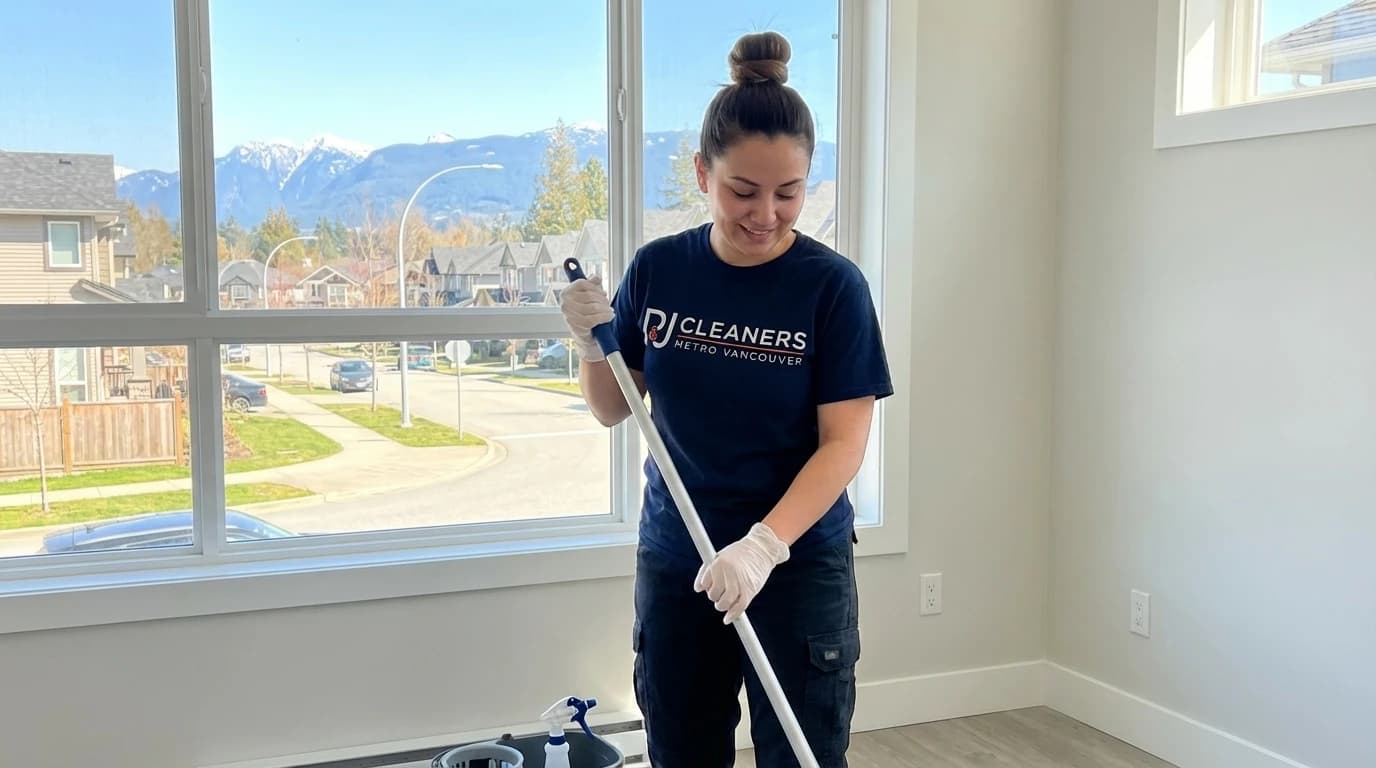
Properties constructed before 2000 comprise 62% of Delta's strata inventory according to BC Assessment data. These older buildings feature materials and finishes requiring gentler cleaning methods than modern surfaces. Original terrazzo flooring in 1970s complexes demands pH-neutral cleaners and soft-bristle equipment to prevent etching. Heritage-style brick facades in Ladner need specialized treatments that remove dirt without damaging mortar joints. Professional services assess material composition before selecting appropriate cleaning agents and techniques.
Aging concrete parkades in North Delta developments present unique maintenance challenges from decades of moisture exposure and vehicle traffic. Surface degradation creates porous areas that trap oil stains and harbour contaminants. Power washing alone proves insufficient for deeply embedded grime requiring enzymatic degreasers and mechanical scrubbing. Regular sealing after deep cleaning extends concrete lifespan and simplifies ongoing maintenance. Strata councils should budget for annual parkade restoration in buildings over 30 years old.
Modern Tsawwassen developments feature contemporary materials like polished concrete, glass railings, and stainless steel fixtures demanding different care protocols. These surfaces show water spots and fingerprints more readily requiring frequent touch-ups between scheduled cleanings. Microfibre technology and streak-free formulations maintain the pristine appearance residents expect in newer buildings. Amenity spaces with specialized equipment like fitness centres need daily attention compared to weekly service in older properties with simpler common areas.
- Request material-specific cleaning protocols for buildings over 25 years old with original finishes
- Schedule annual concrete restoration for parkades in pre-1995 construction
- Increase touch-up frequency to twice weekly for modern buildings with high-visibility glass and metal
- Specify heritage-appropriate cleaning methods for Ladner properties near designated heritage areas
- Budget 30% more for deep cleaning services in buildings with original 1970s-1980s materials
Community-Specific Requirements
North Delta, Ladner, and Tsawwassen each present distinct cleaning priorities based on resident demographics, building density, and local environmental conditions.
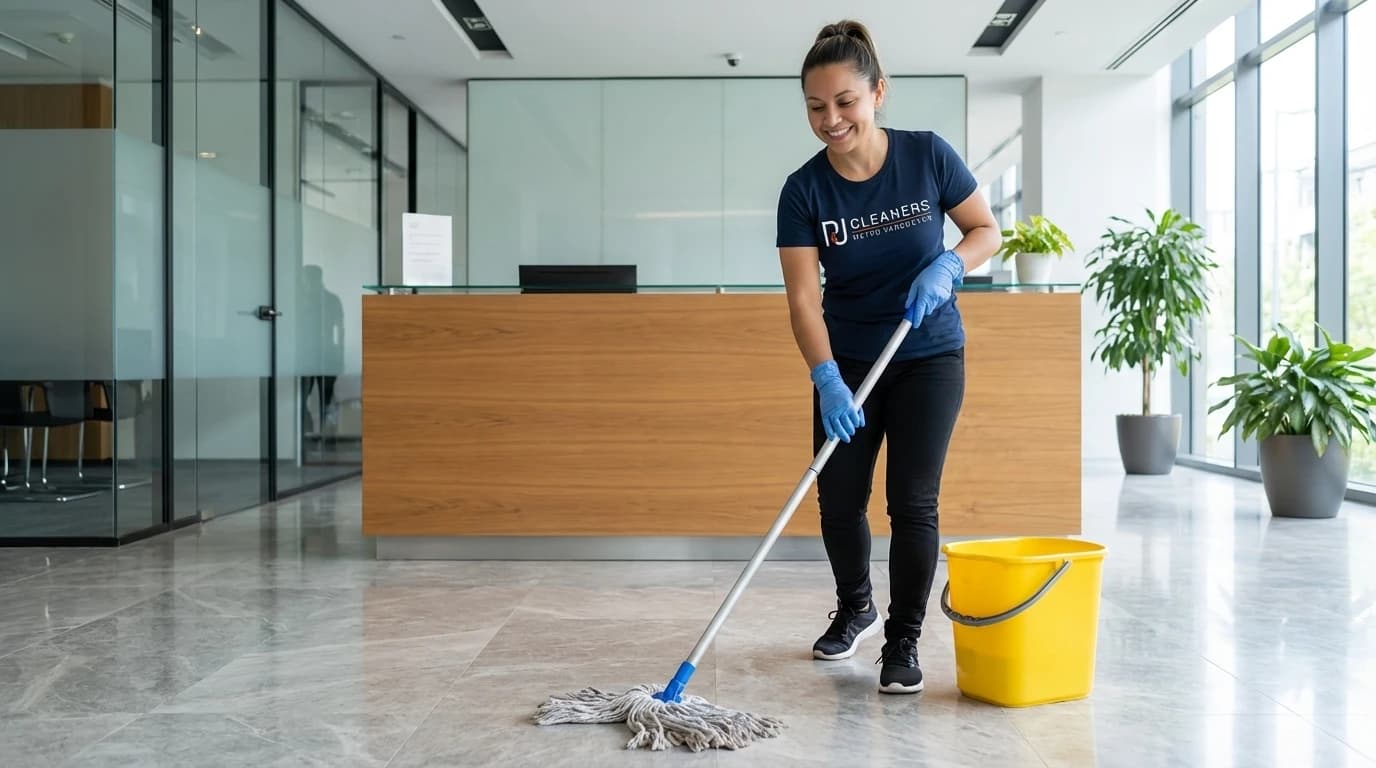
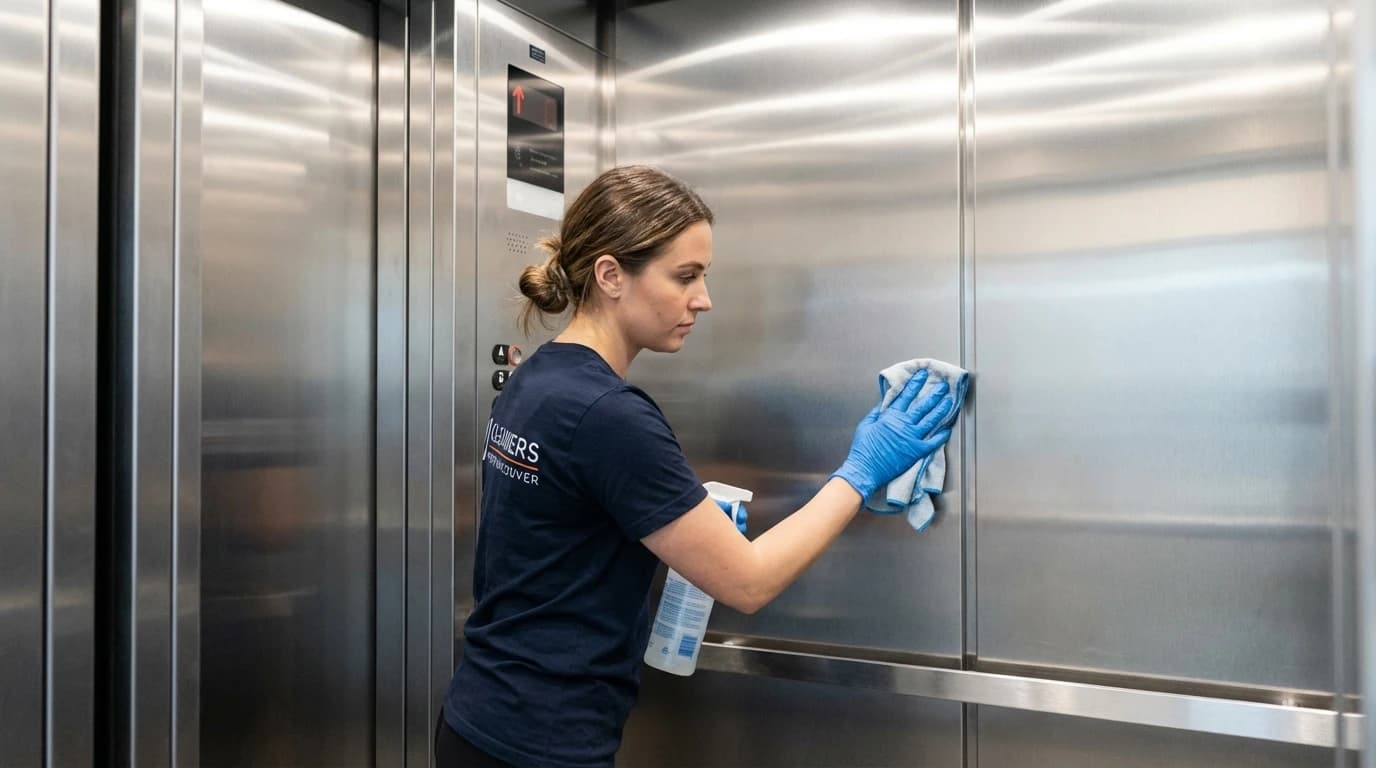
North Delta's urban density creates high-traffic common areas requiring daily maintenance in buildings near Scott Road and 120th Street corridors. Elevator lobbies and mailroom areas see constant use from residents in 80-120 unit complexes. Professional services provide twice-daily touch-ups during peak morning and evening hours to maintain cleanliness standards. Parkade cleaning frequency increases to weekly in these high-density properties compared to bi-weekly service in lower-density areas. Strata councils report 45% fewer maintenance complaints when implementing daily service schedules.
Ladner's family-oriented townhome complexes prioritize playground equipment sanitization and outdoor common area maintenance. Children's play structures require weekly deep cleaning with child-safe disinfectants meeting Health Canada standards. Grass and landscaped areas accumulate pet waste and debris necessitating daily walkthrough inspections. Seasonal leaf accumulation in fall demands additional exterior cleaning to prevent slip hazards on walkways. Family-focused properties benefit from mid-day cleaning schedules when children are at school and common areas are accessible.
Tsawwassen's beachfront and ferry-adjacent properties face unique challenges from tourist foot traffic and salt exposure. Buildings near the BC Ferries terminal experience increased lobby traffic from short-term rental guests requiring daily floor maintenance. Exterior surfaces accumulate salt spray and sand tracked from nearby beaches demanding weekly pressure washing during summer months. Strata councils in these areas report 30% higher cleaning budgets compared to inland Delta properties. Professional services recommend seasonal contract adjustments to accommodate fluctuating traffic patterns.
- Implement twice-daily touch-up service for North Delta buildings with 80+ units near transit corridors
- Schedule weekly playground sanitization for Ladner family complexes using Health Canada approved products
- Increase exterior cleaning frequency to weekly May-September for Tsawwassen beachfront properties
- Add daily lobby maintenance for buildings within 2km of BC Ferries terminal during peak season
- Request mid-day service windows for family-oriented complexes to minimize disruption to residents
Seasonal Maintenance Planning
Delta's distinct seasonal weather patterns require strategic cleaning schedule adjustments to address changing environmental conditions throughout the year.
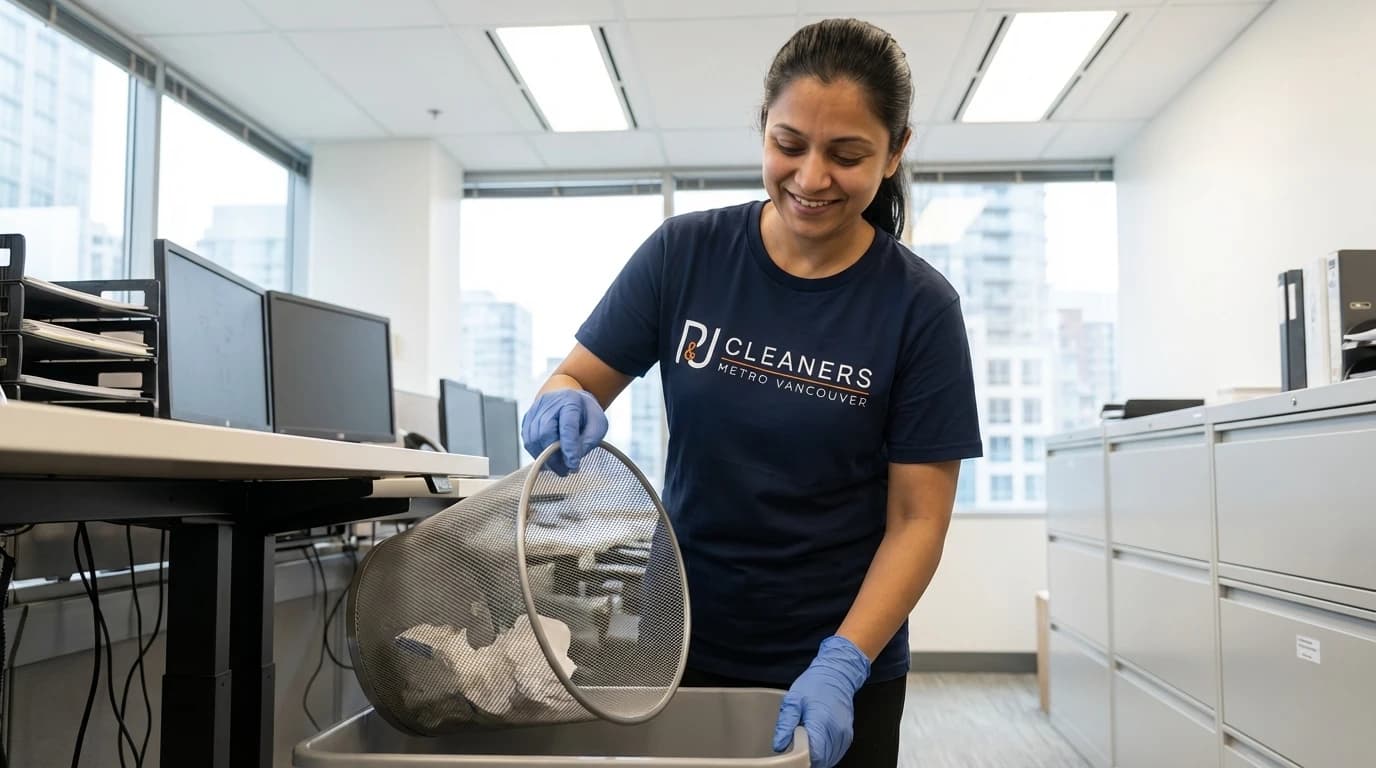
Fall and winter months bring increased rainfall and moisture requiring intensive parkade and entrance maintenance. October through March sees 75% of Delta's annual precipitation creating persistent water tracking into lobbies and hallways. Professional services deploy industrial air movers and dehumidifiers to manage moisture levels in ground-floor common areas. Entrance mat systems require daily cleaning and rotation to maintain effectiveness during wet weather. Strata councils should increase cleaning frequency by 40% during these high-moisture months.
Spring agricultural activity introduces elevated dust and pollen levels affecting air quality and surface cleanliness throughout Delta. March through June sees peak particulate accumulation on windows, railings, and outdoor furniture. HEPA filtration becomes essential for indoor cleaning to prevent allergen circulation through ventilation systems. Exterior pressure washing schedules shift to bi-weekly during this period to remove accumulated agricultural residue. Buildings near active farmland report 60% more frequent window cleaning requirements during spring months.
Summer brings increased resident activity in amenity spaces and outdoor common areas requiring expanded service coverage. Fitness centres, pool areas, and rooftop terraces see triple the usage compared to winter months. Daily sanitization of high-touch surfaces becomes necessary to maintain hygiene standards during peak use periods. Outdoor furniture and BBQ areas need twice-weekly deep cleaning to address increased food debris and spills. Professional services recommend seasonal contract modifications to accommodate these fluctuating demands without exceeding annual budgets.
- Increase parkade and entrance cleaning frequency by 40% during October-March wet season
- Schedule bi-weekly exterior washing during March-June agricultural season for properties near farmland
- Add daily amenity sanitization May-September when resident usage peaks in summer months
- Deploy dehumidifiers in ground-level common areas during high-moisture winter months
- Rotate entrance mat systems daily during wet weather to maintain effectiveness and appearance
Cost Optimization for Delta Stratas
Strategic service planning and contract structuring help Delta strata councils maximize cleaning quality while controlling costs within typical $8-$12 per unit monthly budgets.
Monthly service contracts provide 15-20% cost savings compared to one-time cleaning appointments according to BC Strata Management Association data. Committed schedules allow providers to optimize routing and staffing reducing per-visit costs. Delta properties with 40-60 units typically pay $450-$650 monthly for comprehensive common area maintenance under contract versus $600-$850 for equivalent ad-hoc services. Annual agreements with seasonal adjustment clauses provide budget predictability while accommodating fluctuating needs throughout the year.
Bundling multiple services with a single provider generates additional savings through reduced mobilization costs and administrative overhead. Combining regular cleaning with periodic deep cleaning, window washing, and parkade maintenance under one contract eliminates duplicate travel charges. Strata councils report 25% lower total maintenance costs when consolidating services versus managing multiple vendor relationships. Professional providers offer package pricing that includes quarterly deep cleans and bi-annual exterior work at reduced rates compared to separate contracts.
Preventive maintenance schedules reduce long-term costs by addressing issues before they require expensive remediation. Regular carpet cleaning extends replacement cycles by 3-5 years saving thousands in capital expenditures. Consistent parkade maintenance prevents concrete degradation that costs $15-$25 per square foot to repair. Monthly deep cleaning reduces resident complaints by 67% according to 2025 industry data minimizing emergency service calls. Strata councils should view cleaning as investment in asset preservation rather than discretionary expense.
- Negotiate annual contracts with seasonal adjustment clauses for 15-20% savings versus ad-hoc service
- Bundle cleaning, window washing, and parkade maintenance with single provider for 25% cost reduction
- Schedule quarterly deep cleaning to extend carpet lifespan by 3-5 years and defer replacement costs
- Request package pricing that includes periodic exterior work at reduced rates compared to separate contracts
- Implement preventive monthly maintenance to reduce emergency service calls by 67% and control costs
Delta Strata Cleaning Regulations and Compliance
Delta strata corporations must comply with provincial and municipal regulations governing building maintenance, environmental standards, and worker safety. Understanding these requirements helps councils select qualified service providers and avoid penalties.
Local link strategy
Explore the matching service area pages for delta to connect this neighborhood advice with location-specific service information.
Services mentioned in this article
Ready for help?
4.9 · 850+ Google reviewsProfessional Strata Cleaning for Delta Properties
Maintain your Delta strata building with reliable, eco-friendly cleaning services. Same-day booking available with our satisfaction guarantee.
778-720-2224Common Questions About Strata Cleaning in Delta
How much does strata cleaning cost in Delta?
Strata cleaning in Delta typically costs $45-$65 per hour depending on building size and service frequency. Monthly contracts for 20-unit buildings average $800-$1,200, while larger 50+ unit complexes range from $2,000-$3,500 monthly. Coastal Delta properties near the Fraser River often require additional moisture control services. One-time deep cleans start at $500 for smaller buildings. P&J Cleaners provides free on-site assessments to calculate exact costs based on your property's specific needs and schedule requirements.
What does strata cleaning include?
Strata cleaning includes lobby and hallway vacuuming, elevator cleaning, stairwell maintenance, parkade sweeping, garbage room sanitization, and common area surface disinfection. Window cleaning for shared spaces, pressure washing walkways, and seasonal tasks like gutter clearing are typically included quarterly. Delta properties near agricultural areas require additional dust control measures. Most contracts cover supplies and equipment. Specialized services like carpet shampooing, floor stripping, or exterior building washing are usually quoted separately based on square footage and condition.
How often should you get strata cleaning?
Most Delta strata buildings schedule cleaning 2-3 times weekly for high-traffic areas like lobbies and elevators, with full building service weekly. Buildings with 30+ units typically need daily attention to maintain standards. Seasonal adjustments are common—spring and fall require more frequent service due to Delta's agricultural dust and coastal moisture. The Strata Property Act requires buildings maintain reasonable cleanliness standards. Monthly deep cleans supplement regular service. P&J Cleaners customizes schedules based on resident traffic patterns, building age, and strata council priorities.
Best strata cleaning service in Delta?
P&J Cleaners serves Delta strata properties with 4.9/5 stars from 850+ reviews, offering same-day booking and a satisfaction guarantee. We're fully bonded and insured, serving all three Delta communities—Ladner, Tsawwassen, and North Delta. Our team understands BC Strata Property Act requirements and offers eco-friendly products upon request — safe for residents and pets. We provide 24/7 emergency response for urgent situations like flooding or vandalism. Our local Delta team knows the unique challenges of coastal moisture, agricultural dust, and seasonal maintenance needs specific to the region.
Meet the Author
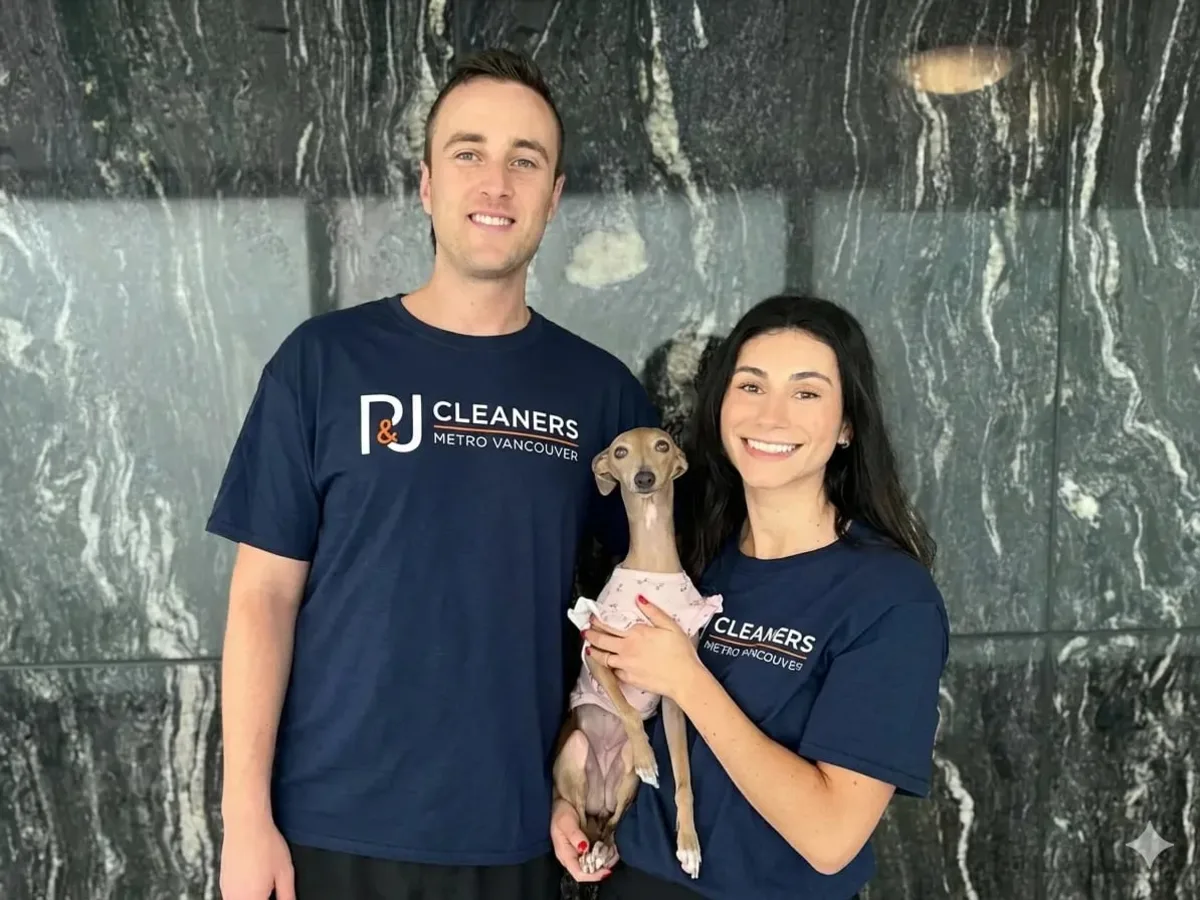
Jason
Co-Founder
Jason oversees commercial operations, workflow design, and quality control for office, restaurant, and specialty cleaning programs across Metro Vancouver.
Keep Exploring