

Neighborhood Context
Why Delta, BC cleaning routines need a different approach
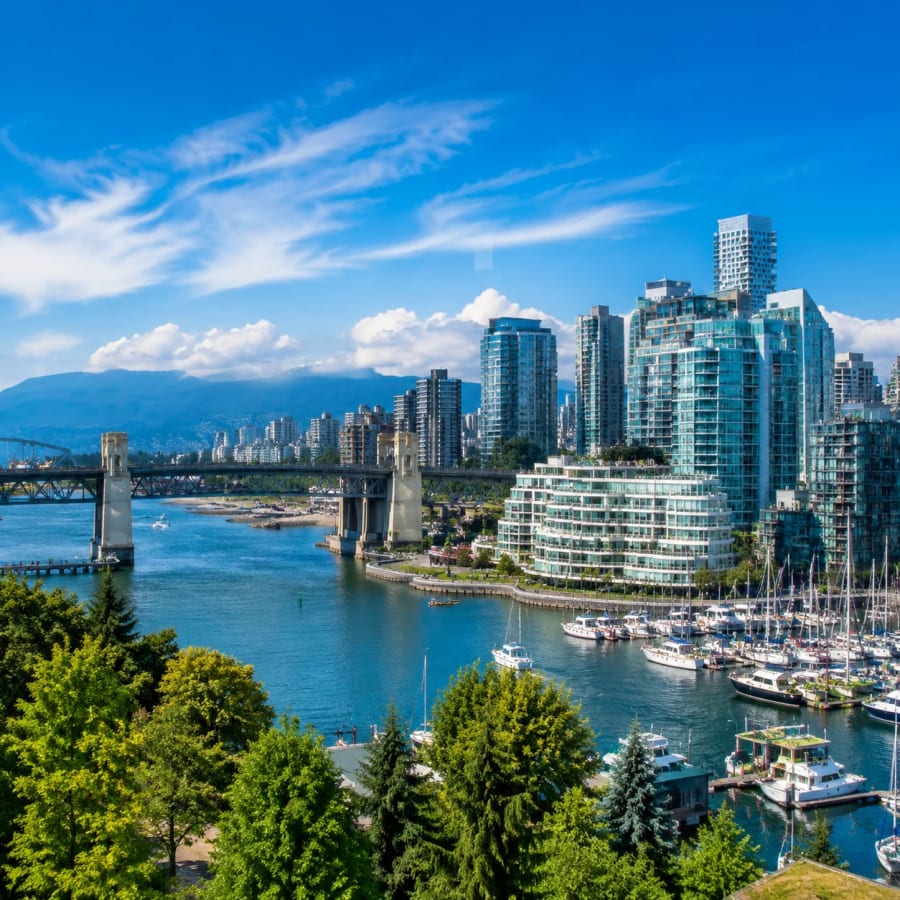
Delta spans three distinct communities across 364 square kilometres of Metro Vancouver's southwestern corner. Ladner Village maintains its historic charm with heritage buildings dating to the 1890s, while Tsawwassen offers modern waterfront living along the Strait of Georgia. North Delta connects directly to Surrey and features newer apartment complexes built in the past two decades. The municipality's 108,000 residents enjoy proximity to Vancouver International Airport, BC Ferries terminals, and extensive agricultural lands that influence local air quality and cleaning needs.
Delta's coastal location creates unique cleaning challenges for apartment dwellers. Salt air from the Pacific Ocean accelerates window film buildup and requires more frequent exterior surface cleaning. The Fraser River delta's rich soil supports intensive agriculture, contributing to seasonal pollen counts that rank among Metro Vancouver's highest according to Aerobiology Research Laboratories. Spring months see Douglas fir and alder pollen peak between March and May, making regular dusting and air filtration essential for respiratory health.
The region's apartment stock varies dramatically by neighbourhood. Tsawwassen features 78% of Delta's waterfront condos, many built after 2010 with floor-to-ceiling windows requiring specialized cleaning. Ladner's rental apartments occupy converted heritage buildings with original hardwood floors and plaster walls needing gentle care. North Delta's purpose-built rentals from the 1980s-90s often include carpeted bedrooms and laminate kitchens. Understanding these distinctions helps tailor cleaning protocols to each property's specific materials and maintenance requirements.
108,455
Delta Population
Source: Statistics Canada 2021 Census
12,340
Apartment Units
Source: BC Housing Market Report 2025
$2,450/month
Average Rent (2BR)
Source: CMHC Rental Market Report 2025
75-85% year-round
Coastal Humidity
Source: Environment Canada Climate Data
High-Very High (Mar-May)
Spring Pollen Count
Source: Aerobiology Research Laboratories
Delta-Specific Apartment Cleaning Strategies
Delta's geography demands neighbourhood-tailored cleaning approaches. Coastal properties battle salt deposits, agricultural areas contend with seasonal pollen, and heritage buildings require preservation-minded techniques. These seven strategies address Delta's unique environmental factors while maintaining the efficiency apartment dwellers need.
Tsawwassen Waterfront Window and Balcony Maintenance
Salt air from the Strait of Georgia creates persistent film on glass surfaces and accelerates corrosion on balcony fixtures in Tsawwassen's waterfront apartments.
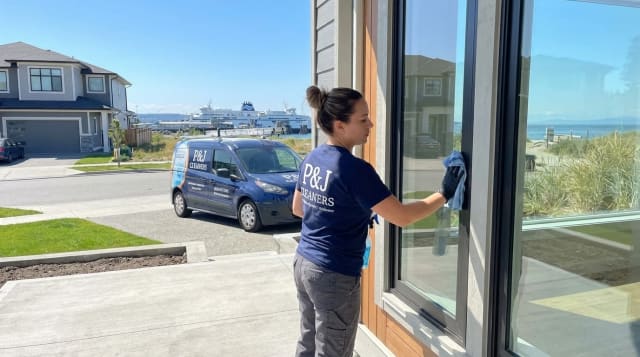
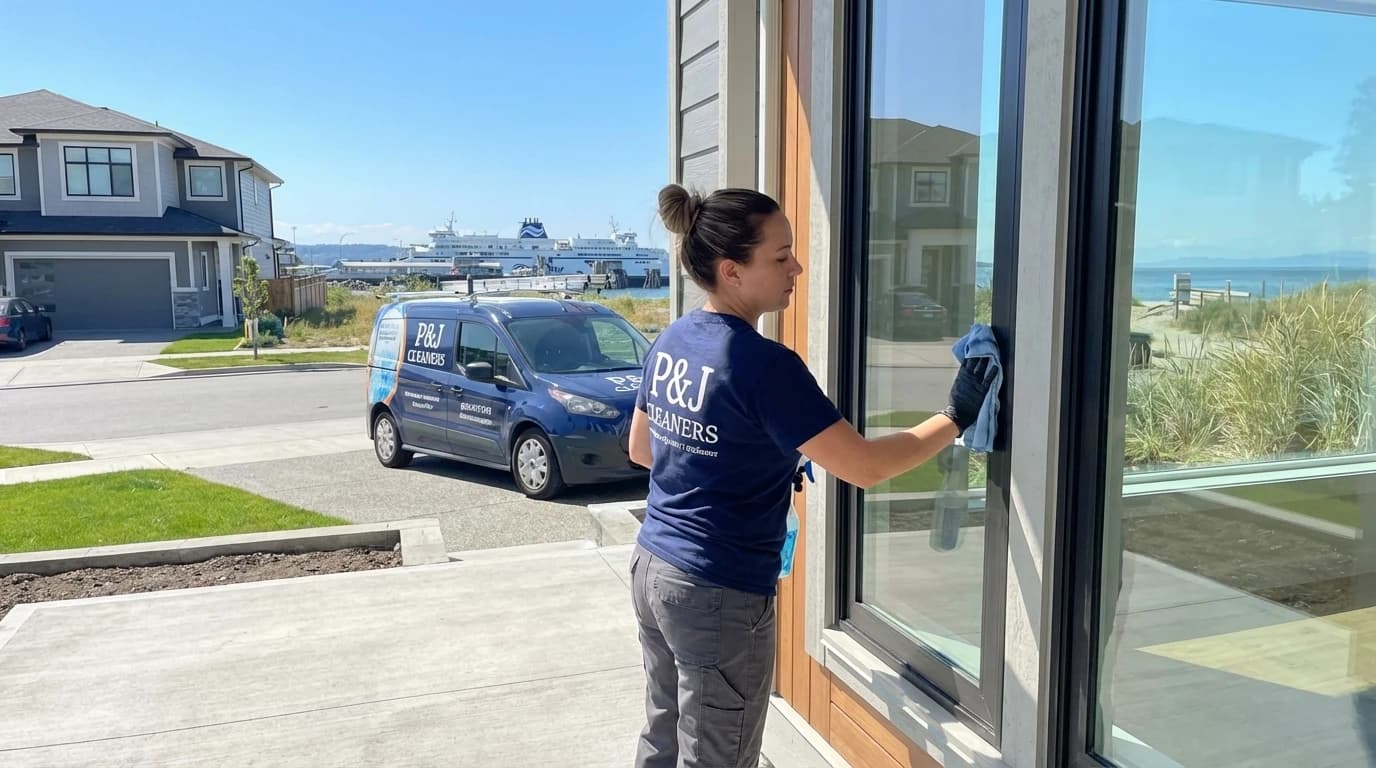
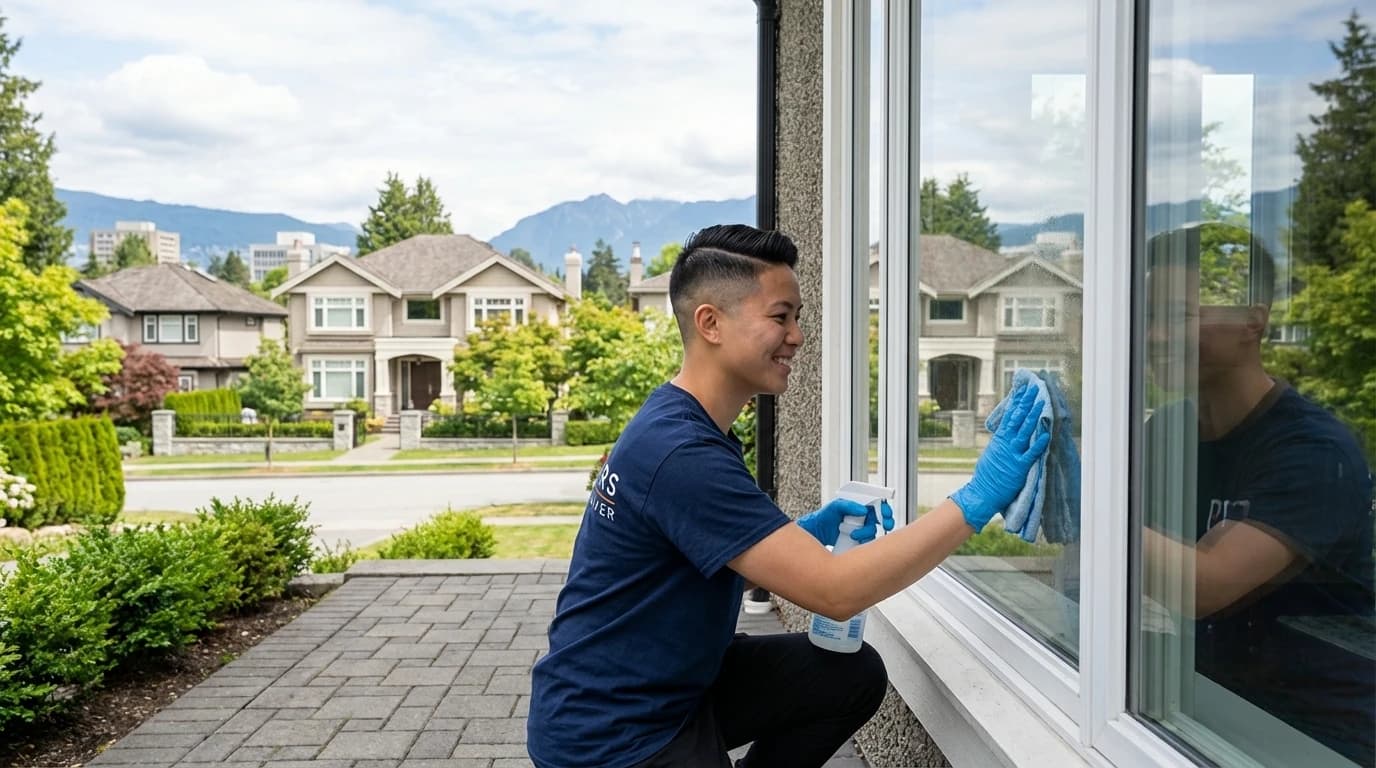
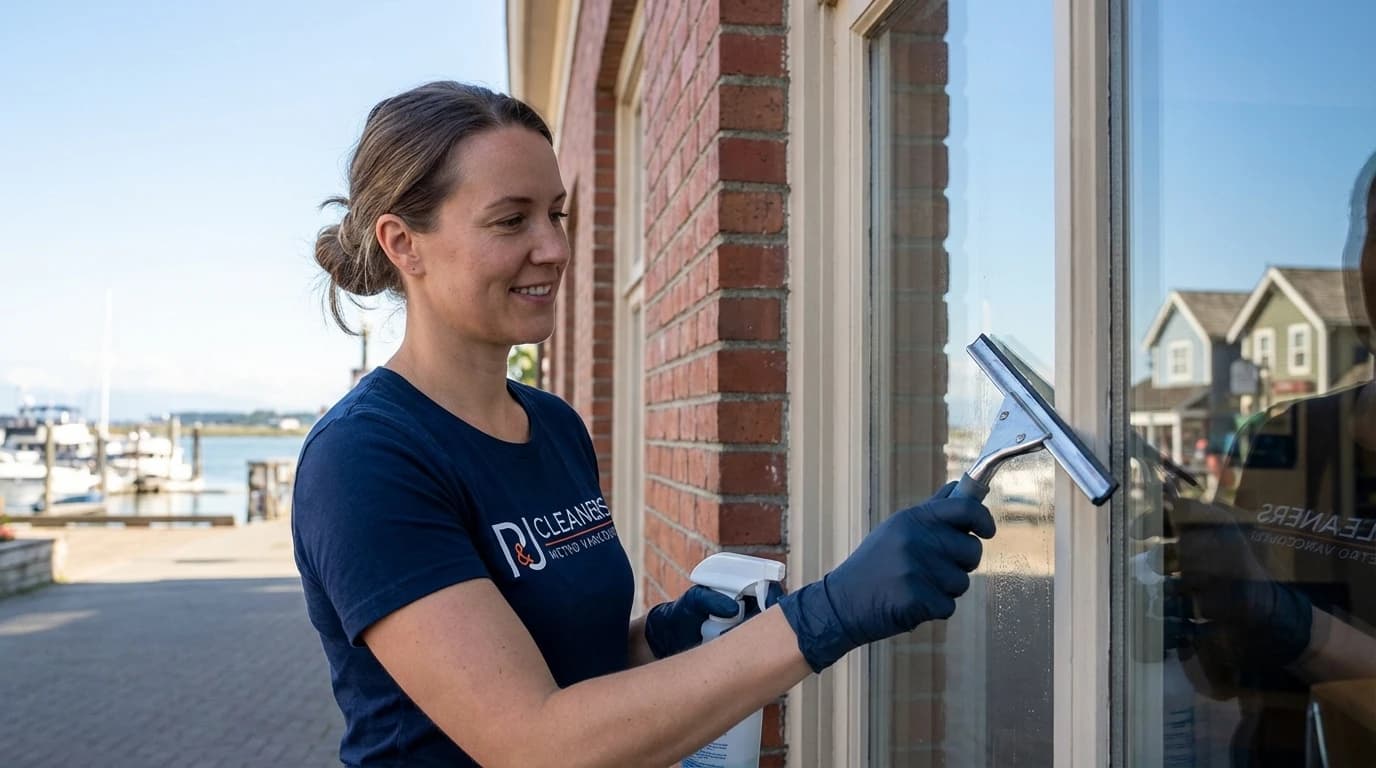
Tsawwassen's oceanfront location exposes apartments to constant salt spray, particularly during winter storms when winds exceed 40 km/h. This salt accumulation creates a hazy film on windows within 7-10 days, reducing natural light by up to 30% according to coastal property studies. Standard glass cleaners prove insufficient because salt crystals bond to silica in the glass. Professional cleaners use distilled water with vinegar solutions at 1:4 ratios to dissolve mineral deposits without leaving streaks. Microfibre cloths prevent scratching while removing stubborn buildup that paper towels cannot address.
Balcony railings and sliding door tracks require weekly attention in waterfront units. Salt corrosion begins within 48 hours of exposure on aluminum and steel fixtures common in buildings constructed before 2015. A soft brush with pH-neutral cleaner removes salt before oxidation starts, extending fixture life by 3-5 years. Door tracks accumulate sand and salt that jam mechanisms, causing 40% of maintenance calls in Tsawwassen condos per strata management reports. Vacuuming tracks before wet cleaning prevents abrasive paste formation that damages seals and rollers.
- Clean exterior windows every 2 weeks in winter, monthly in summer when salt spray is lighter
- Rinse balcony surfaces with fresh water after storms to prevent salt crystallization
- Apply silicone lubricant to sliding door tracks quarterly to repel moisture and salt
- Use distilled water for final window rinse to eliminate mineral spots from Delta's hard water
- Inspect weather stripping monthly for salt damage and replace when cracking appears
Ladner Heritage Building Floor Preservation
Ladner Village's converted heritage apartments feature original hardwood floors from the 1900s-1940s requiring specialized cleaning to prevent irreversible damage.
Ladner's historic district contains 23 apartment buildings converted from original commercial and residential structures, many with Douglas fir floors installed before 1950. These floors lack modern polyurethane finishes, instead featuring shellac or oil-based varnishes that water penetrates easily. Excess moisture causes cupping and black staining within hours, damage that costs $8-$12 per square foot to repair. Professional cleaners use barely damp microfibre mops with pH-neutral wood soap, wringing until nearly dry. Steam cleaners and wet mops are strictly avoided in these properties, as building managers report water damage claims averaging $3,400 per incident.
Original plaster walls in heritage conversions require equally gentle treatment. Modern all-purpose cleaners with high alkalinity dissolve lime plaster, creating permanent discolouration and texture loss. A solution of warm water with 2 tablespoons of white vinegar per litre safely removes surface dirt without chemical damage. Ladner's heritage buildings often lack vapour barriers, making them susceptible to moisture absorption that promotes mould growth. Proper ventilation during and after cleaning prevents humidity spikes above 60%, the threshold where mould spores activate according to Health Canada guidelines.
- Test any new cleaning product on inconspicuous floor areas before full application
- Buff hardwood floors with dry microfibre cloths to restore shine without moisture risk
- Open windows during cleaning to maintain humidity below 55% in heritage units
- Avoid furniture polish containing silicone that builds up on antique wood surfaces
- Schedule professional floor assessment every 2-3 years to catch finish deterioration early
North Delta Carpet and Allergen Management
North Delta's proximity to agricultural lands and the Alex Fraser Bridge corridor creates elevated particulate levels requiring enhanced filtration and carpet care protocols.
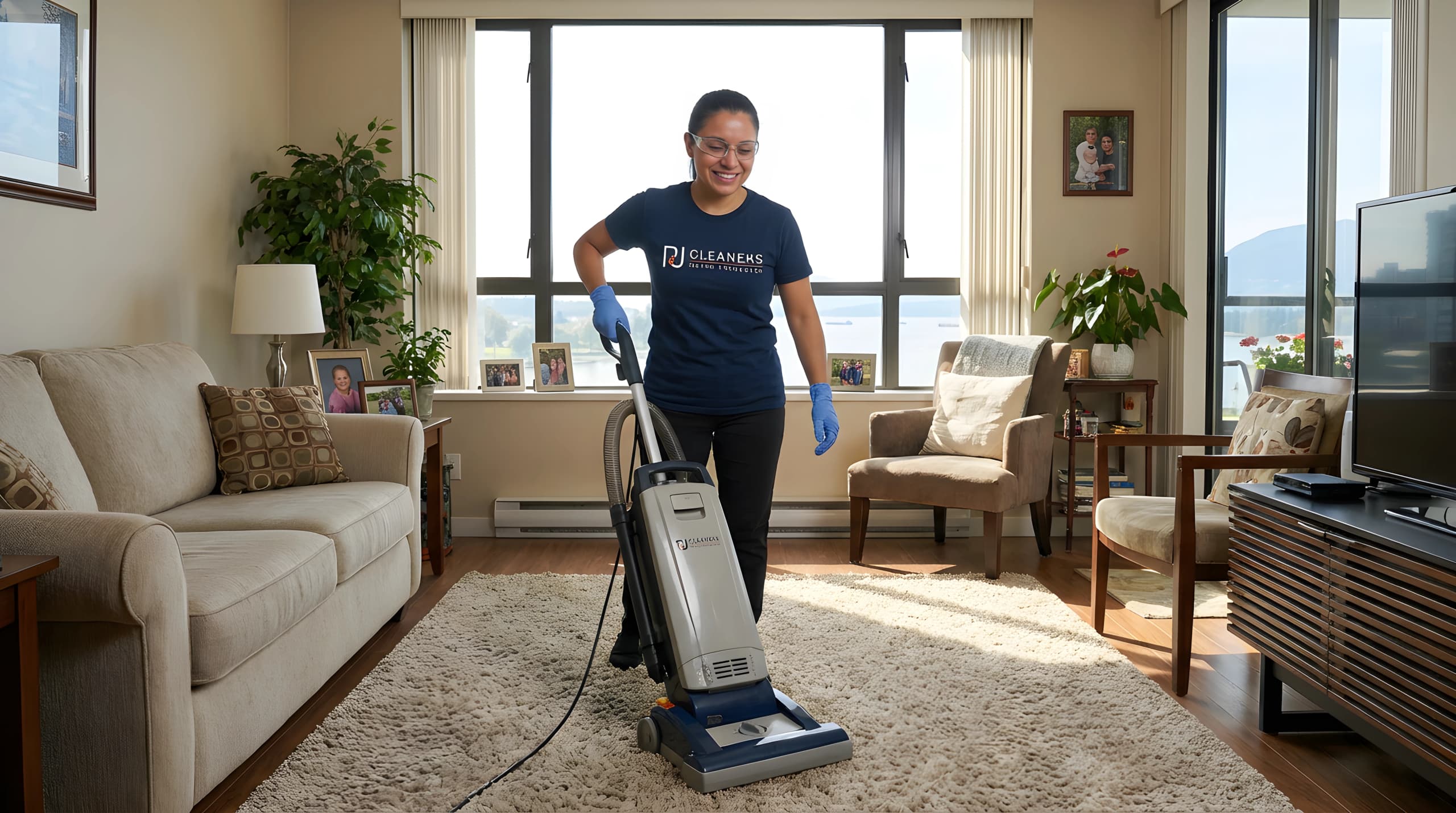
North Delta apartments face dual air quality challenges from Highway 91 traffic and surrounding farmland. Metro Vancouver air quality monitoring shows particulate matter (PM2.5) levels in North Delta average 15% higher than Vancouver's west side, particularly during summer harvest seasons. These fine particles penetrate carpet fibres where regular vacuuming cannot reach them. HEPA-filter vacuums capture 99.97% of particles down to 0.3 microns, essential for the 18% of Delta residents with diagnosed respiratory conditions per BC Health statistics. Carpeted bedrooms require twice-weekly vacuuming in North Delta versus weekly in less exposed areas.
Agricultural pollen compounds carpet allergen loads from March through October. Canola fields within 2 kilometres of North Delta release pollen that travels up to 5 kilometres on prevailing winds, coating balconies and entering units through ventilation systems. Door mats trap 70% of incoming pollen when placed both outside and inside entry doors, reducing carpet contamination significantly. Professional deep cleaning every 6 months removes embedded allergens that vacuuming misses, with hot water extraction proven most effective by the Carpet and Rug Institute. This frequency prevents the allergen accumulation that triggers symptoms in sensitive individuals.
- Vacuum high-traffic areas daily during peak pollen season (April-June, September-October)
- Replace vacuum bags or empty canisters when half full to maintain suction efficiency
- Use allergen-reducing carpet powder before vacuuming to neutralize dust mites
- Wash throw rugs and door mats weekly in hot water (60°C minimum) to kill allergens
- Consider professional carpet cleaning in spring and fall to address seasonal pollen buildup
Kitchen Ventilation and Grease Management
Delta apartments built before 2005 often feature inadequate kitchen ventilation, accelerating grease buildup that creates fire hazards and air quality issues.
Older Delta apartment buildings frequently have recirculating range hoods rather than exterior-vented systems, particularly in Ladner and North Delta complexes from the 1970s-90s. These hoods filter air through charcoal or mesh screens but return cooking vapours to the unit, depositing grease on cabinets, walls, and ceilings. WorkSafeBC reports kitchen fires in multi-unit residential buildings occur 3.2 times more frequently in units with recirculating ventilation. Grease accumulation of just 2mm thickness on range hood filters reduces airflow by 40%, making monthly filter cleaning essential rather than optional.
Cabinet surfaces above and beside stoves accumulate invisible grease films that attract dust and create sticky residues. Standard multi-purpose cleaners spread grease rather than dissolving it, requiring degreasers with alkaline pH levels between 11-13 for effective removal. Professional cleaners apply degreaser, allow 3-5 minutes of dwell time for chemical action, then wipe with hot water to prevent residue. This process removes the buildup that causes cabinet finish deterioration and the musty odours common in older Delta apartments. Quarterly deep cleaning of kitchen ventilation components prevents the grease fires that cause an average $28,000 in damage per incident according to Insurance Bureau of Canada data.
- Soak range hood filters in hot water with dish soap monthly, replacing when mesh deteriorates
- Wipe cabinet faces weekly with microfibre cloth to prevent grease film establishment
- Clean behind and under stoves annually to remove grease that migrates during cooking
- Use exhaust fans during all cooking activities, even in units with recirculating systems
- Schedule professional kitchen deep cleaning every 3-4 months in units with heavy cooking
Bathroom Mould Prevention in Delta's Humid Climate
Delta's 75-85% year-round humidity creates ideal mould conditions in bathrooms, requiring proactive ventilation and moisture control beyond standard cleaning.
Coastal humidity keeps Delta bathrooms in the danger zone for mould growth even without shower use. Mould spores germinate when relative humidity exceeds 60% for more than 24 hours, a threshold Delta apartments reach naturally from October through May. Bathroom exhaust fans must run for 20 minutes after showers to reduce humidity below 50%, yet 40% of Delta renters report non-functional or inadequate ventilation per tenant surveys. Without proper air exchange, black mould (Stachybotrys chartarum) colonizes grout, caulking, and drywall within 48-72 hours of water exposure. Health Canada identifies this mould species as producing mycotoxins linked to respiratory illness.
Grout lines and tile corners require weekly attention with mould-preventing cleaners containing quaternary ammonium compounds or hydrogen peroxide at 3% concentration. These products kill existing spores and leave residual protection for 5-7 days. Caulking around tubs and showers deteriorates faster in humid environments, with average lifespan of 3-4 years in Delta versus 5-7 years in drier climates. Cracked caulking allows water penetration behind tiles where hidden mould grows undetected until visible damage appears. Professional inspection of caulking integrity during routine cleaning catches deterioration before costly remediation becomes necessary.
- Run bathroom fans continuously in winter months when outdoor air exchange is minimal
- Squeegee shower walls after each use to remove 75% of moisture before evaporation
- Wash bath mats and shower curtains weekly in hot water with 1 cup white vinegar
- Apply mould-inhibiting spray to grout lines monthly as preventive measure
- Replace caulking immediately when cracks or gaps appear to prevent water infiltration
Seasonal Deep Cleaning for Delta's Climate Cycles
Delta's distinct seasonal patterns require adjusted cleaning intensity, with spring pollen season and winter humidity demanding enhanced protocols.
Spring cleaning in Delta must address the March-May pollen explosion when tree species release allergens simultaneously. Alder, birch, and Douglas fir pollen counts reach 'very high' levels for 6-8 consecutive weeks, coating every surface including those inside apartments through ventilation systems and door traffic. This period requires daily dusting of horizontal surfaces, weekly washing of window treatments, and every 2 weeks filter replacement in HVAC systems. The Canadian Lung Association reports that thorough spring cleaning reduces indoor allergen levels by 60%, significantly improving air quality for the 2.8 million Canadians with seasonal allergies.
Winter deep cleaning focuses on moisture control and mould prevention during Delta's wettest months from November through February. This season brings 180-220mm of monthly rainfall, elevating indoor humidity even in well-ventilated apartments. Closets, under-sink cabinets, and other enclosed spaces require monthly inspection for mould indicators like musty odours or visible spots. Dehumidifiers maintain optimal 40-50% humidity levels, preventing the condensation on windows and walls that feeds mould growth. Professional cleaning services schedule intensive bathroom and kitchen work during winter months when moisture-related issues peak, addressing problems before they require expensive remediation.
- Schedule professional deep cleaning in March before pollen season and October after it ends
- Replace HVAC filters monthly during spring versus quarterly in other seasons
- Run dehumidifiers continuously from November-February, emptying daily or using drain hoses
- Wash all bedding in hot water at season changes to eliminate accumulated allergens
- Inspect window seals and weather stripping before winter to prevent moisture infiltration
Eco-Friendly Cleaning Products for Delta's Ecosystem
Delta's position in the Fraser River estuary and proximity to sensitive marine environments makes eco-friendly cleaning product selection an environmental responsibility.
The Fraser River delta supports 1.4 million migratory birds annually and contains critical salmon habitat, making it one of Canada's most ecologically significant estuaries. Cleaning products containing phosphates, chlorine bleach, and synthetic fragrances enter this ecosystem through wastewater systems, even with municipal treatment. Environment Canada studies show conventional cleaning products contribute to the nutrient loading that causes algae blooms in the Fraser River's slower sections. Eco-certified products with EcoLogo or Green Seal certification use plant-based surfactants that biodegrade within 28 days, reducing aquatic toxicity by 90% compared to conventional formulas.
P&J Cleaners exclusively offers eco-friendly products upon request that meet Environmental Choice Program standards, protecting both Delta's environment and apartment residents' health. These products eliminate volatile organic compounds (VOCs) that cause headaches and respiratory irritation in 15-20% of building occupants per indoor air quality studies. Natural ingredients like citric acid, plant-based enzymes, and essential oils provide cleaning power equivalent to harsh chemicals without toxic residues. This approach aligns with Delta's sustainability initiatives, including the municipality's goal of reducing greenhouse gas emissions by 50% by 2030. Choosing green cleaning services supports local environmental protection while maintaining the high cleanliness standards apartment dwellers expect.
- Look for EcoLogo certification when selecting cleaning products for personal use
- Avoid products listing 'fragrance' as ingredient, which often contains phthalates
- Use concentrated eco-products diluted per instructions to reduce packaging waste
- Choose refillable cleaning product containers to minimize single-use plastic
- Support cleaning services that prioritize environmental responsibility in Delta's sensitive ecosystem
Delta Rental and Strata Cleaning Requirements
Delta's Residential Tenancy Branch regulations and strata bylaws establish specific cleaning standards for apartment moves and ongoing maintenance. Understanding these requirements prevents disputes and ensures compliance.
Local link strategy
Explore the matching service area pages for delta to connect this neighborhood advice with location-specific service information.
Services mentioned in this article
Ready for help?
4.9 · 850+ Google reviewsReady for a Spotless Delta Apartment?
Join 850+ satisfied Delta residents who trust P&J Cleaners for reliable, eco-friendly apartment cleaning. Same-day booking available across Ladner, Tsawwassen, and North Delta.
778-720-2224Apartment Cleaning in Delta: Your Questions Answered
How much does apartment cleaning cost in Delta?
Apartment cleaning in Delta typically costs $89-$179 per visit depending on size and service level. Hourly rates range from $40-$60 per cleaner. A standard 2-bedroom apartment averages $129, while deep cleaning runs $159-$199. P&J Cleaners offers transparent pricing with no hidden fees, and you can book same-day service across Ladner, Tsawwassen, and North Delta with our satisfaction guarantee.
What does apartment cleaning include?
Standard apartment cleaning includes vacuuming and mopping all floors, dusting surfaces and baseboards, cleaning kitchen counters and appliances, sanitizing bathrooms, emptying trash, and making beds. Deep cleaning adds interior appliances, window tracks, baseboards, and detailed grout work. P&J Cleaners offers eco-friendly products upon request — safe for Delta's families and pets, and we customize every service to your apartment's specific needs and layout.
How often should you get apartment cleaning?
Most Delta apartment residents schedule cleaning every 2-4 weeks depending on lifestyle and occupancy. Singles or couples often choose service every 4 weeks, while families with children or pets benefit from cleaning every 2 weeks. High-traffic apartments near Tsawwassen Mills or busy professionals may prefer weekly maintenance. P&J Cleaners offers flexible scheduling with recurring discounts—every-2-weeks clients save 10% and weekly clients save 15% on regular rates.
Best apartment cleaning service in Delta?
P&J Cleaners ranks as Delta's top apartment cleaning service with 4.9/5 stars from 850+ reviews. We serve all Delta neighbourhoods including Ladner, Tsawwassen, and North Delta with same-day booking, fully bonded and insured teams, and eco-friendly products upon request. Our satisfaction guarantee means if you're not happy, tell us within 7 days and we'll make it right with a re-clean or a partial refund, depending on the job. Call +1-778-720-2224 or visit pnjcleaners.com to book your first clean.
Meet the Author
Pamela Rivera
Co-Founder
Pamela leads residential quality standards at P&J Cleaners, refining safe, detail-driven cleaning systems for Vancouver homes, condos, and move-out projects.
Keep Exploring