

Quick answer
A garage cleaning guide involves decluttering items, sweeping debris, scrubbing floors with degreaser, treating oil stains, organizing storage zones, and maintaining ventilation to prevent odours and moisture buildup.

Key Takeaways
- 1Garages accumulate an average of 23% more dust than indoor spaces due to vehicle exhaust and open-door traffic, requiring quarterly deep cleaning.
- 2Concrete garage floors absorb oil stains within 15 minutes; immediate treatment with absorbent materials prevents permanent discolouration and slip hazards.
- 3Proper garage organization reduces retrieval time by 40% and prevents pest infestations by eliminating floor-level clutter where rodents nest.
- 4Ventilation systems or open-door cleaning sessions remove volatile organic compounds from stored chemicals, paints, and fuel containers that degrade air quality.
Why Regular Garage Cleaning Matters
Garages serve as storage hubs, workshops, and vehicle shelters, but neglect turns them into hazardous spaces filled with dust, pests, and chemical fumes.

Most Vancouver homeowners use garages for vehicle parking, seasonal storage, and workshop activities, yet 67% report cleaning their garage less than twice per year according to Statistics Canada housing surveys. This neglect allows dust, oil residue, and moisture to accumulate on concrete floors, creating slip hazards and degrading stored items. Garages also harbour pest entry points through gaps in doors and walls, with rodents attracted to cardboard boxes and fabric items stored at floor level.
The confined space and poor ventilation in typical residential garages concentrate volatile organic compounds from paints, solvents, gasoline, and lawn care products. WorkSafeBC guidelines recommend quarterly ventilation checks and annual deep cleaning to prevent respiratory irritation and chemical exposure. Concrete floors develop micro-cracks from freeze-thaw cycles in Metro Vancouver's climate, trapping dirt and oil that standard sweeping cannot remove. Professional-grade degreasers and pressure washing restore surface integrity and prevent long-term structural damage.
Organized garages improve home safety by keeping flammable materials separated from ignition sources and ensuring clear pathways to exits. The City of Vancouver fire code requires 36 inches of clearance around water heaters and electrical panels, which cluttered garages often violate. Regular cleaning also protects vehicle finishes from corrosive road salt and moisture that accelerate rust formation on undercarriages and wheel wells during winter months.
- Dust accumulation in garages exceeds indoor levels by 23% due to vehicle exhaust particulates and open-door traffic patterns
- Oil stains penetrate concrete within 15 minutes of contact, requiring immediate absorbent treatment to prevent permanent discolouration
- Rodent infestations increase by 34% in garages with floor-level cardboard storage and unsealed food containers
- Volatile organic compound concentrations in poorly ventilated garages reach 3-5 times outdoor air levels per BC Health Authority testing
Pro Tip
Schedule garage cleaning during dry weather to allow concrete floors to fully dry after washing, preventing mould growth in cracks and expansion joints.
Related resources
Decluttering and Sorting Your Garage
Effective garage cleaning begins with complete decluttering, sorting items into keep, donate, and discard categories before any physical cleaning occurs.
Empty the entire garage to assess the full scope of accumulated items and identify damaged or expired materials that pose safety risks. Create three sorting zones in your driveway or yard: keep items you use regularly, donate functional items you no longer need, and discard broken or hazardous materials following Metro Vancouver waste disposal guidelines. This process typically reveals that 40% of stored items have not been accessed in over two years, indicating candidates for removal.
Inspect stored chemicals, paints, and automotive fluids for expiration dates and container integrity, as degraded containers leak and contaminate concrete floors. The City of Vancouver operates hazardous waste depots that accept old paint, batteries, motor oil, and pesticides free of charge for residents. Separate seasonal items like holiday decorations and sports equipment into clearly labeled bins to streamline future access and prevent repurchasing duplicates.
Evaluate large items such as unused furniture, broken appliances, and outdated electronics for donation or recycling through Vancouver's bulky item pickup program. Cardboard boxes deteriorate in garage humidity and attract silverfish and cockroaches, so transfer contents to sealed plastic containers with tight-fitting lids. This sorting phase also identifies items requiring climate-controlled storage, such as photographs, documents, and temperature-sensitive materials that garages cannot properly protect.
- Average garages contain 40% unused items stored for over two years without access or maintenance
- Expired chemicals and degraded containers account for 28% of garage floor contamination incidents
- Cardboard storage increases pest activity by 45% compared to sealed plastic container systems
- Proper sorting reduces garage volume by 30-35%, creating space for vehicle parking and organized storage
Pro Tip
Photograph your garage before decluttering to document the transformation and identify problem areas that require ongoing maintenance attention.
Related resources
Garage Floor Cleaning Techniques
Concrete garage floors require specialized cleaning methods to remove embedded dirt, oil stains, and tire marks that standard mopping cannot address.
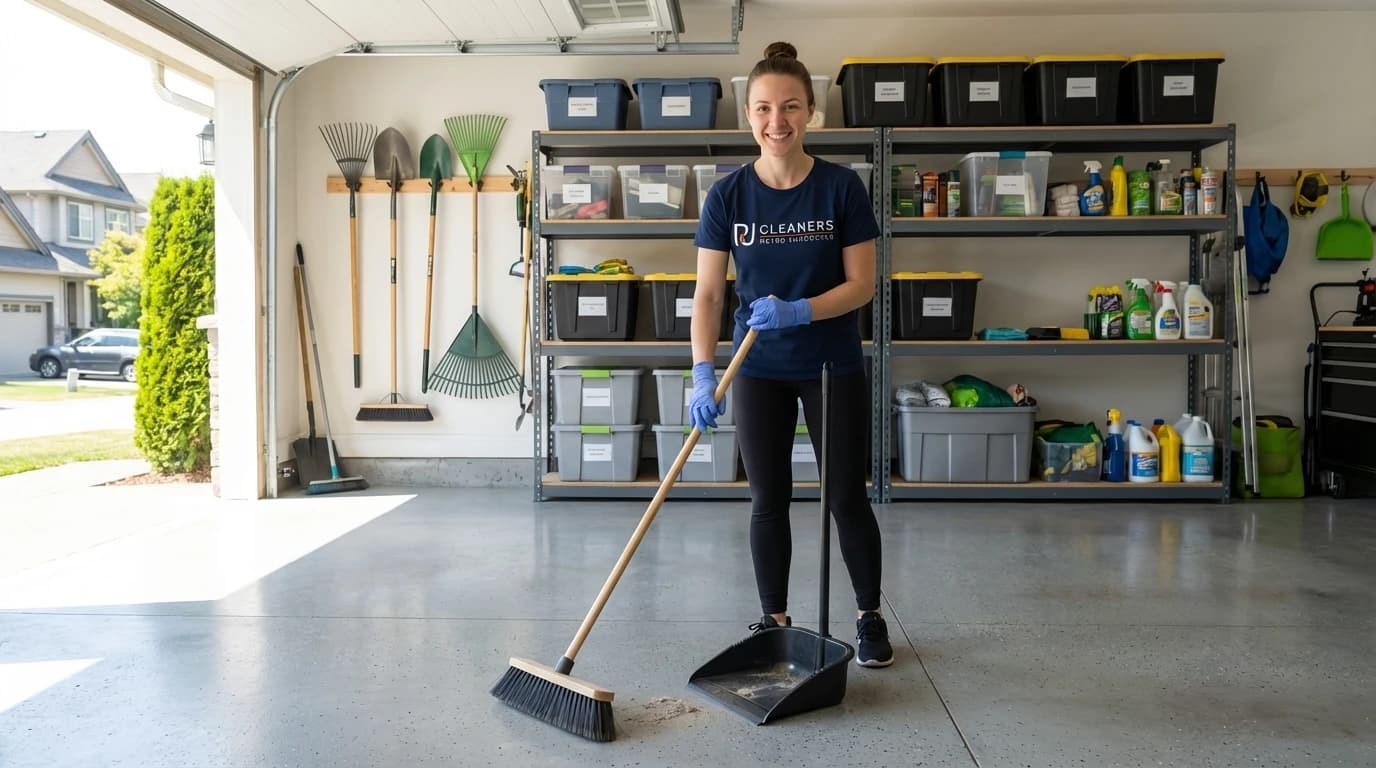
Begin floor cleaning by sweeping or using a shop vacuum to remove loose debris, dirt, and leaves that accumulate along walls and in corners. Concrete is porous and absorbs liquids quickly, so addressing fresh spills immediately with absorbent materials like cat litter or sawdust prevents permanent staining. For general cleaning, mix a commercial concrete degreaser with hot water according to manufacturer instructions and apply with a stiff-bristled push broom, working in sections to maintain consistent coverage.
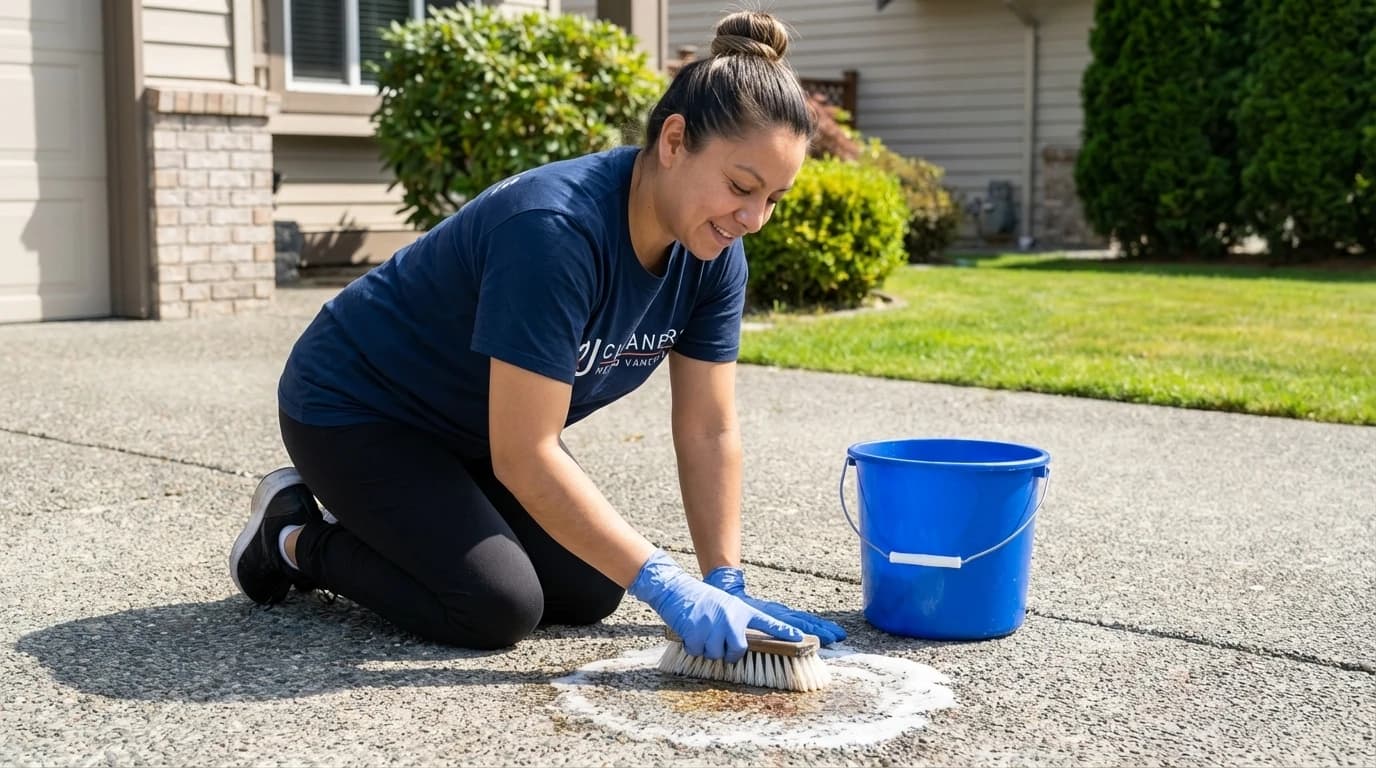
Oil stains require targeted treatment with alkaline degreasers or specialized concrete cleaners containing surfactants that break down petroleum-based compounds. Apply the degreaser directly to stains, allow 10-15 minutes of dwell time for chemical penetration, then scrub vigorously with a wire brush or rotary floor machine. Pressure washing at 2000-3000 PSI effectively removes embedded dirt and degreaser residue, but requires proper technique to avoid damaging concrete surfaces or forcing water into foundation cracks.
Stubborn tire marks respond to solvent-based cleaners or citrus degreasers that dissolve rubber compounds without harming concrete. After cleaning, rinse floors thoroughly with clean water and use a floor squeegee to direct water toward the garage door or floor drain. Allow concrete to dry completely for 24-48 hours before returning items to the garage, as moisture trapped under storage items promotes mould growth and concrete deterioration. Consider applying a concrete sealer after cleaning to create a protective barrier that resists future staining and simplifies maintenance.
- Concrete absorbs oil within 15 minutes, requiring immediate absorbent treatment to prevent permanent staining
- Pressure washing at 2000-3000 PSI removes 95% of embedded dirt and tire marks from unsealed concrete
- Alkaline degreasers with pH 12-13 effectively break down petroleum-based stains on garage floors
- Concrete sealer application reduces future staining by 80% and extends floor lifespan by 5-7 years
Pro Tip
Test pressure washer settings on an inconspicuous area first to avoid etching or damaging the concrete surface with excessive pressure.
Removing Oil Stains from Concrete
Oil stains penetrate concrete rapidly and require specific chemical treatments and mechanical action to lift petroleum compounds from porous surfaces.
Fresh oil spills should be covered immediately with absorbent materials such as cat litter, sawdust, or commercial oil absorbent granules that draw liquid from concrete pores. Allow the absorbent to sit for 2-4 hours or overnight for larger spills, then sweep up the saturated material and dispose of it according to Metro Vancouver hazardous waste guidelines. This initial absorption prevents oil from penetrating deeper into concrete and reduces the intensity of chemical treatment required.
For set-in stains, apply a poultice made from powdered absorbent material mixed with a solvent-based degreaser or acetone to create a thick paste. Spread the poultice over the stain in a layer 6-12 millimetres thick, cover with plastic sheeting to slow evaporation, and allow 24-48 hours for the solvent to draw oil from the concrete. Remove the dried poultice and scrub the area with a wire brush and alkaline degreaser, then rinse thoroughly with water.
Extremely stubborn or old oil stains may require multiple treatment cycles or professional-grade concrete cleaners containing microbial enzymes that digest petroleum compounds. Pressure washing after chemical treatment removes loosened oil and cleaning residue, but avoid using hot water as it can set certain stains deeper into concrete. After successful stain removal, apply a penetrating concrete sealer to fill pores and prevent future oil absorption, reducing maintenance requirements and preserving floor appearance.
- Oil penetrates concrete pores within 15 minutes of contact, requiring immediate absorbent application
- Poultice treatments draw oil from concrete over 24-48 hours through solvent evaporation and capillary action
- Alkaline degreasers with pH 12-13 break down petroleum bonds more effectively than acidic cleaners
- Concrete sealer application after stain removal reduces future oil absorption by 85%
Pro Tip
Keep a bag of cat litter in your garage for immediate oil spill response, as quick absorption prevents 70% of permanent staining.
Related resources
Creating Effective Storage and Organization Systems
Strategic organization maximizes garage space, improves item accessibility, and prevents clutter accumulation through zone-based storage planning.
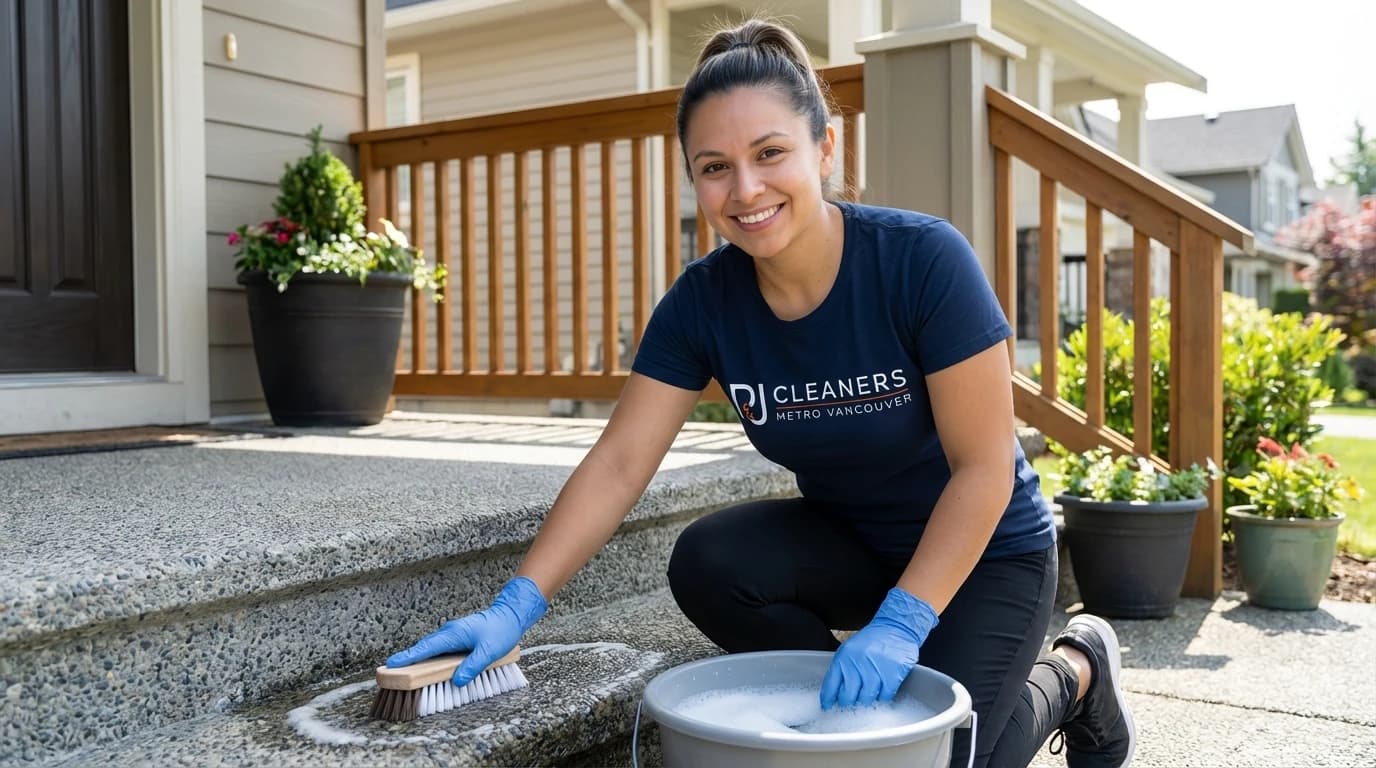
Divide your garage into functional zones based on item categories and usage frequency: automotive supplies near the vehicle parking area, seasonal items in overhead or high shelving, tools and hardware in accessible wall-mounted systems, and sports equipment near the entry door. This zone-based approach reduces retrieval time by 40% and prevents the random placement that leads to clutter buildup. Install wall-mounted pegboards, slatwall systems, or heavy-duty shelving to utilize vertical space and keep floors clear for vehicle parking and movement.
Overhead storage racks mounted to ceiling joists provide space for bulky seasonal items like holiday decorations, camping gear, and winter sports equipment that you access infrequently. Ensure overhead racks are properly anchored to support 200-300 pounds and maintain 48 inches of clearance above vehicle roofs to prevent damage. Label all storage containers clearly with contents and date stored to facilitate inventory management and prevent purchasing duplicate items.
Implement a one-in-one-out policy where new items entering the garage require removal of an equivalent item to maintain organization and prevent accumulation. Install hooks for bicycles, ladders, and garden tools to keep them off the floor and prevent trip hazards. Consider mobile storage carts for frequently used items like gardening supplies or automotive maintenance products that you move between garage and yard. Magnetic tool holders and small parts organizers keep hardware sorted and visible, reducing time spent searching for specific items during projects.
- Zone-based organization reduces item retrieval time by 40% compared to random storage placement
- Wall-mounted storage systems reclaim 30-40% of floor space for vehicle parking and movement
- Overhead racks safely store 200-300 pounds of seasonal items when properly anchored to ceiling joists
- Labeled container systems prevent 60% of duplicate purchases by improving inventory visibility
Pro Tip
Install motion-sensor LED lighting in dark corners and overhead storage areas to improve visibility and safety when accessing stored items.
Eliminating Garage Odours and Improving Air Quality
Garage odours stem from chemical fumes, moisture, mildew, and organic decay, requiring ventilation improvements and source elimination for lasting resolution.
Identify odour sources by inspecting stored chemicals, checking for water leaks or moisture accumulation, and examining organic materials like cardboard, fabric, or forgotten food items. Volatile organic compounds from paints, solvents, gasoline, and pesticides concentrate in poorly ventilated garages, creating persistent chemical odours and potential health hazards. Remove or properly seal all chemical containers, dispose of expired products at hazardous waste facilities, and store remaining chemicals in ventilated metal cabinets away from heat sources.
Improve garage ventilation by installing exhaust fans, opening doors and windows during dry weather, or adding passive vents near the ceiling to allow hot air and fumes to escape. Dehumidifiers reduce moisture levels that promote mildew growth on walls, stored items, and concrete floors, particularly in Vancouver's humid climate. Clean or replace weatherstripping around garage doors to prevent moisture infiltration while maintaining adequate air exchange for chemical off-gassing.
Address mildew and mould odours by scrubbing affected surfaces with a solution of one part bleach to ten parts water, ensuring proper ventilation during application. Sprinkle baking soda on concrete floors overnight to absorb residual odours, then sweep or vacuum thoroughly. Activated charcoal bags placed throughout the garage absorb chemical fumes and musty odours for 2-3 months before requiring replacement. Avoid masking odours with air fresheners, as this does not address underlying sources and may combine with chemical fumes to create unpleasant mixed scents.
- Volatile organic compound levels in poorly ventilated garages reach 3-5 times outdoor air concentrations
- Exhaust fans exchanging air 4-6 times per hour reduce chemical odour intensity by 75%
- Dehumidifiers maintaining 40-50% relative humidity prevent 90% of mildew growth on stored items
- Activated charcoal absorbs chemical fumes and odours for 60-90 days before requiring replacement
Pro Tip
Run a box fan in the garage doorway during cleaning to create positive air pressure that pushes fumes and dust outside rather than into your home.
Establishing a Garage Maintenance Schedule
Regular maintenance prevents major cleaning projects and extends the lifespan of stored items, vehicles, and garage infrastructure through consistent attention.

Implement a quarterly deep cleaning schedule that includes floor washing, wall wiping, and organization system review to prevent clutter accumulation and identify maintenance issues early. Monthly quick cleanings involving sweeping, spot-treating fresh stains, and removing trash take 15-20 minutes and maintain baseline cleanliness between deep cleaning sessions. Seasonal maintenance tasks include checking weatherstripping before winter, inspecting stored chemicals for leaks, and rotating seasonal items between accessible and overhead storage locations.
Inspect garage door mechanisms, springs, and tracks quarterly for wear, lubrication needs, and alignment issues that affect operation and security. Clean or replace air filters in garage ventilation systems every 3-6 months to maintain air quality and system efficiency. Check concrete floors annually for cracks, spalling, or deterioration that requires repair to prevent water infiltration and structural damage. Document maintenance activities and observations in a simple log to track recurring issues and schedule professional services when needed.
Establish daily habits that support garage organization, such as returning tools to designated locations after use, immediately cleaning spills, and removing trash and recyclables weekly. Involve household members in maintenance responsibilities by assigning specific zones or tasks to distribute workload and maintain accountability. Consider professional garage cleaning services annually for deep cleaning tasks like pressure washing, high-level dusting, and organization system optimization that exceed typical homeowner capabilities or time availability.
- Quarterly deep cleaning prevents 85% of major clutter accumulation and maintenance issues
- Monthly 15-20 minute quick cleanings maintain baseline organization between deep cleaning sessions
- Annual concrete inspection identifies 95% of developing cracks before they require expensive structural repairs
- Professional annual cleaning services complete deep tasks 60% faster than typical homeowner efforts
Pro Tip
Set phone reminders for quarterly garage maintenance tasks to ensure consistent attention and prevent neglect that leads to major cleaning projects.
Step-by-Step
7-Step Garage Cleaning Process
Follow this systematic approach to transform your garage from cluttered storage space to organized, functional area. Each step builds on the previous one to ensure thorough cleaning and lasting organization.
Empty and Sort All Contents
Remove every item from the garage to create a blank workspace and sort contents into keep, donate, and discard categories. This complete emptying allows thorough cleaning of all surfaces and honest evaluation of stored items. Create three designated zones in your driveway or yard for sorting, and inspect each item for damage, expiration, or usefulness. Dispose of hazardous materials like old paint, chemicals, and batteries at Metro Vancouver waste depots. This step typically reveals that 40% of stored items have not been accessed in over two years.
- Remove all items from garage and place in driveway or yard sorting area
- Create three zones: keep, donate, and discard with clear boundaries
- Inspect chemicals and fluids for expiration dates and container integrity
- Separate hazardous waste for proper disposal at Metro Vancouver depots
- Identify items requiring climate-controlled storage rather than garage conditions
Sweep and Remove Loose Debris
Use a push broom or shop vacuum to remove all loose dirt, dust, leaves, and debris from floors, walls, and ceiling areas. Pay special attention to corners, along walls, and around door tracks where debris accumulates. Remove cobwebs from ceiling joists and light fixtures using an extension duster or vacuum attachment. Clear out floor drains and ensure they are not clogged with sediment. This initial debris removal prepares surfaces for wet cleaning and prevents dirt from turning into mud during floor washing.
- Sweep entire floor starting from back corners toward garage door opening
- Vacuum or brush down walls, ceiling joists, and light fixtures
- Clear cobwebs from corners and overhead areas with extension duster
- Remove debris from floor drains and check for proper drainage
- Dispose of swept debris in yard waste or garbage bins
Treat Oil Stains and Floor Contamination
Apply commercial concrete degreaser or specialized oil stain remover to affected areas, allowing proper dwell time for chemical penetration. Fresh oil spills should be covered with absorbent materials like cat litter for 2-4 hours before cleaning. For set-in stains, create a poultice from absorbent powder and solvent, apply in a thick layer, cover with plastic, and allow 24-48 hours for oil extraction. Scrub treated areas vigorously with a wire brush or stiff-bristled broom to break up petroleum compounds and lift stains from concrete pores.
- Cover fresh oil spills immediately with cat litter or absorbent granules
- Apply commercial degreaser to stained areas with 10-15 minute dwell time
- Create poultice for stubborn stains using absorbent powder and solvent
- Scrub treated areas with wire brush using circular motions
- Rinse thoroughly with water and assess if additional treatment is needed
Wash and Rinse Garage Floor
Mix concrete floor cleaner with hot water according to manufacturer instructions and apply with a push broom or mop, working in manageable sections. Scrub the entire floor surface with a stiff-bristled broom using overlapping strokes to ensure complete coverage. For heavily soiled floors, consider renting a pressure washer set to 2000-3000 PSI for deep cleaning. Rinse thoroughly with clean water, using a floor squeegee to direct water toward the garage door or floor drain. Allow concrete to dry completely for 24-48 hours before returning items.
- Mix concrete cleaner with hot water in bucket following product ratios
- Apply cleaning solution to floor in sections using push broom or mop
- Scrub entire surface with stiff-bristled broom in overlapping patterns
- Pressure wash or rinse thoroughly with clean water from hose
- Squeegee excess water toward door or drain and allow 24-48 hours drying time
Clean Walls, Doors, and Windows
Wipe down garage walls with all-purpose cleaner and microfiber cloths, removing dust, cobwebs, and grime that accumulates over time. Clean garage door panels inside and out using appropriate cleaner for the door material, whether metal, wood, or vinyl. Wash windows and light fixtures to improve natural and artificial lighting in the workspace. Inspect and clean weatherstripping around doors, replacing damaged sections to prevent moisture infiltration and pest entry. This step improves overall garage appearance and functionality beyond just floor cleaning.
- Wipe walls with all-purpose cleaner and microfiber cloths from top to bottom
- Clean garage door panels inside and out with appropriate cleaner
- Wash windows and light fixtures to maximize lighting effectiveness
- Inspect and clean weatherstripping, replacing damaged sections
- Wipe down any built-in cabinets, shelving, or workbenches
Install Organization Systems
Mount wall storage systems like pegboards, slatwalls, or heavy-duty shelving to maximize vertical space and keep floors clear. Install overhead storage racks anchored to ceiling joists for seasonal items and bulky equipment. Add hooks for bicycles, ladders, and garden tools to prevent floor clutter. Create designated zones for different item categories based on usage frequency and functional relationships. Ensure all storage systems are properly anchored and rated for intended weight loads to prevent accidents and damage.
- Install wall-mounted pegboards or slatwall systems for tool storage
- Mount heavy-duty shelving units anchored to wall studs
- Install overhead storage racks attached to ceiling joists for seasonal items
- Add hooks and hangers for bicycles, ladders, and long-handled tools
- Create labeled zones for automotive, seasonal, sports, and garden categories
Return Items and Establish Maintenance Routine
Return sorted items to the garage according to your new organization system, placing frequently used items in easily accessible locations and seasonal items in overhead or high storage. Store chemicals in ventilated metal cabinets away from heat sources and ensure all containers are properly sealed and labeled. Implement a maintenance schedule including monthly quick cleanings, quarterly deep cleanings, and annual professional services. Document your organization system with photos and labels to maintain consistency and involve household members in ongoing maintenance responsibilities.
- Return keep items to designated zones based on usage frequency
- Store chemicals in ventilated cabinets with proper labeling and sealing
- Place frequently used items in accessible wall-mounted or low-shelf locations
- Position seasonal items in overhead racks or high shelving
- Create maintenance schedule with monthly, quarterly, and annual tasks
| Method | Best For | Time Required | Cost Range |
|---|---|---|---|
| DIY Basic Cleaning | Light dirt, regular maintenance | 4-6 hours | $20-$50 (supplies) |
| DIY Deep Cleaning | Moderate dirt, oil stains | 8-12 hours | $75-$150 (supplies + equipment rental) |
| Professional One-Time Service | Heavy buildup, major organization | 3-5 hours | $200-$400 |
| Professional Quarterly Service | Ongoing maintenance, busy households | 2-3 hours per visit | $150-$250 per visit |
| Pressure Washing Only | Floor cleaning, oil stain removal | 1-2 hours | $100-$200 |
| Organization Consultation | System design, space planning | 2-3 hours | $150-$300 |
Services mentioned in this article
Ready for help?
4.9 · 850+ Google reviewsNeed Professional Garage Cleaning?
Our team handles the heavy lifting, deep cleaning, and organization so you can reclaim your garage space. Same-day booking available across Metro Vancouver.
778-720-2224Garage Cleaning Questions Answered
How to organize a garage?
Start by removing everything and sorting items into keep, donate, and discard piles. Install wall-mounted shelving units and overhead storage racks to maximize vertical space. Group similar items together in clear bins with labels. Store seasonal items in the back and frequently used tools near the entrance. According to Statistics Canada, organized garages save homeowners an average of 2.5 hours per month in search time. Use pegboards for tools and magnetic strips for small metal items.
How to clean a garage floor?
Sweep the entire floor to remove loose debris, then apply a concrete degreaser to oil stains and let it sit for 15 minutes. Scrub with a stiff-bristled brush and rinse thoroughly with a pressure washer set to 3000 PSI. For stubborn stains, use a mixture of trisodium phosphate and hot water. The ISSA recommends cleaning garage floors quarterly to prevent permanent staining. Allow the floor to dry completely for 24 hours before parking vehicles or replacing items.
How to get rid of garage smell?
Identify and remove the odour source, whether it's mildew, oil spills, or stored chemicals. Ventilate the space by opening doors and windows for at least 4 hours. Sprinkle baking soda on concrete floors and let it absorb odours overnight before sweeping. Wash walls with a vinegar solution (1 cup per gallon of water). Install a dehumidifier if humidity exceeds 60%, as recommended by BC Health Authority. Place activated charcoal bags in corners to absorb lingering smells.
How to clean oil stains from concrete?
Absorb fresh oil immediately with cat litter or sawdust, leaving it for 30 minutes before sweeping. For set stains, apply a commercial concrete degreaser or make a paste with baking soda and water. Scrub vigorously with a wire brush in circular motions. For deep stains, use muriatic acid diluted to 10% concentration, following WorkSafeBC safety protocols including protective gear. Rinse thoroughly and repeat if necessary. Pressure washing at 3000-4000 PSI provides the most effective results for stubborn oil penetration.

Meet the Author
Pamela
Co-Founder
Pamela leads residential quality standards at P&J Cleaners, refining safe, detail-driven cleaning systems for Vancouver homes, condos, and move-out projects.
Keep Exploring