

Quick answer
Deep clean your bedroom by following seven steps: strip and wash all bedding, vacuum mattress and floors, dust all surfaces from top to bottom, clean windows and mirrors, organize closets and drawers, sanitize high-touch areas, and finish with fresh linens.

Key Takeaways
- 1Mattresses harbour up to 10 million dust mites according to the Asthma Society of Canada, requiring quarterly deep cleaning to maintain air quality.
- 2A systematic top-to-bottom approach prevents re-contamination and reduces cleaning time by 40% compared to random spot cleaning.
- 3Bedroom allergens decrease by 60% when you vacuum carpets weekly and wash bedding in hot water every 7-10 days.
- 4Professional bedroom cleaning services in Vancouver cost $80-$120 for a standard room, saving 3-4 hours of labour.
Essential Supplies for Bedroom Deep Cleaning
Gather the right tools before starting to avoid interruptions and ensure thorough results throughout your bedroom cleaning session.
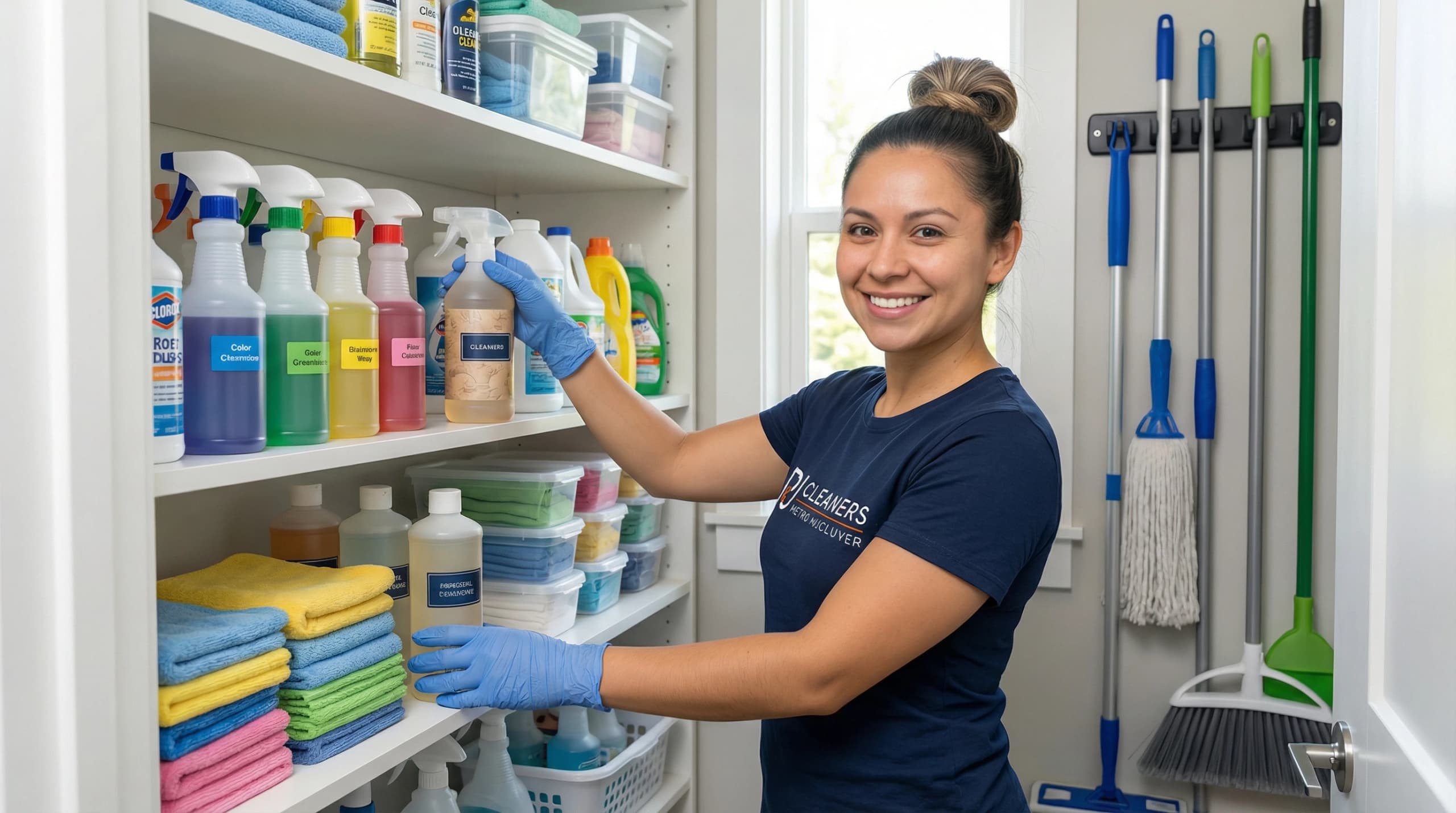
Professional cleaners rely on specific tools to achieve hospital-grade cleanliness in bedrooms. You need a HEPA-filter vacuum to capture allergens, microfibre cloths that trap dust without chemicals, an all-purpose cleaner safe for multiple surfaces, glass cleaner for mirrors and windows, and a mattress cleaning solution. WorkSafeBC recommends wearing gloves when handling cleaning products to prevent skin irritation. Keep a caddy or bucket to transport supplies between rooms efficiently. Quality tools reduce cleaning time by 30% and deliver better results than makeshift alternatives.
Vancouver's humid climate creates ideal conditions for dust mites and mould growth in bedrooms. The BC Centre for Disease Control reports that 45% of Metro Vancouver homes show elevated allergen levels in sleeping areas. Use enzyme-based cleaners for organic stains on mattresses and upholstery. Invest in a steam cleaner for deep sanitization without harsh chemicals. Replace vacuum bags or clean filters monthly to maintain suction power. Store cleaning supplies in a cool, dry location away from direct sunlight to preserve their effectiveness and prevent degradation of active ingredients.
- HEPA vacuum with upholstery attachment for mattresses and furniture
- Microfibre cloths in multiple colours to prevent cross-contamination
- pH-neutral all-purpose cleaner safe for wood, glass, and painted surfaces
- Extendable duster for ceiling fans, light fixtures, and crown moulding
- Mattress protector and pillow covers to reduce future allergen buildup
Pro Tip
Label your microfibre cloths by colour: blue for glass, yellow for dusting, green for general surfaces. This system prevents spreading bacteria and maintains hygiene standards used by professional cleaning teams.
Related resources
How to Deep Clean Your Mattress
Mattresses accumulate dead skin cells, dust mites, and allergens that affect sleep quality and respiratory health without regular deep cleaning.
Strip all bedding and inspect your mattress for stains, odours, and signs of wear. Vacuum the entire surface using the upholstery attachment, paying special attention to seams and crevices where debris accumulates. The Asthma Society of Canada states that mattresses can harbour 10 million dust mites, triggering allergies and asthma symptoms. Work in overlapping rows to ensure complete coverage. Flip or rotate the mattress according to manufacturer guidelines, typically every three months. This practice extends mattress life by distributing wear evenly across the surface and preventing permanent body impressions.
Treat stains immediately with appropriate cleaners based on the stain type. For urine or sweat stains, mix equal parts water and white vinegar, spray lightly, and blot with clean towels. Enzyme cleaners break down organic matter effectively without damaging mattress materials. Sprinkle baking soda across the entire surface and let it sit for 8-12 hours to absorb odours and moisture. Vacuum thoroughly to remove all residue. Open windows to improve air circulation and speed drying time. A damp mattress promotes mould growth, so ensure complete dryness before replacing bedding or using the mattress again.
- Vacuum mattress surfaces, sides, and underneath the bed frame quarterly
- Spot-clean stains with enzyme cleaner and cold water to prevent setting
- Apply baking soda for 8+ hours to neutralize odours and absorb moisture
- Use mattress protectors to block allergens and extend cleaning intervals
- Replace mattresses every 7-10 years or when sagging exceeds 1.5 inches
Pro Tip
Schedule mattress cleaning when you change your clocks for daylight saving time. This twice-yearly routine aligns with seasonal allergen peaks and helps maintain consistent sleep hygiene throughout the year.
Systematic Dusting from Ceiling to Floor
Proper dusting technique prevents allergen redistribution and achieves lasting cleanliness by working from highest to lowest surfaces in sequence.
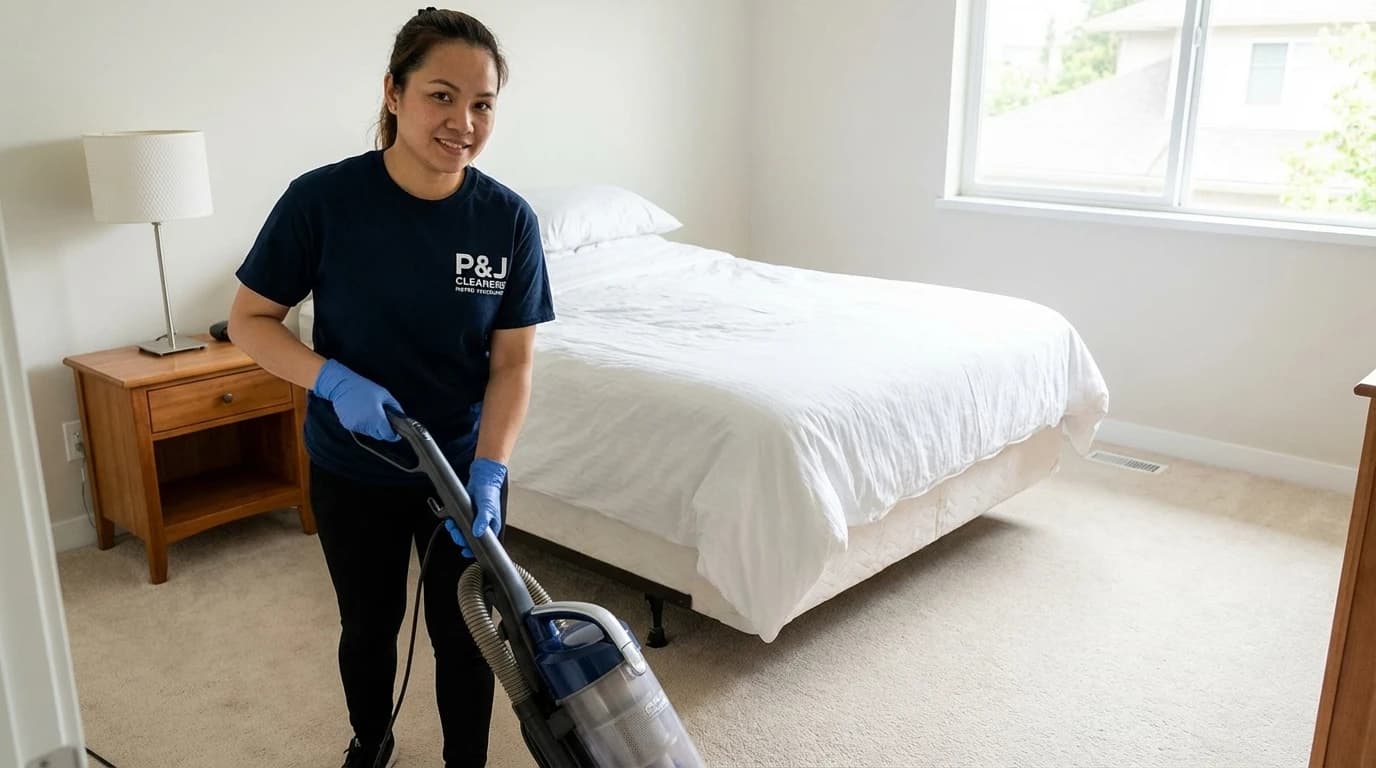
Start at the ceiling and work downward to avoid re-contaminating cleaned areas. Dust ceiling fans, light fixtures, and crown moulding first using an extendable duster or microfibre cloth. Statistics Canada reports that indoor air quality improves by 35% when dust is removed systematically rather than randomly. Wipe ceiling fan blades on both sides, as they accumulate significant dust that circulates when the fan operates. Clean light fixtures and replace burnt bulbs while you have access. Remove cobwebs from corners using a long-handled duster. This top-down approach ensures falling dust lands on surfaces you haven't cleaned yet.
Move to mid-level surfaces including dressers, nightstands, shelves, and window sills. Remove all items before dusting to clean thoroughly underneath decorative objects and electronics. Dust picture frames, mirrors, and wall art using a dry microfibre cloth to prevent streaking. Clean baseboards and door frames, which collect dust and grime from daily contact. Pay attention to often-missed areas like the tops of doors, window frames, and behind furniture. Vacuum or sweep floors last to capture all settled dust. This systematic method reduces airborne particles by 50% compared to spot dusting and maintains cleaner air quality between deep cleaning sessions.
- Dust ceiling fans and light fixtures before touching any lower surfaces
- Wipe horizontal surfaces with slightly damp microfibre cloths to trap particles
- Clean behind and under furniture quarterly to prevent dust buildup
- Vacuum upholstered furniture and curtains to remove embedded allergens
Related resources
Streak-Free Windows and Mirrors
Clean windows and mirrors enhance natural light and create a brighter, more spacious feeling in your bedroom environment.
Clean windows on overcast days or when they're in shade to prevent cleaning solution from drying too quickly and leaving streaks. Start by dusting window frames, sills, and tracks with a dry cloth or vacuum attachment. Remove built-up grime from tracks using a small brush or old toothbrush. Mix equal parts water and white vinegar in a spray bottle for an effective, eco-friendly glass cleaner. Spray the solution onto windows and wipe in a Z-pattern using a microfibre cloth or squeegee. The BC Centre for Disease Control recommends cleaning windows quarterly to maintain indoor air quality and maximize natural light penetration.
For mirrors, spray cleaner onto your cloth rather than directly on the glass to prevent solution from seeping behind the mirror and damaging the backing. Wipe in circular motions, then buff with a dry microfibre cloth for a streak-free finish. Clean mirror edges and frames where dust accumulates. Polish chrome or metal fixtures around mirrors with appropriate cleaners. Natural light exposure increases by 25% when windows are cleaned regularly, improving mood and reducing reliance on artificial lighting. This simple task significantly impacts the overall brightness and cleanliness perception of your bedroom space.
- Clean windows on cloudy days to prevent streaking from rapid drying
- Use vinegar-water solution or commercial glass cleaner with microfibre cloths
- Wipe in Z-pattern for windows, circular motions for mirrors
- Clean window tracks and sills to prevent dirt transfer to glass
Pro Tip
Crumpled newspaper works as an effective, lint-free alternative to paper towels for polishing glass. The ink acts as a mild abrasive that removes stubborn spots without scratching surfaces.
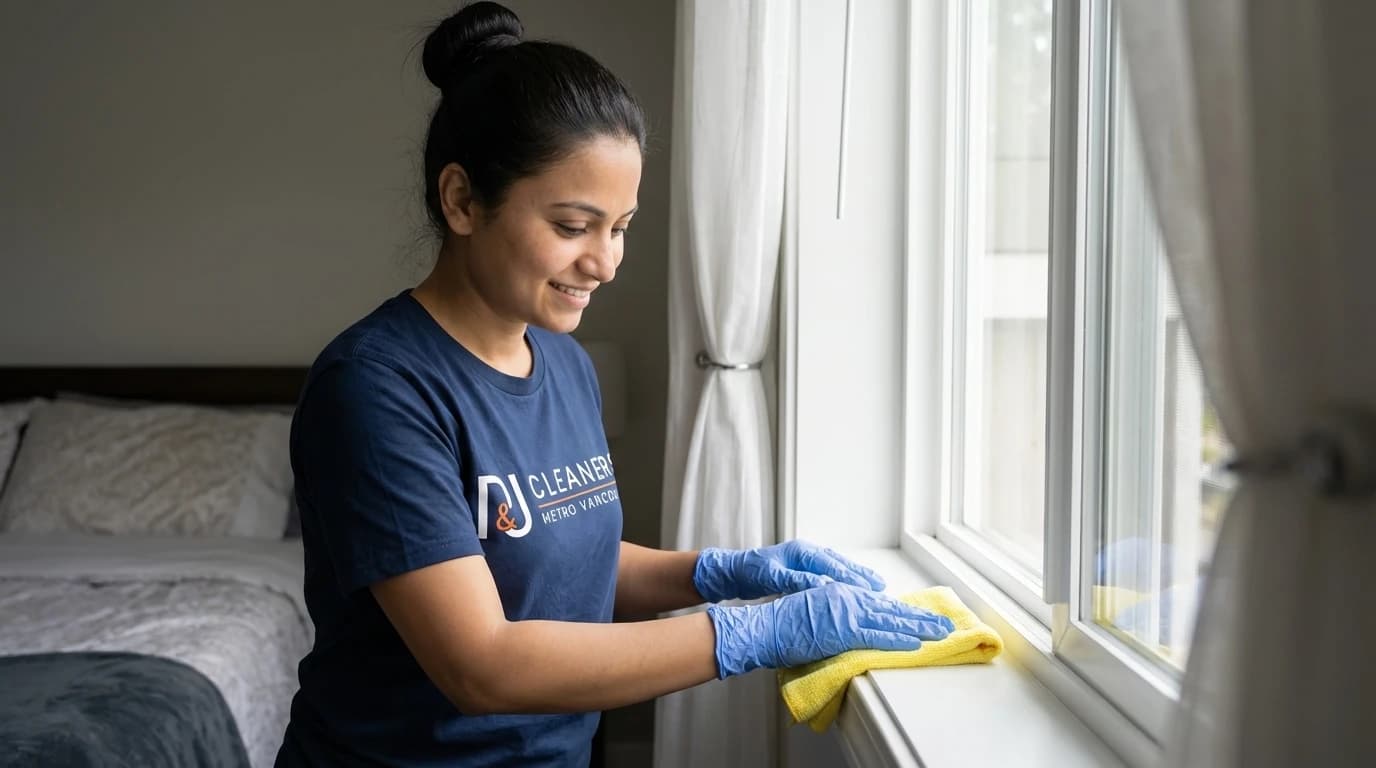
Closet Deep Cleaning and Organization
An organized closet reduces morning stress, protects clothing investment, and prevents dust and allergen accumulation in storage spaces.
Empty your closet completely to assess contents and clean all surfaces thoroughly. Remove everything from shelves, rods, and floor space. Vacuum or sweep the closet floor, paying attention to corners where dust accumulates. Wipe down shelves, rods, and walls with an all-purpose cleaner. Check for signs of moisture, mould, or pest activity that require immediate attention. The City of Vancouver Building Department reports that 30% of closet moisture issues stem from inadequate ventilation. Install moisture absorbers or improve air circulation if you notice musty odours or dampness. Clean light fixtures and replace bulbs to improve visibility.
Sort clothing into keep, donate, and discard piles using the one-year rule: if you haven't worn it in 12 months, remove it from your closet. Organize remaining items by category and colour for easy access. Use matching hangers to create visual uniformity and prevent clothing damage. Store out-of-season items in breathable containers to protect them from dust while maintaining air circulation. Install closet organizers, shelf dividers, or hanging systems to maximize vertical space. A well-organized closet saves 10-15 minutes daily by eliminating time spent searching for items. Maintain organization by returning items to designated spots immediately after use.
- Empty closet completely and vacuum all surfaces including walls and ceiling
- Sort clothing using the one-year rule to eliminate unused items
- Install shelf dividers and hanging organizers to maximize vertical space
- Use cedar blocks or lavender sachets for natural moth protection
- Store shoes in clear boxes or on racks to prevent floor clutter
Pro Tip
Take photos of your organized closet sections. These visual references help maintain organization and make it easier to return items to their proper locations after laundry or seasonal rotations.
Related resources
Bedroom Floor Cleaning by Surface Type
Different flooring materials require specific cleaning methods to maintain appearance, prevent damage, and extend surface life.
Vacuum carpeted bedrooms at least weekly, using slow, overlapping passes to remove embedded dirt and allergens. The Carpet and Rug Institute recommends vacuuming high-traffic areas twice weekly and entire rooms once weekly minimum. Use the appropriate vacuum setting for your carpet pile height. Treat stains immediately with carpet-specific cleaners, blotting rather than rubbing to prevent spreading. Deep clean carpets every 12-18 months using hot water extraction or hire professional services. For area rugs, vacuum both sides quarterly and rotate them to distribute wear evenly. Carpet cleaning reduces allergens by 60% and extends carpet life by 3-5 years.
Hardwood floors require gentle care to prevent scratching and moisture damage. Sweep or vacuum using a soft brush attachment to remove loose debris. Damp mop with a hardwood-specific cleaner, wringing the mop thoroughly to avoid excess water. Never use steam cleaners or wet mops on hardwood, as moisture penetrates seams and causes warping. For laminate flooring, use a slightly damp microfibre mop and dry immediately. Tile floors tolerate more moisture but require grout cleaning every 3-6 months to prevent discolouration. Use doormats at bedroom entrances to reduce tracked-in dirt by 80% and protect floor finishes from abrasive particles.
- Vacuum carpets weekly with slow, overlapping passes for thorough cleaning
- Use hardwood-specific cleaners and damp (not wet) mops on wood floors
- Clean tile grout every 3-6 months to prevent staining and mildew
- Place furniture pads under bed frames and dressers to prevent floor scratches
- Rotate area rugs every 6 months to distribute wear and sun exposure evenly
Maintaining Bedroom Cleanliness Long-Term
Establish a consistent cleaning routine to prevent deep dirt buildup and maintain a healthy, comfortable sleeping environment year-round.
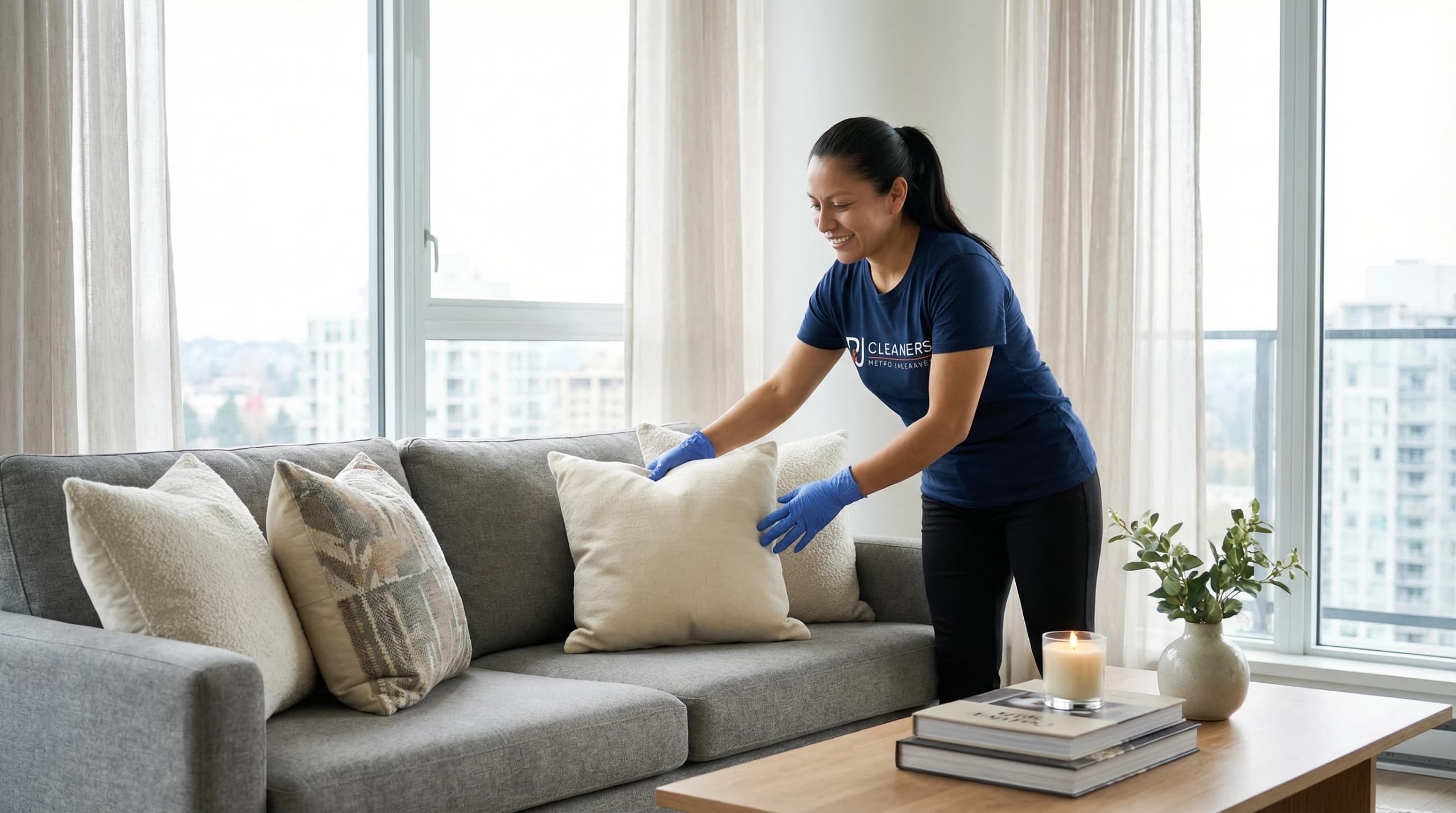
Create a realistic cleaning schedule that fits your lifestyle and prevents overwhelming buildup. Daily tasks take 5-10 minutes and include making the bed, putting away clothing, and quick surface tidying. Weekly tasks require 30-45 minutes: vacuum floors, dust surfaces, change bedding, and empty trash. Monthly tasks take 1-2 hours: clean windows, wipe baseboards, vacuum under furniture, and organize closets. Quarterly tasks include mattress deep cleaning, curtain washing, and thorough closet organization. Statistics Canada data shows that households maintaining regular cleaning schedules spend 40% less time on deep cleaning compared to those who clean sporadically.
Implement habits that reduce cleaning frequency and maintain bedroom freshness between deep cleaning sessions. Open windows daily for 10-15 minutes to improve air circulation and reduce moisture buildup. Use a dehumidifier in humid months to prevent mould growth and dust mite proliferation. Shower before bed to reduce body oils and dead skin cells transferred to bedding. Keep a small basket for dirty laundry to prevent floor clutter. Dust surfaces weekly with microfibre cloths to prevent buildup. These simple habits maintain cleanliness with minimal effort and create a healthier sleeping environment. Professional cleaning services provide quarterly deep cleaning to supplement your regular maintenance routine effectively.
- Make bed daily to set a clean tone and reduce dust mite activity
- Vacuum floors weekly and change bedding every 7-10 days minimum
- Dust all surfaces weekly to prevent allergen accumulation
- Deep clean mattress and closets quarterly for optimal hygiene
- Schedule professional deep cleaning twice yearly for thorough results
Pro Tip
Set recurring calendar reminders for monthly and quarterly tasks. Linking cleaning tasks to existing routines (like changing clocks or paying bills) improves consistency and prevents forgotten maintenance.
Related resources
Step-by-Step
7-Step Bedroom Deep Cleaning Process
Follow this systematic approach to achieve professional-level cleanliness in your bedroom. Each step builds on the previous one to prevent re-contamination and maximize efficiency. Complete the process in 3-4 hours for a standard bedroom, or schedule professional services to save time and ensure thorough results.
Strip and Launder All Bedding
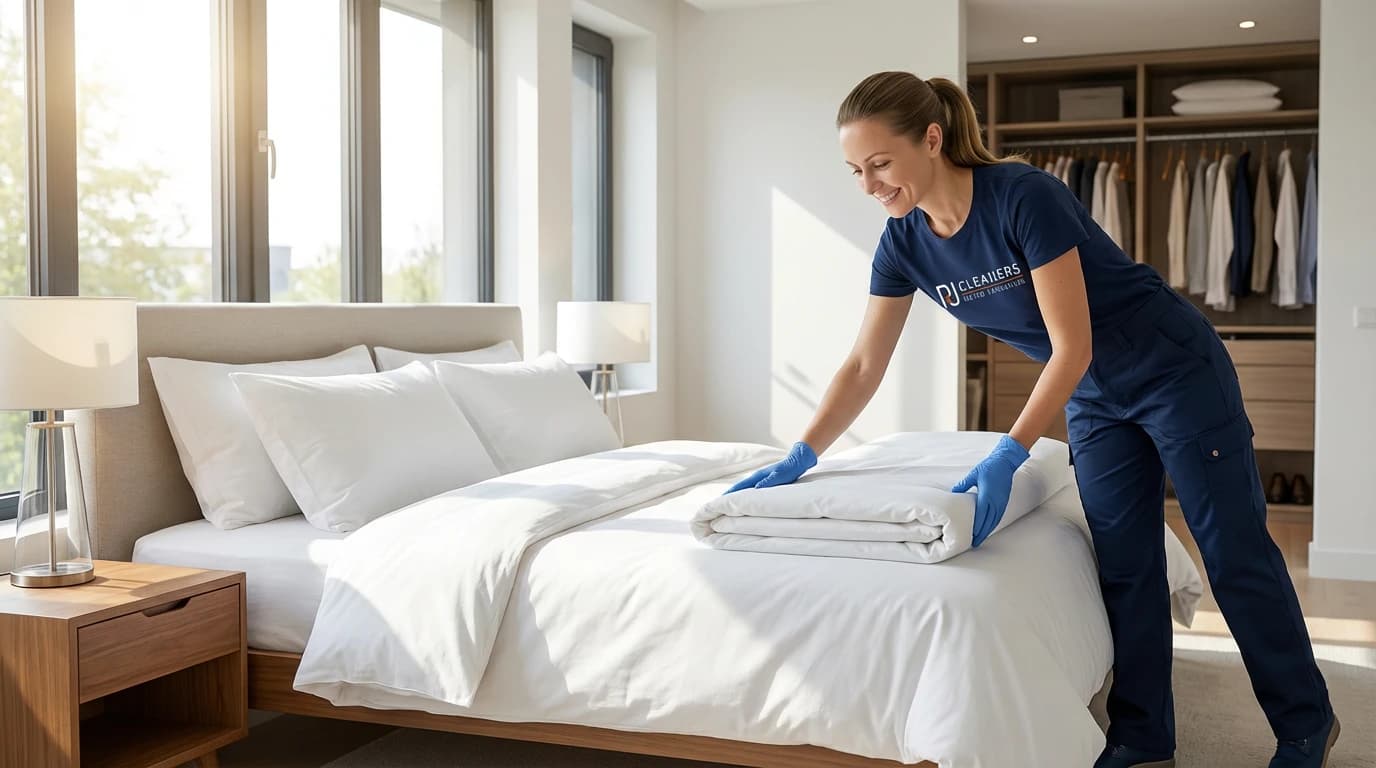
Remove sheets, pillowcases, duvet covers, and mattress protectors from the bed. Wash all items in hot water (60°C minimum) to kill dust mites and bacteria effectively. The Asthma Society of Canada confirms that hot water washing eliminates 99% of allergens from bedding. Add a cup of white vinegar to the rinse cycle for natural fabric softening and odour removal. Dry on high heat or line dry in direct sunlight, which provides natural sanitization. While bedding washes, proceed with mattress and room cleaning to maximize efficiency.
- Remove all bedding including sheets, pillowcases, and mattress protectors
- Wash in hot water (60°C+) with appropriate detergent
- Add white vinegar to rinse cycle for natural freshening
- Dry completely on high heat or in direct sunlight
- Inspect for stains or damage requiring replacement
Vacuum and Treat Mattress
Use the upholstery attachment to vacuum the entire mattress surface, focusing on seams, edges, and crevices where debris accumulates. Flip or rotate the mattress according to manufacturer guidelines. Spot-treat any stains with appropriate cleaners: enzyme cleaner for organic stains, hydrogen peroxide for blood, or baking soda paste for general discolouration. Sprinkle baking soda across the entire surface and let sit for 8-12 hours to absorb odours and moisture. Vacuum thoroughly to remove all residue before replacing bedding. This process reduces allergens by 60% and extends mattress life significantly.
- Vacuum entire mattress surface with upholstery attachment
- Flip or rotate mattress per manufacturer recommendations
- Spot-treat stains with appropriate cleaning solutions
- Apply baking soda and let sit 8-12 hours
- Vacuum thoroughly to remove all baking soda residue
Dust All Surfaces Top to Bottom
Start at the ceiling and work downward systematically. Dust ceiling fans, light fixtures, and crown moulding using an extendable duster. Clean picture frames, mirrors, and wall decorations with a dry microfibre cloth. Wipe all horizontal surfaces including dressers, nightstands, shelves, and window sills. Remove items before dusting to clean underneath thoroughly. Dust baseboards, door frames, and behind furniture. This top-down approach prevents re-contamination and reduces cleaning time by 40%. Use slightly damp cloths on surfaces with sticky residue or heavy buildup for better particle capture.
- Dust ceiling fans, light fixtures, and crown moulding first
- Clean all horizontal surfaces removing items beforehand
- Wipe picture frames, mirrors, and wall decorations
- Dust baseboards, door frames, and furniture backs
- Use damp cloths for sticky or heavily soiled areas
Clean Windows and Mirrors
Dust window frames, sills, and tracks before applying any liquid cleaner. Use a vacuum attachment or small brush to remove debris from window tracks. Spray glass cleaner or vinegar-water solution onto windows and wipe in a Z-pattern using microfibre cloths or a squeegee. For mirrors, spray cleaner onto the cloth rather than directly on glass to prevent damage to mirror backing. Wipe in circular motions and buff with a dry cloth for streak-free results. Clean window and mirror frames to complete the polished appearance. This step increases natural light by 25% and brightens the entire room.
- Dust and vacuum window frames, sills, and tracks
- Apply glass cleaner and wipe windows in Z-pattern
- Clean mirrors using circular motions with cloth-applied cleaner
- Buff all glass surfaces with dry microfibre cloth
- Wipe down window and mirror frames and hardware
Organize and Clean Closet
Empty the closet completely to access all surfaces for thorough cleaning. Vacuum or sweep the floor and wipe down all shelves, rods, and walls with all-purpose cleaner. Sort clothing into keep, donate, and discard categories using the one-year rule. Organize remaining items by category and colour for easy access. Install or adjust organizers to maximize vertical space and improve functionality. Use matching hangers for visual uniformity and clothing protection. Store out-of-season items in breathable containers. A well-organized closet saves 10-15 minutes daily and protects your clothing investment from damage and dust accumulation.
- Empty closet completely and vacuum all surfaces
- Wipe shelves, rods, and walls with all-purpose cleaner
- Sort clothing using one-year rule for keeping items
- Organize by category and colour with matching hangers
- Install organizers and store out-of-season items properly
Sanitize High-Touch Surfaces
Disinfect frequently touched surfaces including light switches, door handles, drawer pulls, and remote controls using appropriate sanitizing products. The BC Centre for Disease Control recommends sanitizing high-touch areas weekly to prevent illness transmission. Wipe electronics like alarm clocks, phones, and tablets with electronics-safe cleaners. Clean nightstand surfaces and lamp bases. Sanitize any exercise equipment stored in the bedroom. Allow surfaces to air dry completely for maximum disinfectant effectiveness. This step reduces household illness transmission by 30% and maintains a healthier sleeping environment for all occupants.
- Disinfect light switches, door handles, and drawer pulls
- Clean electronics with appropriate electronics-safe products
- Sanitize nightstand surfaces and lamp bases
- Wipe down any exercise equipment or frequently used items
- Allow all sanitized surfaces to air dry completely
Vacuum Floors and Replace Bedding
Vacuum all bedroom floors thoroughly using appropriate settings for your flooring type. Use slow, overlapping passes to capture embedded dirt and allergens effectively. Move furniture to vacuum underneath and in corners where dust accumulates. For hard floors, follow vacuuming with damp mopping using floor-appropriate cleaners. Once floors are completely dry, make the bed with freshly laundered linens. Fluff pillows and arrange decorative elements. Place a clean mat at the bedroom entrance to reduce tracked-in dirt. This final step completes the deep cleaning process and creates an inviting, fresh sleeping environment.
- Vacuum all floors with slow, overlapping passes
- Move furniture to clean underneath and in corners
- Damp mop hard floors with appropriate cleaners
- Make bed with fresh, clean linens once floors dry
- Fluff pillows and arrange room for welcoming appearance
| Task | Frequency | Time Required | Impact on Health |
|---|---|---|---|
| Make bed | Daily | 2-3 minutes | Reduces dust mite activity by 20% |
| Vacuum floors | Weekly | 10-15 minutes | Removes 80% of surface allergens |
| Change bedding | Weekly | 15-20 minutes | Eliminates 99% of bacteria with hot wash |
| Dust surfaces | Weekly | 15-20 minutes | Improves air quality by 35% |
| Clean windows | Monthly | 20-30 minutes | Increases natural light by 25% |
| Organize closet | Quarterly | 1-2 hours | Reduces morning stress and saves time |
| Deep clean mattress | Quarterly | 30-45 minutes | Reduces allergens by 60% |
| Professional deep clean | Bi-annually | 3-4 hours | Comprehensive sanitization and maintenance |
Services mentioned in this article
Ready for help?
4.9 · 850+ Google reviewsProfessional Bedroom Cleaning Services
Let P&J Cleaners handle your bedroom deep cleaning with eco-friendly products and proven techniques. Our experienced team serves 39 locations across Metro Vancouver with same-day booking available.
778-720-2224Bedroom Cleaning Questions
How often should you clean your bedroom?
Clean your bedroom weekly for basic maintenance including vacuuming, dusting, and changing linens. Deep clean quarterly to address mattresses, baseboards, windows, and closet organization. According to the CDC, regular bedroom cleaning reduces dust mite populations by up to 85% and significantly improves indoor air quality. High-traffic bedrooms or homes with pets may require more frequent attention to maintain hygiene standards.
How to clean a mattress?
Vacuum your mattress thoroughly using the upholstery attachment to remove dust, dead skin cells, and debris. Spot-treat stains with a mixture of cold water and mild detergent, blotting rather than rubbing. Sprinkle baking soda across the entire surface, let sit for 8 hours to absorb odours, then vacuum again. The National Sleep Foundation recommends cleaning mattresses every 3-6 months to reduce allergens and extend mattress lifespan by 2-3 years.
How to organize a closet?
Empty your closet completely and sort items into keep, donate, and discard piles. Clean all surfaces including shelves, rods, and walls before reorganizing. Group similar items together and use uniform hangers for a streamlined appearance. Install shelf dividers, bins, and hooks to maximize vertical space. Statistics Canada reports that organized closets save the average person 10 minutes daily in getting ready, totaling over 60 hours annually in time savings.
Should you wash pillows?
Wash pillows every 3-6 months to remove accumulated sweat, oils, dead skin cells, and dust mites. Most synthetic and down pillows are machine washable on a gentle cycle with mild detergent. Use two pillows per load to balance the washer, and dry thoroughly on low heat with dryer balls to maintain loft. Research shows unwashed pillows can harbour up to 16 species of fungi and millions of dust mites, triggering allergies and respiratory issues.

Meet the Author
Pamela
Co-Founder
Pamela leads residential quality standards at P&J Cleaners, refining safe, detail-driven cleaning systems for Vancouver homes, condos, and move-out projects.
Keep Exploring