

Neighborhood Context
Why Richmond, BC cleaning routines need a different approach
Richmond stands as Metro Vancouver's fourth-largest city with a population exceeding 220,000 residents across 129 square kilometres. The city's strategic location between Vancouver and the US border, combined with proximity to YVR International Airport, has fueled unprecedented residential and commercial development. Richmond issued 2,847 building permits in 2025, representing a 23% increase from the previous year, with construction values exceeding $1.2 billion. This construction surge spans luxury waterfront condominiums in Steveston, commercial developments along No. 3 Road, and extensive residential projects throughout Hamilton and Thompson neighbourhoods.
The city's unique geography as a collection of islands in the Fraser River delta presents specific construction challenges that impact post-construction cleaning requirements. Richmond's proximity to water means higher humidity levels, which can cause construction dust to settle more stubbornly on surfaces and require specialized cleaning approaches. The city's diverse architectural landscape ranges from heritage fishing village structures in Steveston to ultra-modern high-rise developments in City Centre, each requiring tailored post-construction cleaning protocols. Richmond's multicultural population of over 60% Asian heritage has also influenced construction standards, with many projects incorporating feng shui principles and specific material choices that demand careful cleaning consideration.
Richmond's construction industry operates under stringent municipal bylaws that directly affect post-construction cleaning timelines and requirements. The City of Richmond Building Department mandates comprehensive site cleanup before issuing occupancy permits, with inspectors specifically checking for construction debris removal, dust mitigation, and proper disposal documentation. Richmond's Environmental Programs Division enforces strict waste management protocols, requiring contractors to divert at least 75% of construction waste from landfills. These regulations mean post-construction cleaning services must coordinate closely with waste management companies and provide detailed documentation to satisfy municipal requirements before homeowners or tenants can occupy newly constructed or renovated spaces.
2,847
Building Permits Issued (2025)
Source: City of Richmond Building Department
$1.2 billion
Construction Value (2025)
Source: City of Richmond Economic Development
75%
Required Waste Diversion Rate
Source: Richmond Environmental Programs
2,400 sq ft
Average Home Size (New Construction)
Source: Statistics Canada 2025
3.2%
Population Growth Rate (2024-2025)
Source: BC Stats
Richmond-Specific Post-Construction Cleaning Considerations
Richmond's unique environmental conditions, municipal regulations, and construction landscape require specialized approaches to post-construction cleaning that differ from other Metro Vancouver municipalities.
Managing Construction Dust in Richmond's Humid Climate
Richmond's delta location creates humidity levels 15-20% higher than inland Metro Vancouver areas, causing construction dust to behave differently and requiring adjusted cleaning protocols.
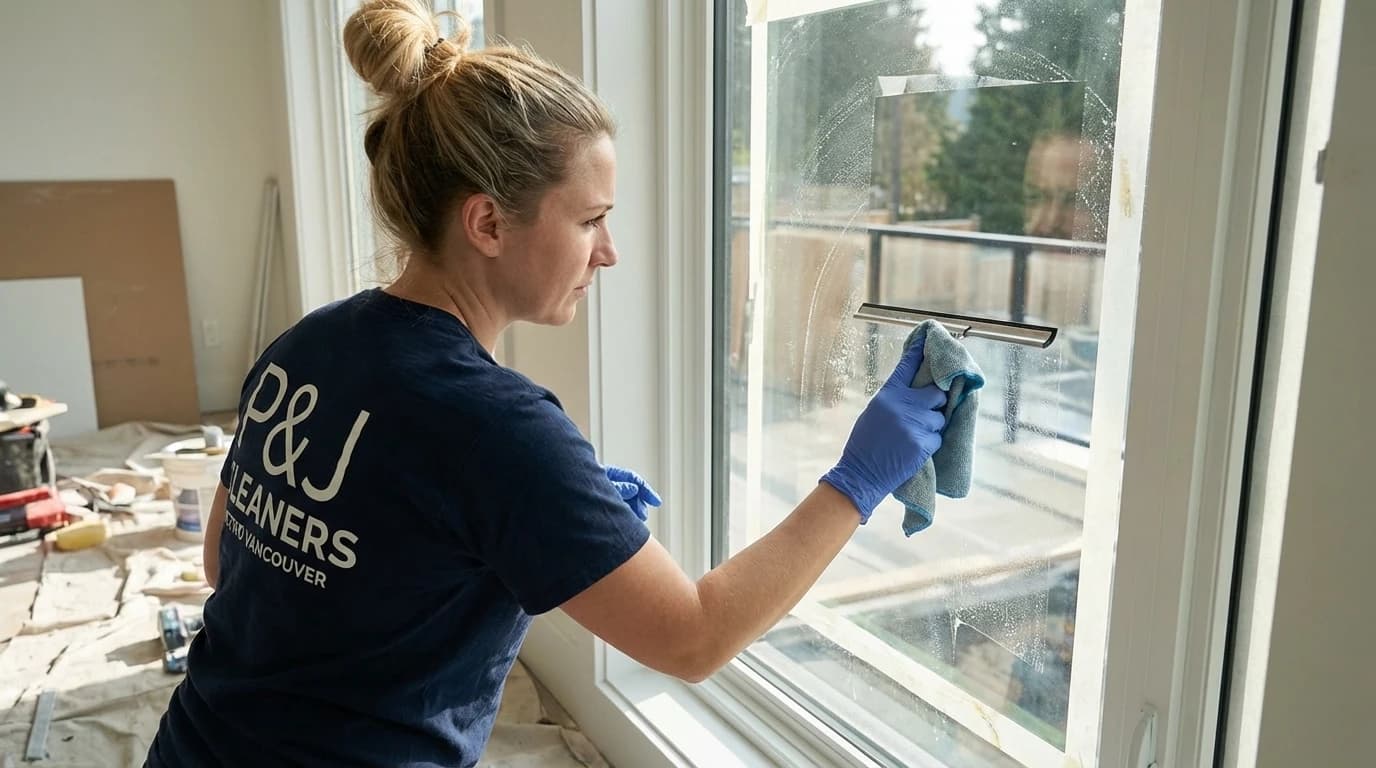
Richmond's position on the Fraser River delta creates persistent humidity levels that significantly impact how construction dust settles and adheres to surfaces. While inland areas might see dust particles remain loose and easily vacuumed, Richmond's moisture-laden air causes dust to form a tacky film on windows, countertops, and flooring within hours of settling. This phenomenon is particularly pronounced during fall and winter months when humidity regularly exceeds 80%. Professional post-construction cleaning teams working in Richmond must account for this by using microfibre cloths dampened with appropriate cleaning solutions rather than relying solely on dry dusting methods that prove ineffective in humid conditions.
The city's proximity to the Pacific Ocean also means salt air can mix with construction dust, creating a corrosive combination that damages metal fixtures, window frames, and appliances if not promptly removed. Richmond homes located within two kilometres of the waterfront face accelerated corrosion risks, with construction dust containing salt particles that attract additional moisture. Post-construction cleaning services must use pH-neutral cleaners specifically formulated to remove salt residue without damaging protective coatings on metal surfaces. This is particularly critical for waterfront properties in Steveston, Burkeville, and along the Middle Arm of the Fraser River where salt air exposure is constant.
Richmond's humidity also extends the time required for surfaces to dry after wet cleaning, impacting project timelines and occupancy schedules. Professional cleaning teams must factor in additional drying time when scheduling final cleaning phases, particularly for tile grouting, hardwood floor cleaning, and window washing. Using commercial-grade air movers and dehumidifiers becomes essential rather than optional in Richmond post-construction projects. Contractors who fail to account for these humidity-related factors often face delays in receiving occupancy permits, as moisture-related issues can trigger additional building inspections and remediation requirements from the City of Richmond Building Department.
- Schedule post-construction cleaning during drier months (June-August) when possible to reduce humidity-related complications and accelerate drying times.
- Specify HEPA filtration vacuums with sealed systems to prevent humid air from reducing filtration efficiency during construction dust removal.
- Request pH-neutral, salt-removing cleaning solutions for all metal surfaces in properties within 3 km of waterfront areas.
- Plan for 24-48 hours of dehumidifier operation after wet cleaning phases to ensure surfaces are completely dry before final inspections.
- Verify cleaning teams use microfibre cloths rather than paper products, as Richmond's humidity causes paper towels to disintegrate and leave residue.
Navigating Richmond's Post-Construction Compliance Requirements
The City of Richmond enforces specific post-construction cleaning standards that must be met before occupancy permits are issued, with documentation requirements exceeding most Metro Vancouver municipalities.
Richmond's Building Department operates one of Metro Vancouver's most thorough post-construction inspection processes, with specific attention paid to site cleanliness and debris removal before issuing occupancy certificates. Unlike some municipalities that conduct primarily structural inspections, Richmond inspectors specifically verify that construction dust has been removed from HVAC systems, that all protective films have been removed from windows and fixtures, and that no construction debris remains on the property or in common areas. Contractors must provide photographic documentation of the cleaning process and waste disposal receipts showing compliance with the city's 75% waste diversion requirement. Failure to meet these standards results in occupancy permit delays averaging 7-14 days, creating costly holding periods for contractors and frustrated homeowners.
The city's Environmental Programs Division requires detailed manifests for all construction waste removal, including specific documentation for hazardous materials like paint, solvents, and adhesives commonly used in construction projects. Post-construction cleaning services working in Richmond must coordinate with licensed waste management companies that provide the necessary documentation to satisfy municipal requirements. This includes separate manifests for recyclable materials, compostable waste, and landfill-bound debris. Richmond's waste management bylaws impose fines ranging from $500 to $10,000 for improper disposal, making professional cleaning services with established waste management partnerships essential for contractors seeking to avoid penalties and project delays.
Richmond also enforces strict noise bylaws that impact when post-construction cleaning can occur, particularly in residential neighbourhoods and near schools or healthcare facilities. Construction-related activities, including intensive cleaning operations using commercial equipment, are restricted to 7:00 AM to 8:00 PM on weekdays and 9:00 AM to 8:00 PM on weekends. Projects in noise-sensitive zones near Richmond Hospital, schools, or designated quiet areas face additional restrictions requiring special permits for any work outside standard hours. Professional cleaning services must schedule their operations within these windows while still meeting contractor deadlines, often requiring larger crews working simultaneously rather than extended single-crew timelines that would be possible in municipalities with more lenient noise regulations.
- Request cleaning services that provide comprehensive photographic documentation of all cleaning phases to satisfy Richmond Building Department inspection requirements.
- Verify your cleaning contractor has established relationships with Richmond-licensed waste management companies that provide proper disposal manifests.
- Schedule final cleaning phases at least 5 business days before your planned occupancy date to allow time for municipal inspections and any required touch-ups.
- Confirm cleaning operations are scheduled within Richmond's noise bylaw hours (7 AM-8 PM weekdays, 9 AM-8 PM weekends) to avoid bylaw violations.
- Request copies of all waste disposal receipts and manifests from your cleaning service to maintain in your project documentation for future reference.
Tailoring Cleaning Approaches to Richmond's Diverse Neighbourhoods
Richmond's neighbourhoods range from heritage fishing villages to ultra-modern high-rises, each requiring customized post-construction cleaning approaches based on architectural styles, building materials, and community standards.
Steveston's heritage character and tourism-focused economy create unique post-construction cleaning challenges that differ dramatically from City Centre's modern developments. Properties in Steveston often feature heritage wood siding, original hardwood floors, and vintage fixtures that require gentle cleaning products and techniques to avoid damage. The neighbourhood's designation as a heritage conservation area means any construction or renovation must maintain historical character, and post-construction cleaning must preserve original materials rather than applying modern sealants or finishes. Cleaning teams working in Steveston must understand the difference between cleaning heritage fir flooring versus contemporary engineered hardwood, and know which products will clean effectively without stripping historical patinas or damaging irreplaceable materials.
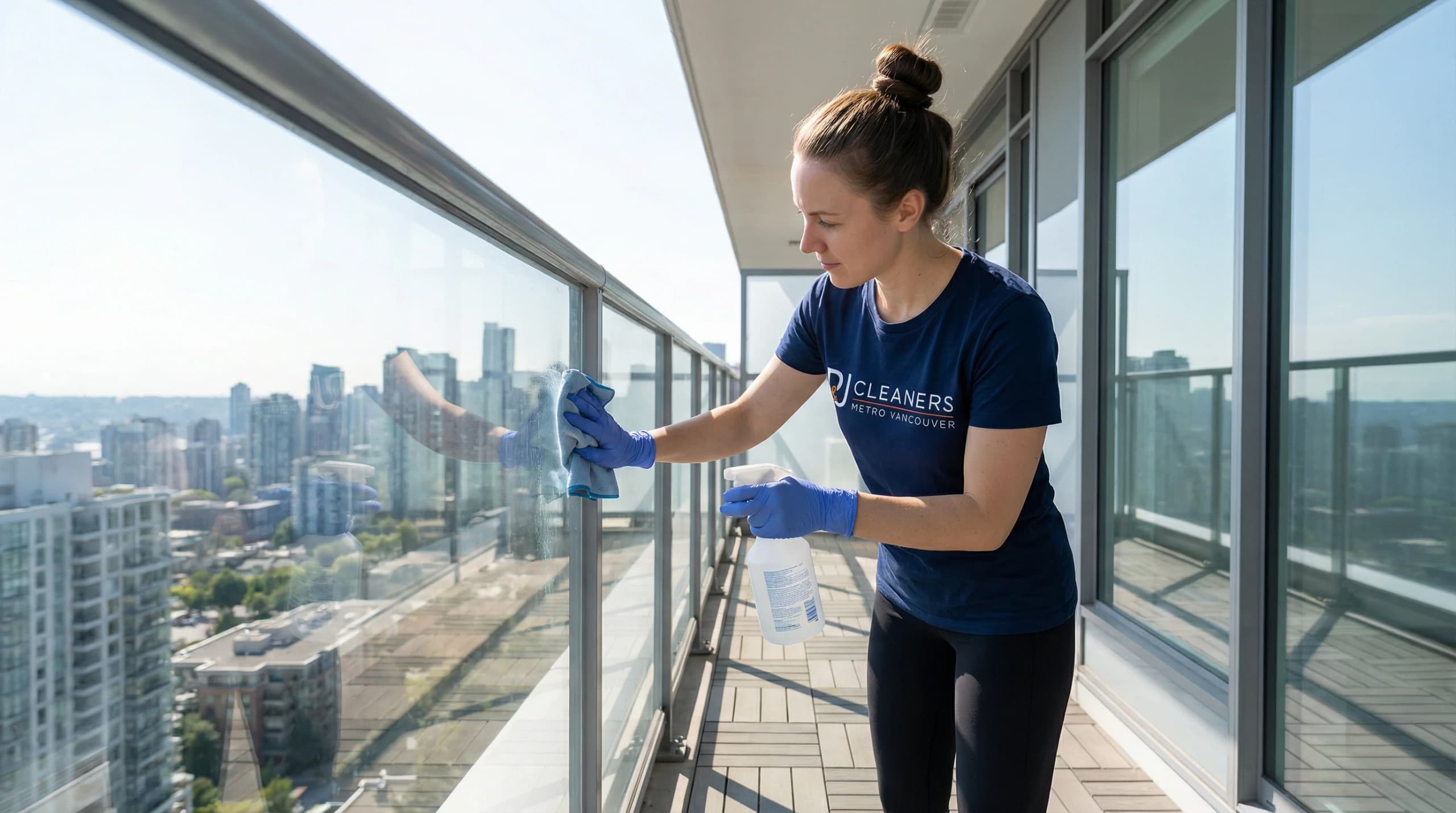
City Centre's concentration of high-rise residential and commercial developments presents entirely different challenges, with extensive glass curtain walls, polished concrete floors, and modern composite materials requiring specialized cleaning approaches. These buildings often feature floor-to-ceiling windows that demand professional window cleaning equipment and techniques to remove construction residue without leaving streaks or damaging low-E coatings. City Centre properties also typically include shared amenity spaces, parkades, and common areas that require coordination between individual unit cleaning and building-wide services. Post-construction cleaning in these developments must account for strata council requirements, building manager schedules, and the need to minimize disruption to existing residents in occupied portions of the building.
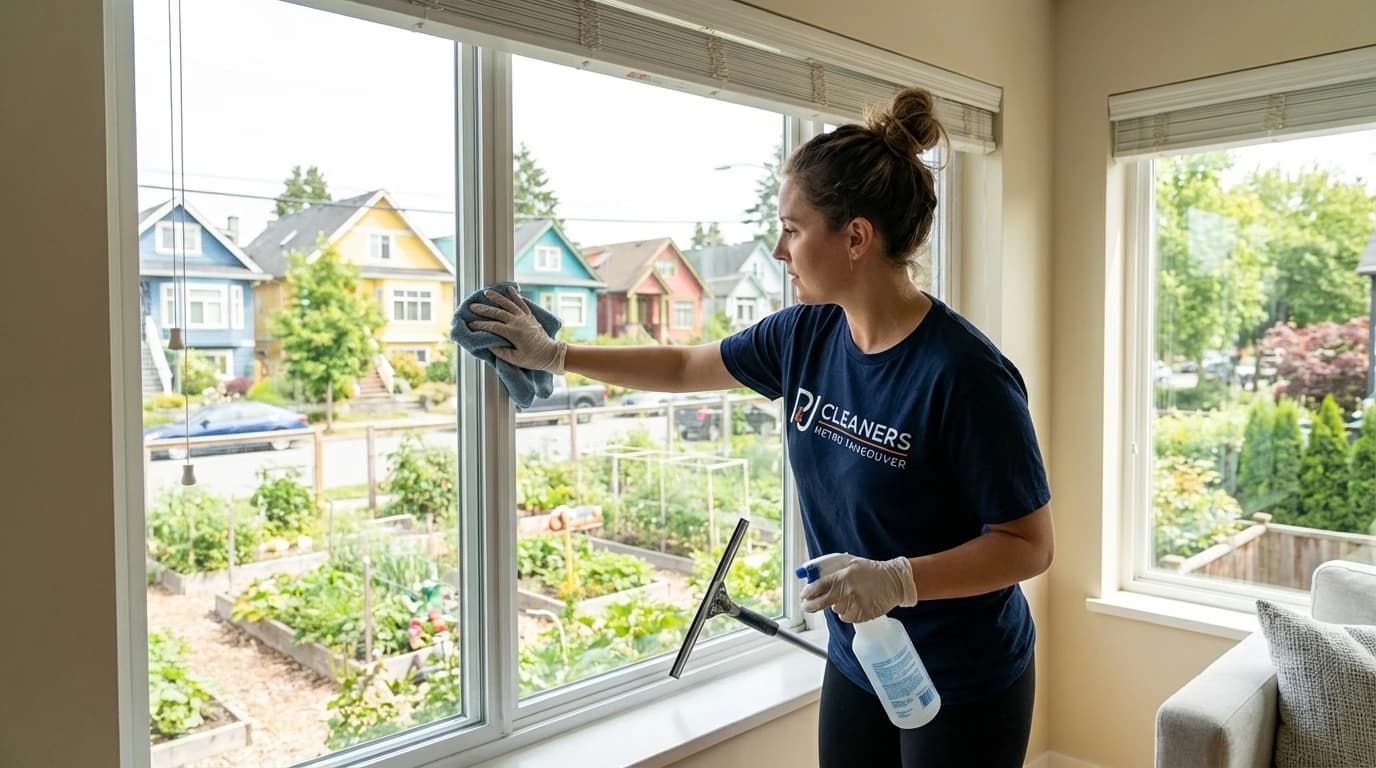
Richmond's suburban neighbourhoods like Hamilton, Thompson, and Seafair feature predominantly single-family homes with varied architectural styles ranging from 1970s ranchers to contemporary West Coast modern designs. These areas have seen significant renovation activity as homeowners update older properties, creating post-construction cleaning scenarios that blend old and new materials. A typical Hamilton renovation might involve cleaning original oak hardwood floors in living areas while addressing construction dust on newly installed quartz countertops and porcelain tile in updated kitchens. Cleaning teams must adapt their approaches room by room, using appropriate products and techniques for each material type while maintaining consistent standards throughout the property. Suburban Richmond also presents access challenges, with many properties lacking the service elevators and loading areas common in City Centre developments, requiring cleaning teams to transport equipment through residential spaces while protecting existing finishes.
- Specify heritage-appropriate cleaning products for Steveston properties to protect original wood, fixtures, and historical character elements.
- Request window cleaning specialists with high-rise experience and proper equipment for City Centre developments with extensive glass facades.
- Verify cleaning teams have experience with mixed-material environments common in Richmond's suburban renovation projects.
- Coordinate with strata councils and building managers for City Centre properties to ensure cleaning schedules align with building access and elevator availability.
- Request floor protection protocols for suburban properties where cleaning equipment must be transported through finished living spaces.
Optimizing Post-Construction Cleaning Timing for Richmond's Climate
Richmond's seasonal weather patterns significantly impact post-construction cleaning effectiveness, with optimal timing varying based on project type, location, and specific cleaning requirements.
Richmond experiences distinct seasonal weather patterns that directly affect post-construction cleaning outcomes, with summer months offering the most favourable conditions for comprehensive cleaning projects. June through August provides lower humidity levels, longer daylight hours for natural light inspection, and warmer temperatures that accelerate drying times for wet cleaning processes. These conditions are particularly beneficial for projects involving extensive window cleaning, floor refinishing, or any work requiring surfaces to dry completely before occupancy. Summer scheduling also reduces the risk of weather-related delays, as Richmond's summer months average only 6-8 days of precipitation compared to 20-23 days during winter months. Contractors planning major construction completions should target summer months for final cleaning phases whenever project timelines allow.
Fall and winter present significant challenges for post-construction cleaning in Richmond, with persistent rain, shorter daylight hours, and humidity levels regularly exceeding 80% creating less-than-ideal conditions. October through March sees Richmond receive 75% of its annual precipitation, with frequent rain events tracking mud and moisture into construction sites and complicating exterior cleaning work. The reduced daylight hours during winter months also impact cleaning quality, as natural light is essential for identifying construction dust, streaks on windows, and other cleaning deficiencies that artificial lighting might miss. Projects completing during these months require additional time allocations for cleaning phases, enhanced dehumidification equipment, and often multiple cleaning passes to achieve the same results that summer conditions would provide in a single comprehensive cleaning.
Spring shoulder season (April-May) offers a compromise between winter's challenging conditions and summer's optimal environment, though Richmond's spring weather remains unpredictable with alternating rain and sunshine. These months see humidity levels begin to drop while daylight hours extend, creating improving conditions for post-construction cleaning. However, spring also brings increased pollen counts that can complicate exterior cleaning work, particularly for properties near Richmond's numerous parks and green spaces. Cleaning teams must account for pollen settling on freshly cleaned windows and outdoor surfaces, sometimes requiring final exterior cleaning to be scheduled just days before occupancy rather than weeks in advance. Spring scheduling works well for projects where interior cleaning is the primary focus, with exterior work timed to coincide with drier weather forecasts.
- Target June-August completion dates for projects requiring extensive window cleaning or floor refinishing to take advantage of optimal drying conditions.
- Add 30-40% additional time to cleaning schedules for projects completing between October and March to account for weather-related complications.
- Schedule exterior cleaning within 3-5 days of occupancy during spring months to minimize pollen accumulation on freshly cleaned surfaces.
- Request enhanced dehumidification equipment for fall and winter projects to compensate for Richmond's high seasonal humidity levels.
- Plan interior cleaning phases during winter months while deferring exterior work to spring or summer when weather conditions improve.
Richmond-Specific Specialized Post-Construction Cleaning Services
Richmond's construction landscape includes unique property types and materials that require specialized cleaning services beyond standard post-construction offerings, from waterfront properties to Asian-inspired architectural elements.
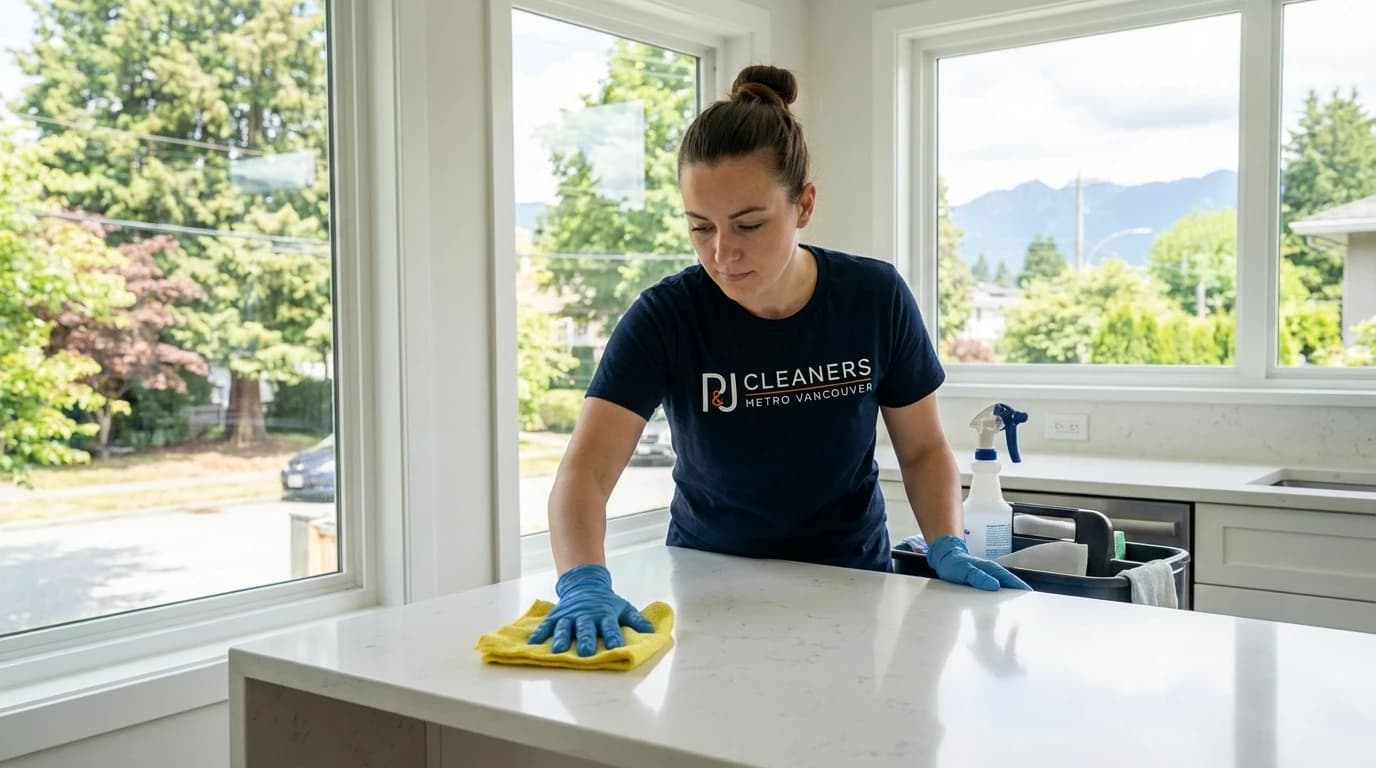
Richmond's extensive waterfront properties along the Fraser River and Strait of Georgia require specialized post-construction cleaning services that address salt air exposure, marine environment impacts, and unique architectural features like boat docks and seawalls. These properties often feature extensive outdoor living spaces, marine-grade materials, and specialized coatings that demand specific cleaning approaches to avoid damage while removing construction residue. Waterfront post-construction cleaning must include treatment of metal railings and fixtures with anti-corrosion products, removal of salt deposits from glass and stone surfaces, and cleaning of outdoor kitchens and entertainment areas using marine-appropriate cleaning solutions. Professional services experienced with waterfront properties understand the importance of protecting specialized coatings and finishes that provide long-term protection against Richmond's harsh marine environment.
Richmond's significant Asian cultural influence has created demand for post-construction cleaning services that understand and respect feng shui principles, traditional architectural elements, and specific material preferences common in Asian-inspired homes. Many Richmond properties feature elements like interior courtyards, koi ponds, traditional tile work, and specific wood species that require knowledgeable cleaning approaches. Post-construction cleaning teams must understand the cultural significance of certain design elements and clean them appropriately, such as avoiding harsh chemicals on traditional stone features or understanding proper care for specific types of imported tile. Services that employ multilingual staff and understand cultural preferences provide significant value to Richmond's diverse homeowner population, ensuring cleaning approaches align with both technical requirements and cultural expectations.
Richmond's growing number of laneway houses, coach houses, and secondary suites creates unique post-construction cleaning scenarios where multiple dwelling units share property access and utilities. These projects require coordinated cleaning schedules that minimize disruption to existing residents while thoroughly addressing construction impacts in new units. Cleaning teams must navigate shared driveways, coordinate utility shutoffs for cleaning purposes, and ensure construction dust and debris don't migrate from new construction areas into existing living spaces. Professional services experienced with Richmond's secondary suite market understand these coordination challenges and build appropriate scheduling buffers and communication protocols into their service delivery. This expertise proves particularly valuable in neighbourhoods like Broadmoor and Garden City where secondary suite construction has become increasingly common.
- Request waterfront-specialized cleaning services for properties within 500 metres of the Fraser River or Strait of Georgia to ensure proper treatment of marine-exposed surfaces.
- Specify culturally-informed cleaning approaches for properties featuring Asian-inspired architectural elements or traditional materials.
- Verify cleaning teams have experience coordinating multi-unit cleaning on single properties for laneway house and secondary suite projects.
- Request anti-corrosion treatment for all metal fixtures and railings on waterfront properties as part of post-construction cleaning services.
- Confirm cleaning services employ multilingual staff if language preferences are important for communication and cultural understanding.
Richmond Building and Environmental Regulations Affecting Post-Construction Cleaning
The City of Richmond enforces comprehensive regulations governing construction site cleanup, waste management, and occupancy standards that directly impact post-construction cleaning requirements and timelines.
Local link strategy
Explore the matching service area pages for richmond to connect this neighborhood advice with location-specific service information.
Services mentioned in this article
Ready for help?
4.9 · 850+ Google reviewsReady for Professional Post-Construction Cleaning in Richmond?
Get your Richmond construction site move-in ready with P&J Cleaners' specialized post-construction cleaning. Same-day booking available, a satisfaction guarantee, and eco-friendly products upon request — safe for new finishes.
778-720-2224Post-Construction Cleaning FAQs for Richmond
How much does post-construction cleaning cost in Richmond?
Post-construction cleaning in Richmond typically costs $45-$65 per hour depending on project size and debris level. A standard 2,000 sq ft home averages $800-$1,200 for complete cleaning. High-rise condos in City Centre may cost $600-$900 for a 1-bedroom unit. Commercial spaces run $0.15-$0.30 per square foot. P&J Cleaners provides free on-site quotes for Richmond projects and offers volume discounts for contractors with multiple properties.
What does post-construction cleaning include?
Post-construction cleaning includes dust removal from all surfaces, window washing inside and out, floor scrubbing and polishing, fixture cleaning, paint splatter removal, and debris disposal. We clean HVAC vents, light fixtures, baseboards, door frames, and cabinets. The service includes two phases: rough clean to remove heavy debris and fine clean for final detailing. All work meets BC building code cleanliness standards required for occupancy permits in Richmond.
How long does post-construction cleaning take in Richmond?
A typical Richmond home (1,500-2,500 sq ft) requires 6-10 hours for complete post-construction cleaning with a 2-person crew. Condos take 4-6 hours, while commercial spaces need 8-16 hours depending on size. Timeline factors include construction debris volume, number of windows, and flooring type. P&J Cleaners schedules Richmond projects with 24-48 hour turnaround for urgent occupancy deadlines and coordinates with contractors for phased cleaning during multi-stage builds.
Best post-construction cleaning service in Richmond?
P&J Cleaners ranks as Richmond's top post-construction cleaning service with 4.9/5 stars from 850+ reviews and a trusted record serving Metro Vancouver contractors and homeowners. We're fully bonded, insured, and trained in BC construction site safety protocols. Our team uses HEPA-filtered vacuums, eco-friendly products upon request, and specialized equipment for concrete dust and paint removal. We offer a satisfaction guarantee and same-day booking for Richmond projects with flexible scheduling around contractor timelines.
Do I need post-construction cleaning for a small renovation in Richmond?
Yes, even small renovations generate significant dust that spreads throughout your Richmond home through HVAC systems and air circulation. A bathroom or kitchen reno produces fine particulate matter that settles on surfaces for weeks. Professional post-construction cleaning removes construction dust from hidden areas like air ducts, behind appliances, and inside cabinets. This prevents respiratory issues and protects finishes. Richmond building inspectors may require professional cleaning documentation for permit closure on certain renovation types.
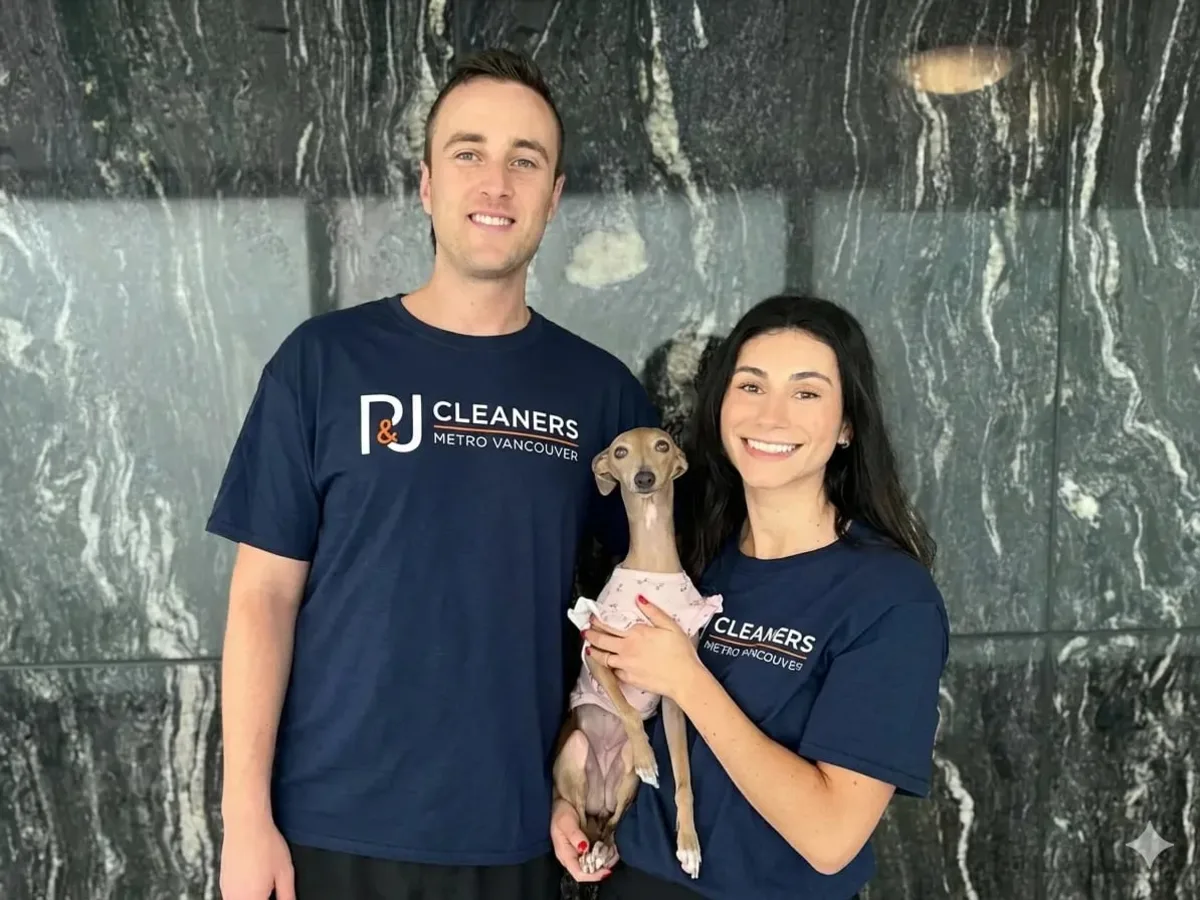
Meet the Author
Pamela
Co-Founder
Pamela leads residential quality standards at P&J Cleaners, refining safe, detail-driven cleaning systems for Vancouver homes, condos, and move-out projects.
Keep Exploring