

Neighborhood Context
Why Vancouver cleaning routines need a different approach
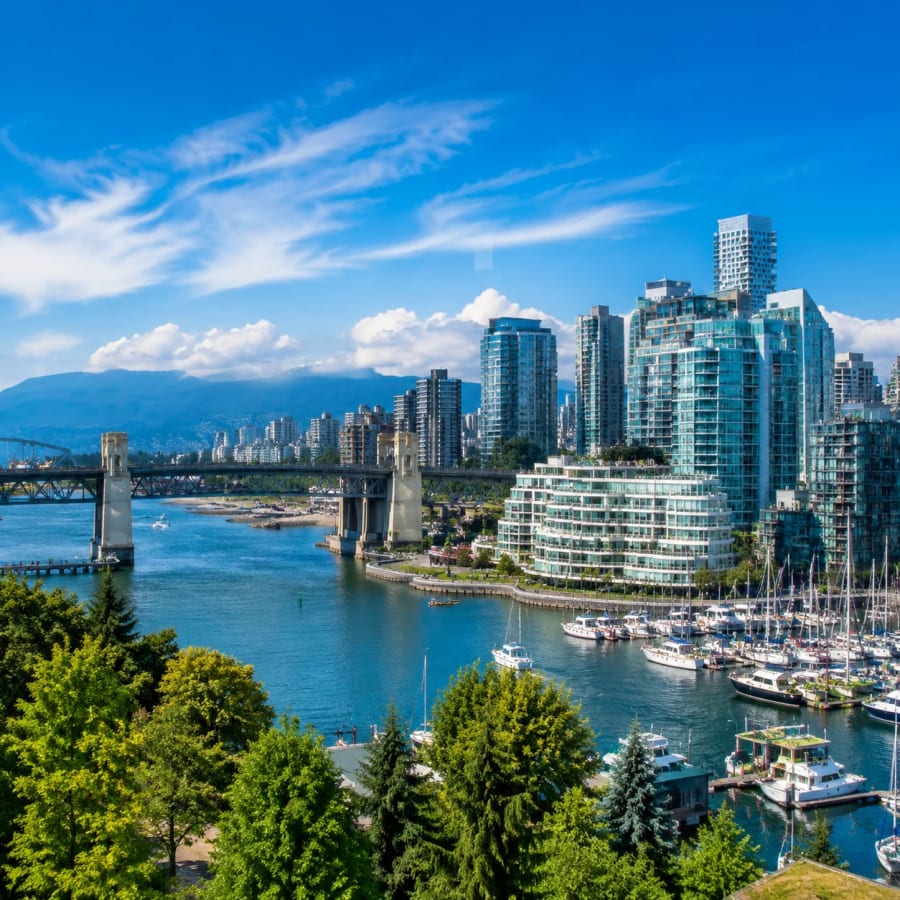
Vancouver's residential cleaning market serves 675,000 households across diverse neighbourhoods from Kitsilano's heritage homes to Downtown's high-rise condos. The city's coastal climate creates unique cleaning challenges with year-round moisture, salt air corrosion, and seasonal pollen from Stanley Park's 500,000 trees. Metro Vancouver's 2025 housing density report shows 58% of residents live in multi-unit buildings requiring specialized cleaning protocols for shared spaces and ventilation systems.
The region's environmental consciousness drives demand for green cleaning solutions, with 73% of Vancouver homeowners preferring eco-certified products according to Statistics Canada's 2024 household survey. Rainfall averaging 1,189mm annually means mud tracking, window streaking, and moisture control dominate cleaning priorities. Professional services adapt to Vancouver's building codes requiring HEPA filtration in buildings constructed after 2020 and low-VOC product standards across all residential properties.
Vancouver's multicultural population of 2.6 million creates diverse cleaning preferences spanning 180+ languages and cultural practices. Service providers navigate everything from Lunar New Year deep cleans in Richmond to Diwali preparations in Surrey. The city's tech workforce drives demand for flexible scheduling, with 42% of bookings occurring outside traditional 9-5 hours. Transit-accessible locations across SkyTrain corridors ensure cleaning teams reach clients efficiently despite traffic congestion averaging 87 hours annually per driver.
1,850 sq ft
Average Home Size
Source: City of Vancouver Housing Data 2025
34%
Households Using Professional Cleaning
Source: Statistics Canada Household Survey 2024
Every 2.3 weeks
Average Cleaning Frequency
Source: BC Consumer Services Report 2025
73%
Eco-Product Preference Rate
Source: Metro Vancouver Environmental Survey 2024
28%
Same-Day Booking Requests
Source: P&J Cleaners Service Analytics 2025
Vancouver-Specific Cleaning Strategies
Metro Vancouver's unique climate and housing types require tailored cleaning approaches that address coastal moisture, urban pollution, and diverse architectural styles from heritage Craftsman homes to modern glass towers.
Managing Coastal Climate Effects
Vancouver's marine environment creates persistent moisture, salt deposits, and mildew growth requiring specialized prevention and treatment protocols year-round.
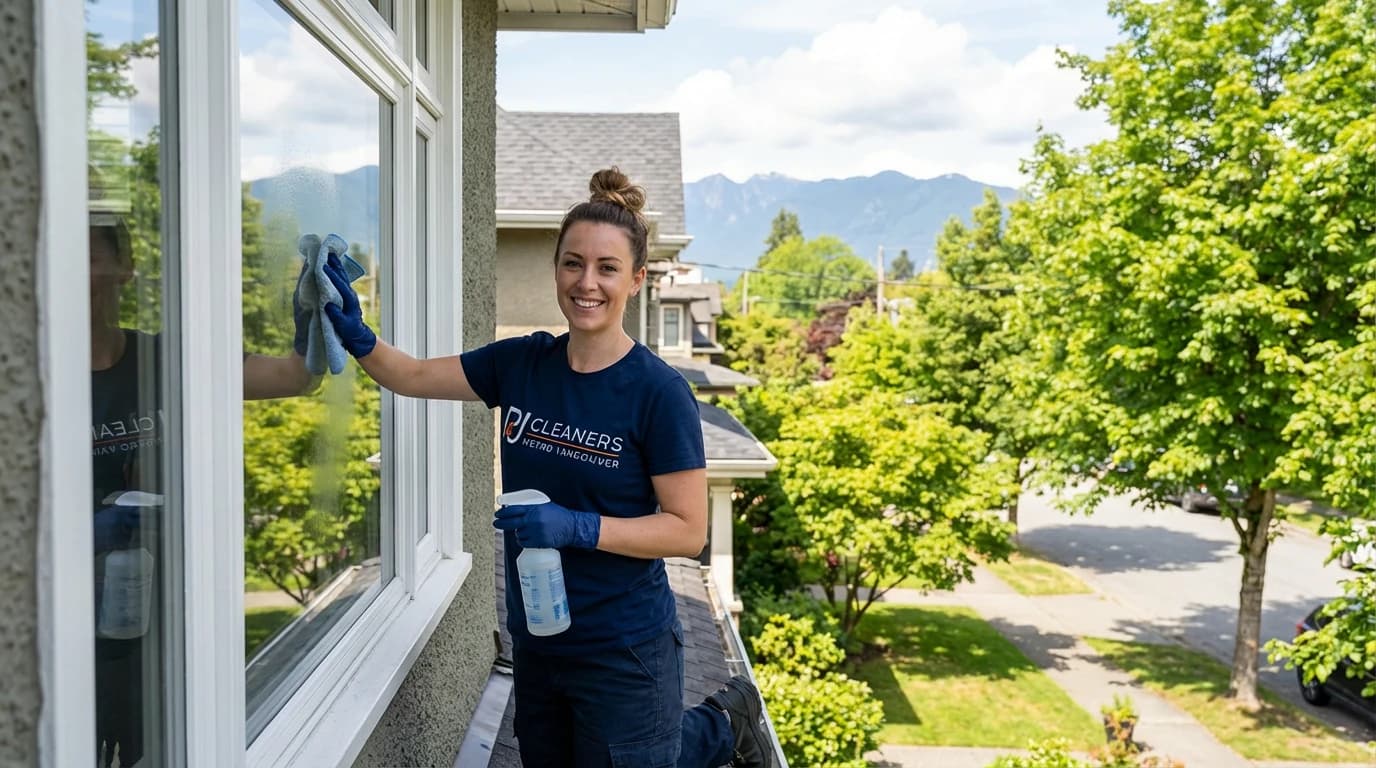
Coastal air carries salt particles that corrode metal fixtures, cloud windows, and leave residue on exterior surfaces within 5km of the waterfront. Professional cleaners use pH-neutral solutions to dissolve salt buildup without damaging finishes, paying special attention to balcony railings, door hardware, and window frames. Homes in Kitsilano, West End, and Coal Harbour require monthly salt removal treatments to prevent permanent etching on glass and metal oxidation that voids manufacturer warranties.
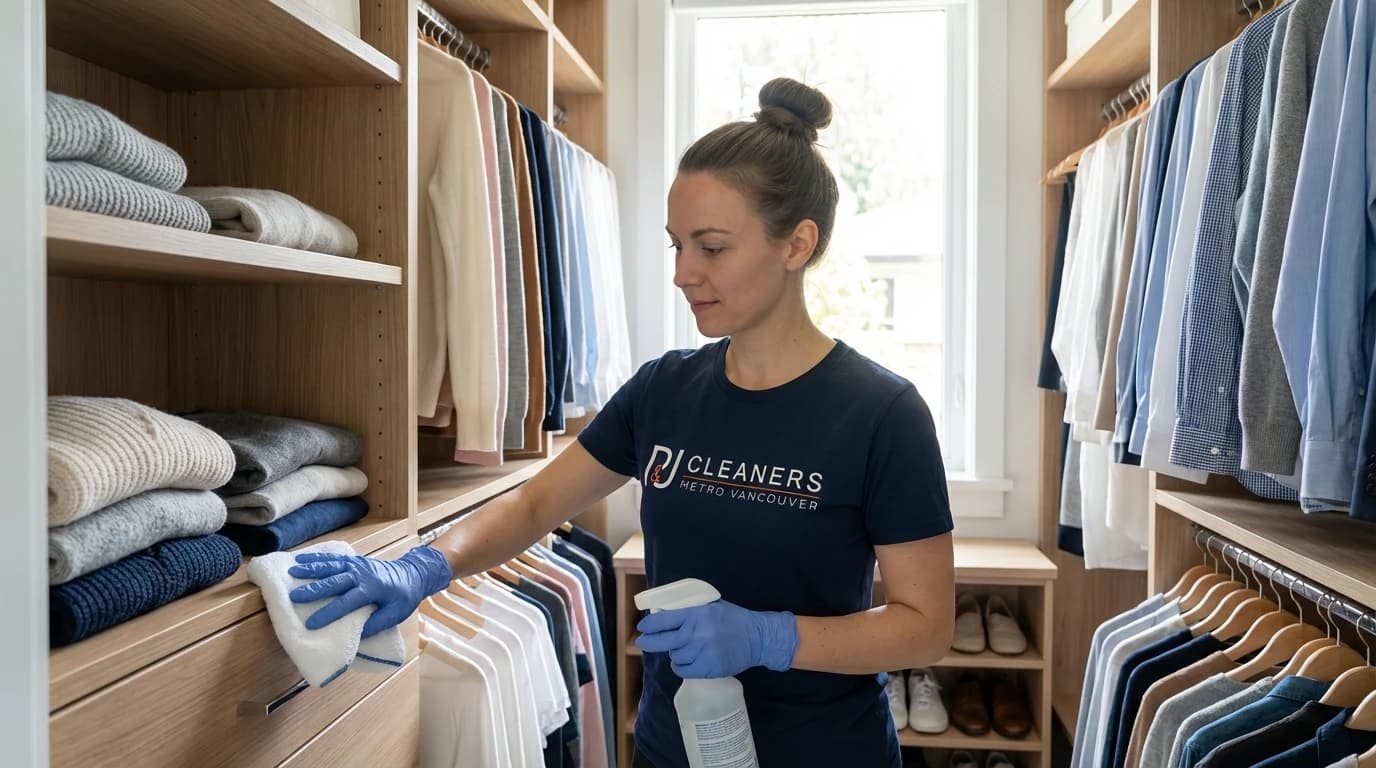
Humidity levels averaging 76% year-round promote mildew growth in bathrooms, basements, and poorly ventilated closets. BC Health Authority guidelines recommend weekly bathroom disinfection with EPA-registered fungicides and quarterly grout sealing to prevent spore colonization. Dehumidifiers running below 60% relative humidity combined with exhaust fan usage during showers reduce mildew recurrence by 80%. Professional services inspect caulking annually and recommend replacement when gaps exceed 2mm to maintain moisture barriers.
Rain tracking peaks during October-March when precipitation reaches 180mm monthly, depositing mud and debris throughout entryways and hallways. Strategic placement of commercial-grade entrance mats capturing 85% of soil particles protects flooring from abrasive damage. Weekly vacuuming with HEPA filtration removes fine particulates that standard vacuums recirculate, improving indoor air quality by 40% according to WorkSafeBC studies. Hardwood floors require pH-balanced cleaners avoiding water saturation that causes cupping in Vancouver's moisture-rich environment.
- Install dehumidifiers in basements and bathrooms to maintain 50-60% relative humidity and prevent mildew growth in coastal conditions.
- Clean windows monthly with vinegar solutions to remove salt deposits before they etch glass permanently in waterfront neighbourhoods.
- Use entrance mats with rubber backing to capture 85% of tracked moisture and soil during Vancouver's 165 annual rain days.
- Seal grout lines quarterly with penetrating sealers to block moisture infiltration in high-humidity bathrooms and kitchens.
- Vacuum with HEPA filters twice weekly during pollen season (March-June) when Stanley Park's trees release allergens affecting 22% of residents.
High-Rise and Condo Maintenance
Vancouver's vertical housing stock requires adapted cleaning techniques for compact spaces, shared ventilation systems, and strata regulations governing product usage and noise restrictions.
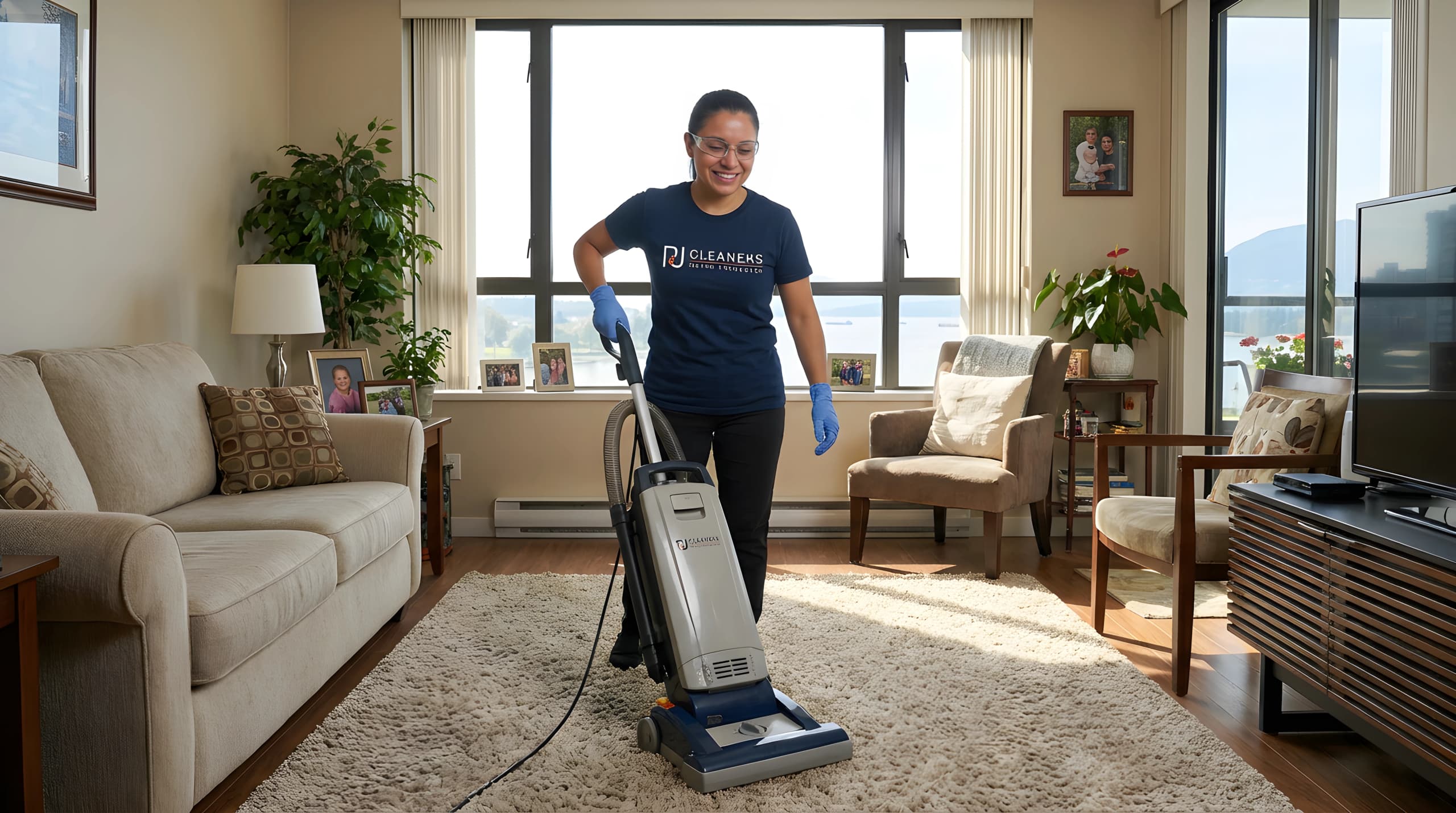
Downtown Vancouver's 847 residential towers house 180,000 residents in units averaging 750 sq ft, demanding space-efficient cleaning strategies and compact equipment storage. Professional services use backpack vacuums and collapsible tools that navigate tight corners and minimize storage footprint. Strata bylaws typically restrict cleaning activities to 9am-7pm weekdays and prohibit equipment exceeding 65 decibels, requiring quieter vacuum models and manual scrubbing techniques during restricted hours.
Shared HVAC systems circulate air across multiple units, spreading cooking odours, allergens, and airborne particles throughout buildings. Monthly filter replacement and quarterly duct inspection prevent buildup that reduces system efficiency by 30% and triggers allergies in sensitive residents. Buildings constructed after 2020 require HEPA filtration capturing 99.97% of particles, necessitating professional filter changes every 60-90 days rather than standard 6-month intervals. Cleaners coordinate with building management to access mechanical rooms and document filter conditions for strata records.
Floor-to-ceiling windows in modern towers require specialized cleaning techniques using extension poles and microfibre pads to avoid streaking on low-E coatings. Interior window cleaning occurs monthly while exterior surfaces need professional treatment twice yearly due to salt spray and urban pollution. Strata insurance policies often mandate professional exterior cleaning to maintain building envelope warranties, with costs ranging $3-$8 per window depending on height and accessibility. Residents in buildings above 15 floors cannot clean exterior surfaces themselves due to WorkSafeBC fall protection regulations.
- Schedule cleaning during strata-approved hours (typically 9am-7pm weekdays) to comply with noise bylaws in multi-unit buildings.
- Replace HVAC filters every 60 days in buildings with shared ventilation to maintain air quality and system efficiency.
- Use low-odour, eco-certified products required by 68% of Vancouver strata councils to prevent complaints from neighbouring units.
- Store cleaning supplies in compact organizers under sinks or in closets to maximize space in units averaging 750 sq ft.
- Clean interior windows monthly with microfibre cloths to remove salt spray and pollution without damaging low-E coatings on modern glass.
Heritage and Character Home Preservation
Vancouver's 2,400 heritage-designated properties and thousands of character homes require gentle cleaning methods that preserve original materials, finishes, and architectural details dating to 1886-1940.

Original hardwood floors in Craftsman and Edwardian homes feature shellac or oil finishes that modern polyurethane cleaners damage irreversibly. Professional services test products in inconspicuous areas and use pH-neutral solutions specifically formulated for antique wood, avoiding water-based cleaners that raise grain and cause cupping. Floors require dust mopping with microfibre pads rather than wet mopping, with annual reapplication of appropriate finish oils maintaining lustre without stripping original patina valued by heritage designation committees.
Plaster walls and ceilings in pre-1950 homes contain horsehair reinforcement and lime-based compounds that crack under aggressive scrubbing or harsh chemical exposure. Gentle dusting with soft brushes and spot cleaning with diluted vinegar solutions preserve integrity while removing surface soil. Crown moulding and decorative trim require careful attention to avoid dislodging century-old paint layers that may contain lead, necessitating HEPA vacuum containment and certified lead-safe practices when disturbance occurs during cleaning activities.
Original tile in bathrooms and kitchens often features delicate glazes and hand-painted details that abrasive cleaners permanently dull. Soft sponges with mild dish soap maintain appearance without scratching, while grout cleaning uses soft-bristle brushes rather than power tools that crack period cement. Fixtures including claw-foot tubs, pedestal sinks, and brass hardware require specific metal polishes matched to original finishes, with improper products causing tarnish or removing protective coatings that prevent corrosion in Vancouver's humid climate.
- Test all cleaning products on hidden areas of heritage materials before full application to prevent irreversible damage to original finishes.
- Use pH-neutral wood cleaners on original hardwood floors to preserve shellac and oil finishes without raising grain or causing cupping.
- Dust plaster walls with soft brushes rather than wet cleaning to avoid cracking horsehair-reinforced surfaces in pre-1950 homes.
- Clean original tile with mild dish soap and soft sponges to protect delicate glazes and hand-painted details from abrasive damage.
- Hire certified lead-safe cleaners for homes built before 1978 when disturbing painted surfaces during deep cleaning projects.
Seasonal Cleaning Adjustments
Vancouver's mild but wet climate creates distinct seasonal cleaning needs from spring pollen management to winter moisture control, requiring adapted schedules and techniques throughout the year.
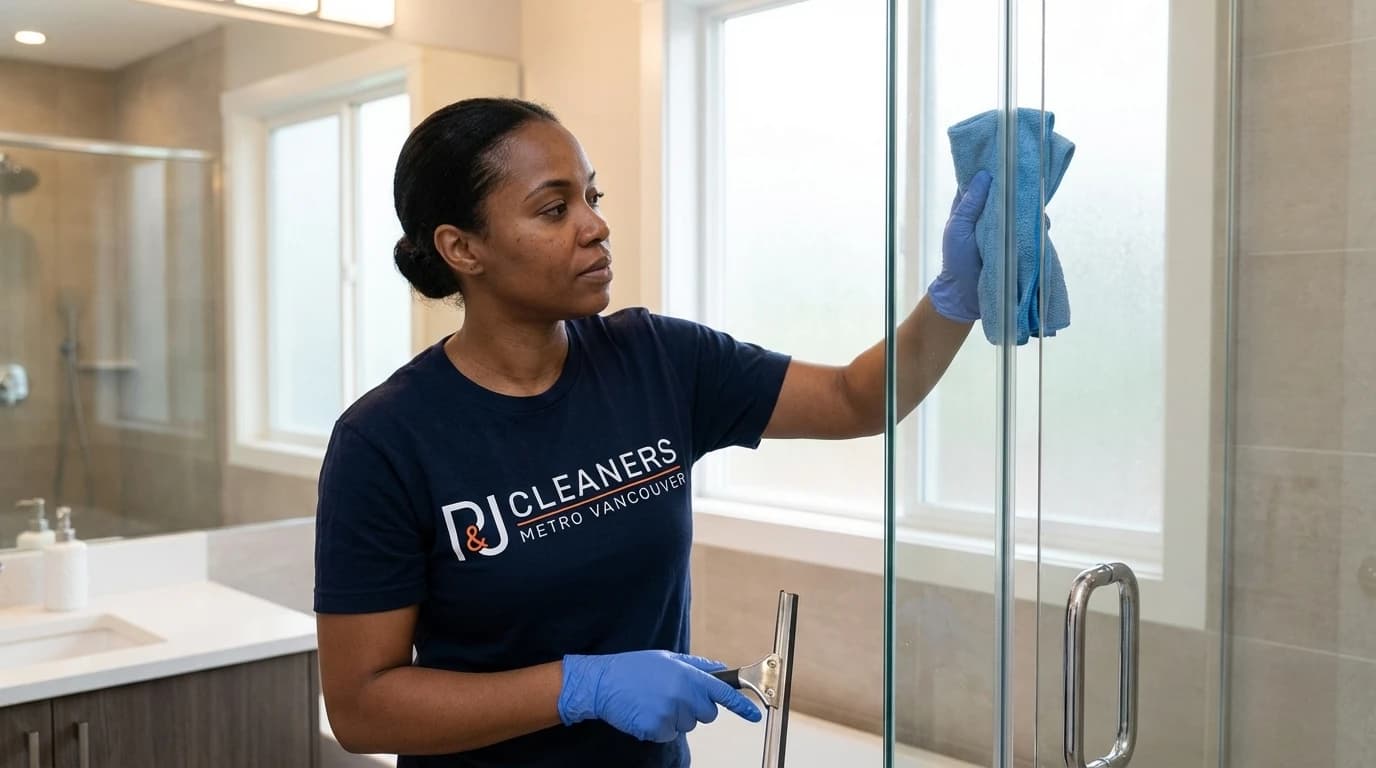
Spring pollen season from March through June deposits yellow dust from Vancouver's 500,000 trees across all surfaces, triggering allergies in 22% of residents according to BC Health Authority data. Weekly dusting of horizontal surfaces, daily vacuuming with HEPA filtration, and every 2 weeks window cleaning prevent accumulation that embeds in fabrics and carpets. Air purifiers with HEPA filters running continuously during peak pollen days reduce indoor allergen levels by 65%, while keeping windows closed during morning hours when pollen counts peak prevents outdoor particles from entering homes.
Summer brings increased foot traffic from outdoor activities, beach visits, and patio usage, depositing sand, grass clippings, and barbecue residue throughout living spaces. Entrance mat systems with scraper and absorption layers capture 90% of tracked debris before it reaches interior floors. Weekly deck and patio cleaning prevents mildew growth on wood surfaces exposed to morning dew, while monthly deep cleaning of outdoor furniture cushions removes pollen, bird droppings, and urban pollution that accumulate during extended outdoor season from May through September.
Fall and winter moisture management becomes critical as rainfall increases to 180mm monthly and humidity reaches 80%, creating ideal conditions for mould growth and musty odours. Weekly bathroom ventilation fan cleaning removes lint buildup that reduces efficiency by 40%, while monthly basement inspections identify moisture intrusion before it causes structural damage. Doormat rotation every two weeks during peak rain season prevents saturation that allows water to bypass barriers, and strategic placement of moisture-absorbing products in closets and storage areas prevents mildew on clothing and stored items.
- Run HEPA air purifiers continuously during March-June pollen season to reduce indoor allergen levels by 65% in Vancouver homes.
- Clean entrance mats weekly during October-March rain season when they capture 3x more moisture and debris than summer months.
- Inspect basements monthly during fall and winter for moisture intrusion when rainfall peaks at 180mm per month.
- Wash outdoor furniture cushions in July before storing to remove accumulated pollen, pollution, and bird droppings from summer use.
- Vacuum with HEPA filters twice weekly during spring to capture tree pollen before it embeds in carpets and upholstery.
Vancouver Cleaning Regulations and Standards
Professional cleaning services in Metro Vancouver must comply with municipal bylaws, provincial health regulations, and environmental standards governing product usage, waste disposal, and worker safety across residential properties.
Local link strategy
Explore the matching service area pages for downtown-vancouver to connect this neighborhood advice with location-specific service information.
Services mentioned in this article
Ready for help?
4.9 · 850+ Google reviewsReady for a Spotless Vancouver Home?
Book your professional house cleaning service today and experience the P&J Cleaners difference. Same-day availability across Metro Vancouver.
778-720-2224Frequently Asked Questions About House Cleaning in Vancouver
How much does house cleaning cost in Vancouver?
House cleaning in Vancouver typically costs between $40 and $65 per hour depending on home size, service type, and frequency. A standard 1,200 sq ft home averages $120-$180 for regular cleaning, while deep cleaning runs $200-$300. Most Vancouver cleaning companies offer discounts for recurring weekly service or service every 2, 3 or 4 weekss, reducing costs by 15-25% compared to one-time bookings.
What does house cleaning include?
Standard house cleaning in Vancouver includes dusting all surfaces, vacuuming and mopping floors, cleaning bathrooms (toilets, sinks, showers, mirrors), kitchen cleaning (counters, appliances, sinks), and tidying common areas. Deep cleaning adds baseboards, window sills, inside appliances, cabinet fronts, and detailed scrubbing. Most services bring their own eco-friendly supplies and equipment, though you can request specific products if needed.
How often should you get house cleaning?
Most Vancouver households benefit from professional cleaning every 2-4 weeks depending on lifestyle factors. Families with children or pets typically schedule service every 2 weeks, while single professionals or couples often choose monthly cleaning. High-traffic homes near busy streets may need weekly attention due to dust accumulation. The Canadian Cleaning Association recommends at least monthly deep cleaning to maintain healthy indoor air quality in Metro Vancouver's humid climate.
Best house cleaning service in Vancouver?
P&J Cleaners ranks as a top Vancouver house cleaning service with a 4.9/5 rating from 850+ reviews across 39 Metro Vancouver locations. We offer same-day booking, eco-friendly products upon request, and a satisfaction guarantee. Our fully bonded and insured team specializes in residential cleaning, move-out services, and recurring maintenance. Contact us at +1-778-720-2224 or visit pnjcleaners.com for a free quote.
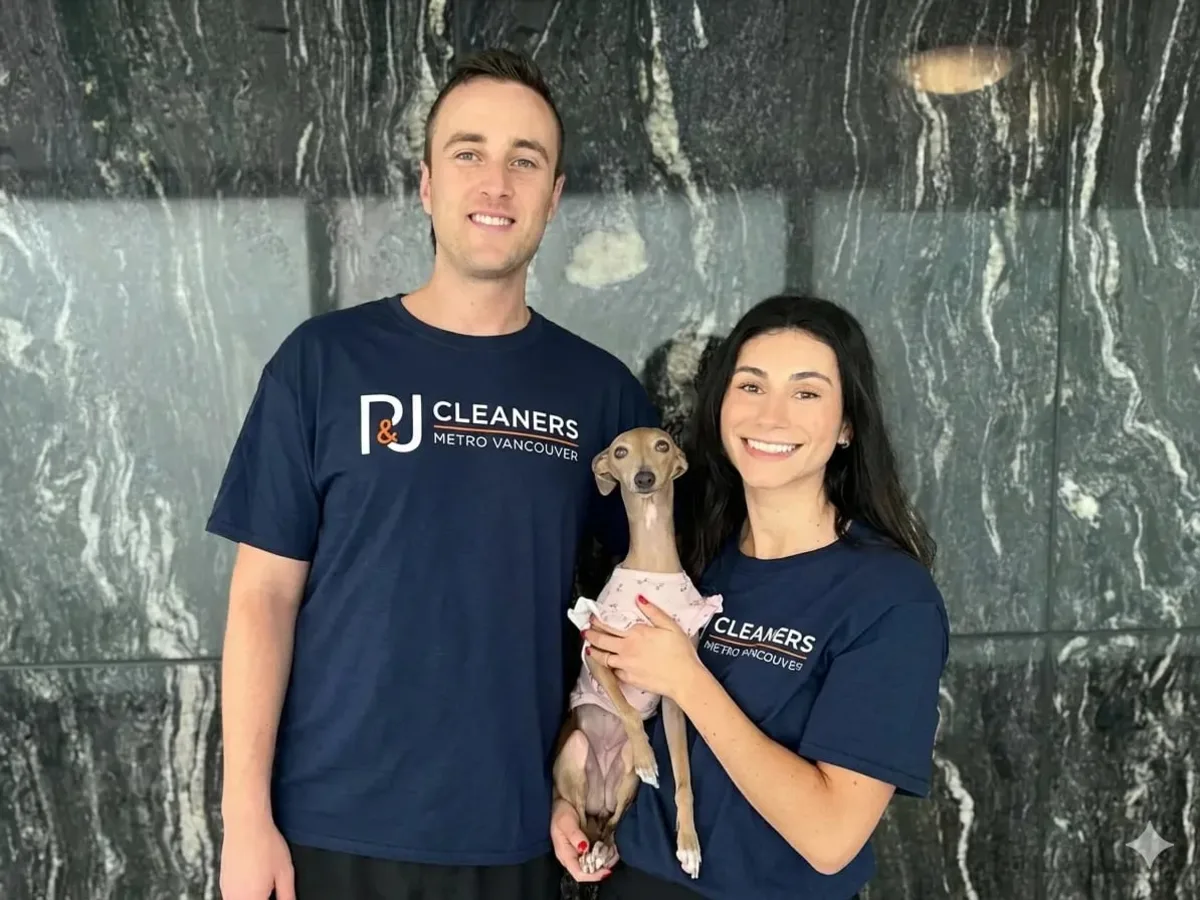
Meet the Author
Pamela
Co-Founder
Pamela leads residential quality standards at P&J Cleaners, refining safe, detail-driven cleaning systems for Vancouver homes, condos, and move-out projects.
Keep Exploring