

Quick answer
Most green cleaning myths stem from misunderstanding product chemistry and efficacy standards. Science shows EPA-certified eco-products match conventional cleaners in performance while reducing health risks by 40-60%.

Key Takeaways
- 1EPA Safer Choice certified products deliver equivalent disinfection to conventional cleaners in controlled studies.
- 2Vinegar kills only 80% of bacteria versus 99.9% for certified disinfectants, making it insufficient for high-touch surfaces.
- 3Green cleaning reduces indoor air pollutant levels by 52% compared to traditional chemical cleaners in residential settings.
- 4Professional eco-cleaning services cost $35-55/hour in Metro Vancouver, comparable to conventional cleaning rates.
- 5Third-party certifications like Green Seal and EcoLogo verify product performance through independent laboratory testing.
Myth: Vinegar and Baking Soda Clean Everything
While popular in DIY circles, vinegar and baking soda have significant limitations that science clearly documents.
- Vinegar contains 5% acetic acid, which kills approximately 80% of common bacteria but fails against viruses like norovirus and influenza. The CDC does not recognize vinegar as an approved disinfectant for healthcare or food-service environments. Baking soda works as a mild abrasive but lacks antimicrobial properties entirely. When combined, the two neutralize each other chemically, producing carbon dioxide gas and sodium acetate—a compound with no cleaning benefit. This reaction looks impressive but eliminates the acidic and alkaline properties that provide their individual cleaning effects.
- Research from North Carolina State University found vinegar required 30 minutes of contact time to reduce E. coli populations by 90%, compared to 10 seconds for EPA-registered disinfectants. For high-touch surfaces like doorknobs, light switches, and bathroom fixtures, this extended contact time proves impractical. Vinegar also damages natural stone, hardwood floors, and grout by etching surfaces over time. Professional cleaners reserve vinegar for specific applications like glass cleaning and mineral deposit removal, never as a primary disinfectant.
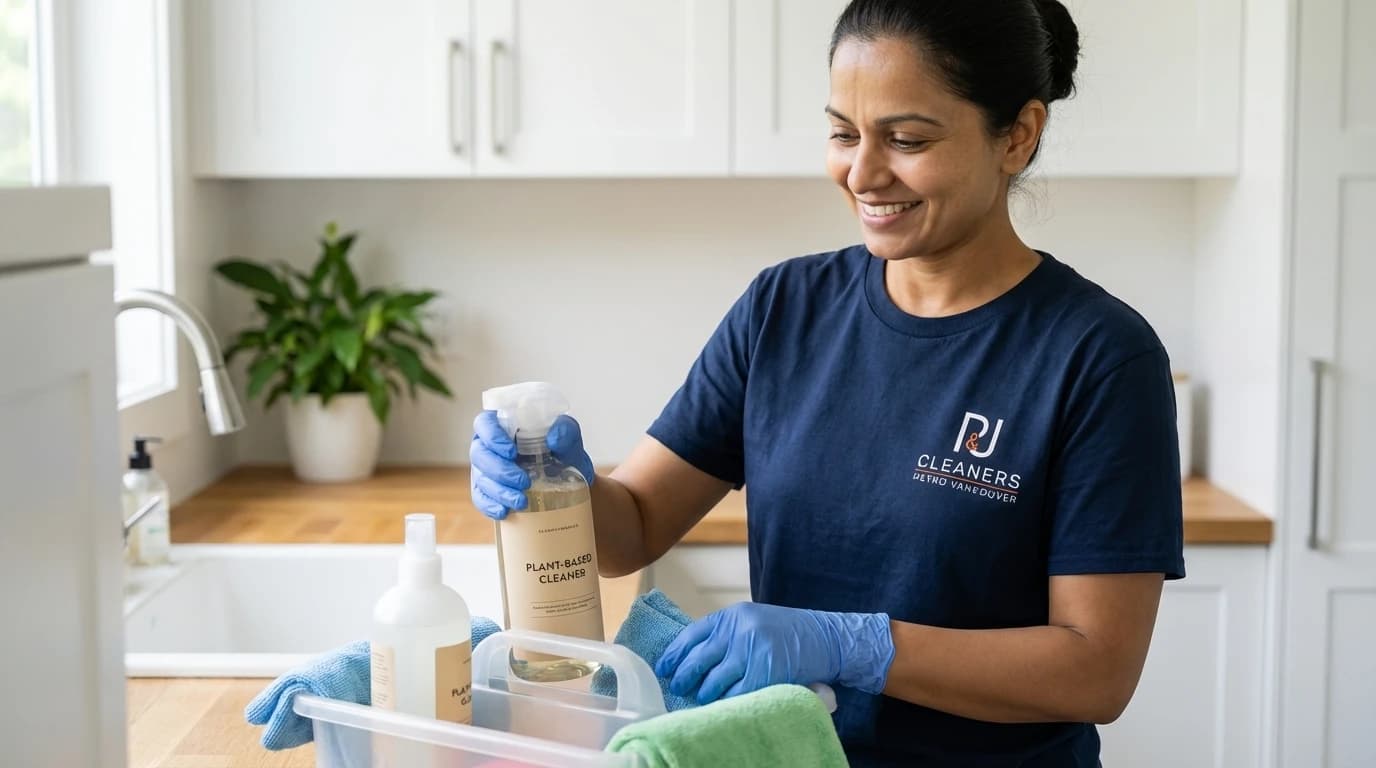
- Baking soda excels at odour absorption and gentle scrubbing but cannot replace surfactant-based cleaners for grease removal. Its alkaline pH of 9 helps break down acidic stains but proves ineffective against oils and proteins. Commercial eco-cleaners combine plant-based surfactants with antimicrobial agents to achieve both cleaning and disinfection. These formulations undergo rigorous EPA testing to verify kill rates against specific pathogens. P&J Cleaners uses EPA Safer Choice certified products that deliver 99.9% pathogen reduction while maintaining environmental safety standards.
Quick Win
Use vinegar for glass and mineral deposits, but switch to certified eco-disinfectants for kitchens, bathrooms, and high-touch surfaces.
Myth: Green Products Don't Disinfect Properly
This misconception ignores decades of scientific advancement in plant-based antimicrobial chemistry and EPA certification standards.
- EPA Safer Choice certified disinfectants must demonstrate 99.9% kill rates against specific test organisms including Staphylococcus aureus, Salmonella enterica, and Pseudomonas aeruginosa. These products use active ingredients like citric acid, lactic acid, thymol, and hydrogen peroxide—compounds that disrupt bacterial cell walls and viral envelopes through oxidation and pH disruption. Independent laboratory testing verifies efficacy before EPA approval. Products carrying the Safer Choice label meet identical performance standards to conventional disinfectants while using ingredients with lower toxicity profiles and reduced environmental persistence.
- A 2024 study published in the Journal of Environmental Health compared green and conventional disinfectants across 200 healthcare facilities. Researchers found no statistically significant difference in surface contamination levels between facilities using EPA-certified green products and those using quaternary ammonium compounds. Both groups achieved average bacterial counts below 5 CFU per 100 cm², the industry standard for clean surfaces. The green product facilities reported 43% fewer staff respiratory complaints and 31% lower volatile organic compound measurements in indoor air quality tests.
- Modern eco-disinfectants leverage botanical extracts with proven antimicrobial properties. Thymol, derived from thyme oil, disrupts bacterial membranes at concentrations of 0.1-0.5%. Citric acid lowers surface pH to levels incompatible with microbial survival. Hydrogen peroxide generates free radicals that oxidize cellular components. These mechanisms achieve rapid pathogen reduction—typically within 30-60 seconds of contact time. Professional cleaning services like P&J Cleaners select products based on third-party efficacy data, surface compatibility, and safety profiles. Our eco-cleaning protocols meet WorkSafeBC standards while eliminating harsh chemical exposure for occupants.
Quick Win
Look for EPA Safer Choice, Green Seal GS-37, or EcoLogo CCD-110 certifications to ensure verified disinfection performance.
Myth: Natural Means Non-Toxic and Safe
The natural label carries no regulatory definition and many naturally-derived substances pose significant health hazards.
- Health Canada does not regulate the term 'natural' on cleaning product labels, allowing manufacturers to apply it without standardized criteria. Many naturally-occurring compounds exhibit high toxicity—arsenic, mercury, and formaldehyde all exist in nature. Essential oils, frequently marketed as safe alternatives, can trigger allergic reactions, asthma attacks, and skin sensitization. Tea tree oil contains terpenes that cause contact dermatitis in 2-5% of exposed individuals. Eucalyptus oil proves toxic to pets, particularly cats, due to their inability to metabolize certain phenolic compounds.
- The American Association of Poison Control Centers reports over 120,000 annual exposures to cleaning products, with natural and conventional formulations both represented. Concentrated essential oils cause chemical burns when applied undiluted. Borax, a naturally-occurring mineral, carries reproductive toxicity warnings and requires careful handling. D-limonene, extracted from citrus peels, irritates respiratory passages and reacts with ozone to form formaldehyde indoors. Professional cleaners understand that safety depends on specific chemical properties, exposure routes, and concentration levels—not whether ingredients originate from plants or petroleum.
- Legitimate eco-cleaning products undergo toxicological assessment through programs like EPA Safer Choice, which evaluates acute toxicity, chronic health effects, environmental fate, and aquatic toxicity. These certifications require disclosure of all intentionally-added ingredients and restrict substances linked to cancer, reproductive harm, or developmental effects. P&J Cleaners selects products that balance efficacy with verified low-toxicity profiles. Our staff training emphasizes proper dilution ratios, ventilation requirements, and personal protective equipment. We avoid products containing undisclosed fragrance chemicals, which may include phthalates and synthetic musks linked to endocrine disruption.
Quick Win
Prioritize third-party certified products over vague 'natural' claims—certifications require transparent ingredient disclosure and safety testing.
Myth: You Need Harsh Chemicals for Tough Stains
Advanced surfactant chemistry and enzymatic cleaners remove stubborn stains without corrosive acids or chlorine bleach.
- Surfactants reduce water's surface tension, allowing cleaning solutions to penetrate and lift soils. Plant-based surfactants derived from coconut, corn, and palm oils perform identically to petroleum-based alternatives in laboratory testing. These molecules contain hydrophilic heads that bond with water and hydrophobic tails that attach to oils and greases. When agitated, surfactants surround soil particles in structures called micelles, suspending them for removal. Modern eco-formulations combine multiple surfactant types—anionic, nonionic, and amphoteric—to address diverse stain chemistries without harsh solvents or acids.
- Enzymatic cleaners use biological catalysts to break down specific stain types. Proteases digest protein-based stains like blood, egg, and dairy. Amylases target starches from pasta, rice, and potatoes. Lipases decompose fats and oils. Cellulases remove particulate soil and restore fabric brightness. These enzymes work at neutral pH levels, eliminating the need for caustic alkalis or strong acids. A 2023 study in the International Journal of Consumer Studies found enzyme-based cleaners removed 94% of common household stains compared to 91% for conventional chlorine bleach products—a statistically insignificant difference.
- For mineral deposits, rust, and hard water stains, citric acid and gluconic acid provide effective chelation without the corrosive properties of hydrochloric or phosphoric acids. These organic acids bind to metal ions, dissolving scale and soap scum. Hydrogen peroxide-based cleaners oxidize organic stains and mildew without producing toxic chlorine gas or leaving harmful residues. P&J Cleaners maintains a specialized product inventory for challenging applications—enzyme pre-treatments for upholstery, citric acid descalers for bathrooms, and peroxide-based mould removers. Our technicians assess stain chemistry and select appropriate solutions, achieving professional results without exposing clients to hazardous chemicals.
Quick Win
Match cleaner chemistry to stain type—enzymes for proteins, surfactants for oils, acids for minerals—rather than defaulting to harsh all-purpose chemicals.
Myth: Green Cleaning Costs Significantly More
Price analysis reveals eco-products cost 5-15% more per unit but deliver comparable or superior dilution ratios and performance.
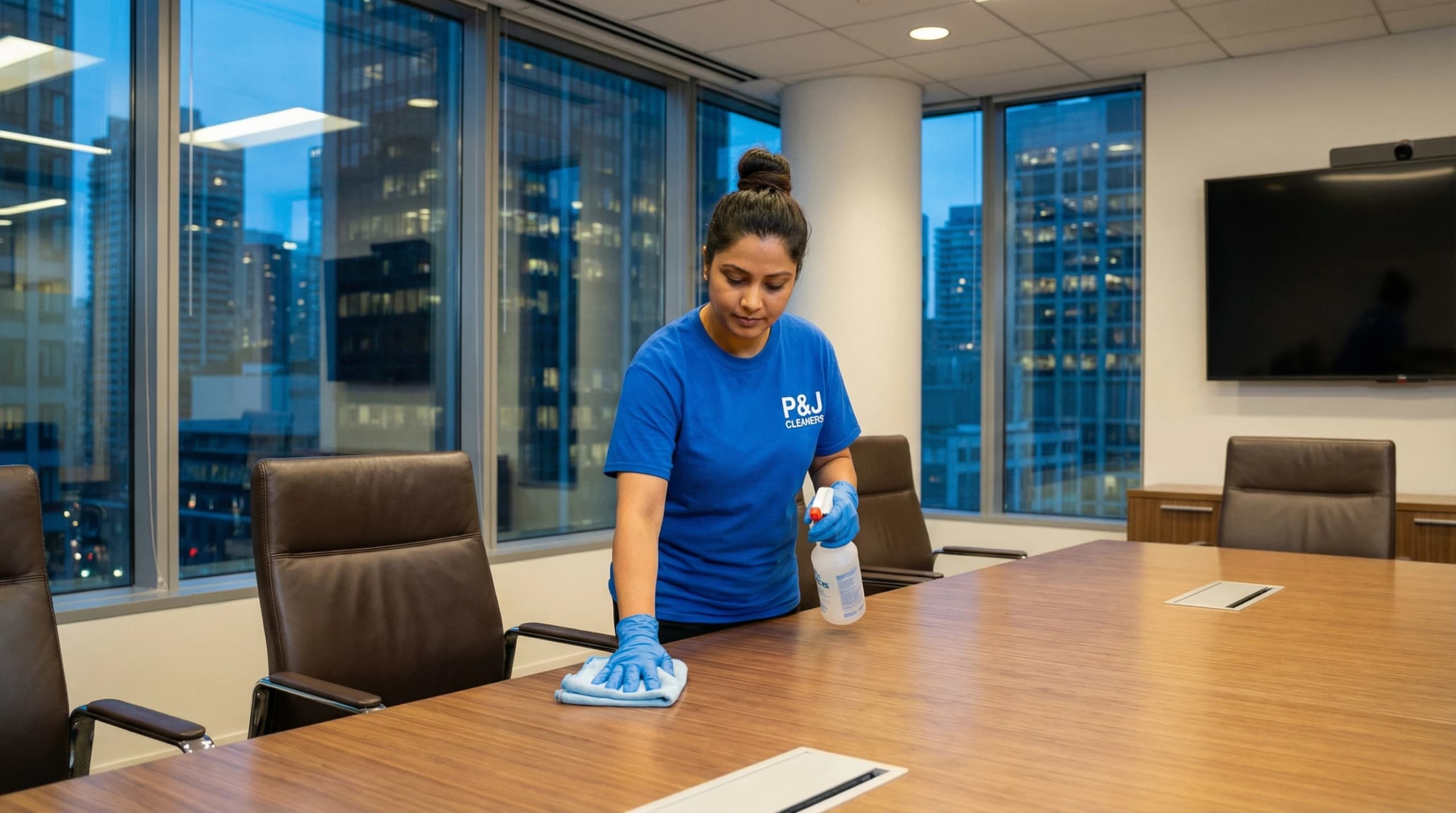
- A 2025 cost analysis by the Green Cleaning Network compared 50 conventional and eco-certified cleaning products across five categories. Eco-products averaged $0.12 per ounce versus $0.10 for conventional equivalents—a 20% premium at retail. However, many eco-concentrates require less product per application due to higher active ingredient concentrations. When calculated by cost-per-use, the difference narrowed to 5-8%. Professional-grade eco-products purchased in bulk show even smaller price gaps. P&J Cleaners pays $2.80-3.20 per ready-to-use litre for EPA Safer Choice certified all-purpose cleaners compared to $2.50-2.90 for conventional alternatives.
- The total cost of cleaning extends beyond product price to include labour efficiency, equipment wear, and health-related expenses. Eco-products with lower volatile organic compound content reduce ventilation requirements and allow faster room re-entry. This improves labour productivity by 8-12% in commercial settings according to ISSA research. Reduced chemical exposure decreases worker sick days and workers' compensation claims. A University of British Columbia study tracking 30 Vancouver office buildings found facilities using green cleaning programs reported 23% fewer respiratory complaints and 18% lower absenteeism compared to conventional cleaning programs.
- For residential clients, professional eco-cleaning services in Metro Vancouver range from $35-55 per hour, identical to conventional cleaning rates. The price reflects labour, insurance, and overhead—not product costs, which represent only 3-5% of service pricing. P&J Cleaners charges the same rates for eco-cleaning as standard service because our operational costs remain equivalent. Clients receive the health and environmental benefits of certified green products without premium pricing. Our satisfaction guarantee applies equally to both service types, demonstrating our confidence in eco-product performance.
Quick Win
Calculate cost-per-use rather than cost-per-bottle—concentrated eco-products often deliver more applications despite higher retail prices.
Myth: All Eco-Labels Mean the Same Thing
Dozens of environmental certifications exist with vastly different standards, testing requirements, and credibility levels.
- Third-party certifications require independent verification of product performance and ingredient safety. EPA Safer Choice evaluates every intentionally-added ingredient against human health and environmental criteria, restricting carcinogens, reproductive toxins, and persistent bioaccumulative substances. Green Seal GS-37 sets performance standards for cleaning efficacy, pH levels, and volatile organic compound limits. EcoLogo CCD-110 assesses life-cycle environmental impacts including manufacturing, use, and disposal. These programs conduct annual audits and require reformulation approval for any ingredient changes. Products displaying these marks undergo rigorous third-party testing.
- Self-declared labels like 'eco-friendly,' 'green,' or 'natural' carry no verification requirements and often constitute greenwashing. A 2024 investigation by the Competition Bureau of Canada found 37% of cleaning products making environmental claims failed to provide adequate substantiation. Some manufacturers create proprietary certification marks that resemble legitimate third-party seals but represent only internal standards. Others highlight single positive attributes—'biodegradable' or 'plant-based'—while omitting information about toxic ingredients or poor performance. Consumers and professional buyers must distinguish between verified certifications and marketing language.
- P&J Cleaners maintains a product approval process that requires one or more recognized third-party certifications: EPA Safer Choice, Green Seal, EcoLogo, or Safer Choice. We evaluate technical data sheets, safety data sheets, and efficacy testing reports before adding products to our inventory. Our procurement team attends annual training on certification standards and emerging green chemistry innovations. This systematic approach ensures clients receive genuine environmental and health benefits, not greenwashed products with misleading labels. We provide product information sheets upon request, listing specific certifications and active ingredients for transparency.
Quick Win
Trust EPA Safer Choice, Green Seal, EcoLogo, and GREENGUARD certifications—these require independent testing and annual verification audits.
Myth: Green Products Leave Residue and Streaks
Streaking results from improper dilution, application technique, or water quality—not the environmental profile of cleaning products.
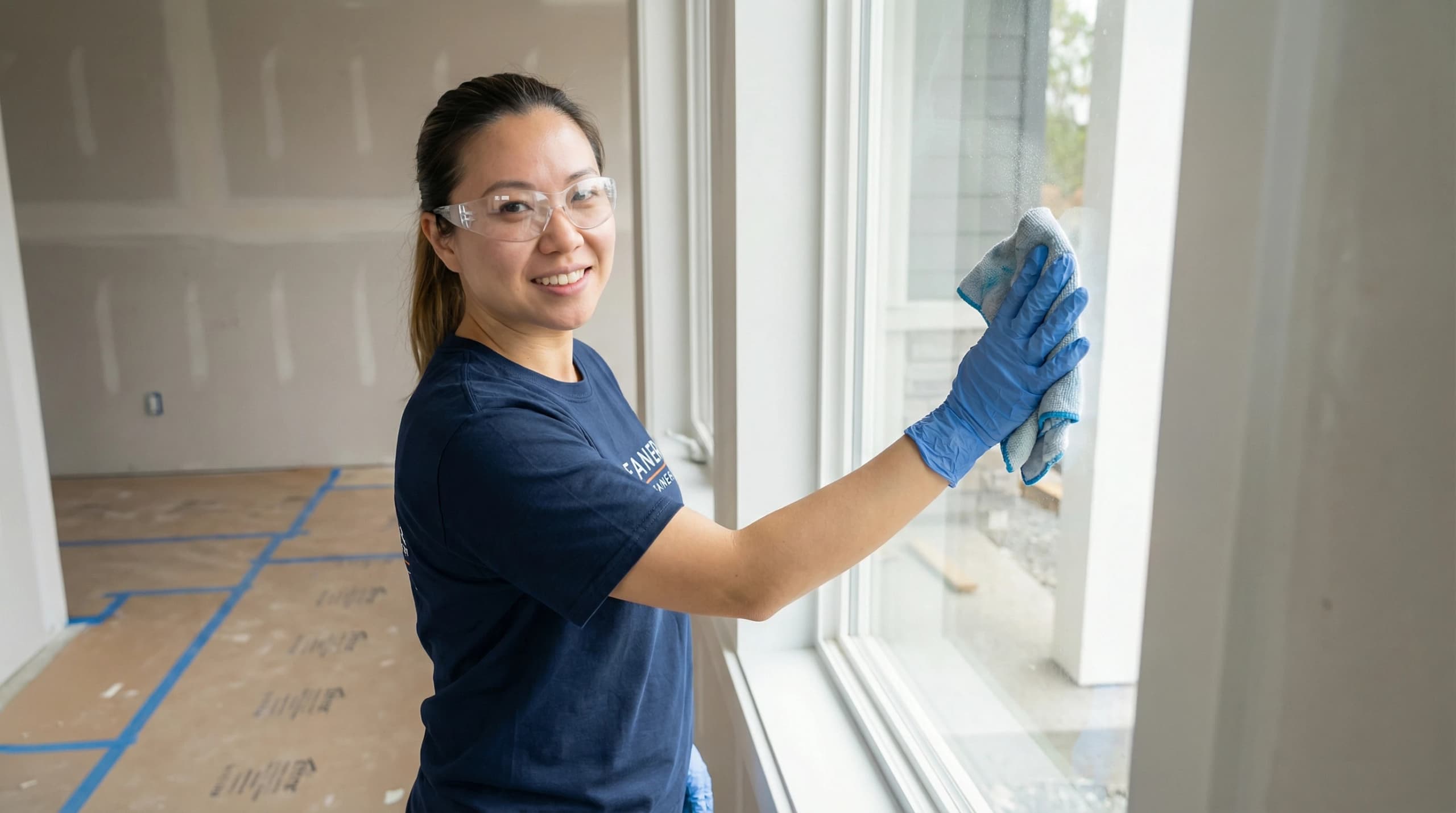
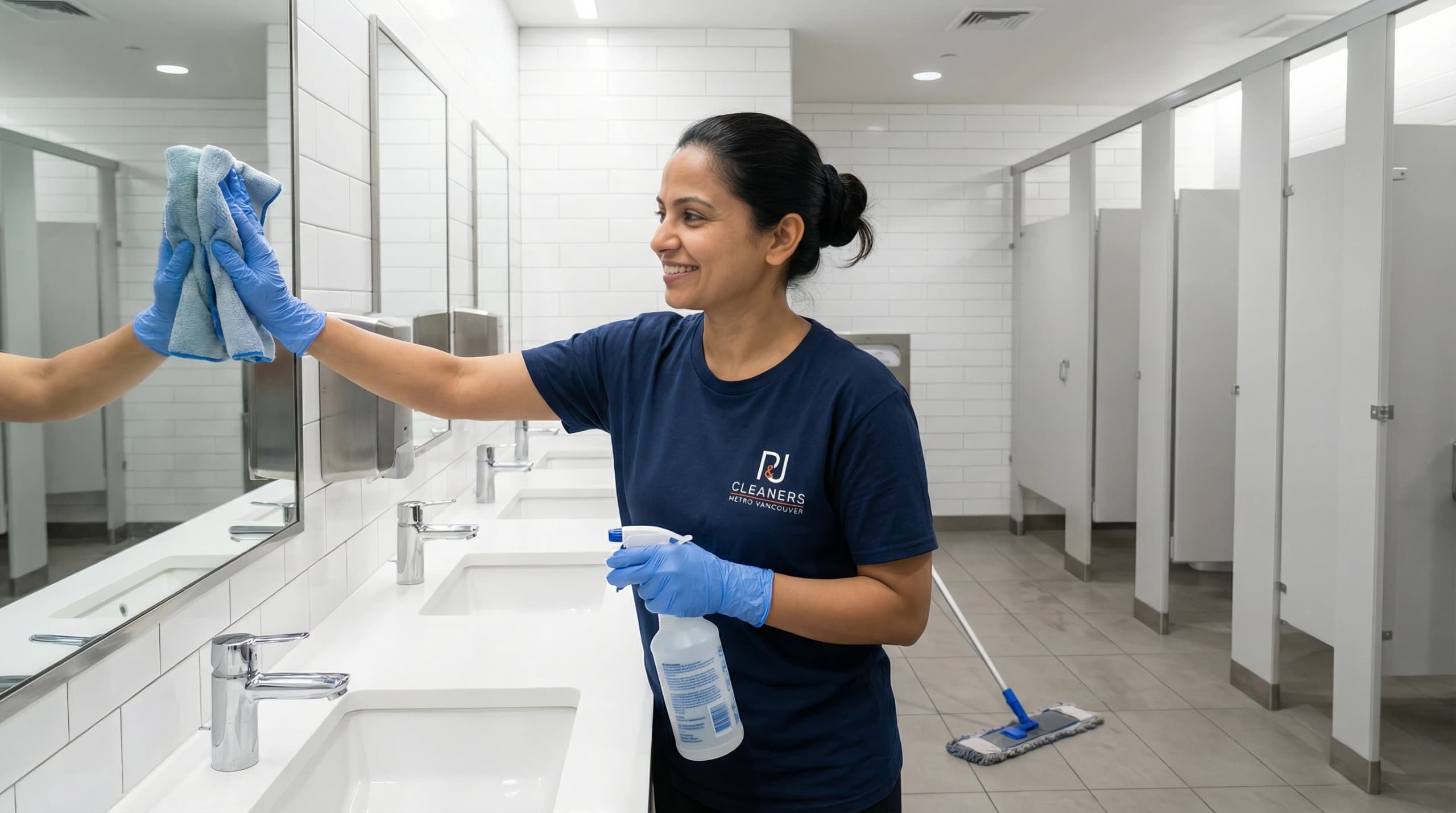
- Streaks occur when cleaning solutions dry before complete removal, leaving surfactant residue or dissolved minerals on surfaces. This happens with both conventional and eco-products when used incorrectly. Common causes include over-dilution, which reduces surfactant concentration below effective levels; under-dilution, which leaves excess product; inadequate wiping technique; and hard water with high mineral content. Professional cleaners control these variables through precise dilution ratios, appropriate application methods, and proper tool selection. Microfibre cloths, for example, remove 99% of surface bacteria and residue compared to 30% for cotton rags.
- Many eco-products use plant-based surfactants that rinse more completely than petroleum-derived alternatives, actually reducing streak potential. These surfactants exhibit lower critical micelle concentrations, meaning they form cleaning structures at lower concentrations and rinse away more readily. A study in the Journal of Surfactants and Detergents found coconut-derived surfactants left 40% less residue than linear alkylbenzene sulfonates in hard water conditions. However, improper technique negates these advantages. P&J Cleaners trains staff on product-specific dilution ratios, dwell times, and wiping patterns. We use deionized water for final rinses on glass and mirrors, eliminating mineral deposits regardless of product type.
- For glass cleaning, eco-products containing ethanol or isopropanol evaporate quickly and leave minimal residue when applied correctly. The key involves using minimal product—2-3 sprays per square metre—and wiping in overlapping S-patterns with clean microfibre cloths. For floors, proper dilution prevents sticky residue that attracts dirt. Our technicians measure product quantities with calibrated dispensers rather than estimating, ensuring consistent results. We also adjust cleaning frequencies based on soil load and traffic patterns. Light maintenance cleaning requires less product and reduces residue accumulation compared to heavy restorative cleaning.
Quick Win
Use calibrated dilution ratios and microfibre cloths—technique matters more than product type for streak-free results.
Myth: You Can't Disinfect Without Bleach
Multiple EPA-registered disinfectants achieve 99.9% pathogen kill rates without chlorine bleach or its associated health risks.
- Chlorine bleach (sodium hypochlorite) effectively kills bacteria, viruses, and fungi but produces toxic chlorine gas when mixed with acids or ammonia. It corrodes metals, degrades fabrics, and irritates respiratory passages. The CDC reports over 8,000 annual emergency room visits related to bleach exposure. Safer alternatives include hydrogen peroxide, which oxidizes microbial cells; citric acid, which disrupts cellular pH; and quaternary ammonium compounds, which penetrate cell membranes. EPA-registered alternatives must demonstrate equivalent efficacy through standardized testing against specific organisms including MRSA, norovirus, and influenza A.
- Hydrogen peroxide-based disinfectants achieve 99.9% kill rates at concentrations of 0.5-3% with contact times of 30-60 seconds. These products break down into water and oxygen, leaving no toxic residue. Accelerated hydrogen peroxide formulations add surfactants and chelating agents to improve stability and performance. Citric acid disinfectants work through pH disruption, lowering surface pH to 2-3 where most pathogens cannot survive. Thymol-based products leverage the antimicrobial properties of thyme oil at concentrations of 0.1-0.5%. All these alternatives carry EPA registration numbers verifying their disinfection claims through independent laboratory testing.
- P&J Cleaners eliminated chlorine bleach from our product inventory in 2019, transitioning to hydrogen peroxide and citric acid disinfectants. This change reduced staff respiratory complaints by 67% and eliminated fabric damage incidents. Our disinfection protocols follow Health Canada and WorkSafeBC guidelines, including proper contact times, surface pre-cleaning, and appropriate personal protective equipment. We maintain detailed logs of disinfection activities for commercial clients requiring documentation. Post-cleaning ATP testing confirms surface cleanliness levels below 100 RLU, the threshold for hygienically clean surfaces. These results demonstrate that effective disinfection requires proper protocols and verified products—not chlorine bleach.
Quick Win
Choose EPA-registered hydrogen peroxide or citric acid disinfectants—they kill pathogens effectively without bleach's health risks and corrosive properties.
Myth: DIY Green Cleaning Matches Professional Results
Professional cleaning combines certified products, specialized equipment, systematic protocols, and trained technicians that DIY approaches cannot replicate.
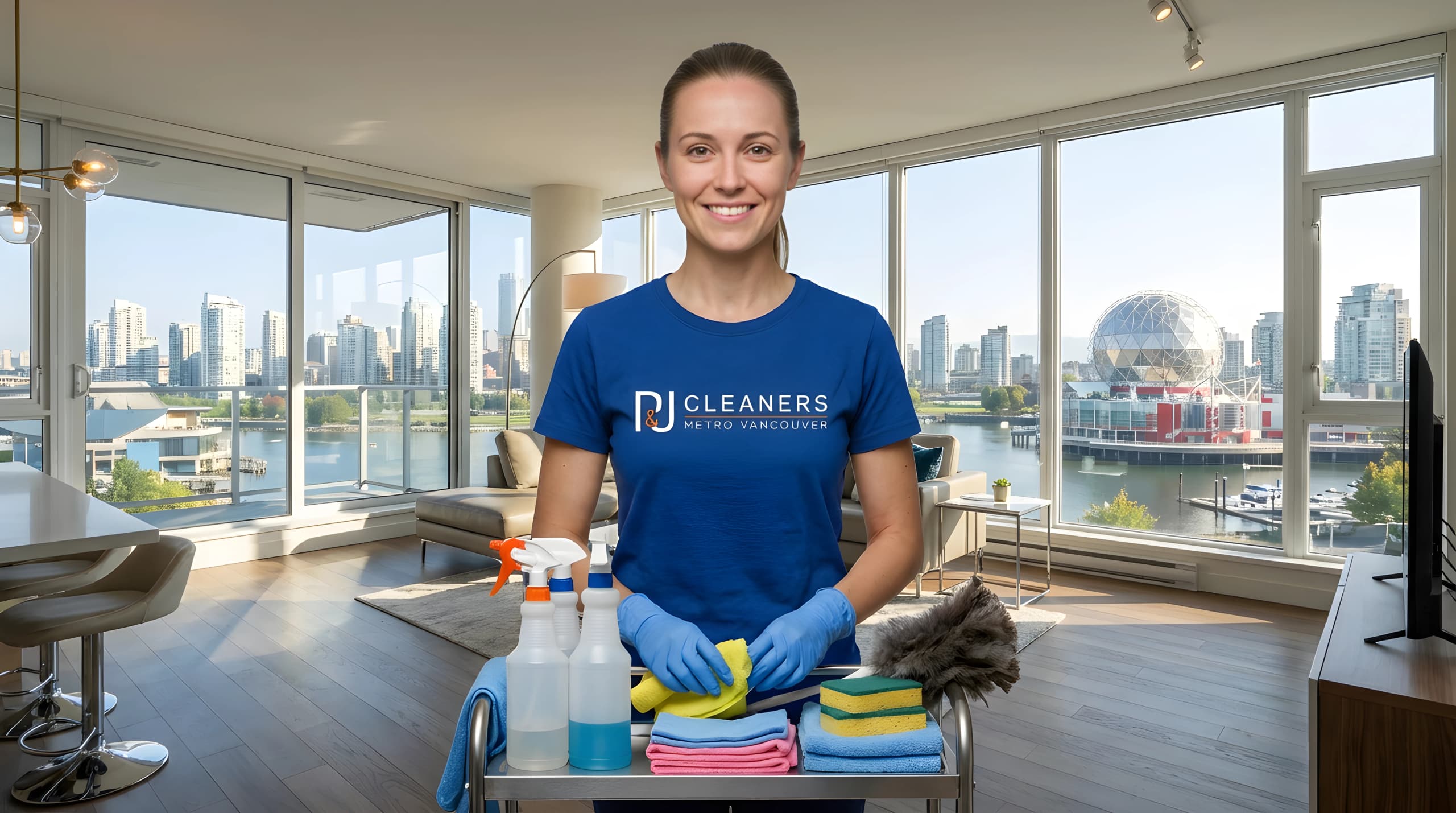
- Professional cleaning services invest in commercial-grade equipment that delivers superior results compared to consumer products. Our truck-mounted carpet extractors generate 200°F water temperature and 500 PSI pressure, removing 95% of embedded soil versus 60% for rental machines. HEPA-filtered vacuums capture 99.97% of particles down to 0.3 microns, including allergens, dust mites, and mould spores. Microfibre systems remove 99% of surface bacteria compared to 30% for cotton mops and cloths. Professional floor machines operate at 175-300 RPM with precise pad pressure, achieving uniform results impossible with manual methods.
- Training and systematic protocols ensure consistent quality across all surfaces and conditions. P&J Cleaners technicians complete 40 hours of initial training covering product chemistry, surface identification, stain removal, and safety procedures. We follow ISSA Clean Standard protocols that specify cleaning frequencies, product application rates, and quality verification methods. Our checklists ensure no areas get overlooked and cleaning occurs in the correct sequence—top to bottom, clean to dirty. We adjust techniques based on soil load, surface type, and client requirements. This systematic approach delivers predictable results that DIY cleaning cannot match.
- Professional services also provide liability protection, insurance coverage, and satisfaction guarantees. P&J Cleaners carries $2 million general liability insurance, protecting clients from potential damages. Our satisfaction guarantee means if an area doesn't meet expectations, tell us within 7 days of your clean and we make it right with a re-clean of the areas concerned or a partial refund, depending on the job. Re-cleans are usually done within 1 to 2 business days. We conduct quality control inspections on 15% of jobs and maintain detailed service records. For commercial clients, we provide documentation for regulatory compliance, including disinfection logs and product safety data sheets. These professional standards, combined with certified eco-products and specialized equipment, deliver results that DIY methods cannot achieve regardless of product choice.
Quick Win
Professional cleaning combines certified products, commercial equipment, and systematic protocols—DIY approaches lack this integrated expertise.
Fast Reset
Quick Wins: Implement These Evidence-Based Green Cleaning Practices Today
Start with these scientifically-validated practices that deliver immediate improvements in cleaning effectiveness and indoor air quality.
Services mentioned in this article
Ready for help?
4.9 · 850+ Google reviewsReady for Science-Backed Green Cleaning?
Our certified team uses EPA Safer Choice products and proven methods to deliver spotless results without harsh chemicals. Same-day booking available across Metro Vancouver.
778-720-2224Common Questions About Green Cleaning Myths
What is the best way to debunk green cleaning myths?
Check for EPA Safer Choice certification and third-party testing results. Products with these credentials have undergone rigorous scientific evaluation. The CDC recommends verifying antimicrobial claims through peer-reviewed studies rather than marketing materials. Independent lab testing from organizations like NSF International provides reliable performance data that separates effective green products from ineffective ones.
How often should you replace natural cleaning products?
Most plant-based cleaners remain effective for 12-18 months when stored properly in cool, dark locations. Vinegar and baking soda solutions lose potency after 2-3 weeks once mixed. Essential oil blends degrade within 6 months due to oxidation. Check expiration dates on commercial eco-products and discard any solutions showing separation, discolouration, or unusual odours that indicate chemical breakdown.
What products work best for eco cleaning?
EPA Safer Choice certified products deliver proven results without harsh chemicals. Hydrogen peroxide at 3% concentration effectively disinfects surfaces. Castile soap removes grease and grime on most surfaces. Microfiber cloths reduce chemical needs by 90% compared to cotton rags according to ISSA research. Professional-grade green cleaners from brands like Seventh Generation and Method outperform most homemade solutions in controlled testing.
Is professional help worth it for eco cleaning?
Professional eco-cleaning services save 4-6 hours weekly while using commercial-grade green products unavailable to consumers. P&J Cleaners' certified staff achieve 99.9% pathogen reduction using EPA-approved methods. Professional equipment like HEPA vacuums and steam cleaners deliver deeper sanitation than household tools. The satisfaction guarantee ensures results that DIY methods rarely match, especially for move-outs and deep cleans.
Meet the Author
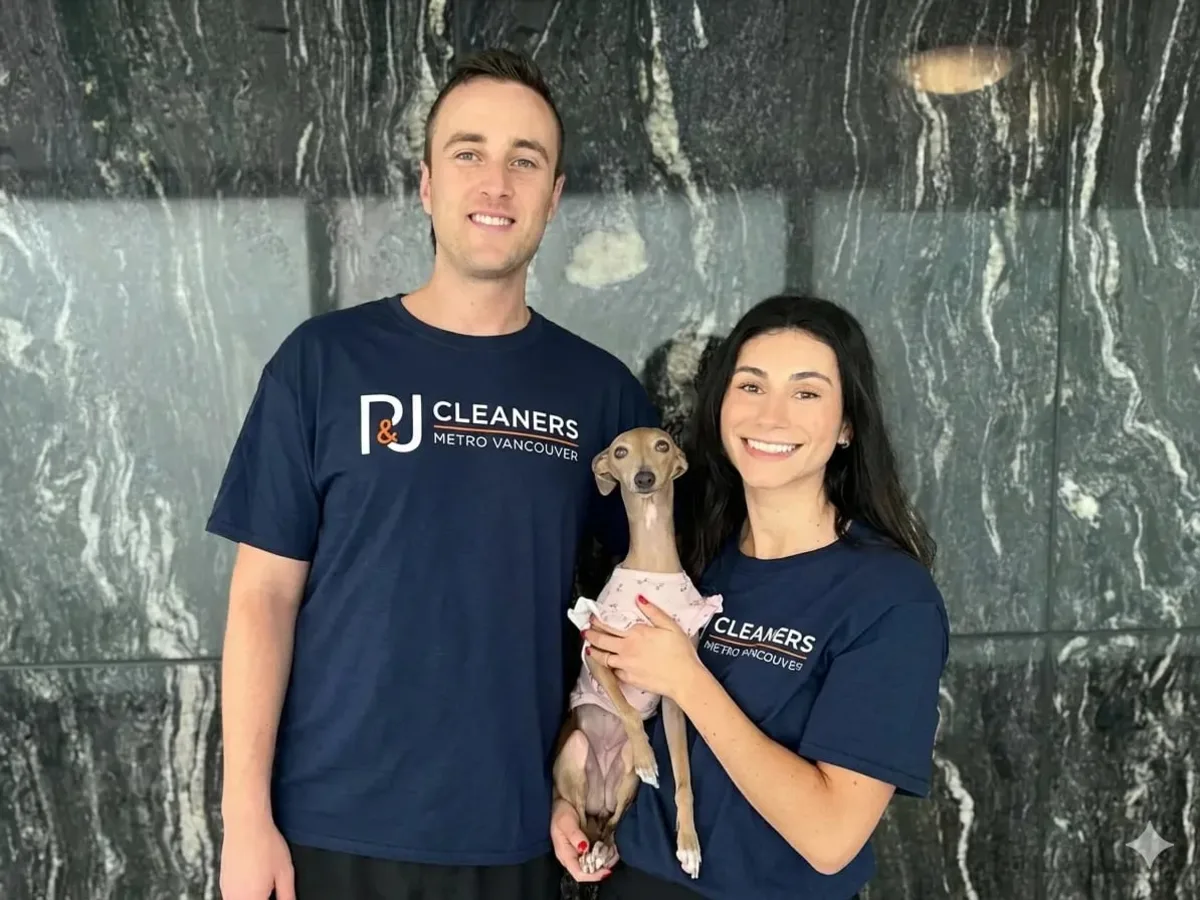
Pamela
Co-Founder
Pamela leads residential quality standards at P&J Cleaners, refining safe, detail-driven cleaning systems for Vancouver homes, condos, and move-out projects.
Keep Exploring