

Quick answer
Clean entryways by removing shoes and debris daily, vacuuming mats twice weekly, mopping hard floors with pH-neutral cleaner, wiping door handles and light switches, and organizing storage monthly to prevent dirt accumulation.

Key Takeaways
- 1Entryway mats capture up to 80% of tracked dirt when placed both outside and inside the door, reducing indoor cleaning time by 60 minutes weekly.
- 2Weekly vacuuming of shoe racks and monthly deep-cleaning prevents mould growth, which thrives in Vancouver's damp climate with 1,189mm annual rainfall.
- 3Door handles harbour 400 times more bacteria than toilet seats and require disinfection twice weekly to prevent illness transmission in high-traffic homes.
- 4Organizing entryway storage quarterly reduces clutter by 70% and improves air quality by preventing dust accumulation on unused items and surfaces.
Why Entryway Cleaning Matters in Vancouver Homes
Entryways are the first line of defence against outdoor contaminants entering your home, making regular maintenance essential for health and cleanliness.
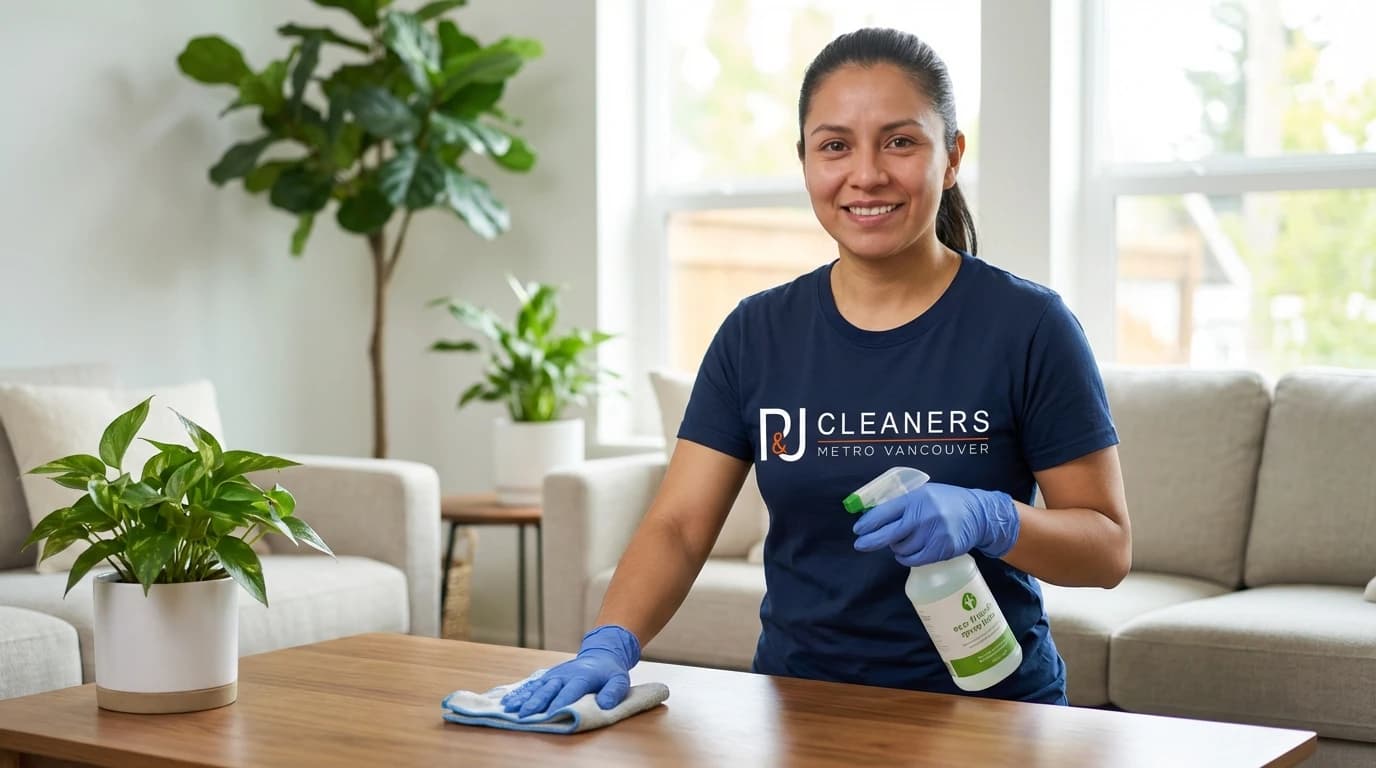
Your entryway experiences more foot traffic than any other area in your home, collecting dirt, moisture, pollen, and bacteria from outside. According to the Canadian Centre for Occupational Health and Safety, up to 85% of dirt in buildings enters through doorways on shoes and clothing. In Metro Vancouver, where annual precipitation exceeds 1,189 millimetres, wet conditions compound this problem by creating muddy residue that spreads throughout living spaces. A properly maintained entryway prevents these contaminants from reaching carpets, hardwood floors, and upholstery, reducing overall cleaning time by approximately 60 minutes per week.
Beyond cleanliness, entryways impact indoor air quality and family health. Research from the University of British Columbia shows that outdoor pollutants tracked indoors contribute to respiratory issues, particularly during Vancouver's wildfire season when particulate matter increases. Door handles and light switches in entryways harbour an average of 400 times more bacteria than toilet seats, according to studies by the National Sanitation Foundation. Regular disinfection of these high-touch surfaces reduces illness transmission by up to 50% in households with children or elderly residents. Establishing a consistent entryway cleaning routine protects your home's interior and your family's wellbeing.
Mudrooms and entryways also serve as organizational hubs for coats, shoes, bags, and outdoor gear. When neglected, these spaces become cluttered and dysfunctional, making it difficult to locate items and creating visual stress. Statistics Canada reports that Canadians spend an average of 2.5 hours weekly searching for misplaced household items, with entryways being a primary culprit. A well-organized, clean entryway improves daily efficiency and creates a welcoming first impression for guests. Professional cleaning services can establish systems that maintain both hygiene and order in these critical transition zones.
- Entryways collect 85% of household dirt through foot traffic and outdoor contact
- Vancouver's high rainfall increases mud and moisture tracking by 40% compared to drier climates
- Regular entryway maintenance reduces whole-home cleaning time by approximately one hour weekly
- Proper mat placement captures 80% of dirt before it enters living spaces
- Disinfecting high-touch surfaces twice weekly cuts illness transmission rates in half
Pro Tip
Place a boot tray with raised edges near your door during Vancouver's rainy season to contain water and prevent floor damage. Empty and clean the tray weekly to prevent mould growth.
Related resources
Essential Supplies for Effective Entryway Cleaning
Having the right tools and products makes entryway cleaning faster and more effective while protecting different surface materials.
Effective entryway cleaning requires specific tools designed for high-traffic areas and diverse surface types. Start with a commercial-grade doormat system: one outdoor scraper mat to remove heavy debris and one indoor absorbent mat to capture moisture and fine particles. The International Sanitation Supply Association recommends mats extending at least 1.2 metres into the entryway to maximize dirt capture. For hard floors, use a microfibre dust mop for daily maintenance and a string mop with a pH-neutral cleaner for weekly deep cleaning. Avoid acidic or alkaline cleaners on natural stone or hardwood, as they can damage protective sealants and cause discoloration over time.
Vacuum cleaners designed for entryways should have strong suction and attachments for corners, baseboards, and upholstery. A handheld vacuum or cordless stick model provides convenience for quick daily cleanups of shoe debris and tracked dirt. For homes with pets, choose vacuums with HEPA filters to capture dander and allergens that accumulate near doorways. Storage solutions like shoe racks, coat hooks, and basket systems keep items organized and off the floor, making cleaning easier and preventing clutter buildup. Select materials that withstand moisture, such as metal or treated wood, to prevent rust and rot in Vancouver's humid climate.
Cleaning products should be eco-friendly and safe for households with children and pets. P&J Cleaners uses plant-based, biodegradable solutions that effectively remove dirt and bacteria without harsh chemical residues. For disinfecting high-touch surfaces like door handles, light switches, and handrails, use EPA-registered disinfectants or a solution of 70% isopropyl alcohol. Keep a dedicated cleaning caddy in or near your entryway stocked with microfibre cloths, all-purpose cleaner, glass cleaner for sidelights and windows, and a small brush for grout lines and textured surfaces. This setup enables quick maintenance between deep cleaning sessions and prevents dirt from spreading to other rooms.
- Commercial-grade mats should extend 1.2 metres into entryways for optimal dirt capture
- Microfibre mops remove 99% of bacteria when used with proper cleaning solutions
- HEPA-filter vacuums capture particles as small as 0.3 microns, improving air quality
- pH-neutral cleaners protect hardwood and stone floors from chemical damage
- Eco-friendly products reduce chemical exposure by 90% compared to conventional cleaners
Pro Tip
Store a small handheld vacuum in your entryway closet for daily spot-cleaning of tracked dirt. This prevents debris from spreading and reduces the need for full vacuuming sessions.
Related resources
Daily Maintenance Routine for High-Traffic Entryways
A five-minute daily routine prevents dirt accumulation and keeps entryways functional and welcoming throughout the week.
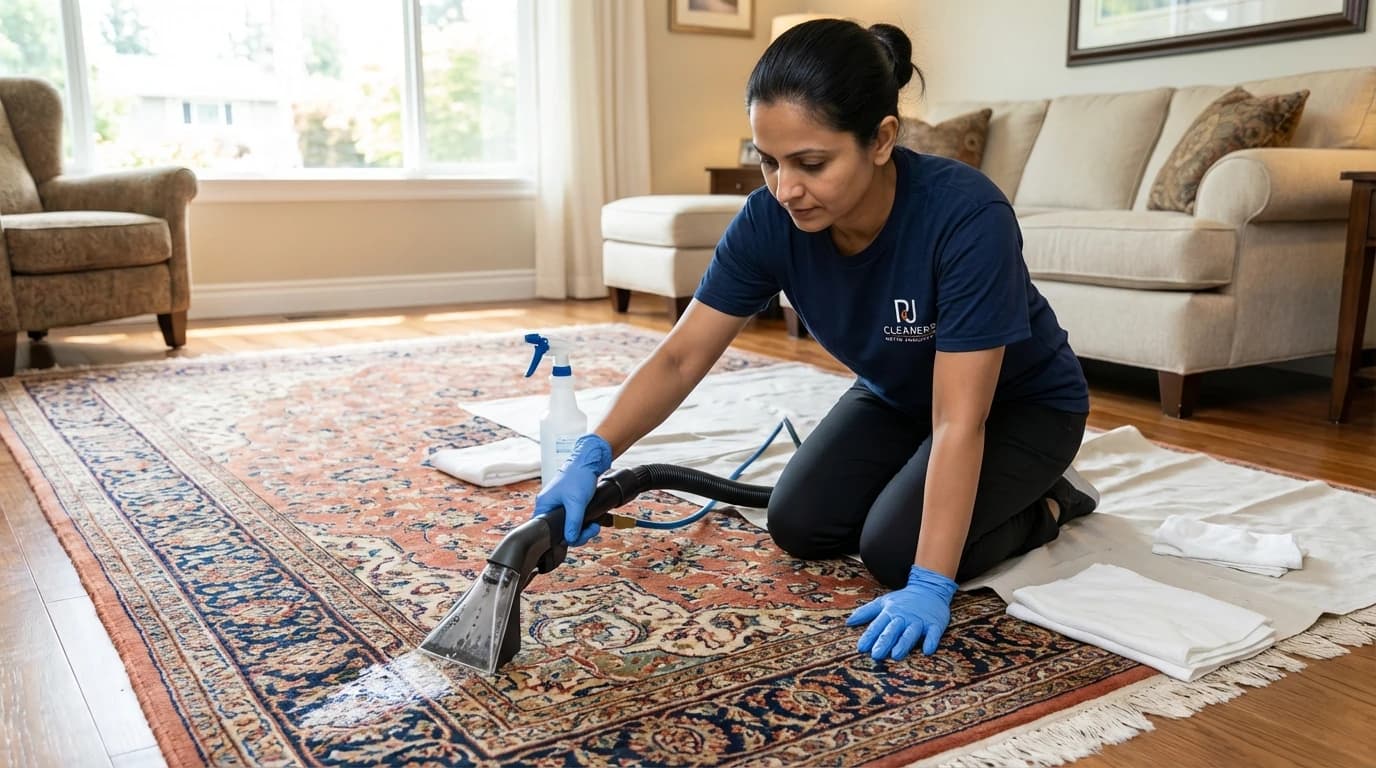
Daily entryway maintenance takes less than five minutes but dramatically reduces the need for intensive cleaning sessions. Begin by removing shoes, bags, and outerwear from the floor and returning them to designated storage areas. This simple step prevents clutter buildup and makes floor cleaning more efficient. Shake out or vacuum entry mats to remove surface debris before it gets ground into fibres. According to WorkSafeBC, regular mat maintenance extends their lifespan by up to three years and maintains their dirt-trapping effectiveness at peak levels. For homes with pets, wipe paws with a damp microfibre cloth before they enter to prevent muddy tracks on floors and carpets.
Sweep or vacuum hard floors daily to remove tracked dirt, sand, and small debris that can scratch protective finishes. Pay special attention to corners and edges where dust accumulates. For tile or vinyl floors, use a dry microfibre mop to capture fine particles without spreading them around. If you notice wet spots from rain or snow, wipe them immediately with an absorbent cloth to prevent water damage and slip hazards. Vancouver's rainy climate makes this step particularly important from October through April when precipitation is heaviest. Addressing moisture promptly also prevents mould growth, which can develop within 24 to 48 hours in damp conditions.
Finish your daily routine by wiping down high-touch surfaces with a disinfecting cloth or spray. Focus on door handles, light switches, coat hooks, and handrails, which accumulate bacteria and viruses from frequent contact. The BC Centre for Disease Control recommends disinfecting these surfaces at least once daily in households with multiple occupants or during cold and flu season. This practice takes less than two minutes but significantly reduces pathogen transmission. Keep a container of disinfecting wipes in your entryway for convenient daily use, ensuring they contain at least 70% alcohol or an EPA-registered disinfectant for maximum effectiveness against common household germs.
- Daily mat maintenance extends mat lifespan by three years and maintains 80% dirt-capture efficiency
- Wiping pet paws before entry reduces tracked dirt by 60% in homes with dogs
- Immediate moisture removal prevents mould growth, which begins within 24 to 48 hours
- Daily disinfection of high-touch surfaces reduces illness transmission by 50% during flu season
- Five-minute daily routines eliminate the need for hour-long weekly deep cleans
Pro Tip
Set a timer on your phone for 5:00 PM daily as a reminder to complete your entryway maintenance routine. Consistency prevents overwhelming buildup and keeps the space functional.
Weekly Deep Cleaning Protocol for Entryways and Mudrooms
Weekly deep cleaning addresses accumulated dirt, bacteria, and organizational issues that daily maintenance cannot fully resolve.
Weekly deep cleaning begins with a thorough vacuuming of all surfaces, including floors, mats, baseboards, and corners. Use vacuum attachments to reach crevices where dust and debris accumulate. For carpeted entryways, vacuum in multiple directions to lift embedded dirt from fibres. The Carpet and Rug Institute recommends vacuuming high-traffic areas twice weekly to prevent premature wear and maintain appearance. After vacuuming, remove entry mats and shake them vigorously outdoors or beat them against a hard surface to dislodge trapped particles. For rubber-backed mats, wash them with warm water and mild detergent, then hang to dry completely before replacing them to prevent mildew growth.
Mop hard floors with a pH-neutral cleaning solution appropriate for your flooring material. For tile, use a solution of warm water and all-purpose cleaner, paying attention to grout lines where dirt accumulates. Natural stone floors require specialized stone cleaners to avoid etching and discoloration. Hardwood floors should be damp-mopped rather than soaked, using a well-wrung mop to prevent water damage. Change your mop water frequently to avoid spreading dirty water across clean areas. For stubborn stains or scuff marks, use a melamine foam eraser or a paste of baking soda and water applied with a soft cloth. Allow floors to dry completely before replacing mats and allowing foot traffic.
Complete your weekly cleaning by organizing storage areas and wiping down all surfaces. Remove items from shoe racks, coat hooks, and shelves, then vacuum or wipe these surfaces to remove dust and debris. Inspect shoes for mud or damage and clean or discard as needed. Wipe down walls, door frames, and baseboards with a damp microfibre cloth to remove fingerprints, scuffs, and dust. Clean glass surfaces like sidelights and windows with a streak-free glass cleaner. Finally, disinfect all high-touch surfaces including door handles, light switches, handrails, and thermostats using an appropriate disinfectant. This comprehensive approach maintains hygiene, organization, and visual appeal in your entryway throughout the year.
- Vacuuming high-traffic areas twice weekly prevents premature carpet wear and extends lifespan by five years
- Washing entry mats monthly removes 95% of accumulated bacteria and allergens
- Changing mop water every 100 square feet prevents cross-contamination and improves cleaning effectiveness
- Weekly organization reduces time spent searching for items by 30 minutes per week
- Comprehensive weekly cleaning maintains entryway hygiene at 90% effectiveness between professional services
Pro Tip
Schedule weekly deep cleaning for Sunday evenings to start each week with a fresh, organized entryway. This timing also allows floors to dry overnight before Monday morning traffic.
Addressing Seasonal Entryway Challenges in Vancouver
Vancouver's distinct seasons create unique entryway cleaning challenges that require adapted strategies and preventive measures.

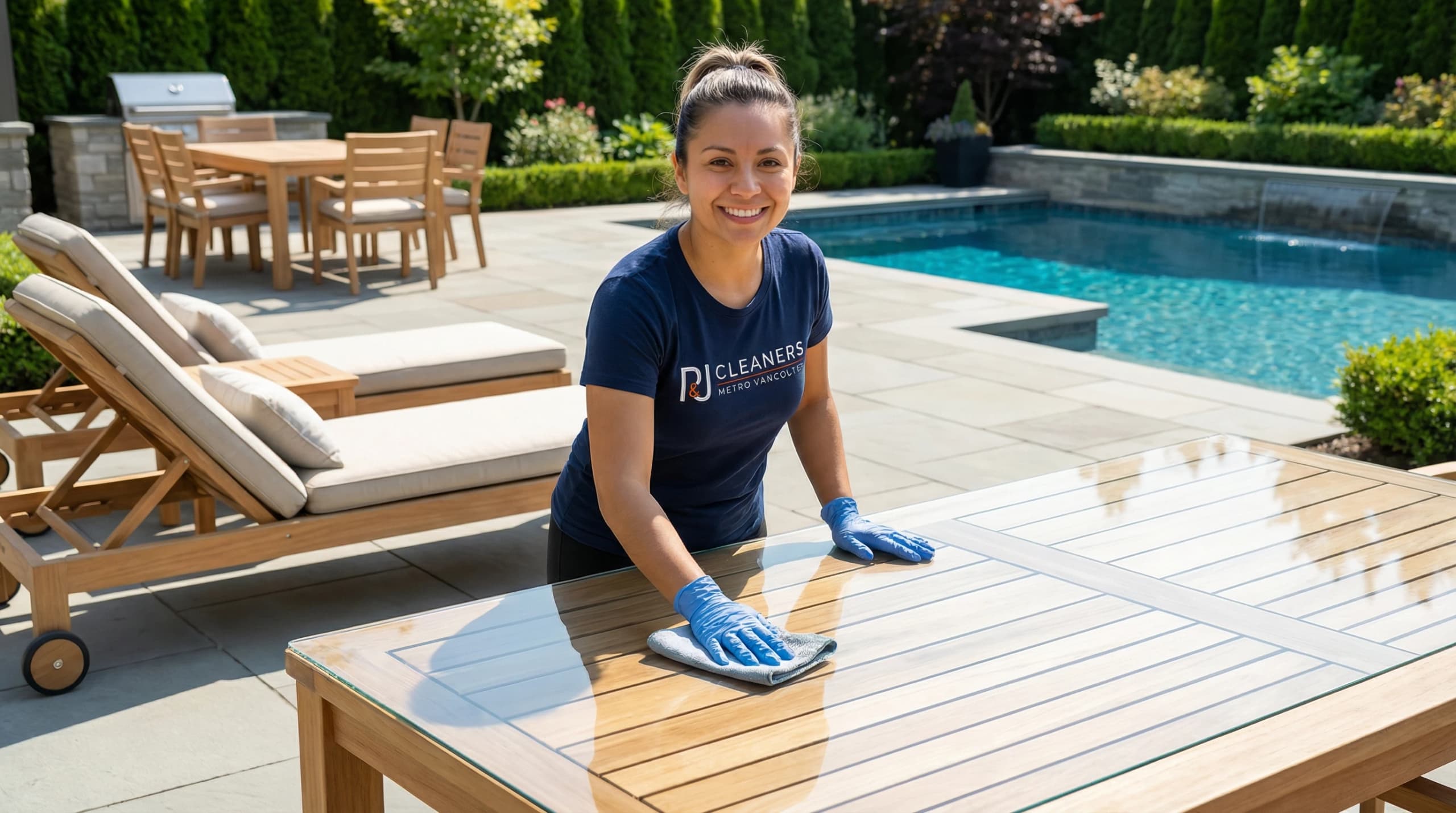
Fall and winter bring Vancouver's heaviest rainfall, with October through March accounting for 75% of annual precipitation according to Environment Canada. This moisture creates muddy conditions that track into entryways, requiring more frequent floor cleaning and mat maintenance. Place absorbent mats both inside and outside your door, and consider adding a boot tray with raised edges to contain water and mud. Increase mopping frequency to three times weekly during peak rainy months to prevent dirt buildup and water staining. For homes with tile or stone floors, apply a penetrating sealer before the rainy season to protect against moisture damage and staining from salt and de-icing chemicals used on sidewalks.
Spring introduces pollen, which accumulates on shoes and clothing and triggers allergies in approximately 25% of Canadians according to Health Canada. Vacuum entryways daily during peak pollen season from April through June to remove these allergens before they spread throughout your home. Wash entry mats weekly rather than monthly to eliminate pollen buildup. Consider installing an air purifier near your entryway to capture airborne particles. Encourage family members to remove outerwear in the entryway and store it in closed closets to prevent pollen transfer to living areas. Wipe down door frames and walls weekly, as pollen adheres to vertical surfaces and becomes airborne when disturbed.
Summer brings less precipitation but increased foot traffic from outdoor activities, beach visits, and gardening. Sand, grass clippings, and soil track into entryways more frequently during this season. Keep a stiff-bristled brush near your door for removing debris from shoe treads before entering. Vacuum daily to prevent sand from scratching hardwood and tile floors. For homes near beaches or parks, consider designating a separate entrance for post-activity entry and keep cleaning supplies readily available. Summer is also ideal for deep-cleaning projects like washing walls, refinishing floors, and organizing storage areas while weather permits open windows for ventilation and faster drying times.
- Vancouver receives 75% of annual rainfall between October and March, requiring tripled mopping frequency
- Pollen season affects 25% of Canadians and requires daily vacuuming from April through June
- Salt and de-icing chemicals can damage unsealed floors, requiring protective sealers before winter
- Summer foot traffic increases by 40% in active households, necessitating daily vacuuming
- Seasonal deep cleaning during dry months prevents moisture-related issues during rainy periods
Pro Tip
Rotate two sets of entry mats seasonally. Use heavy-duty rubber-backed mats during rainy months for maximum moisture absorption, and switch to lighter, easier-to-clean mats during summer.
Organizing Mudroom Storage for Maximum Efficiency
Strategic organization systems transform cluttered entryways into functional spaces that support cleaning routines and daily efficiency.
Effective mudroom organization begins with designated zones for different item categories. Create separate areas for shoes, outerwear, bags, and seasonal items using shelving, hooks, and cubbies. According to organizational experts, assigning specific storage locations reduces time spent searching for items by 70% and prevents clutter accumulation. Install shoe racks with slatted shelves that allow air circulation and prevent moisture buildup, which can cause odours and mould growth. For families, assign each member a dedicated cubby or section with their name or colour-coding to maintain accountability and organization. This system works particularly well for households with children, teaching responsibility while keeping the space tidy.
Vertical storage maximizes space in small entryways and keeps floors clear for easy cleaning. Install wall-mounted hooks at varying heights to accommodate adults and children, ensuring everyone can reach their designated spots. Use the back of the door for additional hanging space with over-the-door organizers for accessories like scarves, hats, and umbrellas. Floating shelves above coat hooks provide storage for baskets containing gloves, keys, and mail. The National Association of Professional Organizers recommends keeping only current-season items in active entryway storage, rotating seasonal items to basement or closet storage to prevent overcrowding. This practice maintains functionality and reduces visual clutter by approximately 60%.
Maintenance of organizational systems requires quarterly reviews to remove unused items and refresh storage solutions. Donate or discard shoes and outerwear that no longer fit or are worn beyond repair. Clean storage furniture and hardware, checking for rust, loose screws, or damage that could compromise functionality. Reorganize items based on current usage patterns, moving frequently used items to the most accessible locations. Label storage containers and shelves to maintain organization between reviews. For homes with changing needs, such as growing children or new hobbies, adjust storage configurations accordingly. Professional organizers can assess your space and create custom solutions that accommodate your household's specific requirements and traffic patterns.
- Designated storage zones reduce item search time by 70% and prevent daily clutter accumulation
- Slatted shoe racks with air circulation prevent mould growth and odours in damp climates
- Vertical storage solutions increase usable space by 50% in small entryways
- Seasonal rotation of stored items reduces visual clutter by 60% and improves functionality
- Quarterly organization reviews maintain system effectiveness and adapt to changing household needs
Pro Tip
Install a small bench with hidden storage in your entryway. This provides seating for putting on shoes while offering concealed space for items like shoe care supplies and reusable shopping bags.
Related resources
When to Consider Professional Entryway Cleaning Services
Professional cleaning services provide deep sanitation, time savings, and expertise that complement regular home maintenance routines.
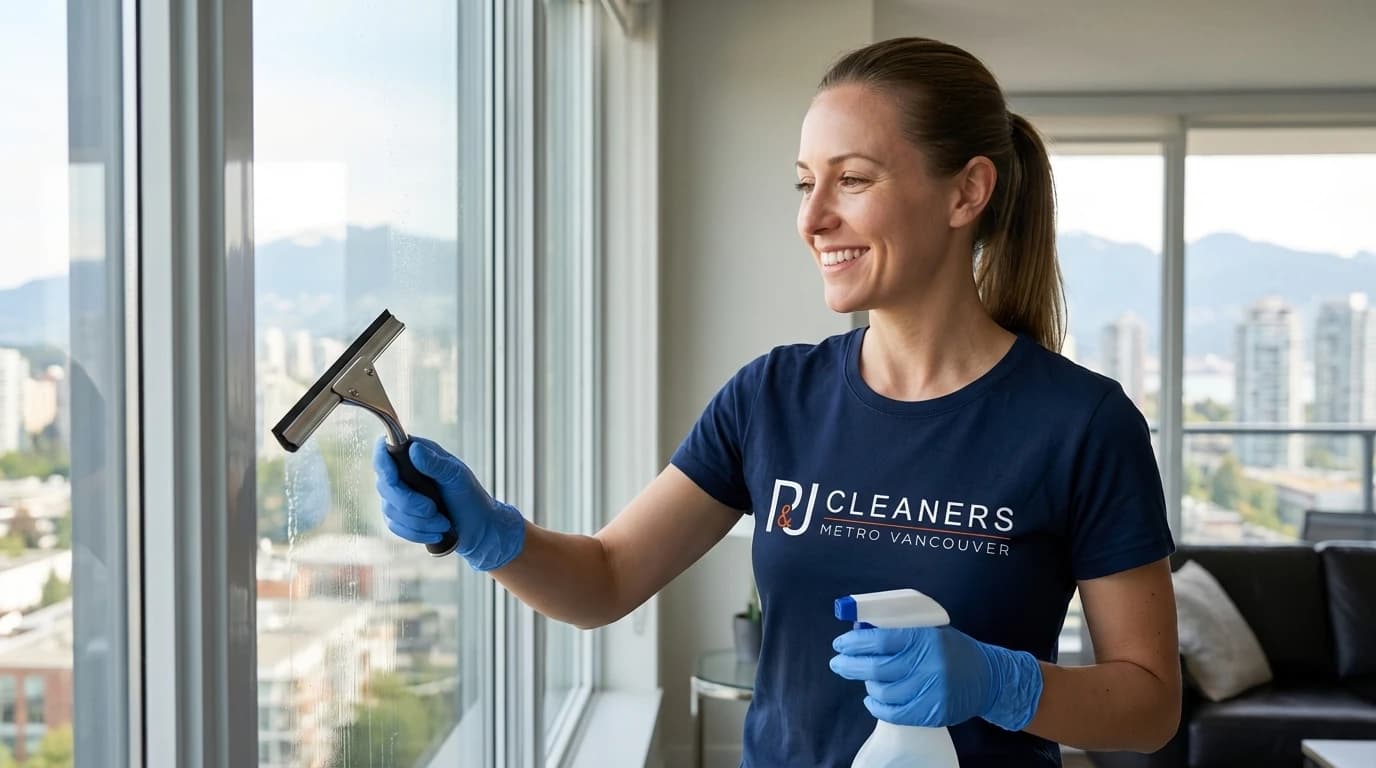
Professional entryway cleaning services offer specialized equipment and expertise that achieve results beyond typical home maintenance. Commercial-grade extractors remove embedded dirt from carpets and mats that household vacuums cannot reach, extending material lifespan by up to five years according to the Institute of Inspection, Cleaning and Restoration Certification. Professional-grade disinfectants eliminate 99.9% of bacteria and viruses on high-touch surfaces, providing superior protection during cold and flu season. Technicians trained in proper cleaning techniques prevent damage to delicate surfaces like natural stone, hardwood, and specialty finishes. For busy households, professional services save an average of two hours weekly that would otherwise be spent on deep cleaning tasks.
Scheduling professional entryway cleaning quarterly or seasonally maintains optimal hygiene and appearance between routine home maintenance. Spring cleaning services prepare entryways for increased pollen and outdoor activity, while fall services address accumulated summer wear and prepare for rainy season challenges. Professional cleaners can also tackle specialized tasks like grout cleaning, floor refinishing, and wall washing that require specific tools and expertise. P&J Cleaners offers flexible scheduling with same-day availability for urgent needs, such as pre-event cleaning or post-renovation cleanup. Our satisfaction guarantee means if you are not completely satisfied, tell us within 7 days of your clean and we make it right with a re-clean of the areas concerned or a partial refund, depending on the job. Re-cleans are usually done within 1 to 2 business days.
Professional services are particularly valuable for rental properties, vacation homes, and high-traffic commercial entryways that require consistent presentation and hygiene standards. Property managers report that professional entryway cleaning reduces tenant complaints by 40% and improves property appeal during showings. For homeowners preparing to sell, professional cleaning creates positive first impressions that can influence buyer decisions and potentially increase sale prices. Commercial properties benefit from professional services that maintain brand image and comply with health and safety regulations. P&J Cleaners serves 39 locations across Metro Vancouver with fully bonded and insured technicians who offer eco-friendly products upon request — safe for all occupants and pets.
- Commercial extractors remove 95% of embedded dirt that household vacuums miss
- Professional disinfectants eliminate 99.9% of bacteria and viruses on high-touch surfaces
- Quarterly professional cleaning extends flooring and mat lifespan by five years
- Professional services save busy households two hours weekly in deep cleaning time
- Property managers report 40% fewer tenant complaints with regular professional entryway cleaning
Pro Tip
Schedule professional entryway cleaning before major holidays when you expect guests. This ensures your home makes the best first impression while freeing your time for other preparations.
Related resources
Step-by-Step
7-Step Entryway Deep Cleaning Method
Follow this systematic approach for thorough entryway cleaning that addresses all surfaces, high-touch areas, and organizational needs. This method takes 45 to 60 minutes for an average-sized entryway and should be completed weekly or every 2, 3 or 4 weeks depending on household traffic and seasonal conditions.
Remove All Items and Debris
Begin by clearing your entryway completely. Remove shoes, coats, bags, and any items stored on floors, shelves, or hooks. This provides clear access to all surfaces and prevents items from getting wet or dirty during cleaning. Shake out or vacuum entry mats outdoors to remove loose debris. For homes with pets, remove pet beds, toys, and food bowls. Place all items in a temporary location where they will not interfere with cleaning. This step typically takes five to ten minutes but dramatically improves cleaning efficiency and ensures no areas are missed during the process.
- Remove all shoes, coats, bags, and accessories from floors and storage areas
- Take entry mats outside and shake or beat them to remove loose dirt and debris
- Clear shelves, hooks, and cubbies of all items for thorough surface cleaning
- Remove pet items including beds, bowls, and toys to prevent contamination
- Place removed items in a clean, dry area away from the cleaning zone
Dust and Vacuum All Surfaces
Start at the highest points and work downward to prevent redistributing dust onto cleaned areas. Use a microfibre duster or vacuum attachment to clean light fixtures, ceiling corners, and wall-mounted shelves. Wipe down walls, door frames, and baseboards with a dry microfibre cloth to remove dust and cobwebs. Vacuum floors thoroughly, including corners, edges, and under furniture. Use crevice tools to reach tight spaces between baseboards and floors. For carpeted entryways, vacuum in multiple directions to lift embedded dirt. This systematic approach ensures comprehensive dust removal and prepares surfaces for wet cleaning in subsequent steps.
- Dust light fixtures, ceiling corners, and high shelves using microfibre tools
- Wipe walls, door frames, and baseboards with dry microfibre cloths
- Vacuum floors thoroughly, including corners, edges, and under furniture
- Use crevice attachments to clean tight spaces and baseboard gaps
- Vacuum carpeted areas in multiple directions to lift embedded dirt and debris
Clean and Disinfect High-Touch Surfaces
High-touch surfaces harbour the most bacteria and require thorough disinfection. Spray door handles, light switches, handrails, and coat hooks with an EPA-registered disinfectant or 70% isopropyl alcohol solution. Allow the disinfectant to sit for the manufacturer's recommended contact time, typically three to five minutes, to ensure effective pathogen elimination. Wipe surfaces with a clean microfibre cloth, using separate cloths for different areas to prevent cross-contamination. Pay attention to textured surfaces and crevices where bacteria accumulate. For metal hardware, avoid abrasive cleaners that can damage finishes. This step is particularly important during cold and flu season when illness transmission rates increase.
- Spray all door handles, knobs, and hardware with EPA-registered disinfectant
- Disinfect light switches, thermostats, and other frequently touched controls
- Clean handrails and coat hooks with appropriate disinfecting solution
- Allow disinfectant to remain on surfaces for recommended contact time
- Wipe surfaces with clean microfibre cloths, using separate cloths for each area
Wash Entry Mats and Rugs
Entry mats require regular washing to maintain their dirt-trapping effectiveness and prevent odour buildup. For machine-washable mats, use warm water and mild detergent on a gentle cycle. Avoid fabric softener, which can reduce absorbency. For rubber-backed mats, hand-wash with warm water and all-purpose cleaner, scrubbing with a stiff brush to remove embedded dirt. Rinse thoroughly and hang to dry completely before returning them to the entryway. Mats should be completely dry to prevent mould and mildew growth, which can develop within 24 hours in damp conditions. For large or heavy mats that cannot be washed at home, consider professional cleaning services quarterly.
- Check mat care labels for washing instructions and temperature recommendations
- Machine-wash appropriate mats with mild detergent on gentle cycle
- Hand-wash rubber-backed mats with warm water and all-purpose cleaner
- Scrub mats with stiff brush to remove embedded dirt and stains
- Hang mats to dry completely in well-ventilated area before replacing
Mop and Sanitize Hard Floors
Select a cleaning solution appropriate for your flooring material. For tile and vinyl, use an all-purpose cleaner diluted according to package directions. Natural stone requires pH-neutral stone cleaner to prevent etching. Hardwood floors should be cleaned with specialized wood floor cleaner and minimal water. Fill a bucket with cleaning solution and use a clean mop, wringing it well to avoid excess water. Mop in sections, starting from the farthest corner and working toward the exit. Change water when it becomes visibly dirty, typically every 100 square feet. For stubborn stains, apply cleaner directly and scrub with a soft brush. Allow floors to dry completely before replacing mats and allowing foot traffic.
- Select appropriate cleaning solution for your specific flooring material
- Fill bucket with properly diluted cleaning solution at recommended temperature
- Mop floors in sections, starting from farthest corner and working toward exit
- Change mop water every 100 square feet or when visibly dirty
- Allow floors to dry completely before replacing mats and resuming traffic
Clean Storage Furniture and Organization Systems
Remove all items from shoe racks, shelves, and cubbies. Vacuum or wipe these surfaces to remove accumulated dust, dirt, and debris. For wooden furniture, use wood cleaner and polish to maintain finish and prevent drying. Metal racks should be wiped with all-purpose cleaner and dried thoroughly to prevent rust. Check for damage like loose screws, broken slats, or rust spots, and make repairs as needed. Clean the interior of closed storage like benches and cabinets, removing any forgotten items or debris. This maintenance extends furniture lifespan and ensures organizational systems remain functional. Inspect shoes and outerwear as you return them, discarding or cleaning items as needed.
- Remove all items from shoe racks, shelves, cubbies, and storage furniture
- Vacuum or wipe all storage surfaces to remove dust and accumulated debris
- Clean wooden furniture with appropriate wood cleaner and polish
- Wipe metal racks with all-purpose cleaner and dry thoroughly to prevent rust
- Inspect and repair any damage like loose screws or broken components
Reorganize and Replace Items Systematically
Return items to their designated storage locations in an organized manner. Place frequently used items in the most accessible spots and seasonal items in less prominent areas. Ensure shoes are clean and dry before returning them to racks. Hang coats and bags on hooks, distributing weight evenly to prevent hardware damage. Replace entry mats once they are completely dry, positioning them to maximize dirt capture. Place a boot tray near the door if needed for wet weather. Add any organizational tools like baskets or labels that improve functionality. Step back and assess the space for visual appeal and accessibility. This final step ensures your entryway remains organized and functional until the next cleaning session.
- Return frequently used items to most accessible storage locations
- Ensure all shoes are clean and dry before placing on racks
- Hang coats and bags evenly on hooks to prevent hardware damage
- Replace completely dry entry mats in optimal positions for dirt capture
- Add organizational tools like baskets or labels to improve functionality
Services mentioned in this article
Ready for help?
4.9 · 850+ Google reviewsProfessional Entryway Cleaning in Vancouver
Our team tackles mudroom grime, floor scuffs, and seasonal dirt buildup with eco-friendly products and proven techniques. Same-day booking available across Metro Vancouver.
778-720-2224Entryway Cleaning Questions
How to keep an entryway clean?
Place a coarse-bristle mat outside and an absorbent mat inside your door to capture 80% of tracked dirt. Vacuum mats twice weekly and sweep the entryway floor daily during wet months. Install a shoe rack or tray to contain outdoor footwear, and wipe down door handles and light switches weekly with disinfectant. According to the ISSA, homes with proper mat systems reduce interior floor cleaning time by 60%.
How to clean shoe racks?
Remove all shoes and vacuum loose dirt from the rack. Mix warm water with dish soap and scrub metal or plastic racks with a stiff brush, paying attention to corners where mud accumulates. For wooden racks, use a damp cloth with wood-safe cleaner to avoid warping. Rinse thoroughly and air-dry completely before replacing shoes. Clean shoe racks monthly during rainy seasons and quarterly in dry months to prevent odour buildup and mould growth.
How to clean door mats?
Shake outdoor mats vigorously to remove loose debris, then vacuum both sides using a brush attachment. For rubber-backed mats, scrub with a deck brush and soapy water, rinse with a hose, and hang to dry. Machine-washable mats should be laundered monthly in cold water without fabric softener. Replace mats when bristles flatten or backing cracks, typically every 12-18 months for high-traffic entries. The CDC notes that clean mats reduce pathogen transfer by 70%.
How to prevent tracking dirt inside?
Install a two-mat system with a scraper mat outside and an absorbent mat inside, each at least 90 cm long to allow multiple steps. Enforce a no-shoes policy and provide a dedicated shoe storage area near the entrance. Place a boot tray during wet weather and keep a small brush or cloth near the door for quick wipe-downs. Vacuum the entryway daily and mop weekly with a pH-neutral cleaner to maintain a dirt barrier.
Meet the Author
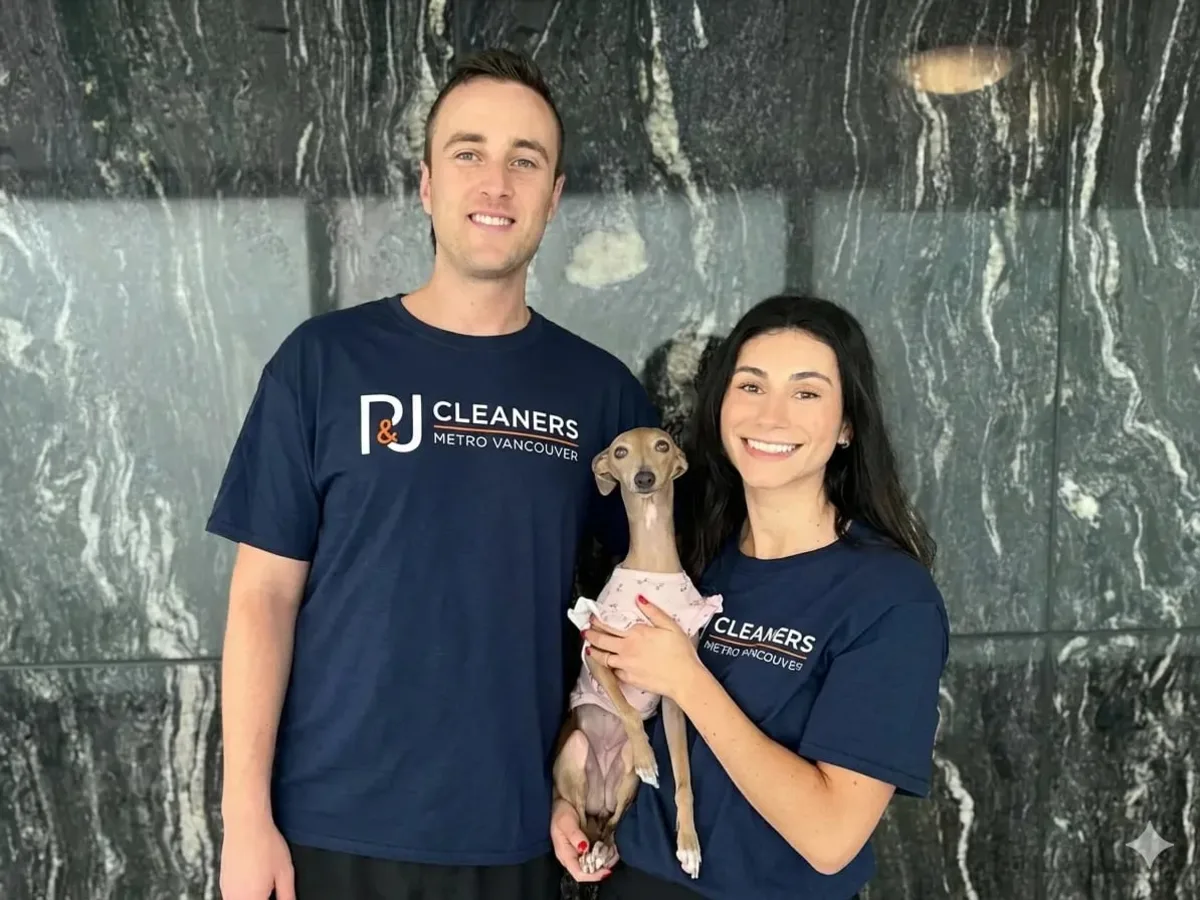
Pamela
Co-Founder
Pamela leads residential quality standards at P&J Cleaners, refining safe, detail-driven cleaning systems for Vancouver homes, condos, and move-out projects.
Keep Exploring