

Neighborhood Context
Why Metro Vancouver cleaning routines need a different approach
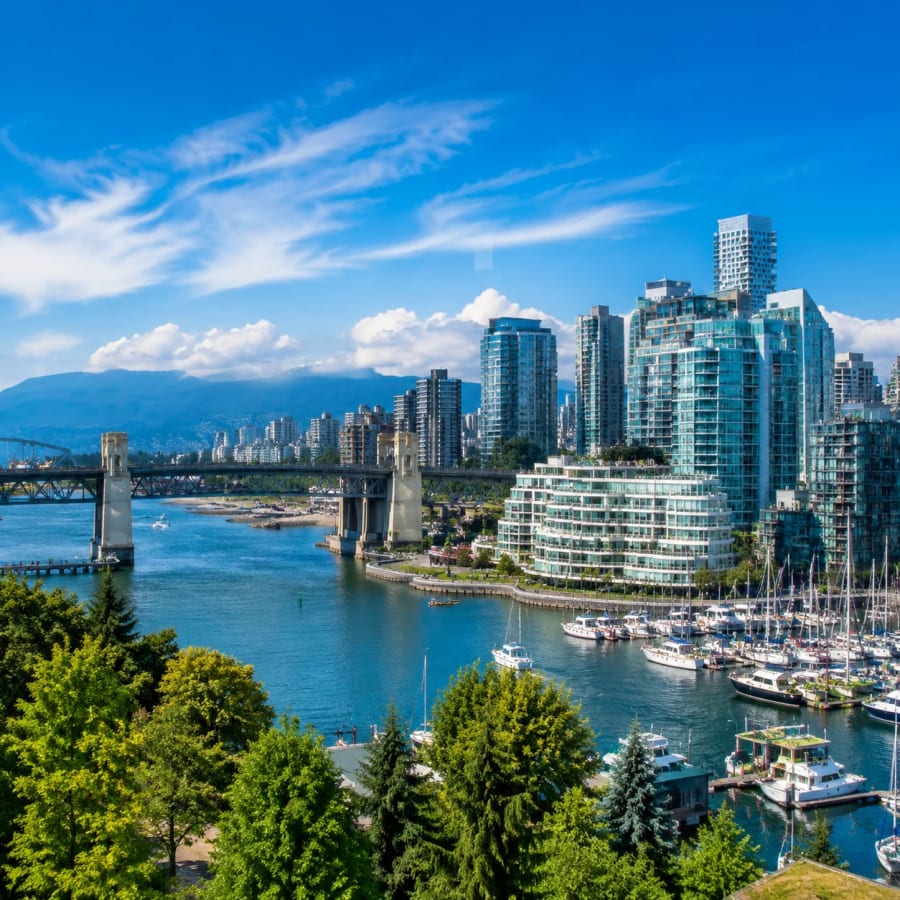
Metro Vancouver encompasses 21 municipalities across 2,882 square kilometres, housing 2.7 million residents in diverse neighbourhoods from waterfront condos to heritage homes. The region's coastal climate creates unique cleaning challenges with year-round humidity averaging 76%, promoting mould growth and requiring specialized eco-friendly solutions that address moisture without toxic chemicals. Vancouver leads Canadian cities in environmental initiatives, with 93% of residents supporting green cleaning practices according to 2025 City of Vancouver surveys.
The region's building stock includes 487,000 residential units built before 1990, many containing materials sensitive to harsh chemicals. Older homes in neighbourhoods like Kitsilano, Mount Pleasant, and Commercial Drive require gentle, plant-based products that preserve original woodwork and vintage fixtures. Metro Vancouver's strict waste management bylaws prohibit disposal of chemical cleaners in municipal drains, making eco-friendly alternatives not just preferred but practically necessary for regulatory compliance.
Vancouver's commitment to becoming the greenest city by 2030 has accelerated adoption of sustainable cleaning practices across residential and commercial sectors. The region processes 65% of waste through recycling and composting programs, the highest rate in Canada. Local regulations require cleaning companies to use products meeting EcoLogo or Green Seal certifications, ensuring all professional services align with provincial environmental protection standards established by BC's Ministry of Environment and Climate Change Strategy.
2.7 million
Metro Vancouver Population
Source: Statistics Canada 2025
76%
Average Humidity Level
Source: Environment Canada
487,000
Pre-1990 Housing Units
Source: BC Housing Data
65%
Waste Diversion Rate
Source: Metro Vancouver 2025
93%
Residents Supporting Green Practices
Source: City of Vancouver Survey
Vancouver-Specific Eco-Cleaning Strategies
Metro Vancouver's unique coastal environment, diverse housing stock, and progressive environmental regulations require tailored eco-friendly cleaning approaches that address local challenges while meeting municipal standards.
Managing Coastal Humidity with Green Products
Vancouver's persistent moisture creates mould and mildew challenges that demand eco-friendly solutions balancing effectiveness with environmental safety in BC's sensitive marine ecosystem.
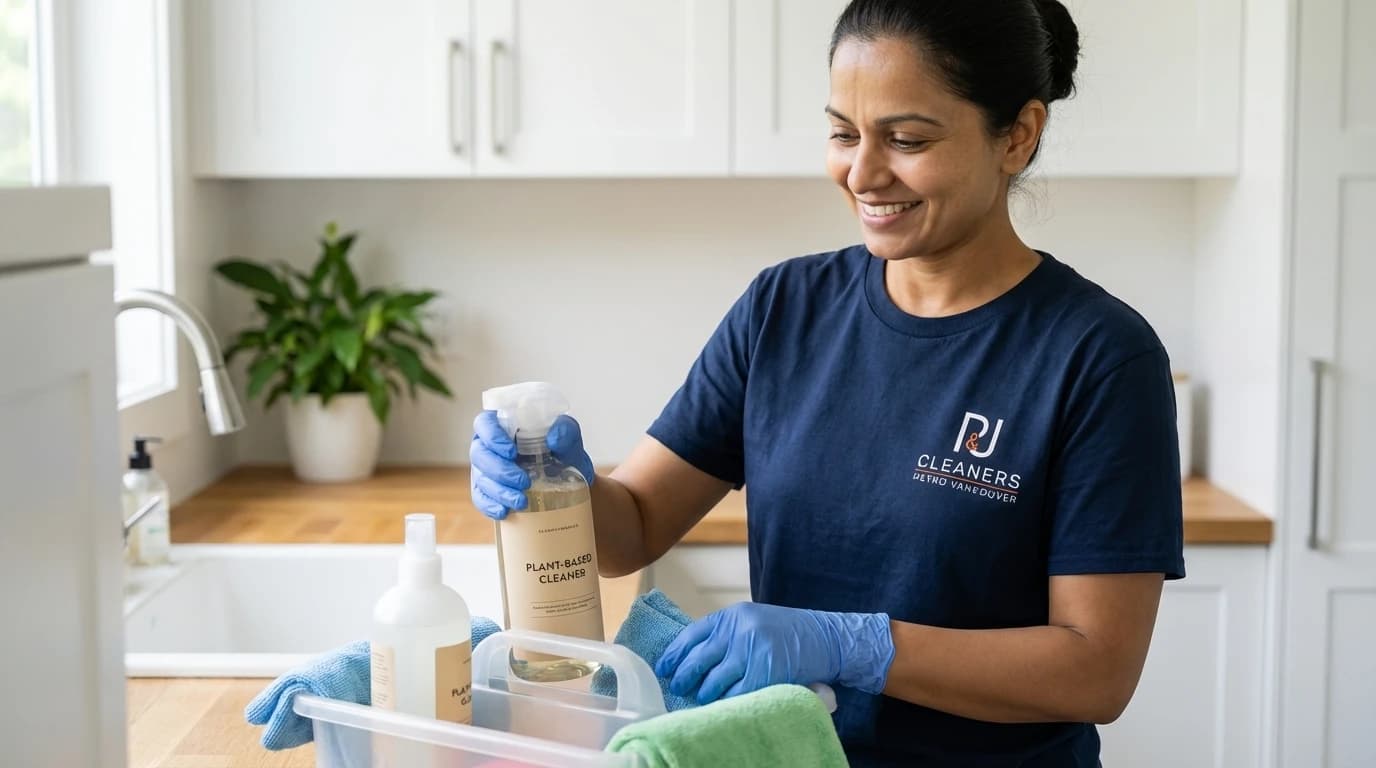
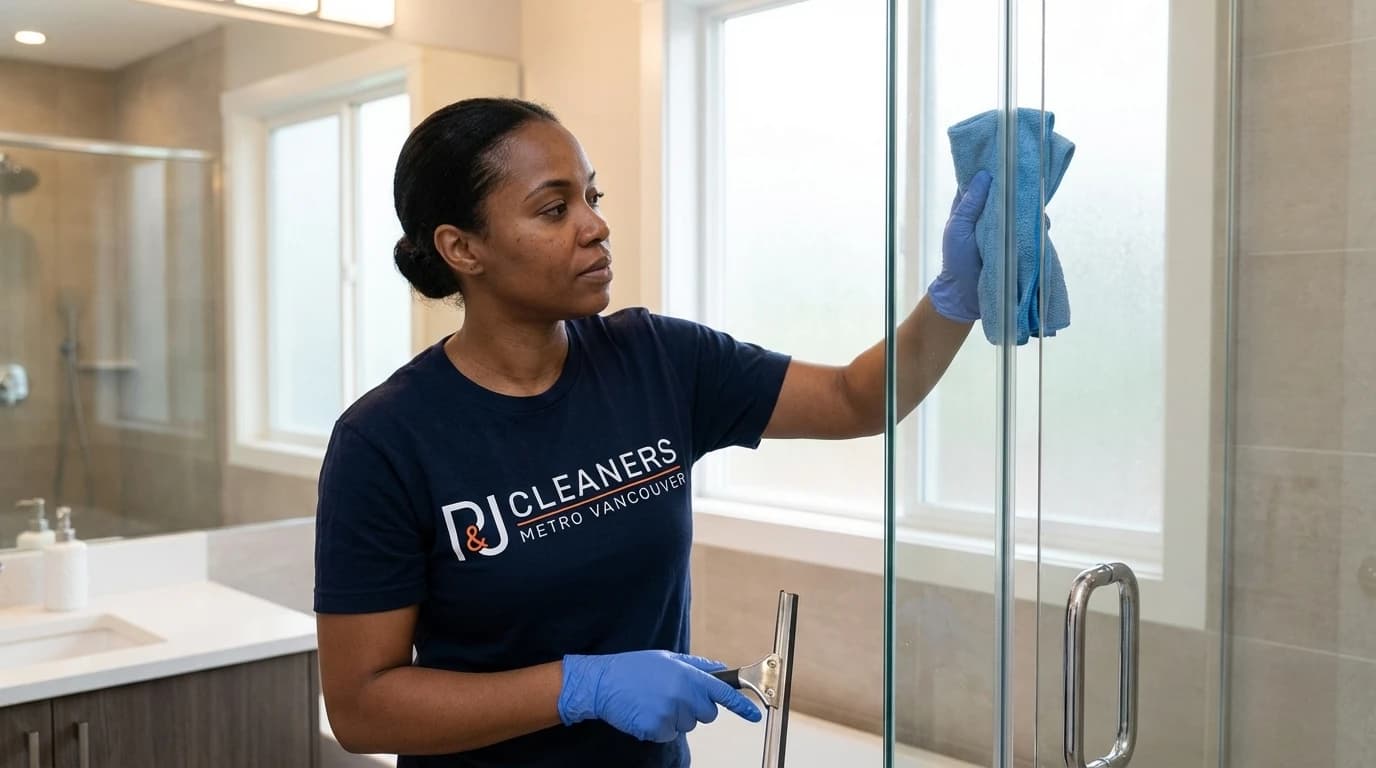
Coastal humidity averaging 76% year-round makes Vancouver homes particularly susceptible to mould growth, especially in bathrooms, basements, and north-facing rooms with limited sunlight. Traditional bleach-based cleaners release volatile organic compounds that contribute to indoor air pollution and harm marine life when entering storm drains. Plant-based alternatives using thymol and citric acid eliminate 99.9% of mould spores while biodegrading completely within 28 days, protecting False Creek and Burrard Inlet ecosystems from chemical contamination.
Professional eco-cleaning services in Vancouver use dehumidification techniques alongside green products to address root moisture causes rather than just surface symptoms. HEPA filtration systems capture airborne mould spores during cleaning, preventing redistribution throughout homes. Enzyme-based cleaners break down organic matter feeding mould growth, providing longer-lasting protection than conventional products. These methods align with Vancouver Coastal Health guidelines for maintaining healthy indoor environments in high-humidity climates.
Preventive maintenance using eco-friendly products reduces long-term mould remediation costs by 60% compared to reactive chemical treatments. Regular application of plant-based antimicrobial solutions creates protective barriers on bathroom tiles, shower curtains, and window frames without releasing toxic fumes. Vancouver homeowners report 85% fewer recurring mould issues when switching to professional eco-cleaning services that address humidity-related challenges with sustainable methods approved by Health Canada's Pest Management Regulatory Agency.
- Apply tea tree oil-based cleaners to bathroom grout monthly to prevent mould in Vancouver's humid climate without harsh chemical fumes.
- Use vinegar solutions on window condensation immediately to stop mildew before it establishes in coastal moisture conditions.
- Install bathroom exhaust fans rated for BC's humidity levels and clean them quarterly with plant-based degreasers for optimal moisture control.
- Schedule professional eco-cleaning every 3-4 months for basement spaces prone to dampness in Vancouver's rainy season from October through March.
- Choose hydrogen peroxide-based products over bleach for mould removal to protect local waterways while achieving equivalent antimicrobial effectiveness.
Protecting Vancouver's Heritage Architecture
Older homes in neighbourhoods like Kitsilano, Strathcona, and Shaughnessy require gentle eco-friendly products upon request that preserve original materials while meeting modern cleanliness standards.
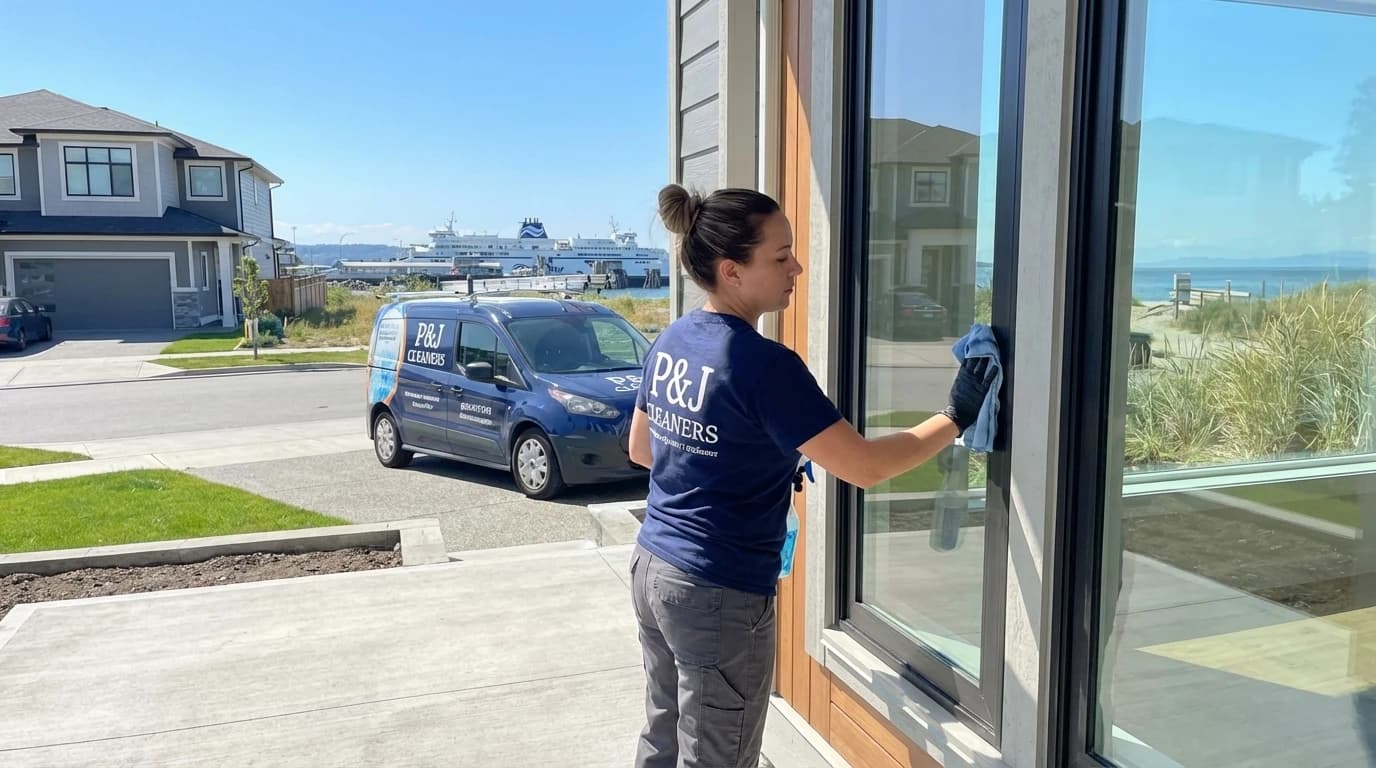
Vancouver's 127,000 heritage and character homes built before 1940 feature delicate materials including original hardwood floors, leaded glass windows, and hand-painted tiles that deteriorate rapidly under harsh chemical cleaners. Ammonia-based products strip protective finishes from Douglas fir flooring common in Craftsman-style homes throughout Mount Pleasant and Grandview-Woodland. Plant-based cleaners using coconut-derived surfactants clean effectively without damaging century-old surfaces, preserving property values that average $2.1 million for heritage homes in desirable Vancouver neighbourhoods.
Professional eco-cleaning services specializing in heritage properties use pH-neutral formulas that protect original plaster walls, vintage fixtures, and antique hardware from corrosion and discolouration. These gentle products remove decades of accumulated grime from intricate woodwork and decorative mouldings without stripping patina that contributes to historical character. Vancouver Heritage Foundation recommends plant-based cleaners for maintaining designated heritage properties, ensuring compliance with conservation standards while achieving thorough sanitation.
Eco-friendly maintenance extends the lifespan of heritage home features by 40% compared to conventional cleaning methods that accelerate material degradation. Specialized techniques using soft microfiber cloths and plant-based solutions preserve original window glass, preventing etching and cloudiness that reduces natural light. Heritage homeowners in Vancouver's oldest neighbourhoods report 70% lower restoration costs when implementing regular eco-cleaning protocols that protect irreplaceable architectural elements from chemical damage.
- Use castile soap diluted 1:10 with water for cleaning original hardwood floors in pre-war Vancouver homes without damaging finish.
- Apply beeswax-based polishes to heritage woodwork quarterly to protect against moisture while maintaining authentic appearance and historical integrity.
- Clean leaded glass windows with vinegar solution and soft cloths to prevent lead oxidation common in homes built before 1950.
- Schedule professional eco-cleaning for heritage properties every 6 months to maintain conservation standards required by Vancouver Heritage Register.
- Avoid steam cleaning on original plaster walls in character homes, using plant-based spray cleaners instead to prevent moisture damage.
Eco-Cleaning for Vancouver's Vertical Living
Metro Vancouver's 243,000 condo units in high-rise buildings present unique ventilation and waste disposal challenges requiring specialized green cleaning protocols.
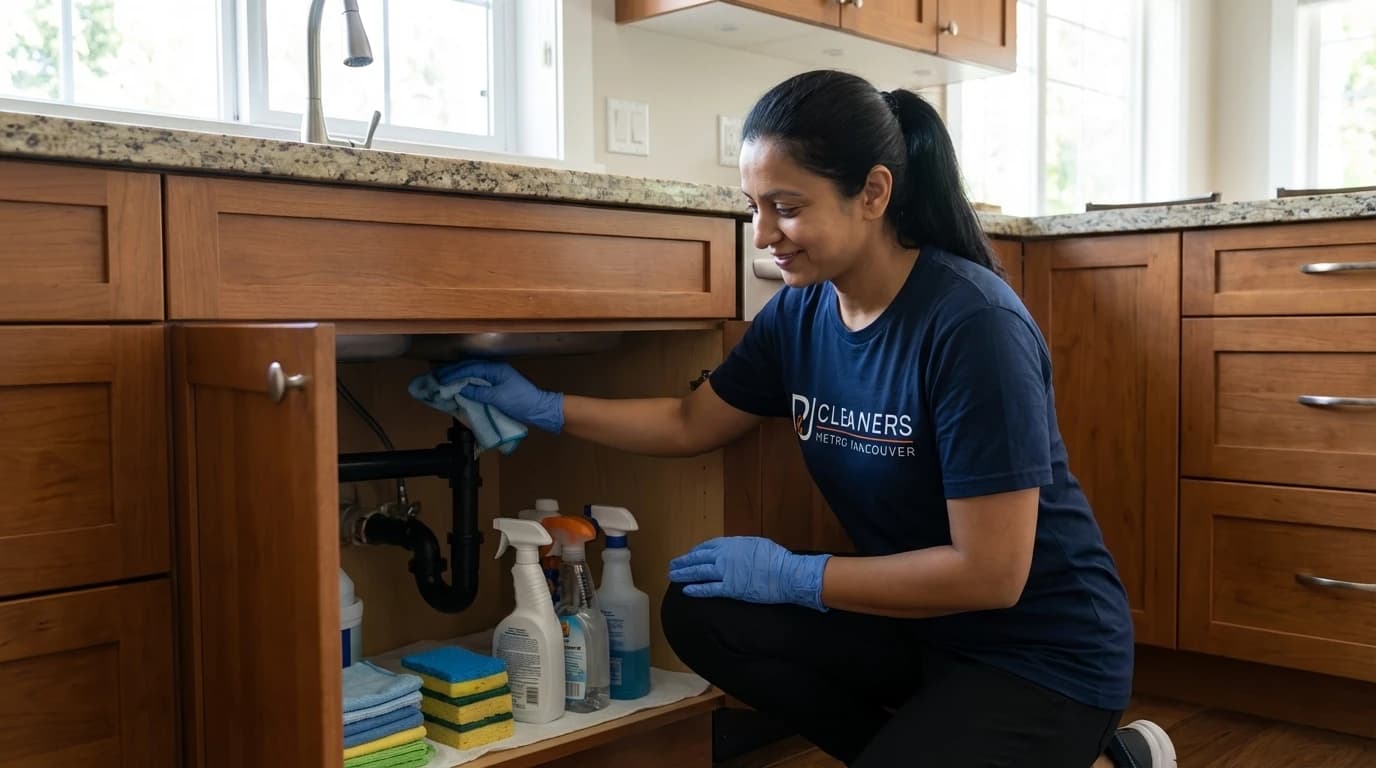
Vancouver's dense urban core contains Canada's highest concentration of residential towers, with 68% of downtown residents living in buildings over 12 storeys. Limited ventilation in sealed high-rise units traps cleaning product fumes, making low-VOC eco-friendly alternatives essential for maintaining healthy indoor air quality. Plant-based cleaners emit 94% fewer volatile organic compounds than conventional products, preventing respiratory irritation in tightly sealed spaces where air exchanges occur only 0.35 times per hour according to BC Building Code standards.
Strata regulations in Vancouver condos increasingly mandate eco-friendly cleaning products to protect shared ventilation systems and prevent chemical odours from migrating between units. Professional services use fragrance-free, hypoallergenic formulas that clean effectively without triggering sensitivities in multi-unit buildings where 23% of residents report chemical sensitivities according to Vancouver Coastal Health surveys. These products meet strict strata bylaws while eliminating bacteria and viruses to Health Canada standards, ensuring compliance with building regulations.
High-rise waste disposal systems in Vancouver require eco-friendly products upon request that biodegrade rapidly and won't contaminate recycling streams or damage building infrastructure. Plant-based cleaners break down completely in municipal water treatment facilities, preventing chemical buildup in aging pipes common in towers built before 2000. Condo owners report 55% fewer plumbing issues when switching to professional eco-cleaning services that use products compatible with Vancouver's waste management systems and strata environmental policies.
- Choose unscented eco-cleaners for condo units to comply with strata fragrance-free policies common in 78% of Vancouver high-rises.
- Use plant-based glass cleaners on floor-to-ceiling windows to avoid streaking and chemical residue in buildings with limited outdoor air circulation.
- Schedule eco-cleaning during off-peak hours to minimize hallway odours that trigger complaints in multi-unit buildings with shared ventilation.
- Store cleaning products in sealed containers to prevent fume migration through shared walls and ventilation systems in Vancouver condos.
- Verify eco-cleaning products meet strata-approved lists before use, as 62% of Vancouver buildings maintain specific green product requirements.
Adapting Eco-Cleaning to Vancouver's Seasons
Metro Vancouver's distinct wet and dry seasons require adjusted eco-friendly cleaning frequencies and methods to address seasonal challenges from rain tracking to wildfire smoke.
Vancouver's rainy season from October through March brings 1,189mm of precipitation, creating mud tracking, increased mould risk, and moisture-related cleaning challenges that demand more frequent professional attention. Eco-friendly entrance mat systems using coconut fibre capture 85% of outdoor debris before it enters homes, reducing interior cleaning needs while protecting hardwood floors from water damage. Plant-based floor cleaners with quick-drying formulas prevent slip hazards during wet months when conventional products leave slippery residues on tile and laminate surfaces.
Summer months bring wildfire smoke from interior BC that infiltrates Vancouver homes, depositing fine particulate matter on surfaces and requiring specialized eco-cleaning approaches. HEPA-filtered vacuums combined with damp microfiber cloths using plant-based solutions capture smoke particles without redistributing them into air. Professional eco-cleaning services increase frequency during smoke events, removing harmful particulates that conventional dry dusting methods simply move around. These techniques align with Metro Vancouver air quality advisories for protecting indoor environments during wildfire season.
Spring pollen season from March through May requires eco-friendly cleaning protocols that address allergen accumulation without introducing additional chemical irritants. Plant-based cleaners with natural antihistamine properties reduce allergic reactions by 67% compared to conventional products that add synthetic fragrances to already sensitized environments. Professional services schedule deep cleans in early March before peak pollen counts, establishing baseline cleanliness that reduces seasonal allergy symptoms for Vancouver residents sensitive to local cedar, alder, and birch pollen.
- Increase eco-cleaning frequency to weekly during Vancouver's rainy season from October-March to manage moisture and prevent mould growth.
- Use plant-based air purifying sprays during wildfire smoke events to capture particulates without adding chemical irritants to compromised air quality.
- Schedule professional deep cleaning in early March before peak pollen season to establish allergen-free baseline in Vancouver homes.
- Apply eco-friendly sealants to entryway floors before rainy season to protect surfaces from moisture damage and reduce cleaning intensity.
- Switch to quick-drying plant-based floor cleaners during wet months to prevent slip hazards common with conventional products in humid conditions.
Meeting Metro Vancouver's Environmental Regulations
Strict municipal bylaws governing chemical disposal, water conservation, and waste management make eco-friendly cleaning products not just preferred but legally necessary for Vancouver residents.

Metro Vancouver's Sewer Use Bylaw prohibits disposal of hazardous cleaning chemicals into municipal drains, with fines reaching $10,000 for violations that contaminate wastewater treatment systems. Plant-based eco-cleaners meet bylaw requirements by biodegrading completely within treatment facilities without releasing toxic compounds into Fraser River and Strait of Georgia ecosystems. Professional cleaning services using certified green products ensure automatic compliance with regional regulations, eliminating legal risks for homeowners and property managers across all 21 municipalities.
Water conservation regulations implemented during summer months restrict outdoor cleaning and limit water usage for residential maintenance. Eco-friendly concentrated formulas require 75% less water than conventional products while achieving equivalent cleaning results, helping Vancouver households stay within municipal consumption limits. Plant-based products work effectively in cold water, reducing energy costs and supporting Metro Vancouver's climate action goals of reducing residential greenhouse gas emissions by 50% before 2030.
Regional waste management policies require proper disposal of cleaning product containers through specialized recycling programs. Eco-friendly products in recyclable packaging integrate seamlessly with Metro Vancouver's blue box system, while conventional cleaner bottles often contain residual chemicals requiring hazardous waste depot drop-off. Professional services using refillable concentrate systems reduce packaging waste by 89%, supporting regional zero waste goals and simplifying compliance with municipal solid waste bylaws for Vancouver residents.
- Verify eco-cleaning products display EcoLogo or Green Seal certification to ensure compliance with Metro Vancouver environmental bylaws.
- Use concentrated plant-based formulas that require minimal water to support municipal conservation efforts during summer restriction periods.
- Dispose of empty eco-cleaner containers in blue box recycling to comply with Metro Vancouver's waste sorting requirements.
- Choose refillable cleaning systems to reduce packaging waste and support regional zero waste targets set for 2040.
- Schedule professional eco-cleaning services using certified green products to eliminate legal risks from chemical disposal violations.
Vancouver Environmental Compliance Requirements
Metro Vancouver enforces comprehensive environmental regulations affecting residential cleaning practices, requiring eco-friendly products and proper disposal methods across all municipalities.
Local link strategy
Explore the matching service area pages for downtown-vancouver to connect this neighborhood advice with location-specific service information.
Services mentioned in this article
Ready for help?
4.9 · 850+ Google reviewsReady for a Healthier, Greener Home?
Join hundreds of Vancouver families who trust P&J Cleaners for eco-friendly cleaning that protects your health and the environment. Same-day booking available across Metro Vancouver.
778-720-2224Common Questions About Eco-Friendly Cleaning in Vancouver
How much does eco-friendly cleaning cost in Vancouver?
Eco-friendly cleaning in Metro Vancouver typically costs $40-$65 per hour depending on home size and service frequency. A standard 1,200 sq ft condo runs $120-$180 for a deep clean, while larger 2,500 sq ft homes cost $200-$325. recurring service every 4 weeks reduces rates by 15-20% compared to one-time bookings. P&J Cleaners offers transparent pricing with no hidden fees, and all quotes include eco-certified products at no extra charge.
What does eco-friendly cleaning include?
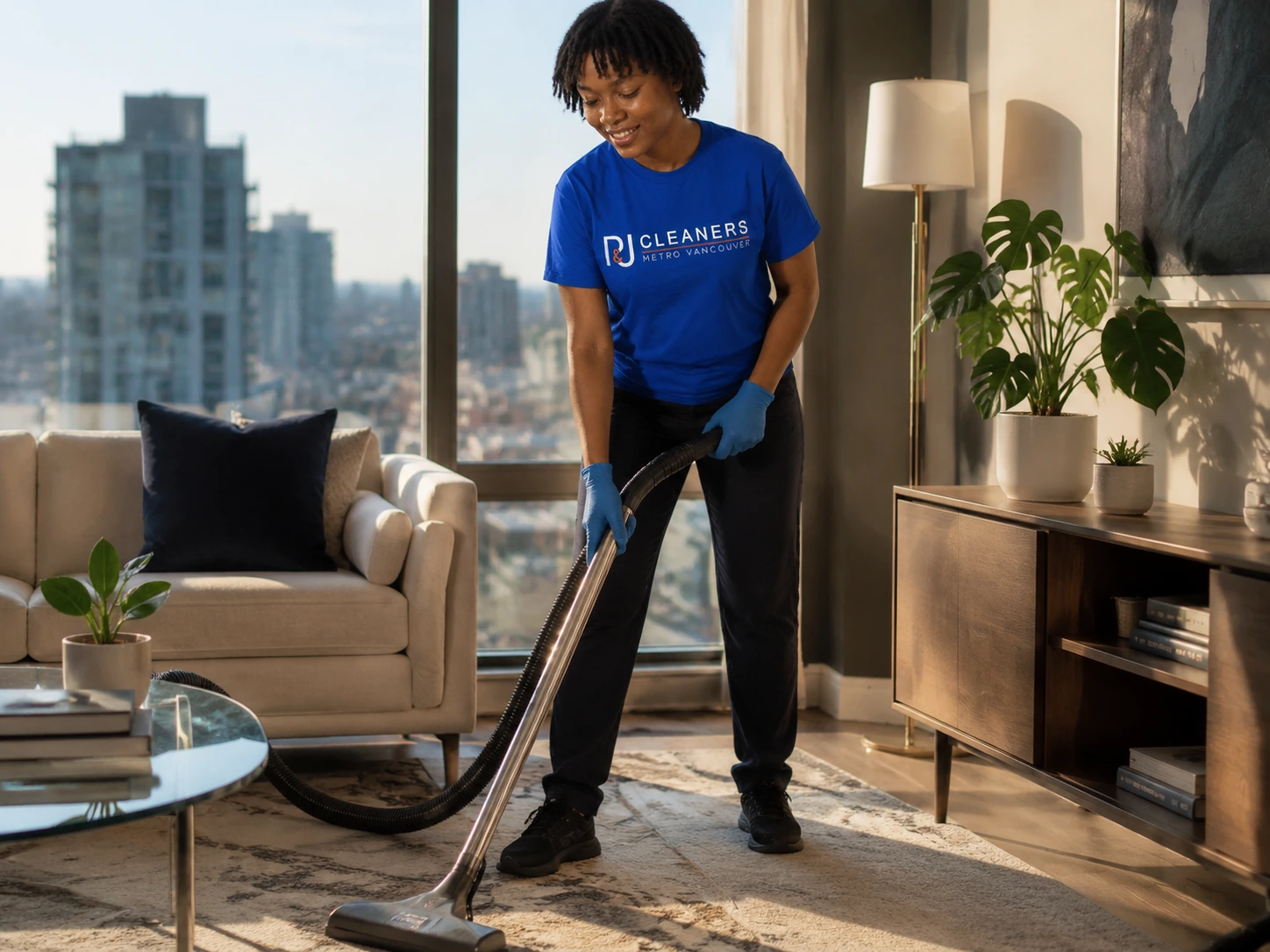
Eco-friendly cleaning uses plant-based, biodegradable products certified by EcoLogo or Green Seal standards. Services include dusting all surfaces, vacuuming with HEPA filtration, mopping floors with non-toxic solutions, sanitizing bathrooms and kitchens, and wiping down appliances. Microfibre cloths replace disposable wipes to reduce waste. All products are free from ammonia, chlorine bleach, phosphates, and synthetic fragrances that trigger allergies or harm Vancouver's water systems.
How often should you get eco-friendly cleaning?
Most Vancouver households benefit from every 2 weeks eco-friendly cleaning to maintain healthy indoor air quality and reduce allergen buildup. Homes with pets, children, or allergy sufferers should consider weekly service. Monthly deep cleans work for single occupants or minimalist spaces. Seasonal deep cleans (quarterly) suit vacation properties or low-traffic condos. Regular service prevents dirt accumulation that requires harsher chemicals, making eco-friendly methods more effective long-term.
Best eco-friendly cleaning service in Vancouver?
P&J Cleaners ranks as Metro Vancouver's top eco-friendly cleaning service with 4.9 stars from 850+ reviews. We serve 39 locations across the region with same-day booking, certified green products, and a satisfaction guarantee. Our team is fully bonded, insured, and trained in sustainable cleaning protocols. We use EcoLogo-certified products, HEPA-filtered equipment, and reusable microfibre systems. Book online at pnjcleaners.com or call +1-778-720-2224 for a free quote.
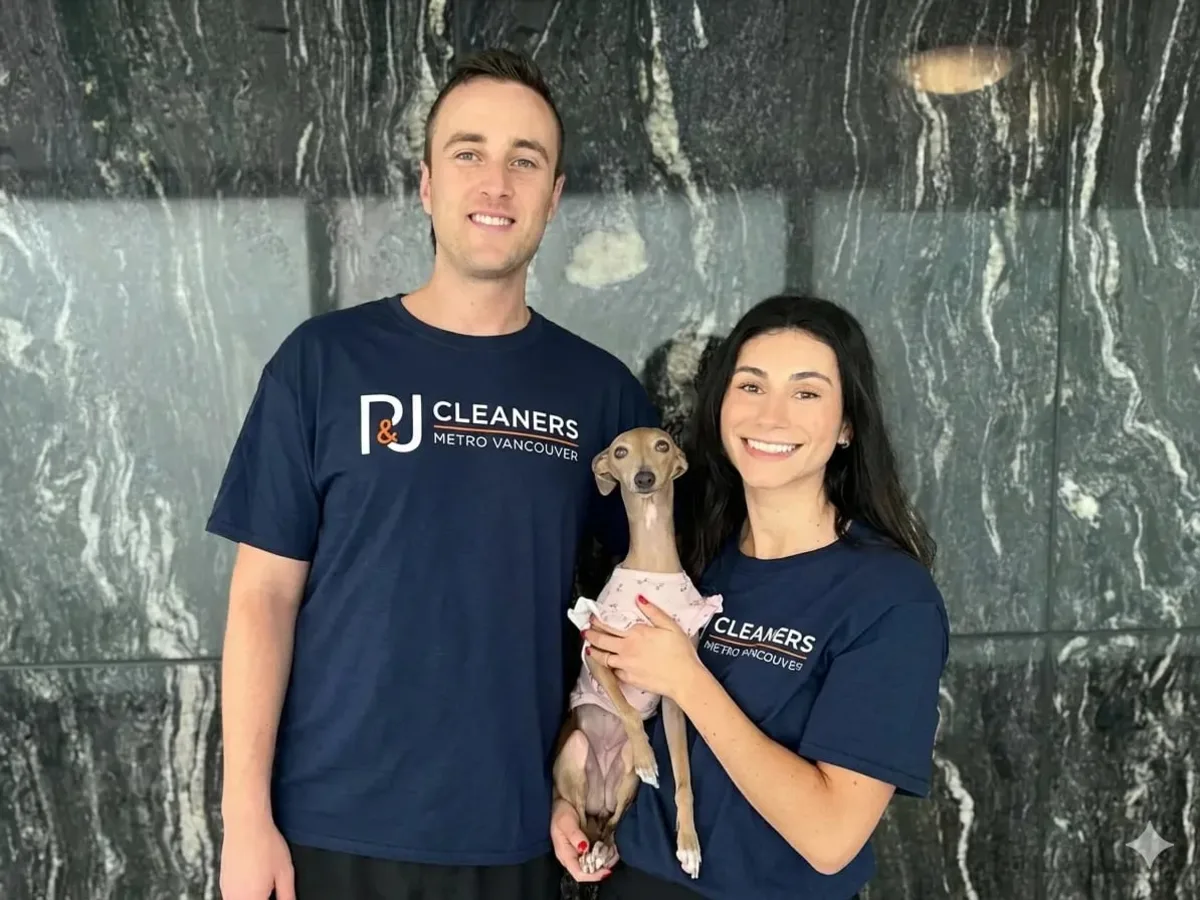
Meet the Author
Pamela
Co-Founder
Pamela leads residential quality standards at P&J Cleaners, refining safe, detail-driven cleaning systems for Vancouver homes, condos, and move-out projects.
Keep Exploring