

Neighborhood Context
Why Delta, BC cleaning routines need a different approach
Delta spans 364 square kilometres across three distinct communities: North Delta, Ladner, and Tsawwassen. With over 108,000 residents, this Metro Vancouver municipality balances urban convenience with agricultural heritage and coastal access. The region's proximity to the Fraser River estuary and Boundary Bay creates unique environmental considerations for homeowners who want cleaning methods that protect local waterways and wildlife habitats.
Delta's housing stock includes everything from heritage farmhouses in Ladner to modern townhomes in North Delta and waterfront properties in Tsawwassen. The municipality's commitment to sustainability shows in its Green Building Strategy and waste reduction programs. Residents increasingly seek cleaning services that align with Delta's environmental values, particularly in neighbourhoods near Burns Bog and the George C. Reifel Migratory Bird Sanctuary where chemical runoff poses direct threats to protected ecosystems.
The community's demographics skew toward families with children and retirees who prioritize health-conscious home maintenance. Delta's lower population density compared to Vancouver proper means larger properties that require more comprehensive cleaning coverage. Local homeowners value service providers who understand the region's specific needs, from managing agricultural dust in rural areas to addressing salt air corrosion in coastal zones while maintaining strict environmental standards throughout the cleaning process.
108,455
Delta Population
Source: Statistics Canada 2021 Census
2,340 sq ft
Average Home Size
Source: BC Assessment Authority
34%
Households with Children
Source: Metro Vancouver Regional District
5,000+ acres
Protected Green Space
Source: Corporation of Delta Parks & Recreation
12 km coastline
Waterfront Properties
Source: Delta Geographic Information
Delta-Specific Eco-Friendly Cleaning Strategies
Delta's unique geography and environmental priorities require tailored cleaning approaches that address local challenges while protecting sensitive ecosystems.
Coastal Home Protection Methods
Salt air and moisture from Boundary Bay and the Strait of Georgia create specific cleaning challenges for Delta waterfront properties.
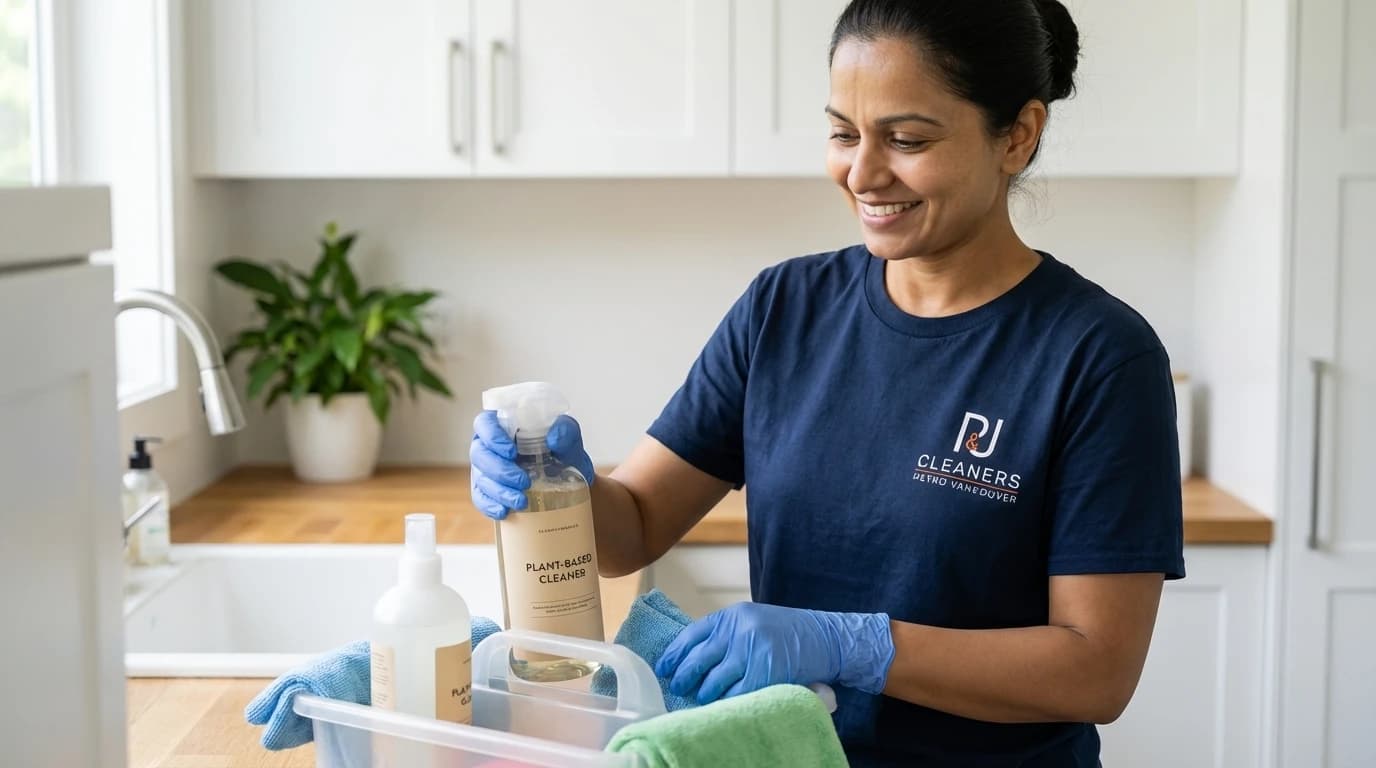
Tsawwassen and Ladner waterfront homes face constant exposure to salt spray that accelerates corrosion on windows, fixtures, and exterior surfaces. Eco-friendly cleaning for these properties requires specialized approaches using vinegar-based solutions and plant-derived surfactants that dissolve salt deposits without introducing harsh chemicals into storm drains that flow directly to marine habitats. Professional services apply protective treatments after cleaning to extend the time between maintenance cycles and reduce overall chemical usage.
Moisture management becomes critical in coastal Delta homes where humidity levels regularly exceed 70% during fall and winter months. Green cleaning protocols incorporate natural dehumidifying agents like baking soda in carpets and fabrics, while HEPA filtration systems remove airborne mould spores without chemical foggers. Window cleaning schedules align with tidal patterns and weather conditions to maximize effectiveness, typically targeting the drier periods between October and March when salt accumulation peaks but rain provides natural rinsing assistance.
Delta's coastal properties benefit from quarterly deep cleans that address salt buildup on exterior surfaces, window frames, and door hardware. Eco-friendly pressure washing uses reclaimed water systems and biodegradable detergents that break down within 48 hours, preventing contamination of nearby tidal zones. Interior cleaning focuses on preventing moisture-related issues through proper ventilation protocols and natural antimicrobial treatments derived from tea tree oil and eucalyptus that inhibit mould growth without toxic residues.
- Schedule exterior cleaning during low-tide periods to minimize runoff impact on intertidal zones and marine life
- Use citric acid solutions for salt deposit removal on glass and metal surfaces instead of ammonia-based products
- Install water filtration systems to remove salt from cleaning water, reducing mineral buildup and extending equipment life
- Apply natural sealants to window frames and door thresholds quarterly to prevent salt penetration and wood degradation
- Maintain indoor humidity between 40-50% using natural methods to prevent mould without chemical treatments
Agricultural Zone Home Maintenance
Rural Delta properties near active farmland require cleaning strategies that address agricultural dust and pesticide drift while supporting local farming operations.
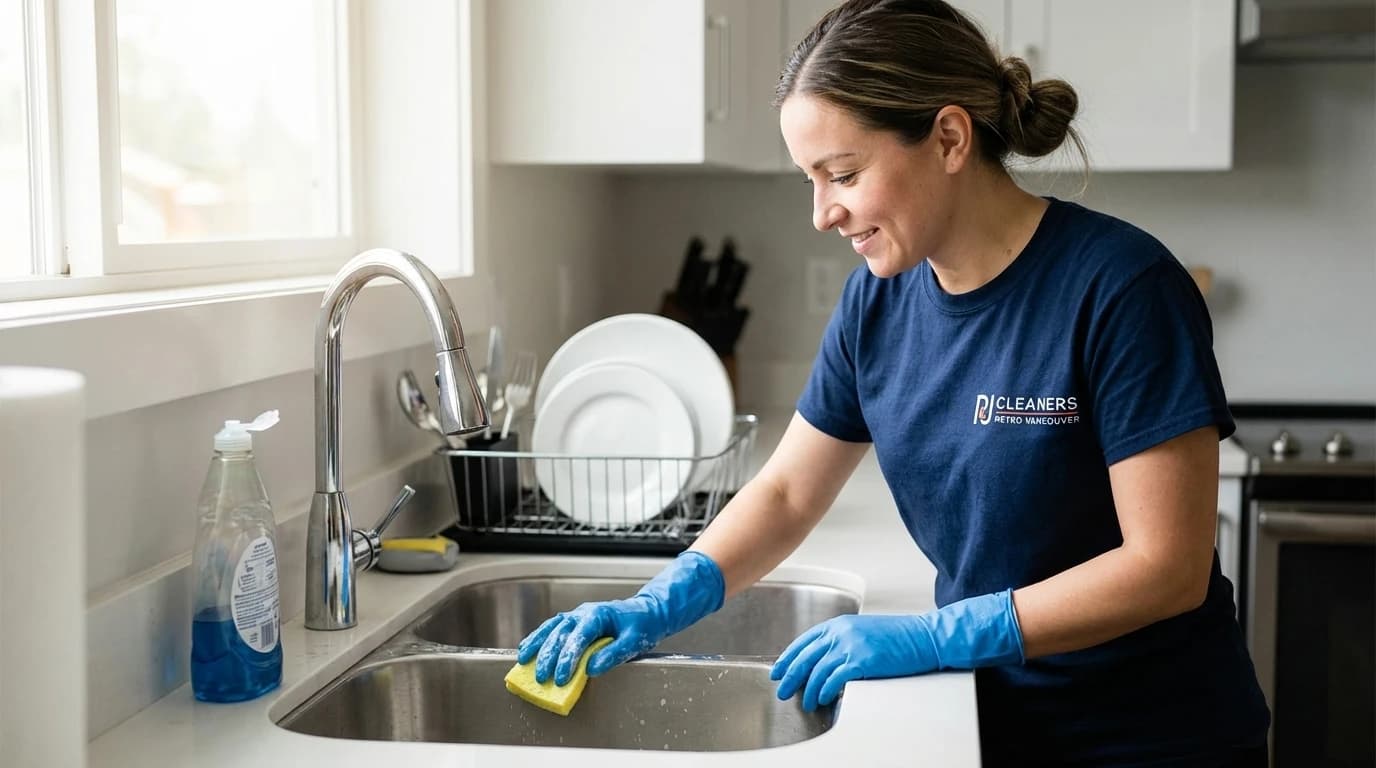
North Delta and Ladner homes adjacent to agricultural land experience higher dust accumulation from field operations, particularly during spring planting and fall harvest seasons. Eco-friendly cleaning protocols for these properties emphasize frequent HEPA vacuuming and damp-mopping techniques that capture particulates without dispersing them into the air. Natural cleaning solutions avoid introducing additional chemicals that might interact with agricultural residues tracked indoors, using simple combinations of water, vinegar, and plant-based soaps that safely break down organic matter.
Properties within 500 metres of active farmland may encounter pesticide drift despite Delta's strict agricultural bylaws. Green cleaning services for these homes incorporate thorough entryway cleaning systems that prevent outdoor contaminants from spreading throughout living spaces. Microfibre mats and boot removal protocols reduce tracked-in agricultural residues by up to 80% according to WorkSafeBC studies. Interior cleaning focuses on frequent surface wiping using damp cloths rather than dry dusting, which prevents airborne redistribution of potentially contaminated particles.
Seasonal cleaning schedules in agricultural Delta align with farming cycles to address peak contamination periods. Spring deep cleans remove winter accumulation before planting season begins, while fall services tackle harvest dust and prepare homes for winter. Eco-friendly window cleaning becomes particularly important for rural properties, as clean glass maximizes natural light while removing agricultural residues that can etch surfaces over time. Professional services use purified water systems and biodegradable squeegee solutions that leave no streaks or chemical films.
- Install commercial-grade entry mats that capture 85% of tracked-in agricultural dust and soil before it enters living spaces
- Clean windows monthly during growing season to remove pesticide drift and maximize natural light without chemical residue
- Use damp microfibre cloths for all surface cleaning to trap particles rather than dispersing them into indoor air
- Schedule deep cleans after major agricultural events like field burning or heavy fertilizer application periods
- Maintain separate cleaning tools for entryways versus interior spaces to prevent cross-contamination of agricultural residues
Burns Bog Conservation Area Considerations
Homes near Burns Bog require extra environmental care as cleaning runoff can impact this globally significant ecological reserve.

Burns Bog represents the largest undeveloped urban landmass in North America, and North Delta properties within two kilometres of this ecological treasure require heightened environmental awareness during cleaning operations. All exterior cleaning runoff from these homes flows into drainage systems that connect directly to bog watersheds. Professional eco-friendly services use closed-loop water systems for pressure washing and ensure all cleaning agents meet Environment Canada's EcoLogo certification standards, which guarantee complete biodegradation within 28 days without toxic metabolites.
Indoor cleaning for Burns Bog adjacent properties emphasizes zero-VOC products that won't contribute to air pollution affecting the bog's sensitive plant communities. The bog's role as a carbon sink makes air quality protection particularly important, as volatile organic compounds from conventional cleaners can travel significant distances through atmospheric circulation. Green cleaning protocols eliminate aerosol products entirely, using pump sprayers and concentrated solutions that minimize airborne chemical dispersal while delivering superior cleaning performance on all surface types.
Delta homeowners near Burns Bog often express concerns about wildlife interactions, particularly during spring and fall migration periods when the bog hosts thousands of birds. Eco-friendly cleaning schedules avoid early morning hours when wildlife activity peaks, and exterior work uses natural deterrents like citrus oils rather than chemical repellents. Window cleaning employs bird-safe techniques including visible markers and UV-reflective treatments that prevent collisions while maintaining clarity. These practices align with Delta's commitment to protecting the bog's UNESCO designation and supporting its role in regional biodiversity.
- Use only EcoLogo certified products for all exterior cleaning within 2 km of Burns Bog boundaries
- Schedule outdoor cleaning during midday hours to minimize disruption to dawn and dusk wildlife activity periods
- Install rain barrel systems to capture cleaning water runoff for garden irrigation rather than storm drain disposal
- Apply bird-safe window treatments that prevent collisions while maintaining transparency and eco-friendly composition
- Participate in Delta's Bog Stewardship Program to learn about protecting local ecosystems through responsible home maintenance
Multi-Family Dwelling Optimization
Delta's growing townhome and condominium communities require efficient eco-friendly cleaning that respects shared spaces and strata regulations.
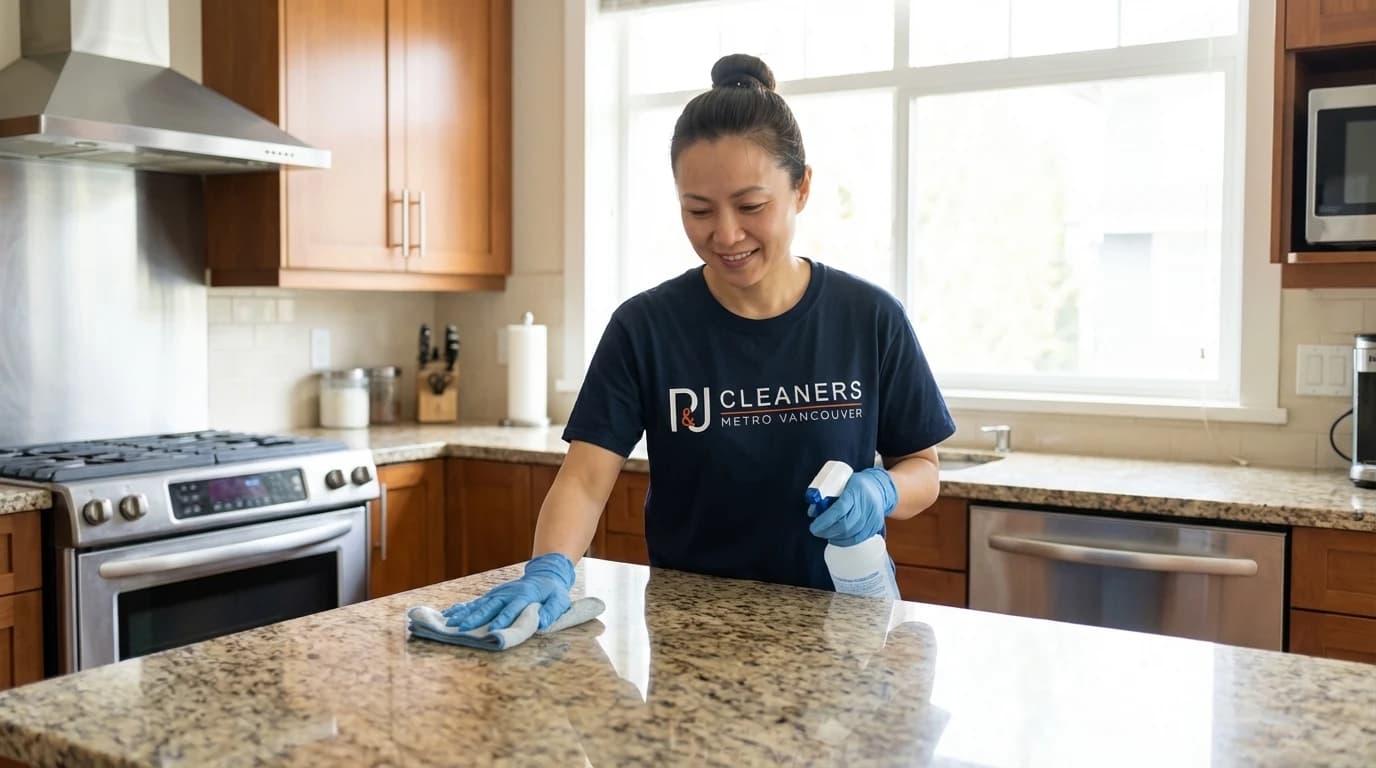
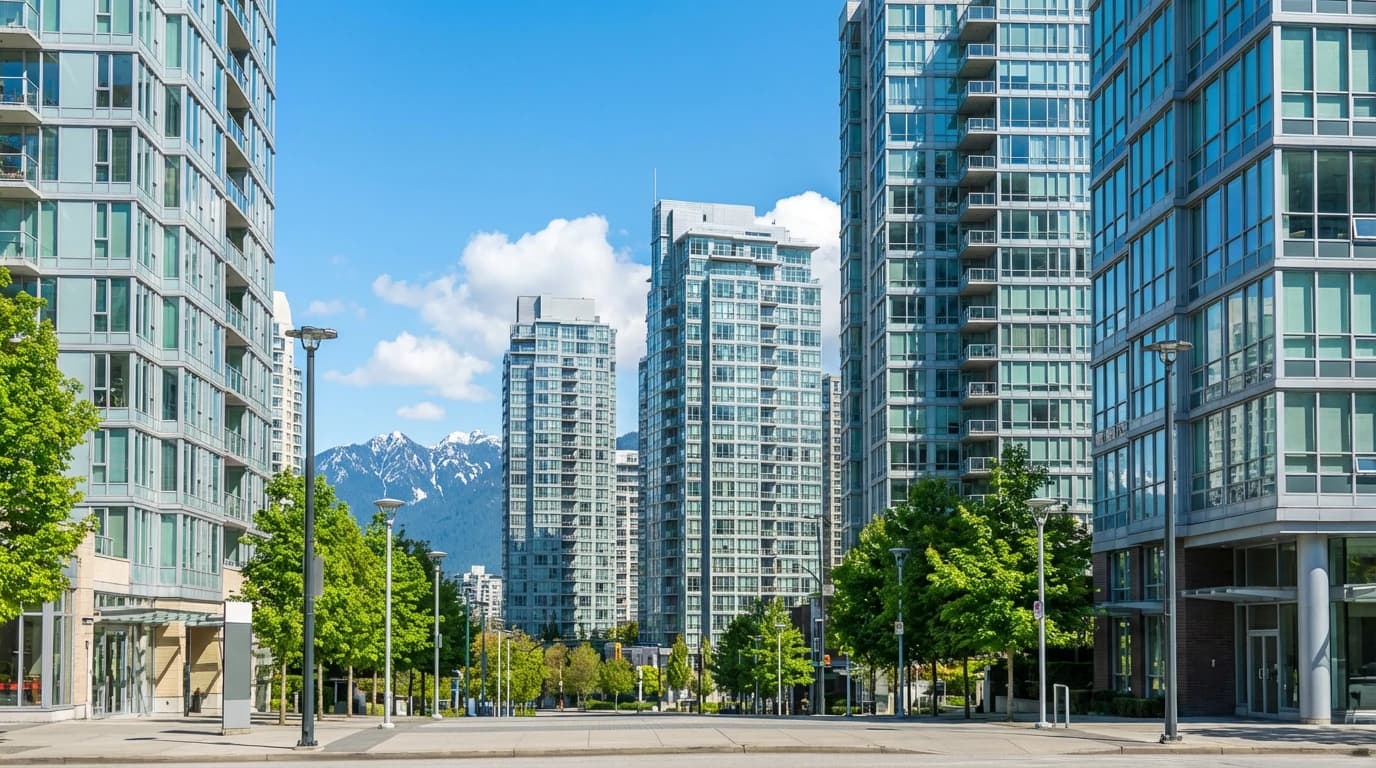
North Delta's townhome developments and Tsawwassen's condominium towers present unique cleaning challenges due to shared ventilation systems and proximity to neighbours. Eco-friendly cleaning in these properties must avoid strong scents that travel through common HVAC systems, making fragrance-free formulations essential. Professional services use enzyme-based cleaners and oxygen bleach alternatives that provide powerful cleaning action without aromatic compounds. These products meet the stringent requirements of strata councils increasingly concerned about chemical sensitivities among residents and indoor air quality in tightly sealed modern buildings.
Multi-family properties in Delta often feature smaller square footage but higher traffic density, particularly in entryways and kitchens. Green cleaning protocols for these spaces emphasize frequent light cleaning over periodic deep cleans, using microfibre systems that capture 99% of surface bacteria without chemical disinfectants. This approach reduces overall product usage while maintaining superior hygiene standards. Strata-approved cleaning schedules typically run every 2 weeks for occupied units and weekly for common areas, with eco-friendly products upon request that dry quickly to minimize disruption and prevent slip hazards in shared corridors.
Delta strata corporations increasingly mandate green cleaning standards in their bylaws, particularly for newer developments pursuing LEED certification or Built Green designations. Professional services familiar with these requirements provide documentation of product certifications and disposal methods that satisfy strata audits. Bulk purchasing programs for multi-unit buildings reduce packaging waste by up to 70% compared to individual household cleaning supply consumption. Shared equipment storage in parkade areas allows for efficient service delivery across multiple units while minimizing the carbon footprint associated with repeated service calls.
- Choose fragrance-free eco-products to prevent scent migration through shared ventilation systems in townhomes and condos
- Coordinate cleaning schedules with strata maintenance to avoid conflicts and maximize efficiency of shared resource usage
- Request documentation of Green Seal or EcoLogo certifications to satisfy strata environmental compliance requirements
- Implement every 2 weeks light cleaning rather than monthly deep cleans to maintain hygiene with minimal product usage
- Participate in building-wide bulk purchasing programs to reduce packaging waste and lower per-unit cleaning costs
Year-Round Environmental Cleaning Cycles
Delta's distinct seasons require adaptive eco-friendly cleaning strategies that address changing weather patterns and environmental conditions.
Delta experiences significant seasonal variation that impacts cleaning needs and product performance. Winter months bring increased rainfall averaging 150mm per month, creating mud tracking and moisture management challenges. Eco-friendly winter cleaning emphasizes natural absorbents like cornstarch-based powders for carpet spot treatment and plant-derived floor cleaners that maintain traction on wet surfaces. Professional services adjust product concentrations during humid periods to ensure proper drying times, preventing mould growth without resorting to chemical fungicides. Entryway maintenance intensifies with weekly deep cleans using hot water extraction and biodegradable soil suspending agents.
Spring cleaning in Delta coincides with agricultural activity and increased pollen counts that affect indoor air quality. Green cleaning protocols incorporate HEPA filtration during vacuuming to capture allergens without chemical air fresheners. Window cleaning schedules shift to every 2 weeks frequency as pollen accumulation obscures views and reduces natural light. Eco-friendly services use purified water systems that prevent mineral deposits while removing organic residues. Exterior pressure washing targets winter grime buildup using biodegradable degreasers derived from coconut and palm oils that break down completely within 72 hours in Delta's temperate climate.
Summer and fall cleaning adapts to Delta's drier conditions and increased outdoor activity. Dust control becomes paramount as windows stay open and foot traffic increases. Eco-friendly summer protocols emphasize frequent damp mopping and microfibre dusting that captures particles without chemical treatments. Fall preparation includes deep cleaning before winter weather arrives, focusing on window seals, door thresholds, and ventilation systems. Professional services apply natural protective treatments to high-traffic areas using beeswax and plant oil formulations that repel moisture and resist staining throughout the rainy season without toxic sealants or synthetic polymers.
- Adjust cleaning frequency seasonally: weekly in winter, biweekly in spring/fall, and monthly deep cleans in summer
- Use natural moisture absorbers like baking soda and cornstarch during Delta's wet season to prevent mould without chemicals
- Schedule exterior cleaning during Delta's dry season (June-September) to maximize effectiveness and minimize water usage
- Apply natural protective treatments to floors and surfaces before winter to reduce cleaning frequency during wet months
- Increase HEPA vacuuming frequency during spring pollen season to maintain indoor air quality without chemical air purifiers
Delta Environmental Compliance Requirements
The Corporation of Delta enforces specific bylaws regarding cleaning product disposal and water usage that affect residential cleaning operations.
Local link strategy
Explore the matching service area pages for delta to connect this neighborhood advice with location-specific service information.
Services mentioned in this article
Ready for help?
4.9 · 850+ Google reviewsReady for Eco-Friendly Cleaning in Delta?
Book certified green cleaning service with P&J Cleaners. Same-day availability, transparent pricing, and a satisfaction guarantee. Serving all Delta neighbourhoods with eco-friendly products upon request and experienced professionals.
778-720-2224Eco-Friendly Cleaning in Delta: Your Questions Answered
How much does eco-friendly cleaning cost in Delta?
Eco-friendly cleaning in Delta costs $45-$75 per hour depending on home size and service frequency. A standard 2,000 sq ft home runs $180-$280 for a deep clean, while recurring service every 2 weeks averages $120-$160 per visit. Green cleaning products add minimal cost compared to conventional services, typically under 10% premium. Most Delta providers offer free quotes and package discounts for regular bookings.
What does eco-friendly cleaning include?
Eco-friendly cleaning includes all standard tasks using plant-based, biodegradable products certified by EcoLogo or Green Seal. Services cover dusting, vacuuming with HEPA filters, mopping with non-toxic solutions, bathroom sanitizing, and kitchen degreasing. Cleaners use microfibre cloths to reduce chemical use and waste. Delta providers typically bring their own green supplies, though you can request specific brands or provide your own products at no extra charge.
How often should you get eco-friendly cleaning?
Most Delta households schedule eco-friendly cleaning every two weeks for optimal maintenance and cost efficiency. Families with pets or allergies benefit from weekly service, while single professionals often choose monthly deep cleans. Cleaning every 2 weeks prevents buildup without overusing products, aligning with sustainable practices. Seasonal deep cleans in spring and fall complement regular service. Your schedule depends on household size, lifestyle, and budget.
Best eco-friendly cleaning service in Delta?
P&J Cleaners offers certified eco-friendly cleaning across Delta with 4.9-star ratings from 850+ reviews. We use EcoLogo-certified products, provide same-day booking, and offer a satisfaction guarantee. Our team serves all Delta neighbourhoods including Ladner, Tsawwassen, and North Delta with bonded, insured professionals. We offer transparent pricing, flexible scheduling, and free quotes. Contact us at +1-778-720-2224 or visit pnjcleaners.com to book your green cleaning service today.
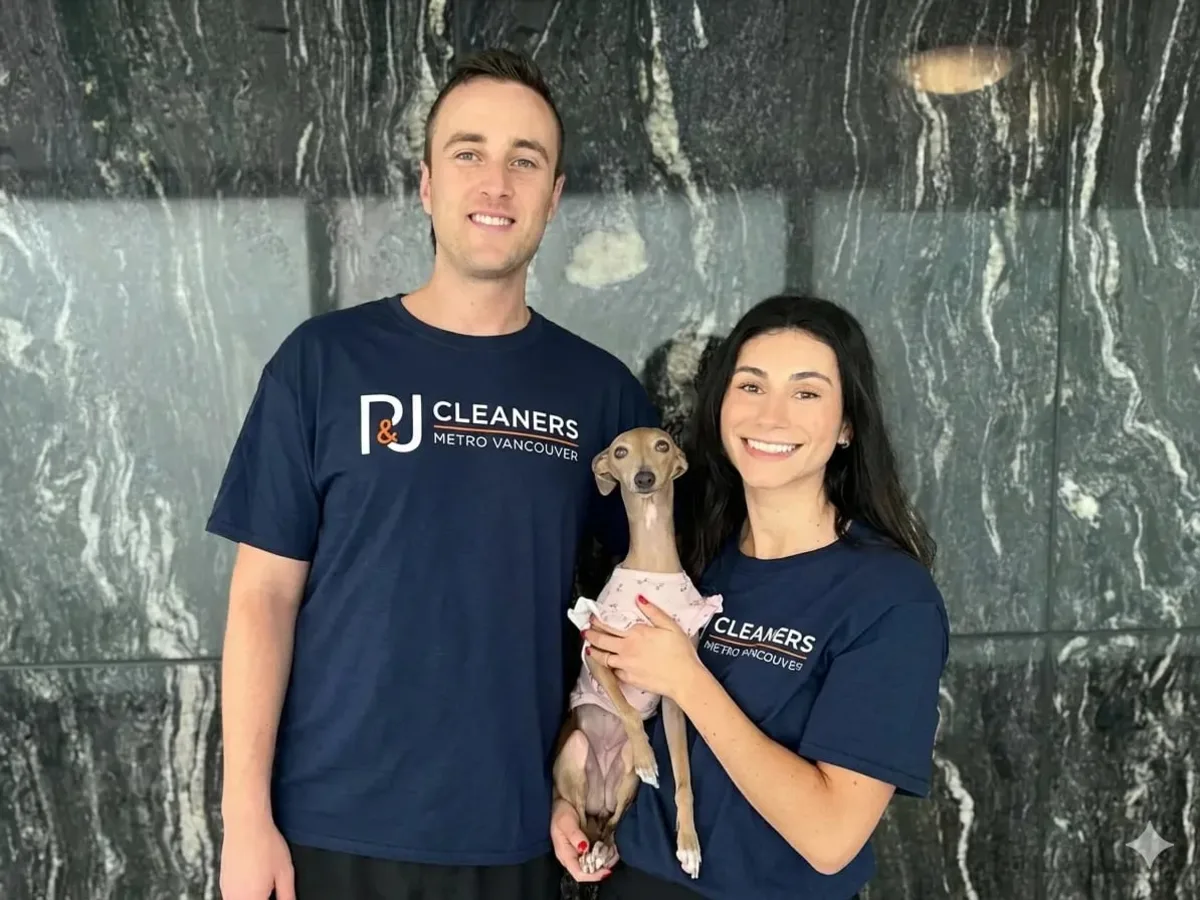
Meet the Author
Pamela
Co-Founder
Pamela leads residential quality standards at P&J Cleaners, refining safe, detail-driven cleaning systems for Vancouver homes, condos, and move-out projects.
Keep Exploring