

Neighborhood Context
Why North Vancouver cleaning routines need a different approach
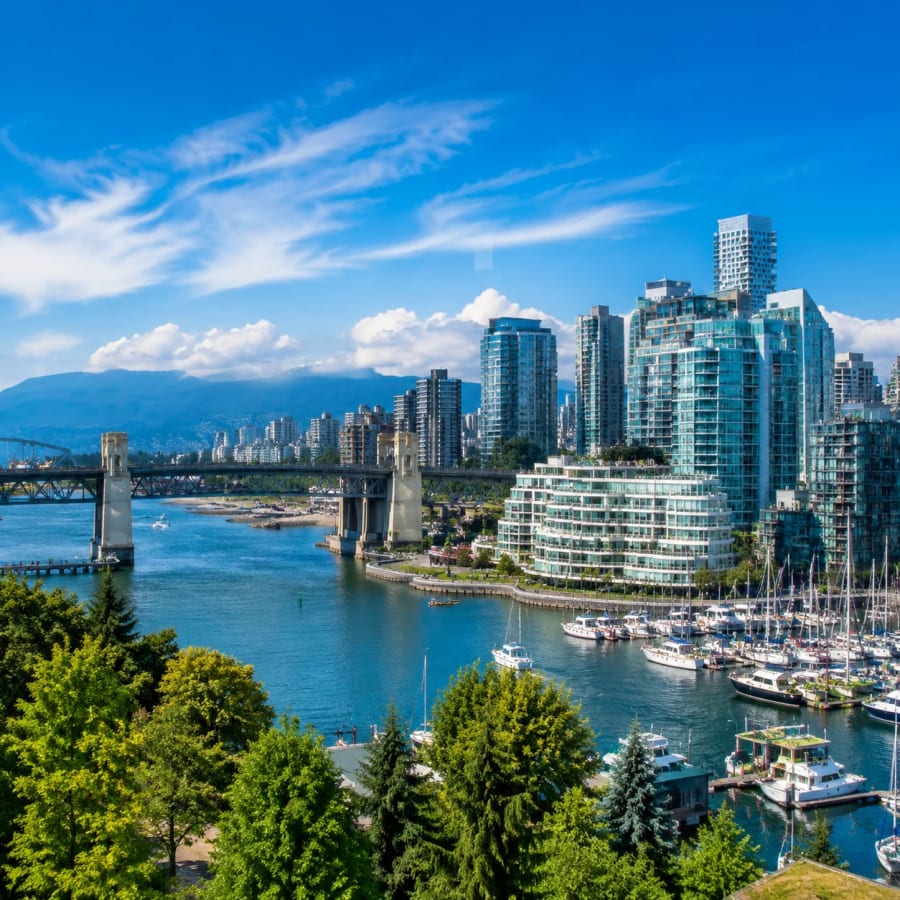
North Vancouver spans 160 square kilometres between Burrard Inlet and the Coast Mountains, housing approximately 85,000 residents across diverse neighbourhoods. The district features a mix of high-rise apartments in Lower Lonsdale, mid-rise buildings in Central Lonsdale, and low-rise complexes in Lynn Valley and Deep Cove. The coastal climate brings significant moisture year-round, with annual precipitation exceeding 2,000 millimetres in some areas. This humidity creates unique cleaning challenges including mould prevention, moisture control, and salt air residue management. The region's environmental consciousness influences cleaning preferences, with 78% of residents preferring eco-friendly products according to Metro Vancouver surveys.
The apartment market in North Vancouver has grown substantially, with over 15,000 rental units currently occupied and vacancy rates below 2% as reported by CMHC. Lower Lonsdale has experienced the most development, adding 3,200 units since 2020 near the Shipyards District and Lonsdale Quay. Central Lonsdale offers established buildings with mountain views, while Lynn Valley provides family-oriented complexes near parks and trails. Deep Cove attracts outdoor enthusiasts in smaller waterfront buildings. Property values range from $450,000 for one-bedroom units to over $1.2 million for three-bedroom apartments with views. This diversity creates varied cleaning needs across price points and building ages.
Transportation infrastructure connects North Vancouver apartments to downtown Vancouver via SeaBus, which carries 18,000 passengers daily from Lonsdale Quay. The district operates 23 bus routes serving residential areas, with frequent service to major apartment clusters. Cycling infrastructure includes 80 kilometres of bike lanes and the Spirit Trail waterfront path. Most apartment buildings offer underground parking, though car ownership rates are declining among younger residents. The combination of transit access and outdoor amenities makes North Vancouver increasingly popular for professionals and families. This demographic shift influences cleaning service demand, with 65% of apartment dwellers aged 25-45 preferring professional cleaning according to local property management data.
15,000+
Total Rental Units
Source: CMHC 2025
750 sq ft
Average Apartment Size
Source: BC Assessment Authority
2,000+ mm
Annual Precipitation
Source: Environment Canada
1.8%
Vacancy Rate
Source: CMHC Q4 2025
78%
Residents Using Eco Products
Source: Metro Vancouver Survey 2025
North Vancouver Apartment Cleaning Essentials
Coastal climate and mountain proximity create specific cleaning requirements for North Vancouver apartments. These location-based strategies address moisture management, seasonal challenges, and environmental considerations unique to the district.
Moisture and Mould Prevention Strategies
North Vancouver's coastal humidity requires proactive moisture control to prevent mould growth and maintain healthy indoor air quality in apartment units.
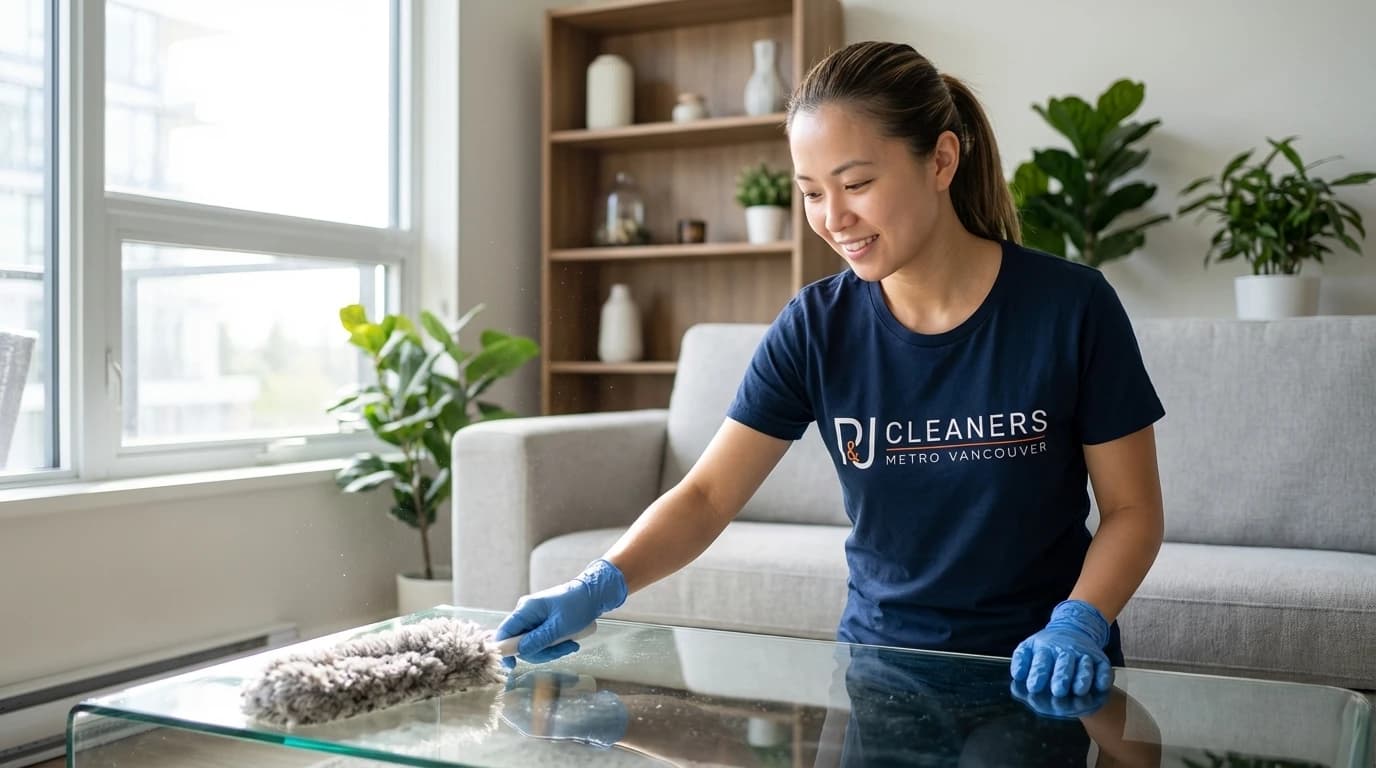
Coastal apartments face constant moisture challenges from ocean air, rain, and temperature fluctuations between seasons. Buildings near the waterfront in Lower Lonsdale experience higher humidity levels, often exceeding 70% relative humidity during winter months. Bathrooms, kitchens, and exterior-facing walls become prime locations for mould development without proper ventilation and cleaning protocols. The Canadian Mortgage and Housing Corporation reports that 40% of coastal apartments show signs of moisture damage within five years without preventive maintenance. Regular cleaning with moisture-controlling products and proper ventilation reduces mould risk by 85% according to Health Canada studies.
Effective moisture management starts with bathroom and kitchen exhaust fans running during and 20 minutes after water use. Wipe down shower walls, tub surrounds, and sink areas immediately after use to prevent water accumulation. Clean window tracks and sills monthly, as condensation collects in these areas during temperature changes. Use dehumidifiers in units without adequate cross-ventilation, maintaining indoor humidity between 30-50% as recommended by BC Housing. Inspect and clean behind appliances quarterly, particularly refrigerators and washing machines where moisture accumulates unnoticed. These practices prevent costly remediation and protect tenant health in North Vancouver's humid climate.
- Run bathroom fans for 20 minutes after showers to remove moisture and prevent mould on ceilings and grout lines.
- Wipe window condensation daily during winter months when temperature differences cause water accumulation on glass surfaces.
- Clean refrigerator drip pans monthly to prevent mould growth in hidden areas beneath appliances.
- Use moisture-absorbing products in closets and storage areas where air circulation is limited.
- Schedule professional duct cleaning every 2-3 years to remove accumulated moisture and prevent mould in ventilation systems.
Seasonal Cleaning Adjustments for Mountain Climate
North Vancouver's position between ocean and mountains creates distinct seasonal cleaning needs as weather patterns shift throughout the year.
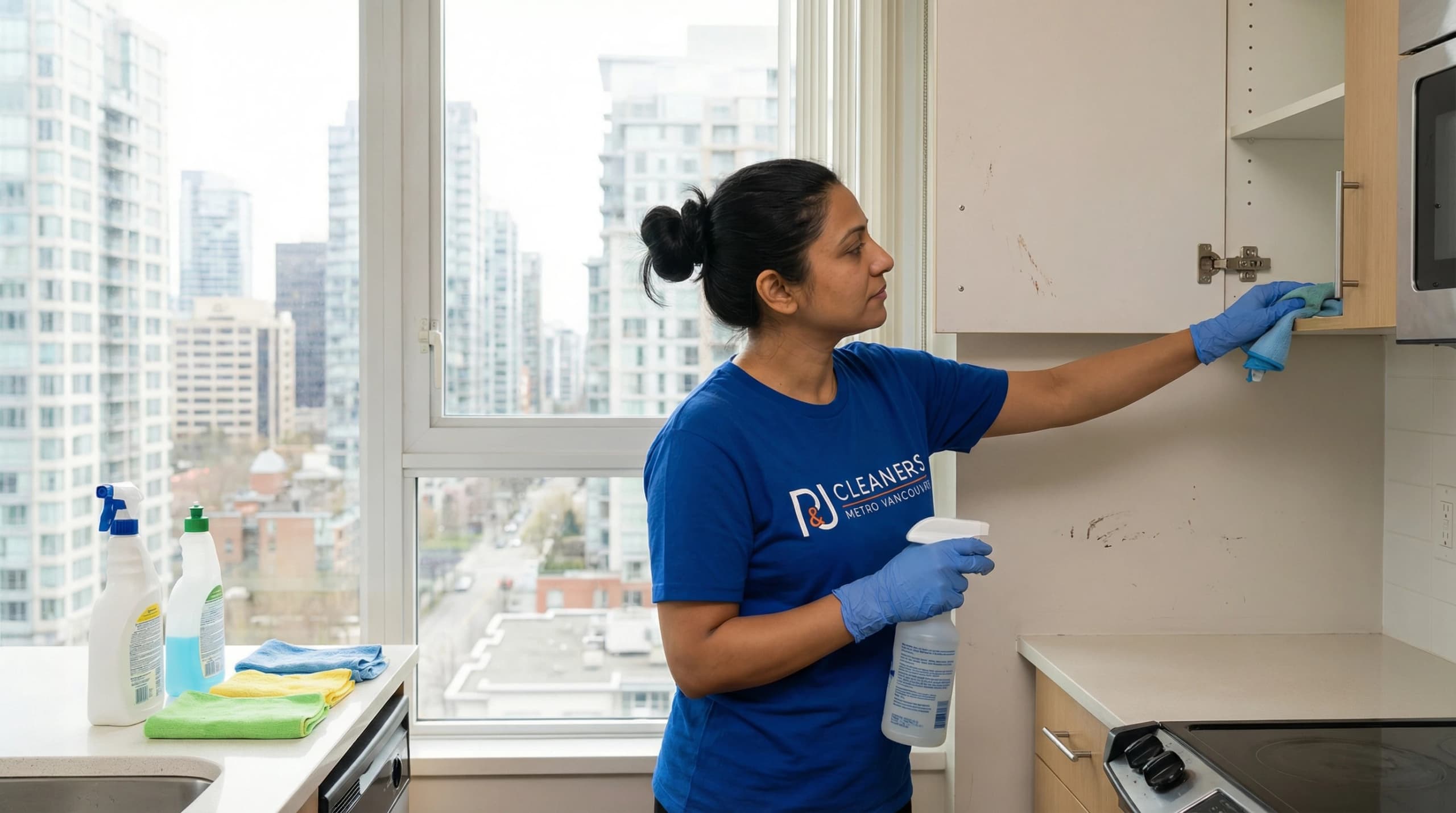
Spring brings increased pollen from surrounding forests, with counts reaching 120 grains per cubic metre during peak bloom according to Aerobiology Research Laboratories. Apartment balconies, window screens, and exterior surfaces accumulate yellow-green pollen dust that enters units through ventilation systems and open windows. Summer introduces wildfire smoke from interior BC, requiring enhanced air filtration and more frequent surface cleaning. Fall delivers leaf debris and increased rainfall, while winter brings salt spray from road maintenance and reduced natural ventilation due to closed windows. Each season demands specific cleaning protocols to maintain indoor air quality and surface cleanliness in North Vancouver apartments.
Adjust cleaning frequency based on seasonal challenges to maintain consistent apartment conditions year-round. Spring requires weekly balcony cleaning and every 2 weeks filter changes to manage pollen infiltration. Summer demands daily surface wiping during smoke events and air purifier maintenance to remove particulates. Fall cleaning focuses on entry areas where rain and mud track indoors, with weekly floor cleaning and monthly carpet shampooing. Winter protocols include salt residue removal from floors, increased humidity control, and monthly deep cleaning of high-touch surfaces. Property managers report 45% fewer maintenance complaints in buildings following seasonal cleaning schedules compared to year-round standard protocols.
- Change HVAC filters monthly during spring pollen season instead of standard quarterly replacement schedules.
- Clean balcony furniture and railings weekly in summer to remove wildfire ash and prevent permanent staining.
- Place absorbent mats at entry doors during fall and winter to capture 80% of tracked moisture and debris.
- Increase floor cleaning frequency to twice weekly during winter months when salt and sand enter from footwear.
- Schedule professional window cleaning in late spring and early fall when pollen and summer residue accumulate most heavily.
Eco-Friendly Products for Watershed Protection
North Vancouver's proximity to Capilano and Seymour watersheds requires environmentally responsible cleaning products that protect local water sources.
The Capilano and Seymour watersheds supply drinking water to 2.7 million Metro Vancouver residents, with intake points located within North Vancouver boundaries. Cleaning products used in apartments eventually enter municipal wastewater systems, which discharge treated effluent into Burrard Inlet and surrounding waterways. Phosphates, ammonia, and synthetic fragrances from conventional cleaners can disrupt aquatic ecosystems even after treatment. Metro Vancouver's Integrated Liquid Waste Management Plan encourages residents to use EcoLogo certified products that meet environmental performance standards. Studies by Environment and Climate Change Canada show that switching to eco-friendly cleaners reduces aquatic toxicity by 70% compared to conventional alternatives.
Select cleaning products with third-party environmental certifications including EcoLogo, Green Seal, or EPA Safer Choice labels. These products undergo rigorous testing for biodegradability, aquatic toxicity, and human health impacts. Avoid cleaners containing phosphates, chlorine bleach, ammonia, or synthetic fragrances that persist in water systems. Use concentrated formulas to reduce packaging waste and transportation emissions. Many North Vancouver residents prepare DIY cleaners using vinegar, baking soda, and castile soap for routine maintenance. Professional services like P&J Cleaners use hospital-grade eco-friendly products upon request that meet both environmental standards and Health Canada disinfection requirements. This approach protects watersheds while maintaining sanitary apartment conditions.
- Choose EcoLogo certified all-purpose cleaners that biodegrade within 28 days and contain no phosphates or VOCs.
- Use microfibre cloths instead of disposable wipes to reduce waste entering landfills and water treatment systems.
- Dilute concentrated cleaners according to manufacturer instructions to prevent excess chemicals in wastewater streams.
- Avoid antibacterial products containing triclosan, which accumulates in aquatic environments and disrupts ecosystems.
- Dispose of old cleaning products at North Vancouver's Household Hazardous Waste depot rather than pouring down drains.
Building-Specific Cleaning Considerations
North Vancouver's diverse apartment stock ranges from 1960s low-rises to modern high-rises, each requiring tailored cleaning approaches based on building age and features.
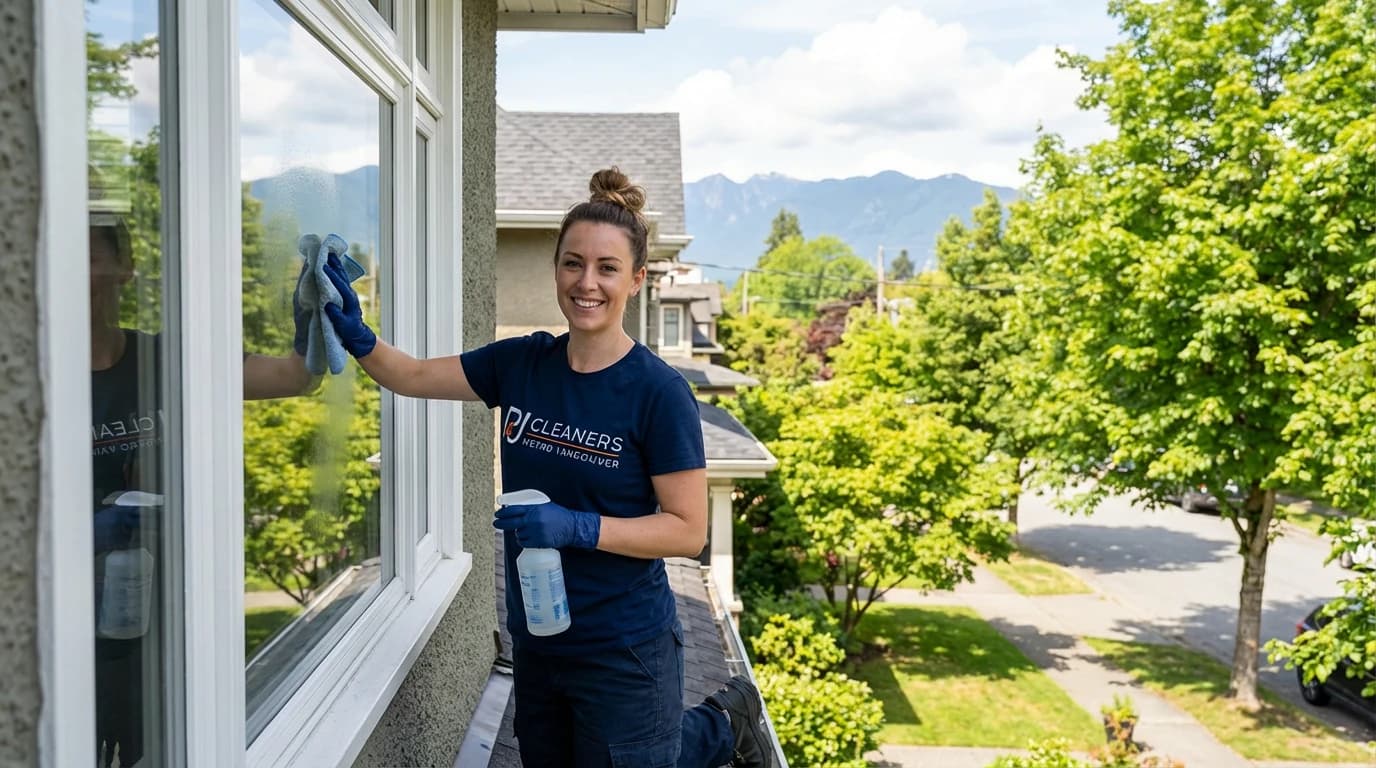
Older buildings in Central Lonsdale and Lynn Valley often feature original hardwood floors, single-pane windows, and limited ventilation systems that demand specialized care. These units may contain lead paint or asbestos in older materials, requiring careful cleaning methods that avoid disturbing hazardous substances. Newer Lower Lonsdale towers include engineered hardwood, floor-to-ceiling windows, and central HVAC systems with different maintenance needs. Luxury buildings offer granite countertops, stainless steel appliances, and premium finishes requiring pH-neutral cleaners to prevent damage. The BC Safety Authority recommends building-specific cleaning protocols based on construction year and materials present. Property managers report 30% fewer damage claims in buildings using appropriate cleaning methods for their specific features.
Identify your building's construction era and materials before selecting cleaning products and methods. Pre-1990 buildings may require HEPA vacuums and wet-cleaning methods to control dust from older materials. Modern buildings with engineered surfaces need pH-neutral cleaners that won't strip protective coatings or damage finishes. High-rise apartments above the 10th floor experience stronger winds that deposit more debris on balconies and windows, requiring more frequent exterior cleaning. Buildings with shared ventilation systems benefit from professional duct cleaning every two years to prevent cross-contamination between units. Consult strata councils or property managers about building-specific cleaning guidelines and restrictions before starting any deep cleaning projects.
- Test cleaning products on inconspicuous areas in older buildings to ensure compatibility with original finishes and materials.
- Use HEPA-filter vacuums in pre-1990 buildings to capture fine particles without redistributing them into the air.
- Clean high-rise balconies monthly as wind deposits significantly more debris above the 10th floor than lower units.
- Follow strata bylaws regarding cleaning product restrictions, as some buildings prohibit certain chemicals in shared systems.
- Schedule professional appliance cleaning annually in luxury units to maintain warranty coverage and prevent finish damage.
Common Area Coordination and Etiquette
Apartment living in North Vancouver requires coordination with building management and neighbours when cleaning affects shared spaces and facilities.
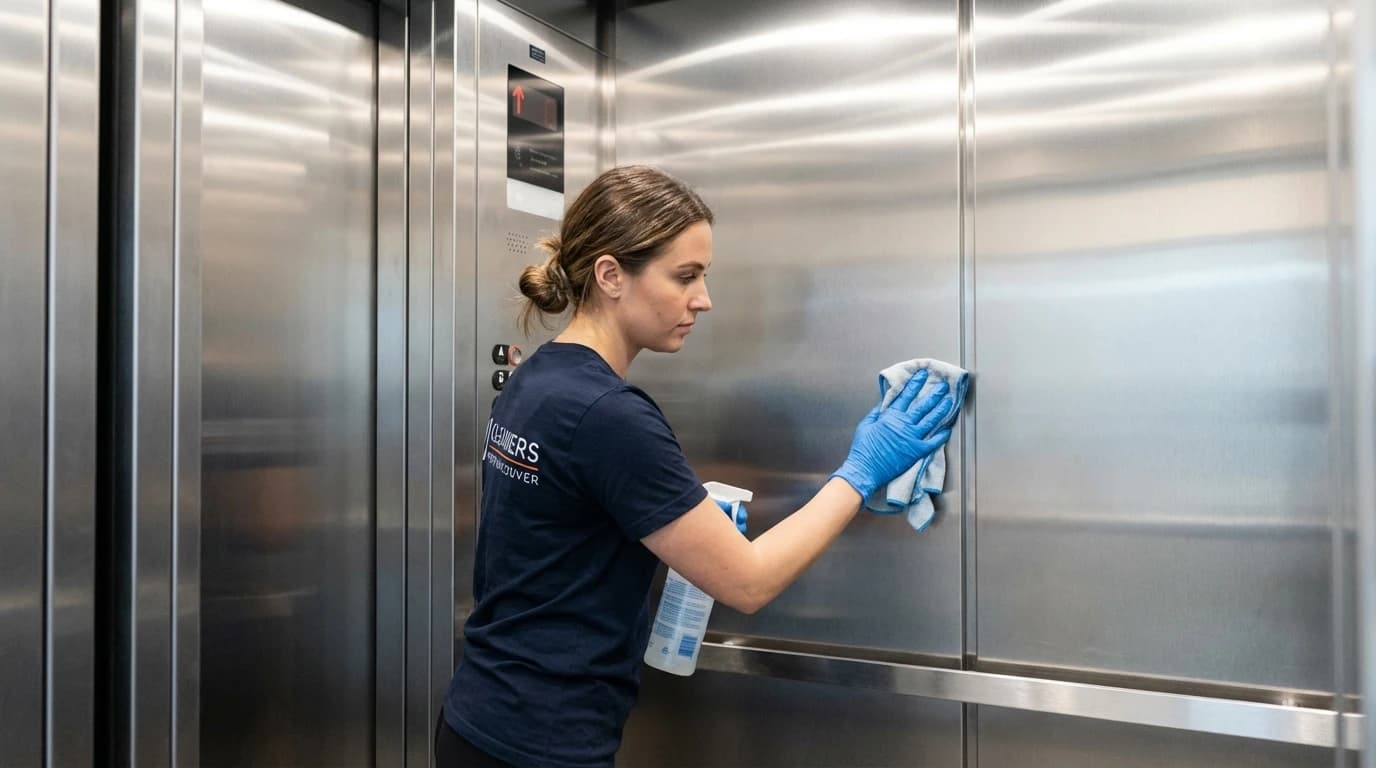
Most North Vancouver apartment buildings include shared amenities such as fitness centres, party rooms, storage lockers, and parkade areas that require coordinated cleaning schedules. Strata corporations typically hire professional services for common areas, but individual units connect to these spaces through hallways, elevators, and garbage rooms. Moving furniture, disposing of large items, or cleaning balconies can impact neighbours and require advance notice according to strata bylaws. The Strata Property Act requires residents to maintain their units in a way that doesn't interfere with others' use and enjoyment of the property. Property managers report that 60% of neighbour disputes involve cleaning-related issues such as noise, odours, or improper waste disposal.
Review your strata bylaws before scheduling deep cleaning or moving furniture that might create noise or block common areas. Most buildings restrict noisy activities to weekdays between 9 AM and 5 PM to minimize disruption. Book elevator time for move-out cleaning or large item disposal through property management to avoid conflicts with other residents. Dispose of cleaning wastewater properly rather than dumping it in parkade drains or landscaped areas where it can cause damage. Notify neighbours when using strong-smelling products or running exhaust fans for extended periods. Professional cleaning services familiar with North Vancouver buildings understand these protocols and coordinate with property management to ensure compliance and minimize disruption to other residents.
- Reserve building elevators 48 hours in advance when scheduling move-out cleaning or furniture removal projects.
- Dispose of cleaning product containers in designated recycling areas rather than regular garbage to meet strata requirements.
- Clean balconies on calm days to prevent cleaning solution overspray from affecting units below yours.
- Use low-odour cleaning products in buildings with shared ventilation systems to avoid complaints from neighbouring units.
- Coordinate with property management before pressure-washing balconies or exterior surfaces that might affect building appearance.
North Vancouver Cleaning Regulations and Standards
Municipal bylaws and provincial regulations govern cleaning practices in North Vancouver apartments to protect public health, environmental quality, and building integrity.
Local link strategy
Explore the matching service area pages for north-vancouver to connect this neighborhood advice with location-specific service information.
Services mentioned in this article
Ready for help?
4.9 · 850+ Google reviewsReady for a Spotless North Vancouver Apartment?
Book your apartment cleaning today and experience the P&J Cleaners difference. Same-day service available across North Shore neighbourhoods.
778-720-2224Apartment Cleaning FAQs for North Vancouver
How much does apartment cleaning cost in North Vancouver?
Apartment cleaning in North Vancouver typically costs $45-$65 per hour depending on unit size and service type. A standard 1-bedroom apartment averages $120-$180 for regular cleaning, while deep cleaning runs $180-$280. Move-out cleaning for a 2-bedroom unit ranges from $280-$420. P&J Cleaners offers transparent pricing with no hidden fees and same-day booking availability across all North Shore neighbourhoods.
What does apartment cleaning include?
Standard apartment cleaning includes kitchen surfaces, appliances, counters, bathroom fixtures, floors, dusting, vacuuming, and trash removal. Deep cleaning adds baseboards, inside appliances, window tracks, and detailed grout work. Move-out cleaning covers everything required for damage deposit return, including inside cabinets, light fixtures, and balcony cleaning. All P&J Cleaners services offer eco-friendly products upon request — safe for pets and children.
How often should you get apartment cleaning?
Most North Vancouver apartment dwellers schedule cleaning every 2-4 weeks depending on lifestyle and unit size. Singles or couples in 1-bedroom units often choose service every 4 weeks, while families or pet owners benefit from cleaning every 2 weeks. High-traffic areas near Lonsdale or Marine Drive may need weekly attention due to urban dust. Seasonal deep cleaning twice yearly helps maintain air quality in coastal climates.
Best apartment cleaning service in North Vancouver?
P&J Cleaners ranks as North Vancouver's top-rated apartment cleaning service with 4.9 stars from 850+ reviews. We serve all North Shore neighbourhoods including Lower Lonsdale, Lynn Valley, Deep Cove, and Edgemont Village. Our team is fully bonded, insured, and trained in eco-friendly methods. We offer same-day booking, a satisfaction guarantee, and specialized services for move-outs, deep cleaning, and post-renovation cleanup.
Meet the Author
Pamela
Co-Founder
Pamela leads residential quality standards at P&J Cleaners, refining safe, detail-driven cleaning systems for Vancouver homes, condos, and move-out projects.
Keep Exploring