

Neighborhood Context
Why Surrey, BC cleaning routines need a different approach
Surrey is Metro Vancouver's second-largest city with over 568,000 residents across 316 square kilometres, featuring diverse neighbourhoods from high-rise towers in City Centre to family townhomes in Fleetwood and heritage properties in Cloverdale. The city's rapid growth has created a booming rental market with 42% of households renting apartments, condos, and townhouses according to Statistics Canada 2021 census data. Surrey's mix of new construction and older buildings presents unique cleaning challenges from modern glass towers requiring streak-free window care to 1970s walk-ups needing deep carpet maintenance.
The city's six distinct town centres each have different housing profiles that affect cleaning needs. Whalley and City Centre feature predominantly high-rise apartments built after 2010 with in-suite laundry and modern appliances, while Guildford and Newton have more mid-rise buildings from the 1980s-90s with shared laundry facilities and older fixtures. Cloverdale maintains character homes converted to rental suites, and South Surrey offers luxury apartments near White Rock with premium finishes requiring specialized care. Understanding these neighbourhood differences helps tailor cleaning approaches to local building types and resident expectations.
Surrey's climate brings specific seasonal cleaning demands with wet winters from November through March causing mud tracking and moisture issues, followed by high pollen counts in spring affecting indoor air quality. The city's proximity to agricultural areas in South Surrey means more dust infiltration, while industrial zones near the Fraser River contribute to window grime. Local strata councils have varying cleaning standards, with newer buildings requiring eco-friendly products upon request and older complexes focusing on cost-effective maintenance. Professional cleaners familiar with Surrey's building stock can navigate these requirements efficiently.
42%
Surrey Rental Households
Source: Statistics Canada 2021
850 sq ft
Average Apartment Size
Source: CMHC Surrey Report 2025
320+
High-Rise Buildings
Source: City of Surrey Planning
18,400
New Units Built 2020-2025
Source: BC Housing Data
Every 2 weeks
Average Cleaning Frequency
Source: P&J Cleaners Client Data
Surrey-Specific Apartment Cleaning Tips
These neighbourhood-focused strategies address the unique challenges of Surrey's diverse housing stock, from City Centre towers to Cloverdale character suites.
High-Rise Building Protocols
City Centre and Whalley towers require elevator booking, parkade access coordination, and strata-compliant cleaning products for shared spaces.
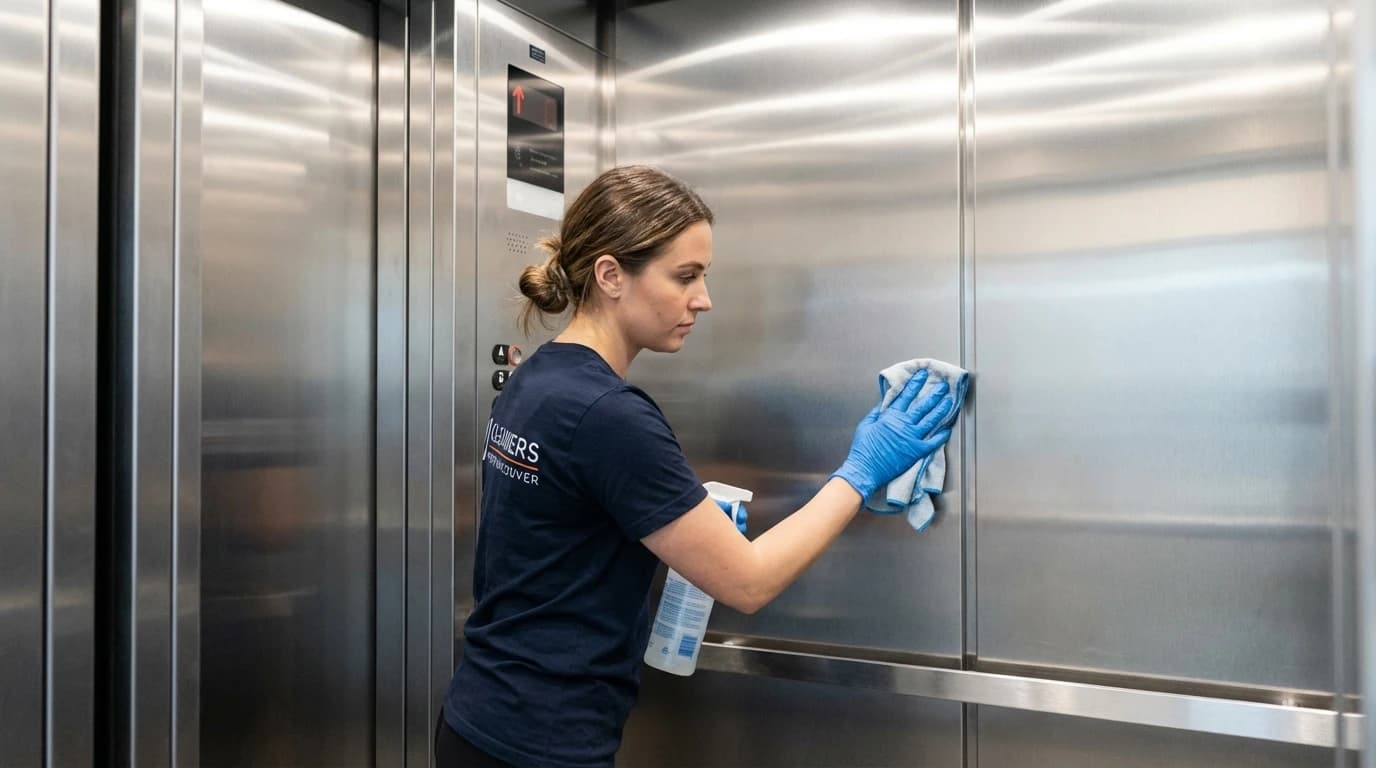
Surrey's 320+ high-rise buildings have specific access requirements that professional cleaners must navigate. Most towers require advance elevator booking during designated service hours, typically 9 AM to 4 PM on weekdays, with some buildings charging $25-$50 reservation fees for moving or cleaning activities. Parkade access often needs separate fobs or codes, and cleaners must use service elevators rather than resident elevators to avoid complaints. Strata councils in newer buildings like Central City towers mandate eco-friendly, low-VOC cleaning products to maintain LEED certification and protect shared ventilation systems.
Balcony cleaning in high-rises presents unique challenges with wind exposure and height restrictions. Buildings above 10 storeys often prohibit exterior window cleaning by residents or contractors without specialized equipment and WorkSafeBC certification. Interior balcony door tracks accumulate dust and debris from wind patterns, requiring monthly vacuuming and quarterly deep cleaning. Glass railings common in luxury towers need streak-free solutions that won't leave residue visible from neighbouring units. Professional cleaners familiar with Surrey high-rises bring proper tools and insurance coverage for these elevated spaces.
Shared amenity spaces like fitness centres, party rooms, and rooftop terraces require coordination with building management. Some strata corporations include common area cleaning in monthly fees, while others expect residents to clean after private bookings. Understanding which spaces are tenant responsibility versus building maintenance prevents disputes and ensures thorough cleaning. High-traffic lobbies and hallways outside unit doors should be swept weekly to prevent dirt tracking into apartments, though this is typically building maintenance rather than individual tenant duty.
- Book service elevators 48-72 hours in advance through building management or concierge to avoid scheduling conflicts and potential fees.
- Verify strata-approved cleaning product lists before service, as many Surrey towers ban ammonia, bleach, and strong solvents in shared ventilation systems.
- Schedule cleaning during mid-morning hours (10 AM - 2 PM) when elevator traffic is lowest and building staff are available for access assistance.
- Keep parkade access fobs and elevator keys in a designated location, as replacement costs range from $50-$150 in most Surrey buildings.
- Document pre-existing damage in hallways and elevators with photos before moving cleaning equipment to avoid liability for unrelated wear.
Seasonal Cleaning Priorities
Surrey's wet winters and high-pollen springs require adapted cleaning schedules focusing on moisture control and allergen reduction.
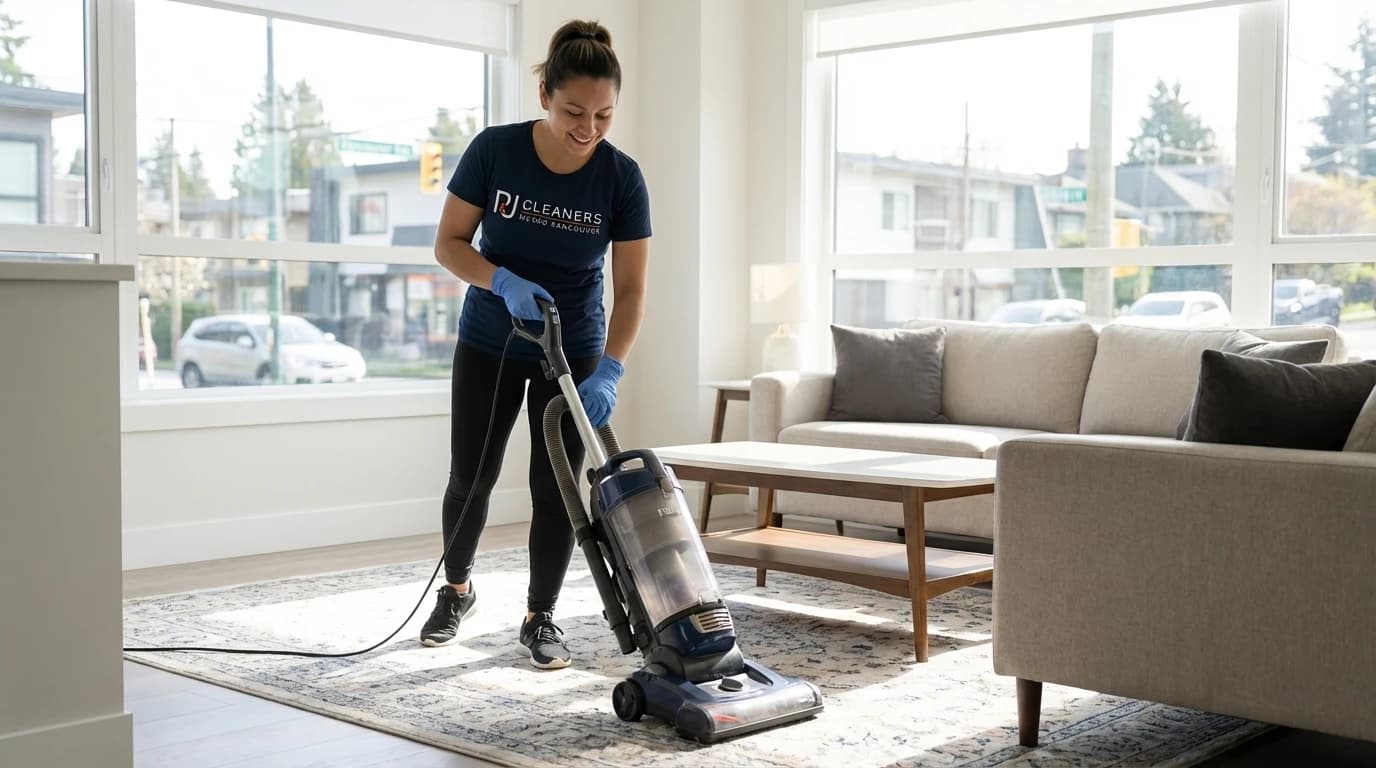
November through March brings heavy rainfall averaging 150mm monthly, creating moisture and mud tracking challenges in Surrey apartments. Entry mats should be cleaned twice weekly during wet months, with rubber-backed mats preventing water damage to hardwood and laminate flooring. Balcony drains need monthly clearing to prevent water backup that can seep under sliding doors, and weather stripping should be inspected quarterly for gaps allowing moisture infiltration. Dehumidifiers help maintain 40-50% relative humidity levels recommended by Health Canada, preventing mold growth in bathrooms and closets common in older Surrey buildings with limited ventilation.
Spring pollen season from April through June affects indoor air quality significantly in Surrey due to proximity to agricultural areas and Fraser Valley airflow patterns. HVAC filters should be changed monthly during peak pollen months rather than the standard quarterly schedule, with MERV 11-13 filters capturing 85% of allergens according to ASHRAE standards. Window tracks and sills accumulate yellow pollen dust requiring weekly wiping, and area rugs benefit from professional steam cleaning in May to remove embedded particles. Air purifiers with HEPA filters reduce airborne allergens by 60% based on Health Canada studies, particularly beneficial for ground-floor units near landscaped areas.
Summer months bring increased dust from construction activity across Surrey's rapidly developing neighbourhoods. Window cleaning frequency should increase to monthly during construction seasons, as cement dust and debris settle on glass surfaces and balcony furniture. Ceiling fans accumulate dust quickly in warm weather and should be wiped every 2 weeks to prevent circulation of particles when running. Fall preparation includes gutter cleaning for ground-floor patios and townhouse units, plus inspection of window seals before winter rains return. Seasonal deep cleaning in October prepares apartments for the wet season ahead.
- Install heavy-duty entry mats in November and clean twice weekly through March to capture 80% of tracked moisture and mud before it reaches flooring.
- Change HVAC filters monthly from April-June during peak pollen season, upgrading to MERV 11-13 filters for better allergen capture in Surrey's high-pollen environment.
- Schedule professional carpet and upholstery cleaning in May after pollen season ends to remove embedded allergens that vacuuming alone cannot eliminate.
- Clean balcony drains monthly during winter to prevent water backup, using a wet-dry vacuum to remove debris before it causes drainage issues.
- Wipe window sills and tracks weekly during spring and summer to remove pollen and construction dust before it becomes embedded and harder to clean.
Neighbourhood-Specific Challenges
Each Surrey town centre presents unique cleaning considerations from industrial dust near the Fraser to agricultural pollen in South Surrey.
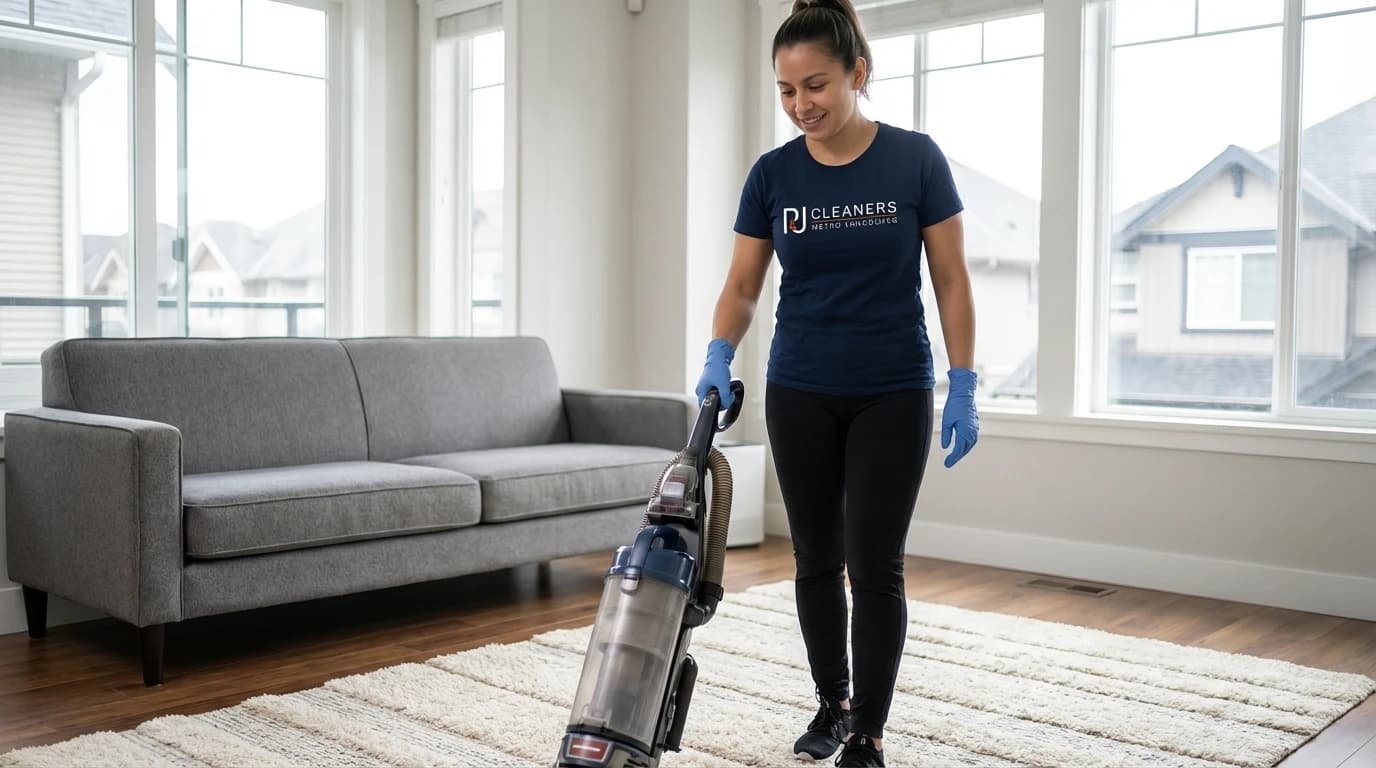
Whalley and City Centre apartments face urban dust and vehicle emissions requiring more frequent window and balcony cleaning than suburban areas. High-traffic corridors near SkyTrain stations mean more foot traffic and dirt tracking into buildings, with lobby mats needing daily maintenance during commuter hours. Older buildings in Whalley from the 1970s-80s often have popcorn ceilings that trap dust and require gentle cleaning methods to avoid damage. Street-facing units need monthly exterior window cleaning to remove traffic film, while interior windows can be cleaned quarterly. Noise from construction and traffic means many residents keep windows closed, reducing natural ventilation and increasing need for air purifier use.
Newton and Guildford neighbourhoods have more mid-rise buildings with shared laundry facilities in basements or ground floors, requiring attention to lint and detergent residue tracking. These areas also have higher concentrations of families with children, meaning more frequent cleaning of high-touch surfaces and floors to manage toys, snacks, and activity-related mess. Older carpet in hallways and units requires professional steam cleaning annually to maintain appearance and hygiene. Ground-floor units near playgrounds and green spaces experience more dirt tracking and should have entry mats cleaned twice weekly year-round.
Cloverdale's character homes converted to rental suites present unique challenges with older fixtures, hardwood floors needing specialized care, and sometimes shared entrances requiring coordination between tenants. South Surrey luxury apartments near White Rock feature premium finishes like quartz countertops, stainless appliances, and engineered hardwood requiring pH-neutral cleaners to prevent damage. These units often have larger square footage averaging 1,200+ square feet and multiple bathrooms demanding more cleaning time. Proximity to the ocean means salt air affects window cleanliness, requiring monthly exterior cleaning for units within 2 kilometres of the waterfront.
- City Centre units should schedule monthly exterior window cleaning to remove traffic film and urban dust that accumulates faster than in suburban areas.
- Newton and Guildford families benefit from weekly high-touch surface disinfection including light switches, door handles, and remote controls to manage higher activity levels.
- Cloverdale character suite tenants should use hardwood-specific cleaners and avoid excessive water that can damage older flooring and cause warping.
- South Surrey luxury apartments require pH-neutral cleaners for quartz and granite surfaces to prevent etching and maintain the premium finish.
- Ground-floor units near green spaces need twice-weekly entry mat cleaning and monthly patio sweeping to manage higher dirt and debris tracking.
Move-Out Cleaning Standards
Surrey landlords expect specific cleaning standards for damage deposit return, with detailed checklists varying by building age and rental agreement terms.
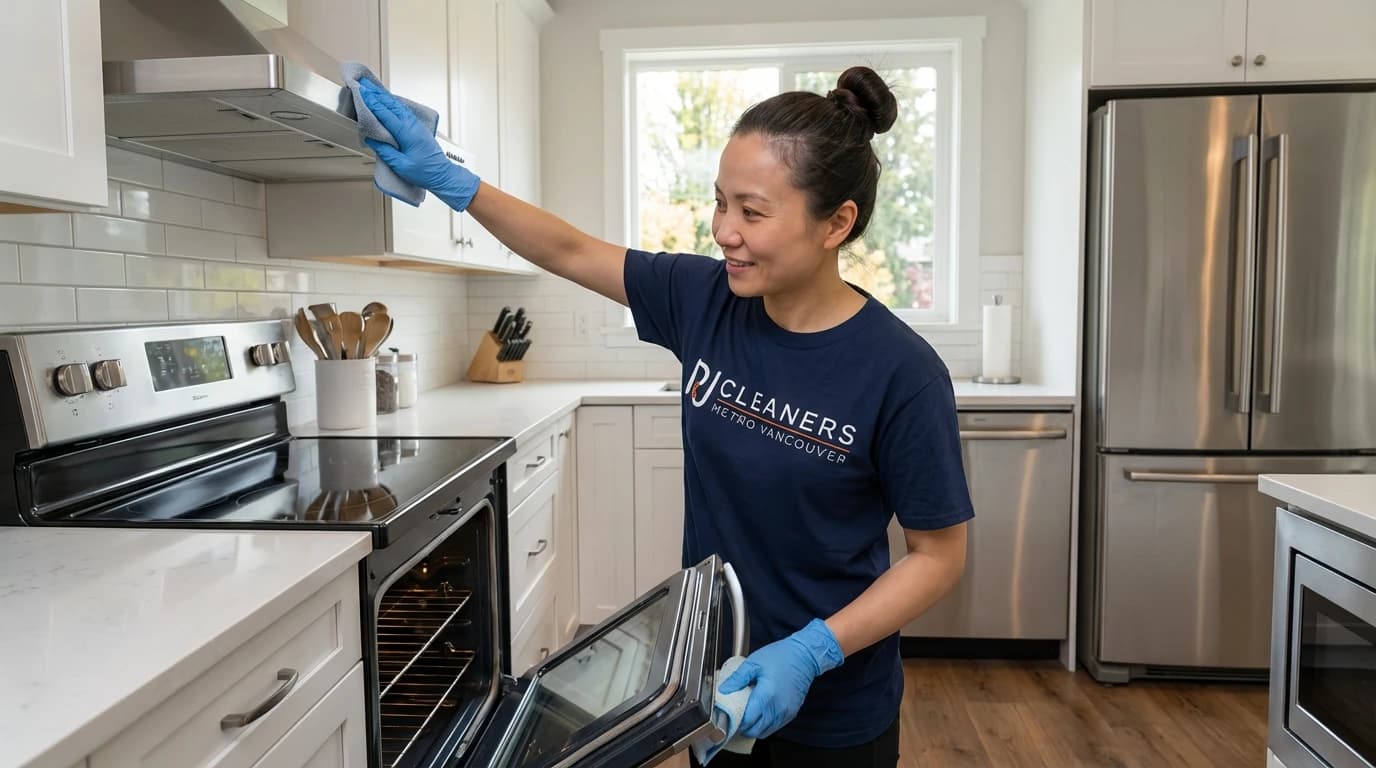
British Columbia's Residential Tenancy Act requires tenants to return rental units in reasonably clean condition, with Surrey landlords typically expecting professional-level cleaning for full damage deposit return. Standard move-out cleaning includes oven interior degreasing, refrigerator and freezer defrosting and sanitizing, bathroom tile and grout scrubbing, baseboard wiping, and carpet steam cleaning if applicable. Light fixtures, window tracks, closet shelving, and inside cabinets must be wiped clean of dust and debris. Failure to meet these standards can result in landlords deducting $150-$400 from damage deposits for professional cleaning, making pre-emptive service cost-effective.
Older Surrey buildings often have more stringent move-out requirements due to accumulated wear and dated fixtures. Popcorn ceilings in 1970s-80s buildings need careful dusting without water to avoid damage, while older vinyl flooring requires stripping and waxing that most tenants cannot perform themselves. Carpet cleaning must include pre-treatment of stains and high-traffic areas, with receipts provided to landlords as proof of professional service. Window cleaning should include tracks, screens, and both interior and exterior glass where accessible. Balconies need sweeping, railing wiping, and drain clearing to pass final inspection.
Newer buildings have more standardized move-out checklists provided by property management companies, often requiring eco-friendly cleaning products and specific brands approved by strata councils. Stainless steel appliances need streak-free polishing, quartz countertops require non-abrasive cleaners, and engineered hardwood floors must be cleaned with manufacturer-approved solutions. Some luxury buildings require professional cleaning receipts from insured, bonded companies rather than accepting tenant self-cleaning. Scheduling move-out cleaning 2-3 days before final walkthrough allows time for touch-ups if landlords identify missed areas, preventing deposit disputes and ensuring smooth transitions.
- Book move-out cleaning 2-3 days before your final walkthrough to allow time for landlord inspection and any necessary touch-ups before key return.
- Request detailed move-out cleaning checklists from landlords or property managers at lease signing to understand specific expectations and avoid surprises.
- Keep professional cleaning receipts showing company name, insurance details, and services performed as proof for landlords and potential deposit disputes.
- Focus extra attention on kitchens and bathrooms as these areas receive the most scrutiny during move-out inspections and affect deposit return.
- Photograph the cleaned unit from multiple angles before final walkthrough to document condition and protect against unfair damage deposit deductions.
Strata Council Requirements
Surrey strata corporations have varying rules about cleaning products, service provider access, and noise restrictions that tenants must follow.
Strata bylaws in Surrey buildings often restrict cleaning activities to specific hours, typically 9 AM to 5 PM on weekdays and 10 AM to 4 PM on weekends to minimize noise disturbance to neighbours. Vacuum cleaners, floor scrubbers, and other loud equipment cannot be used during early morning or evening quiet hours, with violations potentially resulting in fines of $50-$200 per incident. Some luxury buildings require advance notice to the concierge or property manager when professional cleaners will be on-site, including company name, insurance details, and expected duration. Understanding these rules prevents conflicts and ensures cleaning services can be completed without interruption or penalty.
Product restrictions are increasingly common in newer Surrey buildings pursuing green certifications or protecting shared HVAC systems. Many strata councils ban ammonia-based glass cleaners, chlorine bleach, and aerosol products that can trigger ventilation system alarms or affect residents with chemical sensitivities. Eco-friendly alternatives using plant-based ingredients and low-VOC formulations are required, with some buildings maintaining approved product lists available through property management. Professional cleaning companies familiar with Surrey strata requirements bring compliant products and can provide documentation of ingredients and safety data sheets when requested by building management.
Waste disposal rules affect cleaning activities, with most Surrey buildings requiring separation of recyclables, organics, and garbage according to Metro Vancouver regulations. Cleaning-related waste like paper towels, empty product containers, and vacuum bags must be properly sorted to avoid contaminating recycling streams. Some buildings have designated disposal times for large items or renovation debris, though regular cleaning waste typically follows standard collection schedules. Failure to follow waste sorting rules can result in strata fines and affects the building's overall waste diversion rates. Professional cleaners should be familiar with building-specific disposal procedures and use appropriate bins.
- Review your strata bylaws for cleaning hour restrictions before booking services, as most Surrey buildings limit noisy activities to daytime hours on weekdays.
- Verify approved cleaning product lists with property management before service, particularly in newer buildings with green certifications or shared ventilation systems.
- Notify building concierge or management 24-48 hours before professional cleaners arrive to ensure smooth access and compliance with visitor policies.
- Follow Metro Vancouver waste sorting rules when disposing of cleaning materials, separating recyclables, organics, and garbage to avoid strata fines.
- Keep copies of cleaner insurance certificates and business licences as some strata councils require proof of coverage for service providers entering buildings.
Surrey Rental and Cleaning Regulations
British Columbia's Residential Tenancy Act and Surrey-specific bylaws govern cleaning responsibilities, damage deposits, and tenant rights.
Local link strategy
Explore the matching service area pages for surrey to connect this neighborhood advice with location-specific service information.
Services mentioned in this article
Ready for help?
4.9 · 850+ Google reviewsReady for a Spotless Surrey Apartment?
Book your apartment cleaning today and experience the P&J Cleaners difference. Same-day service available across all Surrey neighbourhoods.
778-720-2224Frequently Asked Questions About Apartment Cleaning in Surre...
How much does apartment cleaning cost in Surrey?
Apartment cleaning in Surrey typically costs $89-$149 for a standard one-bedroom unit, or $40-$60 per hour for professional service. Prices vary based on apartment size, cleaning frequency, and specific requirements like deep cleaning or move-out services. Most Surrey apartments (600-900 sq ft) take 2-3 hours for a thorough clean. P&J Cleaners offers transparent pricing with no hidden fees and same-day booking availability.
What does apartment cleaning include?
Standard apartment cleaning includes kitchen surfaces, appliances, countertops, bathroom sanitization, vacuuming all floors, dusting furniture and baseboards, emptying trash, and making beds. Deep cleaning adds inside appliances, window tracks, baseboards, and detailed grout work. Move-out cleaning covers everything required for deposit return including inside cabinets, oven deep clean, and carpet spot treatment. All services offer eco-friendly products upon request — safe for pets and children.
How often should you get apartment cleaning?
Most Surrey apartment dwellers benefit from cleaning every 2 weeks to manage dust, pet dander, and moisture buildup common in coastal climates. Weekly service works well for busy professionals, families with pets, or anyone with allergies. Monthly deep cleaning suits minimalists or those who maintain daily tidying. According to ISSA research, regular professional cleaning reduces allergens by 52% and extends flooring lifespan by 30-40%.
Best apartment cleaning service in Surrey?
P&J Cleaners ranks as Surrey's top-rated apartment cleaning service with 4.9/5 stars from 850+ reviews. We offer same-day booking, eco-friendly products upon request, fully bonded and insured teams, and a satisfaction guarantee. Our cleaners are trained specifically for apartment layouts common in Surrey neighbourhoods like Whalley, Guildford, and Newton. We serve all 39 Metro Vancouver locations with consistent quality standards.
Do I need to be home during apartment cleaning?
You don't need to be home during cleaning. Most Surrey clients provide secure building access codes and leave keys in lockboxes or with building concierge. Our insured, background-checked teams follow strict security protocols. Many apartment dwellers schedule cleaning during work hours for convenience. We send arrival notifications and completion photos. First-time clients often prefer to be present for the initial walkthrough to discuss preferences.
Meet the Author
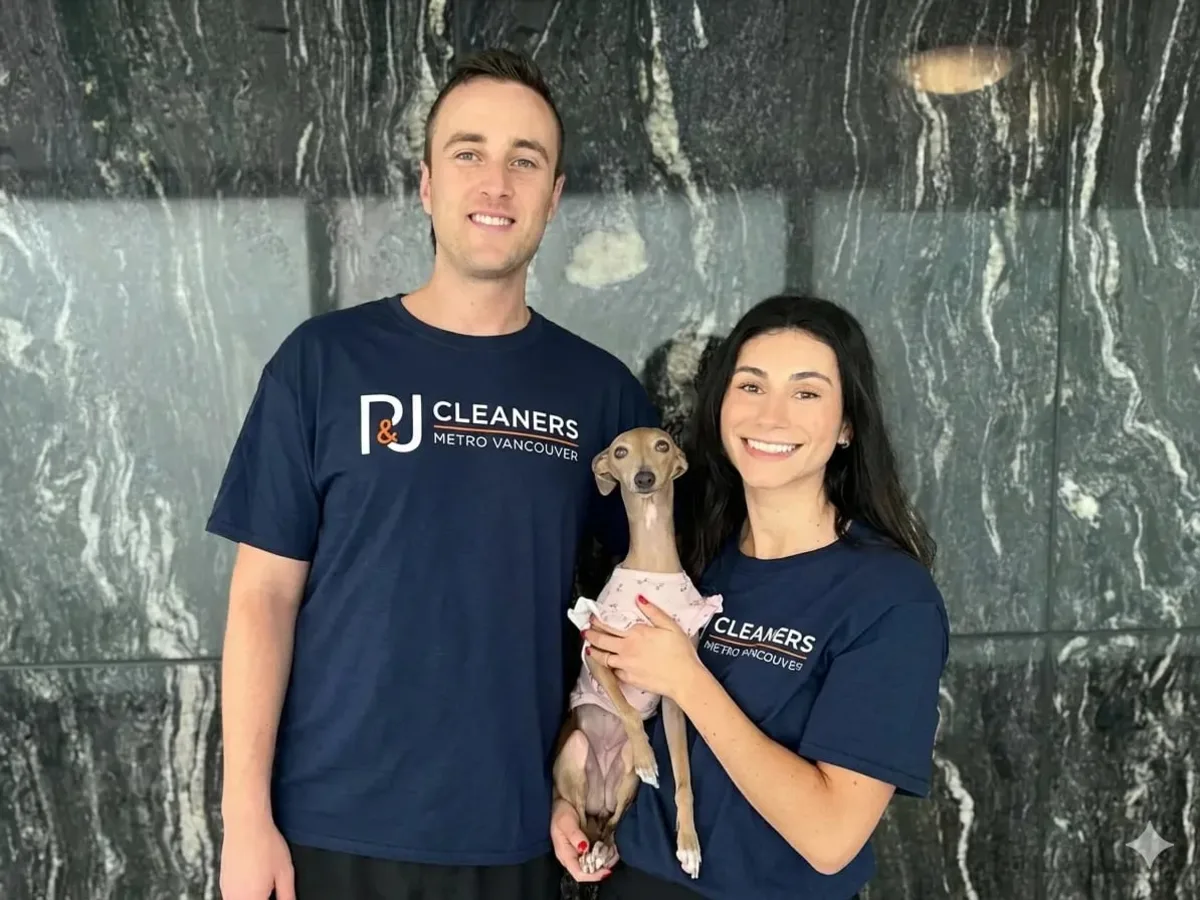
Pamela
Co-Founder
Pamela leads residential quality standards at P&J Cleaners, refining safe, detail-driven cleaning systems for Vancouver homes, condos, and move-out projects.
Keep Exploring