


Neighborhood Context
Why Burnaby cleaning routines need a different approach
Burnaby sits at the geographic heart of Metro Vancouver, bordered by Vancouver, New Westminster, Coquitlam, and Port Moody. With 249,125 residents across 98.6 square kilometres, it ranks as BC's third-largest city. The municipality divides into distinct neighbourhoods including Metrotown, Brentwood, Edmonds, Deer Lake, and Burnaby Mountain, each with unique housing stock ranging from 1960s low-rises to modern high-density towers. Spring cleaning needs vary significantly between older character homes in South Burnaby and newer condominiums in the Brentwood Town Centre development zone.
Burnaby's temperate rainforest climate brings 1,200mm of annual precipitation, with March through May marking the transition from wet winter to drier summer months. This seasonal shift makes spring the optimal time for deep cleaning, as moisture levels drop and windows can stay open for ventilation. The city's extensive urban forest canopy covers 38% of land area, contributing to pollen accumulation on exterior surfaces and increased indoor allergen levels during spring bloom periods. Proximity to major transportation corridors including Highway 1 and the Trans-Canada Highway means homes near these routes accumulate more particulate matter requiring thorough seasonal cleaning.
Burnaby's housing mix includes 45% single-family homes, 35% apartments, and 20% townhouses according to 2021 census data. Older neighbourhoods like Sperling-Duthie and Capitol Hill feature homes built between 1950-1980 with original fixtures requiring specialized cleaning approaches. Newer developments in Brentwood and Metrotown emphasize floor-to-ceiling windows and open-concept layouts that showcase dust and require frequent maintenance. The city's commitment to sustainability through the Environmental Sustainability Strategy influences cleaning product preferences, with 68% of Burnaby residents surveyed preferring eco-certified cleaning solutions over conventional alternatives.
1,850 sq ft
Average Home Size
Source: BC Assessment Authority 2025
52%
Households with Pets
Source: Statistics Canada 2021
41%
Homes Built Pre-1980
Source: City of Burnaby Housing Data
$280-450
Average Spring Cleaning Cost
Source: P&J Cleaners Service Data 2025
April 15 - May 30
Allergy Season Peak
Source: BC Health Authority
Burnaby-Specific Spring Cleaning Strategies
Burnaby's unique geography, climate patterns, and housing characteristics require tailored cleaning approaches. These location-specific strategies address common challenges faced by Burnaby homeowners during spring cleaning season.
Managing Coastal Moisture and Mould Prevention
Burnaby's proximity to the Pacific Ocean creates persistent humidity that promotes mould growth in bathrooms, basements, and poorly ventilated areas during winter months.
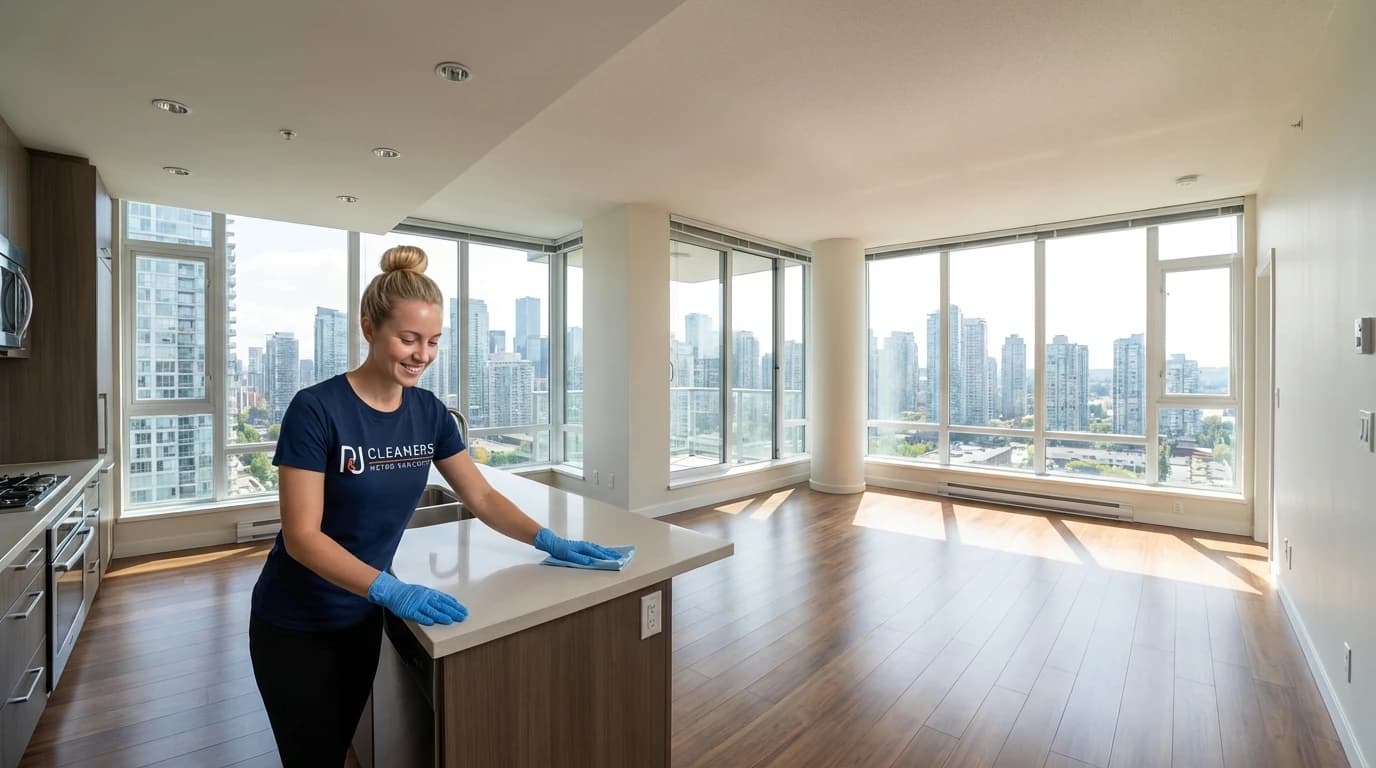
Burnaby homes experience average indoor humidity levels of 55-65% during winter months, significantly higher than the recommended 30-50% range for mould prevention. This excess moisture accumulates in bathroom grout, window frames, basement corners, and behind furniture positioned against exterior walls. Spring cleaning provides the critical opportunity to address mould growth before summer heat accelerates spore reproduction. Focus inspection efforts on north-facing walls, basement window wells, and any areas with visible condensation staining. Professional cleaning services use HEPA-filtered vacuums to capture mould spores without dispersing them into air circulation systems.
The transition from heating season to natural ventilation requires thorough cleaning of HVAC systems, furnace filters, and air exchange units common in newer Burnaby construction. Dust and debris accumulated during closed-window winter months circulate through ductwork, reducing air quality and triggering allergies. Replace furnace filters rated MERV 11 or higher to capture particles down to 1 micron, including mould spores and pollen. Clean supply and return vents with microfibre cloths and vacuum attachments, removing visible dust buildup that restricts airflow. Buildings constructed after 2010 typically include heat recovery ventilators requiring filter replacement and core cleaning every six months for optimal performance.
Burnaby's Building and Safety Department recommends annual inspection of crawl spaces and attic ventilation systems to prevent moisture accumulation. Spring cleaning should include checking vapour barriers for tears, ensuring soffit vents remain unobstructed, and confirming downspouts direct water at least six feet from foundation walls. Homes in lower-elevation neighbourhoods like Edmonds and South Burnaby face higher groundwater tables, making basement moisture management particularly critical. Dehumidifiers should maintain basement humidity below 50% year-round, with spring providing the ideal time to empty, clean, and service these units before summer humidity increases.
- Inspect window frames and sliding door tracks for black mould growth, cleaning with vinegar solution and ensuring proper drainage hole function
- Run bathroom exhaust fans for 20 minutes after showers to reduce moisture; clean fan covers and check duct connections during spring maintenance
- Move furniture away from exterior walls to allow air circulation and inspect for condensation staining or musty odours indicating hidden mould
- Clean refrigerator drip pans and air conditioning condensate lines to prevent standing water that promotes bacterial growth
- Test basement humidity with a hygrometer; levels above 60% require dehumidifier operation or improved ventilation before mould develops
Pollen and Allergen Control During Peak Season
Burnaby's extensive urban forest and proximity to Pacific Spirit Park create elevated pollen counts from mid-April through June, requiring strategic cleaning to minimize indoor allergen exposure.

The BC Health Authority reports Burnaby experiences peak tree pollen counts between April 10-May 15, followed by grass pollen through June. Cedar, alder, and birch trees dominate local forests, producing fine pollen particles that penetrate window screens and accumulate on horizontal surfaces. Spring cleaning must address both visible dust and microscopic allergen particles that trigger respiratory symptoms. HEPA vacuum filtration captures 99.97% of particles 0.3 microns or larger, essential for effective allergen removal from carpets, upholstery, and drapes. Standard vacuum cleaners without HEPA filtration actually redistribute allergens into breathing zones, worsening indoor air quality despite appearing to clean surfaces.
Window cleaning takes priority during spring months as pollen accumulates on glass surfaces, reducing natural light transmission and creating visible yellow-green film. Burnaby's frequent spring rain showers mix with airborne pollen, creating sticky residue that requires proper cleaning solutions rather than water alone. Professional window cleaning services use squeegee techniques with pH-neutral solutions that remove pollen without leaving streaks or residue. Interior window sills and tracks collect concentrated pollen deposits requiring vacuum removal before wet cleaning. Homes near Burnaby Mountain Conservation Area or Central Park experience 30-40% higher pollen accumulation than properties in urban core neighbourhoods like Metrotown.
Soft furnishings including curtains, throw pillows, area rugs, and upholstered furniture act as pollen reservoirs throughout spring months. Fabric surfaces trap allergen particles that release into air with normal movement and activity. Machine-washable items should undergo hot water cycles (60°C minimum) to denature pollen proteins and kill dust mites. Non-washable upholstery requires professional steam cleaning or thorough HEPA vacuuming with upholstery attachments. Replace or clean air purifier filters monthly during peak pollen season, as clogged filters reduce effectiveness and may release captured allergens back into room air. Position air purifiers in bedrooms and main living areas where occupants spend most time for maximum benefit.
- Keep windows closed during peak pollen hours (5am-10am) and use HEPA air purifiers to maintain indoor air quality without outdoor allergen infiltration
- Remove shoes at entry points to prevent tracking pollen and outdoor debris through living spaces; place washable mats inside and outside doors
- Wash bedding weekly in hot water during pollen season, as pillows and sheets accumulate allergens from hair and skin contact throughout night
- Vacuum upholstered furniture weekly using HEPA-filtered machines with upholstery attachments to remove embedded pollen from fabric fibres
- Schedule professional duct cleaning every 3-5 years to remove accumulated allergens from HVAC systems that circulate throughout home
Addressing Traffic Pollution in High-Density Areas
Homes near Highway 1, Kingsway, and major transit corridors accumulate higher levels of particulate matter requiring more frequent and thorough cleaning protocols.
Metro Vancouver air quality monitoring stations record elevated PM2.5 and PM10 particulate levels along major transportation corridors including Highway 1, Lougheed Highway, and Kingsway. Homes within 500 metres of these routes experience 25-35% higher indoor dust accumulation compared to residential areas farther from traffic. Fine particulate matter penetrates building envelopes through window seals, door gaps, and ventilation systems, settling on surfaces and embedding in carpets and upholstery. Spring cleaning for properties in high-traffic zones requires more aggressive approaches including professional carpet extraction, upholstery steam cleaning, and thorough baseboard and trim wiping to remove accumulated pollution residue.
Window cleaning frequency should increase for homes facing major roads, as vehicle exhaust combines with rain to create dark streaking on glass and siding. This pollution film contains carbon particles, brake dust, and tire rubber compounds that require specialized cleaning solutions for complete removal. Standard glass cleaners may smear these contaminants rather than dissolving them. Professional services use degreasing agents followed by pH-neutral rinses to restore clarity without damaging window seals or frames. Exterior window cleaning should occur twice annually minimum for traffic-adjacent properties, compared to annual cleaning sufficient for homes in quieter residential areas.
Air filtration becomes critical for maintaining indoor air quality in high-traffic locations. Furnace filters should be upgraded to MERV 13 rating minimum, with replacement every 60 days during peak traffic seasons rather than standard 90-day intervals. Standalone HEPA air purifiers positioned near windows and doors provide additional filtration for particles that bypass HVAC systems. The City of Burnaby's Air Quality Management Plan recommends enhanced ventilation strategies for properties within identified pollution corridors, including timed air exchange during low-traffic periods and sealed building envelopes to minimize infiltration. Spring cleaning provides the opportunity to assess and upgrade filtration systems before summer window-opening season increases outdoor air exchange.
- Install weather stripping on doors and windows facing traffic corridors to reduce particulate infiltration while maintaining energy efficiency
- Wipe baseboards, door frames, and window sills weekly in high-traffic areas as these horizontal surfaces collect concentrated pollution deposits
- Use damp microfibre cloths rather than dry dusting to capture particles without dispersing them into air circulation
- Clean or replace range hood filters monthly as cooking activities combine with traffic pollution to create sticky residue buildup
- Schedule professional carpet cleaning annually for homes near major roads, as embedded particulates damage fibres and reduce carpet lifespan
Special Considerations for Pre-1980 Burnaby Homes
Burnaby's substantial inventory of older homes requires careful cleaning approaches that preserve original features while addressing accumulated grime and outdated materials.
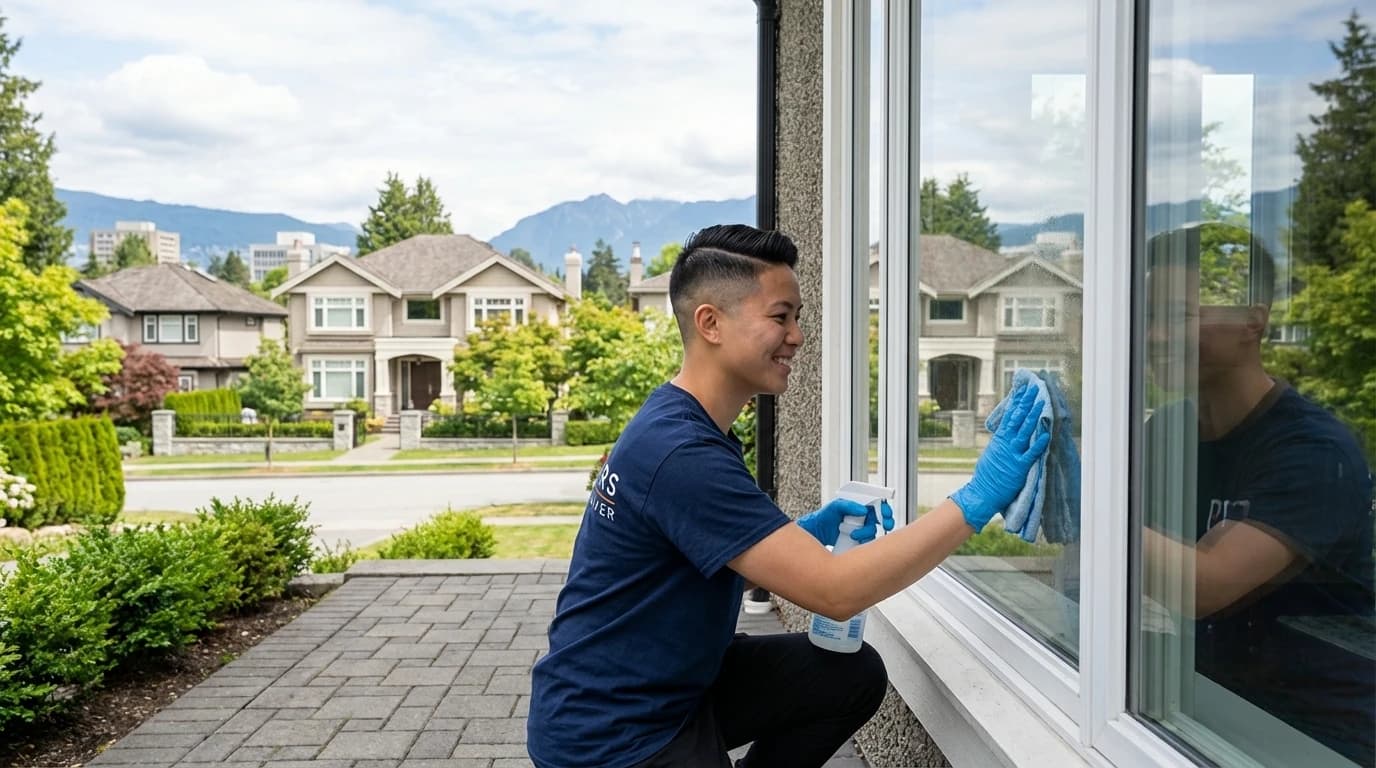
Approximately 41% of Burnaby's housing stock predates 1980, with many homes retaining original fixtures, flooring, and finishes requiring specialized cleaning methods. Older homes in neighbourhoods like Capitol Hill, Sperling-Duthie, and Parkcrest feature hardwood floors, tile work, and cabinetry that demand pH-neutral cleaning products to prevent damage. Modern alkaline cleaners can strip finishes from vintage hardwood, etch natural stone tiles, and discolour original grout. Professional cleaning services assess material composition before selecting appropriate products, protecting home value while achieving thorough cleaning results. Spring cleaning provides the opportunity to evaluate condition of original features and plan restoration or refinishing projects before damage becomes irreversible.
Lead paint remains present in many pre-1980 Burnaby homes, particularly on window frames, door trim, and exterior siding. Disturbing lead paint through aggressive scrubbing or abrasive cleaning creates health hazards through dust and chip generation. The BC Centre for Disease Control recommends wet cleaning methods using HEPA-filtered vacuums for any surface with suspected lead paint. Never dry sand, scrape, or use abrasive pads on painted surfaces in older homes without professional lead testing. Spring cleaning should include visual inspection for paint deterioration, with peeling or chalking surfaces requiring professional remediation rather than DIY cleaning attempts. Properties built before 1990 should undergo lead paint assessment before any renovation or intensive cleaning projects.
Asbestos-containing materials appear in many pre-1980 homes including vinyl floor tiles, ceiling texture, pipe insulation, and furnace ductwork. Intact asbestos materials pose minimal risk, but damage or deterioration releases dangerous fibres into indoor air. Spring cleaning must avoid disturbing suspected asbestos materials through aggressive scrubbing, power washing, or mechanical abrasion. WorkSafeBC regulations require professional assessment and remediation for any asbestos disturbance in residential properties. Homeowners should document locations of known or suspected asbestos materials and communicate this information to cleaning services to prevent accidental exposure. Focus spring cleaning efforts on surfaces confirmed asbestos-free, leaving questionable materials for professional evaluation and handling.
- Test cleaning products on inconspicuous areas of original hardwood, tile, or fixtures before applying to visible surfaces to prevent damage
- Avoid steam cleaning or excessive water on original hardwood floors as moisture penetrates finish cracks and causes board warping
- Document original features with photographs before cleaning to track condition changes and identify areas requiring professional restoration
- Hire certified professionals for cleaning projects involving suspected lead paint or asbestos materials rather than attempting DIY approaches
- Preserve original grout in tile installations by using soft brushes and pH-neutral cleaners rather than acidic solutions that cause erosion
High-Rise and Condo Spring Cleaning Strategies
Burnaby's extensive high-density housing requires adapted cleaning approaches for smaller spaces, shared ventilation systems, and strata regulations governing cleaning activities.
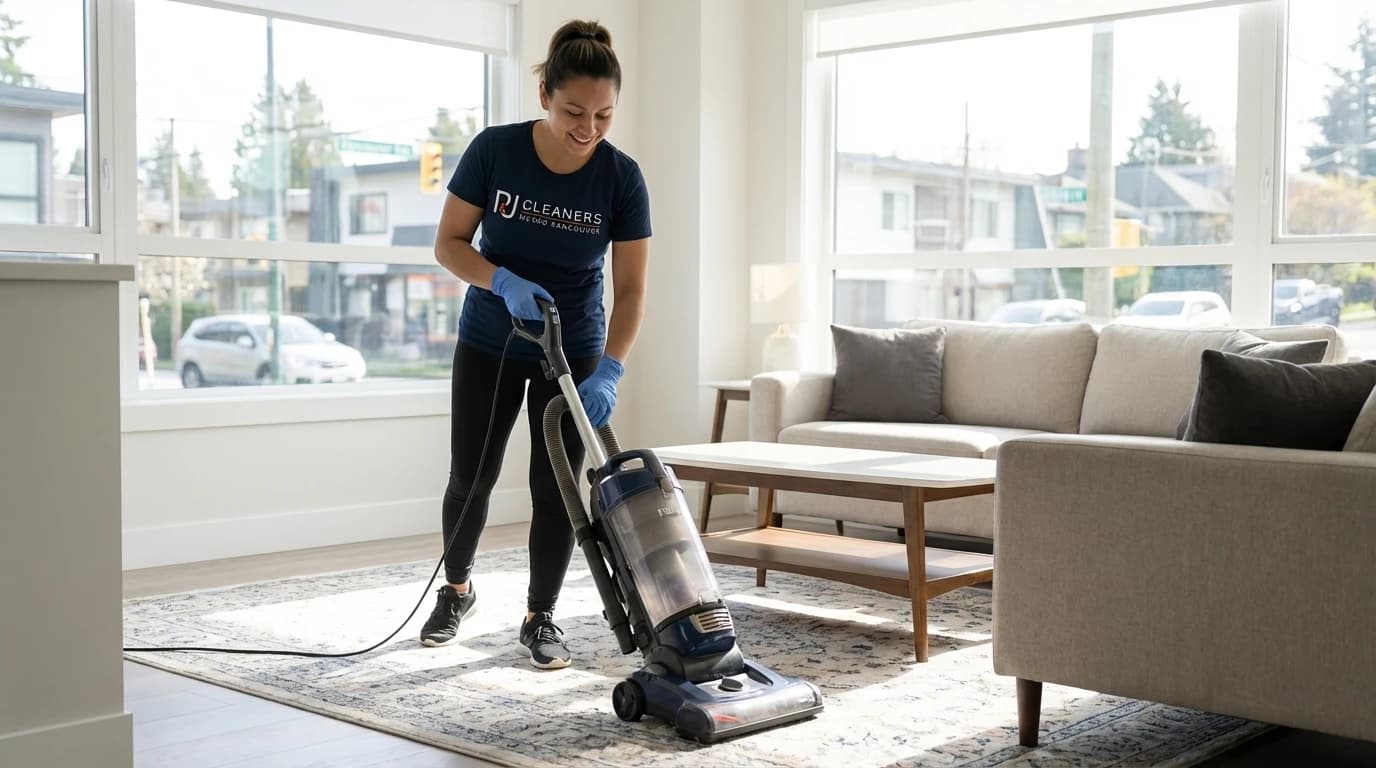
Metrotown and Brentwood neighbourhoods contain Metro Vancouver's highest concentration of high-rise residential towers, with units ranging from 500-1,200 square feet. Compact living spaces accumulate dust and clutter more rapidly than single-family homes due to reduced storage and higher occupant density per square foot. Spring cleaning in condos requires systematic decluttering before surface cleaning to maximize limited space. Vertical storage solutions, under-bed containers, and seasonal item rotation help maintain organization between deep cleaning sessions. Focus cleaning efforts on high-impact areas including kitchen appliances, bathroom fixtures, and windows that significantly affect perceived cleanliness in small spaces. Professional cleaning services complete typical condo spring cleaning in 3-4 hours compared to 6-8 hours for single-family homes.
Shared HVAC systems in apartment buildings circulate air between units, meaning individual cleaning efforts provide limited air quality improvement without building-wide maintenance. Strata corporations typically schedule annual duct cleaning and HVAC servicing, but individual unit owners should replace in-suite air filters quarterly minimum. High-rise buildings experience stack effect air movement, with lower floors drawing outdoor air and upper floors exhausting indoor air through building envelope gaps. Units on floors 15+ face increased window cleaning challenges due to wind exposure and restricted exterior access. Most strata bylaws prohibit residents from cleaning exterior windows above ground floor, requiring professional services with appropriate safety equipment and insurance coverage.
Balcony cleaning presents unique challenges in high-rise settings due to drainage considerations and neighbour impact. Water runoff from balcony cleaning flows to units below, potentially causing complaints or damage if excessive. Use minimal water with quick-drying methods, sweeping debris before wet cleaning to prevent drain clogs. Burnaby's Strata Property Act allows corporations to establish cleaning standards and schedules for common areas, but individual unit owners maintain responsibility for balcony and patio spaces. Spring cleaning should include balcony furniture, planters, and storage lockers that accumulate winter debris and require preparation for summer outdoor living season. Remove dead plants, clean furniture cushions, and inspect drainage holes to ensure proper water flow during spring rain showers.
- Coordinate with building management to schedule elevator use during move-out or intensive cleaning to avoid conflicts with other residents
- Use low-moisture cleaning methods in condos to prevent water damage to flooring and reduce drying time in humidity-controlled buildings
- Clean balcony drains monthly to prevent clogs that cause water backup and potential interior flooding during heavy rain events
- Review strata bylaws before hiring cleaning services to ensure compliance with building access, parking, and noise restrictions
- Focus spring cleaning on kitchen and bathroom deep cleaning as these areas provide highest return on effort in compact living spaces
Local link strategy
Explore the matching service area pages for burnaby to connect this neighborhood advice with location-specific service information.
Services mentioned in this article
Ready for help?
4.9 · 850+ Google reviewsReady for a Fresh Start This Spring?
Book professional spring cleaning in Burnaby today. Same-day service available with our satisfaction guarantee.
778-720-2224Spring Cleaning FAQs for Burnaby Residents
How much does spring cleaning cost in Burnaby?
Spring cleaning in Burnaby typically costs $45-$65 per hour depending on home size and condition. A standard 1,500 sq ft home averages $280-$420 for a complete deep clean. P&J Cleaners offers transparent pricing with no hidden fees, and you can book same-day service throughout Metro Vancouver. Larger homes or properties requiring specialized cleaning may cost more, but we provide free quotes to ensure accurate estimates before any work begins.
What does spring cleaning include?
Professional spring cleaning includes deep cleaning of all rooms, baseboards, window tracks, light fixtures, appliance interiors, and hard-to-reach areas. We tackle built-up dust, allergens, and grime that accumulate over winter months. Services cover kitchen degreasing, bathroom sanitizing, floor scrubbing, and detailed dusting. Burnaby homes benefit from moisture control cleaning due to coastal climate conditions. Optional add-ons include carpet shampooing, upholstery cleaning, and exterior window washing to complete your seasonal refresh.
How often should you get spring cleaning?
Most Burnaby homeowners schedule professional spring cleaning once annually, typically between March and May. However, homes with pets, allergies, or high traffic may benefit from bi-annual deep cleans in spring and fall. Regular maintenance cleaning every 2-4 weeks between deep cleans keeps homes healthier. Statistics Canada reports that 68% of Canadian households perform seasonal deep cleaning at least once per year, with spring being the most popular time due to increased daylight and motivation for renewal.
Best spring cleaning service in Burnaby?
P&J Cleaners ranks as Burnaby's top-rated spring cleaning service with 4.9 stars from 850+ reviews. We serve all Burnaby neighbourhoods including Metrotown, Brentwood, and Edmonds with same-day booking availability. Our team offers eco-friendly products upon request, arrives fully equipped, and provides a satisfaction guarantee. We're fully bonded and insured, with specialized training in residential deep cleaning. Local expertise means we understand Burnaby's unique cleaning challenges from coastal moisture to urban dust accumulation throughout the year.

Meet the Author
Pamela
Co-Founder
Pamela leads residential quality standards at P&J Cleaners, refining safe, detail-driven cleaning systems for Vancouver homes, condos, and move-out projects.
Keep Exploring